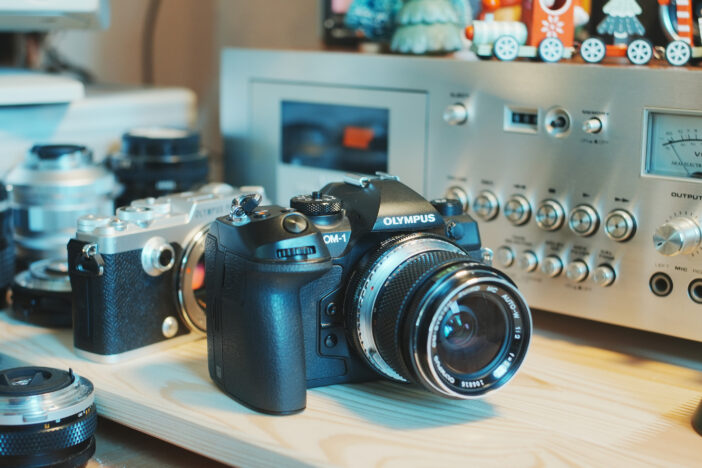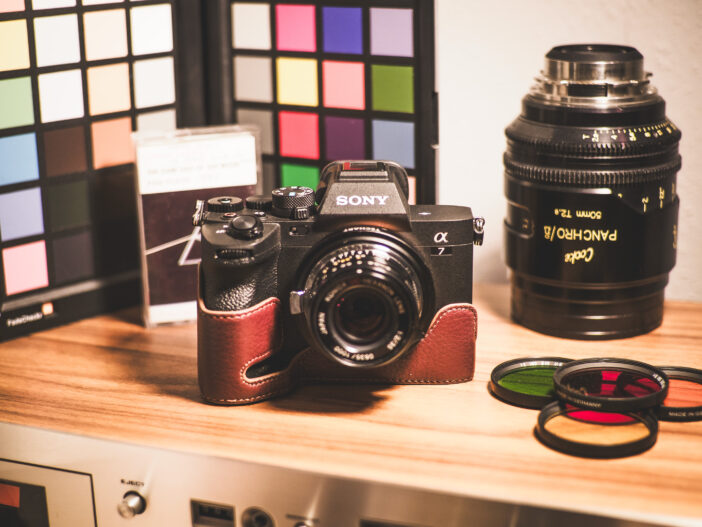


Battle of the $1000 filmmaking kit: Canon EOS R8 vs Panasonic G9 II
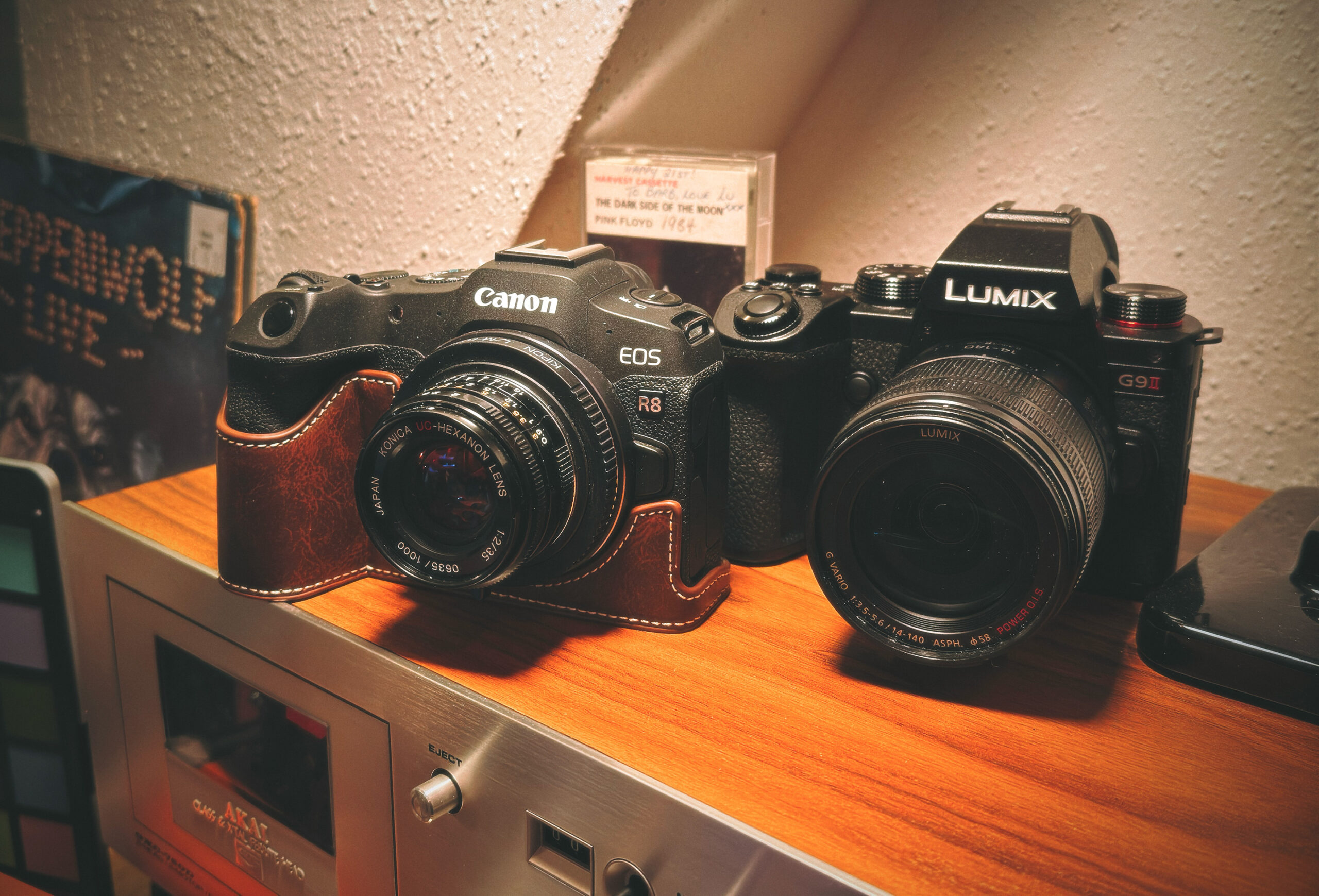
It’s like Canon 5D Mark II vs Panasonic GH1 all over again!
Oops. Has ChatGPT just been made obsolete over night? #Moltbot

EOSHD is a filmmaking camera blog but there are rare moments the earth seems to shift and something comes along which has nothing to do with what I usually cover, that nevertheless has profound implications for all of us. Early days though it may be, Moltbot is one of these moments.
This is a concept… with many implications.




Interview with Panasonic’s Masanori Koyama – Product Planner for the GH6
Masanori Koyama joined Panasonic in 2002. After a career as a hardware engineer, Koyama san is currently in charge of product planning for LUMIX in Imaging Business Unit in Japan. He has been in charge of product planning

An EOSHD Interview with Yosuke Yamane – Are Panasonic working on an L-mount cinema camera?
I recently had the opportunity to ask Yosuke Yamane-san some questions about the current and future Panasonic line-up, including the upcoming GH6 and how Panasonic can continue to build on the success of the S1,

EOSHD Podcast Episode 2 – An interview with Michael Moore’s producer, Jeff Gibbs about their new film “Planet Of The Humans”
In Episode 2 of The EOSHD Podcast (Available now on Anchor and Spotify) I talk to Michael Moore’s producer Jeff Gibbs. Jeff’s film Planet Of The Humans is a documentary exploring the dangerous corporate co-opt
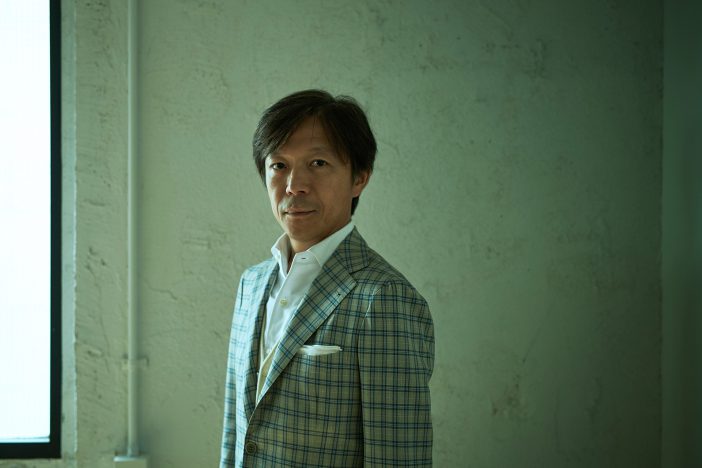
The EOSHD Interview – Kazuto Yamaki, CEO of Sigma and Takuma Wakamatsu, Sigma Fp Product Manager
I’d like to welcome Kazuto Yamaki, CEO of Sigma and the product manager of the Sigma Fp and Cinema lenses, Takuma Wakamatsu to the pages of EOSHD for this long interview! I have recently been
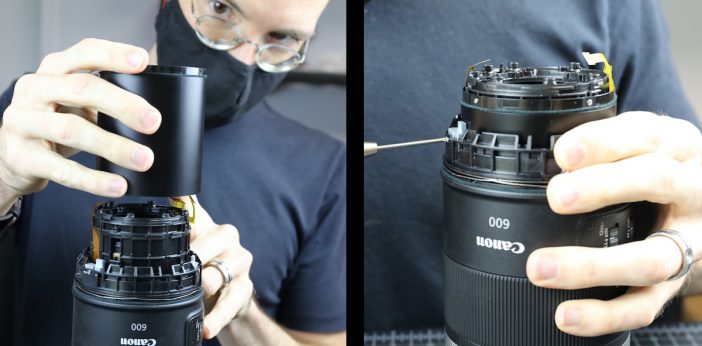
An interview with Roger Cicala of Lens Rentals on Canon RF 600mm teardown and more
I have been a long-time follower of Roger’s blog at Lens Rentals, which gives us not just a rare glimpse inside camera gear, but also an expert eye on construction quality, weather sealing and the
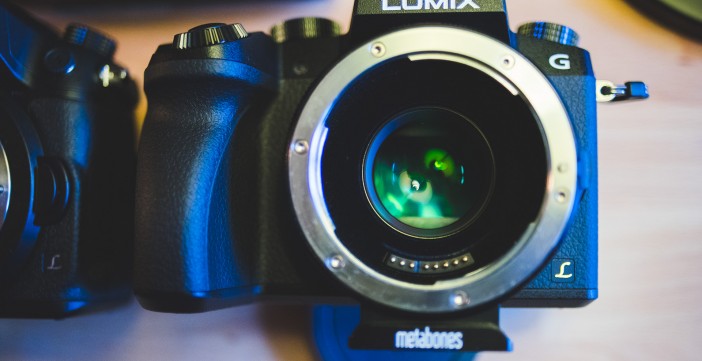
The Big EOSHD interview: Metabones lens adapters
Metabones recently announced the long-awaited Canon EF mount Speed Booster Ultra for Fuji X, which will be one of the must-have accessories for X-T4 owners. This will have support for phase-detect AF and incorporates Caldwell
MPB camera store review 2026 – The mysterious case of 7 lost packages
I’ve known about MPB since they started following EOSHD on Twitter, all the way back in 2011. Soon after that MPB reached out with an offer to sponsor the blog. Describing themselves as “The UK’s Only Specialist Canon and Nikon Used Equipment Dealer”, MPB have come a long way since the early days. When MPB set-up a warehouse in Berlin, as you can imagine I was very excited and as a serious gear-addict, have spent many thousands with MPB online over the years
My last order was placed this week in Berlin. When I say last order, it could literally be.
The 2025 Hybrid Mirrorless Camera Rankings

As another year draws to a close here are EOSHD’s official observations on the camera market for 2025, new vs used.
And which cameras for both stills and cinema stood out for value for money in 2025?
EOSHD Z-LOG – Add internal LOG recording to Nikon cameras
Introducing EOSHD Z-LOG An advanced LOG profile for internal video recording on Nikon cameras, Z-LOG allows you to record 4K video and 1080p in LOG format

EOSHD C-LOG profile for all Canon EOS R mirrorless cameras and DSLRs
The EOSHD C-LOG and Film Profiles Pack is now available and works in both video and stills mode – on all Canon DSLRs and mirrorless cameras.
EOSHD Pro Color 5 – Improve Sony’s color science on all camera models // a7 IV // a7S III / FX3 / a7C II and more
EOSHD Pro Color 5 is an advanced colour science solution for Sony mirrorless cameras, including the new A7S III, resulting in better image quality, wider
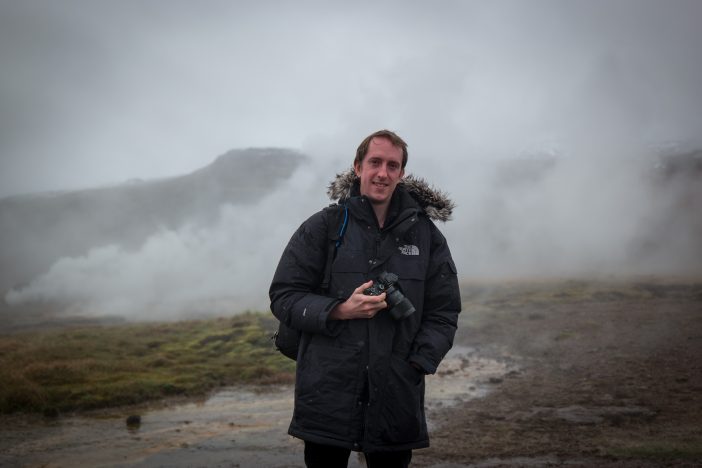
About EOSHD, Andrew Reid
EOSHD is the filmmaking blog of Andrew Reid Hello And welcome to the site. On EOSHD you can find my blog posts, opinions, reviews and