Leaderboard

Popular Content
Showing content with the highest reputation since 10/20/2026 in Posts
-
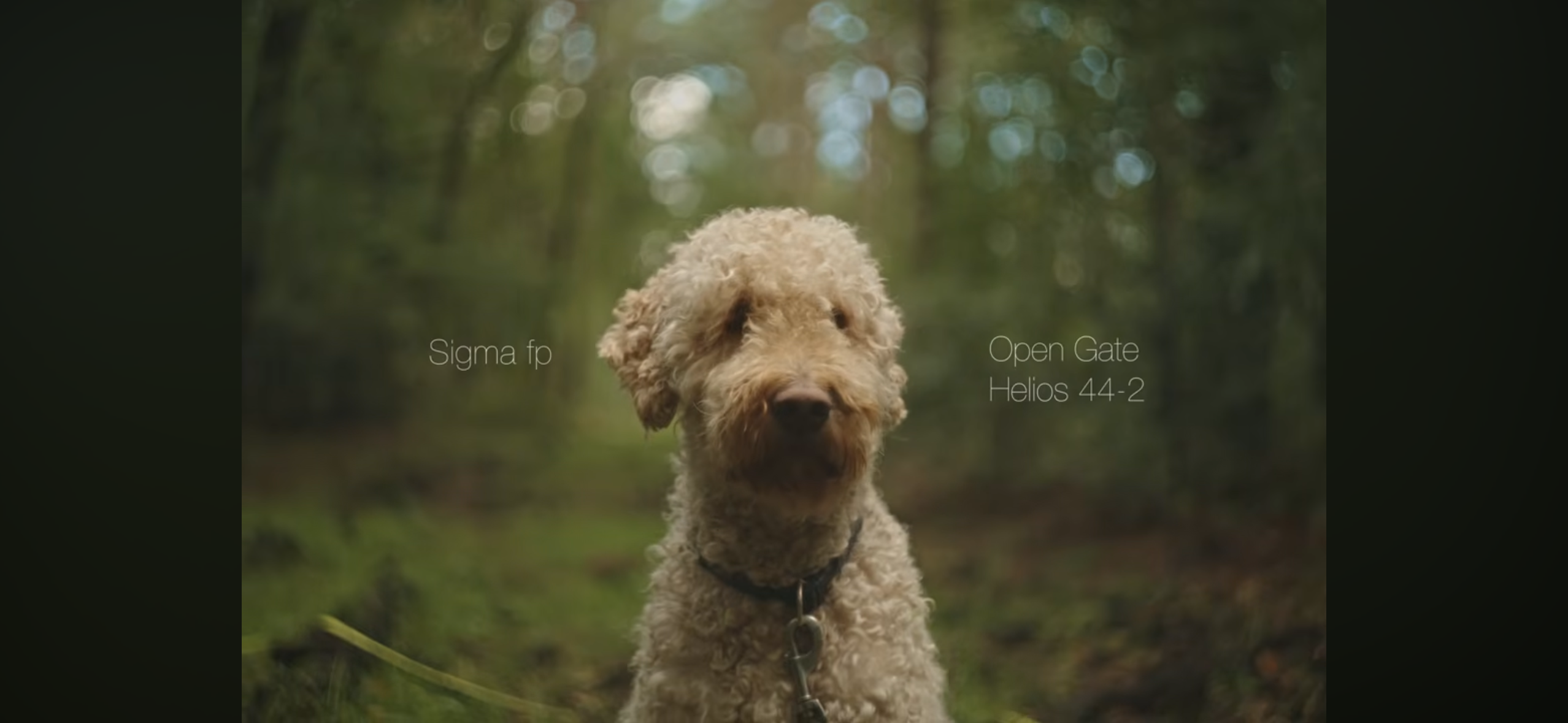
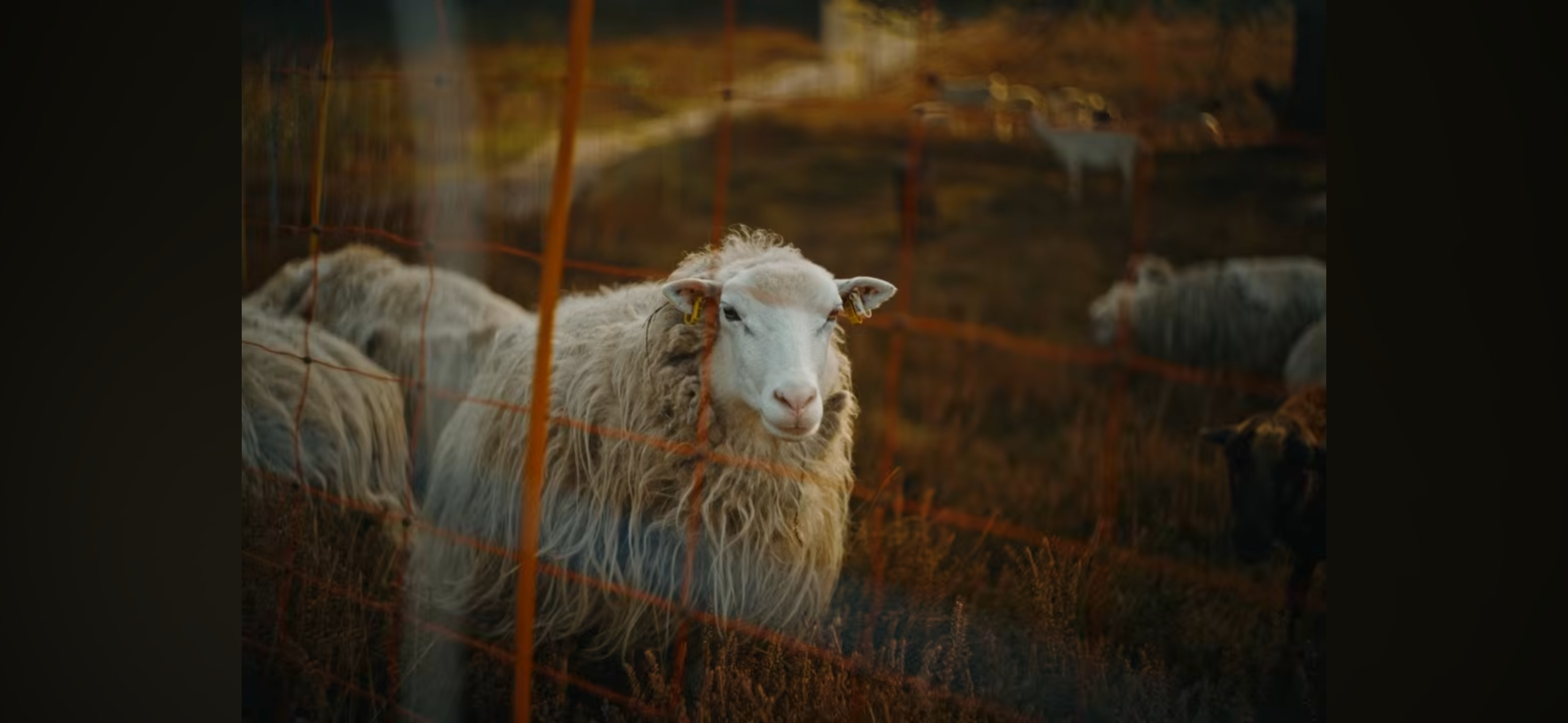
The 1.55x has never looked this good on previous iPhone models. The adjustable aperture of the 18 Pro seems to make a huge difference in the overall detail and IQ. It also carries through on the video side and makes focusing much simpler. The 1.55x was always pretty dreamy wide open and is even moreso on the 18 Pro, since it has a faster lens. I have never tested it seriously on any of my other cameras, because it won’t cover full frame (whereas the 1.33x seems to if you find the right lens). But I suspect the 1.55x would actually work great on a M43 or APSC sensor. Here is another iPhone shot from this evening. There were a few raindrops on the lens, which created some interesting artifacts.
 2 points
 -
Key specs via PP: https://www.dpreview.com/reviews/sigma-fp2-everything-is-better-for-the-second-gen-modular-mirrorless-camera/ 24MP partially stacked CMOS sensor Up to 20fps stills Video up to 6K open gate, including ProRes RAW output to SSD Two USB-C sockets Full-sized HDMI port Tilt up/down 3.2″ 2.1M dot rear LCD Optional 5.76M dot electronic viewfinder Optional OM System/Panasonic compatible hotshoe 70GB internal memory Larger, 16Wh battery, giving 370 shots/charge rating 460g (16.2oz) including battery and card The Sigma fp2 will be available from November 11th at a price of $2199, body only, or $2749 with the new EVF-21 accessory or $2749 with the I-series 50mm F2 DG lens.2 points
-
Here are a few shots with the Beastgrip 1.55x lens on the 18 Pro Max. These are both at F4. The adjustable aperture makes a night and day difference with the 1.55x especially for open gate stills/video.
2 points
-

The Sigma FP II is officially a thing.
eatstoomuchjam and one other reacted to Andrew - EOSHD for a topic
I think it looks like a good deal to me. The articulated screen is a big plus over the original cameras. L-LOG too (interesting that they took Leica's rather than make their own Sigma LOG or use Panasonic's). ProRes RAW is to SSD. Internal 8bit Cinema DNG seems to have gone away. All cameras need an HDMI port - far better it be full sized than micro. Autofocus is a big improvement too, as is the open gate sensor, much less rolling shutter, higher resolution recording, bigger battery (the original used the same battery as the GH2!!) I'd rather have one of these over the Z6 III, it only lacks IBIS and internal raw. But as any GH2 owner will tell you... You don't really need either 🙂2 points -

New L Mount Camera coming next week…
eatstoomuchjam and one other reacted to kye for a topic
Sigma FP ii... So far it's not even up on Sigmas website, so no idea about codecs, but it does look like it does a 10-bit LOG internally, so at least one of the "gaps" in the OG seems to have been addressed. It's probably not the camera for me, but definitely respect to Sigma for trying something with the FP and continuing support for the concept.2 points -
I've ordered the Beastgrip 1.55x MK2 lens, and I also found an adapter that I can mount my Neewer 1.55x onto, so that will mean I can test it properly on various lenses. I have no idea which lenses these will work on, but combined with the 2x digital zoom of the GX85 or the continuous digital zoom of the GH7 any coverage issues should be able to be overcome. You'd think that cropping would make the FOV too narrow, but actually it's perfect because with a 1.55x stretch factor it makes lenses far wider, so cropping narrows them back up again, and cropping also lowers the resolution of the final image, but that's fine because we're interested in a flawed and character rendering, not clean soul-less images, so it's potentially an advantage. Given that coverage might be an issue, this might really suit the GoPro ILS as well.1 point
-
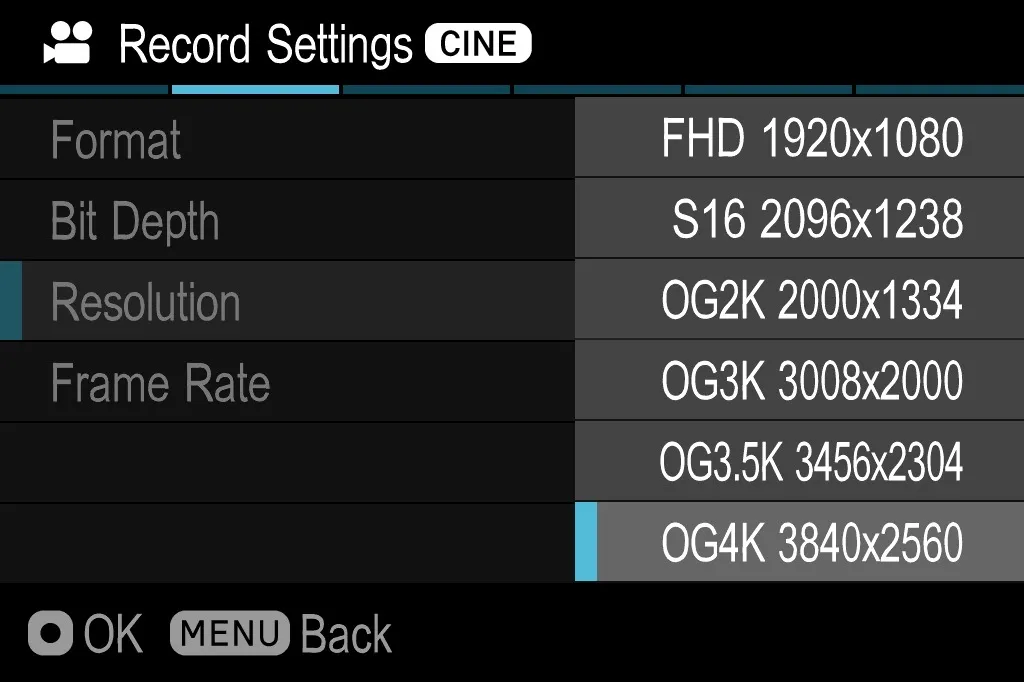
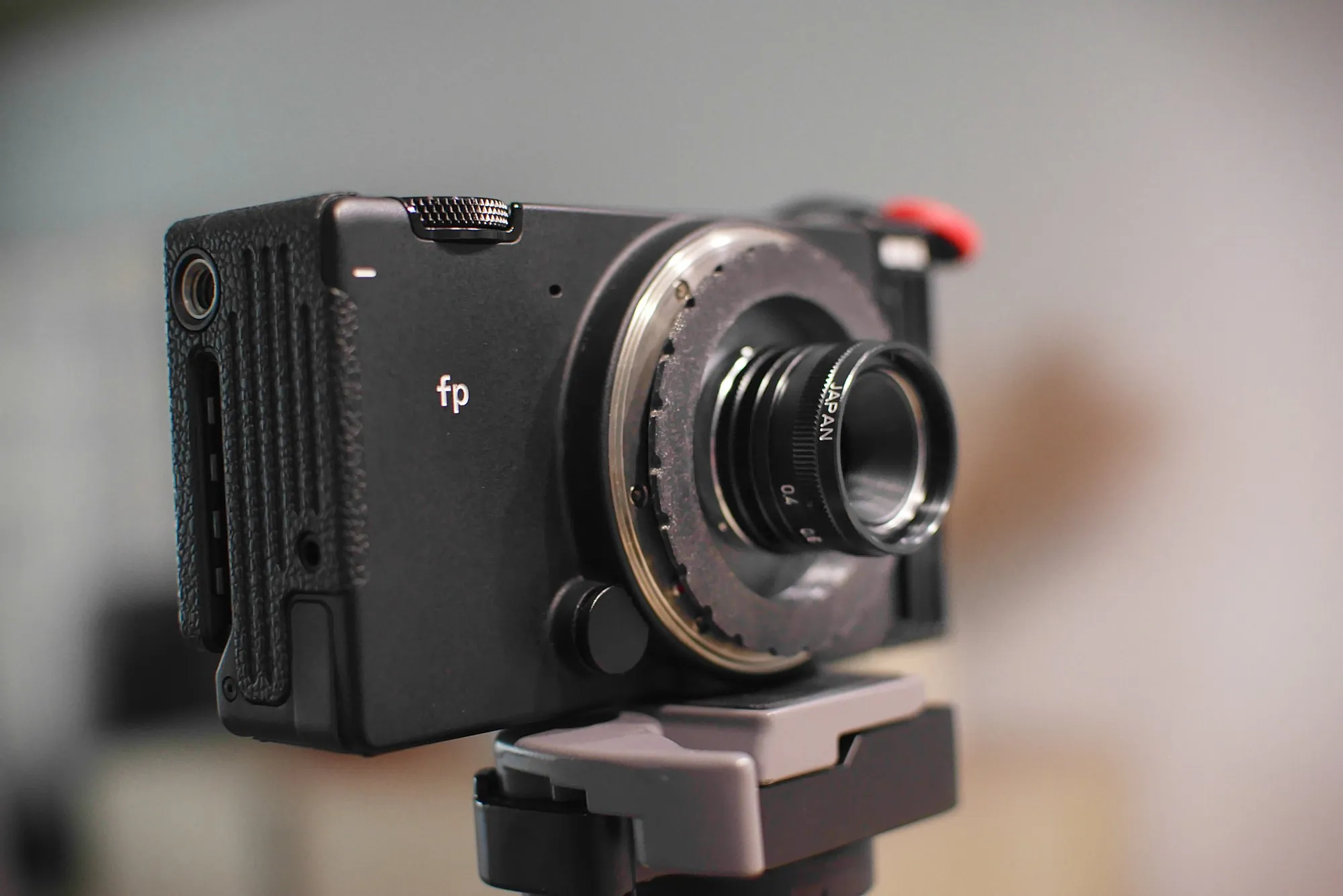
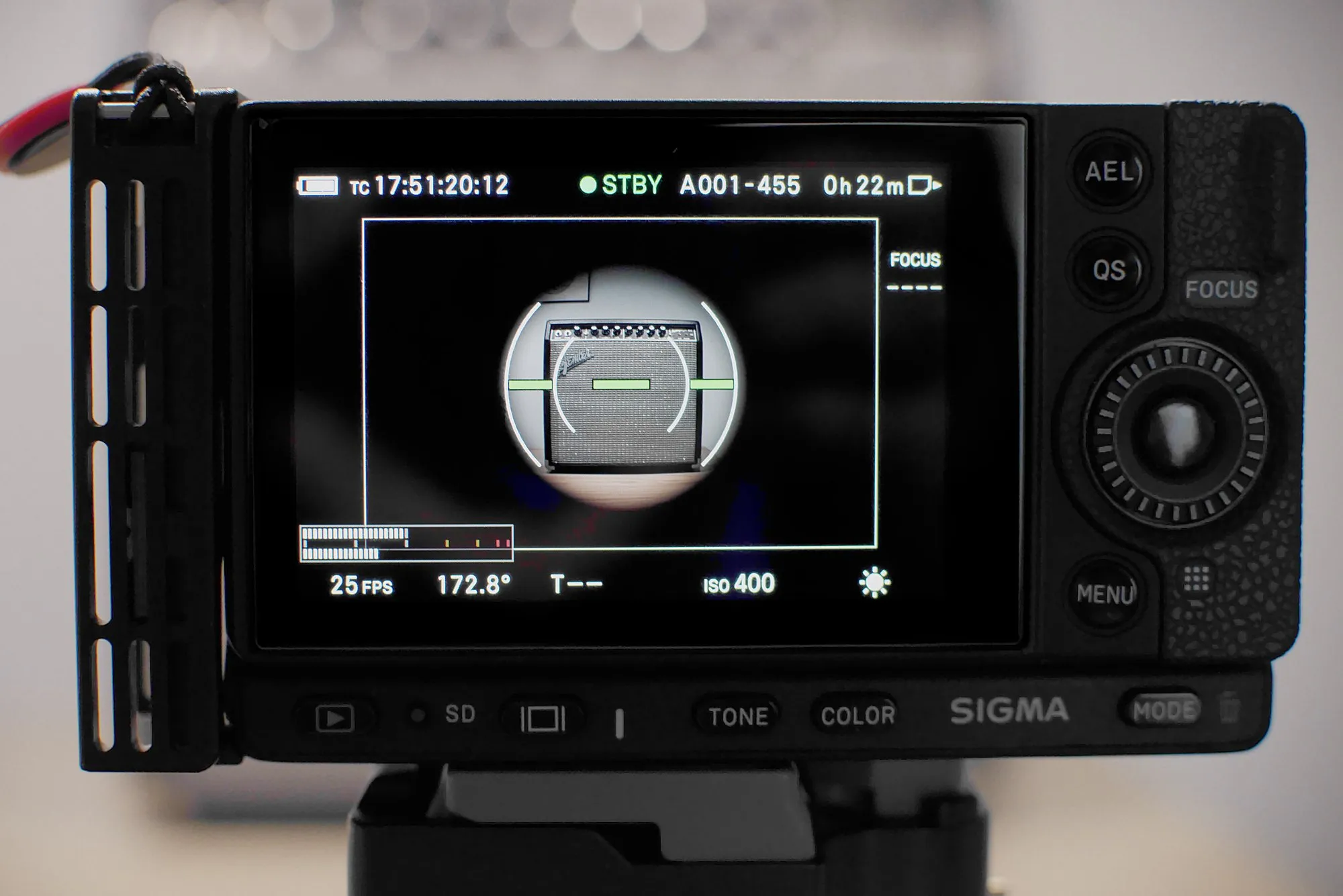
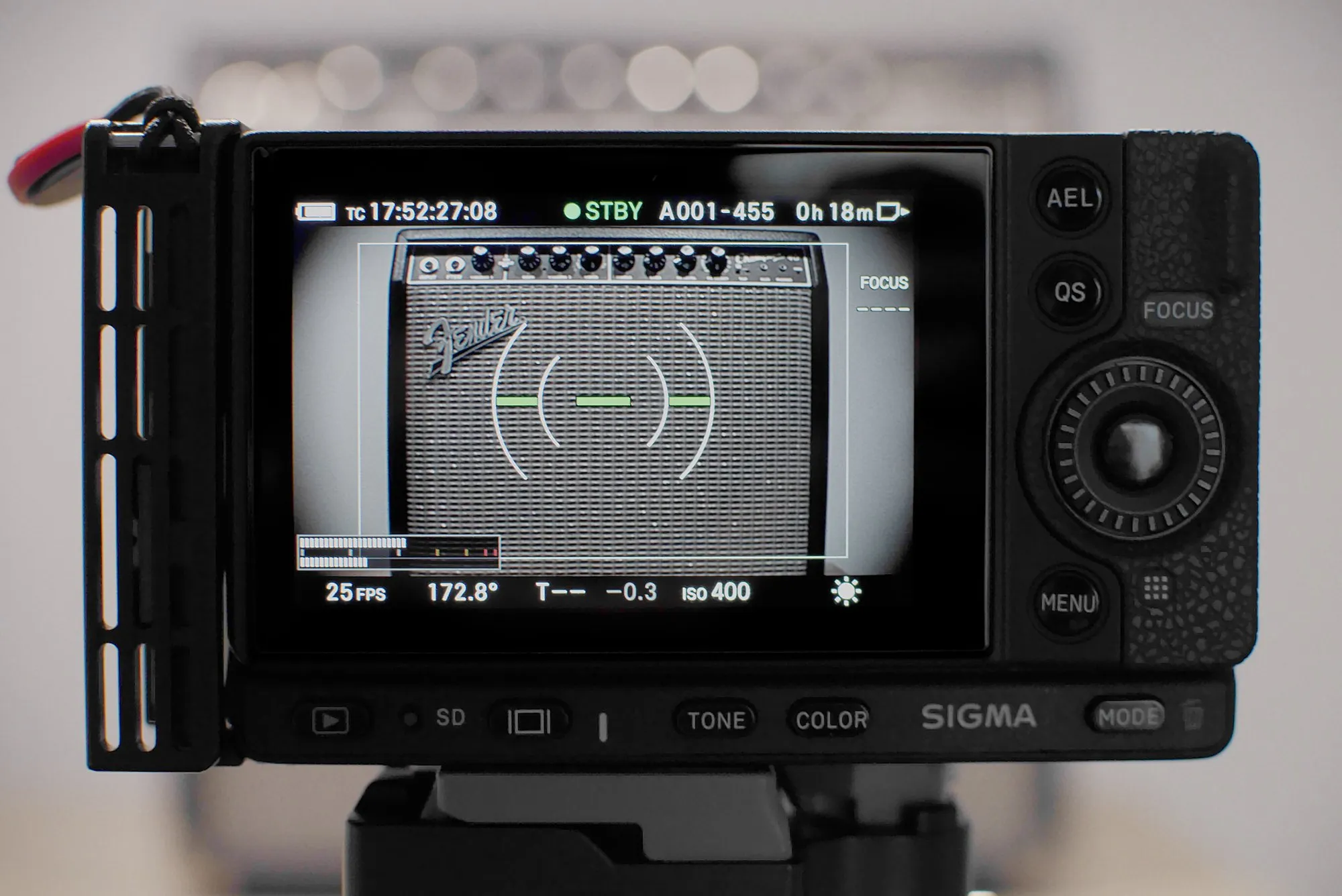
I posted some things in the older Sigma FP thread but I feel like these new FP hacks are picking up momentum and deserve their own separate space. In my opinion this project has big time EOS HD vibes and I’m getting old school Magic Lantern feelings all over again. : ) Like most of you, I’m disappointed by the new Sigma FP2 and have always held off on the original FP because it just never made sense for the price and all the fiddling needed to use it. But time and time again I’m impressed with content coming from this mighty little brick. The users that know how to tame the massive cDNG files and work with all the shortcomings are rewarded with some truly glorious images and I want in on that mojo. Lots of new hacks making open gate possible on the FP and giving some new recording options that cut down considerably on rolling shutter and data rates. https://www.elcacharrista.com/en/articles/hacking-the-sigma-fp-with-ai/ Many of the shortcomings are still there of course, (the lack of flippy screen etc…) but for a now, $800 camera I feel like it’s worth picking up just to play around with. I’m also really excited about the new Super 16 mode. Super 16 At the last minute we decided to add a Super 16 crop mode -something I had asked about in this post two years ago, which is genuinely useful if you own cine lenses in that format. Recording quality is excellent despite the small image circle compared to full frame. At 2096x1238, with no scaling whatsoever, it is already more than the 1080p the original Blackmagic Pocket Cinema Camera gave us. What are your thoughts on the new hacks and is anyone else thinking about getting an FP in 2026 now that gyrodata and open gate are crammed into this little guy?
1 point
-
100% agreed : ) Deserves a space of their own ;- )1 point
-
Some really beautiful tests with the new 3k open gate modes.
1 point
-
Wow.. they're not optically perfect, but in the grand scheme of anamorphic adapters (and especially vintage anamorphic adapters) they're on the clean end of things for sure. I'm now back to contemplating pulling the trigger on the 1.55x....1 point
-
Personally I am still intrigued by the FP form factor so will def be keeping my eye on this, specifically for travel/casual stuff - especially bcuz it seems to have a much better build than its competitors in that size range.1 point
-
Yes, the ZR is the new benchmark in a number of ways and for me is probably the pick of the bunch of these new ‘cine’ style bodies including: S9, ZV-E1, R6V and now FP2. I love the size and build of the FP and the new rear LCD, but that lack of IBIS, aaaaaaargh! S9 has the best video spec for me (the ZR beats it sure with it’s Red Raw but for the massive amount of storage it gobbles) but the ZR counters with a very nice body and rear LCD….except I would rather it was fully articulated (first choice) or at least tilted like the FP (second choice) but really don’t like the flip out to the side. I don’t care for that side mounted EVF though. Ugly as fuck and all the FP would need for me is a base plate and grip and I’d be off with it. But that’s if it had IBIS, which it doesn’t so back on the fence waiting to see what LUMIX do. FP2 was/is one single element away from being perfect for me. ZR is two elements. ZV-E1 two elements (rear LCD and something else I forget). S9 two elements (rear LCD and overall build). Someone will hopefully get it right soon…1 point
-
Somebody needs to tell Sigma that if you are FORCED to add components to the camera to make it usable, then it is no longer the "smallest full frame camera." Now if the 2.5K ProRes Raw can be recorded internally, that will be a little interesting, but not for the same price as the ZR. And definitely not without IBIS.1 point
-

The Sigma FP II is officially a thing.
MrSMW reacted to KnightsFan for a topic
I want to love sigma but there's always a deal breaker. That huge evf on the side is a no-go for me. If they make a compact evf so that the thing can actually fit in a small travel bag, I'd get one. it has everything else I would want, on paper anyway. Once you add the evf, the size isn't an advantage anymore, and total price is nearly identical to the S1ii, so unless you really need a few hundred grams shaved off, it's hard to pick sigma.1 point -

The Sigma FP II is officially a thing.
mercer reacted to Framed_By_Dan for a topic
From what people have been saying, it's a DGO Sensor rather than a Dual ISO. Someone did a test on the S1II and found that to be the case too. Funnily enough, Sigma themselves state L-Log as a codec - it's in the menu. Very weird.1 point -
Not according to the specs on B&H, I only see h.264, h.265 and ProRes Raw HQ. It also says they included 70GB of internal memory... but according to DP Review, you need an SSD to record ProRes Raw... so I seriously do not understand this camera. They keep all of the annoying issues, take away the one good spec (cDNG) and then don't give us IBIS either?! So you still need to rig out the small camera with an SSD to get a higher resolution that nobody asked for? I mean at least make the internal card slot CFExpress... hell give me regular CF. The FP was frustrating in a lot of ways, but it was released in 2019, so I still feel it was a pretty great release. This is just stupid.1 point
-

The Sigma FP II is officially a thing.
Emanuel reacted to eatstoomuchjam for a topic
Official listing on their website: https://www.sigmaphoto.com/fp21 point -

Sigma Fp review and interview / Cinema DNG RAW
eatstoomuchjam reacted to Ty Harper for a topic
Sigma FP II has officially been announced.1 point -
A new Super 16 Cinema Cam: the GoPro Mission 1 Pro ILS?
John Matthews reacted to kye for a topic
There are so many trade-offs here it's impossible to actually discuss all of them in any sensible way, that's why I suggest simply trying them yourself, as the proof is in the pudding. The recommendation of 1/200s is 4 times shorter than 1/50, so the recommendation for 13mm and 11mm lenses are vastly different despite the focal lengths being quite similar. I understand this is a generic recommendation, but that only works for generic people, and I have never met any of those before! I'm assuming your statement about the ILS producing more detail in RAW is about still images? That's a whole other thing than video and these tradeoffs all go completely different since the modern standard for getting sharp images seems to require a shutter of 1/5000 or faster, if I go by the fact that people are photographing action sports and seem to want sub-pixel sharpness instead of their images representing the fact that there is any motion involved at all in the scene. Anyway, I'll leave you to your assessments, but I can tell you that if you shoot video on a potato and upload it to YT at 480p with a 180 shutter and compare that to video shot on the BM 17K URSA with a 45 shutter and uploaded at 8K, there will be people who prefer the 180 shutter just because the motion is so important to them. This is perhaps a drastic example, but a more practical one would be why anyone at all still shoots on 16mm. It is completely technically inferior in literally every regard, and yet, people still pay a huge amount of money for the pleasure.1 point -
A new Super 16 Cinema Cam: the GoPro Mission 1 Pro ILS?
John Matthews reacted to kye for a topic
Interesting. I'd imagine that a shoulder mounted rig would be quite stable in most circumstances, especially from the micro-jitters of smaller camera rigs. I've also found that shutter angle is a bit of a strange thing, where in some scenarios you want a larger angle and other scenarios it doesn't matter that much. Often this was related to how large the motion was in frame and how visible it was (e.g. if it was a hard high-contrast edge or softer). The output quality matters too - when I was testing my GF3, which does (IIRC) 1080p at 12Mbps (or similar) the shutter angle on many shots didn't really matter because the motion on a 180 shutter was comparable to the resolving power of the final image (it looks like quite compressed 720p footage) so for lots of stuff it didn't matter at all!1 point -
A new Super 16 Cinema Cam: the GoPro Mission 1 Pro ILS?
John Matthews reacted to kye for a topic
I guess it's a tradeoff: The more your hands shake during filming the blurrier each frame will be (motion blur) and the more stabilisation that happens after that the more that there will be motion blur in the footage without the associated camera shake and it will just look like random blurring (like the lens AF was pulsing, etc) The longer the shutter the more motion blur there will be in each frame The higher the resolution of the final result the more visible the intermittent blurring will be (ie, it will be more visible if you sharpen the footage on a 4K timeline and it will be less visible if you apply lots of image softening and grain) The higher your standards the more sensitive you will be to random blurring and to shorter shutter speeds For some people they're super sensitive to shutter angle, so are very intolerant to that. If they are also sensitive to blur and are going to sharpen the footage and publish in 4K then they will have to hold the camera a lot steadier to meet their requirements. For people that don't care about shutter angle then just have super-short shutters and you'll have great results. For people that want longer shutters but are going to soften the image a lot in post, or will be using much softer lenses, then they can afford to have shakier shooting because the random blurring will be far less visible. For people that don't care about the motion in the image then they can be happy despite the fact that other people would be very unhappy. In this sense it's impossible to know how you'll find something by just listening to other people. Tonnes of people think that some of the modern Sony and Zeiss lenses are "soft" and I think they're completely insane, but that's just different taste. In this case you probably have no idea how shaky your hands are compared to the next person, and there are no metrics that we can use to compare. From my experience of OIS and how I shoot, I'd get FAR FAR sharper images from the GX800 than the ILS, because the amount of camera shake I would have is easily enough to make the frames blurry but less than most OIS lenses can compensate for. In this sense it's not about the camera specs, it's about OIS vs not.1 point -

A new Super 16 Cinema Cam: the GoPro Mission 1 Pro ILS?
kye reacted to Clark Nikolai for a topic
The tests I showed had blur with a shoulder mounted camera at 180º shutter angle. I tried a few shorter angles and determined that 90º was okay. Shorter shutter angles had too crisp motion.1 point -

A new Super 16 Cinema Cam: the GoPro Mission 1 Pro ILS?
kye reacted to John Matthews for a topic
I'm sure IBIS will do better. However, when I look at the footage up to 50mm, it looks decent if you have the right SS. You have to remember I'm replacing a GX800 (2017 tech). The ILS isn't really in the same league in terms of capabilities (especially audio and slow motion). Both cameras are better when using a tripod of any kind. The GX800 didn't have any IS other than optical in the lens and the video (even 4k) was more susceptible to moiré and aliasing. The ILS is effectively lighter with way better IS than the GX800- that's why I'd get it. I do like the Flip-up screen on the GX800, something I wish the S9 would have. Here are some thoughts from someone who actually purchased the camera like me:1 point -
A new Super 16 Cinema Cam: the GoPro Mission 1 Pro ILS?
John Matthews reacted to kye for a topic
It's stabilisation after the exposure is made, so it will be subject to the same blurring as in the video I posted above. Depending on how much stabilisation is required and what your shutter angle is, it might be visible or might not. I'd highly encourage you do some testing to work out if it will meet your quality requirements.1 point -
A new Super 16 Cinema Cam: the GoPro Mission 1 Pro ILS?
John Matthews reacted to Clark Nikolai for a topic
I tested it out a few times. It does a good job. I used an app in an iPhone (attached with a phone holder to the camera rig) to record the gyro info. It added an extra step when shooting and there was some extra work and time to process the footage though. For my current project I determined that my shoulder rig was good enough as it is. But I do think it's a cool technology. Easier to use than a gimbal. If I was to get in to it more I would buy a Niyien Senseflow. You only need to sync with the camera once a day then you let it run. Here's a thread.1 point -

A new Super 16 Cinema Cam: the GoPro Mission 1 Pro ILS?
John Matthews reacted to Alt Shoo for a topic
@steadygannet63 yea, when I close my eyes I actually see the timeline and the blocks moving. I’m being serious. I would have lots of YouTube videos published if I wasn’t so numb from editing.1 point -
A new Super 16 Cinema Cam: the GoPro Mission 1 Pro ILS?
John Matthews reacted to kye for a topic
Great looking images but the EIS isn't a substitute for IBIS or OIS - you can see in this footage the image gets blurry at random times... I think this mostly kills this camera for me at least. If you're hand-holding then either you use short-shutters, or you use 180 shutter but need to stabilise BEFORE the exposure, rather than stabilising AFTER when the frames are already blurry.1 point -
New Interchangeable Lenses for smartphones... are they going to kill anything?
Emanuel reacted to eatstoomuchjam for a topic
It's there, but not very distinct. Here's a screen grab.
1 point -
New Interchangeable Lenses for smartphones... are they going to kill anything?
Emanuel reacted to fuzzynormal for a topic
Why can't I see the tower anywhere in that fist frame?1 point -
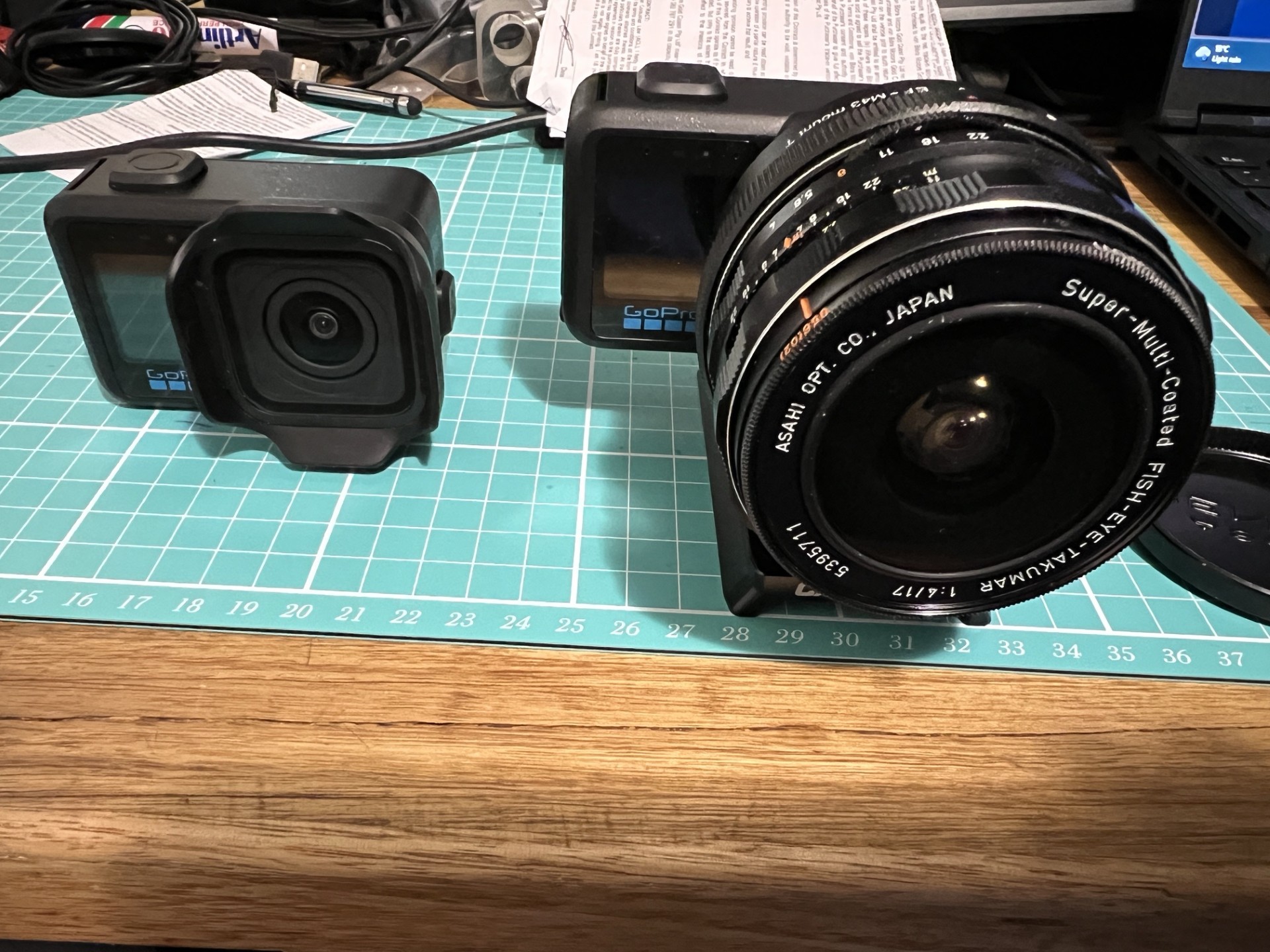
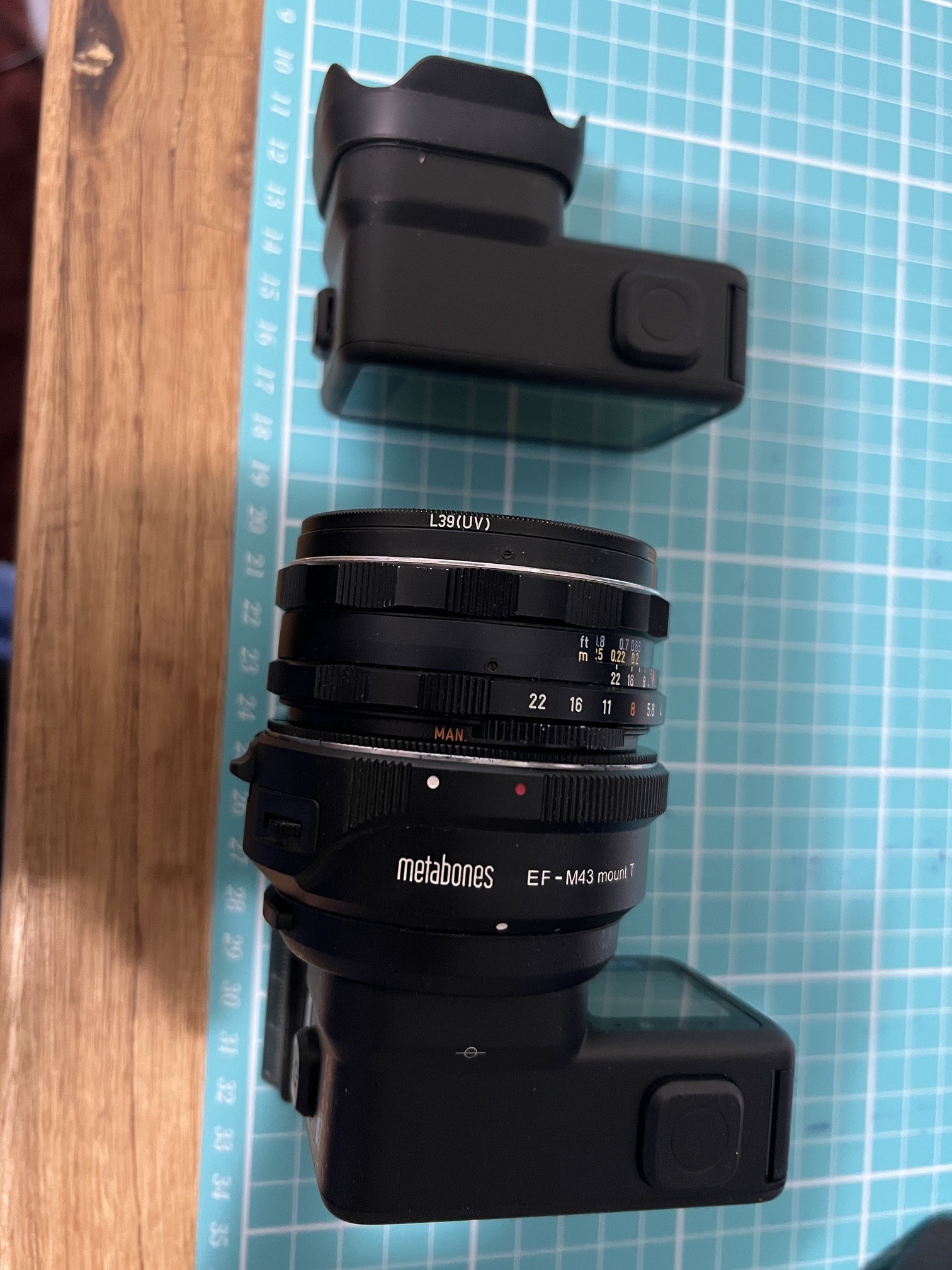
I'm not complaining mind you, just some observations. This is a sandisk extreme plus however its only 16 gb which probably gives something of its age away... I'll continue to use it in another camera and it does what i need it to do and i see no reason to throw it away until it breaks. I did get another recommended sandisk extreme v30 a2 256 gb from a retail shop and they sell gopros as well. I have one in each of the mission 1 and the ils camera now so no need to swap anymore. I have the smc 17mm attached to the ils at the moment via the metabones non speedbooster adapter. It has the usb port so the next thing on the agenda is to try a modern lens and see if the aperture controls works via the adapter. I have mostly vintage lenses, think Asahi, a couple of Canons same with the Nikons and Tokinas. I think i have two modern lenses that may work, however i need to perform a search...
1 point
-

A new Super 16 Cinema Cam: the GoPro Mission 1 Pro ILS?
Alt Shoo reacted to steadygannet63 for a topic
That unfinished half sounds useful too, especially the bigger MFT glass comparison. Editing your own stuff after doing it all day is a special kind of nope 😁1 point -
I will say that even though the Beastgrip adapters are made for phone use, they actually have very good build quality and the newest versions have pretty decent optics, with 1.33x being better corrected than the 1.55x. They also have good front filter threads - the 1.33 uses 58mm and the 1.55 is 62mm. Once you get them properly attached to your lens, they aren't going anywhere. The first versions are not as well corrected, but that may be what you are looking for. The build quality seems consistently good across all models and versions. I'm guessing you could find some on the used market for reasonable prices, as they aren't super expensive to begin with.1 point
-
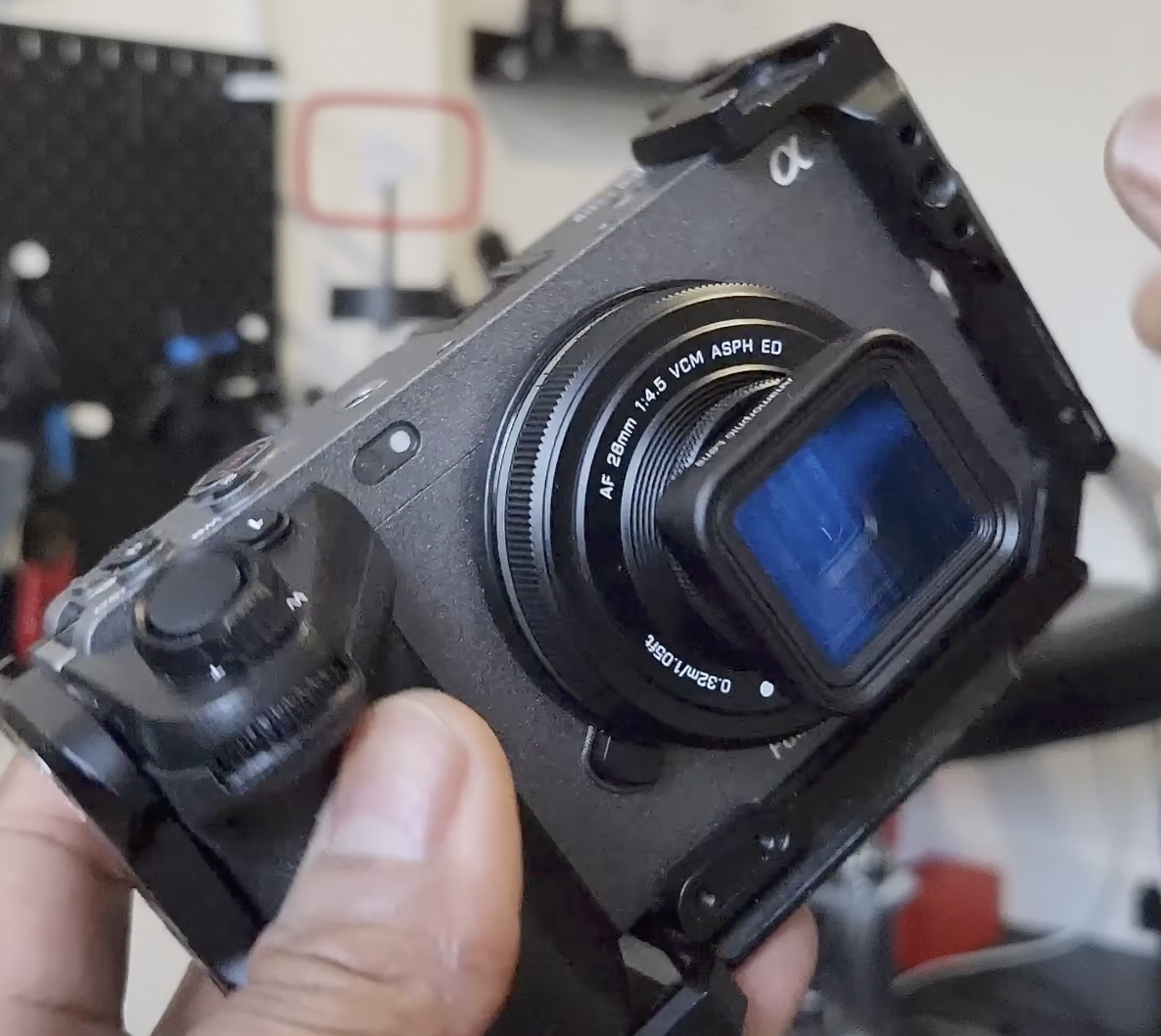
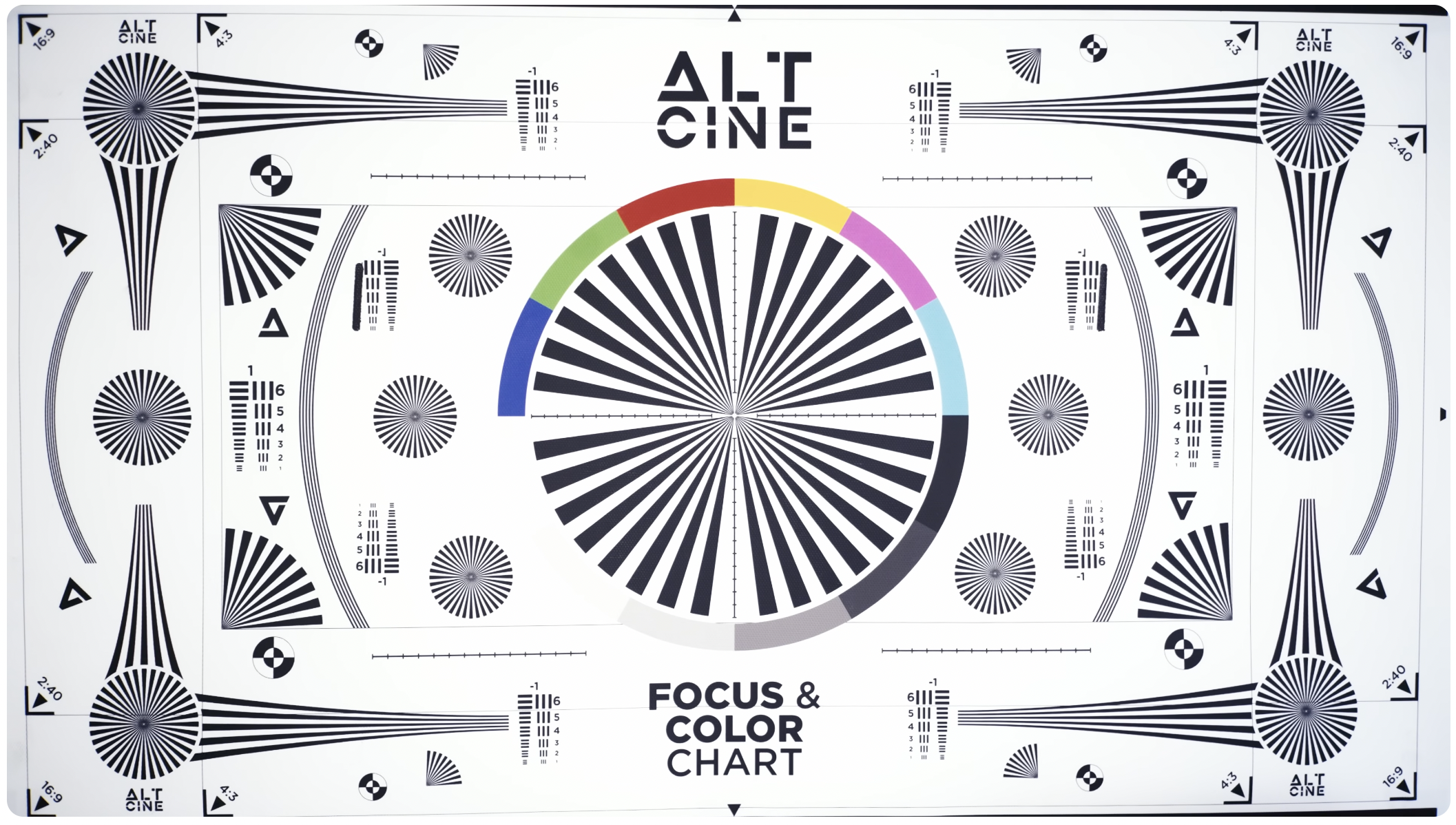
I also found this video below, which combines a cheap adapter from Aliexpress with 17mm rear-filter and the Viltrox 28mm F4.5 lens. He just sticks the mounting plate from the smartphone clamp for the anamorphic directly onto the Viltrox lens with tape, so hardly and ideal situation, but it is more proof of concept, and it covers FF too! Test image: Video:
1 point
-
Lumix S9
Ninpo33 reacted to Andrew - EOSHD for a topic
Add it to the bag with the EVF... You know you want it!1 point