Leaderboard


Popular Content
Showing content with the highest reputation since 09/27/2026 in all areas
-

A new Super 16 Cinema Cam: the GoPro Mission 1 Pro ILS?
maxJ4380 and 5 others reacted to John Matthews for a topic
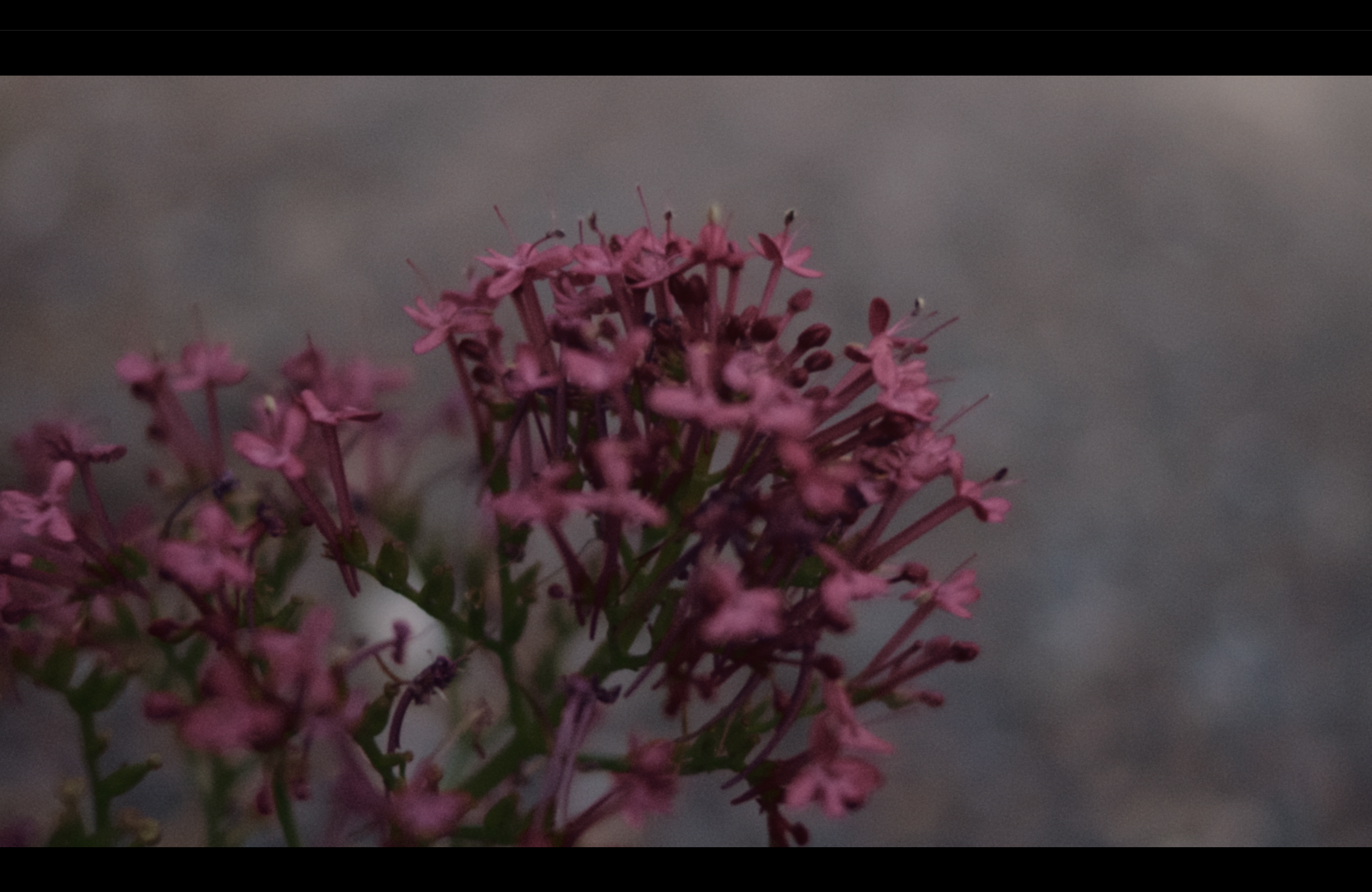
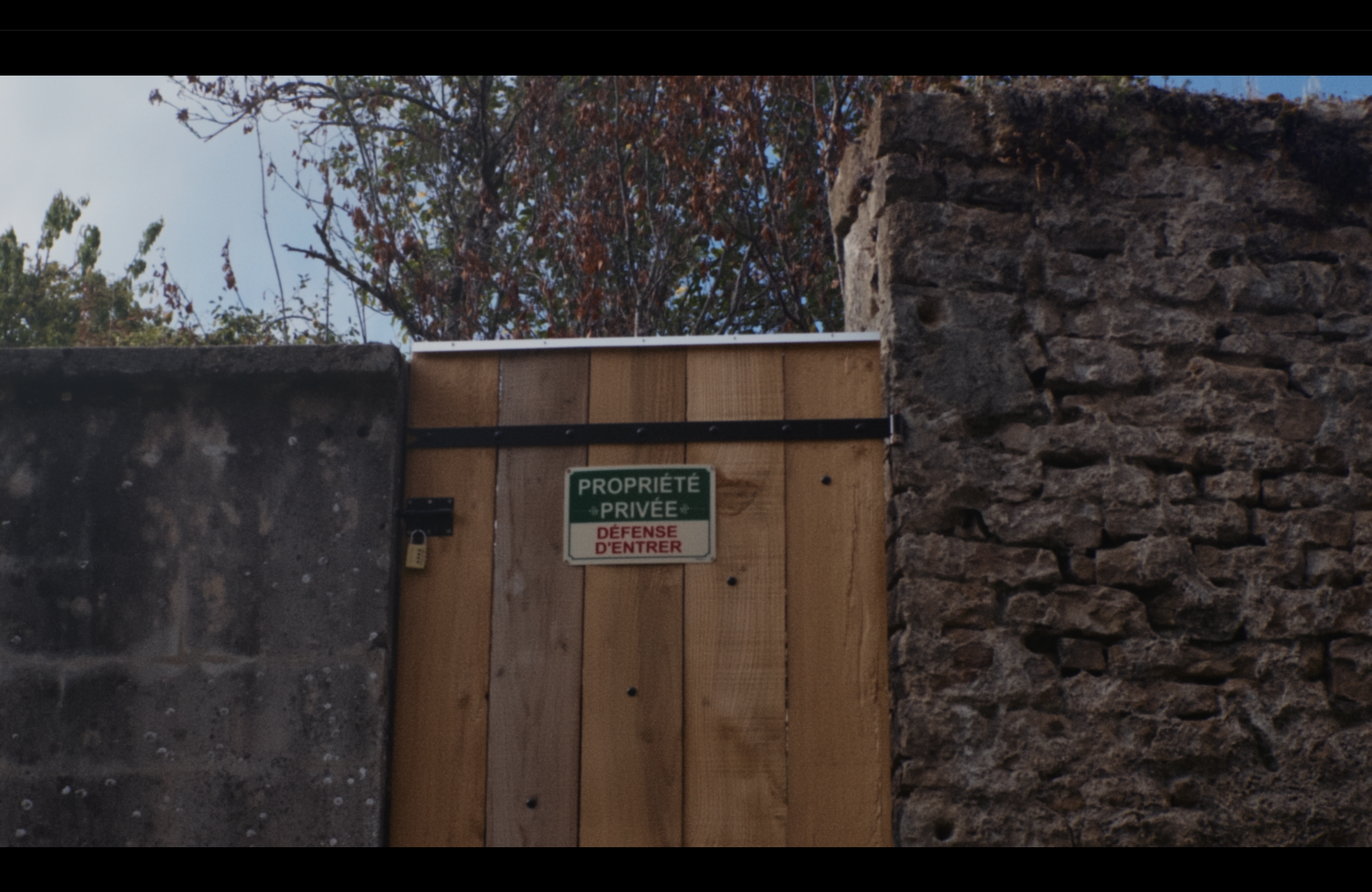
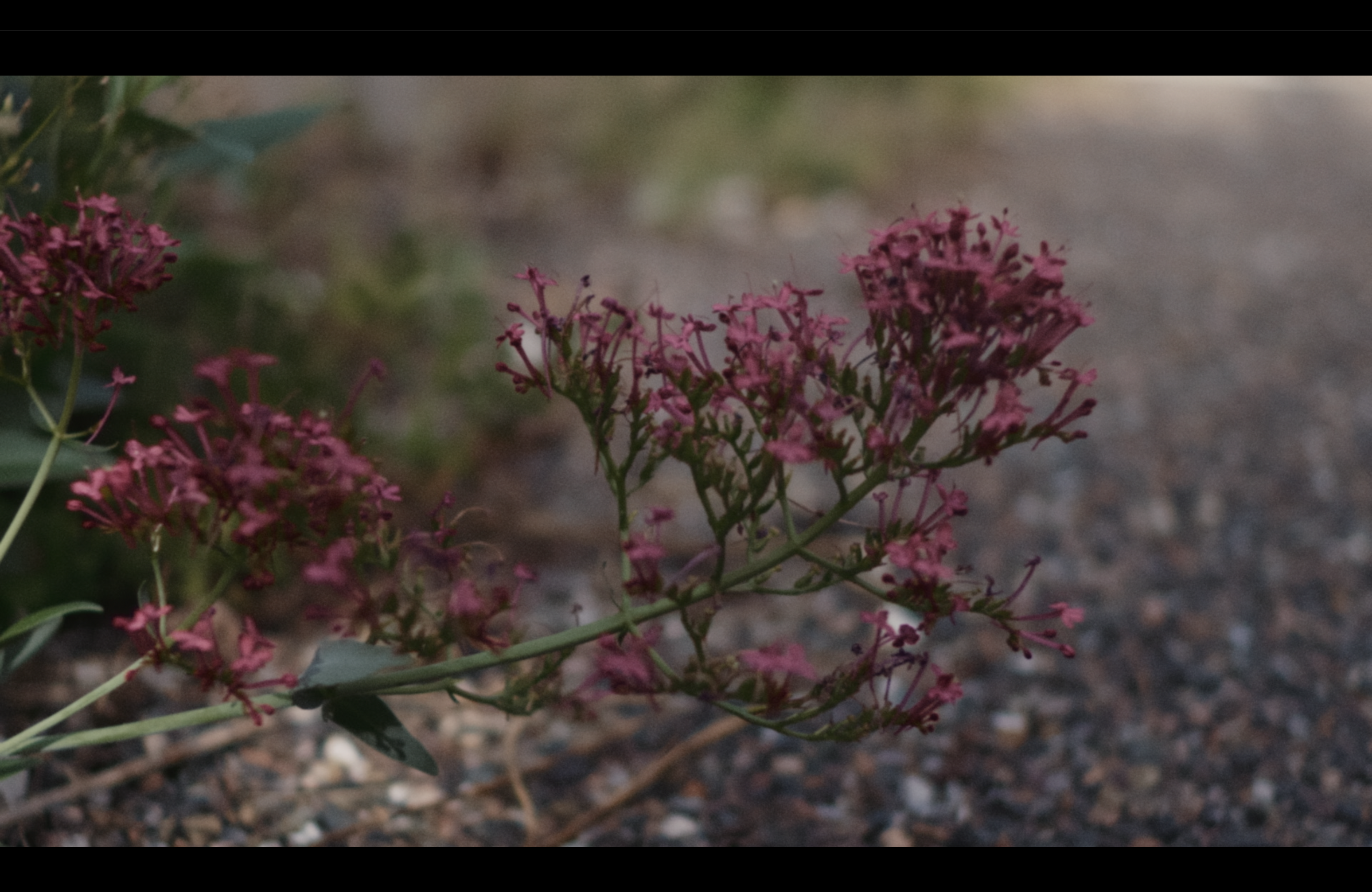
Went for a walk this morning. I was able to make a short video: Sorry for the music. Everything is hand-held. Shot it at various frame rates. Most everthing shot in GoPro Log 2 (the slow-mo shots are in Natural) and plopped into a timeline for cutting and added FilmConvert with the GoPro Mission 1 Pro and GoPro Log 2 profile. No grain was applied. Anyway, you'll get an idea of the colors, electronic stab, etc. I also wanted to say that I was able to update the ILS to the GoPro Labs firmware and use a QR code for putting a super-helpful histogram (better than the Lumix one on the GX800).6 points -
@kye As promised, here’s the video I mentioned over in the Narrative Films Shot in Uncontrolled Cities thread. I put together what I call my Mission Kit for the ILS, consisting of the Brightin Star 10mm fisheye, 7Artisans 10mm, TTArtisan 17mm, and the 7Artisans 25mm, 35mm and 50mm. The idea was to keep everything small, lightweight and affordable while still getting a very good image. The video is just a collection of footage shot with the different lenses, with each lens identified on screen. It’s not technical at all and it’s very casual. I’m just showing what these little lenses can do with the ILS.5 points
-
Hi, I'm the author of the "Sanity" patch for the GH2. I just uploaded the last version to my Google drive, if anybody is interested in using it. https://drive.google.com/drive/folders/157bZ_DRA0FzA-7QUWG3lXwQmfoTEtXQl?usp=sharing Here's a little background on why I developed it. When Vitaliy unlocked the GH2, there was a gold rush to create patches with very high bitrates. While the image quality looked great, those patches were terribly inefficient. I took it upon myself to create a patch that had the same top image quality, but at more "sane" bitrates. I can say with confidence that I succeeded, because I pixel peeped and compared the image frame by frame to the uncompressed output from the HDMI port. This way I had an absolute reference to shoot for. That was a long time ago, and I have long since sold my GH2. If anybody actually uses "Sanity", I would love to hear about it, just for old time sake!5 points
-
A new Super 16 Cinema Cam: the GoPro Mission 1 Pro ILS?
kye and 4 others reacted to John Matthews for a topic
Damn. After playing with the 7artisan 10mm, this camera looks so good. The electronic IBIS is working wonderfully and you don't hear any audio weirdness like with normal IBIS sometimes. The colors when you put the Log into FilmConvert are great IMO. About the 10mm, it's not perfect. For starters, there was quite a bit of play in the mount. I fixed it with a little electrical tape. However, it's super easy to focus and quite fun. The image seems quite sharp too. 5 points
 -

Log is Boring
newfoundmass and 3 others reacted to mercer for a topic
I'm at a point where I ALMOST see no point in shooting log profiles. There are a few good ones, but most require more grading after a utility LUT is applied and/or creates scenarios where everybody's footage looks pretty much exactly the same. So if you're just slapping on a LUT and calling it a day, for 9 out of 10 shots, you could just use a standard rec709 picture profile and get similar results. With the advent of 10bit video, in recent years, most standard picture profiles look even better than they ever have with thicker color and near perfect skintones. Sure there are instances when you may need the extra stop or two of dynamic range a Log profile offers, or a specific LUT gets you a relatively quick look by shooting Log, but again... 9 out of 10 times, a slightly tweaked Rec709 picture profile will end up looking better and get you there so much easier without worrying about CSTs and color pipelines... especially since damn near ever Log profile is just trying to emulate Arri LogC which in turn was designed to emulate film. Speaking of, I have the Arri LogC3 software key on my GH6 and it's pretty good... better than vLog but it's still noisy as hell with ugly chroma noise in the midtones and shadows so I recently went back to CineLikeD and V and I am back to making a couple contrast and saturation adjustments and being happy with it. I'm sure there is a slight hit in DR, but nothing so drastic that I'm surprised or wish I shot in Log instead. So Log is cool, I'm glad it's available, but it's fairly unnecessary in most situations and can cause a bigger headache.4 points -
I also get where you are coming from and that is why I bake the LUT into my footage. I set up all my cameras with 3 basic profiles based on ISO and WB for outdoor, indoor and low-lowlight scenarios. I say LUT, but there are actually 2x LUTS stacked; the conversion LUT and then my own custom ‘Look LUT’ which can be dialled in anywhere between 10-100%. It gets the look I want SOOC and it’s as unique to me as these things can be, is easy in the workflow and allows me to concentrate more on the interesting side of editing a film rather than the boring to me, more logistical grading. Only really works if no one else has a say in the end result and I’m fortunate that I’m my work, the grade is 100% my call.4 points
-
A new Super 16 Cinema Cam: the GoPro Mission 1 Pro ILS?
PannySVHS and 2 others reacted to John Matthews for a topic
I know we’re not supposed to talk about action cams, but this action cam is not! Why is no one talking about the Mission 1 Pro ILS? This thing looks so good. Have I bought into the YouTube shill hype? I just sold another camera and a couple of lenses to get it. Is anyone else going to pull the trigger on one?3 points -

A new Super 16 Cinema Cam: the GoPro Mission 1 Pro ILS?
newfoundmass and 2 others reacted to kye for a topic
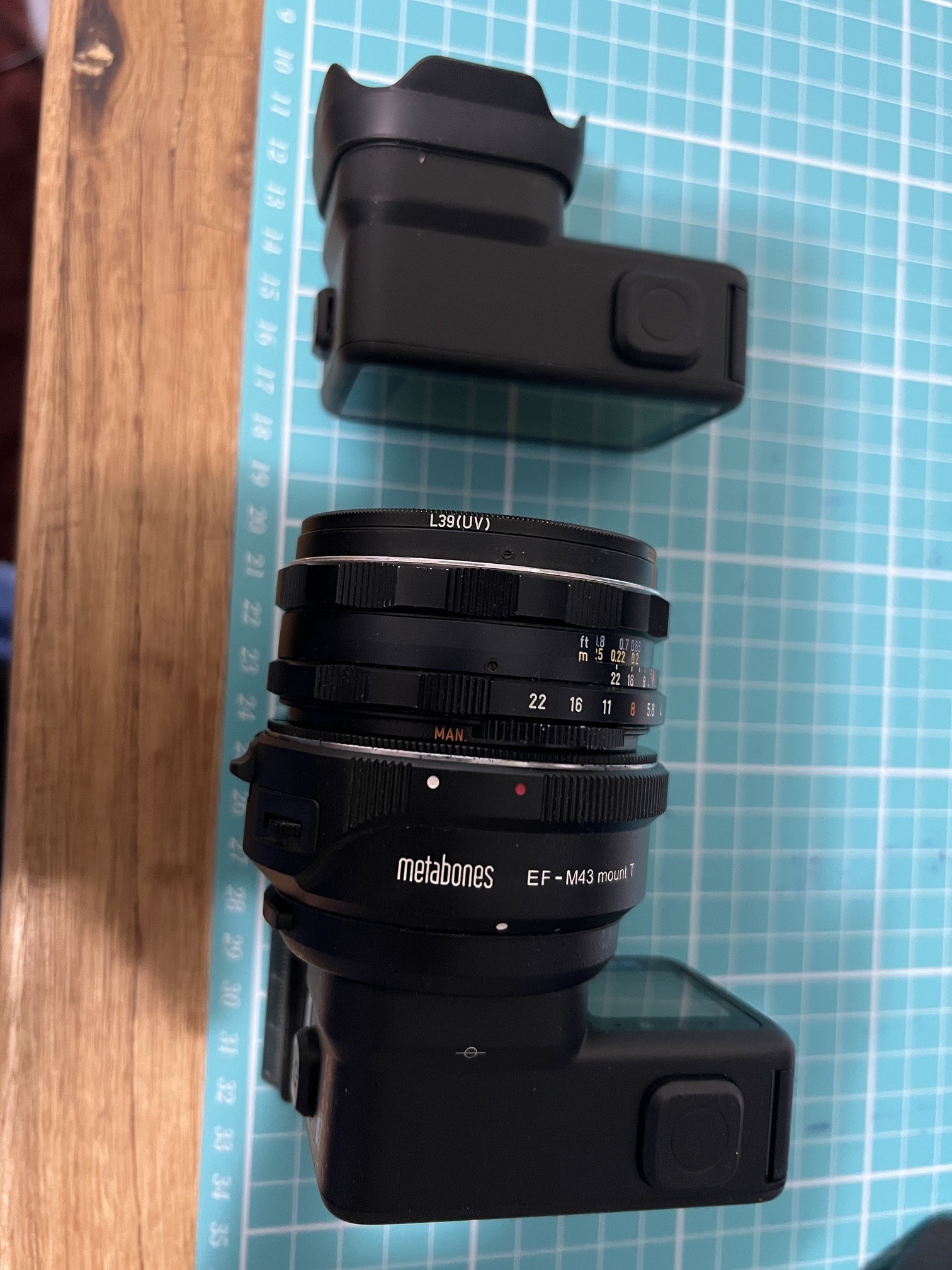
Apparently the Metabones SB accepts USB power in, it can be powered by the camera itself, and it can power a lens and has a wheel that can change the aperture of the lens.. and because it has power that means lens OIS will work too! @newfoundmass this isn't a MFT solution but it does allow some electronic lenses to be used - not sure if you have a metabones and other lenses lying around perhaps?3 points -
It’s a real fun camera to use. It actually brought my muscle memory back to the days of manual focusing. I remember when people used to talk condescendingly to people who relied on autofocus. Now it’s flipped. So funny. The negative comments I read about using this camera is mind boggling. If the camera isn’t for you, just go about your business. Why try to bash the person wanting to experience something different?3 points
-
Very cool! I'm so glad you are keeping this thread alive. One of my first interchangeable lens cameras was the eos-m and I loved that camera. The last time I used it, almost 10 years ago, was when I tested Magic Lanter on it... I did test the raw but it was pretty abysmal back then... so I was more interested in the bitrate bump. Shortly afterwards, my camera path led me through BM and into my 5D iii, so the the eos-m just sat in the closet for years. A couple years ago I was thinking I'd take it out and mess with it again. Hadn't really thought about using it in years, so I grabbed it from the closet, charged one of my old batteries and pushed the on button... and nothing. I just figured it died... so back into the closet it went. I recently realized it may need a card with ML boot flag (or whatever it's called) on it. I ordered some new batteries and I'm going to figure out which cards are good for the new builds and cross my fingers. Anyway @QuickHitRecord thanks again for keeping this topic alive. No disrespect to the other forum members, but basic camera chat about new releases is fun and all, but the reason I started posting on EOS HD was because of posts like this.3 points
-

Is the EOS-M *THE* Digital Super-8 Camera?
tupp and 2 others reacted to QuickHitRecord for a topic
I think only in the FB page. Here was the introductory post: I've tried it and it impressed me enough to use as the basis for my own build. This is moving fast though. Someone has already remixed the build I posted earlier today.3 points -
Is the EOS-M *THE* Digital Super-8 Camera?
Emanuel and 2 others reacted to QuickHitRecord for a topic
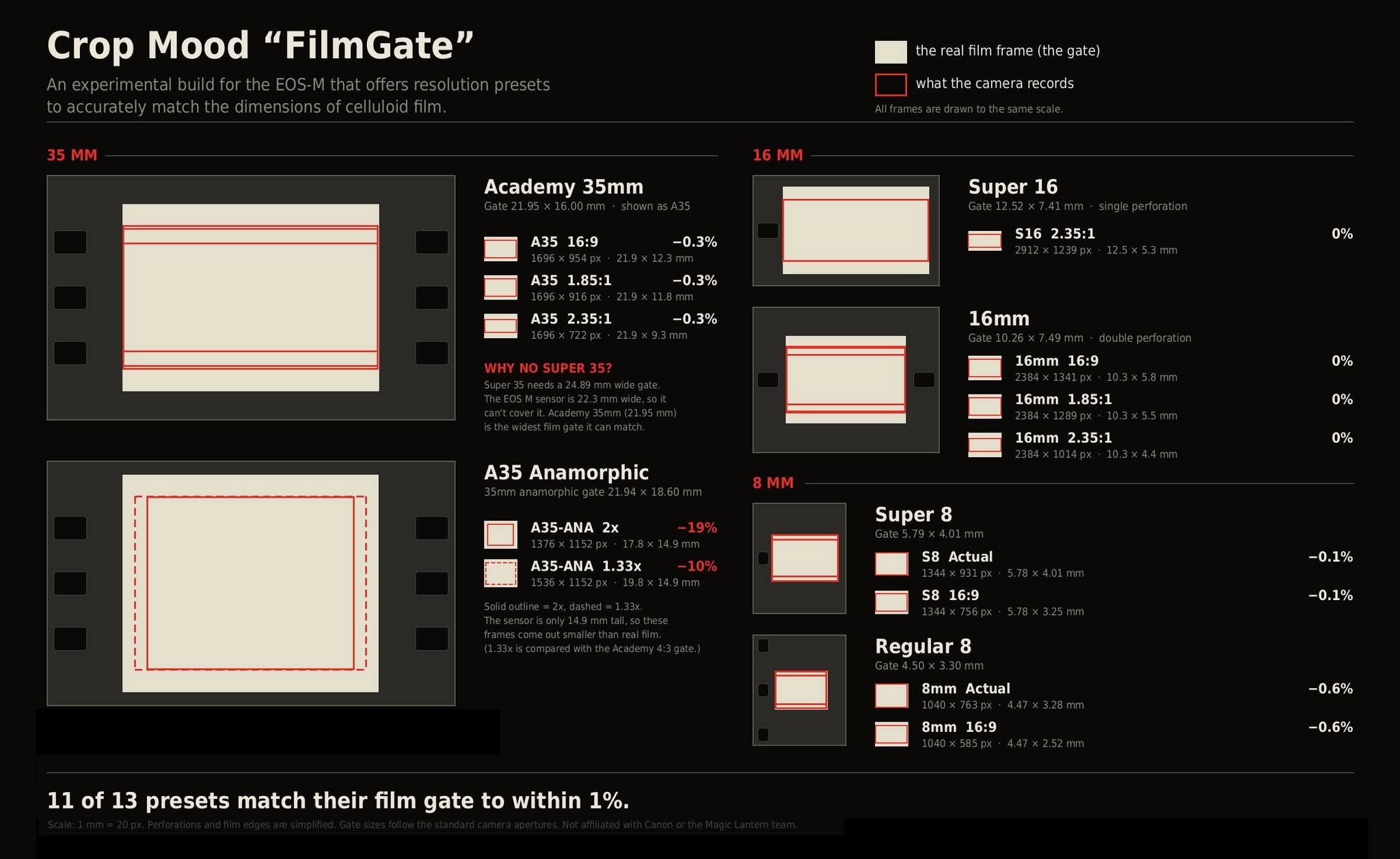
I've been troubleshooting this new EOS-M build with Claude, and I think it's finally stable enough to share here. So, what is it? The "FilmGate" Build for the Canon EOS-M is an experimental remix of Amit Kattal's incredible Slim GUI build, designed for people who want to shoot raw video with framing based on real motion picture film formats. FilmGate offers: • Six film presets: Academy 35mm, A35 Anamorphic, Super 16, 16mm, Super 8, and Regular 8, with crop options including 16:9, 1.85:1, and 2.35:1. • B&W Preview Option: Displays the liveview in black and white on the LCD and HDMI output (recorded footage remains in color). • 18fps: Available for S8 and 8mm presets • 1080i HDMI: The camera stays locked at 1080i output for easier monitoring. • Streamlined menus: Removes or hides several less commonly used options. CREDITS This build is based on the work of many Magic Lantern contributors, including (but not limited to) A1ex, Danne, Bilal, and Amit. None of this would have been possible without them. I am not a developer and this build contains a substantial amount of AI generated code. It is therefore not intended for inclusion in any of the main Magic Lantern builds, in accordance with the Magic Lantern LLM policy. IMPORTANT This experimental build is only for the Canon EOS M running firmware 2.0.2. It has not been thoroughly tested yet. Expect bugs and glitches. Try at your own risk! Latest: https://github.com/shaneintherain/Crop-mood-eosm-filmgate/releases/
3 points -
A new Super 16 Cinema Cam: the GoPro Mission 1 Pro ILS?
maxJ4380 and 2 others reacted to John Matthews for a topic
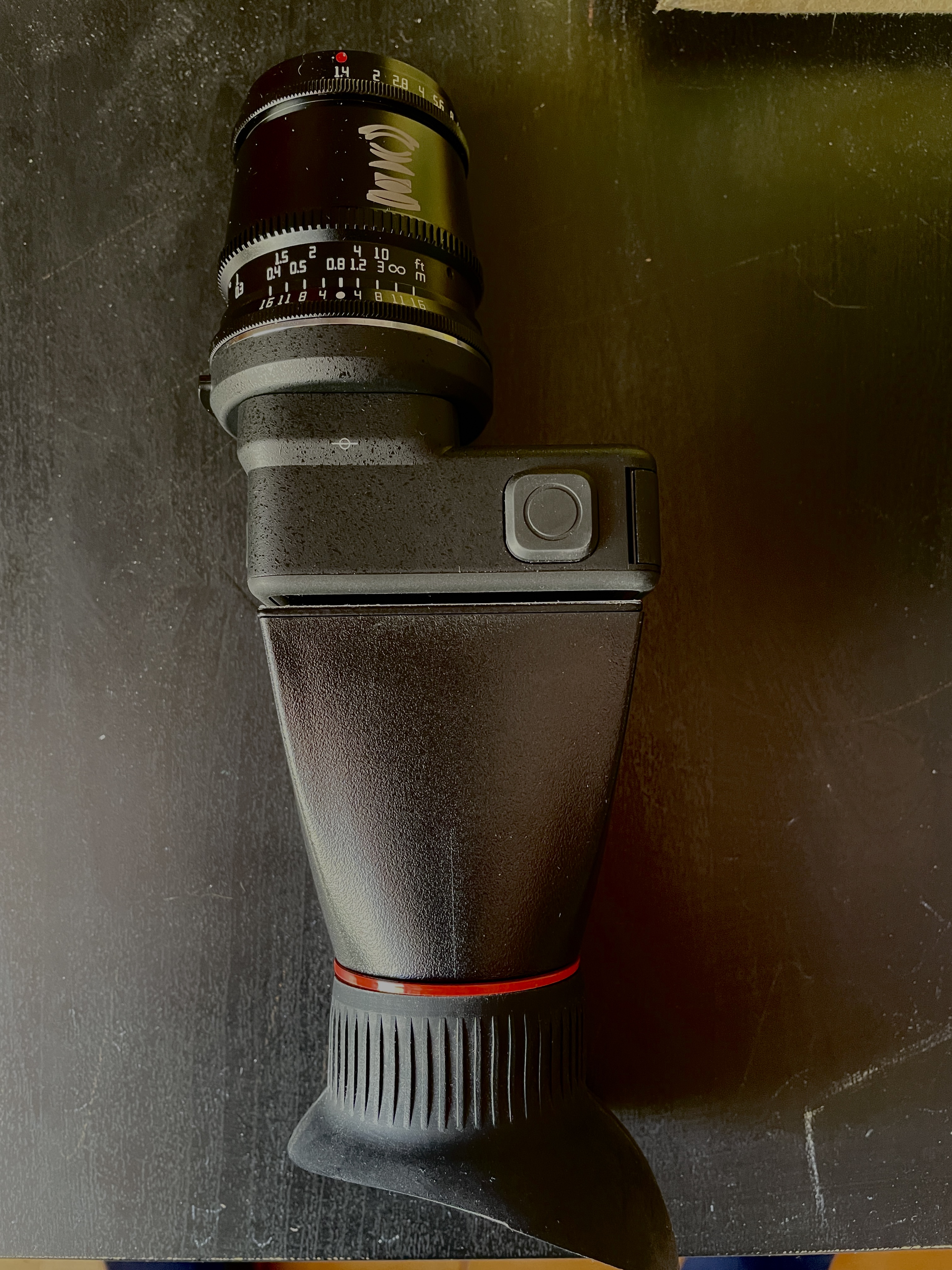
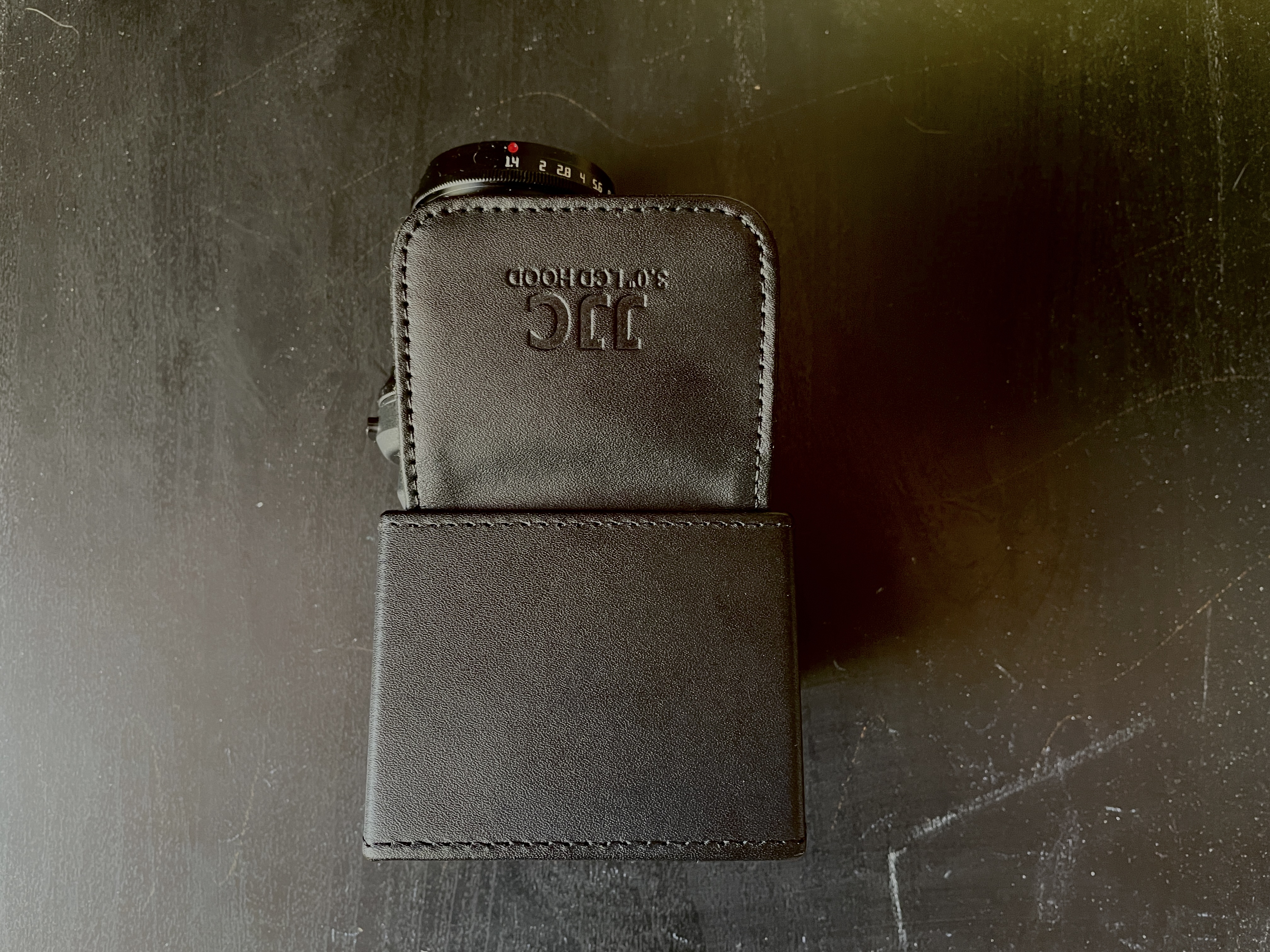
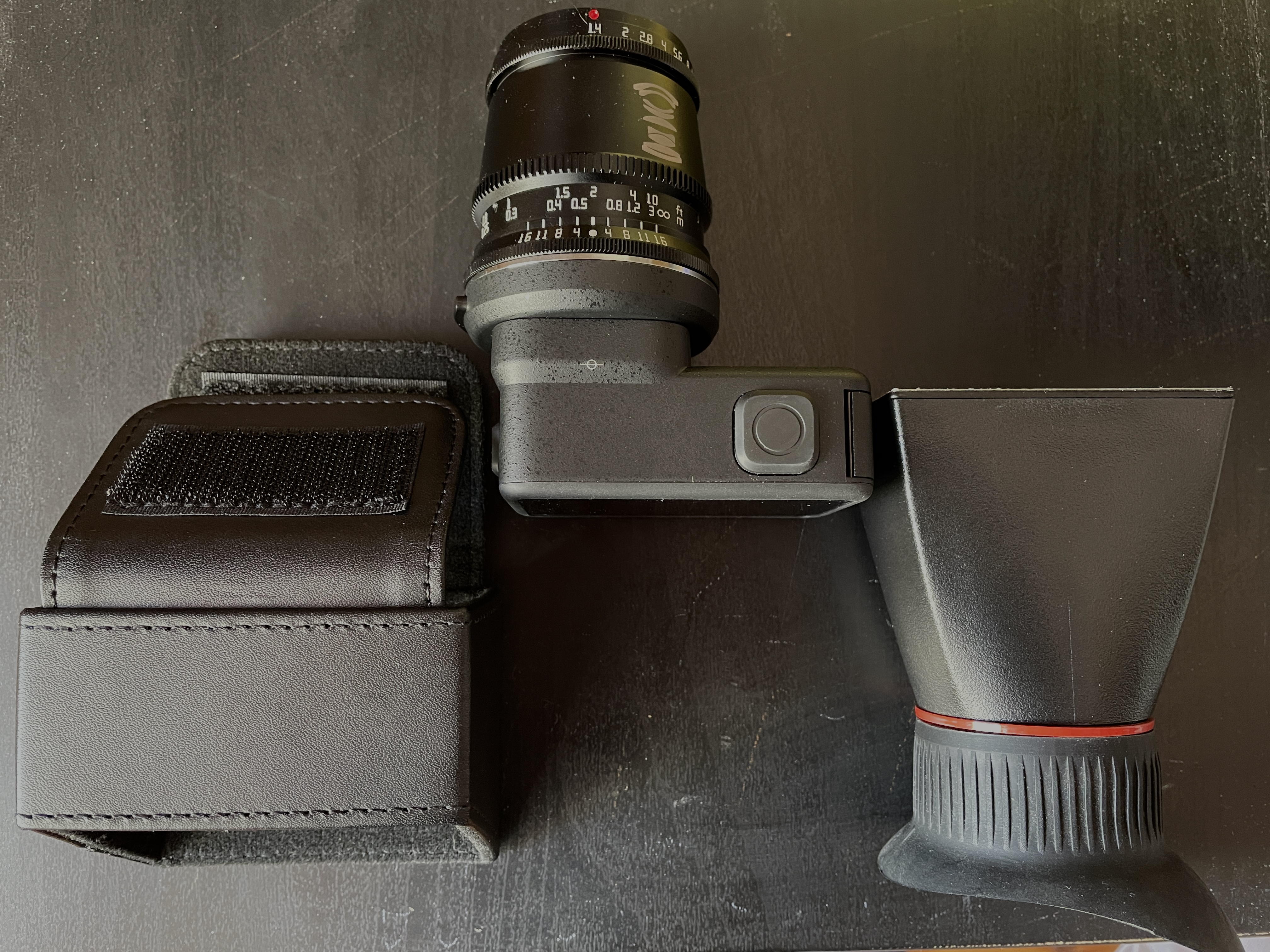
Seriously, look at the ridiculousness of this. The JJC LCD hood fits perfectly on my S9. The LCD viewfinder is something I purchased with a used GH2 about 5 years ago. It fits perfectly on the ILS and doesn't really require anything else. That said, I find the LCD bright enough for daytime use. The viewfinder is really the only thing that would really help for focus. Yes. You can set it to one color or it dynamically decides a color (never seen that before). You'll need to have it on sensitive for it to mean much. I think there might be a steep learning curve if you're not used to manual focus though. I often prefer it. It slows me down and gives me something to do other than being intentional on framing.
3 points -
A new Super 16 Cinema Cam: the GoPro Mission 1 Pro ILS?
newfoundmass and 2 others reacted to John Matthews for a topic
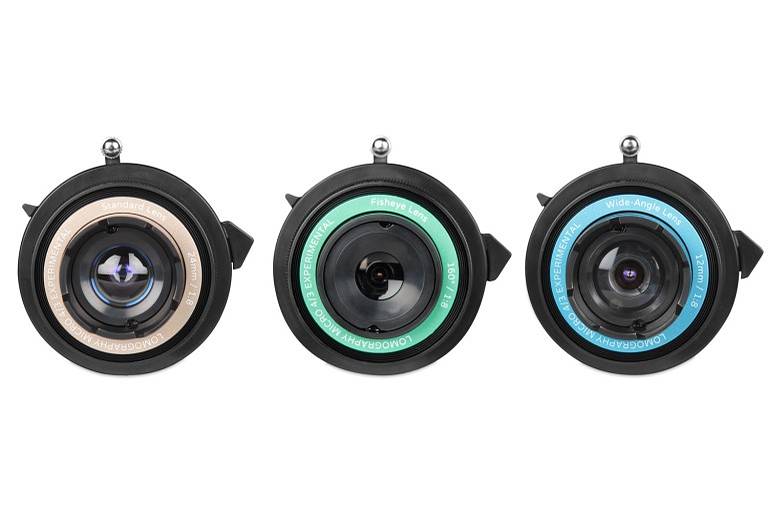
After looking and foraging my various drawers in the house, I was able to find 3 Bell & Howell lenses from my grandfather: 0.7 inch, 1 inch, and 4 inch lenses. This was standard war-time military issue for war journalists. I also found 3 plastic Lomography lenses: I have ordered some inexpensive Chinese lenses too: 7Artisans 10mm f/3.5, TTartisan 17mmf/1.4, and TTartisan 25mm f2- a holy trinity for about 350 euros. From what I've heard, these lenses all suffer from poor corner performance; however, I'm throwing away 45% of that APS-C image anyway and only keeping the sharpest part. I figure those will be a perfect size too with the total kit under 1kg. I considered the Laowa cine lenses, but decided that they were simply too pricey for the concept of this kit. I'm bummed about not being able to use my AF M43 glass, but I love the limitations of straight up manual focus. I'll be shooting a lot with the 17mm this weekend.
3 points -
A new Super 16 Cinema Cam: the GoPro Mission 1 Pro ILS?
kye and 2 others reacted to John Matthews for a topic
The things that impress me most about this camera are the frame rates and processing. In addition, it’s so damn small and light. I purchased it, and it’ll be here tomorrow. I’ve seen both super positive and super negative opinions about it, but it really does feel like a new category. I have a few assumptions about it, though: I think it will be a stellar performer when it comes to moiré and rolling shutter. It’s also going to be pricey to get wide, sharp lenses for it. That’s why I plan on using it with my S9. I feel like they could complement each other well. I’ll definitely be playing around with it over the next few days.3 points -
A new Super 16 Cinema Cam: the GoPro Mission 1 Pro ILS?
John Matthews and 2 others reacted to kye for a topic
Thinking of it as a Super-16 FILM camera represents an incredible opportunity when combined with the high-resolution sensor - zooming in post. My experiments with emulating S16 film showed that even a moderate amount of blur applied in post hides a huge amount of detail in the image. This means you can crop into the source image significantly and the blur will hide it. For example: If you were to put a 12mm lens on it, then you'd get a ~35mm FOV at 6K, which you then blur. If you were to put a 12mm lens on it, then crop 2x you'd get a ~70mm FOV at 3K, which you then blur and the blur hides the zoom in post. If you were to put a 12mm lens on it, then crop 3x you'd get a ~100mm FOV at 2K, which you then blur and the blur hides the zoom in post. Depending on how much blur you applied (if you were going for a vintage 16mm look or a more modern 16mm stock emulation) I suspect you could zoom up to 4-6x in post before the digital nasties started being visible through the emulation. I don't know what kind of digital zoom the camera offers, but if it allows it then you could frame in-camera and not be throwing away bitrate when you crop in post. This gives two advantages: 1) It turns any prime into a zoom, perhaps even a 4-5x zoom - much more than the 2-3x fast zooms like 18-35 etc 2) if you crop in post then you can apply additional stabilisation, making it feel a lot larger than the tiny camera it is I suspect that mostly this advice will fall on deaf ears, as people are drastically afraid of softening their images, like they'll be punished in the afterlife for it. When I saw Goodfellas in the cinema on 35mm film projection, it looked like somewhere between 720p and SD - and that was a 35mm feature film!! The amount of blur to accurately reproduce even a semi-ballpark 16mm film emulation is beyond most modern thinking, but if you can wrap your head around the concept then the ILS can become a drastically useful camera.3 points -
The 1.55x has never looked this good on previous iPhone models. The adjustable aperture of the 18 Pro seems to make a huge difference in the overall detail and IQ. It also carries through on the video side and makes focusing much simpler. The 1.55x was always pretty dreamy wide open and is even moreso on the 18 Pro, since it has a faster lens. I have never tested it seriously on any of my other cameras, because it won’t cover full frame (whereas the 1.33x seems to if you find the right lens). But I suspect the 1.55x would actually work great on a M43 or APSC sensor. Here is another iPhone shot from this evening. There were a few raindrops on the lens, which created some interesting artifacts.
2 points
-
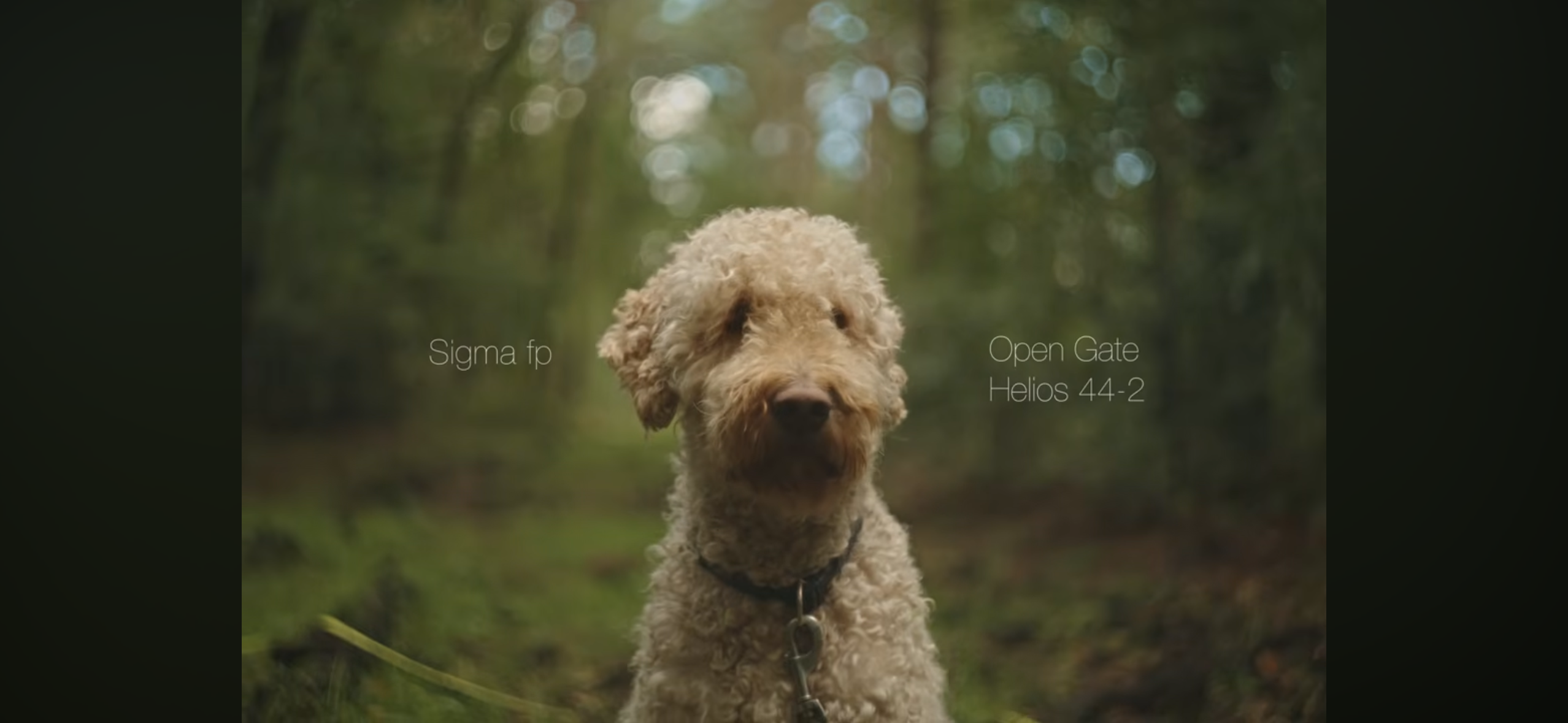
Some really beautiful tests with the new 3k open gate modes.
2 points
-
Key specs via PP: https://www.dpreview.com/reviews/sigma-fp2-everything-is-better-for-the-second-gen-modular-mirrorless-camera/ 24MP partially stacked CMOS sensor Up to 20fps stills Video up to 6K open gate, including ProRes RAW output to SSD Two USB-C sockets Full-sized HDMI port Tilt up/down 3.2″ 2.1M dot rear LCD Optional 5.76M dot electronic viewfinder Optional OM System/Panasonic compatible hotshoe 70GB internal memory Larger, 16Wh battery, giving 370 shots/charge rating 460g (16.2oz) including battery and card The Sigma fp2 will be available from November 11th at a price of $2199, body only, or $2749 with the new EVF-21 accessory or $2749 with the I-series 50mm F2 DG lens.2 points
-
Here are a few shots with the Beastgrip 1.55x lens on the 18 Pro Max. These are both at F4. The adjustable aperture makes a night and day difference with the 1.55x especially for open gate stills/video.
2 points
-

The Sigma FP II is officially a thing.
eatstoomuchjam and one other reacted to Andrew - EOSHD for a topic
I think it looks like a good deal to me. The articulated screen is a big plus over the original cameras. L-LOG too (interesting that they took Leica's rather than make their own Sigma LOG or use Panasonic's). ProRes RAW is to SSD. Internal 8bit Cinema DNG seems to have gone away. All cameras need an HDMI port - far better it be full sized than micro. Autofocus is a big improvement too, as is the open gate sensor, much less rolling shutter, higher resolution recording, bigger battery (the original used the same battery as the GH2!!) I'd rather have one of these over the Z6 III, it only lacks IBIS and internal raw. But as any GH2 owner will tell you... You don't really need either 🙂2 points -
New L Mount Camera coming next week…
eatstoomuchjam and one other reacted to kye for a topic
Sigma FP ii... So far it's not even up on Sigmas website, so no idea about codecs, but it does look like it does a 10-bit LOG internally, so at least one of the "gaps" in the OG seems to have been addressed. It's probably not the camera for me, but definitely respect to Sigma for trying something with the FP and continuing support for the concept.2 points -
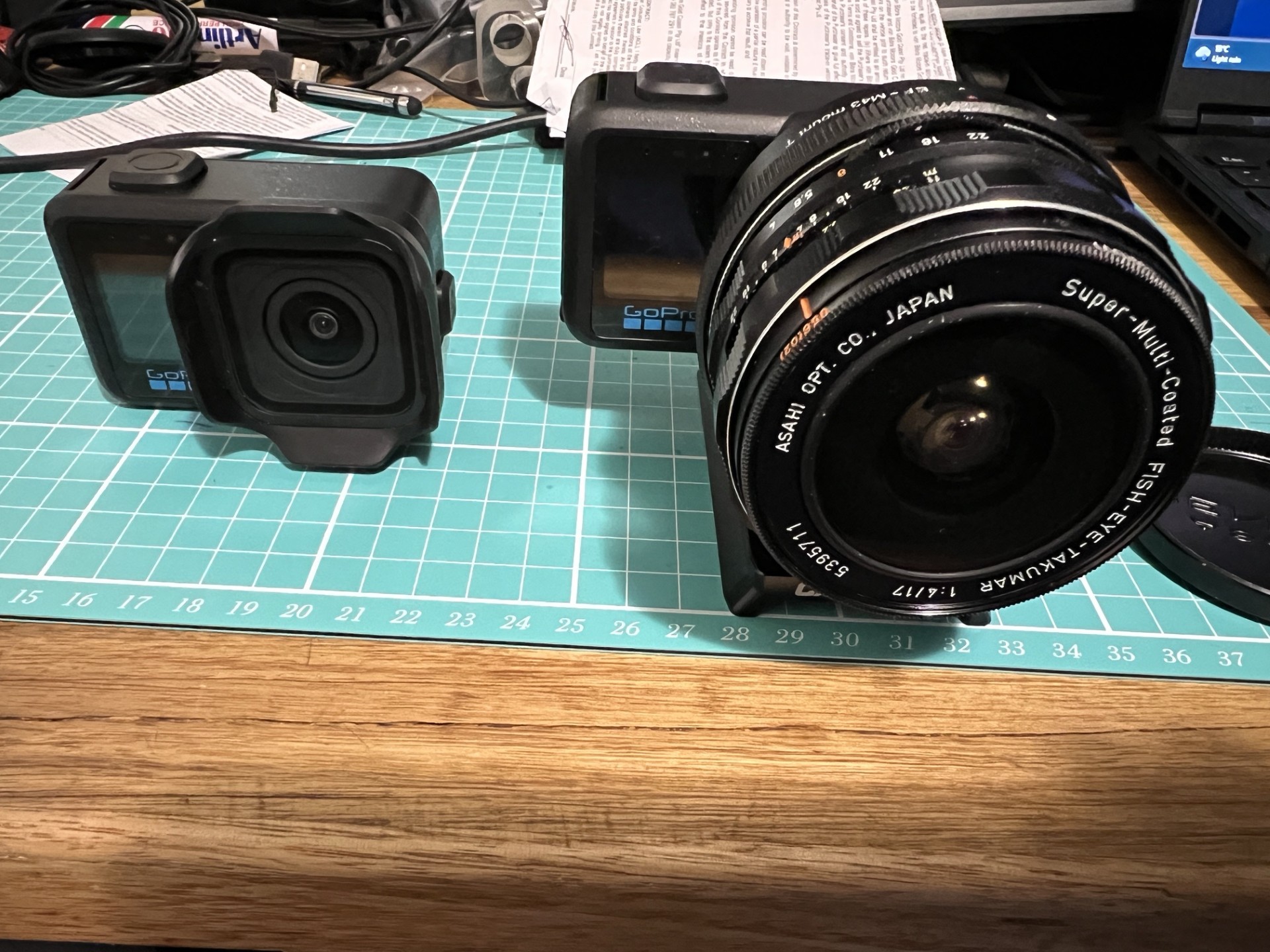
I'm not complaining mind you, just some observations. This is a sandisk extreme plus however its only 16 gb which probably gives something of its age away... I'll continue to use it in another camera and it does what i need it to do and i see no reason to throw it away until it breaks. I did get another recommended sandisk extreme v30 a2 256 gb from a retail shop and they sell gopros as well. I have one in each of the mission 1 and the ils camera now so no need to swap anymore. I have the smc 17mm attached to the ils at the moment via the metabones non speedbooster adapter. It has the usb port so the next thing on the agenda is to try a modern lens and see if the aperture controls works via the adapter. I have mostly vintage lenses, think Asahi, a couple of Canons same with the Nikons and Tokinas. I think i have two modern lenses that may work, however i need to perform a search...
2 points
-
A new Super 16 Cinema Cam: the GoPro Mission 1 Pro ILS?
maxJ4380 and one other reacted to John Matthews for a topic
So, I haven't had any issues with SanDisk Extreme V30 A2 cards. In fact, it's the one they recommend and sell with the ILS. I have noticed that I need to erase the card anytime I want to upgrade the Labs firmware with Mac OS, due to the DSstore hidden files.2 points -

Log is Boring
eatstoomuchjam and one other reacted to Benjamin Hilton for a topic
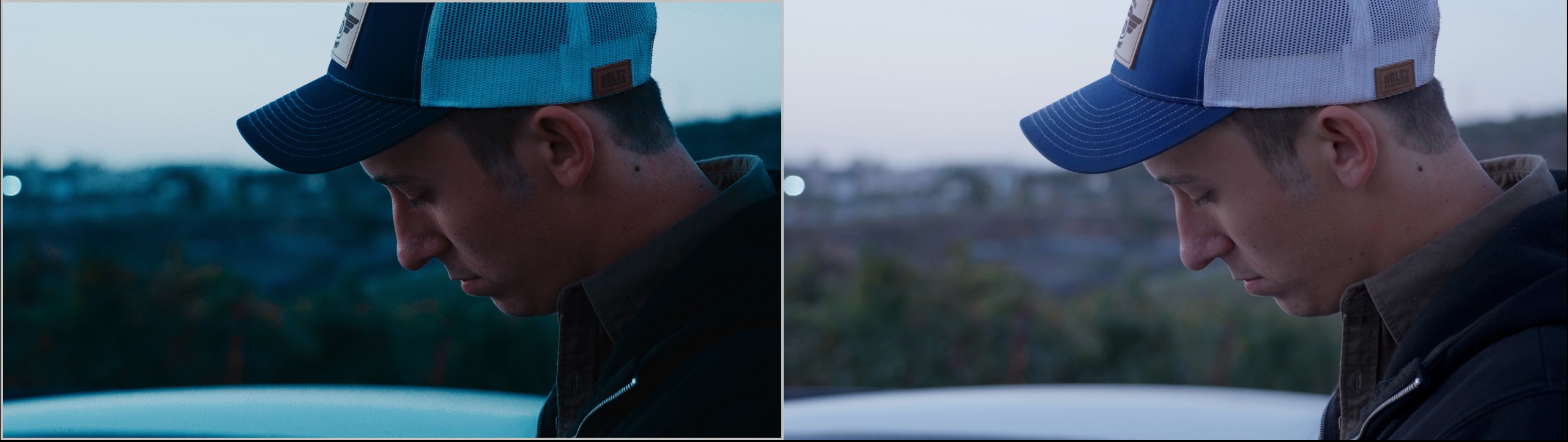
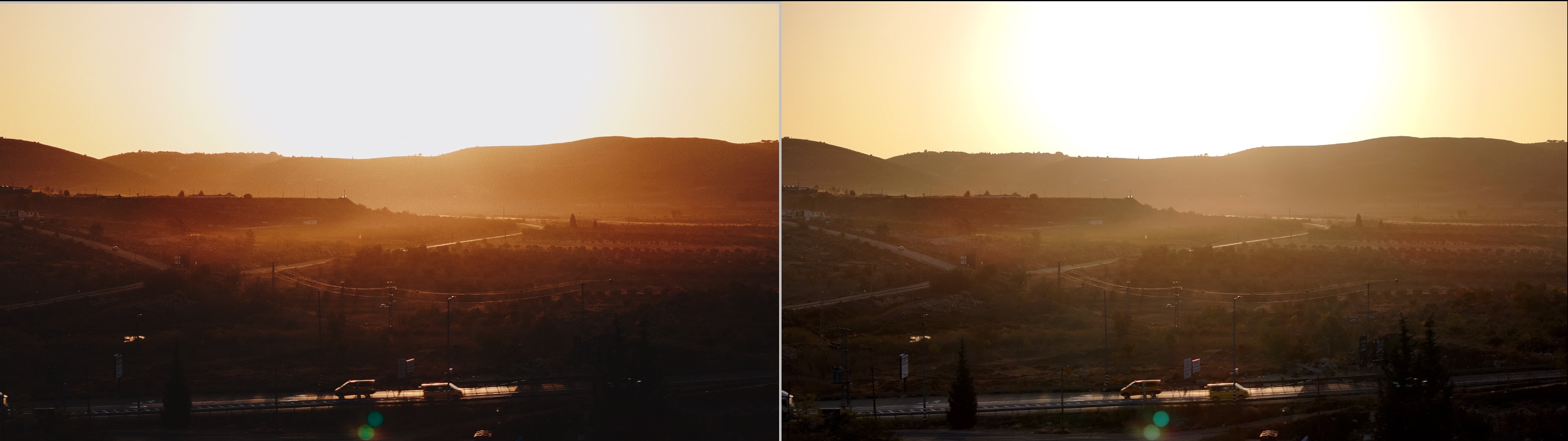
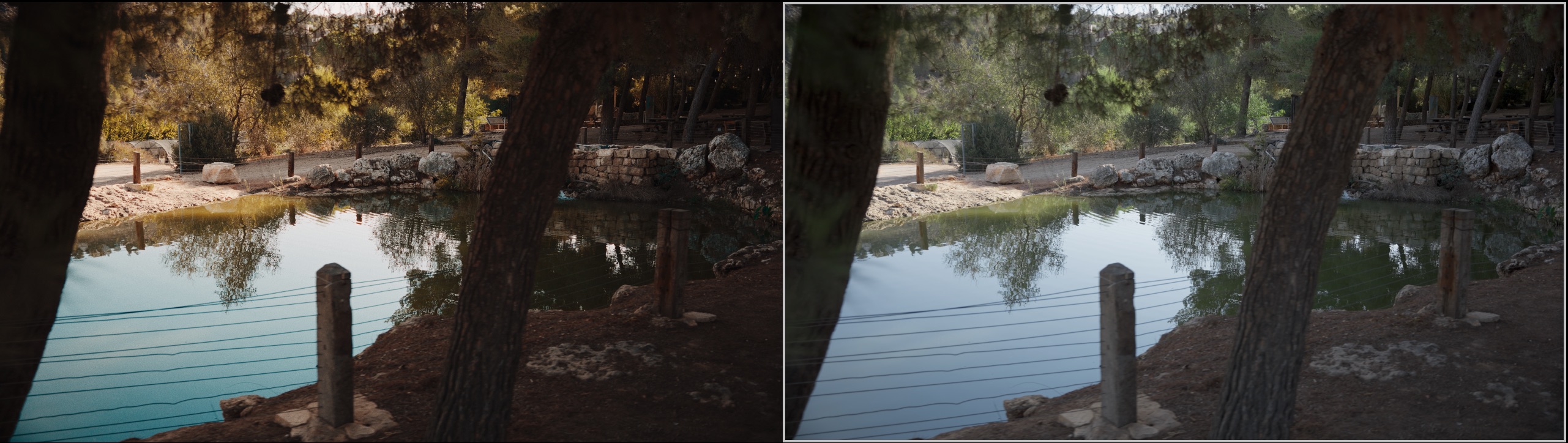
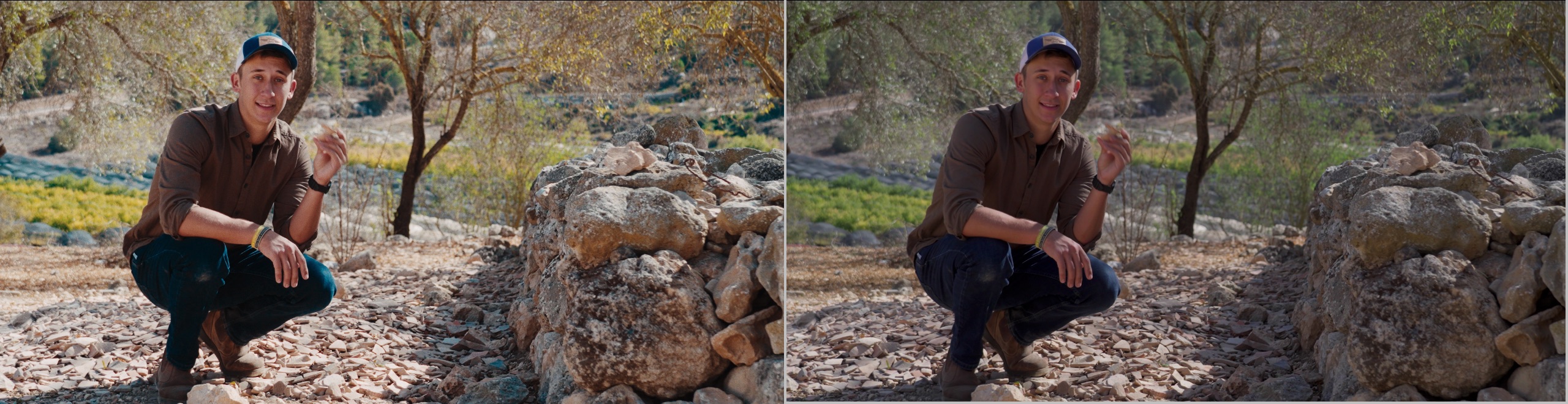
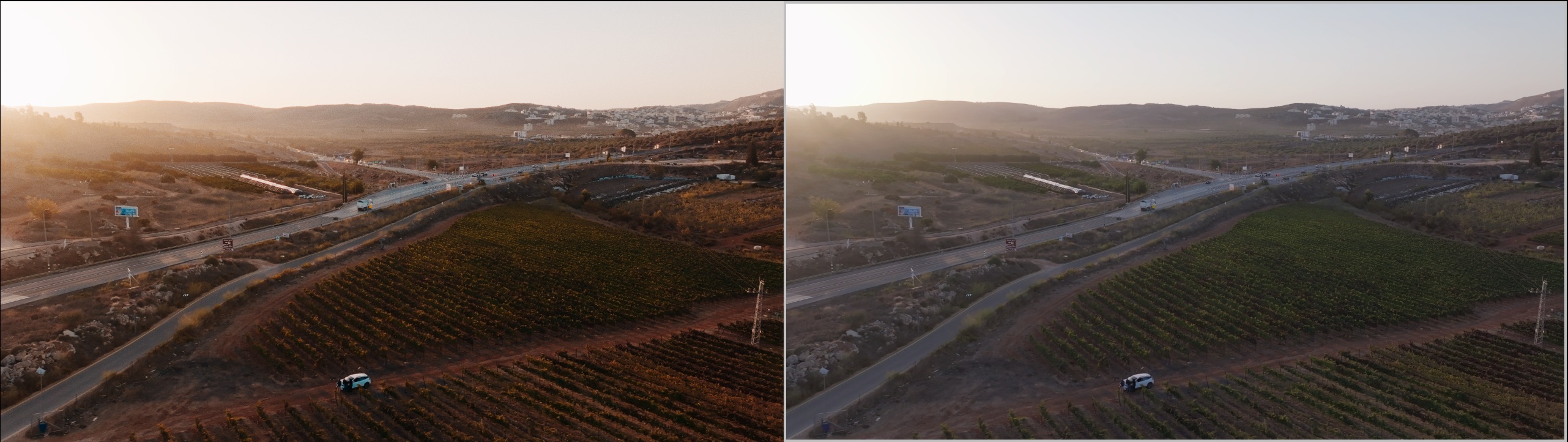
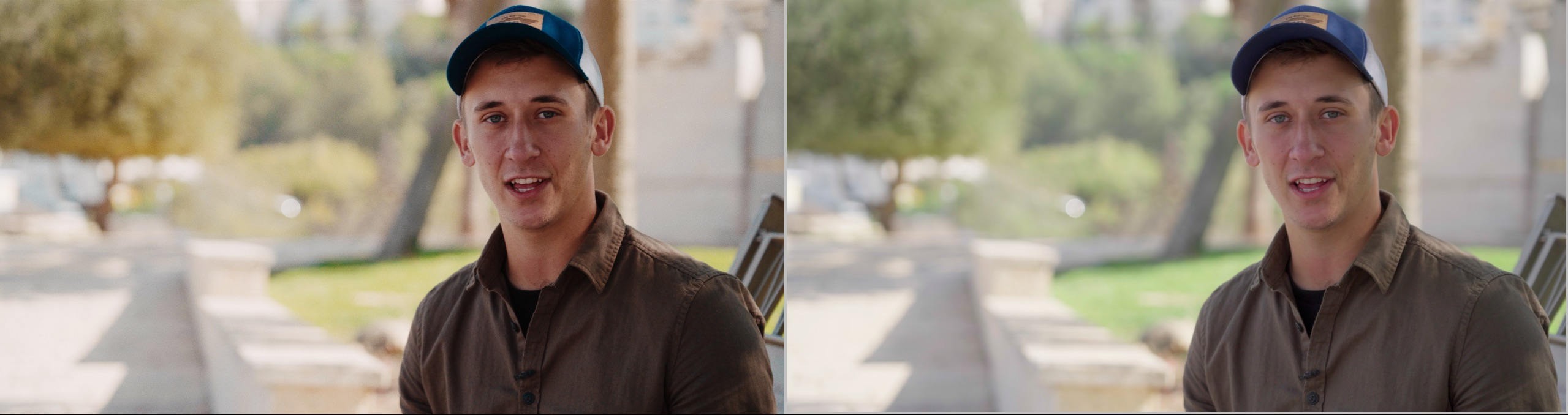
Yeah we've taken a lot of time to create a film look that gave good color, but also just kind of works. When using footage in a doc from a lot of different cameras, archive stuff etc. a lot of film looks can break easily. We also wanted something that while invoking film, was also not too strong. Below are some side by sides, the images on the left are the look we developed, and the versions on the right are a standard CST:
2 points -

Log is Boring
kye and one other reacted to Framed_By_Dan for a topic
I only use Log for situations which are relatively consistent throughout the whole shoot. It's not a good profile for run and gun filming. My commercial work I can keep pretty consistent so it can be shot in Log, my other work is weddings, I ideally need access to the full ISO range on a camera, I need to work indoors and outdoors, variable colour temperatures and lighting conditions. My wedding clients won't know or won't care if I shot Log or not. I use a tweaked Natural profile on my Lumix cameras, using 10-bit where possible which makes a huge difference in post if my WB is off. The files are still thick enough to push and pull. Yes I might only have 9 or 10 stops of DR to play with as opposed to around 12 if I shot in Log but at least it's much less stressful to work with on the day and easier to manage in post. I have a PowerGrade with my signature look ready to go in Davinci which I slap on and Adjustment layer then make minor final tweaks to clips where necessary.2 points -
@mercerits trendy to be a lemming 🙄. And that’s what a lot of personalities on YouTube are doing and once someone enters with non NPC thoughts and actions, you’re berated. That’s what stopped me from posting things on YouTube and social media in general, but I’m getting older and I have worthwhile years in the industry. I sure as heck can voice my thoughts and opinions and shouldn’t give a rats a$$ about what people say.2 points
-
I don't know if it's overbearing as much as it's an exercise in futility for at least 60-70% of the shots. But my biggest issue is that the utility LUTs just make everybody's footage look the same. Now I don't necessarily mean anyone on this site, but if you go on YT and watch 90% of the reviewers, their footage all looks the same and a majority of those guys have their own businesses separate from their YT channel. So to eek out an extra stop or maybe two, depending on the shot, let's shoot Log, slap a LUT on there and call it a day... or do a CST... now it's like I shot with an Alexa... and call it a day. That just doesn't really interest me anymore. I'd rather have DR limitations I'm forced to work around and get more interesting images. Just a thought I've been wrestling with. It's not like I'll never shoot in Log, I'm just opening up other options and exploring different color profiles now there's 10bit video in almost any camera.2 points
-
This is exactly why smartphones and smaller cameras like the GoPro Mission 1 Pro ILS are so appealing to me. You can move quickly, stay discreet, and still capture great images. I put together a great nimble kit for this project and I’m actually planning something similar with the ILS in NYC, grabbing shots in some premium locations to give the production a much bigger feel without a big crew or footprint. And I’m definitely grabbing some long and discreet shots.2 points
-
Love your insights, you should post more :- )2 points
-
A new Super 16 Cinema Cam: the GoPro Mission 1 Pro ILS?
kye and one other reacted to John Matthews for a topic
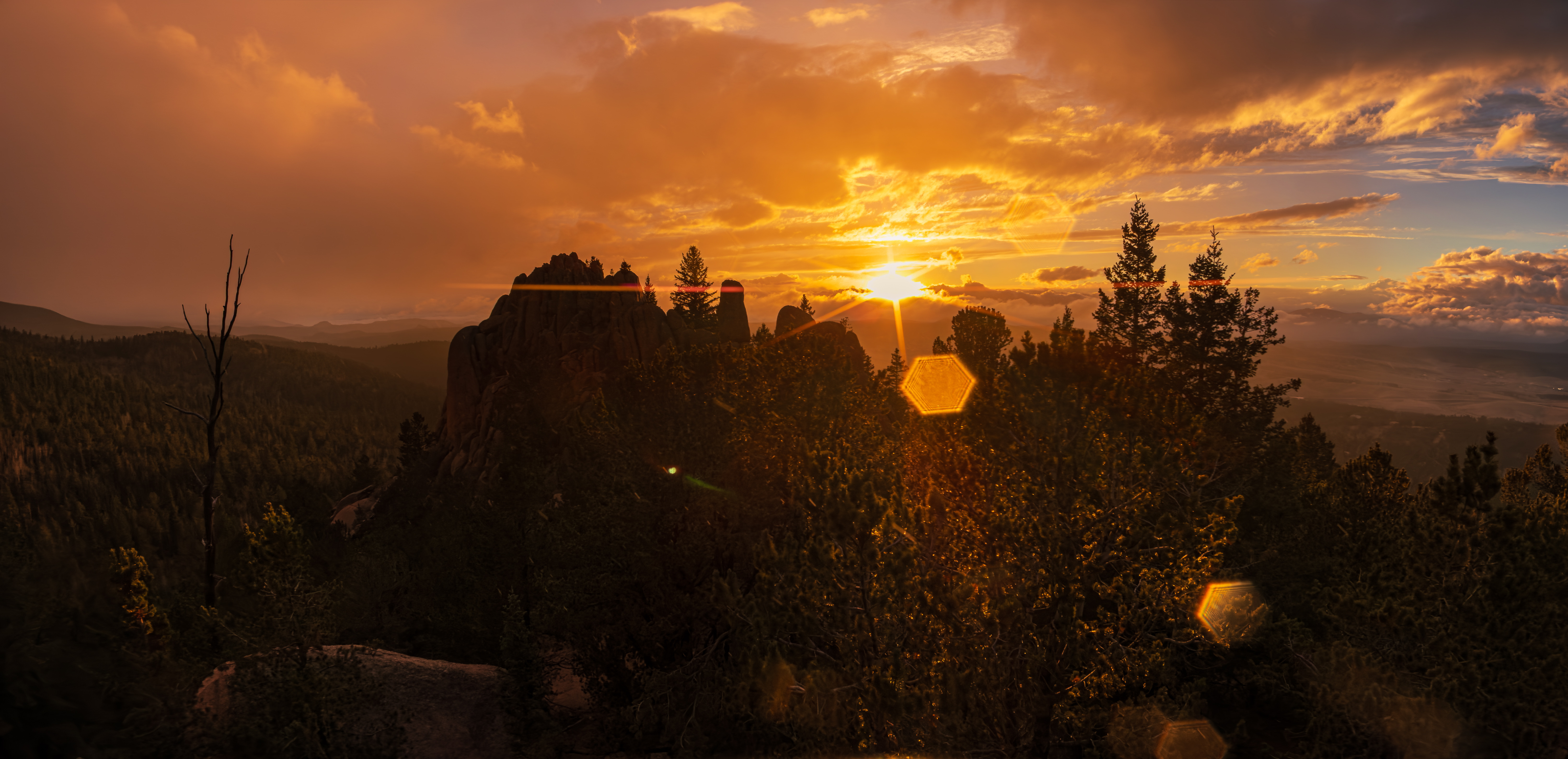
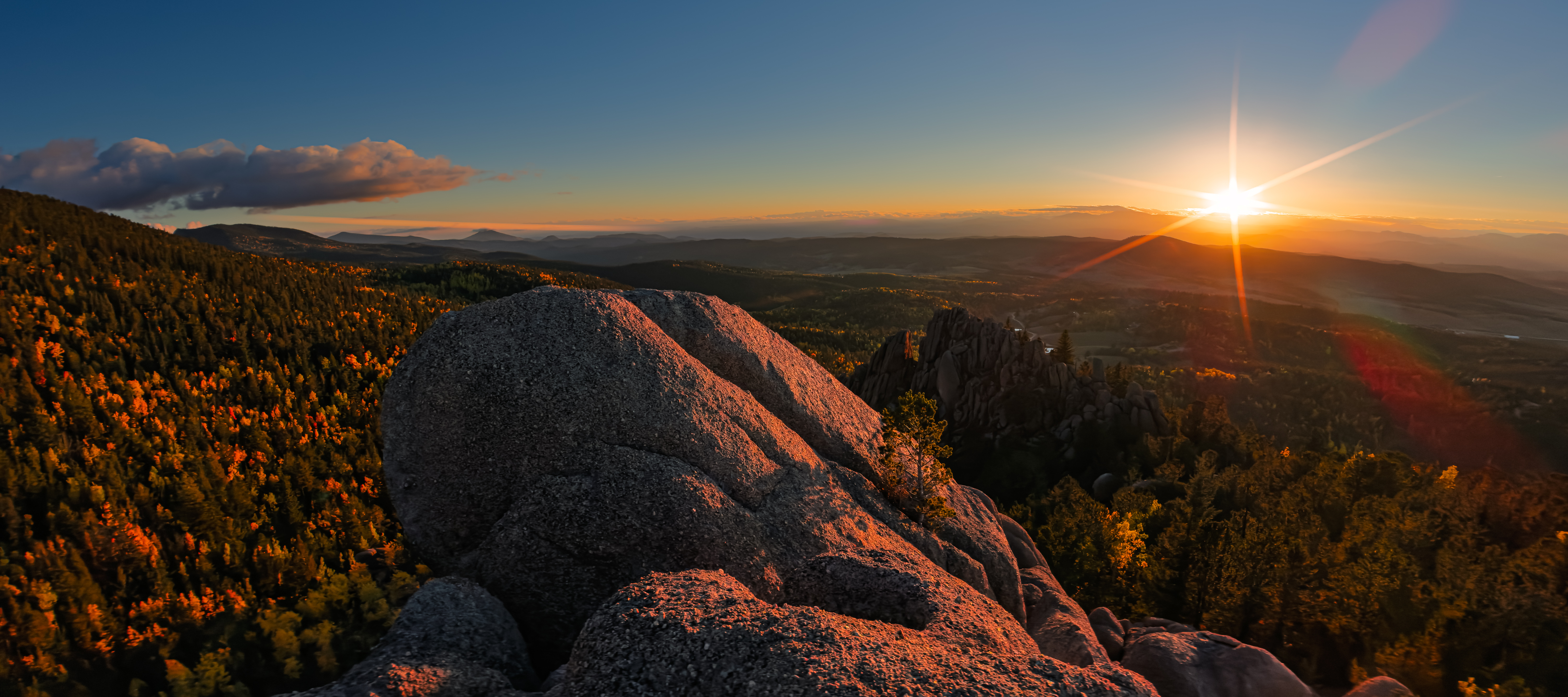
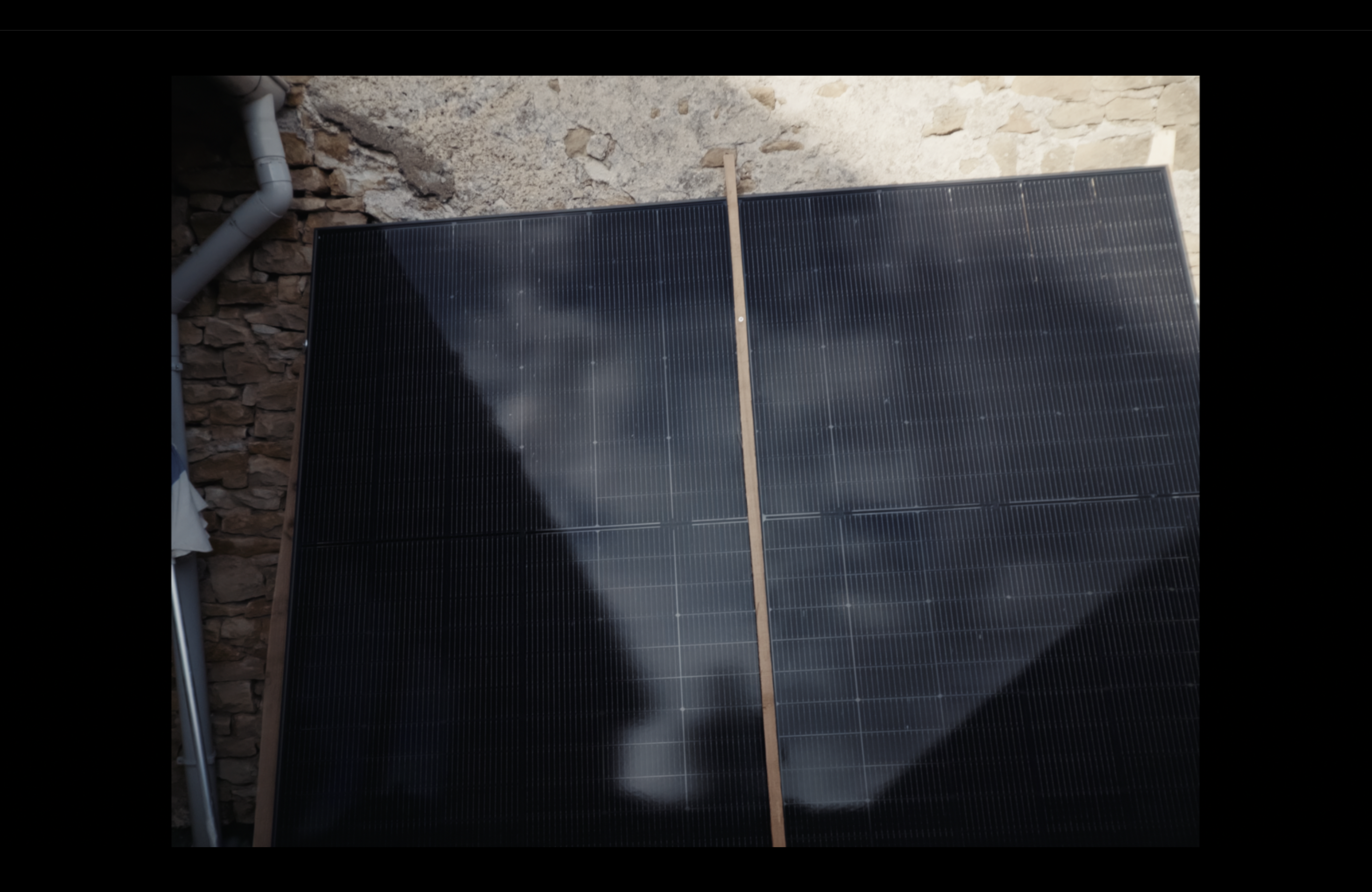
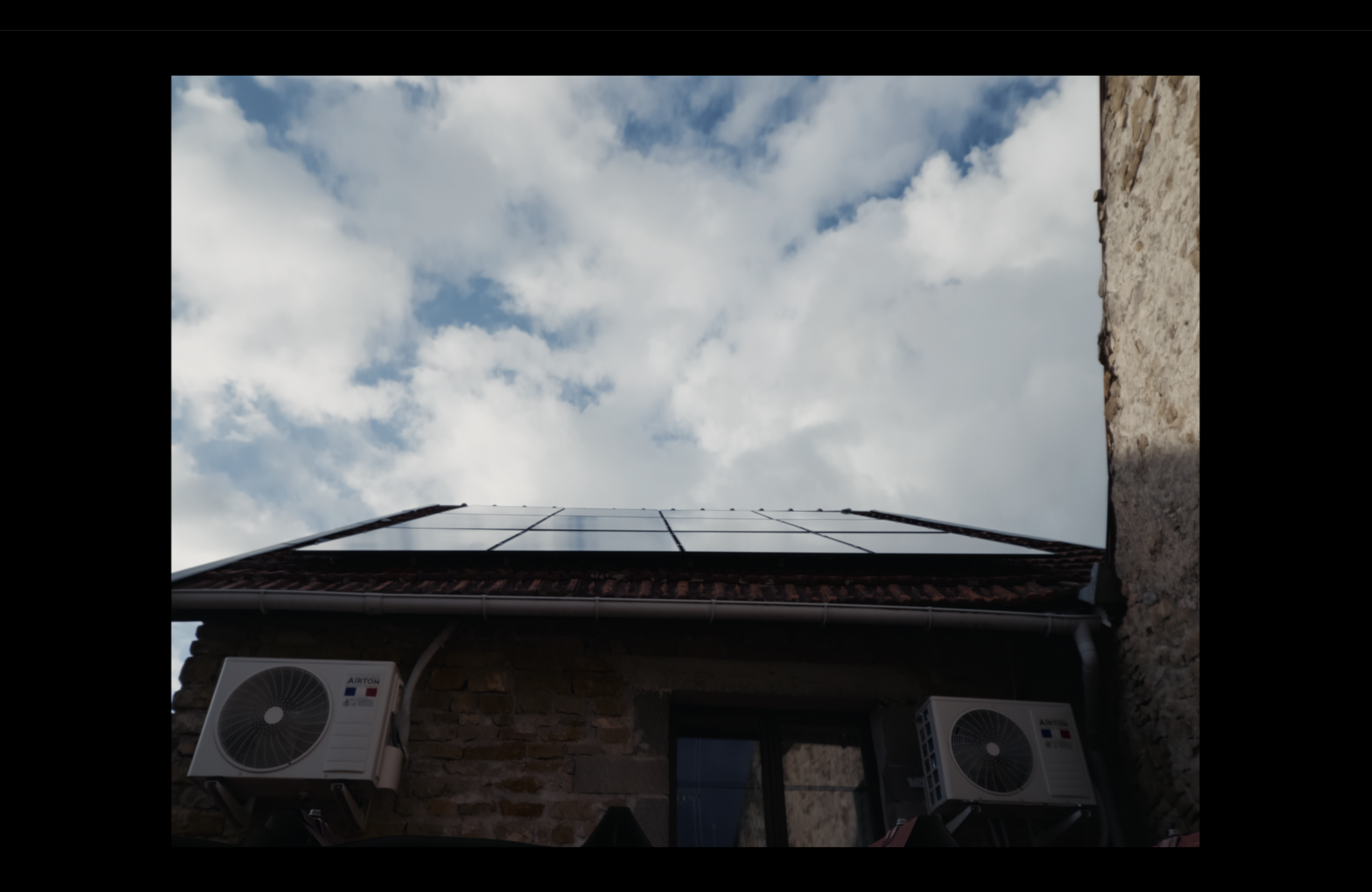
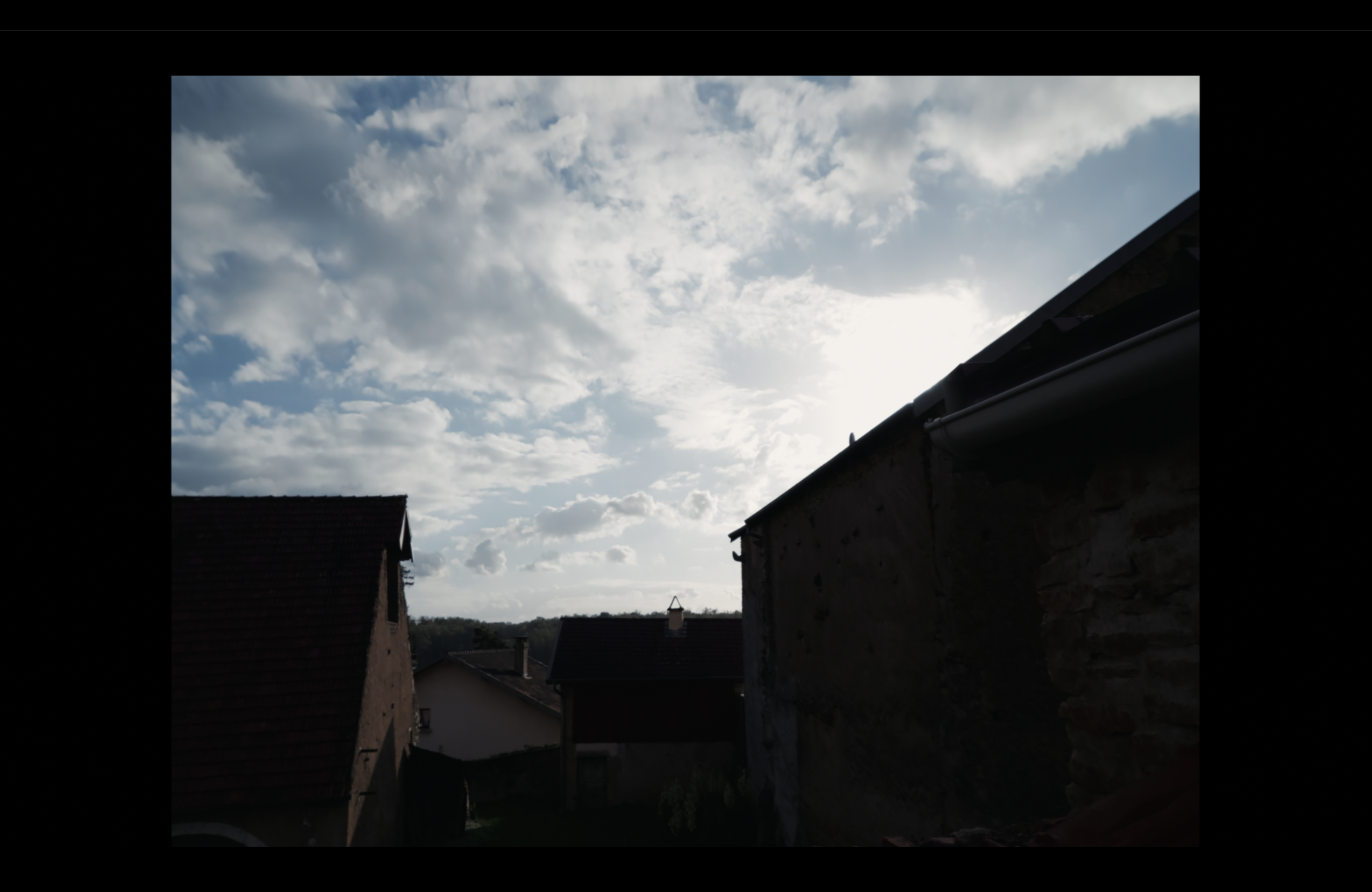
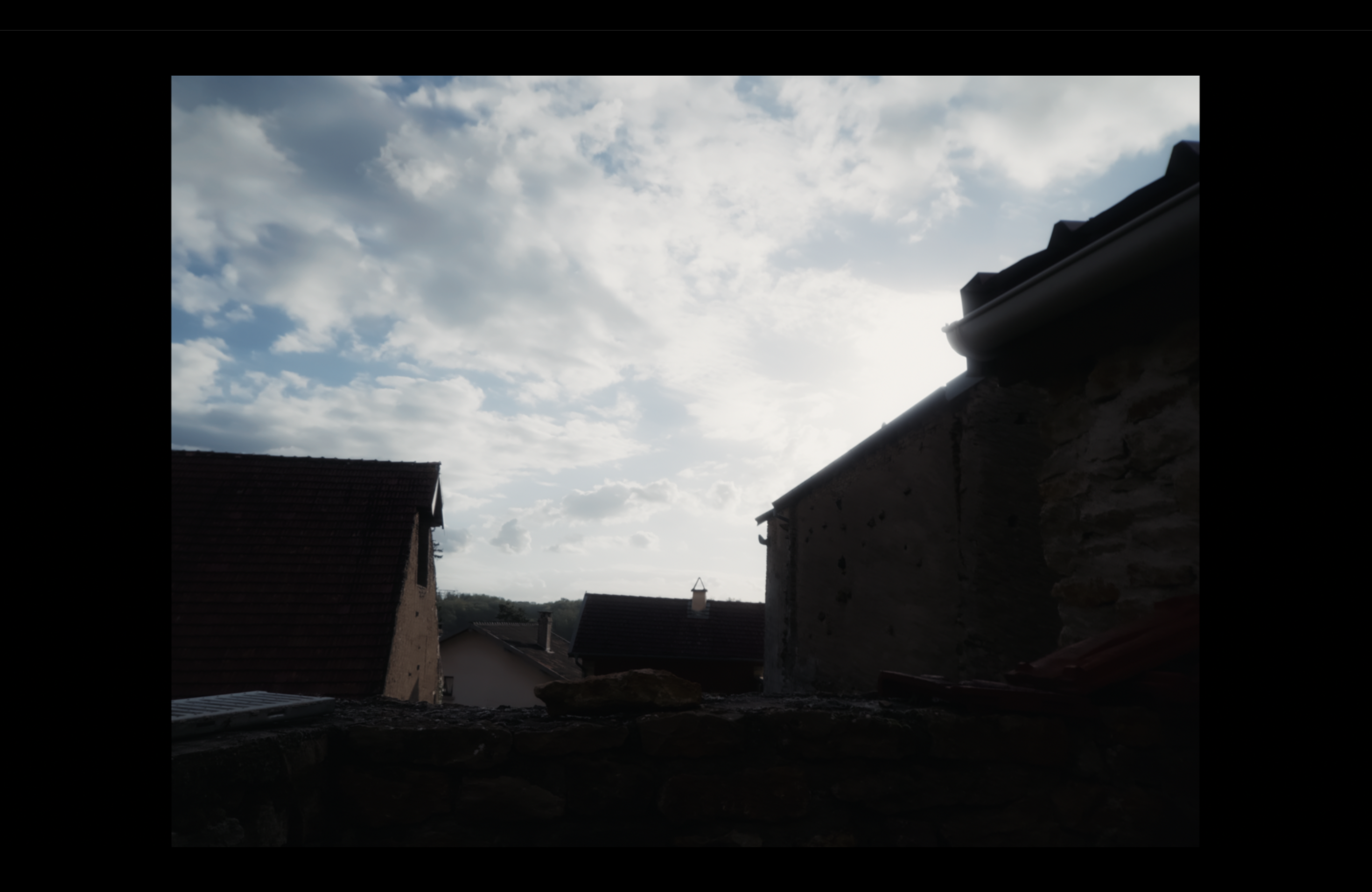
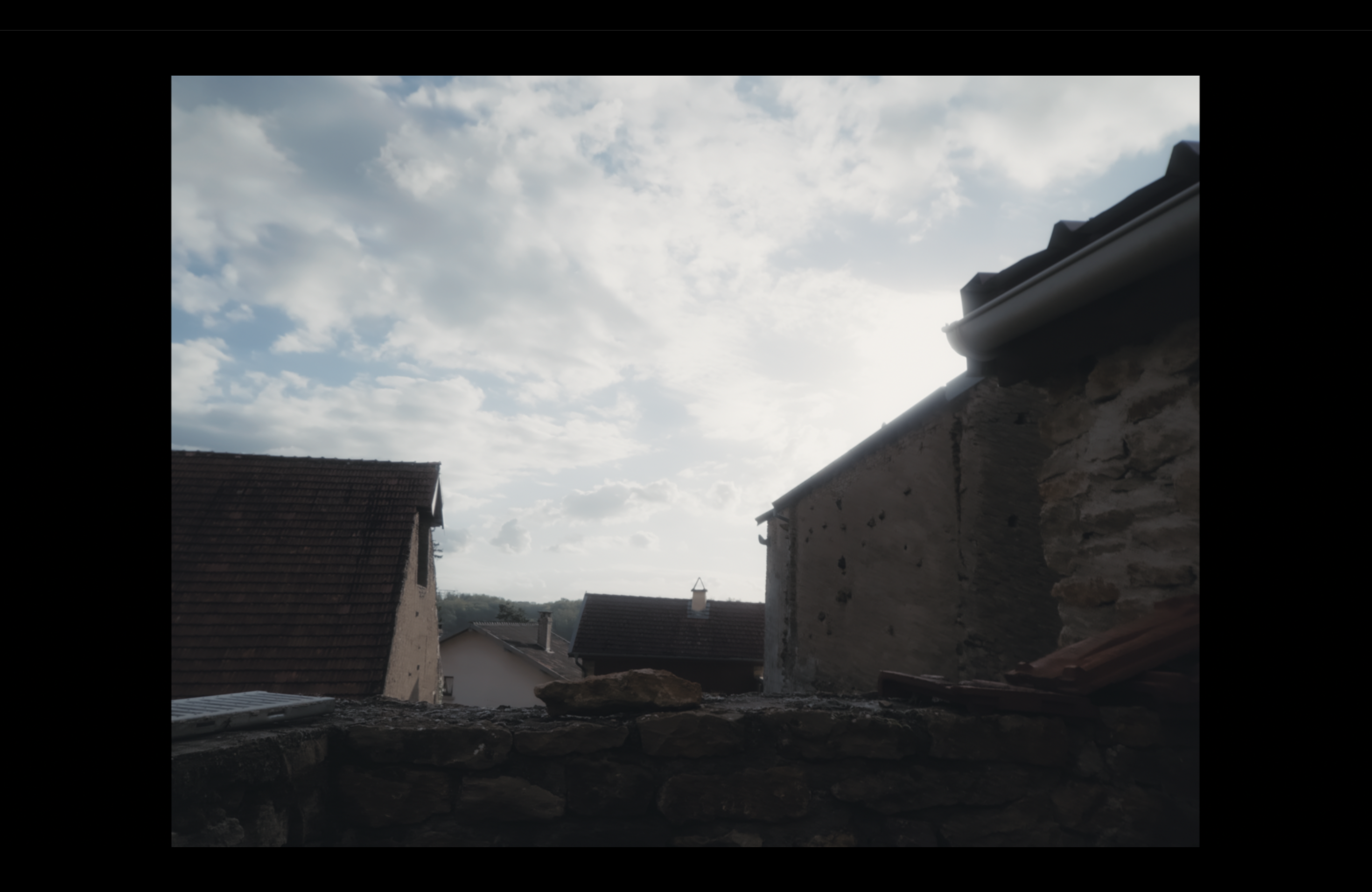
A few more thoughts on the ILS... Here's a 4k shot of my balcony solar panels. I really thought I could make some moiré with this. Not the case, at least not in the 4:3 4k mode. Everything is hand-held with the E-stab on. For DR in GoPro Log2, it seems to be living up to their claims 14 stops. When it does clip, this is what it looks like: Personally, I can live with this. I have a FilmConvert Hazy plugin to smoothen out some of that harshness on the clouds: This was all done rather quickly and could have been better, I'm sure. Here, I cranked up the shadows just to see what it would look like. I might run it up against my S9 just because I'm curious.
2 points -
Is the EOS-M *THE* Digital Super-8 Camera?
Dthgrnds and one other reacted to QuickHitRecord for a topic
I respect that choice. But I'm also not going to post every build that's offered. Maybe if I see another that catches my eye. Currently working on a new idea: FILM MODE gives you all of the film presets in some or all of 4:3, 16:9, 1.85:1, and 2.35:1, puts shutter angle on the shooting screen, and offers 23.98 and 25fps. VIDEO MODE gives you all of the standard broadcast and consumer sensor presets (2/3", 1/2", 1/2.3", 1/3", and 1/4") in 16:9 or 4:3 if possible. Choose between 23.98, 25, and 29.97fps. See shutter speed on the shooting screen, and ISO is replaced by Gain/dB. Suddenly, you can you can accurately frame for ten different lens standards, plus anamorphic. Show me another camera that can do that! This is such a cool little camera.2 points -
Great piece of tech, both ; ) Irresistible. Love the colours.2 points
-

A new Super 16 Cinema Cam: the GoPro Mission 1 Pro ILS?
John Matthews and one other reacted to PPNS for a topic
i think the meike 8mm was super nice but consider getting laowas 6mm or 7.5mm if you want such a wide fov. They’re just so much smaller and lighter2 points -
Looking for Gh2 patches
MurtlandPhoto and one other reacted to Andrew - EOSHD for a topic
By the way, the GH2 was one of the last Panasonic cameras to have unencrypted firmware and then even when encrypted with an update, Vitaliy found a way to decrypt it and make the hack possible. I've been looking into a possible further hack for the GH2, with Claude on the job and making decent progress. LUT -> Custom Photo Style might be possible and a lot of other things!2 points -
Looking for Gh2 patches
MurtlandPhoto and one other reacted to Andrew - EOSHD for a topic
It looks like our favourite GH2 hacker has shut up shop, personal-view.com is no longer active and the domain points elsewhere. I'll miss it2 points -
A new Super 16 Cinema Cam: the GoPro Mission 1 Pro ILS?
John Matthews and one other reacted to Emanuel for a topic
Y’all have to ask for a paycheck, ’cause I’ll end up buying this one, it’s almost impossible not to... :- )2 points -
A new Super 16 Cinema Cam: the GoPro Mission 1 Pro ILS?
tupp and one other reacted to John Matthews for a topic
Well, for rigging it, maybe. The camera is just so small and the mount isn't supposed to have more than a 250g lens on it. Those Meike lenses are 540g at a minimum. And just to clarify, I really don't see the ILS as a photo-first camera, unless you're taking 8k screen grabs. The interface sucks for the most part too with only 2 physical buttons and a tiny LCD (albeit decent). You don't even get a histogram out of the box- they need to fix that.2 points -
If this camera lacks a mechanical shutter, the Metabones BMPCC 0.64X speed booster is an obvious choice (as long as it doesn't hit the sensor filter). Also, the excellent Meike M4/3 cinema line that bottoms-out at 8mm is worth consideration. Meike has still versions of these lenses, but they seem to be the same price as the cinema versions. I only wish this camera had a way to sync strobes.2 points
-

A new Super 16 Cinema Cam: the GoPro Mission 1 Pro ILS?
Emanuel and one other reacted to newfoundmass for a topic
Very soft but cool none the less!2 points -
A new Super 16 Cinema Cam: the GoPro Mission 1 Pro ILS?
eatstoomuchjam and one other reacted to John Matthews for a topic
I was only able to muster a few shots today. I'm actually not sure what I'm more impressed with: colors and look with log and FilmConvert Nitrate + Hazy; or, my MacBook Air's (M5) ability to cut through the footage and watch in realtime. Initially, I wasn't that impressed with the Natural or Vivid profiles, but the Log looks great to me with FilmConvert. I need to try more. The ILS did very well with handheld shots at 17mm, given it's only electronic stab. I will have more lenses next week to try out. Unfortunately, I didn't have a ND of any type to test on this lens (who make a 40.5mm thread anyway? That's stupid). Anyway, next week, I'll have more stuff, including the media mod their new microphone kit. I know it sounds like I'm going all-in with GoPro, but I definitely think they're on to something. I'm quite impressed with the ecosystem too. No need to go through the anxiety in choosing between 5 different cameras either. You want wide- get the mission 1 pro or a Loawa lens.
2 points -

A new Super 16 Cinema Cam: the GoPro Mission 1 Pro ILS?
kye and one other reacted to eatstoomuchjam for a topic
If your use case is with C mount Super 16 lenses, "a bunch of lenses" might fit in a coat pocket. The tripod can also be an insanely light tripod or even something like a Manfrotto MP-3.2 points -
If you're going to get an ARRI phone, why wouldn't you get one with a built-in gimbal?2 points
-
I envy the Ronin 4D for that.2 points
-
GoPro ILS vs BMPCC OG... not a completely scientific test, but lots of shots in different scenes, so a good real-world comparison.2 points
-
A new Super 16 Cinema Cam: the GoPro Mission 1 Pro ILS?
Emanuel and one other reacted to eatstoomuchjam for a topic
For me, 6K is ideal - I don't lose detail when reframing and even with some denoising, a lot of the fine detail sticks around. Really, for anything from 4K through 8K, it's fine for me. 4K just means I have to be more careful with my frame and 8K means using a bit more disk space (which I have plenty of for now, hope hard drive prices come down someday, though). But yeah, the frame rates are fantastic. They're one of the big reasons that Camera Conspiracies loves his M1P ILS so much.2 points -
A new Super 16 Cinema Cam: the GoPro Mission 1 Pro ILS?
Emanuel and one other reacted to eatstoomuchjam for a topic
I think we had some discussion about it! I'm very pro-Mission 1 ILS. I've bought a couple of Backbone-modded cams over the years (well, the first one I bought as a conversion kit for an existing previous-gen GoPro, which I promptly screwed up and then sent to them to help me fix nice guys!). The thing that's kept me from using either one is that monitoring is bad on them. The HDMI output on the older GoPro lags. We're not talking 3 frames... more like 1/4-1/2 second. And the monitor output on the Insta360 One RS... isn't. There's no wired display option for it and the wireless display to the phone is also laggy, even in an area with no wifi interference. Neither was made for pulling focus. And holding a wee little action camera right up to the eye to focus on its little screen (very little on the One RS) stinks - and tools to punch in, while available, are clearly an afterthought and are clunky. So they're most usable for something where you focus once and then just roll - which doesn't fit a lot of my use cases for a smaller sensor. Though they were great for the eclipse that came through the US a few years ago. Anyway. The M1P ILS seems to fix that problem. The screen is as big as you'll find on an action camera. Wired monitoring is possible and (from what I've seen) low-latency. Dynamoc range is, by action camera standards, good. The only reason I didn't buy one when I got the "in stock" notice from B&H was that... well, I just got a Pyxis 12K because the current sale is crazy. That and it's GoPro - they'll be on sale for at least $100 off within a year. That's how I got my M1P non-ILs.2 points -

Digital Bolex rebuild project from David Bross is farther along
Andrew - EOSHD reacted to Clark Nikolai for a topic
Of these only the Allied Vision Prosilica GT 3300 has the KAI-08050 sensor that the DB used. The Faux Bolex project was designed using Basler brand machine vision Gig-E cameras and uses Basler libraries but if someone is savvy with programming they should be able to change the code to make it work with other brands. Don't look at line scan cameras, look at area scan cameras. The FB project uses Gig-E for connection, (not USB or CameraLink.) The Basler model with the same exact sensor as the Digital Bolex is avA2300-25gc. The monochrome model would be avA2300-25gm. Other sensors also use the TrueSense colour filter and have global shutters so this might not be the only suitable camera. Basler cameras model numbers are easy to figure out. The av means their Aviator series, the A is area scan, the 2300 is the approximate horizontal pixel size, the 25 is max frame rate, the g means Gig-E connection, the c is colour (and m is monochrome.) If anyone makes one, please share your progress with us here. https://github.com/lafauxbolex1 point -
Digital Bolex rebuild project from David Bross is farther along
eatstoomuchjam reacted to Clark Nikolai for a topic
The Digital Bolex uses a Kodak KAI-04050 sensor. The sensor is available in colour and monochrome models. (BTW, the colour ones use a TrueSense filter, not a Bayer filter. ) So presumably there would be better resolution with the monochrome ones than the ones with the TrueSense filter. Here's the spec sheet. https://www.imperx.com/wp-content/uploads/2017/08/KAI-04050-D.pdf I played around with footage from my colour Digital Bolex, using a monochrome plug in that allows you to assign a grey level to any colour tone with a lot of customization. It looked really nice. But probably shooting black and white with a dedicated monochrome camera might be better somehow. There are a few example videos online shot with the monochrome version. The story is that so many people had been requesting custom builds using the monochrome sensor that they decided to just come out with a monochrome model.1 point -
I am currently taking a good hard look at the V… Not the A7RV that I had, but the more recent V for vanilla, as in none-R, the 33mp one. As a pure stills camera. In a direct comparison between the A7RV I had and the S1Rii that I currently have, bodies only, nothing in it. The Sony has more megapixels which gives more latitude to punch in allowing shorter focal length lenses plus even better (more accurate) AF and is smaller & lighter with battery life and the S1Rii counters with…well with what actually…?? ’Something’ I can’t quite put my finger on… It’s only slightly behind in the above factors and the only thing I can come up with that I prefer over the Sony is, “I prefer using it”. But…and this is the big one and the above confirms it even more, there are quite a few bodies that do what I need them to do, but very few lenses. As things stand, I’m not going to jump immediately, but my primary tool for next year is going to be based on a specific lens, or at least something very much like it and that lens is the Sony 50-150 f2. I can’t quite get past it. It is the perfect outdoor lens for my line of work. Yes I wish it was smaller and lighter but that is it’s only compromise. The cost isn’t because for business use, it’s not that big a deal. But, it’s E Mount only so native on Sony or adapted on Nikon. The more recent A7V beats the A7RV for me as it’s; better in low-light, even faster and more accurate AF and I prefer 33mp when I don’t need to crop so aggressively. There is nothing else from Sony that would work for me as a body. Nikon, I had the ZF and with primes and smaller zooms it’s fine, but with the 50-150 adapted, it would be trash to use, especially as there is no battery grip and I prefer the A7V/S1Rii style fully artic screen. Ditto ZR. And there are reports of banding in certain lighting conditions. If it had a mech shutter and the type of rear LCD I prefer, I’d be all over it. Z8? Could get away with no battery grip and it’s an option… Z9? Prefer it over the Z8 and could be an option… But with both of the latter, there have been reports of this specific lens, the 50-150, not working quite as well as it does natively… And then the final piece of this particular puzzle is the fact that is not a fact but could become a fact, that from within the L Mount alliance, someone pops out a rival lens to the 50-150… No signs but a patent went in a few years ago apparently for a longer focal length to the Sigma 28-45mm f1.8 which was I believe for a 45-90 or very similar. That would do it for me as keep me in the L Mount alliance for all my needs because with the S1Rii I could just about punch in for my needs. So you have 6 months L Mount Alliance to come up with something and it MUST be internal zooming and MUST be f2 or faster and ideally, basically the existing 28-45mm f1.8 in longer focal length such as 45-90 and then we’re good. Because if not, I will almost certainly be chopping in one of my S1Rii’s for either a Sony or a Nikon plus 2 lenses. For video though, all the other (4) bodies and lenses will remain LUMIX/Sigma because as things stand. A. They are unbeatable for my needs. B. The cost to change would be hideous and if that change was sideways at best, what would be the point? The simplest answer to all this is make that fucking lens Sigma. You have 6 months to get it on the market. 7 months at a real push because if there is no sign of it within 4-5 max, I will be jumping ship for all my stills photo needs.1 point