Leaderboard



Popular Content
Showing content with the highest reputation on 08/07/2026 in Posts
-
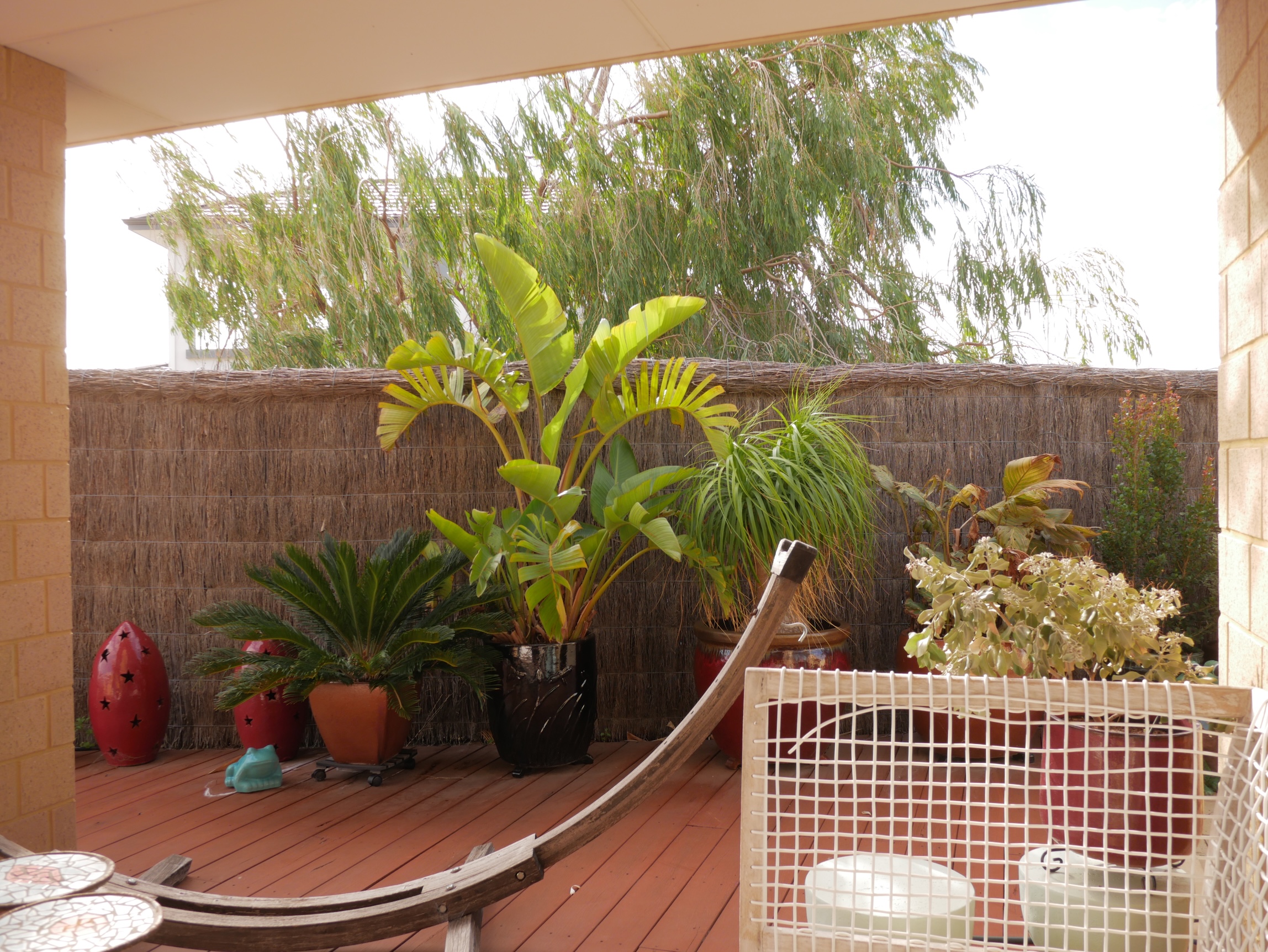
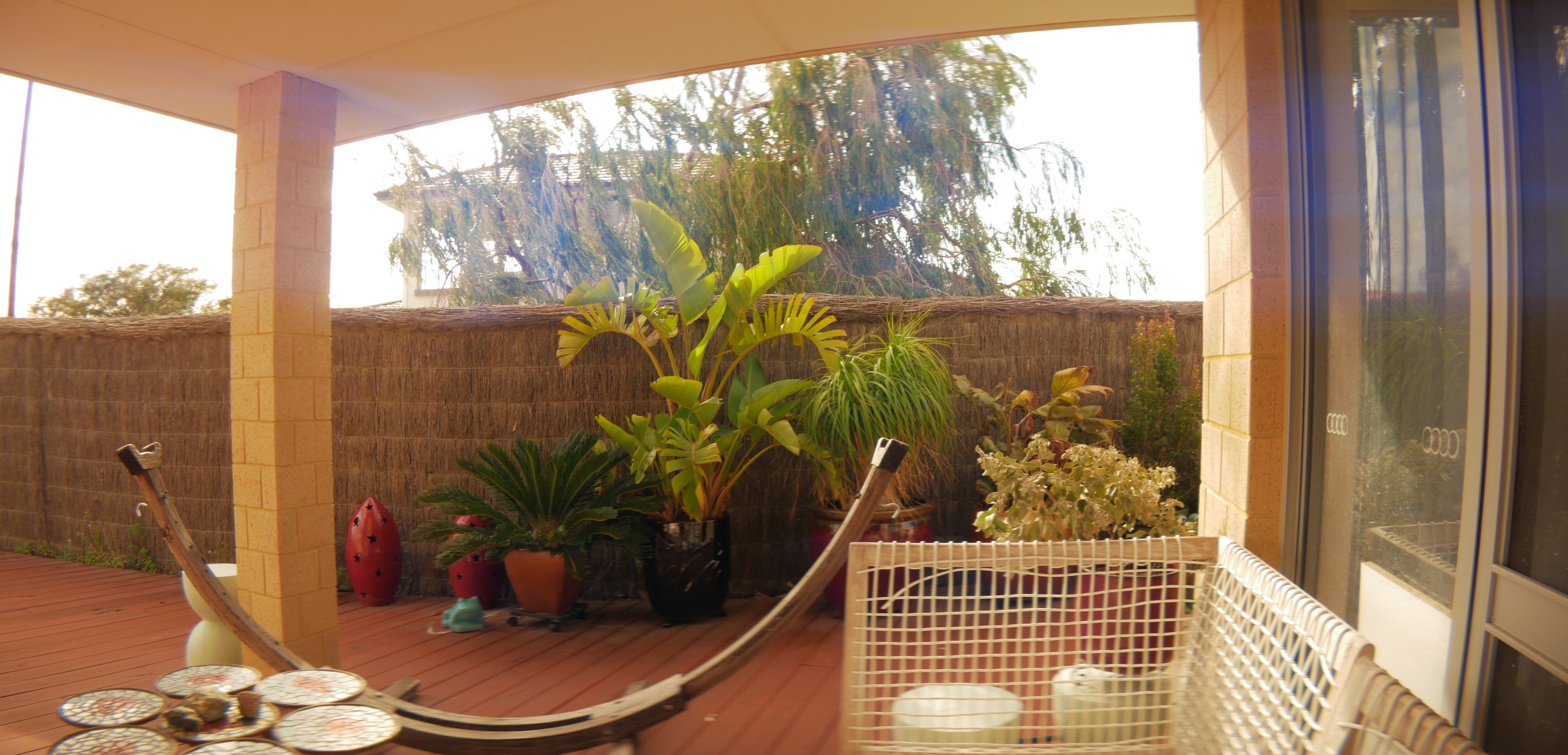
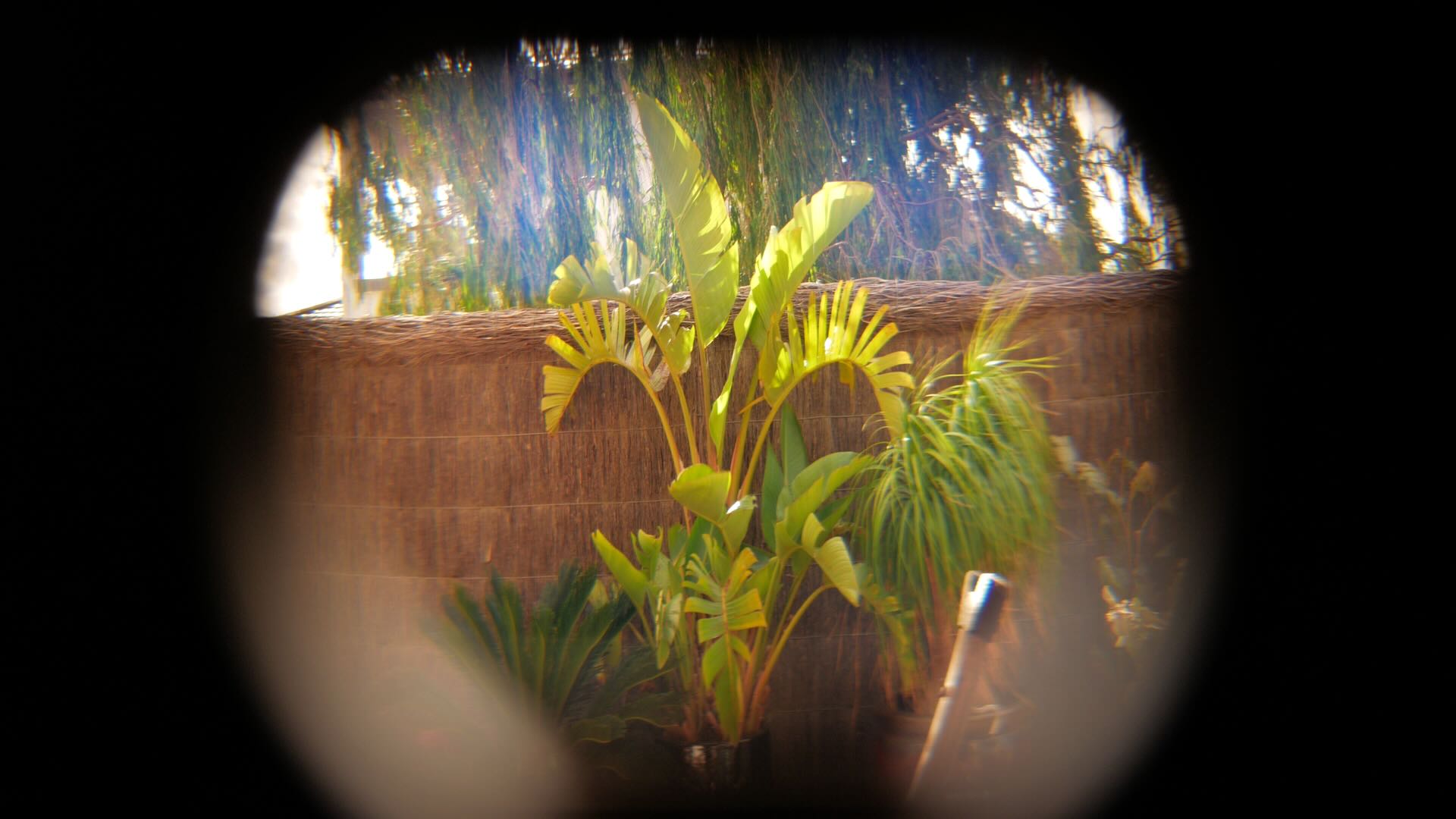
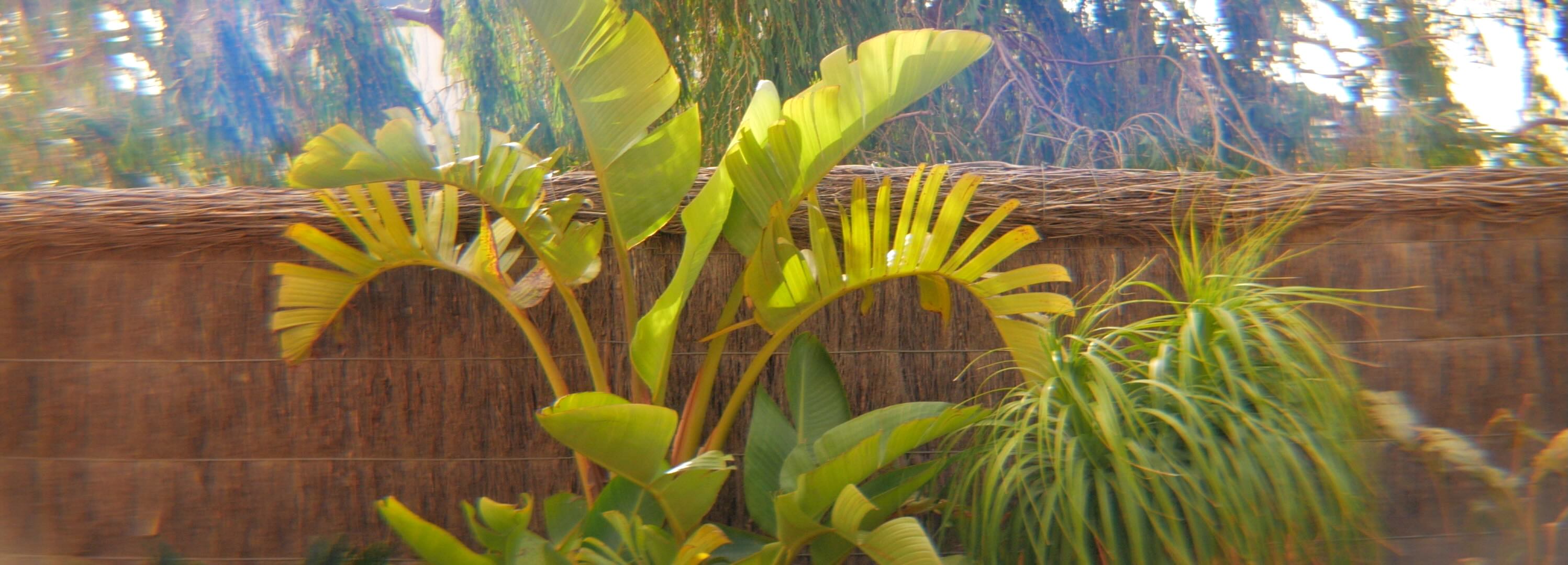
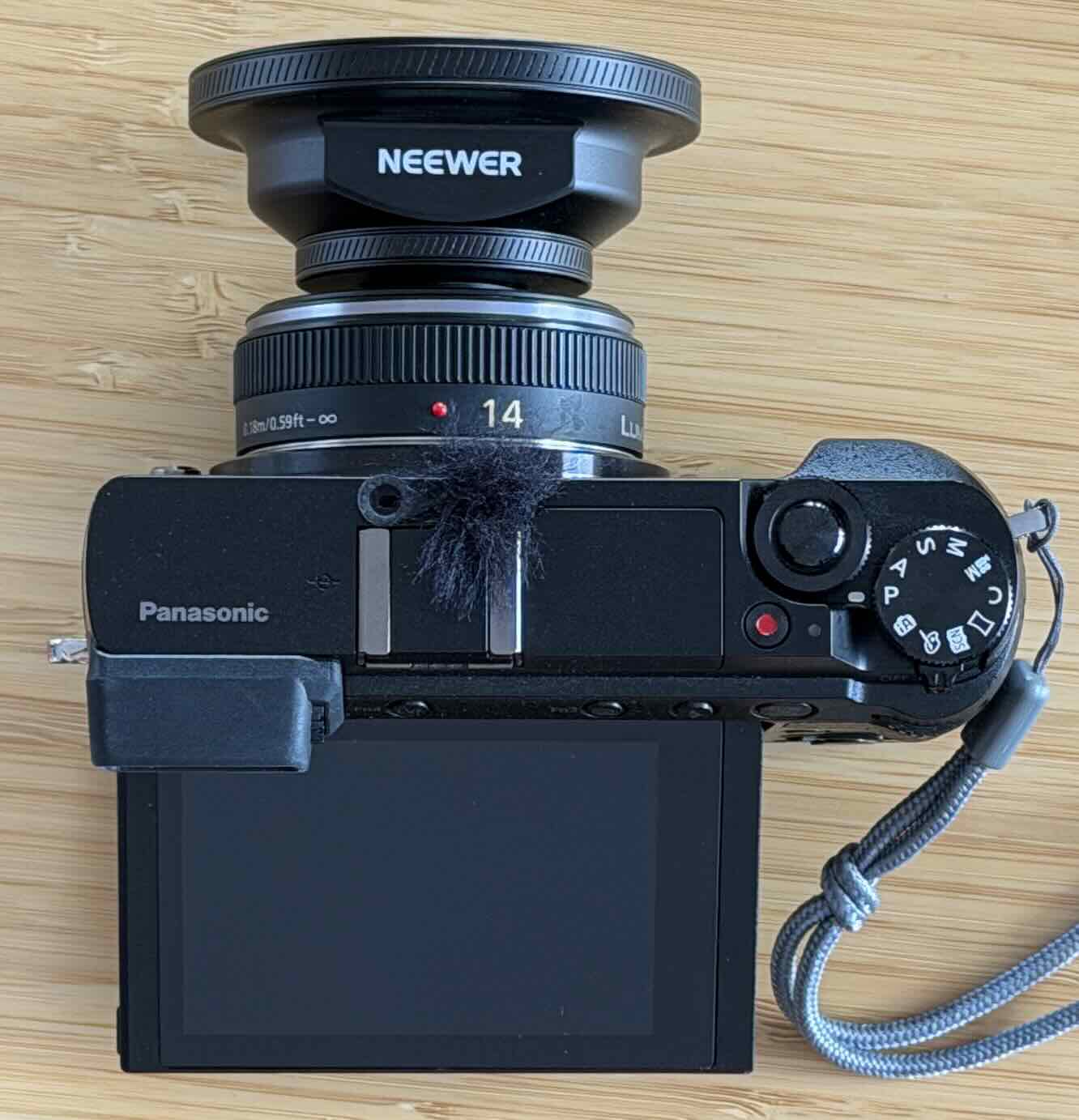
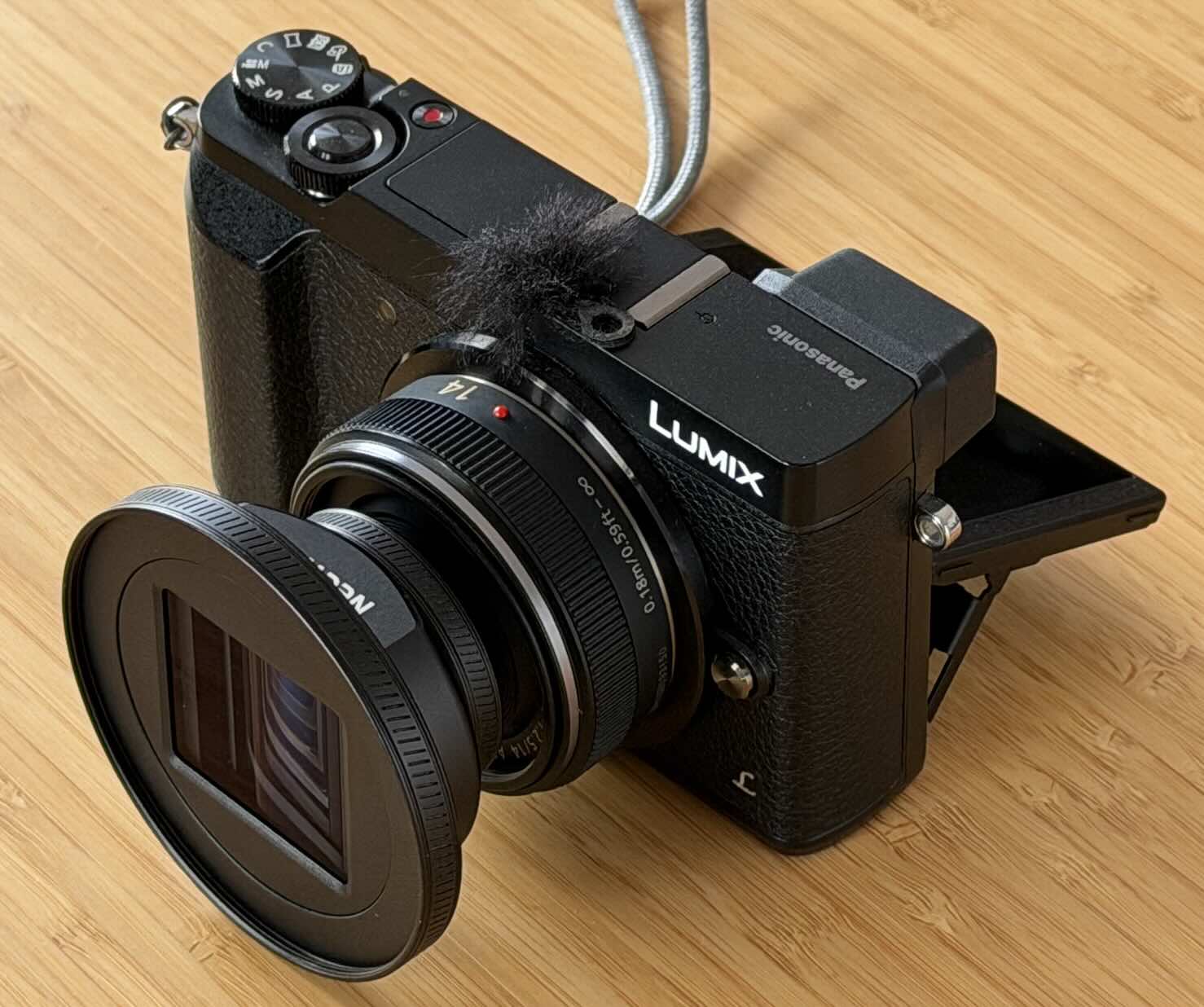
Vintage anamorphic adapters are optically imperfect in very pleasing ways, but are large, expensive, difficult to find and setup, and can be slow to use (double focusing etc). Modern smartphone anamorphic adapters are optically imperfect too, but are small, cheap, easy to find and setup, and designed for AF cameras so should be incredibly fast and easy to use. Of course, the first question is about coverage, and this might surprise you, but modern smartphone sensors are approaching MFT sensor size. GX85 with 14mm F2.5 lens (no adapter) - I took a photo so this is open-gate MFT: GX85 with 14mm F2.5 lens and Neewer 1.55x anamorphic adapter in-front of the lens (de-squeezed): Full-sensor coverage and no vignetting visible. Can it cover S35? Who knows! Looking at this image it's much blurrier on the bottom than the top, but I was just holding the adapter in place so maybe I didn't have it exactly centred vertically, but it should give an idea of the image quality. It's obviously lens-dependent though, as this is the GX85 with the TTartisans 17mm F1.4 in 16:9 movie mode (no open gate)... Coverage.... isn't ideal! However, with the 2x digital zoom on the GX85 and de-squeezed you get this: This equates to about 44mm FF equivalent, and reminds me of some of the more funky vintage anamorphics. Perhaps the most impressive thing is the form factor. This is a 1.55x anamorphic setup probably more pocketable than a BMPCC4K, and that's literally got "pocket" in the name! Those just show the adapter leaning against the lens, as I am yet to work out how to mount it properly. The challenge is that this adapter has a 17mm rear thread which is smaller than any step-down ring I can find, so I'll probably have to go DIY to mount it. People have suggested I drill a hole in a metal lens cap, or get the smallest step-down ring I can find and glue a washer to it where the inner diameter of the washer matches the thread size. I'll have to experiment, but there are options. That whole rig weighs less than my Sirui 1.25x anamorphic adapter on its own.. 627g vs 744g!! It's early days for this idea, but the coverage surprised me and I think makes it a real option for shooting actual projects. The fact that the 14mm looks so clean and the 17mm so dirty means that buying one of these probably gives you as many looks as you have lenses, so potentially quite a few. I'm yet to play with how it looks at different apertures and focus distances, but they'll probably give some variety as well. The above were shot at F5.6 or so. If you stretch the 16:9 files from the GX85 you get 2.75:1 so super widescreen and you can crop the sides if you wanted to. On something like the GH7 with a 4:3 open-gate it would be almost exactly 2:1, a very useful format. It's not just MFT either. I've heard quite a number of instances where people want to go for an older look and will use a S35 cinema camera (like a RED) in a lower resolution mode and combine that with some vintage optics to get the look they want, or used the Alexa S16 mode and S16 lenses. Lots of cool stuff has been shot like that and when you have to de-squeeze in post then cropping a bit takes very little extra time on real projects. In a way these are perfect for low-budget anamorphic experimentation if you're interested in optics with some character and getting a range of looks from just one purchase.
 2 points
 -
That works for long-term storage, but there are really two separate problems here. Transcoding R3D NE to H.265 solves the archive size. It does not solve the card capacity, ingest time, temporary disk space or transcoding time. A more efficient compromise might be to keep R3D NE only for the selects that actually benefit from RAW flexibility, then batch-transcode the rest to H.265 in REDWideGamutRGB / Log3G10. So the weak internal H.265 still matters. The workaround is viable, but it moves the cost from storage to workflow.1 point
-

Review site for older DSLR and MILCs?
EduPortas reacted to Andrew - EOSHD for a topic
Indeed. So much empty space reserved for ads, the content just looks completely lost and every single change they've made to every single detail and feature feels like a massive downgrade, their tools and feature comparison database for example... now almost unusable. Yet still they pat themselves on the back for a job well done. Typical isn't it!1 point -
 If you have 20 mm and 60 mm as the equivalent focal lengths that are available, the wider angle makes sense for including oneself in the footage, and showing a bit of environment, which must be a common thing in social media. However, at least I would preferentially shoot with 35 mm or 50 mm a lot of the time. By starting with an 8K sensor, you can get more detailed crops that mimic those lenses at least in angle of view. Of course, you lose light in cropping so the quality won't be the same as using one of the native options, but it is probably less damaged than if you start with a 4K sensor and crop from 20 mm to (say) 50 mm. I'm personally perfectly happy shooting in 4K with a 35 mm full-frame mirrorless camera and doing a bit of cropping doesn't really bother me, but the camera that I use makes the 4K footage by downsampling from 8K resolution, so even in the 4K file (typically for me Prores 422 HQ), there is a better starting point for cropping than if I had shot with a 4K native sensor camera (due to the Bayer sensor not registering all colors for all pixels natively). I think 20 mm would be extremely wide to shoot everything with (that's what the DJI Pocket 4P's magical sensor produces, 20 mm equivalent footage), and I'd want to moderate the angle of view a lot of the time to something in the 35 to 50 mm range. Thus the sensor resolution is likely to play some role in the practical quality that can be obtained. Although I like the idea of a camera that has a gimbal and can be just taken out of the bag and used, and I commend DJI for bringing the long-in-development LOFIC sensor into an actual consumer product, neither of these cameras (luma ultra and Pocket 4P) are really for me as I basically never do videos with myself in the footage, and the 20 mm equivalent angle of view is just not what I want from a video camera. Cropping (to get an acceptable angle of view) from a small-sensor camera is going to make noise more visible and detail less clear. I think use of a gimbal on a heavy full-frame mirrorless camera is painful for the setup that is required. Eventually I think some good compromises will arise, with moderately light total weight, internal (optical) zooms that don't require recalibration after FOV change, better integration of camera controls into the gimbal user interface, and some digital signal processing that is optimized to reduce the gimbal motor noise from on-camera audio tracks (this will require work on the motors themselves and the processing) are likely to make things more practical for me, but for now most of the time my gimbal is just not being used. With regards to the dynamic range, I'm used to slide film from long ago and when using it (for still photography) it was essential to photograph in what we called good light, which meant light that was suitable for the material, with no exposure latitude whatsover, and I still try to choose where I shoot so that the subjects and the scene will look good straight out of the camera where possible. With my camera the top video dynamic range is 12 stops and I've not run into anything that would make that feel inadequate, given the starting point of acceptable conditions for photography to begin with, in fact it feels wildly liberating what kind of post exposure adjustments are possible today. I would argue that if there is a situation which requires higher dynamic range, then alternatives probably result in better quality: use lighting for the main subjects in the foreground. If the scene can't be lit then shoot in a location which gives better results without lighting. Post-processing has its limits and I would argue it is not easy to mimic really good lighting on a scene with high contrast but no light (or too little light) on the subjects in post-processing. However, if you can use and benefit from 17 stops of dynamic range, by all means use it if available. I think my life is easier by carefully choosing where the original material is shot.1 point
 -
Nikon Zr is coming
ArashM reacted to Ilkka Nissila for a topic
If you can afford the cards and temporary space on an internal drive, you could shoot in R3D NE in camera and then after transferring the files to the computer, convert it to log h.265 and delete the original files. By doing this you can get high-quality h.265 and avoid the long-term accumulation of storage otherwise needed for the raw files, not much different from having a high-quality h.265 codec in the camera, apart from the fact that you would need large memory cards and some space on the computer's internal drives for this step. I'm not trying to make an excuse for Nikon for the h.265 but suggesting a workaround who have this camera for one reason or another, and need a practical workflow.1 point -

Review site for older DSLR and MILCs?
EduPortas reacted to filmmakereu for a topic
I think the gap isn't another database of specifications. We already have plenty of those, and the old DPReview reviews are still remarkably useful for understanding what a camera was when it launched. What seems to be missing is a "today" layer. How easy is it to live with in 2026? Are batteries and accessories still readily available? How well does the codec fit modern editing workflows? Are there reliability issues that only became apparent over time? What does the current used price actually buy compared to newer alternatives? I'd also like to see a stronger filmmaking angle rather than just image quality. Some older cameras still have a rendering or shooting experience that makes them genuinely enjoyable, even if they're objectively behind in dynamic range or autofocus. Most launch reviews answered, "Is this a good camera today?" The more interesting question now is, "Who is this camera still a great tool for?"1 point -
Compressed RAW is probably the part I'd focus on before adding more film simulations. For the dropped frames, a small diagnostics page could be useful: sensor timestamp delta, queue depth, compression time per frame, sustained write MB/s and dropped-frame count. That should make it much easier to see whether the bottleneck is capture, compression or storage. I'd also preserve per-frame black/white levels and WB/colour-matrix metadata where the device exposes them. Especially useful if you want the RAW processing and calibration to remain consistent across ISO changes. Interesting project.1 point
-
 I question the need for 8K for any use. I understand some people shoot in uncontrolled ways and would rather reframe in post than compose their shot during capture. I understand people like Fincher prefers working this way. I understand that it is great to have extra resolution for VFX. But how many users of these types of cameras need these features? We're not discussing sweeping Hollywood sci-fi epics. That said, I believe the next huge indie film, shot from some kid in the middle of nowhere, will probably use one of these cameras. So if having 8K slates helps the vision come to life... that's really great. For me, I'd rather have the extra DR and I'd love that Osmo Raw that @eatstoomuchjam referenced. Hell, I may be able to afford that now. Hmm.1 point
 -
Thanks, I'm looking for a more human approach though.1 point
-
I bought one and ended up selling it. While the RED NE looks great, it's way to much data for what I shoot and the H265 is terrible, I can't understand how Nikon does not understand the urgency of fixing it.....1 point
-
Hey gang, been a while. At first glance this FX5 felt a bit underwhelming but looking closer its a pretty substantial update. On paper the frame rate/resolution bump over FX3 looks small, 4K to 5K isn't a leap that sells itself, and I get why some are skeptical. But I don't think the gains are actually small once you look past resolution. Also want to bring the A7R VI into the conversation, since it was announced just recently and shares the same sensor, and does some clever things of its own. It varies its subsampling by mode: 8K comes from an 8.2K region (1.22x crop), while 4K is read from the full sensor width but subsampled from a 5K portion, roughly 2:1 binning, and rolling shutter scales almost exactly with that ratio between modes. That's actually smart sensor use for a hybrid body, flexible readout depending on what you need, high-res stills and video modes both on tap from one chip without a fixed binning scheme. Arguably a more versatile use of this sensor than the FX5's fixed video-only binning, if you need both stills and video from a single body. But for video-only work, FX5 still pulls ahead in what actually matters day to day. The RAW is the real story, 16-bit X-OCN, same bit depth as Burano/Venice 2, and the C1/C2 compression tiers are genuinely efficient, undercutting even the FX3's own compressed 10-bit codec at 4K24p. Triple base ISO and the selective dual-gain shadow cleanup add up to real, usable gains, albeit slower readout speeds a la S5ii. Oh and open gate, Sony finally caught up. On price, worth noting Sony's being smart splitting the handle and EVF out separately rather than bundling, it softens the sticker shock even though fully kitted you're still at a whopping €6,800 here, FX6 money for a mirrorless body with no NDs, SDI etc. That's the one thing hard to swallow. Went Canon with the C50 myself a couple months back, still very happy with it, dual OS is best of both worlds and the various crop modes and digi zoom punch-in flexibility over the 7K spec I rarely touch. For about 3K with the awesome XLR top handle included, it fit my wallet and needs, no regrets. Bottom line: For Sony hybrid users that need stills over RAW, do take a look at the A7R VI, smart camera with impressive specs. For video only, no real flaws on the FX5 and some serious upgrades: RAW, open gate, triple ISO, dual gain, tilt EVF option..all genuinely exciting if you can swing the price. Personally I wish they would have left a stills option (even 16MP e-shutter mode) but I have no doubts the FX5 will become industry standard for years to come. But I also don't think FX3 is going obsolete anytime soon either.1 point
-

Panasonic Lumix S1R Mark II coming soon
greenscreen reacted to Walter H for a topic
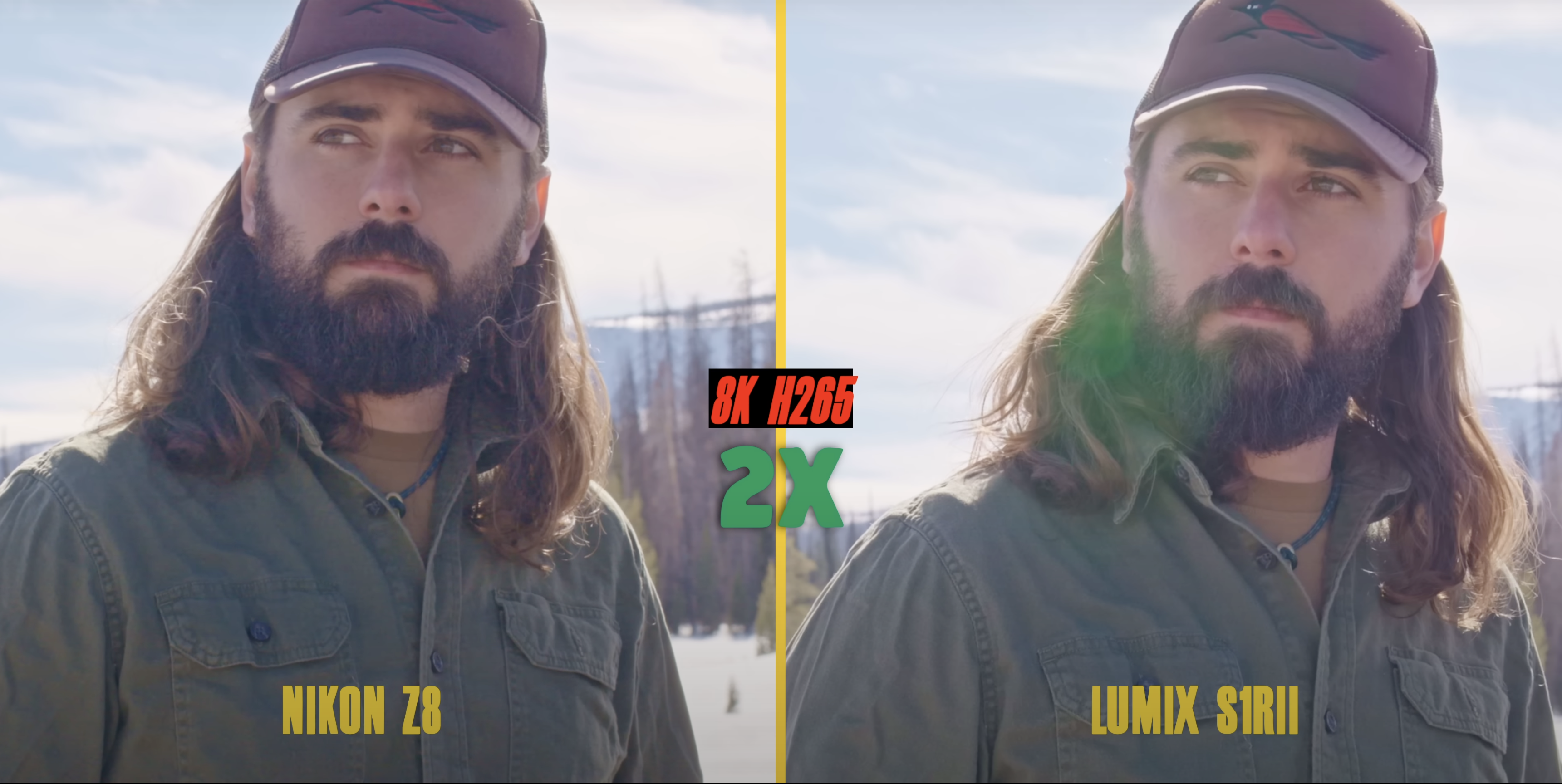
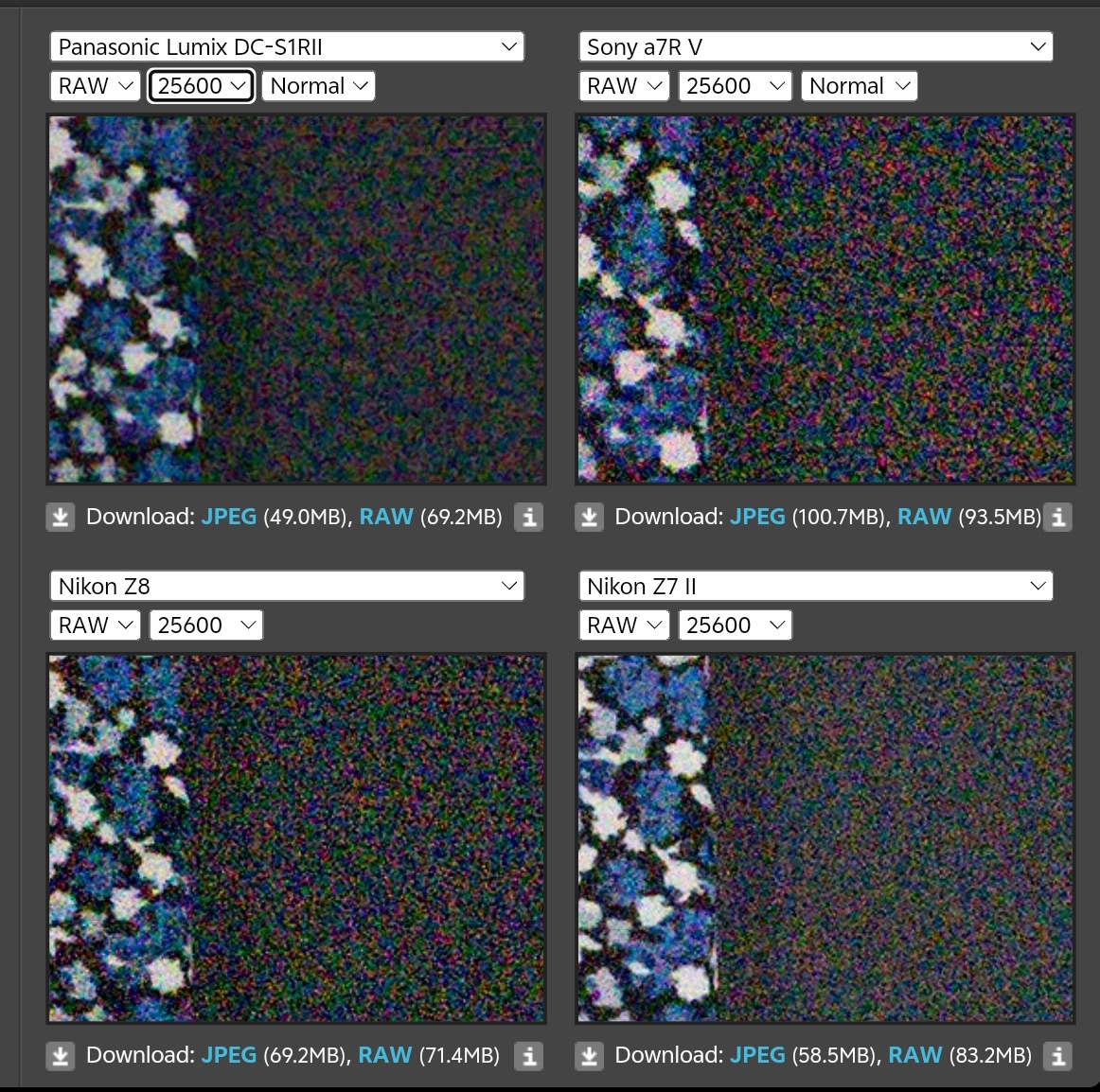
I hear you. I was also disappointed to see the newly released DPR studio results clearly indicating that. The Nikon NEF file holds more detail at higher ISO for sure. When it comes to H.265, it is all about implimentation and we'll have to see what is not enough vs what is too much in real use. I'm not ready to make a judgement yet. The H.265 in the Z8 has been criticized for smearing and in time Panasonic might be skewered for being too aggressive with NR too, but on the contrary, I've yet to hear of compromises in detail with the S1Rii. This still is from Cam Mackey's recent video. Skip to 19:45 for more of this.
1 point -

Panasonic Lumix S1R Mark II coming soon
greenscreen reacted to ND64 for a topic
Panasonic uses NR on still RAW in a still oriented camera, let alone video. Reviewers bash Nikon for its h.265 implementation that doesn't allow to disable NR, but say nothing when Canon/Panasonic doesn't allow to disable it on RAW!
1 point