All Activity
- Today
-
Unfortunately, a filter in front of the lens doesn't work. I think pro mist or soft focus filters doesn't affect the same frequencies. The only thing that works seems to be an OLPF, good debayering or bigger resolution. I had the impression that Rawlite reduced false color issues but not the banding. €450 is a bit expensive just to slightly reduce the problem. I’ve never seen any serious before-and-after tests.
-
I have no direct experience with the rawlite filters, but people seem to like them. You might want to specify the camera since there may be variance in the quality/utility of the filter. As a cheaper option, have you considered using a pro mist/glimmer glass/etc filter? I think those can help with moire too.
-
 Chrille reacted to a post in a topic:
Any other EOSHD'ers trying the whole YouTube thing?
Chrille reacted to a post in a topic:
Any other EOSHD'ers trying the whole YouTube thing?
-
 proptia joined the community
 -
Yeah, i think it is great to start and then just go with the flow and see which direction it takes you. By now i am putting bits and pieces on my channel: https://www.youtube.com/@MagnetischC I have some videos in the making ranging from short films to equipment tests and i even try to create a vlog... I believe making money on youtube is a whole different thing with it's own rules - the amount of channels, podcasts that focus on this matter is vast.
-
Happening mid season, so right now… I sent my S9 in for repair (audio side of things not working) and yesterday, finally received a repair quote…which is not only more than the trade in value, but more than buying an ‘as new’ one from MPB! Nope! Instead, I have requested a return and will make it a dedicated gimbal camera where not having audio is not an issue. Which still leaves me a camera short… I have been juggling what I have with the L10 picking up the slack and managed the situation for the last 5 jobs, but it’s not ideal as the S1RII’s definitely DO overheat and shutdown on hotter days at around 15 minutes max. Step forward a used S1IIE which has all the tech (but upgraded) from the trusty reliable S5II but in the much better (mainly rear LCD) body of the S1RII/S1II. It doesn’t have quite the ability of the S1II, but for my needs, that’s fine and the reliability is more important to me. So the re-jigged line up now is: Pair of S1RII’s for hybrid, but pretty much 95% stills, with the 18/35/50/85 f1.8 primes. S1IIE primary video unit with the Sigma 17-40 f1.8 S5II static video unit with Sigma 28-70 f2.8 S9 with Sigma 17-50 f2.8 + gimbal as err, dedicated gimbal unit L10 candid, closeups (has excellent macro function), details, plus doubles as my personal EDC/DadCam. Should be able to function properly for the second half of my season…
-
Emanuel reacted to a post in a topic:
New Sony RX10 Launch - 9/7/26
-
 Emanuel reacted to a post in a topic:
New Sony RX10 Launch - 9/7/26
Emanuel reacted to a post in a topic:
New Sony RX10 Launch - 9/7/26
-
Emanuel reacted to a post in a topic:
New Sony RX10 Launch - 9/7/26
- Yesterday
-
 Justinguh joined the community
 -
Congrats bro, any channel that is not trying to sell me some new piece of Chinese crap gets a pre-approved follow. As others have said, the background music is too loud. Try to lower it by 6db so your voice stands out. There's also a clear hum that's only visible when you speak. Could be your mic cable touching metal. Other than that it's a great start! If it's any use there's a huge appetite for retro-reviews right now. We are swamped with fantastic video and camera offerings from the DSLR and early MILC eras that probably solve 99% of every pro-user's needs. Same for lenses and sound gear that go for very attractive prices instead of the new gear retail.
-
Let's hope they updated it more than they updated the ZV-1 Mark II over the ZV-1 (or for that matter, the RX 100 V). From what I remember, that "upgrade" was really just giving the new model a wider-angle zoom lens closer to the focal lengths on an iPhone and reducing some other specs (like getting read of the burst video modes). My guess? At most a small incremental update over existing RX10 bodies. Any substantial upgrade would see Sony risking letting their point and shoot camera have superior specs, if even on paper, to their prosumer gear. 6K? 240fps 4K? Higher dynamic range from a newer sensor? My guess without looking at rumor sites? It'll have a somewhat updated 1" sensor and add USB-C to replace the micro usb port on the existing RX 100 IV (unless they already released an updated version with better USB?). Maximum 4K recording will go from 30 to 60fps. Full HD from 120 to 240fps. Memory stick + SD card will be replaced with CF Express A + SD Card. SD might get faster with the second row of pins that's on newer SD cards. Still images will go from about 20 megapixels to 24-26 megapixels. Video crop will go from 1.09x to 1x and open gate in either 4:3 or 3:2, whatever the sensor dimensions are, will be an option.
-
Had the OG…or was it the II back in the day and quite liked it as I’m quite partial to a fixed zoom camera. Changed it for a camcorder with the same sensor in the end but that was about 117 cameras ago or something…
-
 yrsadawn82 joined the community
 -
Well it’s been a while but, as they say in their trailer for the launch, the wait for a refreshed RX10 is almost over. A lot has changed in the nine years since the last version so it should have a significant bump in features but, equally, it will likely get a significant bump in price (from an already pricey base point) that we’ve seen everywhere else in that intervening period. It certainly has the potential to be more than enough camera for more than enough people otherwise they wouldn’t bother bringing a new version out but equally it could also just be a grab for them. The internal ND of the Panasonic FZ2000/2500 gave it the edge for me over the RX10 so that’s one area where Sony might have come back at it but, then again, Panasonic show little sign of refreshing the FZ2000/2500 so there may be no need. All in all it might be something interesting or a head scratcher.
-
 David Wilson joined the community
 - Last week
-
Hi, I read a lot on this site, but I never participate. I created an account because I'm stuck. Are there any tests out there on Rawlite OLPF filters regarding moiré and aliasing? There are a few tests, but they’re not really great and often about the Ircut. A lot of people say rawlite olpf fiters are good for moire (but they only say "trust me"), but I can’t find any serious tests. I’m talking about tests using test charts or clothes—comparing with and without the Rawlite filter. Not just a shirt or a chair for 2 secondes. Often, they're also too far from the target. A simple close-up test showing the moiré pattern and the same shot taken with a Rawlite filter.... It's surprisingly hard to find. I’m looking for a test that includes targets at different distances too, to confirm that the moiré pattern has indeed disappeared... With different kind of patterns too. I know it doesn't completely remove the moiré pattern, but I'd like to know what percentage of it it removes (5%–10%–90% ???)
-
 Nicolas-r02 joined the community
 -
TrueIndigo reacted to a post in a topic:
Have We Forgotten What Panasonic Announced Six Years Ago?
-
Reading up on these technologies, LOFIC is evolutionary, but OPF is revolutionary.
-
From everything I’ve found, Panasonic definitely sold a large portion of its semiconductor business to Nuvoton in 2019 (completed in 2020). But I haven’t found any evidence that the Organic CMOS/OPF technology itself was sold or abandoned.In fact, Panasonic has continued publishing updates on the technology. Here’s a 2023 announcement improving the OPF sensor’s color reproduction. So while none of us know if it’ll ever end up in a Lumix camera, I don’t think it’s accurate to say it’s in “cold storage” @sanveer or that Panasonic sold it off. If anyone has a source that says otherwise, I’d genuinely like to read it.
-

Have We Forgotten What Panasonic Announced Six Years Ago?
TrueIndigo replied to Alt Shoo's topic in Cameras
Over the years I used to think about that publicised organic sensor, too, but I think since then, the Panasonic sensor work was sold off, wasn't it? -
That sensor is probably in permanent cold storage. Panasonic could use a LOFIC sensor instead. That could easily add 2-3 stops of dynamic range. Rolling shutter doesn't have to be absent, but being controlled is good enough.
-
Aussie Ash reacted to a post in a topic:
Any other EOSHD'ers trying the whole YouTube thing?
-
Emanuel reacted to a post in a topic:
Any other EOSHD'ers trying the whole YouTube thing?
-
Found this guy — no idea if he is one of us EOSHD’ers : P but if not, it would be nice to see him here ; ) https://www.youtube.com/@TheGrowingPro/videos Seems fairly enthusiastic : ) Fascinating collection of stuff to dig into, and a bit of variety among all the new releases. He’s a fan of the GH series too, with some lovely thoughts on a few cams, opinions, ideas and concepts many of us share here (brand-agnostic as well, which is always a plus in my book), and he’s also into medium format! Maybe not the kind of fancy channel people are used to seeing pop up there ; ) but that can actually be a good thing these days : D Pretty much gets my vote ;- ) @Parker I've just watched the full 6:13 video you shared with us. Thanks for that, I really enjoyed it. Pity you haven’t kept going with more stuff since then. What happened in the meantime? To borrow from your own thread title: why not? :- )
-
Emanuel reacted to a post in a topic:
Have We Forgotten What Panasonic Announced Six Years Ago?
-
 Amazing jump. One stop already means 2x light. Now imagine five stops!
 -
About a week now the camera section of the internet has been harping around the latest FX5 rumors. A lot of people seem disappointed that it may not have a global shutter or even built in NDs. Whether those rumors end up being true or not isn’t really my point. My point is that everyone seems to forget Lumix. Does anyone remember in 2019, Panasonic announced its 8k organic sensor tech? 8K LUMIX Instead of having the sensor basically doing everything in one layer, the light capturing and the electronics are separated. What are the benefits? Well, higher dynamic range, global shutter without the usual hit in DR, and to me the most exciting part, electronic ND built into the freaking sensor. And in this 6 years old video a Panasonic rep specifically says this tech will trickle into LUMIX cameras. It’s now been close to 7 years since the original S1H. If Panasonic has been quietly refining this technology all this time, I wouldn’t be surprised if the next S1H or a new compact cinema camera is the one that finally delivers the combination of high dynamic range, global shutter, and built in ND filters that so many people have been asking for.
-
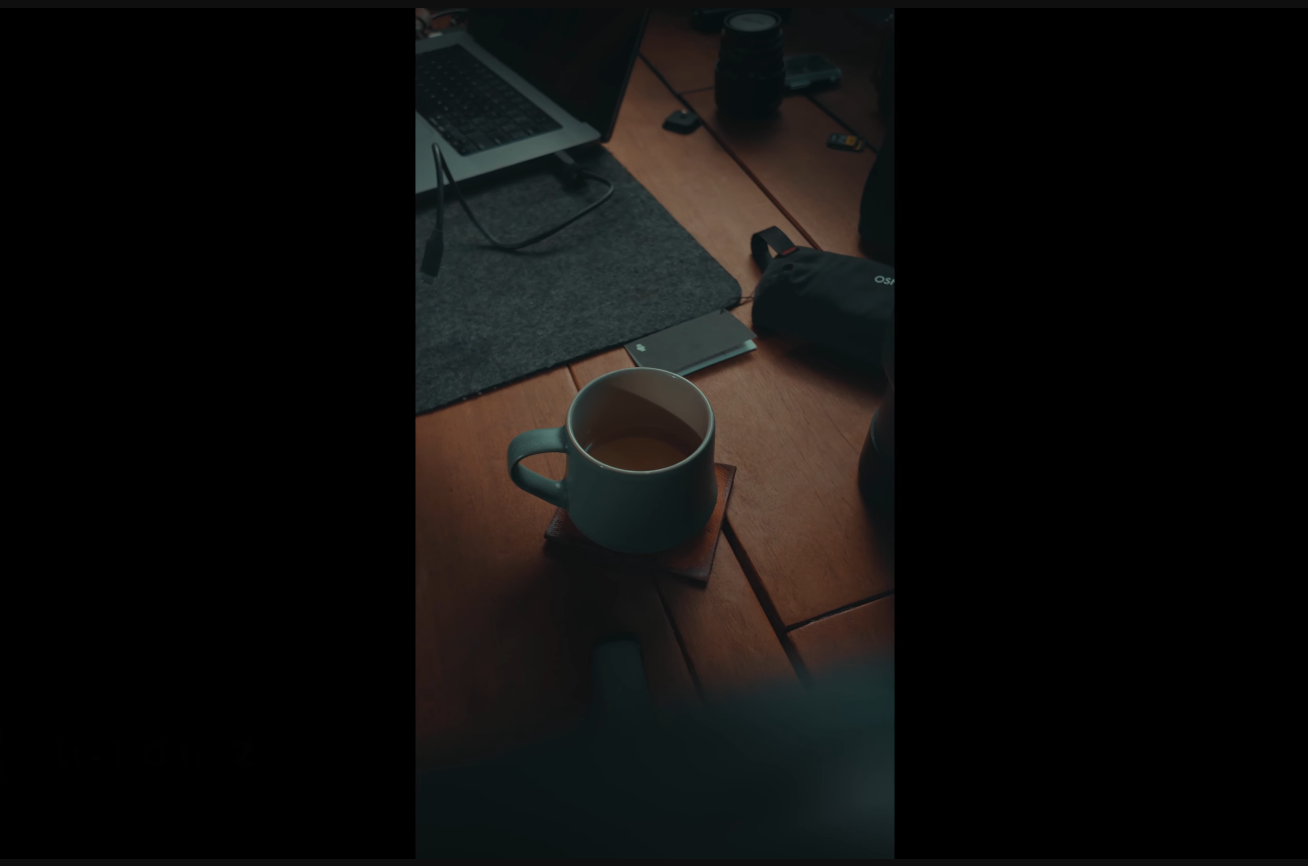
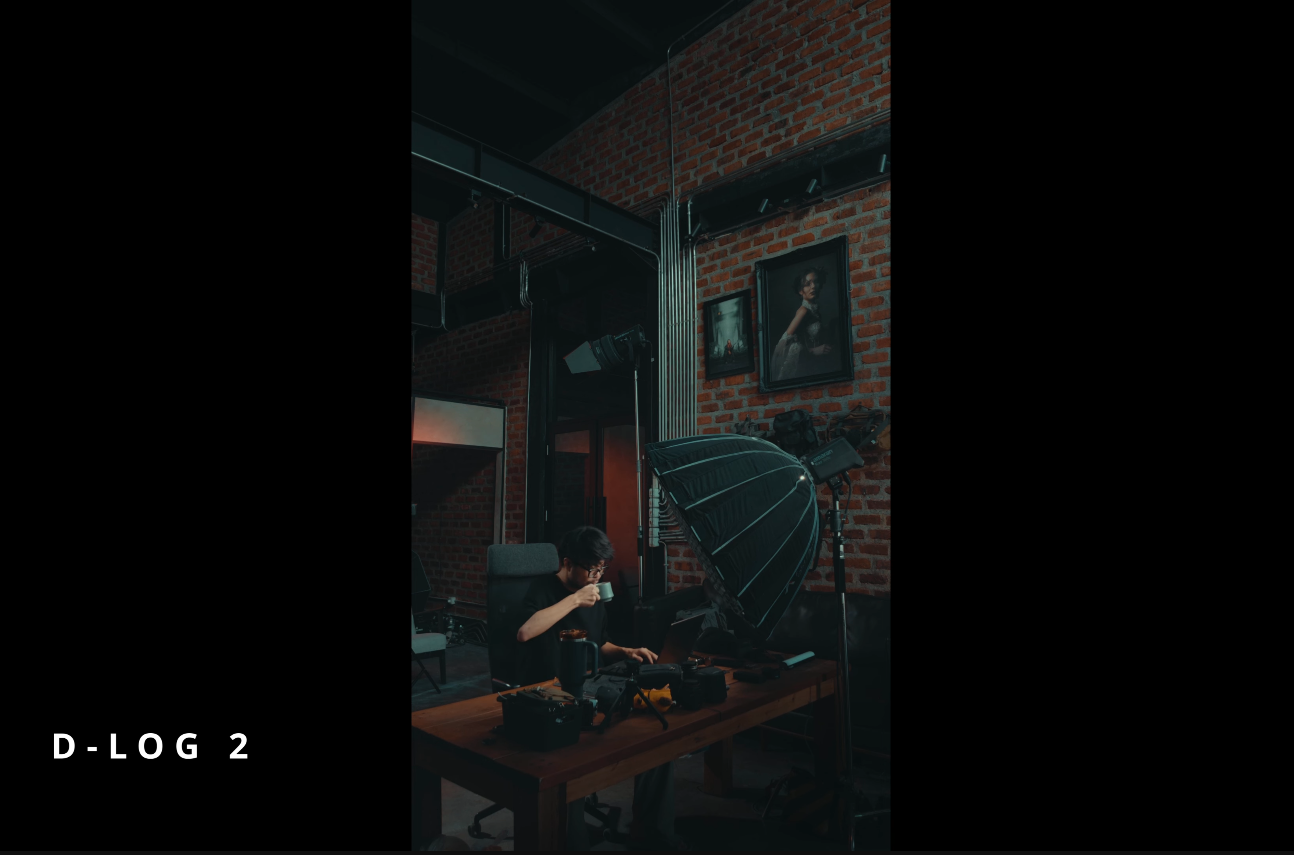
Well, a bit hard to resist to 17-stops of dynamic range of the new D-Log 2, isn't it? ;- ) source More on that here, in the edit.

-
Can't wait to receive mine!
-
Looks like they’re reading this thread.
-
There’s a new kind of tiny camera that doesn’t have a screen and will easily fit in your pocket. You might even forget it’s there. in one of the comments - The C100 features a 2MP sensor paired with crisp 1080p video recording. We deliberately chose this setup to embrace our 'Vibe Over Pixels' philosophy. It gives you that effortless, nostalgic snapshot texture and lightweight file sizes without any tech-spec anxiety!
-

Thoughts on the tiny camera market (and Kodak Charmera specifically)
eatstoomuchjam replied to kye's topic in Cameras
True - though an argument could be made that an ultrawide lens and higher resolution frees you from too much need of a screen. Just sort of point it in the general direction of the photo you want and shoot. Then lock down the frame in post. Instead of Weegee's "f/8 and be there," we could be in "16mm FOV and be there." 😉 -
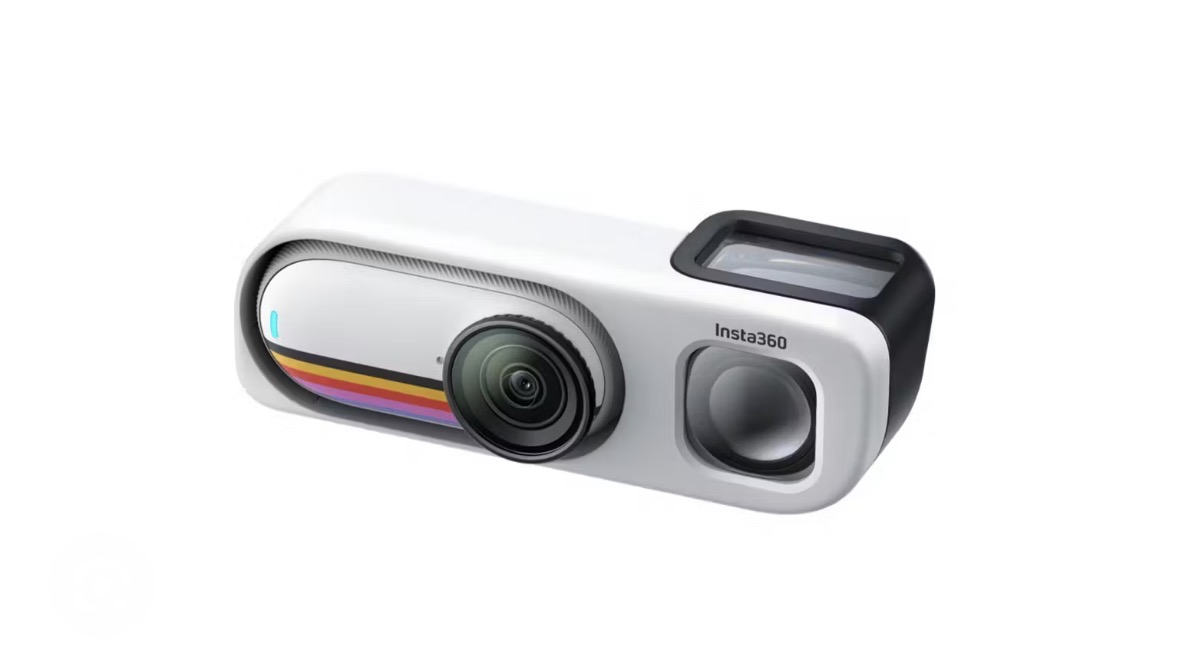
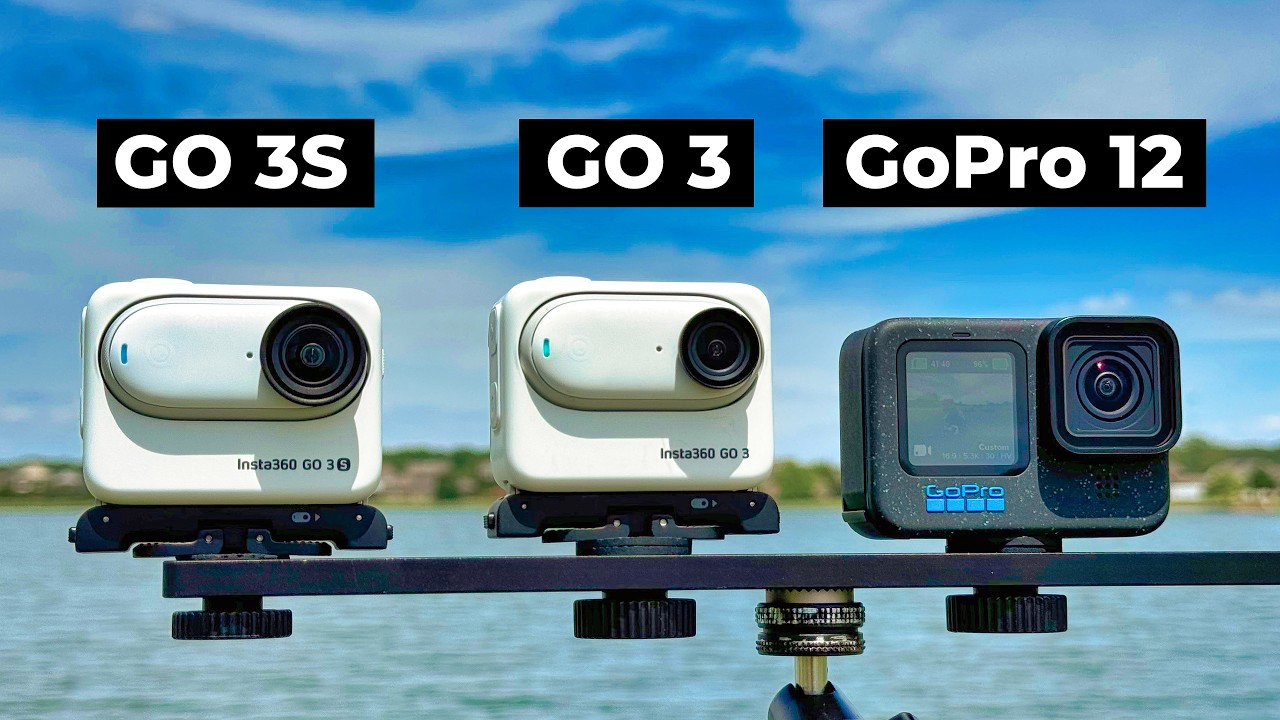
Yes, the Go is definitely the nearest competitor, but quite different actually. The Charmera is: - half the weight: 20g vs 39g (unsurprising given the processing and battery requirements) - similar in size: it's slightly longer but also thinner but probably the most significant thing is the Charmera has a screen and the Go doesn't, unless you add the case, but then it's the size of a GoPro again: The screen is really a differentiator for use, as the Charmera has a 35mm FOV that you compose by looking at the screen, and the Go is a 16mm FOV that you can't compose unless you use an app or "rig" it up with the case. Unsurprisingly, we're back to the fundamental differences between a normal camera and an action camera, only in this case both cameras are much smaller than a normal action camera! The size is interesting too, as today I took it out with me and it fit nicely into the tiny coin pocket that sits above/inside the normal front pocket of my jeans. If there was such a thing, this would have to be crowned the King of pocketability! I've fitted mine with a finger strap (not a wrist strap, that would be far too large!) and now testing that as a "minimalist rig". The people that use a keychain (like the one it comes with) only get video where the audio is the sound of the metal keychain links all reverberating through the camera body, so my finger-strap is made from a thin paracord. I watched a bunch of his stuff when I was first getting into photography and learning the exposure triangle and all that stuff, but I quickly outgrew his content as he seemed to be a very low-maturity "camera club" photographer, who only ever focused on specs and sharpness and practicalities, and when it came to what you did with the camera he seemed to be all about "the rules" and not about creatively breaking them or moving beyond them. In photography most people resent how the general public think that their expensive camera is what creates nice pictures, not the photographer, but the irony is that most of them don't create work that is really much beyond taking dull formulaic pictures with expensive kit, and Matt was squarely representative of that mindset.
-
 Now, about using it in summer... are we talking about a mild summer, or an actual summer that isn’t even properly hot, where the camera doesn’t need to suddenly remember it has thermal limits? Here’s a useful 45-minute guide: And last but not least, one of the best comparison tests I've found so far, if not the most interesting with a unique range of pros and cons is here, as well as probably the smartest use of a fine example for low light is there (serves as tutorial too). To those who still think this unique accessory called the POV Head Tracker is merely pointless/meaningless, take a look at what Insta360’s CEO Insta360’s CEO said on the matter, when he said he hopes “that one day everyone will forget cameras even exist” : o EDIT — Worth adding too: the new Pocket 4P/Pro filters are already starting to appear, alongside the brand-new D-Log 2 enabled by an equally new next-generation LOFIC image sensor. And what about noise texture or quality of the grain in D-Log and D-Log 2 when testing the ISO range? A 2nd test, colour included, plus a comparative analysis between the two and against S-Log3 no less*, from another reviewer here. BTW... Also not to forget the bitrate difference likewise highlighted by this old-school written comparison/review: Pocket 4P/Pro goes up to 180 Mbps versus Luna Ultra’s 120 Mbps, exactly 50% higher. The question is: what will be the real-world impact of that extra compression headroom in demanding scenes and heavier Log grading? * A 5-stop difference in D-Log 2 and a full stop in D-Log... a 4-stop gap between the two! Well, who would have guessed? ; ) + another test: compared with the full-frame a7 V [LINK] : X
 -
Do you think it’s time for a revival? I could blog about the mission 1 however it’s not a Nikon…
-
Usually a clean plate is useful for things like subtracting objects from the scene or similar things. Once you erase the thing, you need the stuff that should have been behind it. If your goal is just to key out the smoke from one scene and add it to another, I can't think of why you'd need it. Though I'm no VFX expert so I'm fully prepared to be wrong!