All Activity
- Past hour
-
 Aussie Ash reacted to a post in a topic:
Documentarians?
Aussie Ash reacted to a post in a topic:
Documentarians?
- Today
-
There are actually good answers to the 10x question for each FF mount. Sigma 20-200mm is an answer for E mount and L mount. Sony has their own 24-200mmm too. Nikon have a 10x near miss with their 24-200mm and an over the top 14.2x 28-400mm. Canon has their 24-240mm too and if you don’t mind mimicking trombone playing while zooming then their old 35-350mm EF is a great bargain. I actually have one of the latter and the range is great.

-
 Michaelburgy joined the community
 -

Is the EOS-M *THE* Digital Super-8 Camera?
Samantha_Hong replied to Matt James Smith ?'s topic in Cameras
It absolutely feels like a modern Super 8! Especially when you pair it with Magic Lantern to shoot raw video, slap on a vintage C-mount lens, and add some heavy grain in post. The workflow is quirky and slow, but that’s honestly half the charm - it forces you to shoot more intentionally, just like actual film. One random but massive headache with this setup is sorting out custom aspect ratios and cropping thumbnails or cover art for projects if you're trying to match that classic 4:3 or square retro look perfectly. If you don't want to mess around with heavy Photoshop templates just to resize a quick reference image or profile shot for a project, a simple online tool like Visaphoto works surprisingly well. It’s technically an automatic passport photo cropper, but it's great for instantly forcing any image into exact dimensions and pixel constraints with clean compression without having to open an editor. Definitely keep shooting with the M. For the price, nothing else gives you that organic, textured aesthetic quite like it. -
I think the niche aspect is actually a strength. The best documentaries often pull people into worlds they knew nothing about beforehand. From the comments alone it sounds like the film has strong characters and a genuine sense of place, which usually travels further than the subject matter itself. I'd definitely explore the festival route and maybe even a shorter cut for online release later on.
-
If that is the case, it’s a stupid tactic. If sales had begun within 7 days, I would have bought one. As things now stand, unlikely to any time soon, if at all. Now the dust has settled, I think I’ll wait it out a while and get my S9’s audio fixed. Then it’s a case of keep the fixed S9 until such time as an S9II comes up, preferably with the S1Rii sensor, but probably unlikely, or flip to a third S1Rii which would also make sense. But any impulse buy for an L10 has passed as it will have done for others. And as for the great unwashed, they won’t be sitting around waiting but will simply buy something actually available.
-
Aussie Ash reacted to a post in a topic:
Please recommend me some Manual Focus EF lenses!
-
 Aussie Ash reacted to a post in a topic:
Interesting Breakdown Of Arri Colour Science
Aussie Ash reacted to a post in a topic:
Interesting Breakdown Of Arri Colour Science
-
zerocool22 reacted to a post in a topic:
Please recommend me some Manual Focus EF lenses!
-
As a 47mm F2.2 it's pretty close to a 50mm, so a pretty good FOV if that's the look you like. I've just bought the Panasonic 25mm F1.7, which is 50mm F3.4 on the GH7, and it's my first 50mm FOV lens, so I'm keen to start taking that out and about and "learning" that focal length. It probably seems odd to most that I've never shot with that focal length, but it's never really suited the situations I've been shooting in. Big and heavy isn't desirable, especially as I have some pretty killer combinations in that range already. I've got the Voigtlander 17.5mm and 42.5mm F0.95 lenses, which are 35mm and 85mm F1.9 equivalents, and with the Sirui 1.25x adapter they're as wide as 28mm and 68mm F1.5. Problem is those combinations are each 1300g / 4.6oz (2100g / 74oz with GH7) which is usable for hand-held shooting but my arms are pretty much done after a few hours. Of course, I'm also pretty much done with being on my feet for that long too so the setup isn't the limiting factor. These setups also have the advantages and coolness factor of being anamorphic too, so there's that! I'm slightly tempted by some other much stronger anamorphic adapters too, but in playing with the Sirui I've learned that they're very dependent on the taking lens, and some lenses work and other lenses that seem very similar are an absolute train wreck, so it's basically a blind purchase and these things aren't that cheap. My current preferred Night Cinema combo is the Takumar 50mm F1.4 and M42-MFT speed booster, and I bought the EF-MFT speed booster to try and get a slightly cleaner image, but unfortunately the 50/1.4 -> M42-EF adapter -> EF-MFT speed booster stack doesn't work as the back element of the Takumar interferes with the EF SB glass. I figured that the EF SB would open up a whole new world, as EF used to be the default standard for about half the worlds camera users, plus EF and PL were the de facto standards for cinema. My recollection was that there were tonnes of interesting and super-fast third party EF lenses, but now I go looking there doesn't seem to be so many to be found. If budget was no-option then there are a lot of cinema lenses that are very interesting, even anamorphic ones, but budget is a consideration so unfortunately things like the USD1400 Blazar Cato 85mm T2.8 2x anamorphic lens will have to just remain a dream! Apart from this being like me asking "can you recommend a lawnmower?" and you suggesting "just sell your house and move to a NYC apartment", I actually don't think it's true. I've done a lot of "what if" scenarios for what I'm trying to achieve, and while it might have worked for you specifically, when I look at the lenses for a given system I find every system to be very lacking. Sure, you can get fast lenses at 28/35/50/85, but there are all kinds of other gaps that MFT just doesn't have. This is gradually changing, as manufacturers gradually fill out the various lens lineups, but my impression of the current landscape is that most FF systems have the fast primes and holy trinity zooms (28/35/50/85 and 16-35/24-70/70-200) but very limited and patchy coverage of small and light lenses and in-between focal-lengths, etc. Adapting vintage SLR lenses gives access to character lenses, but only FF ones, not really S35 cinema ones (unless you go to crop mode which is throwing away resolution and now you're half-way to MFT!), and not the S16 ones. You sort of get the standard focal lengths in modern and in vintage, but that's it. MFT has all the small and light and in-between focal-lengths, but the weakness is in the fast primes and fast zooms. MFT used to have all the advantages of mirrorless essentially being able to adapt any SLR lens, but as time goes on, more and more of the interesting lenses are designed for mirrorless APSC/FF cameras and therefore not usable (or only available in MFT mount so you don't get a SB advantage) or are EF cinema lenses and are huge/heavy/expensive because they compromised on size and cost to ensure they're sharp sharp sharp sharp sharp enough for modern use. As an example, I have a tracking sheet of all the lenses I own (not every one available) and it's FF equivalent. This table includes: 15mm 18mm 26mm 28mm 30mm 31mm 34mm 35mm 40mm 50mm 53mm 56mm 59mm 64mm 70mm 71mm 75mm 78mm 80mm 82mm 83mm 85mm etc. I don't even think it's complete! Most of those are different characters too, being a mix of different manufacturers, vintages, and combinations of being native / with a SB / with an anamorphic adapter / with SB and anamorphic adapter, etc. So yeah, if you happen to want a fast standard focal length, or a fast trinity zoom (that's enormous), then FF is great, but the rest is pretty lacking. The other reason I'm not moving to FF is that most of what I shoot is on a native 10x zoom, which FF doesn't really have a good answer for. The other other reason is that the work for me to sell all my MFT equipment and re-buy in FF would make it so that I should just work those hours at my day job and increase my budget, so selling things isn't really cost effective. The other other other reason is that the GX85 has all sorts of configurations that FF can't match, so I wouldn't be selling that anyway.
-
kye reacted to a post in a topic:
New cinema camera...?
-
kye reacted to a post in a topic:
Please recommend me some Manual Focus EF lenses!
-
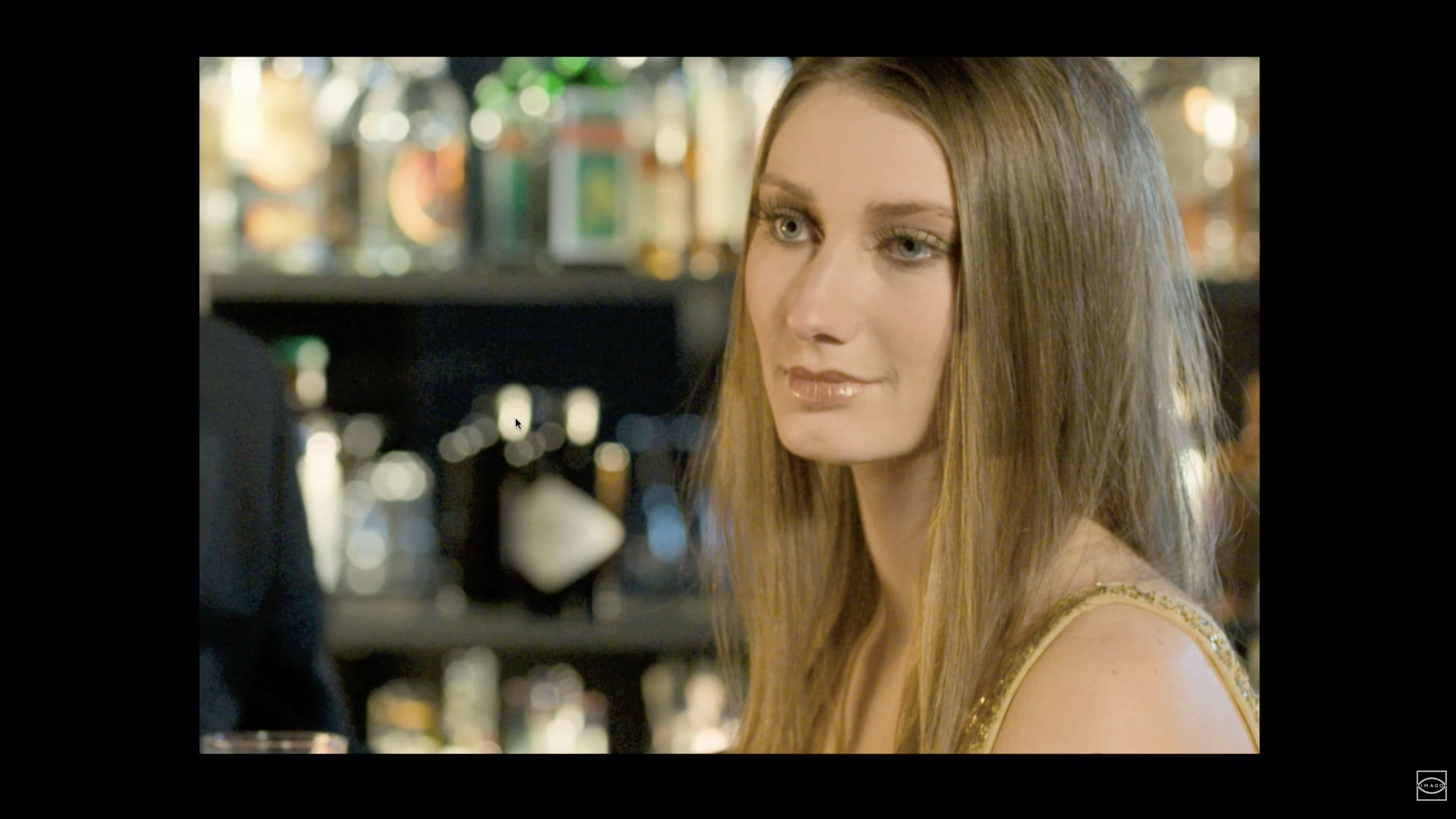
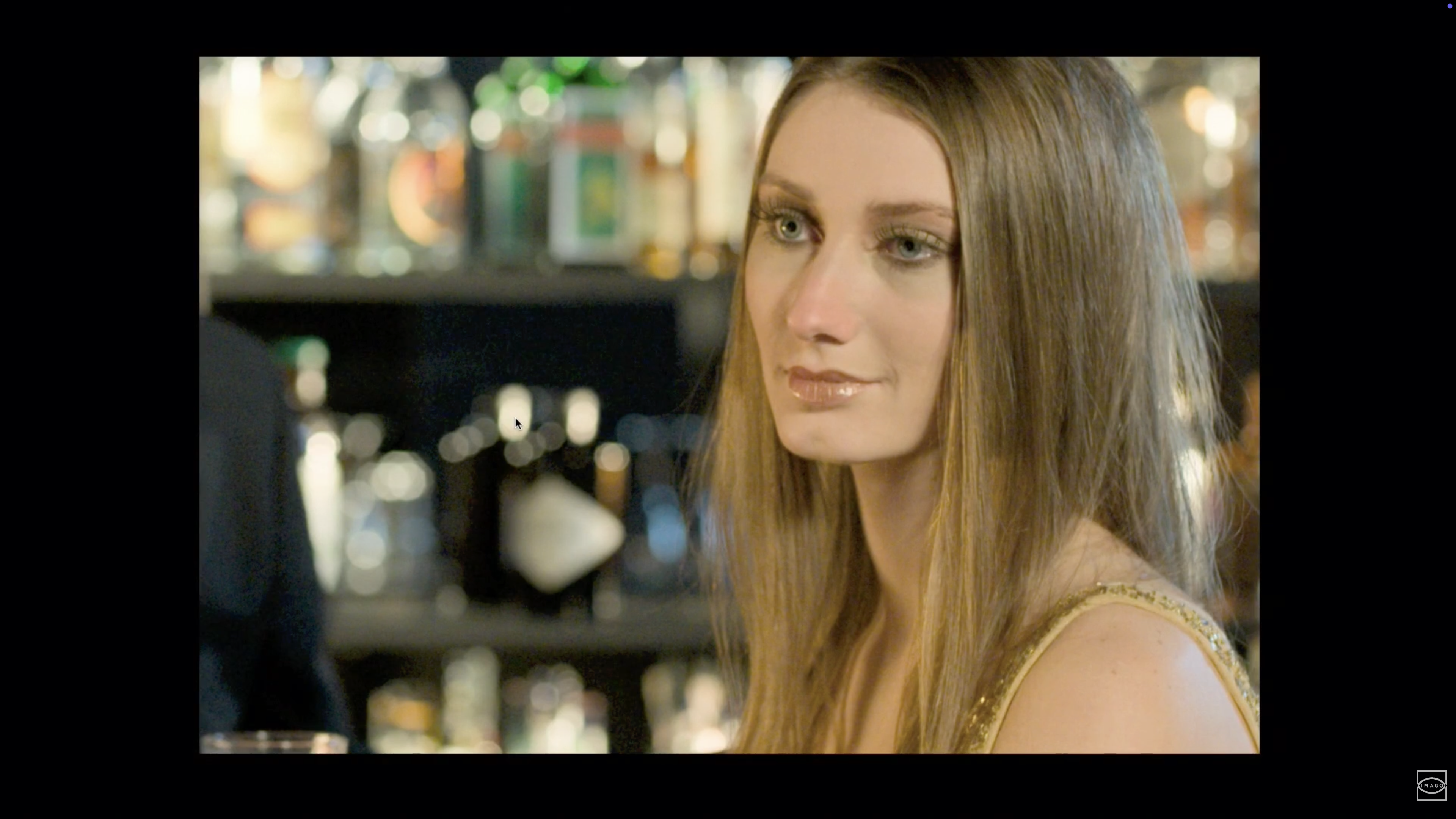
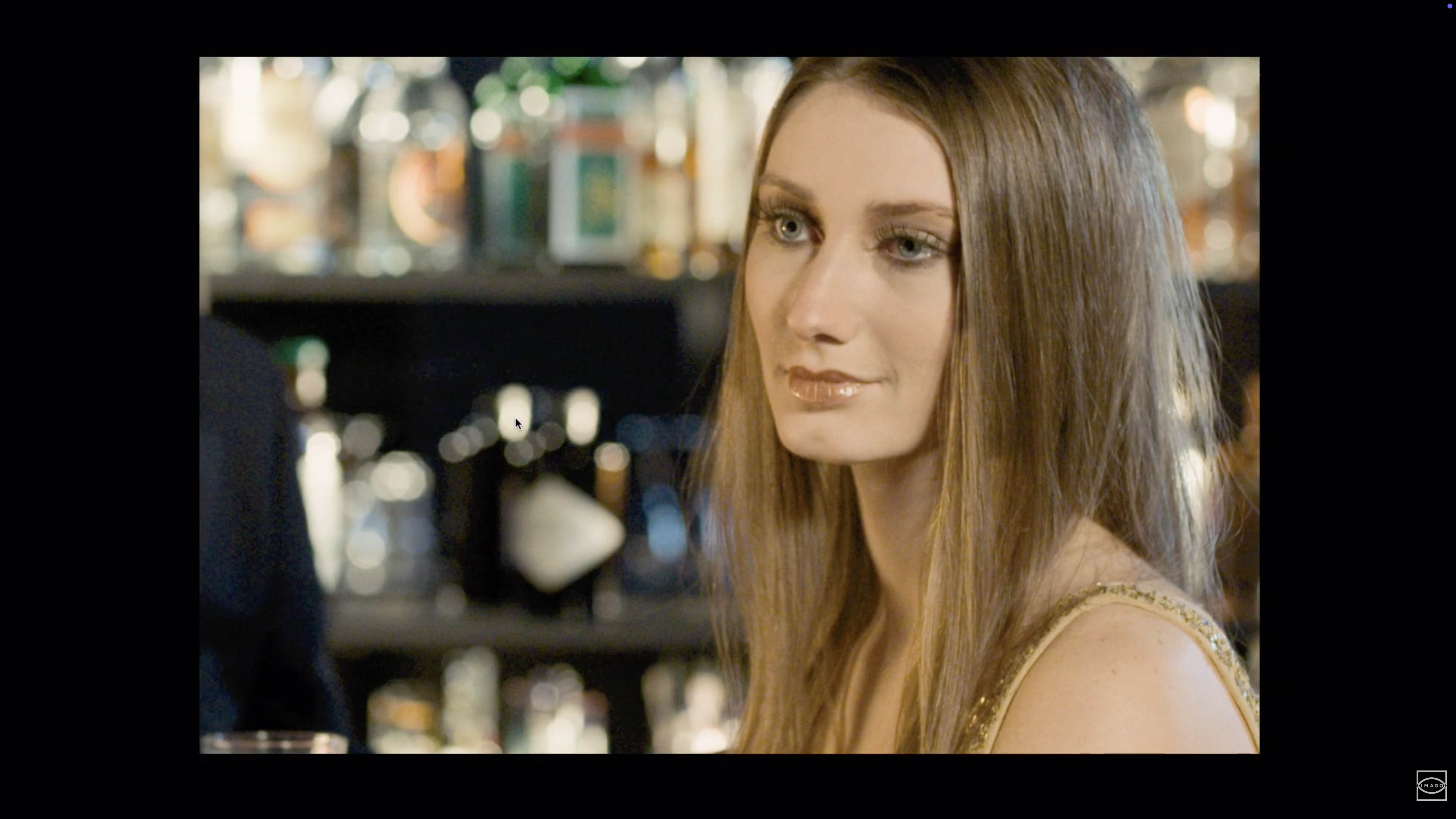
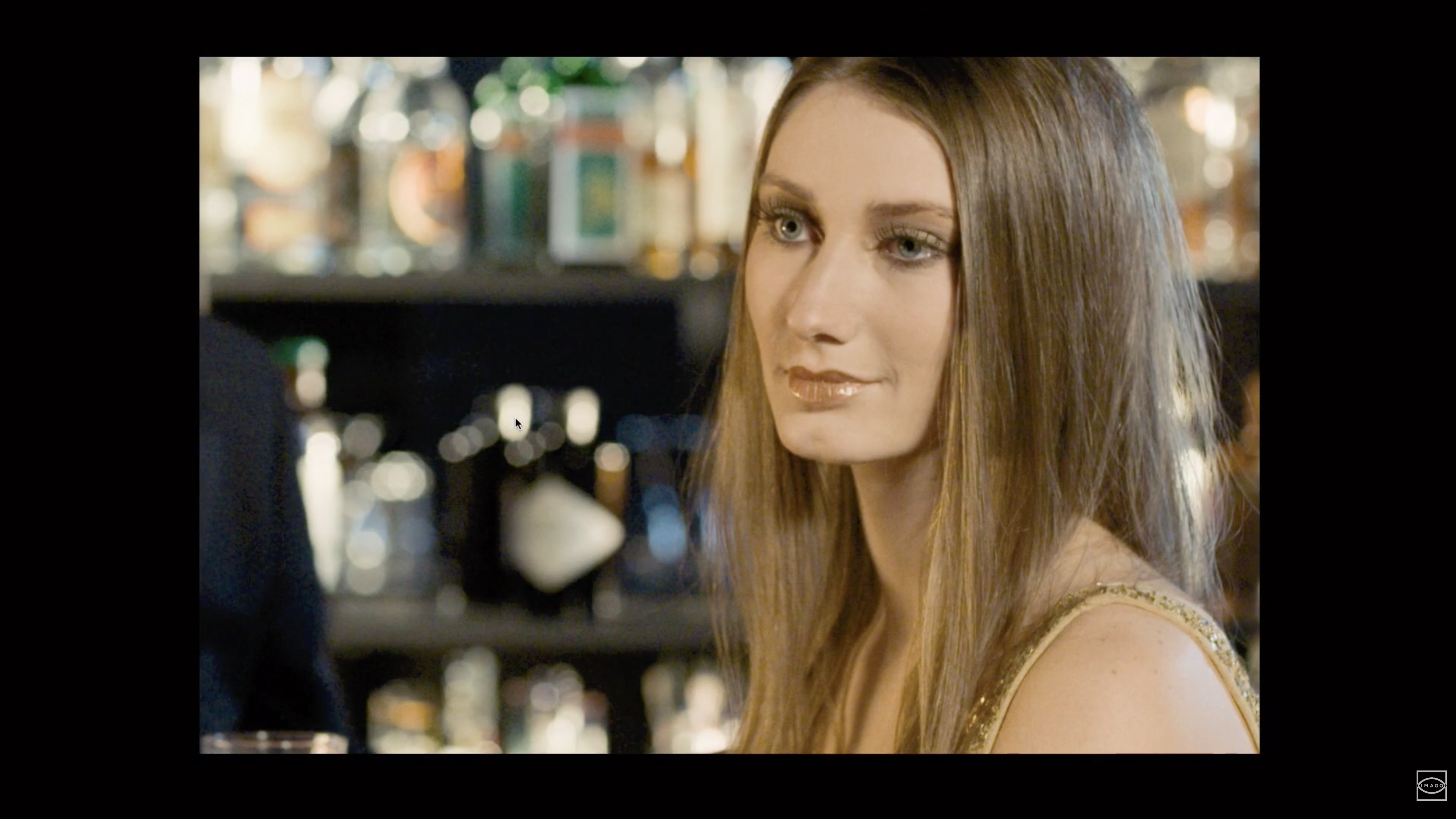
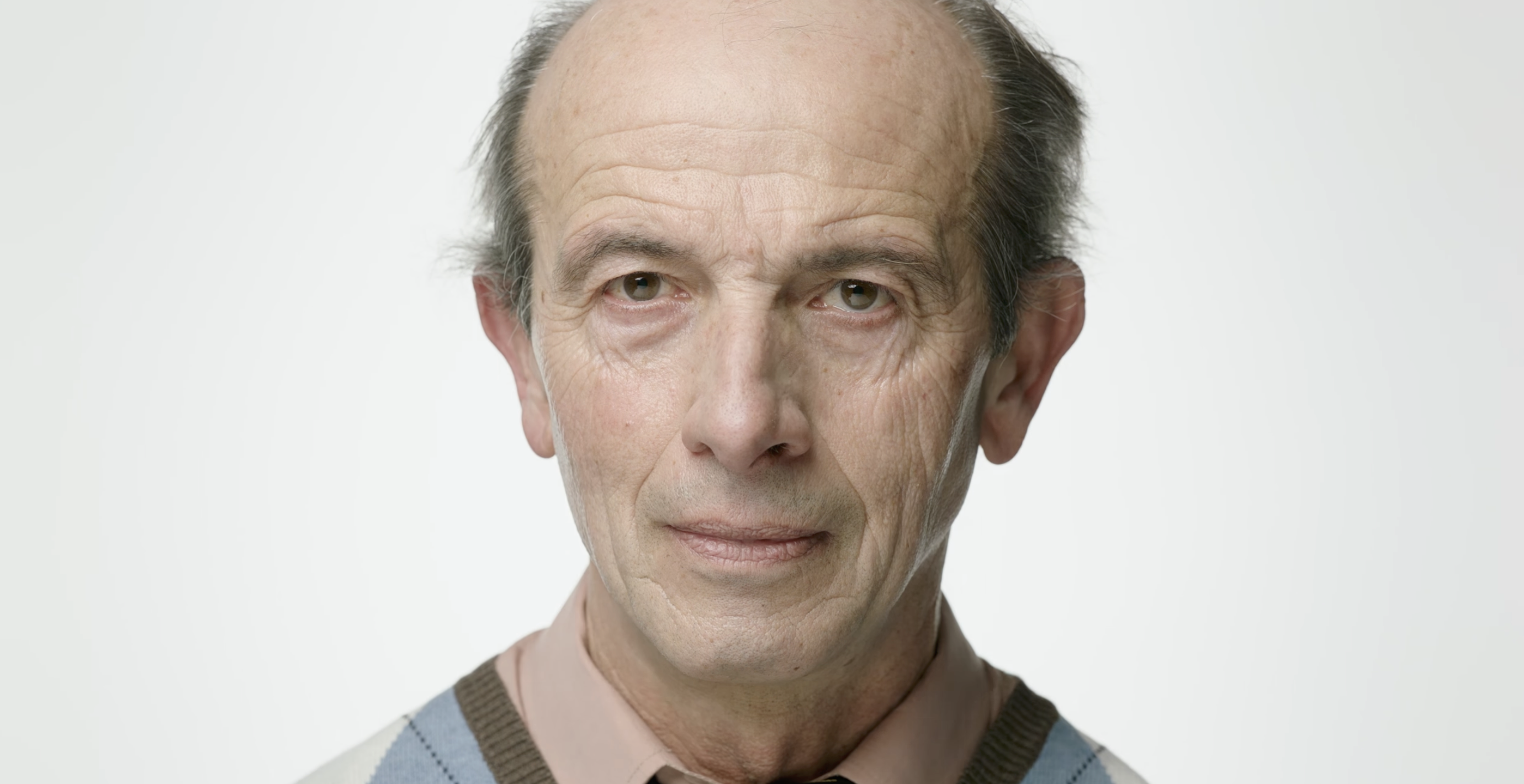
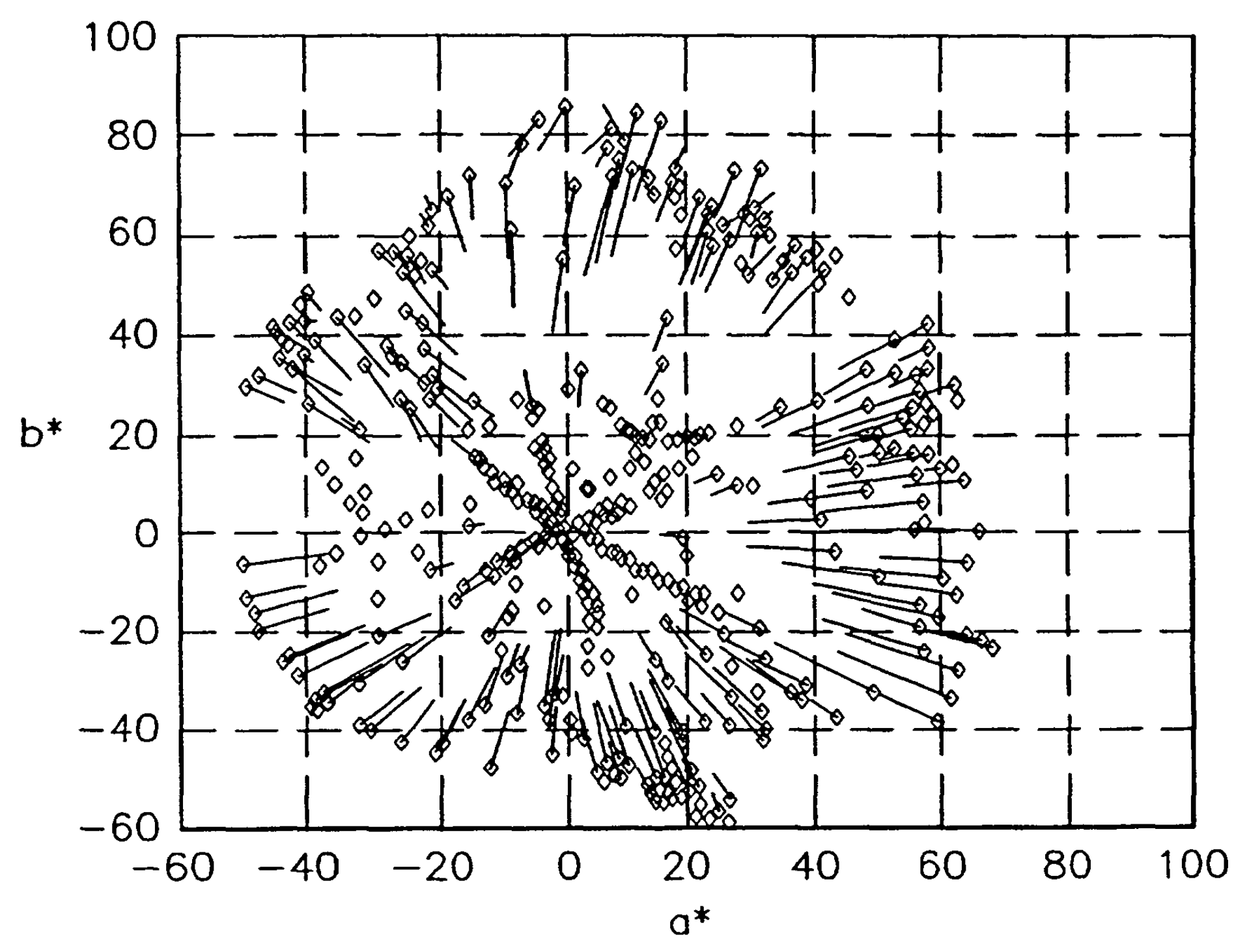
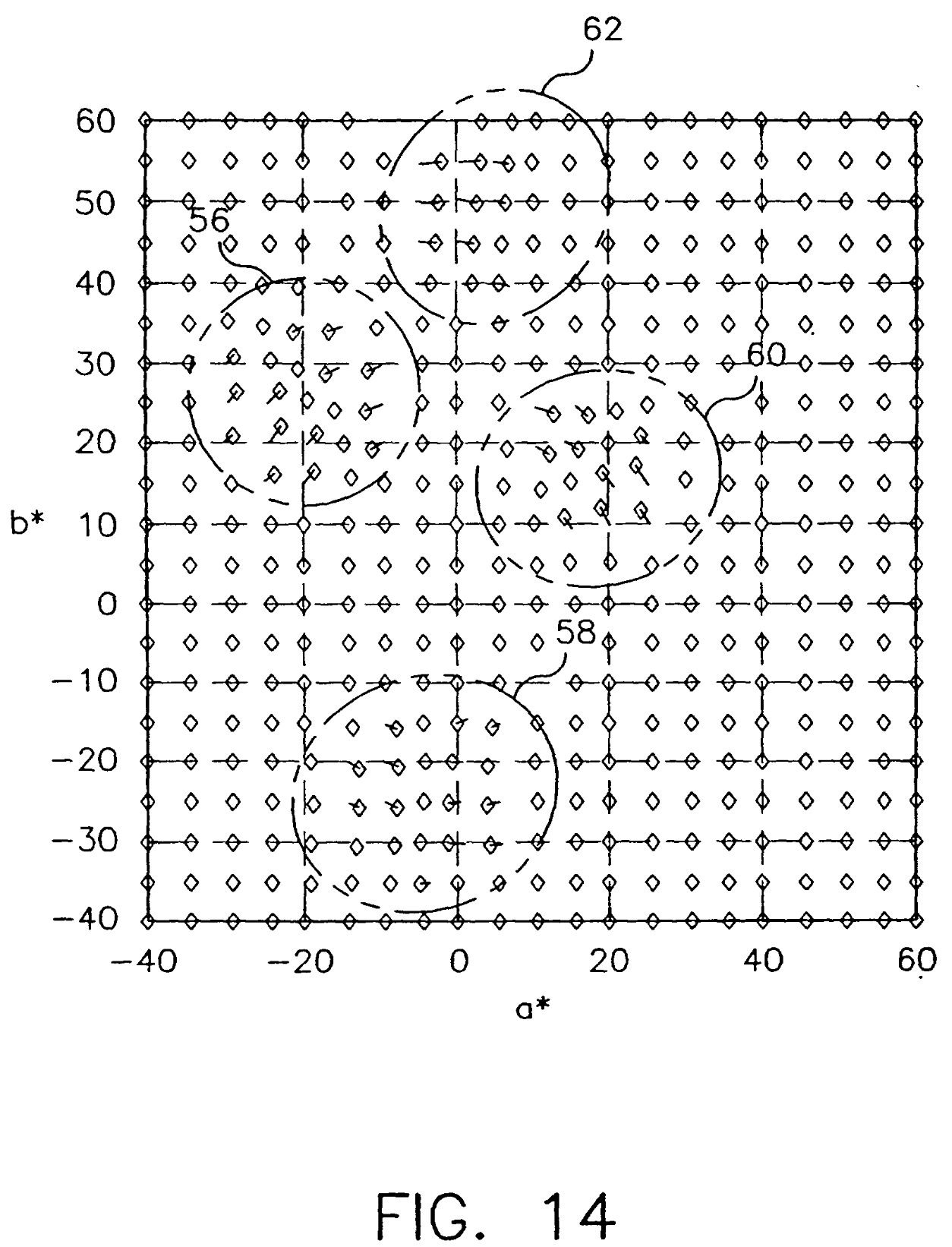
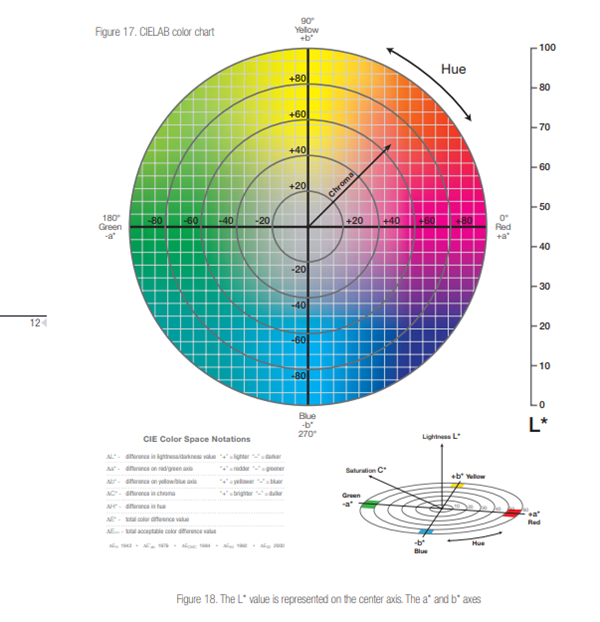
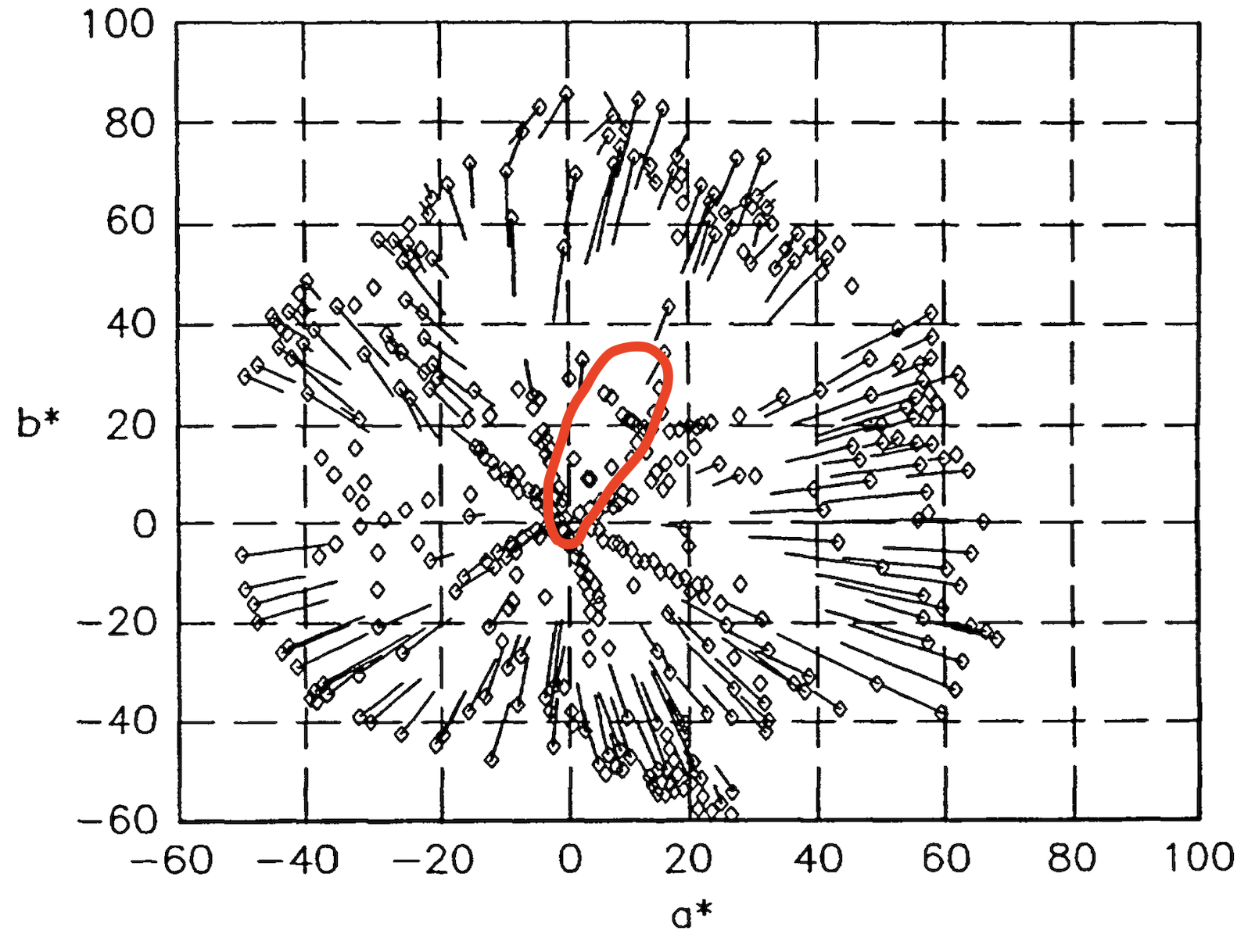
Great post and lots of good points. Research on preferences is possible and there are actually some great resources out there talking about what aberrations are preferable, and are likely what ARRI have included in their colour processing. You have probably come upon these before, but for those who haven't, some of the resources I've come across are.. Color image reproduction of scenes with preferential color mapping and scene-dependent tone scaling https://patentimages.storage.googleapis.com/41/0a/e5/0a78ae57552549/EP1158779A2.pdf It's a patent obviously, so it's very dry and technical, but it contains interesting phrases such as: "a visual color reproduction of a scene having preferred color reproduction" "It is well known in the art, that the best reproductions of original scenes do not constitute a 1:1 mapping of scene colorimetry." "Pre-ferred color reproduction is defined as a reproduction in which the colors depart from equality of appearance to those of the original, either absolutely or relative to white, in order to give a more pleasing result to the viewer." There are other patents from earlier (1995 and 1996) from the same authors, so you can see them developing their knowledge. Visible skin color distribution plays a role in the perception of age, attractiveness, and health in female faces LINK to PDF It's a research paper, so technical again, but contains: "Here, we show that facial skin color distribution significantly influences the perception of age and attractiveness of female faces, independent of facial form and skin surface topography." "The results presented suggest that visible skin color distribution plays an important role in subjective evaluation of female facial beauty." These can seem very theoretical, but they have direct application in colour grading and development of looks etc. This video below shows how adjustments in hue compression and tone manipulation can make skin tones far more pleasing. FilmLight and the work of Daniele Siragusano are really the most advanced that I've seen (published publicly anyway) so are incredible references. Video (linked to timestamp): If you can't be bothered watching, essentially he takes the following image: then alters it to be very unflattering by adding green under the eyes and increasing magenta on her nose and cheeks: but then applying a film look, the rendering of colour almost completely removes these unflattering alterations: The film look reduces the magenta/green in that area of skin tones, which is why the rendering is flattering. This is the film rendering of the image, but without the unflattering alterations: Obviously the image is nicer without the alterations, even with the film look applied, but the alterations are far less unflattering with the film look applied rather than just with the normal 709 style grade. This is a very simple example (compression of the magenta/green axis in the skin-tone area of the colour cube) and there are others too, such as the compression of the hue outright, to reduce the variation between yellow and red in the skin tone area. For example the ARRI Alexa 65 promo video shows a range of people and skin tones, including this older gentleman: Obviously this whole image is desaturated, but look at the variation in tone - there's a lot less than in real life, but it's in a way that is flattering, and it seems completely natural in the context of the video, where the whole video is quite muted: but compare that to the amount of skin tone variation that people actually have when they age, the lips and areas around the nose and eyes etc are far more red and contain far more yellow-red variation than the above image shows: There are all sort of other things - that's just two. Going back to the Kodak patent and seeing what the "preferred colour reproduction" is doing, we see it's doing all kinds of crazy stuff: This is a plot in L*a*b space, so is essentially the colour wheel (luma is the axis not plotted). The symbols are where the transformation puts the colours and the line points to where the colour used to be. So it's taking the more saturated colours and making them more saturated, but not doing this with the less saturated colours, however you'll note there are some exceptions in there. This is happening in a 3D space though, and some adjustments will be happening dependent on the luma values involved. HOWEVER, and I just realised this, because the Alexa outputs don't do luma-specific manipulations to hues, any such luma specific adjustments must be in the ARRI709 LUT, not in the camera. There's tonnes of stuff in here, for example, the paper shows this diagram - Figure 14: and the description of what it shows is: "Fig. 14 shows how the hue reproduction could be modified for a system including variability, so that the optimum system color reproduction is obtained including all the sources of processing variability. In this case, the memory colors skin 60, sky 58 and foliage 56 are consistently and smoothly moved towards a hue line, while yellow hues 62 are shifted towards orange." It doesn't talk about skin specifically, but the a*b* space is this: So the skin is in this area of the plot: Which doesn't seem to involve any hue compressions or alterations at all. I'm not sure why they omitted those. Anyway, fun stuff, but a very deep rabbit hole indeed.
-
kye reacted to a post in a topic:
Interesting Breakdown Of Arri Colour Science
-
kye reacted to a post in a topic:
Interesting Breakdown Of Arri Colour Science
- Yesterday
-
ARRI have been able to focus on colour science for cinema whereas Canon and Nikon moving from film to digital was primarily colour science for stills "the capture of a single frame".It is not the same .Nikon must have had many died in the wool stills photographer old farts on their board that only began to change about six years ago towards "cameras are multimedia capture devices." Fujifilm is different -making motion picture film was an important part of their business from 1934 to 2013. Red have been in the game since 2005 but without the history and back ground that ARRI had with cinema meant their colour science developed in a different way(with American influences !) . There is also feature films like Dune-2021 and The Batman -2022 that used digital to film to digital (DFD) to give the final result a more film like appearance.
-
Aussie Ash reacted to a post in a topic:
Interesting Breakdown Of Arri Colour Science
-
 j_one reacted to a post in a topic:
Blackmagic Pocket Cinema Camera 4K
j_one reacted to a post in a topic:
Blackmagic Pocket Cinema Camera 4K
-
Yes, you're exactly right. Musing about this is interesting to us, obviously! Here's my rambling take. The Japanese engineers have long been pursuing a different path of imaging evolution, as they've been in "electronics" mode for generations. Their culture kept them away from deep considerations of what film does vs. what digital does. The Japanese simply have a different sensibility about image IQ. This reality in of itself is a fascinating dive, going all the way back to traditional feudalism culture, WWII, national pride, and their "High Increasing Stage" era of the mid 20th century. Their imaging tendencies emerged out of their unique cultural context. In other words, once their engineering IQ evolution preferences were set, there was not much room for it go off on tangents. ARRI took a different road and put people on the development team that understood the physics and chemistry of film and wanted that look. ARRI engineering cuts and adds different spectrums for very good reasons. Thus, as you say when you mention plugins, emulation of film behavior is the thing, the whole additive vs. subtractive thing, for instance. ARRI does their adjustments in camera. So cinema follows ARRI to chase the IQ they know best, and ARRI becomes the cinema standard. The phrase "color science" is amusing to me. Because, yes, the engineering is science, but ARRI is in fact making their cameras behave with purposeful (and insightful) aberrations. They aren't going for accuracy, they're striving for colors that evoke a certain perception of emotion by being "pretty" which could be considered an artistic pursuit in their engineering craft. "ColorArt" doesn't have the same ring to it though. It's all pretty wild. I mean, I'm on forums where there are darkroom alchemists chasing esoteric processes to heighten certain color dyes in film, and minimize others by changing their development chemistry -- which is weird as heck and an extremely hard way to affect an image (save that when choosing the stock or when doing the enlargement print imo) but hobbyists aren't rational, they're just playing. There's a whole sub culture of analog photographers that deliberately buy decades old expired film just to see what happens with the dye degradation. All in all, there are an infinite number of ways to achieve color rendition. But, yeah, I'm with you. Give me a decent camera and I'll affect the image with a plugin and get it in the ball park. I'm not positioned financially or emotionally to be chasing the refined fringes of things. I enjoy mulling it over in places like this, but none of this sophisticated color science could be a part of my career. I'm not nearly talented enough to indulge it, nor smart enough for that.
-
Samyangs at f1.4 are not cheap plus they are big and heavy. As far as I remember you don't like big and heavy. Maybe older sigma lenses from HSM generation as Anaconda_ suggested. Sigma 24mm f1.8, 30mm f1.4, 50mm f1.4 HSM. They are all under 200 E/$. Not small though. If you want smaller and cheaper lenses then you have to accept they start at f1.8, f2 and f2.8. Then you have lots of option and not only with Canon. You can also adapt vintage lenses to EF adding second adapter. With speed booster they become f1.4 to f2 both quite usable in low light on m43 in my personal experience. I was in this place more than 5 years ago with BMPCC 4K. Went trough speed boosters, calculating focal lengths, spending lots of time researching and trying to build decent lens sets both vintage and modern. My frustration grew with time as I realized this won't be cheap nor ideal to my goals. Went FF and never looked back. My decision was driven specifically by lenses. I realized the hard way a well-known truth: We buy systems not cameras and lenses are more important than cameras. If I want to use vintage lenses, cheap lenses, have access to the largest pool of lenses - FF is the right choice. I may change one FF camera system with another, my vintage lens sets stay, lenses have the same focal length and character. Same is true for Canon EF lenses. A FF system is no longer more expensive than m43, especially when we include the lenses. Example Panasonic S5 vs Panasonic GX85 + speed booster. Paradoxically a FF system (body + lenses) may even come cheaper due to large pool of lenses than m43 + speed booster.
-
There are a lot of great camera options right now, but I think the lens ecosystem and overall usability matter just as much as the camera body itself. A camera that fits your workflow and encourages you to shoot more is usually the better choice than chasing specs alone.
-
I worded my response badly! I meant that the $700 US price tag was "already there" in terms of 'exorbitant, ridiculous, and "this is just an action camera - WTF"' which Kye had just said in anticipation of the AU pricing. I should have chosen phrasing that made it more clear that I wasn't simply repeating US pricing that is already known. 😅
-
I love the sigma 30mm f1.4. When I was using the GX80, it was pretty much the only lens I used.
-
I bought an EF-MFT speed-booster, now I need some lenses! It's a VILTROX EF-M2II, and I tried my 50mm F1.8 and the AF was somewhere between functional and like it had a mind of its own. The focus ring on the lens has such a short travel that it's impossible to use as a MF lens (which it wasn't designed for so I understand). I'm looking for some interesting / fast / cheaper EF lenses that will be fine manually focusing. I'm especially interested in lenses F1.4 or faster but are still budget lenses. My thoughts immediately turn to the early days of cheap Chinese glass, but I can't seem to find any as any search is overrun with Canon AF lenses, or with new MF lenses that are for EF-M mount but are incorrectly labelled as EF (even Meike has a lens labelled as EF that is clearly a mirrorless lens!), and while EF was the only mount people never bothered to include that information and so things don't appear in searches. Laowa doesn't even let you browse their products by mount! Our new robot overlords suggested some options: The Samyang/Rokinon series: 35mm 50mm 85mm F1.4 Zhongyi Mitakon Speedmaster 50mm f/0.95 (nice but it's over AUD1000!) Zeiss ZE series: 35mm f/2, 50mm 85mm f/1.4 MEIKE 50mm F1.2 Anything else I should be looking at? I really thought there were more third-party options around than just those.
-
If you like.. the thread I linked to included a link to a comparison of dyes and the digital sensors all had significantly weaker dyes in the bayer filters, probably to increase the sensitivity to light, but it means the spectrums of RGB overlapped a lot more than film, which hardly overlapped at all. This has all sorts of implications on digital vs film, and I have been pondering it since linking to that, but I'm not really sure what it really means in the context of ARRI colour science or even good colour science etc, which is why I didn't mention it. One thing worth mentioning is that when it comes to additive colour (like light) the response is a cone that gets wider (more saturated) at higher luma values, whereas subtractive colour (like dyes) the response is widest at the lowest levels of luma. This gives you two cones where the additive one (which is any monitor) can't fully replicate the most saturated parts of the subtractive response. However, now we have much higher dynamic range devices (HDR displays) they pretty much cover the dark-and-saturated part of the subtractive cone, and considering that modern cameras also have this kind of dynamic range they also capture it too, so that problem is mostly solved, with the only wrinkle being that you have to compress the whole gamut when grading your footage for SDR displays so it all fits, which is why film emulation plugins are so useful because they do a great job of this.
-
The "Australia Tax" is definitely real. It's getting less now thanks to how easy it is to buy direct online from overseas, but if you buy locally you pay a significant premium to the local importer who has exclusive rights to set pricing and sell those goods. I've known people who needed to buy something significant for their work, so rather than buying it locally, they took the family on a weeks holiday to Singapore (or the US) and bought the thing there and brought it back in their luggage... and even including all the costs of the family holiday etc it was still cheaper! I also remember someone from tech company needing to download a huge database from overseas and with internet speeds at the time they ended up flying there, burning it to a bunch of discs, then flying home again, and if you divided the total amount of data over the entire duration of the trip it was still dozens of times faster, and might even have been cost competitive on the data rates too.
-
yer where you are... by the time it gets to here and converted to aussie $ then add a gst on top and whatever other hidden taxes there are and its not going to be $700 supposably there's a free trade agreement between you people and us... the reality is i suspect theres nothing free about trade.
- Last week
-
Yeah the Fp stuff was my gateway to him 😂
-
What a gem of a find that Japanese ARRI user is. Lots of nice Sigma Fp stuff on his channel as well.
-
Ooooo, now we can talk about color dyes and developing? Anyone for a convo about silver-halide grains and subtractive color formation? Let's chat about how radiant energy is converted into the kinetic energy of electrons and how those electrons are then trapped by AgS contaminants in the AgBr crystal lattice. j/k. But if you want a rabbit hole, chemistry is a good one.
-
Apparently they can't even educate their own sales reps about their own products, so their ability to sell a camera that doesn't have the latest specs may be less than required. Emily said one thing in the video that was amusing, she said she had to hand it to Sony, as they have managed to brainwash their customers into thinking that larger sensors are better and that smaller formats aren't useful for anything. This is true, there is all kinds of misinformation out there that people are just constantly repeating to each other. The total amount of money spent on marketing must be absolutely unfathomable, but the thing is that companies will gladly pay for it because sadly, it works.
-
Their strategy is similar to the one that I've been taking for a little while now - I used to hard mount more things to the cameras, but now I'm doing more with nato mounts and arri rosettes, but still keeping things compact. I've also been experimenting a little bit with some of the newer locking quick swap stuff - hawklock from Smallrig and the spider crab stuff from ifootage. They're both alright. Their setup is really clean/nice, but if it's shown cabled up at some point, I missed it. That's the biggest problem I've had (and still haven't solved in a way that I find satisfactory) in moving away from hard mounting my rig/parts. That one is gonna need an HDMI going from the camera to the monitor as well as the power cable going from the battery to the monitor. Their short type c cable shouldn't be too intrusive when plugged in, but the rest of the cables can get/feel a bit obnoxious.
-
My understanding is that WB is Linear gain, so it makes perfect sense for it to be before debayering. The logic is sound - WB is a mathematical adjustment to the sensor read-out and needs to take place before any creative operations, which for ARRI includes the debayering operation itself. Photographers click the button and expect the file on the card to contain the RAW un-altered readout from the sensor, which they think is somehow pure and have all these rules about what you're meant to do that they all just parrot to each other without anyone actually testing them and actually learning anything. ARRI is light-years beyond this, doing all kinds of processing. As someone who learned photography and then learned video, my impression was that going from photography -> videography was harder and took far more work to understand than learning photography from scratch. I randomly found a thread many years ago where someone posted the five most expensive photos ever sold without revealing where they were from, and the reaction was complete derision, with people saying things like "out of focus" "not sharp" "wrong WB" etc. When the OP revealed these were sold for millions of dollars each the reaction was various combinations of "we are right and people don't know what a good photograph is".
-
The $700 price tag in the US is already there!
-
As a counterpoint, their marketing seems to be working, given that they are now reporting big delays due to higher-than-expected preorders. https://nofilmschool.com/panasonic-lumix-l10-delays Of course, that could also be marketing and/or indicative that they just didn't make many in the first batch to force Fujifilm-esque shortages. This is somewhat true, I suppose, but Sony is still announcing/releasing 4K full frame MILC cameras and people are buying them. Nothing says Panasonic has to release 6K or 8K in a tiny body. If Panasonic released a camera in the GM5 body with the sensor from the GH5 or GH5s for $700, I'd be all over it. In fact, GoPro is releasing an action camera with terrible ergonomics, a smaller sensor, and a 1" mount for $700 and there's all kinds of buzz/excitement around it. If GoPro can cool an 8K sensor in an action camera body, why not Panasonic in a MILC body with 2x the volume? How long can the new GoPro bodies record 4K without overheating? Bet it's "until the battery dies."
-
Interesting that WB is placed before De-bayer. Photographers call it "white balance scaling" and prefer it not to be done by manufacturer, since its digitally boosting channels, which is irreversible process. After all its not like all things they're doing is science. Some decisions are just an engineer thinking its the best compromise.