
jzagaja
-
Posts
37 -
Joined
-
Last visited
About jzagaja

Recent Profile Visitors
2,076 profile views

jzagaja's Achievements

Member (2/5)
13
Reputation
-
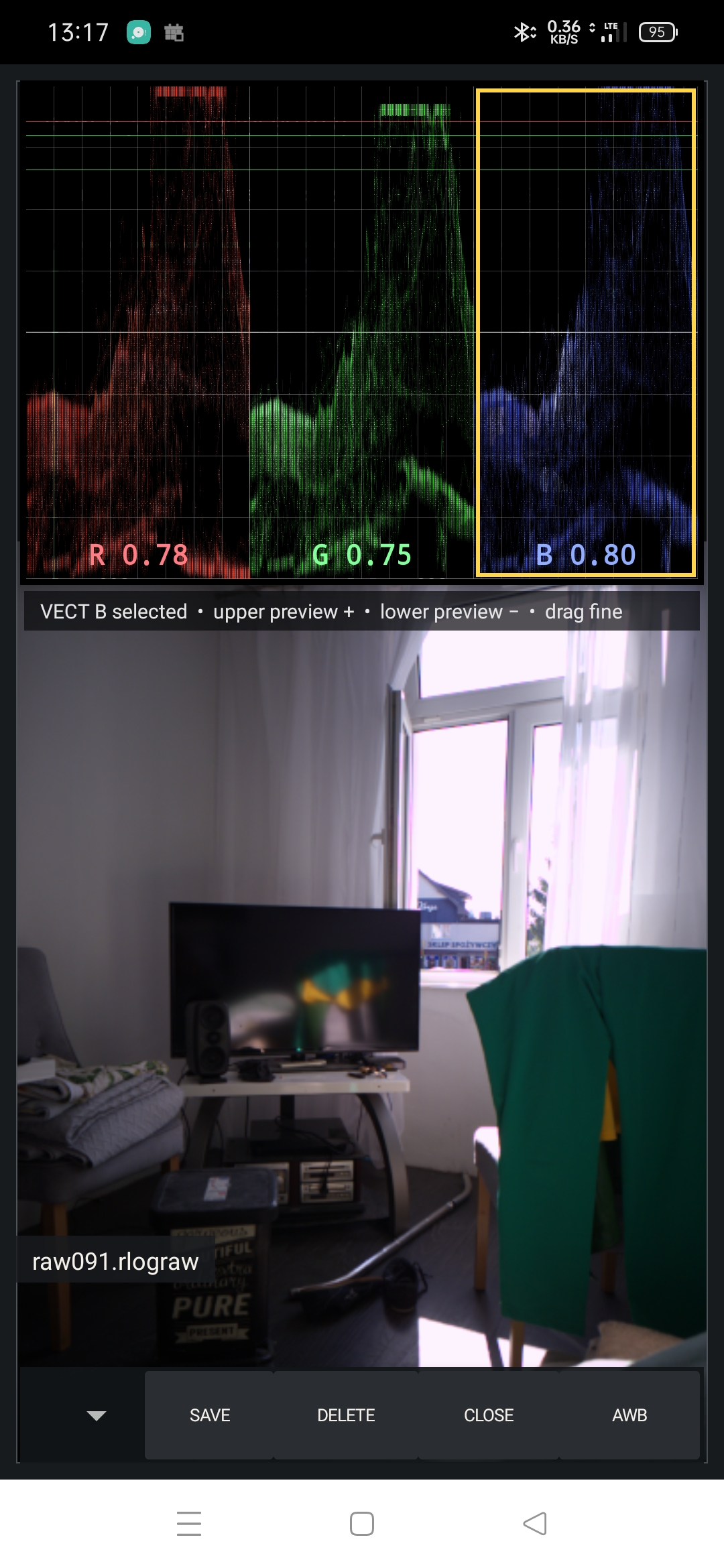
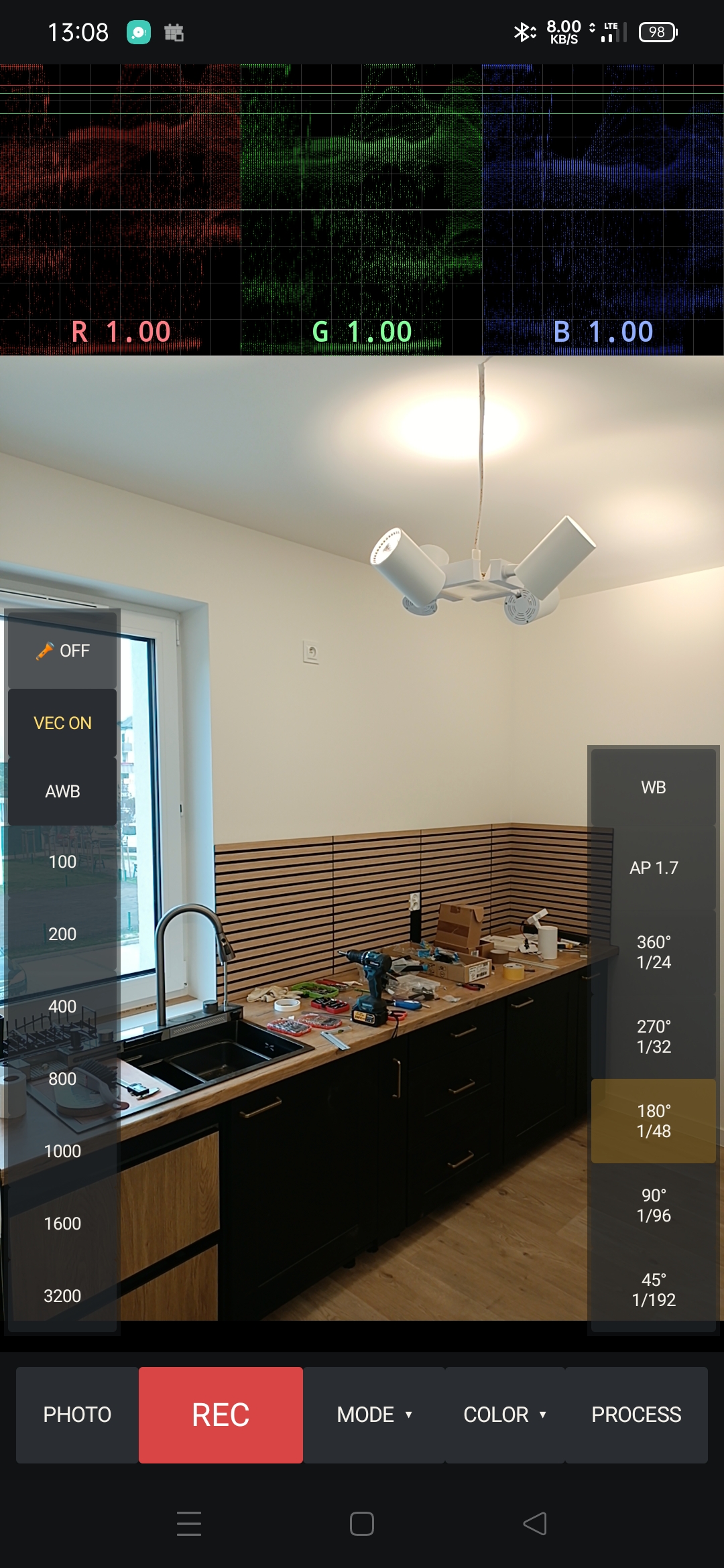
Vectroscope added to main screen and RAW post-processing.

-
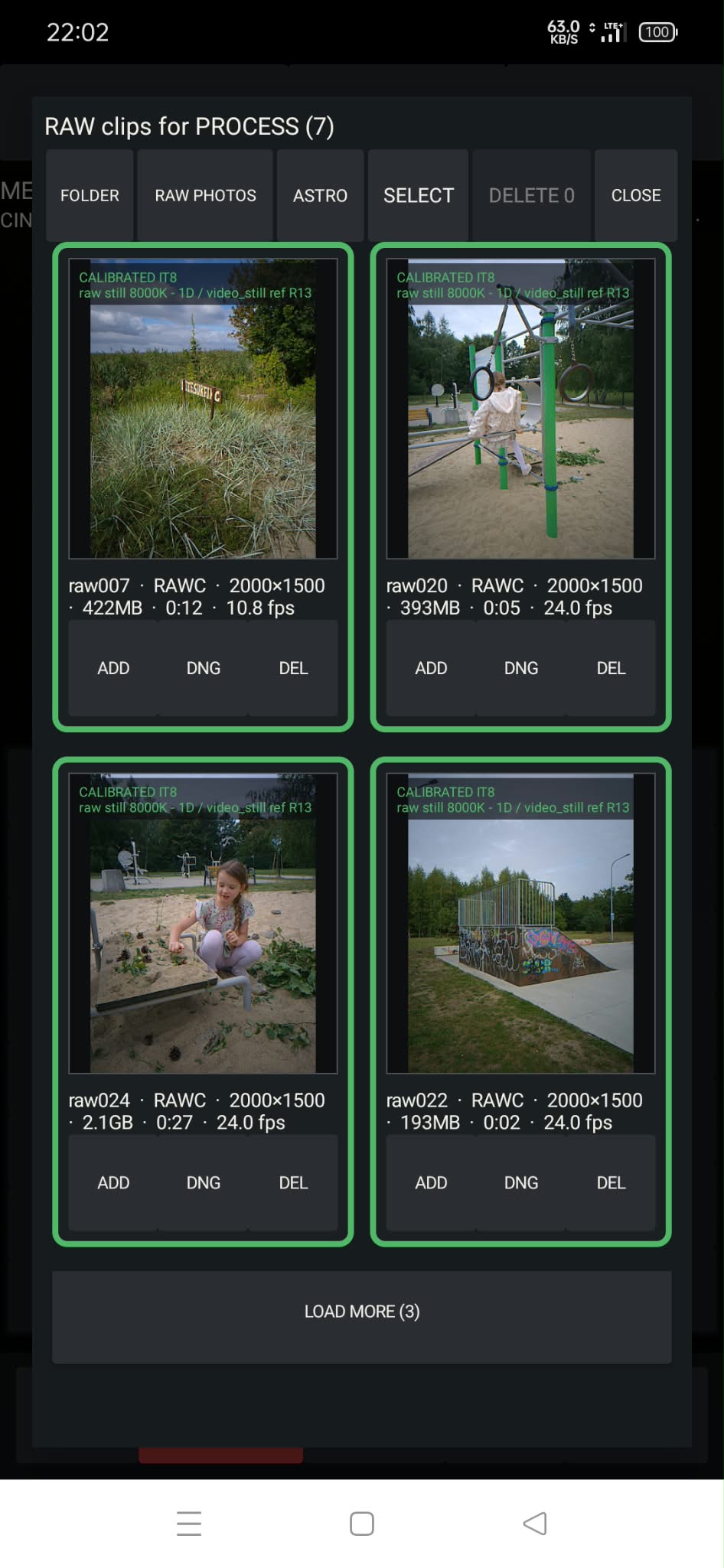
Right now, I'm still debugging the GUI (portrait/landscape), cleaning up the code, and trying to push the Oppo Reno 2Z to its limits on RAW capture, see calibrated 2K samples below. Will post an update soon.
-
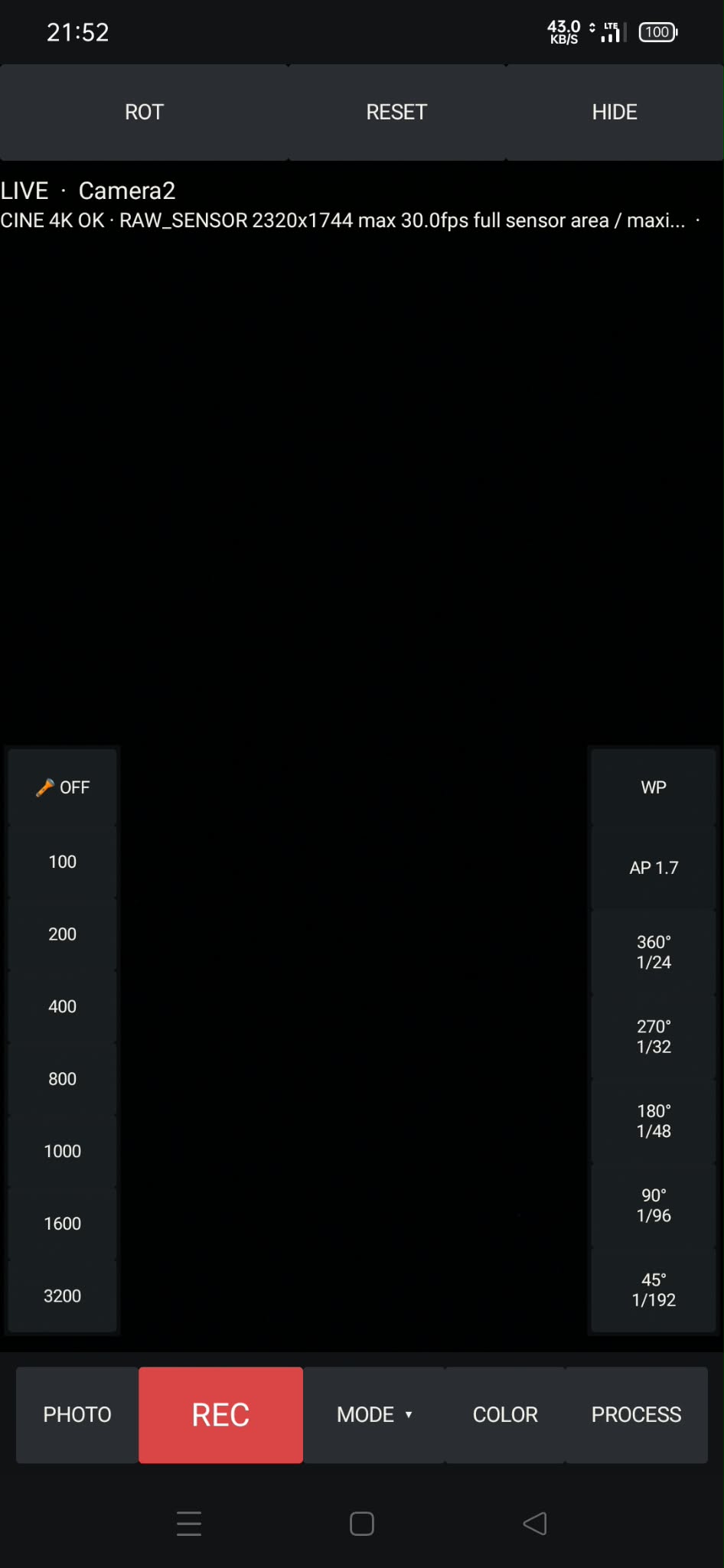
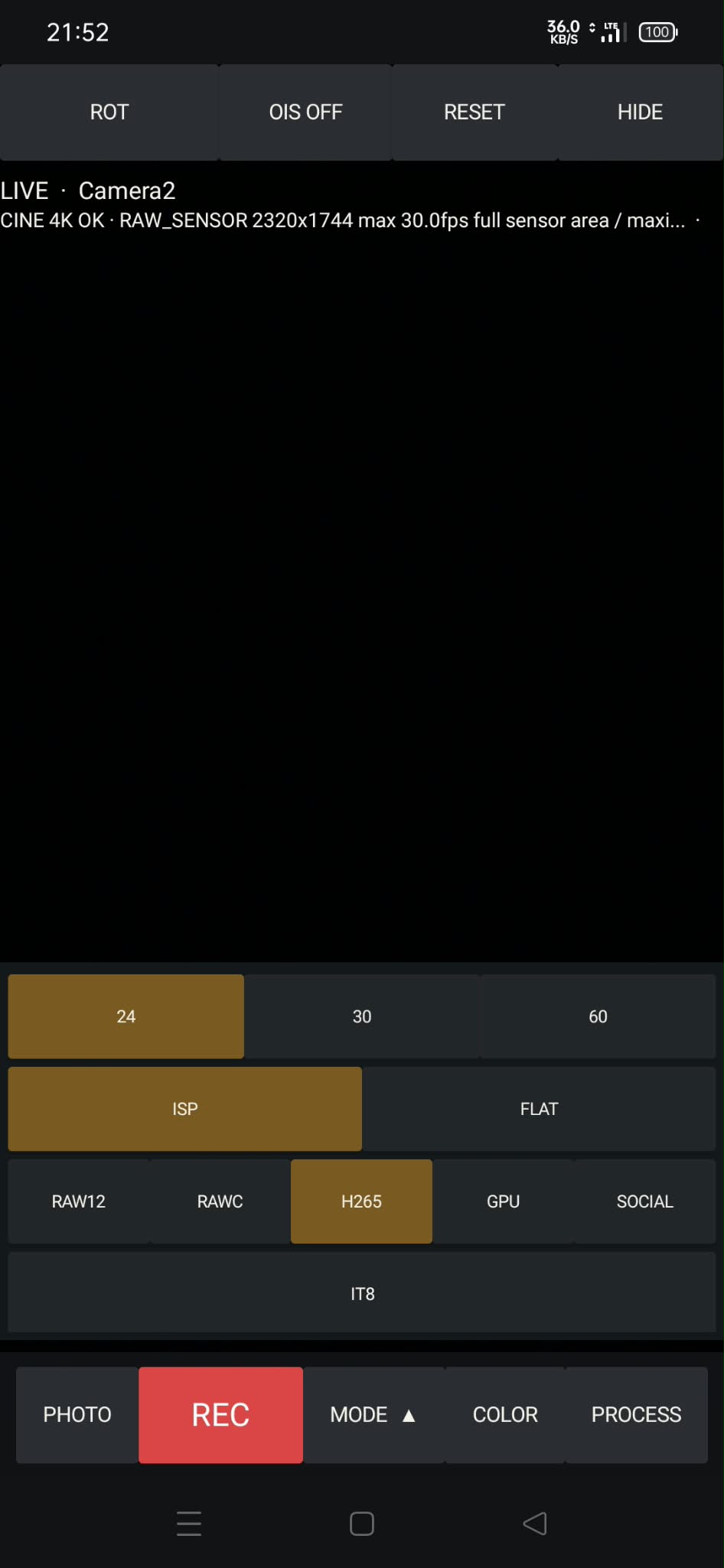
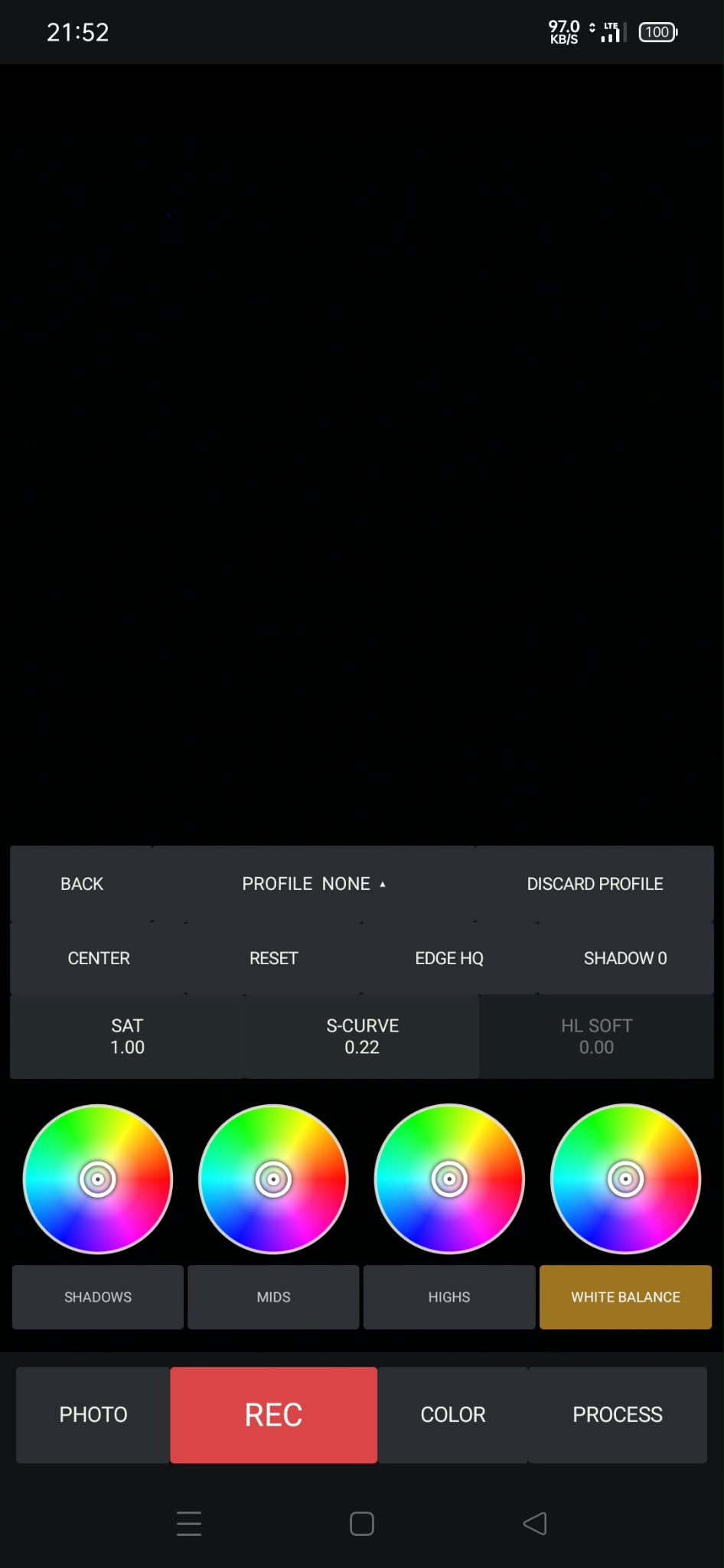
Build 169 uploaded: https://groups.google.com/g/rawlogcam-closed-testers Most important test ROT button for landscape mode. In my Motorola Edge 50 Pro it stopped working. Test RAW and RAW+C for dropped frames—upper diagnostic messages. Use the METER to scan the scene for a few seconds and get the average exposure. The HDR button sets a shorter exposure time to keep highlights. In the COLOR section, you can switch off sharpening (Edge HQ). For IT8, push REF to load the reference file, then push the grid to adjust the rectangle, and push it again to auto-fit. Astro mode in the HIDE section is still under construction. Test DNG export in PROCESS RAW.
-
I would have published the demo already, but I’m currently having a problem with GUI rotation between portrait and landscape modes — it used to work, and then suddenly stopped. RAW/RAWC does a nice job of compressing the full usable dynamic range of the smartphone sensor.I'm still making little adjustments
-
 Emanuel reacted to a post in a topic:
RawLogCam app for Android
Emanuel reacted to a post in a topic:
RawLogCam app for Android
-
 jzagaja reacted to a post in a topic:
RawLogCam app for Android
jzagaja reacted to a post in a topic:
RawLogCam app for Android
-
Honestly, publishing an app on the Play Store is a nightmare for me.
-
jzagaja reacted to a post in a topic:
RawLogCam app for Android
-
Raw Log Camera Demo – looking for closed testers (Android) The first signed demo bundle is ready for closed testing on Google Play. I am looking for Android users who can test the app and report bugs or usability issues. Current focus: • RAW and RAWC recording • IT8 calibration and color profiles • Astro mode • Motorola Edge 50 Pro and other Android devices Google requires at least 12 testers to remain opted in for 14 days before Open testing becomes available for this new developer account. If you would like to help, please join the tester group: https://groups.google.com/g/rawlogcam-closed-testers After joining, please reply with the Google account email used for Play Store testing. I will share the Play opt-in link and test instructions with the group. Demo recording is limited to 20 seconds. Feedback about drops, exported H.265 playback, GPU preview, RAWC stability and IT8 behavior is especially welcome.
-
jzagaja reacted to a post in a topic:
Has anyone tried building a digital RAW camera around Normal 8mm / D-mount lenses?
-
Jip-Hop reacted to a post in a topic:
RawLogCam app for Android
-
I’m waiting for Google Play Store verification — they require an ID check before I can publish the demo version for beta testers.
-
Andrew - EOSHD reacted to a post in a topic:
RawLogCam app for Android
-
Quick update: I tested the Motorola Edge 50 Pro hardware encoders and could not find a working HEVC 4K60p path for the full RAW-derived frame size. c2.qti.hevc.encoder accepts configurations like 2160×2880 @ 60 fps and 2880×2160 @ 60 fps, but fails after the first frame with UNKNOWN_ERROR. Rotation does not help. The same size works at 30 fps, and 1080p60 works, so this looks like a real Qualcomm encoder limit/driver issue, not an AAC or RAW/DNG problem. So the current plan is: RAW/RAWC master: full resolution, 60 fps H.265 quality proxy: full resolution, 30 fps H.265/H.264 smooth proxy: lower resolution, 60 fps if supported PC export: final 4K60p from RAW/RAWC/DNG A more interesting idea is to use the extra RAW60 frames for HDR30: alternating short/long exposures, then merging pairs of frames into a 30 fps HDR output.
-
Quick update on RAW → H.265 export: The RAW side can stay full resolution and 60 fps, but I hit a Qualcomm encoder issue on the proxy/export side. The `c2.qti.hevc.encoder` accepts `2160×2880 / 60 fps`, but after the first frame it returns `UNKNOWN_ERROR`, followed by Android’s misleading “Released state” message. So it does not look like an AAC or RAW/DNG problem — more likely a hardware encoder limit/bug with that portrait HEVC configuration. I’m testing possible workarounds, especially encoding the same frame as `2880×2160 / 60 fps` landscape, but the safe fallback is to keep RAW at 60 fps and export H.265 as smooth 30 fps by taking every second frame.
-
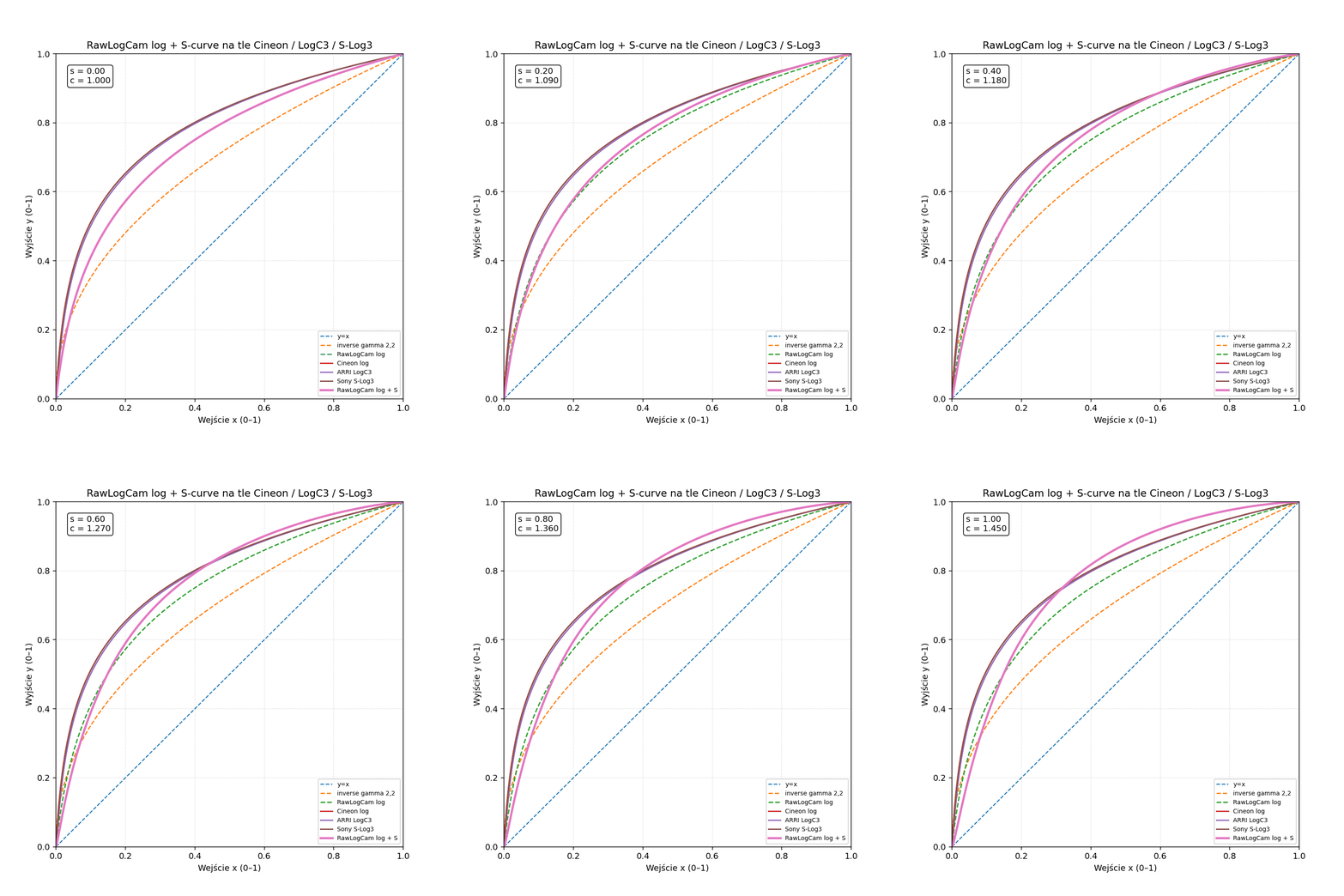
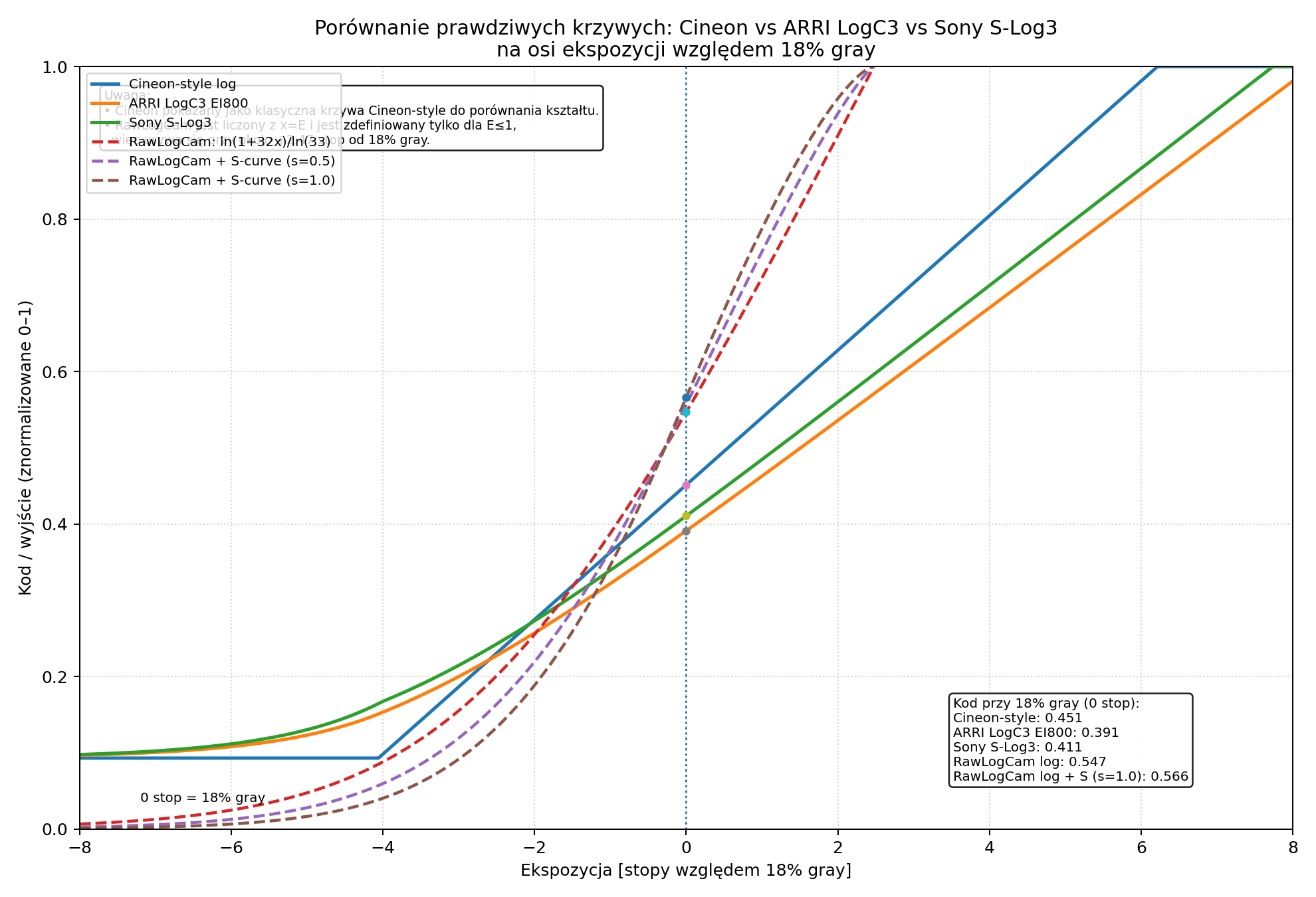
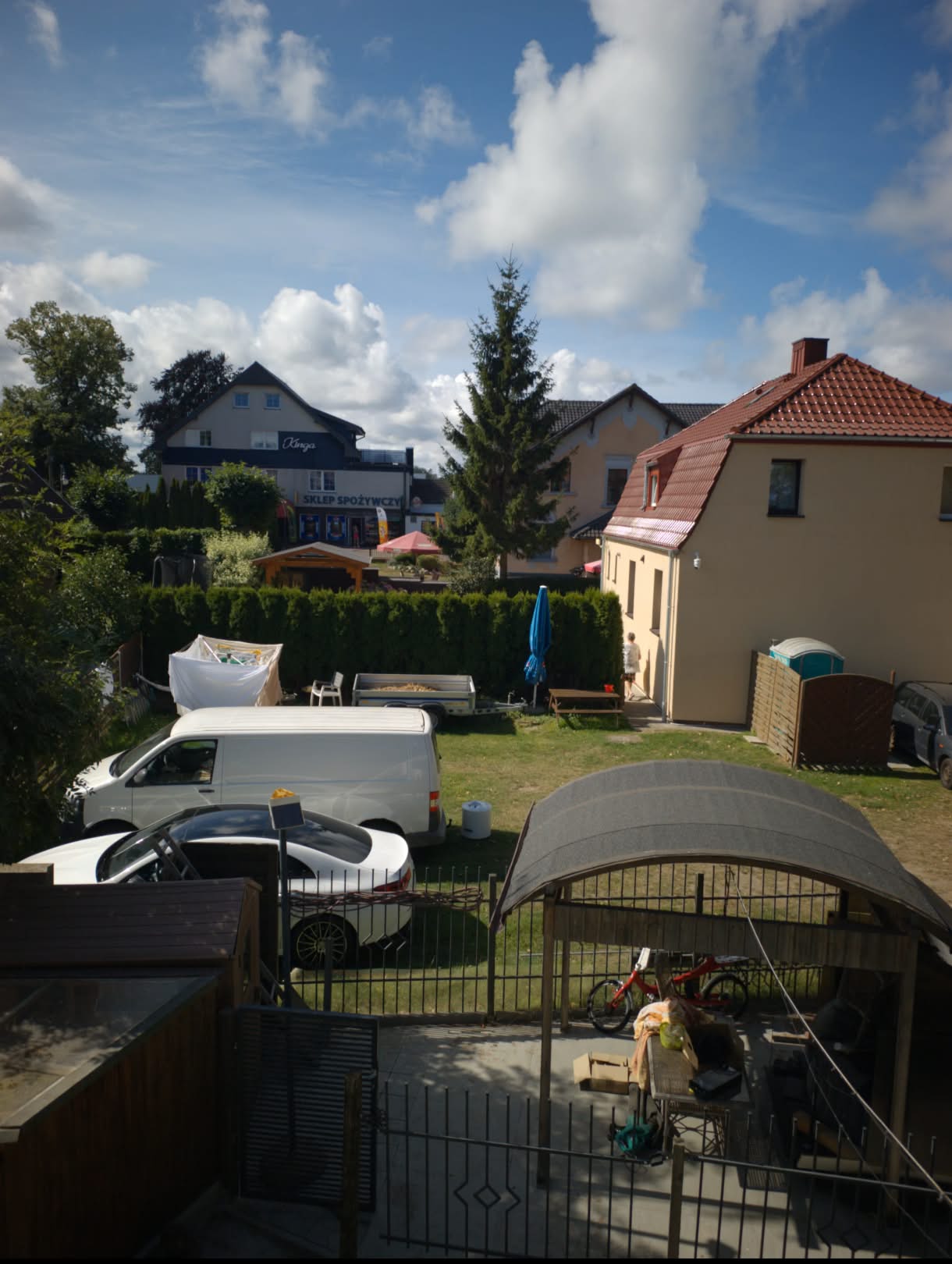
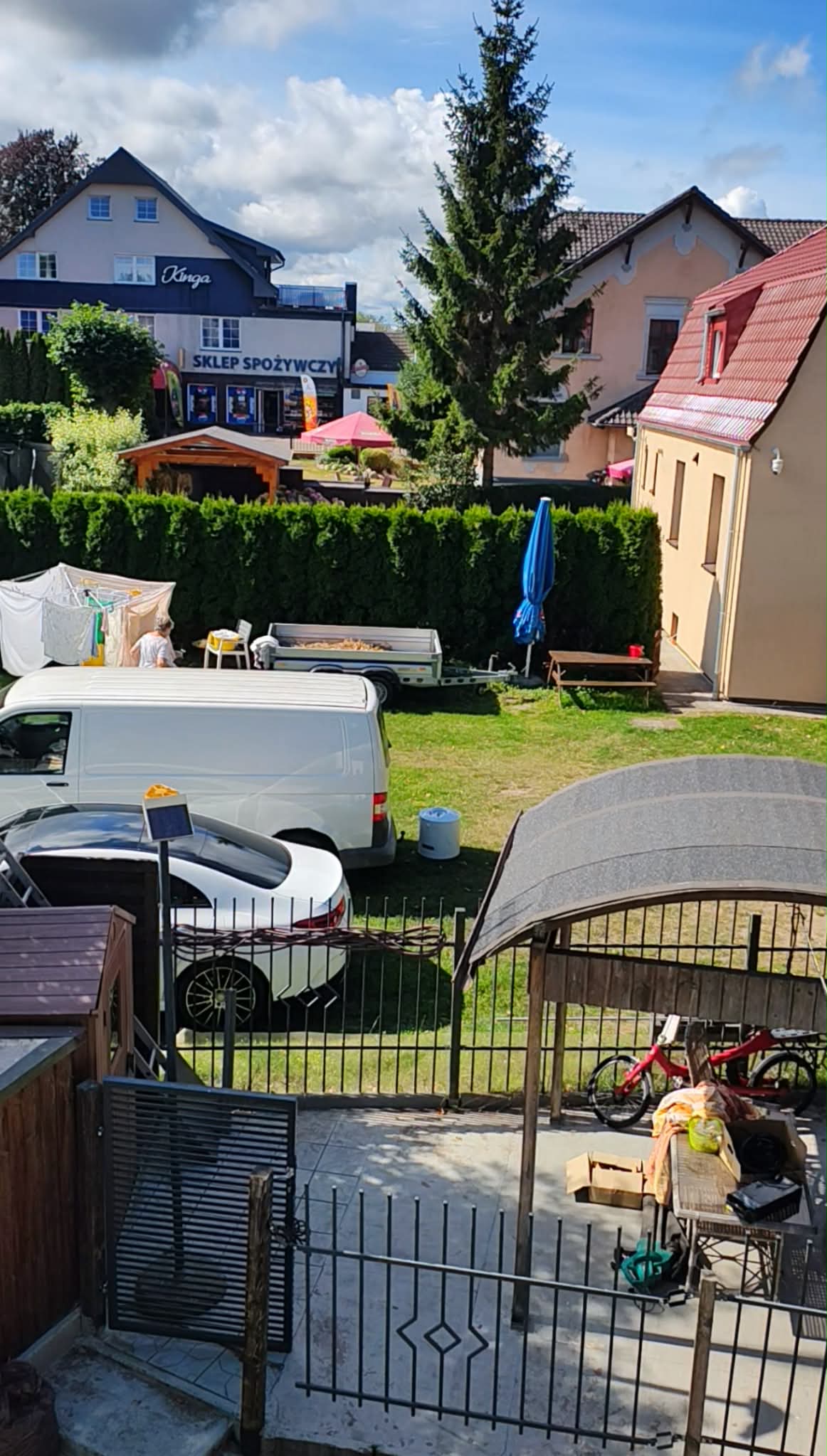
RawLogCam RAW frame + IT8 TRC vs Motorola native video app. RAW is very life like on HDR screen.
-
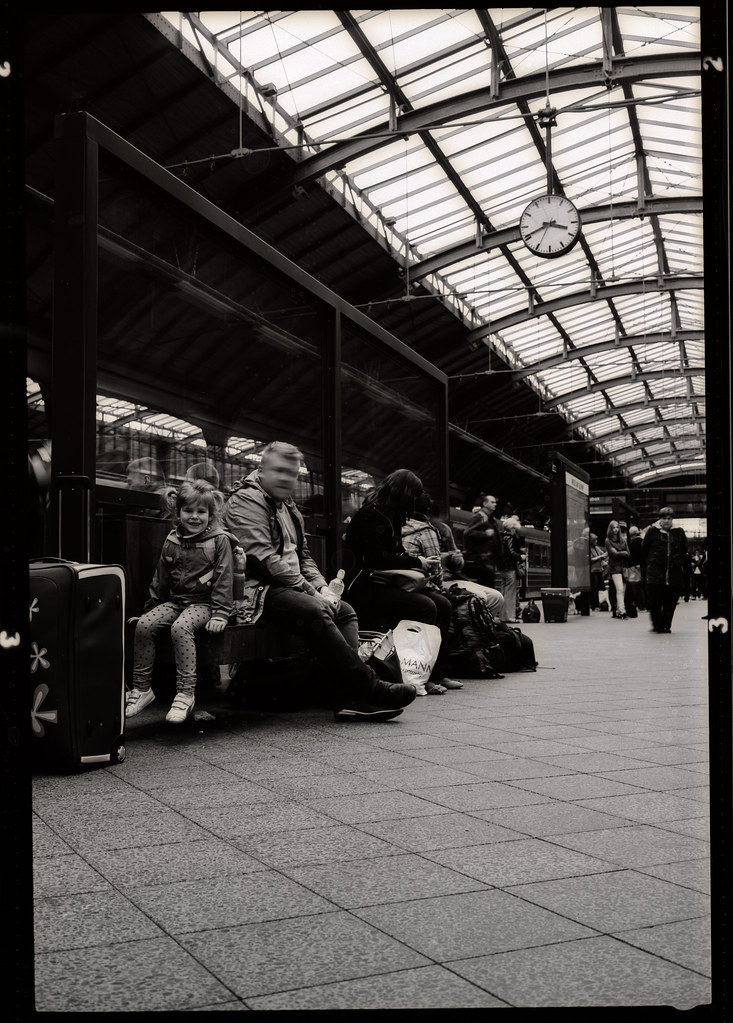
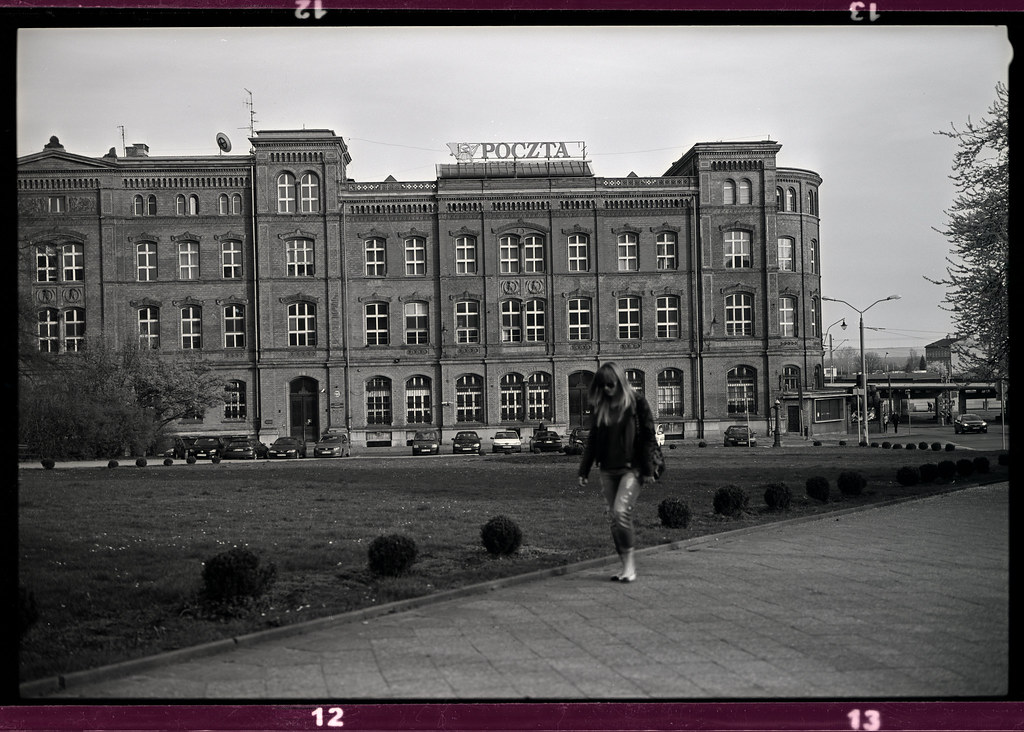
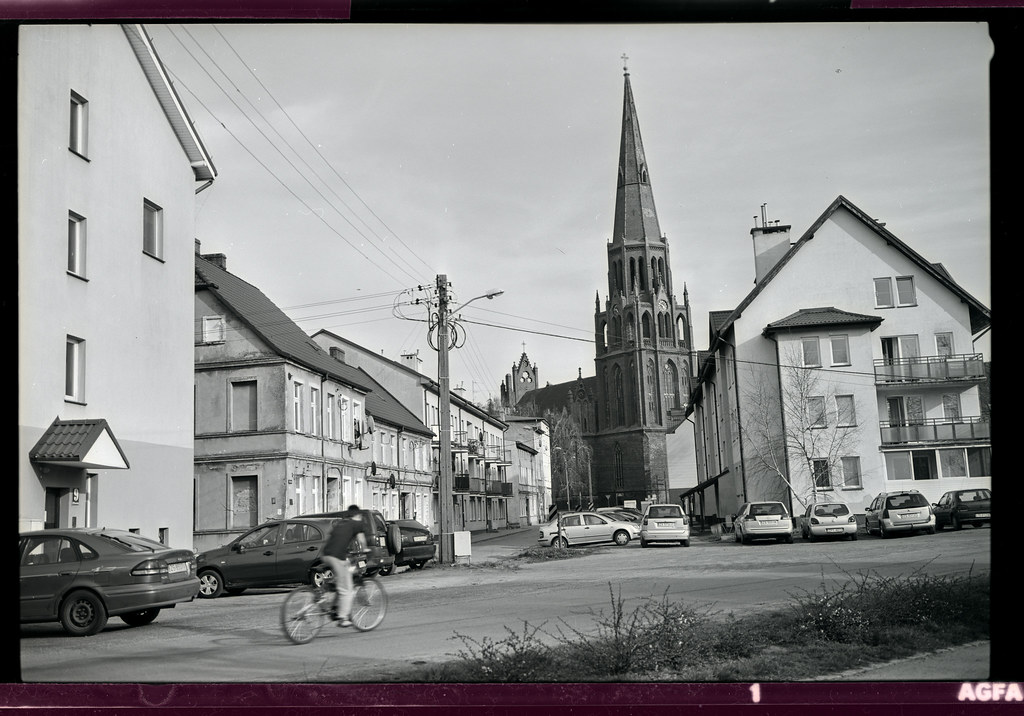
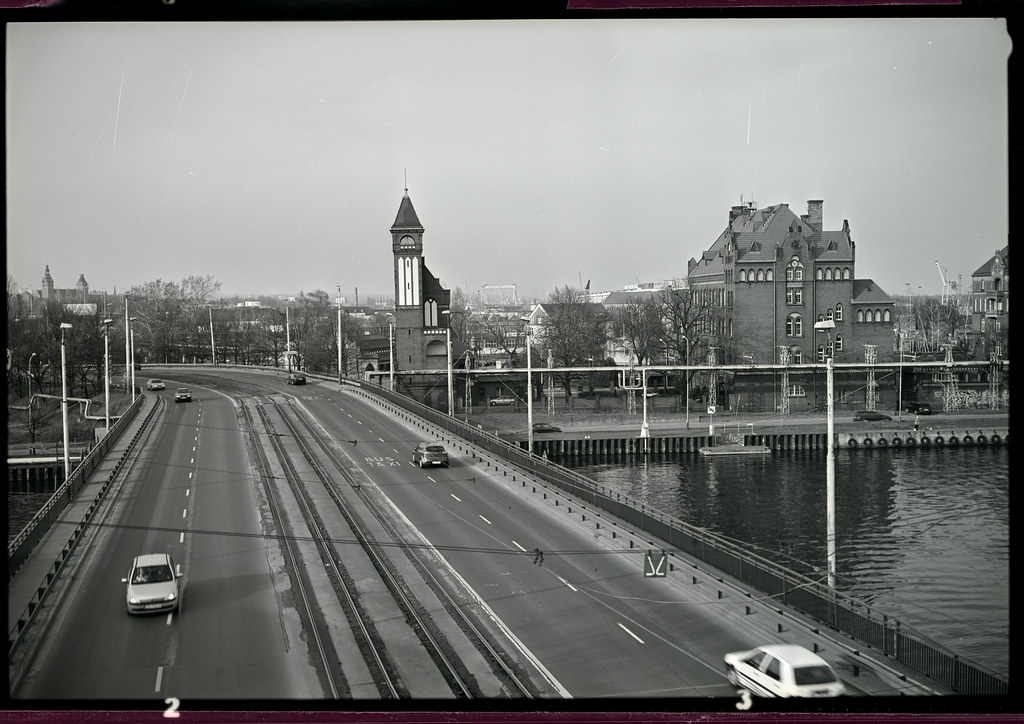
Agfa Copex Rapid + Rodinal 1:100
-
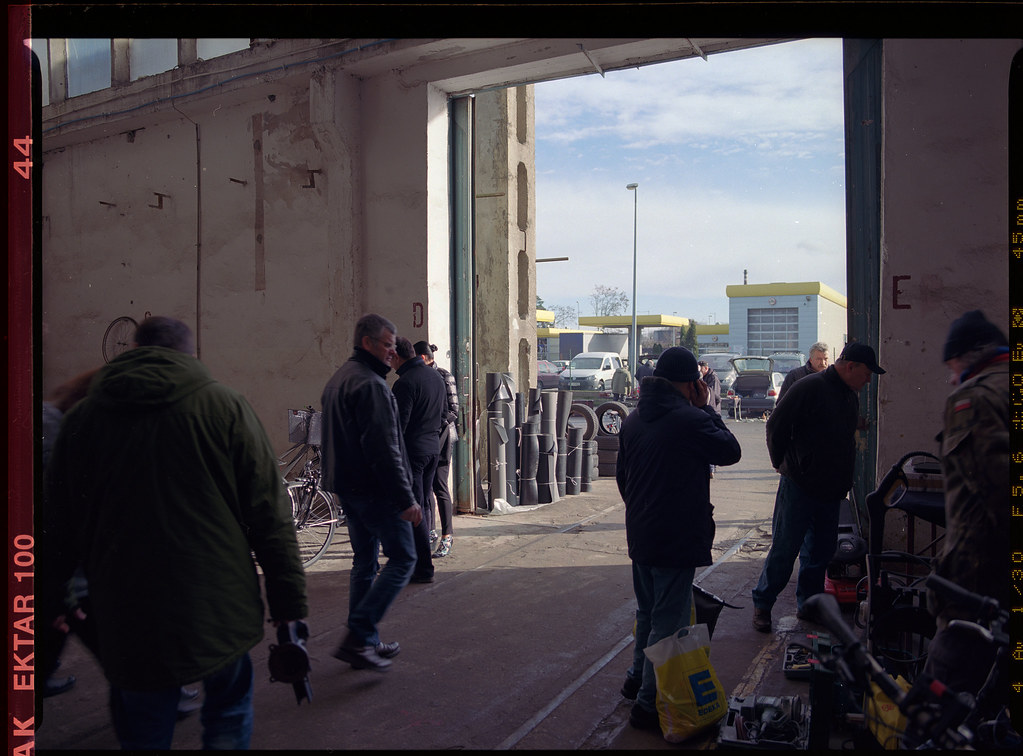
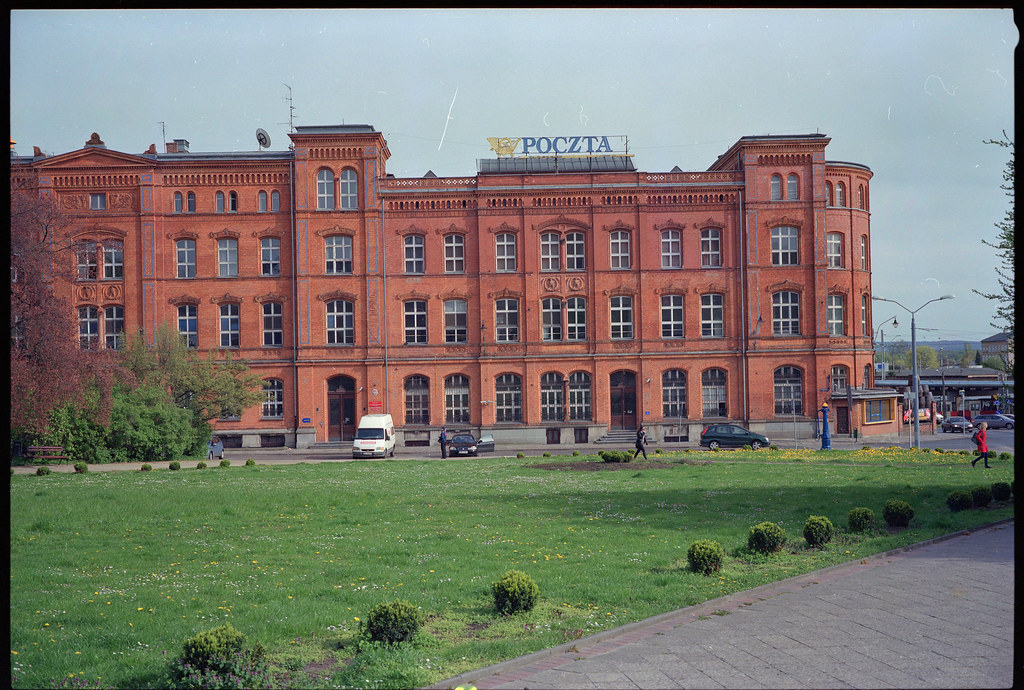
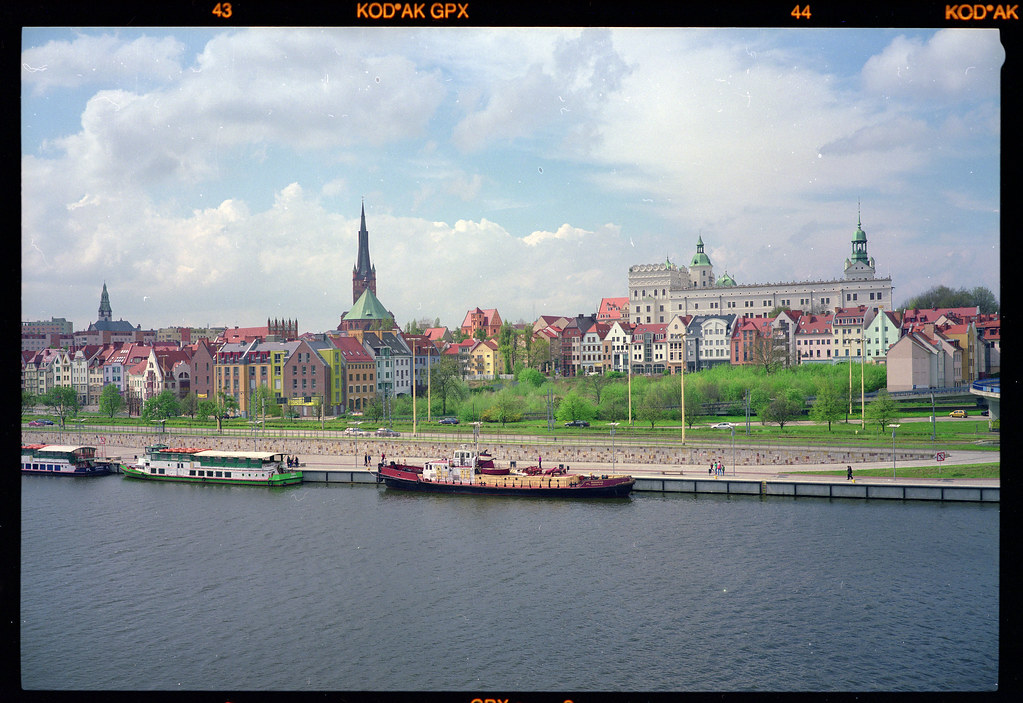
Few more samples from negative stock: Ektar, Digibase, GPX.
-
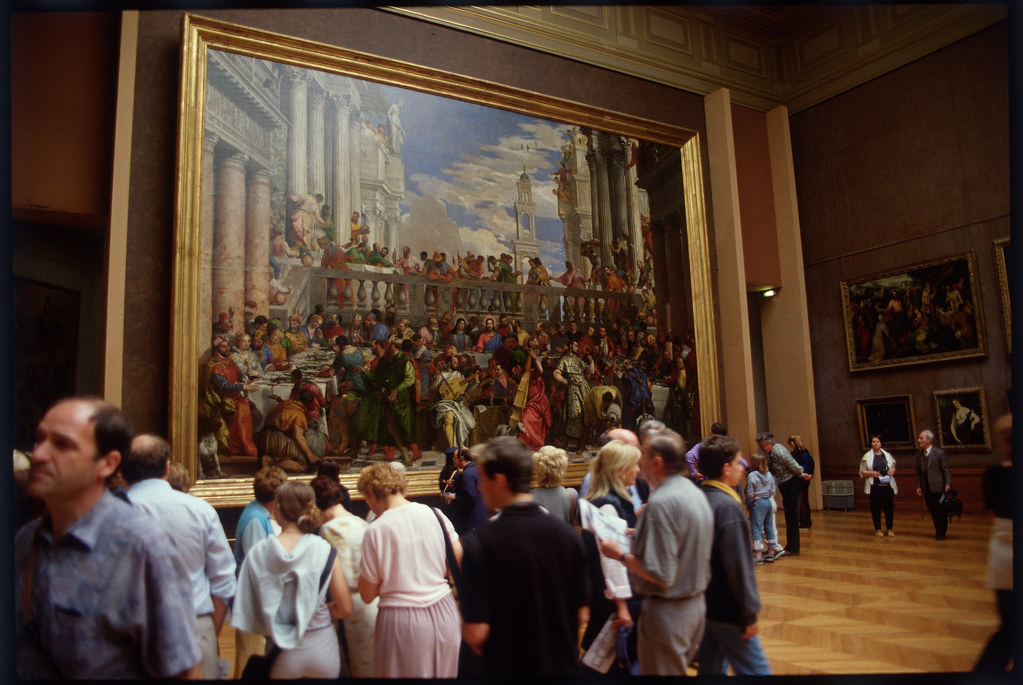
Here is example of Kodak 100VS, May 2000, drum scan, Louvre Museum. I would like get this effect on digital - highlights rolloff.
-
can you link Digilog video samples?
-
Jip-Hop reacted to a post in a topic:
RawLogCam app for Android
-
On iPhone I’d see the practical route as DNG/ProRAW or RAW burst → custom linear/Metal pipeline → H.265/HEVC, with a much flatter, less processed look than the stock camera. Not ProRes RAW. The limitation is that iOS does not expose continuous Bayer RAW video in the same way Android Camera2 can expose RAW streams, so an iPhone version would likely be AVFoundation + Metal: RAW/DNG stills or bursts, plus a controlled HEVC mode with custom tone, colour, highlight rolloff and IT8/LUT calibration. I don’t have an iPhone to test on right now, so I can’t promise it yet. But the idea is definitely interesting. First I want to finish and publish the Android version and see if people find it useful. If the feedback is positive, I’ll try to look into an iPhone version — probably DNG/ProRAW or RAW burst into a custom Metal colour pipeline and then H.265/HEVC, rather than ProRes RAW. For me the goal is to do as much as possible directly on the phone — capture, colour, calibration, encoding, maybe even basic editing/export, Davinci style. On the PC I’d rather have a voice-driven movie editor, where you can just say what you want to cut, move, translate, subtitle, shorten or colour-match, instead of digging through endless panels. I’m also working on PocketCAD for Android and a customised WearOS/Android smartwatch project, so it’s all part of the same direction: practical tools on small devices, with more voice control and less dependence on big desktop workflows.