All Activity
- Past hour
-
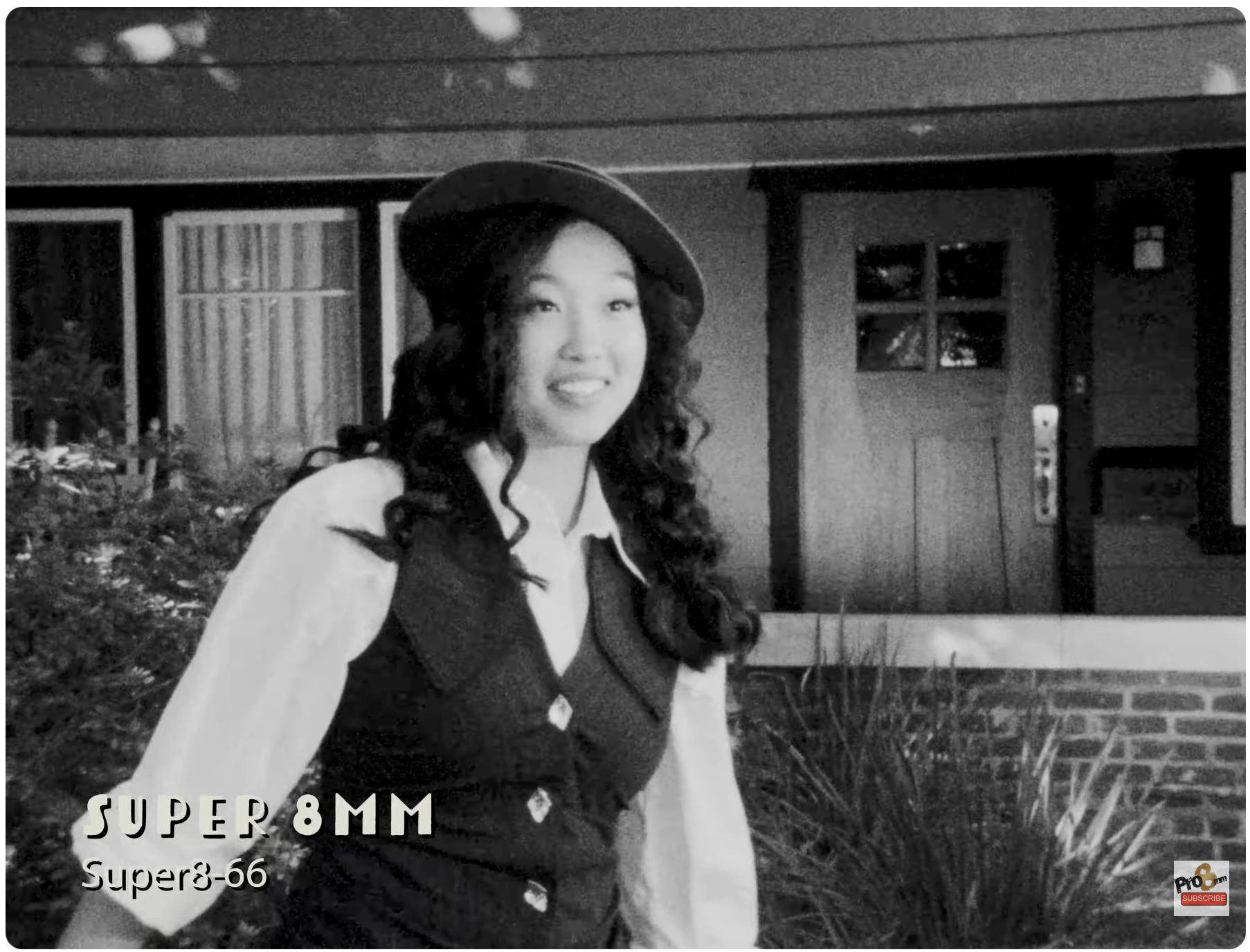
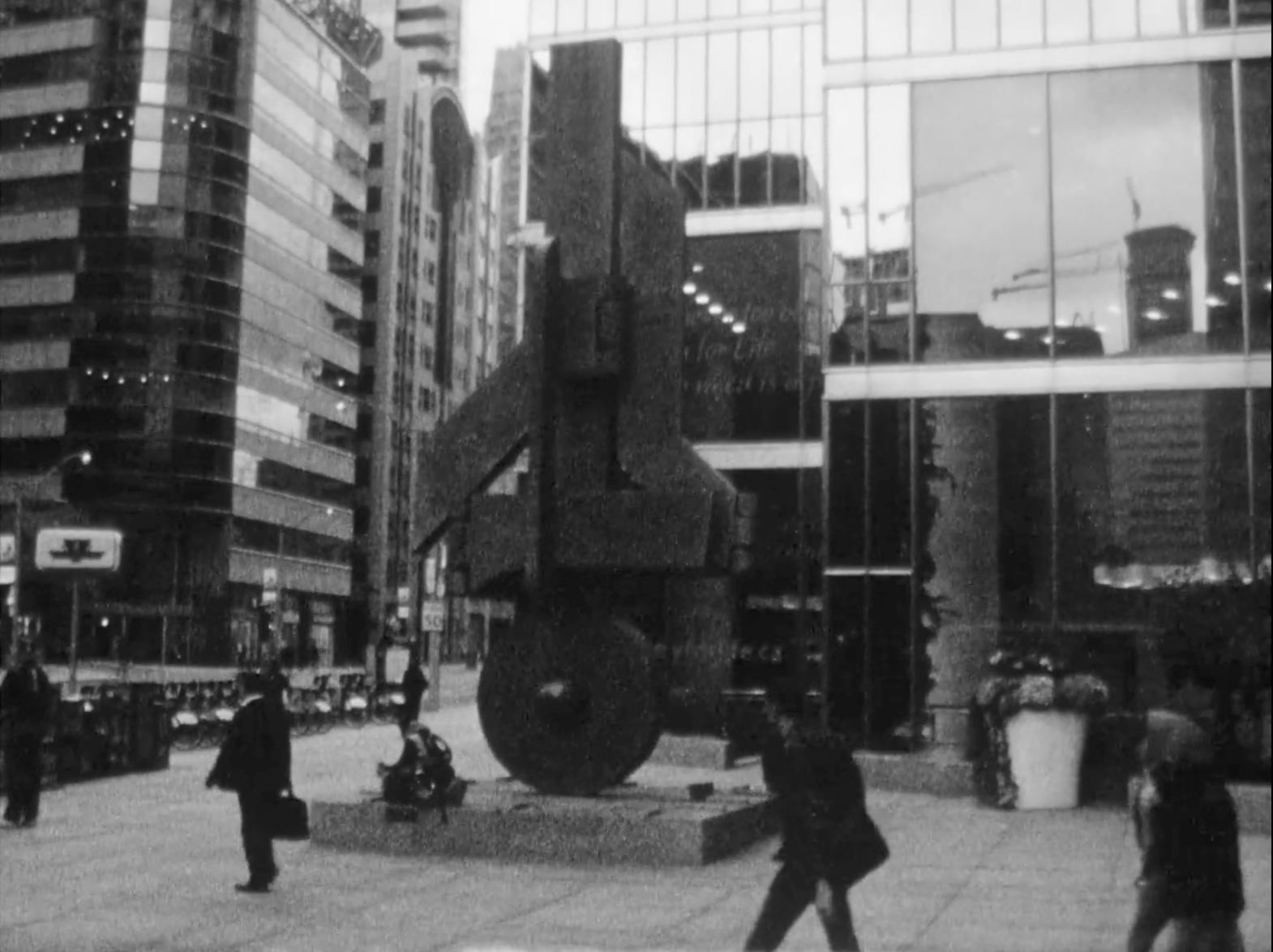
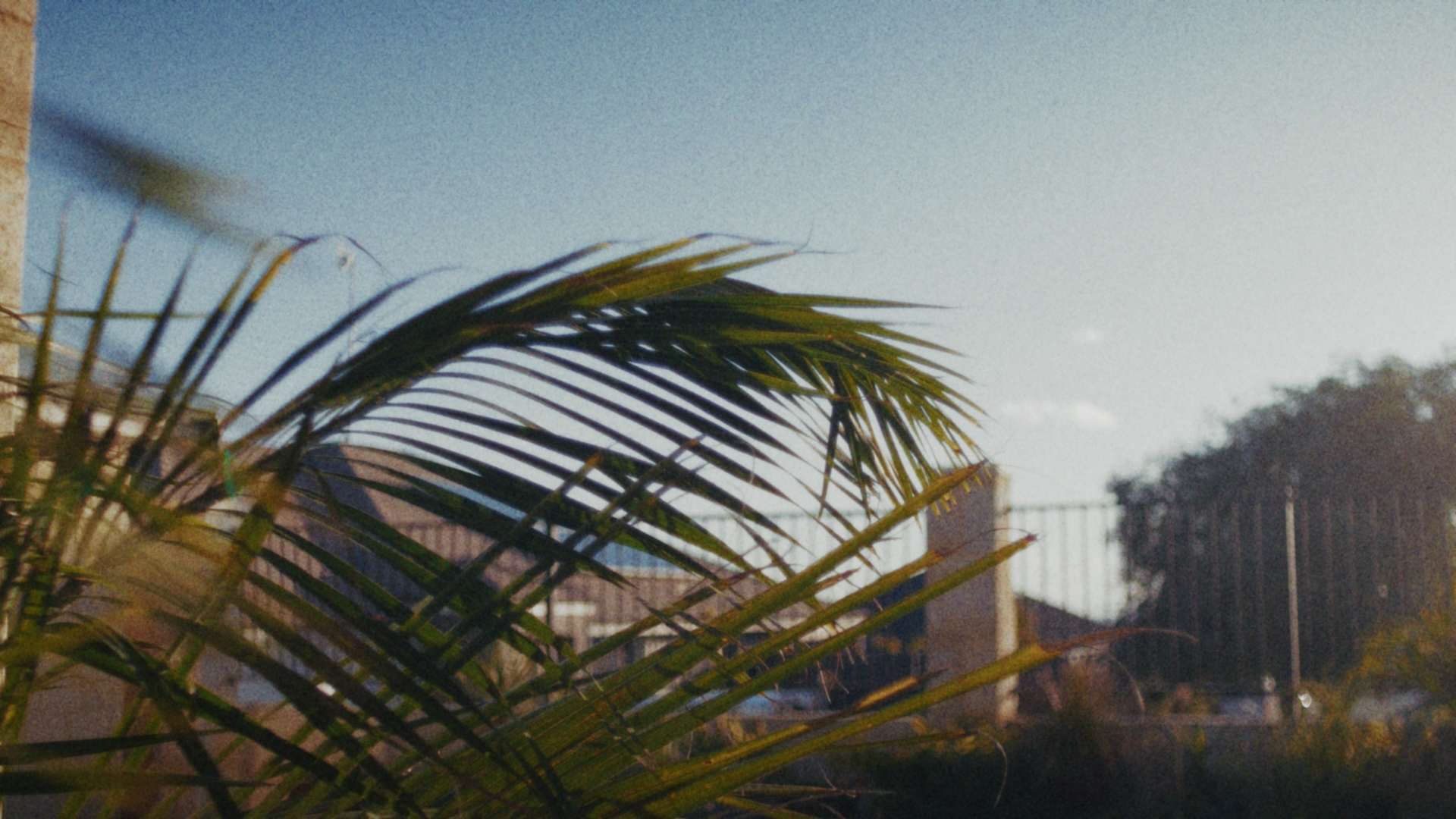
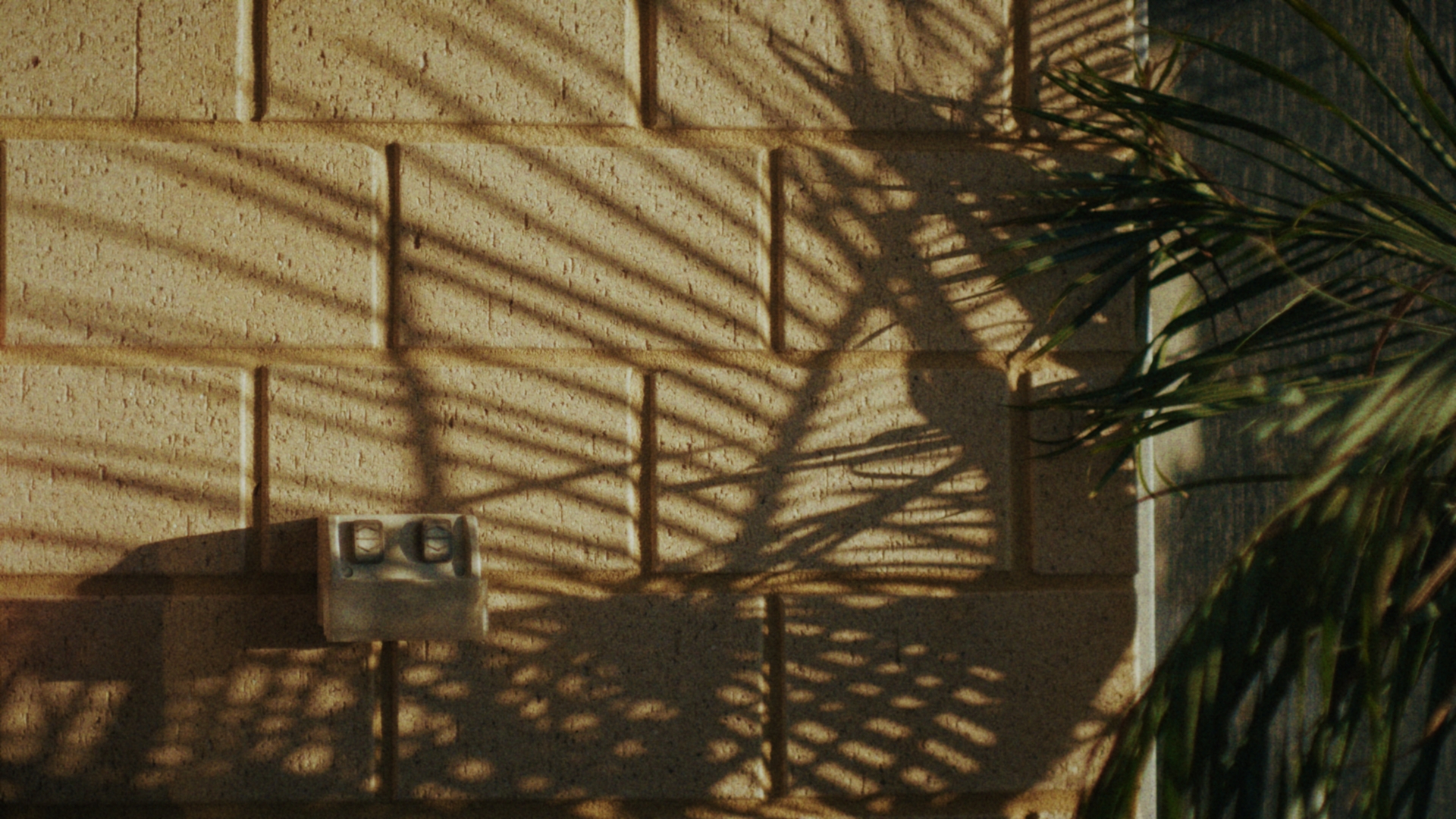
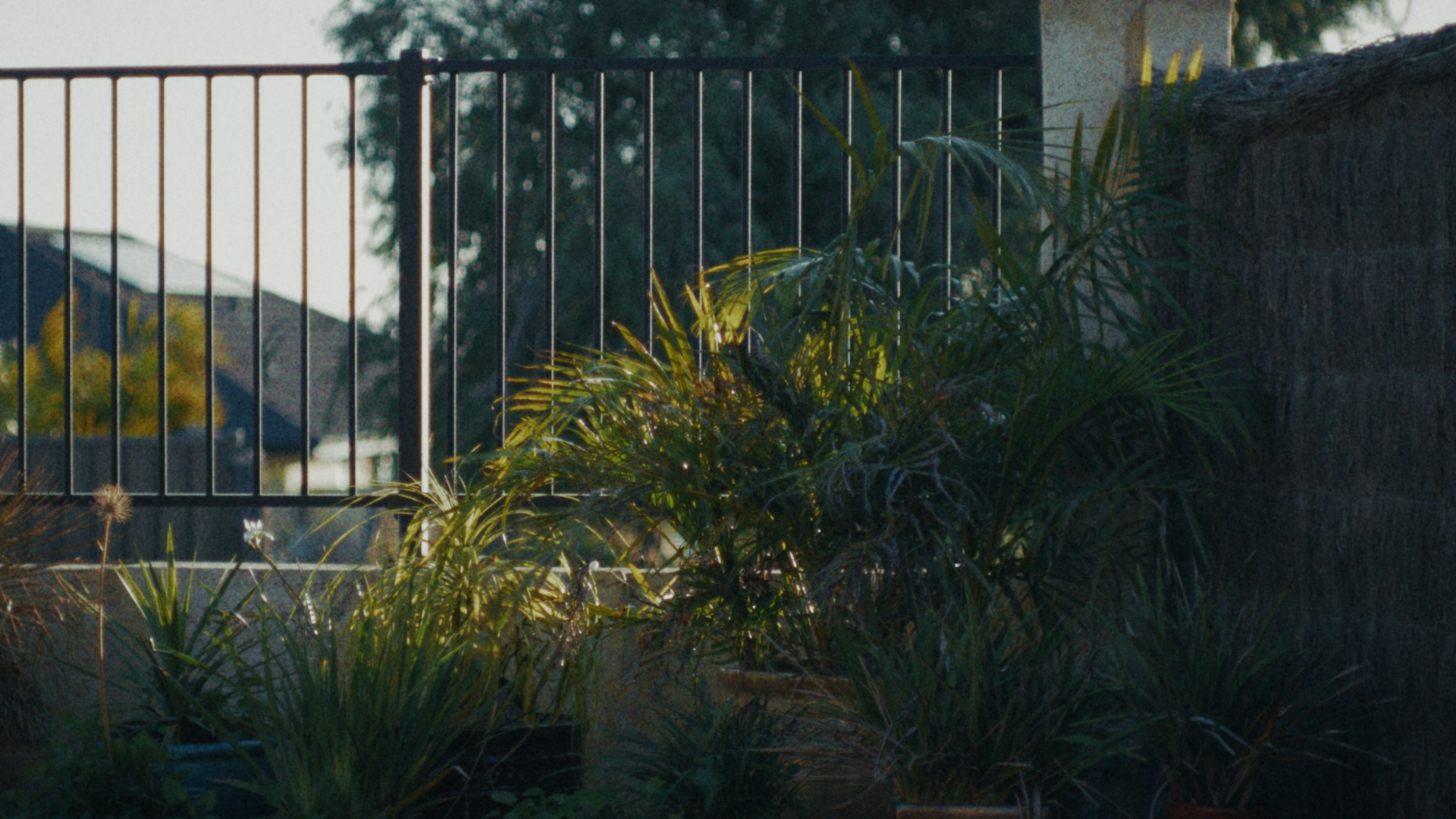
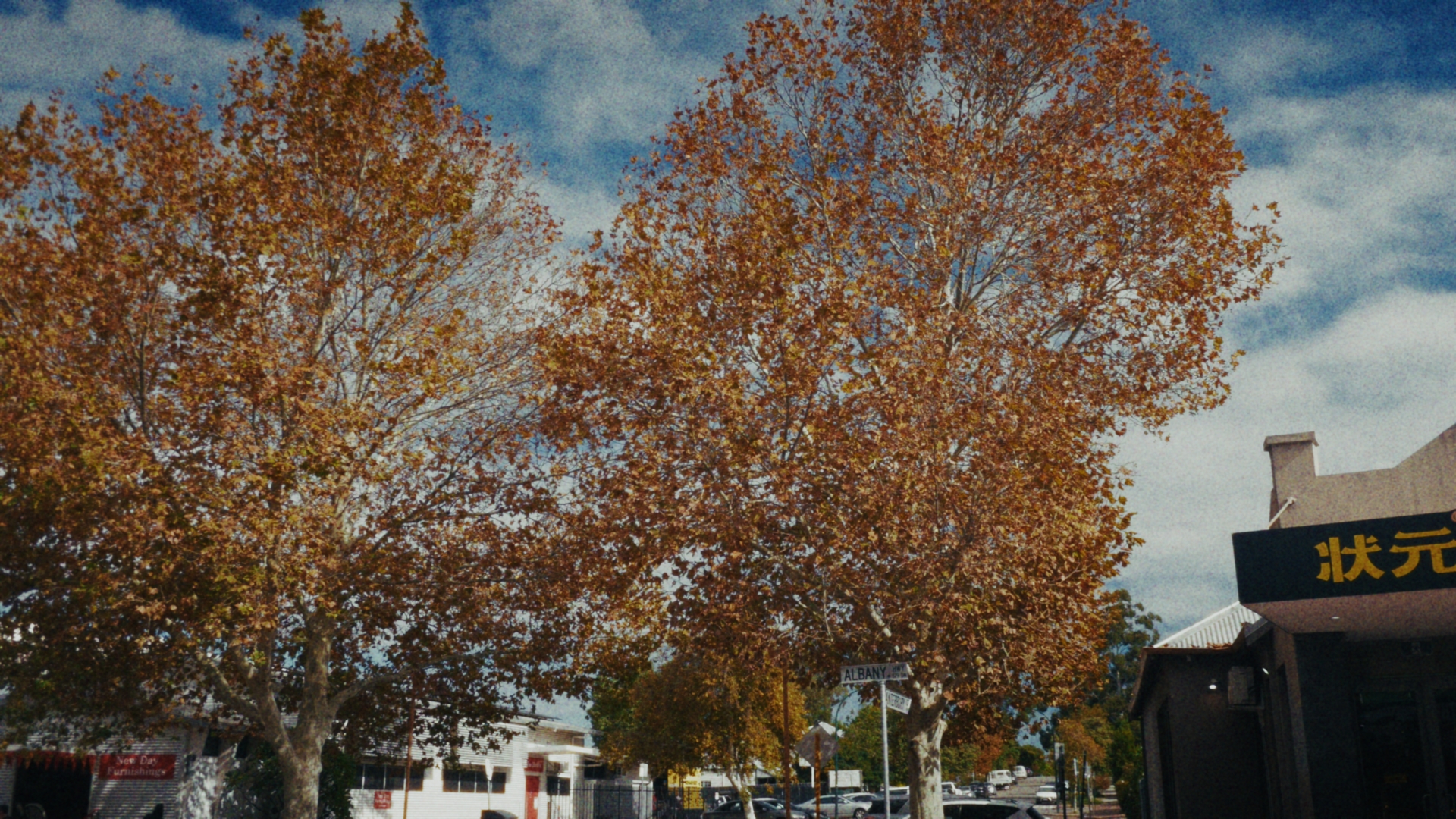
My film friend said that the edges were too sharp for S16, and gave me some examples of things printed on 2383 that look SUPER soft to me. It makes me think that the look of film is really two looks: 1) the look of a neg scan (which is digital from then on) 2) the look of a negative printed to a print stock I wonder how much "film emulation" is actually emulating the first one. I also wonder what look I'm going for. It occurs to me that back in the day what we'd see on analog TV would be low-resolution film scans (having maybe 480 lines) but would have had semi-infinite horizontal resolution (bandwidth limited and all that I know) and would have had zero digital compression, so the grain would have been fully in-tact (and therefore loud and proud). I suspect the aesthetics I absorbed (and are unconsciously referencing) would have been from music videos, sports videos, etc in the era of MTV (80s and 90s). In this early time anyone with a low budget would be shooting on 16mm (or 8mm!) and often not the highest quality lenses or cleanest stocks etc. I'm guessing I probably watched thousands of hours of pure-analog uncompressed 16mm or 8mm footage scanned and broadcast in SD, and those would have been quite DIY / experimental / creative etc, rather than the much more produced and formulaic outputs that came later on. Thanks! Like I said above, not targeting and specific pipeline, but I did calibrate the contrast on the first set of images from the GX85 to the DR of 2383, which was 5-6 stops in the linear range. The goal is to get something that looks like it could have been shot on some unknown stock. Realistically, this is a proxy for the images just not looking digital, and apart from trying to emulate VHS or Betamax, there aren't any other analog looks to draw from. Plus, film did a ton of things that research says that are aesthetically pleasing, and I'm sure I also have some baked-in nostalgia or just acclimation to this look. Interesting you think of T-max, and think this is fine grain. The grain on this is based on the 16mm preset in FLC, but modified to be softer. More on this later. I looked around and found a few 8mm examples with high contrast, but most were much more faded-looking, even stuff that seems like it was shot recently. There's this video which has shots like this: or this one with shots like this: Thanks! It's definitely more about training my eye to learn what I like rather than any sense of accuracy, however film has so many things that are desirable that there's so much overlap I couldn't do either one to any degree without also making huge progress in the other! The technique I'm using is to add the grain first, then soften the image. This ensures that they have the same amount of softness and we're not dealing with these horrific combinations of sharp footage + soft grain, or the other way around. The people I spoke with suggested that this tends to look a bit soft and so they either sharpen afterwards, or add a touch more grain on top. These shots had a touch more grain on top. What I didn't do is match the grain to the image. I added 16mm-sized grain to a sharp image, then softened that. Maybe I should just add 65mm-sized grain so it matches the resolution of the image, and then adjust the amount and softening to match the stock. I definitely have more to test. You're also right about moving grain vs frame grabs. I'm reluctant to post video samples until I've worked out how much grain to force-feed into YT to get the right amount of it out again. Definitely all considerations for a full-historic-emulation. I'm not really chasing historical accuracy in the sense that you're talking about, although I might be chasing some specific something I saw once and loved, which is possible (or quite likely) considering I watched a ton of very creative and edgy films growing up, including a lot of early music videos and skateboarding videos, which are much more likely to have been hand-held and with the camera being used to express attitude rather than the restrained professionalism of documentary or narrative cinematographers. I'm still figuring this out, but I suspect that what I have in mind is a feeling that I'm chasing, or perhaps an attitude, and I'm trying to get closer to that on every level at once. The colour and tone, the texture, the movement (motion cadence?), the compositions and camera movement, the choice of subjects, then in the edit the pacing and rhythm, the structure of shot combinations and overall arc, as well as the music which I plan to write as well. It's the whole vertical stack from tech specs to final feeling and emotional aftertaste of the edit. I have always liked street photography, and for this project (which is sort of a subset of my Night Cinema project) it's really shooting high-attitude moving street images. The gold standard for this is Illkoncept, who shoots travel videos on digital but has also shot some videos on his 16mm Bolex: From what I understand the Bolex doesn't have that many lenses and the ones available are often very soft, so this 16mm footage is a lot softer than other examples. This is in contrast to a setup like this, where they have used Vision3 50D and shot on the Laowa Nanomorphs and scanned at 6.5K, so this is sort-of an example of an image pipeline where the negative itself is the limiting factor: The other thing I've heard is that over the decades they improved the film itself, and what I was lead to believe was that it doubled (or more) in sharpness, so late 8mm film matched early 16mm, late 16mm matched early 35mm, and late 35mm matched 65/70mm. Great discussion.. it's forcing me to think about all kinds of things I hadn't really considered, which is the whole point, plus the result I'm getting are improving with each iteration.

-
The sensor isn't all one flat plane, there are filters in front of the photosensors and the dust is on top of the outermost filter surface. It definitely shows up more clearly at small apertures than wide open.
- Today
-
 kye reacted to a post in a topic:
The GX85 "Super-16" project
kye reacted to a post in a topic:
The GX85 "Super-16" project
-
kye reacted to a post in a topic:
The GX85 "Super-16" project
- Yesterday
-

Sony a7r VI (Mark 6) - an a1 beater for $2000 less
Andrew - EOSHD replied to Andrew - EOSHD's topic in Cameras
Bayer 8K sensors don't even resolve 8K -
 Andrew - EOSHD reacted to a post in a topic:
Need to vent... MPB are a f-ing nightmare
Andrew - EOSHD reacted to a post in a topic:
Need to vent... MPB are a f-ing nightmare
-
Very true, he sells but his delivery deserves it anyway : ) His work demands for. I truly praise his videos, used to follow them whether I buy or not (well TBH, actually not, the most part if not all the time! LOL But I see him a real talent, no doubts left :- )
-
The six figure paycheck (I would hope for his sake) they gave him to do it.
-
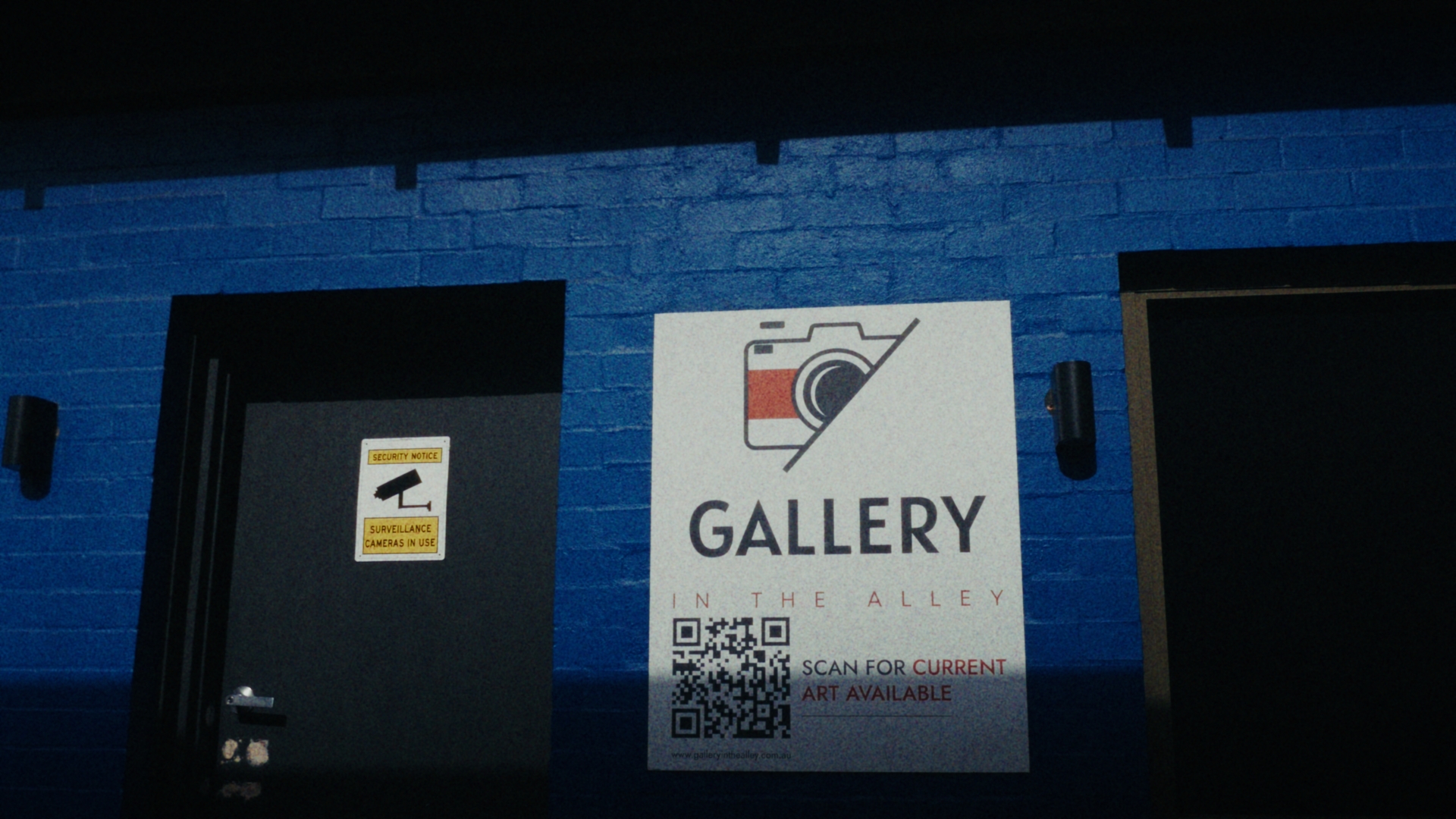
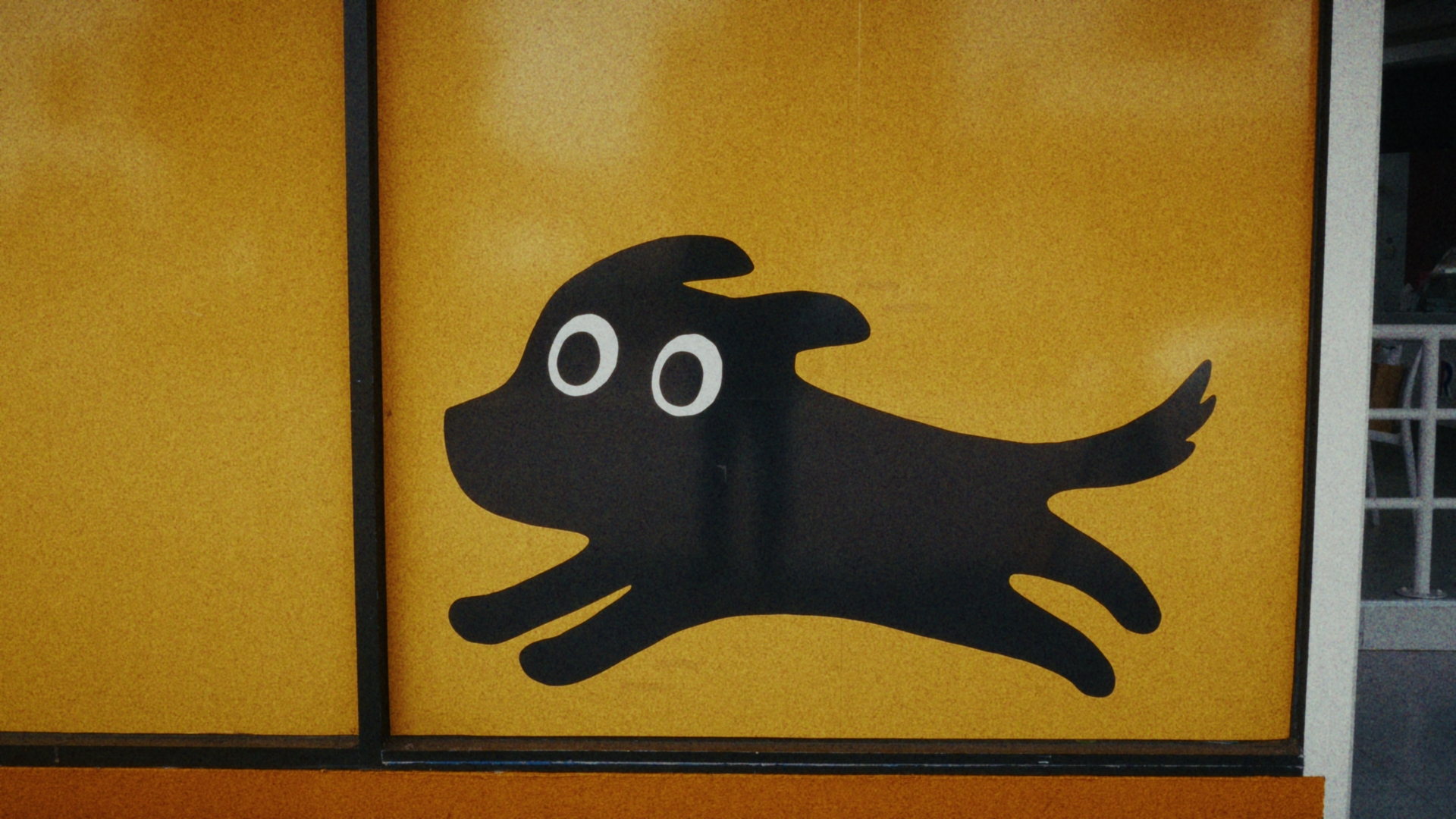
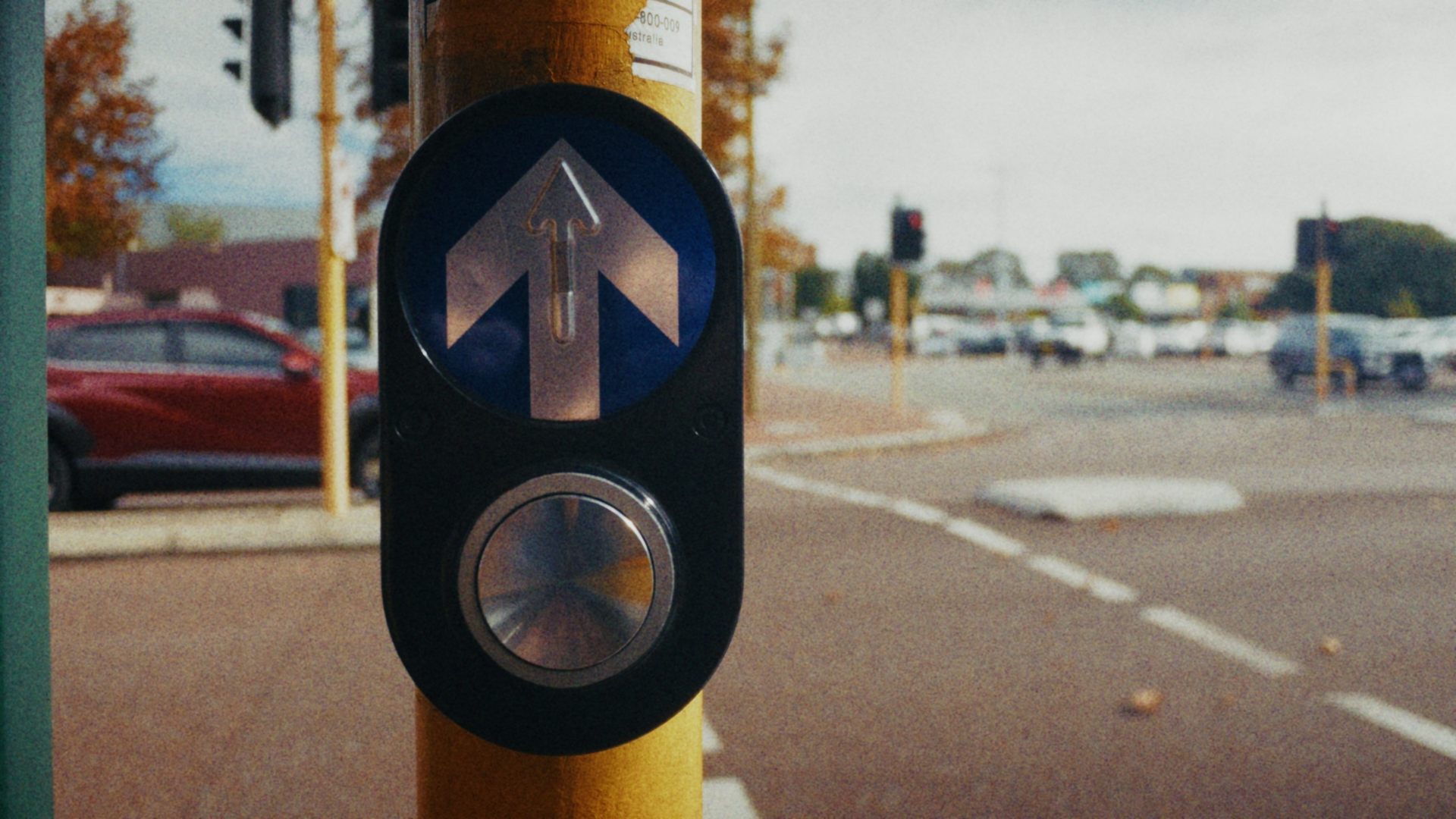
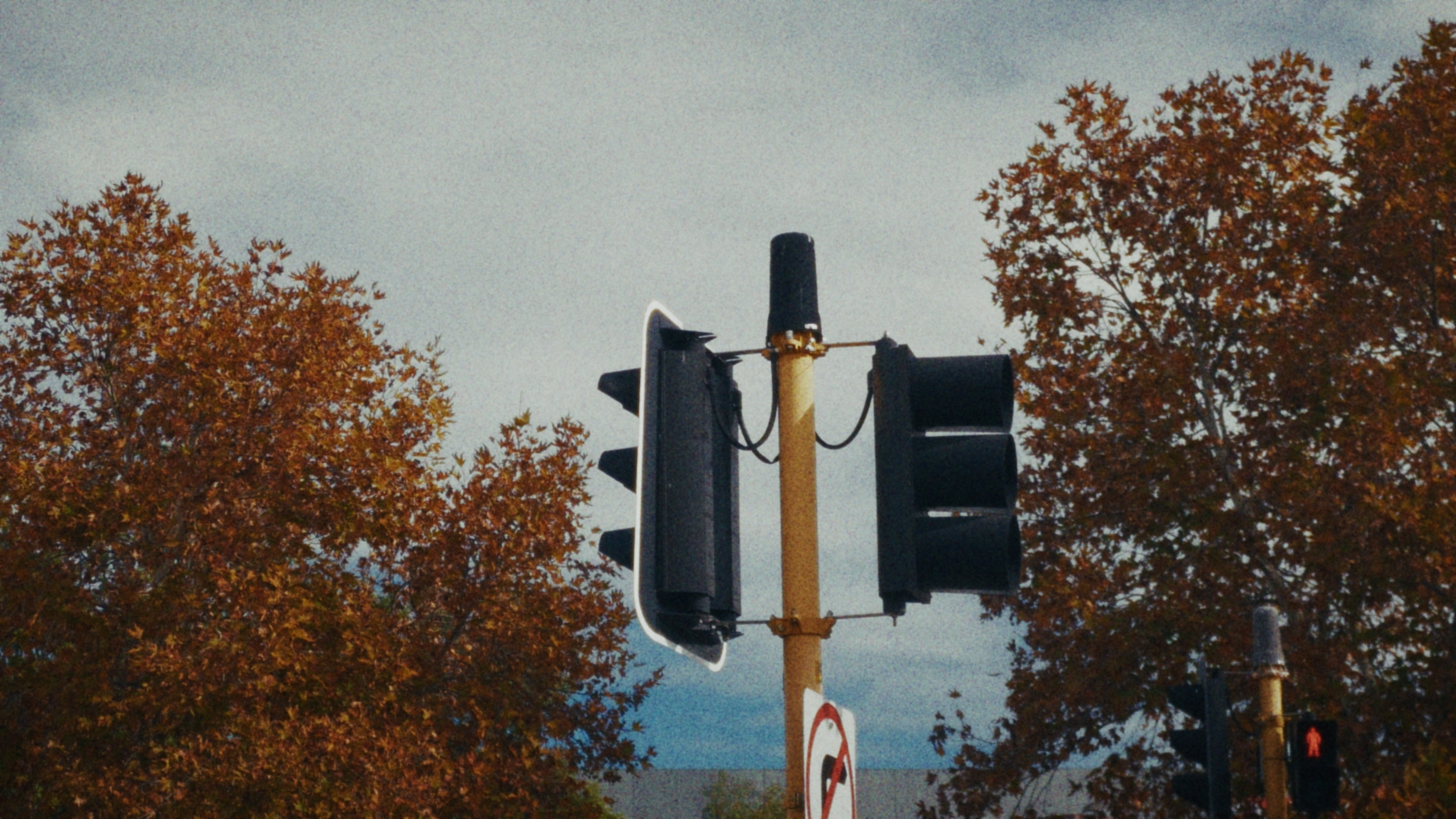
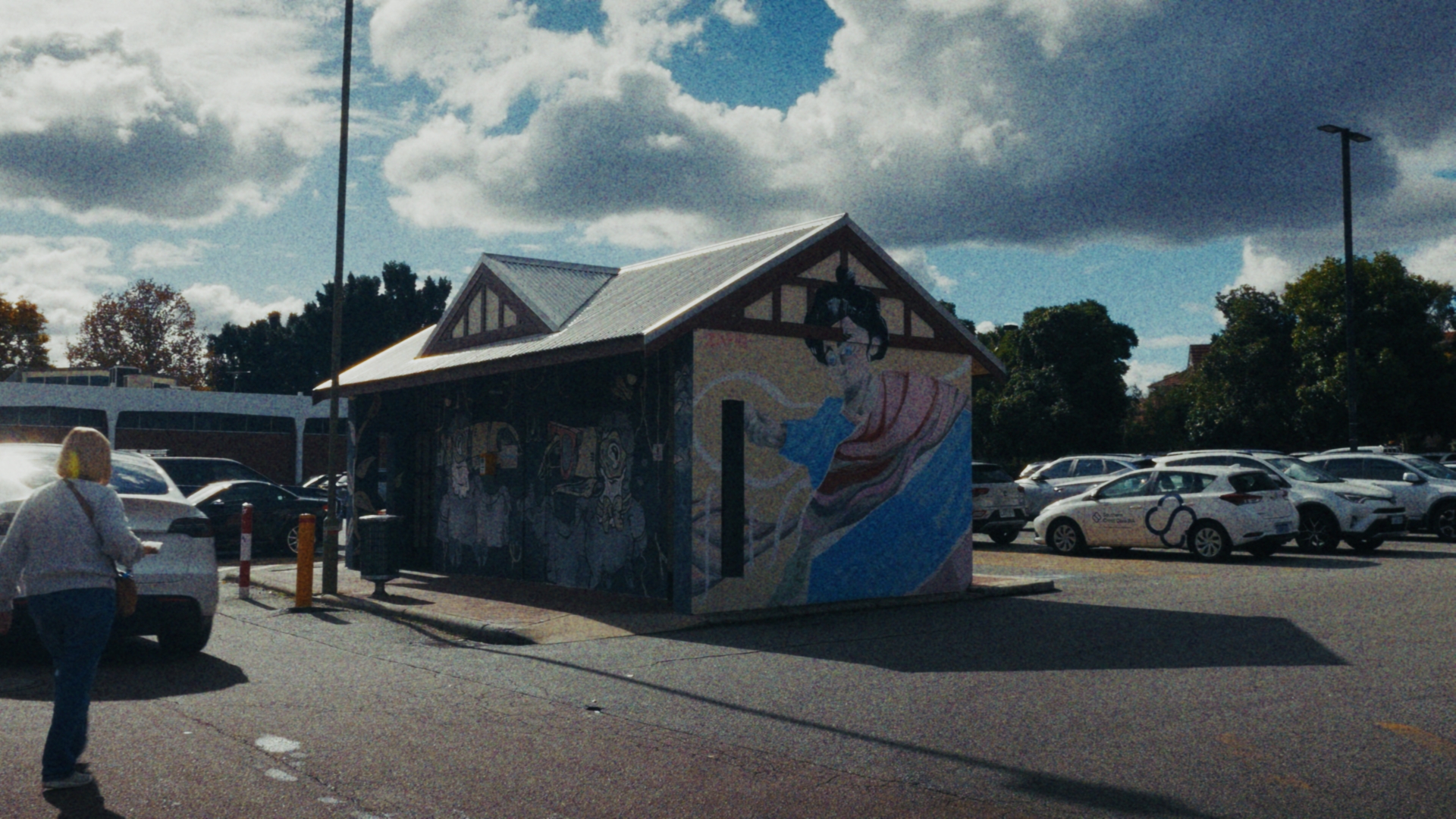
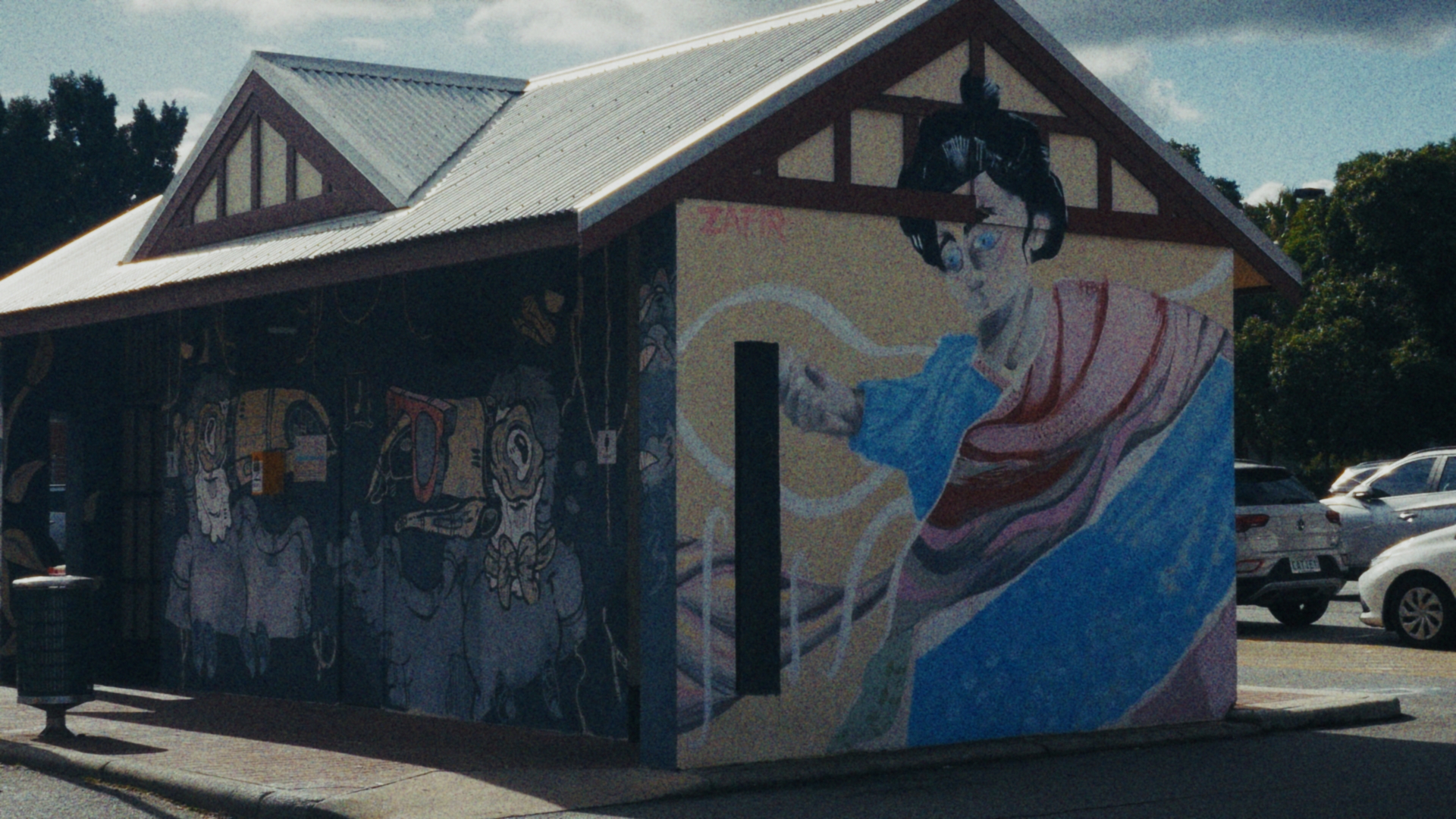
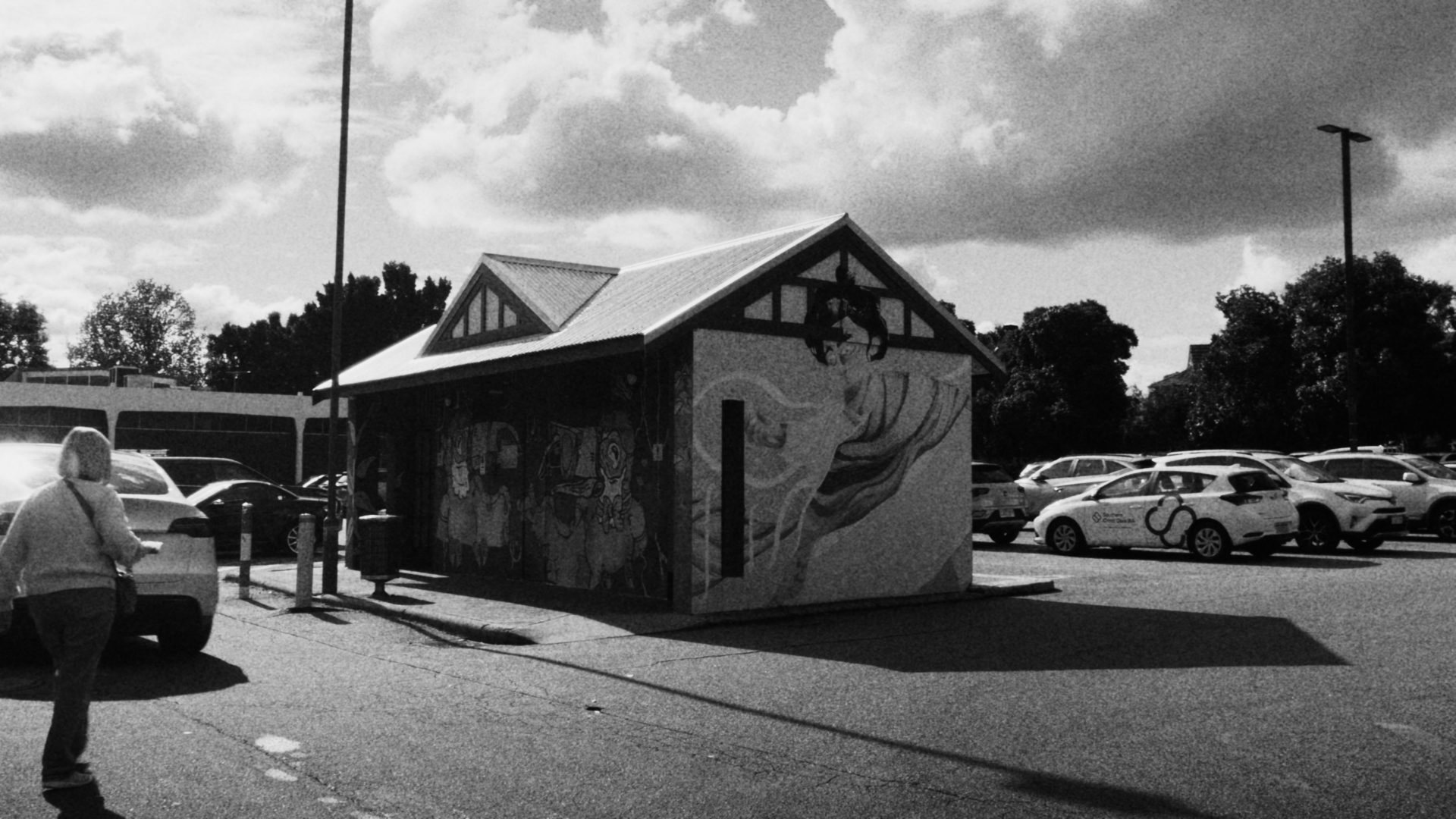
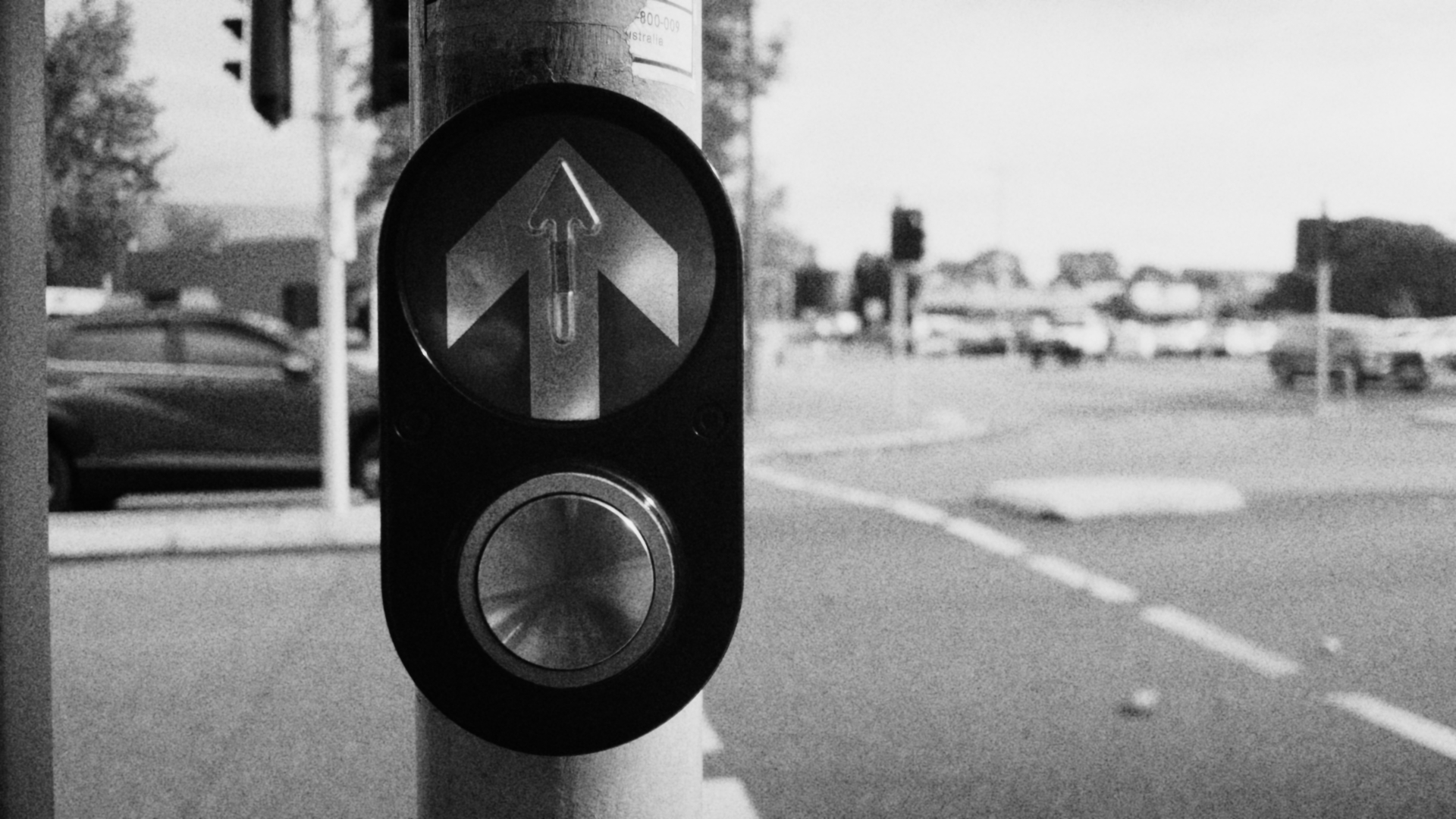
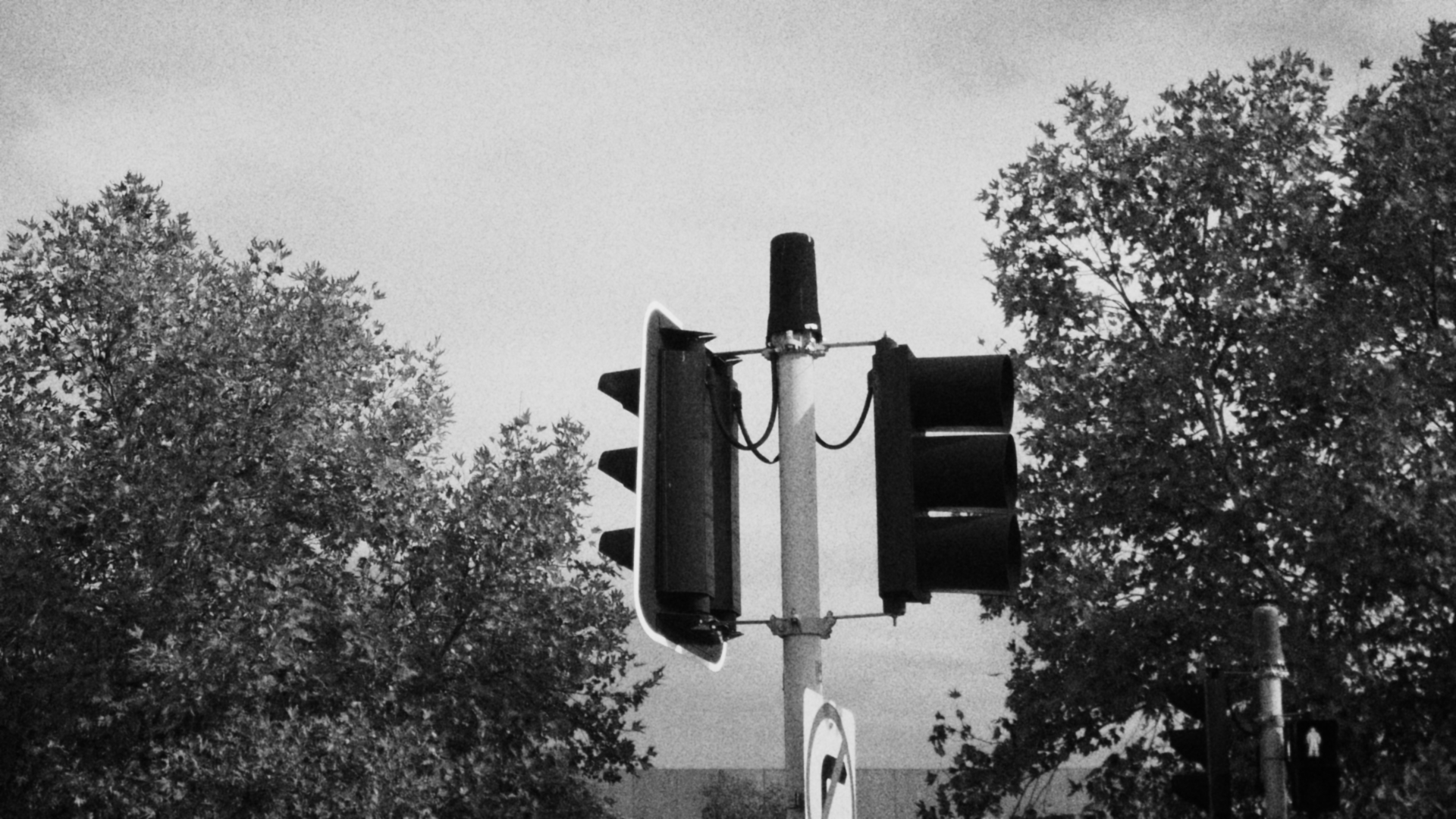
Nice stuff. I like this project. Discovering what the elements are that you like about film and training your eye to notice the tiny things that give it away that it's not film. These are all good but I like the second batch here the most. The grain is high in a still but might be okay when moving. The shot of the button on the pole is the one that to me shows that it's not film. I can see that there's more resolution there than the grain would be giving, making the grain look like an overlay. (Maybe add a tad blur to the image, or use a smaller grain effect?) I find using vintage zoom lenses meant for 16mm cameras to just naturally give that look. When you zoom in it's a lever that you move, which looks different than turning a lens ring or a motor turning a lens. How a camera's shape and weight affects your camera work is important for the look. Some Super16 cameras were shoulder mount so maybe get something that replicates that type of movement. I now have a shoulder rig for my D16 and it gives a different feel to the footage's movement than pistol grip type of shooting. I prefer it really. I don't use the pistol grip ever. (Too bad because the grip looks cool.) Another thing, which probably doesn't apply for your project, is what someone in the past would have shot and what they would have concentrated on and framed. That's another thing altogether. Are you thinking of also shooting so that it looks like it was shot in the past or is it replicating someone in the present day shooting film?
-
I cannot resist... ZR coupled to this one (Tamron 28-75mm f/2.8, the G2 for the sake of getting the best bang for the buck).: + Viltrox 24mm f/1.8 Nikkor 40mm f/2 and TTArtisan 75mm f/2 are two other no-brainers, so I can't help myself :- )
-
Very good one... priceless ; ) Yes indeed, this guy in particular has charisma as fine character too, no less :- )
-
Emanuel reacted to a post in a topic:
This guy makes any camera shine.
-
I originally read the title as “This Guy Makes Any Camera Shite” and thought my cloud account had been hacked. I enjoy watching Brandon Li’s stuff, particularly the self shooting ones. Self shooting as in shooting on your own as though someone else is shooting rather than self shooting in the vlogging context. Tripods basically.
-
 Yannick Willox reacted to a post in a topic:
LUMIX L10 - announced
Yannick Willox reacted to a post in a topic:
LUMIX L10 - announced
-
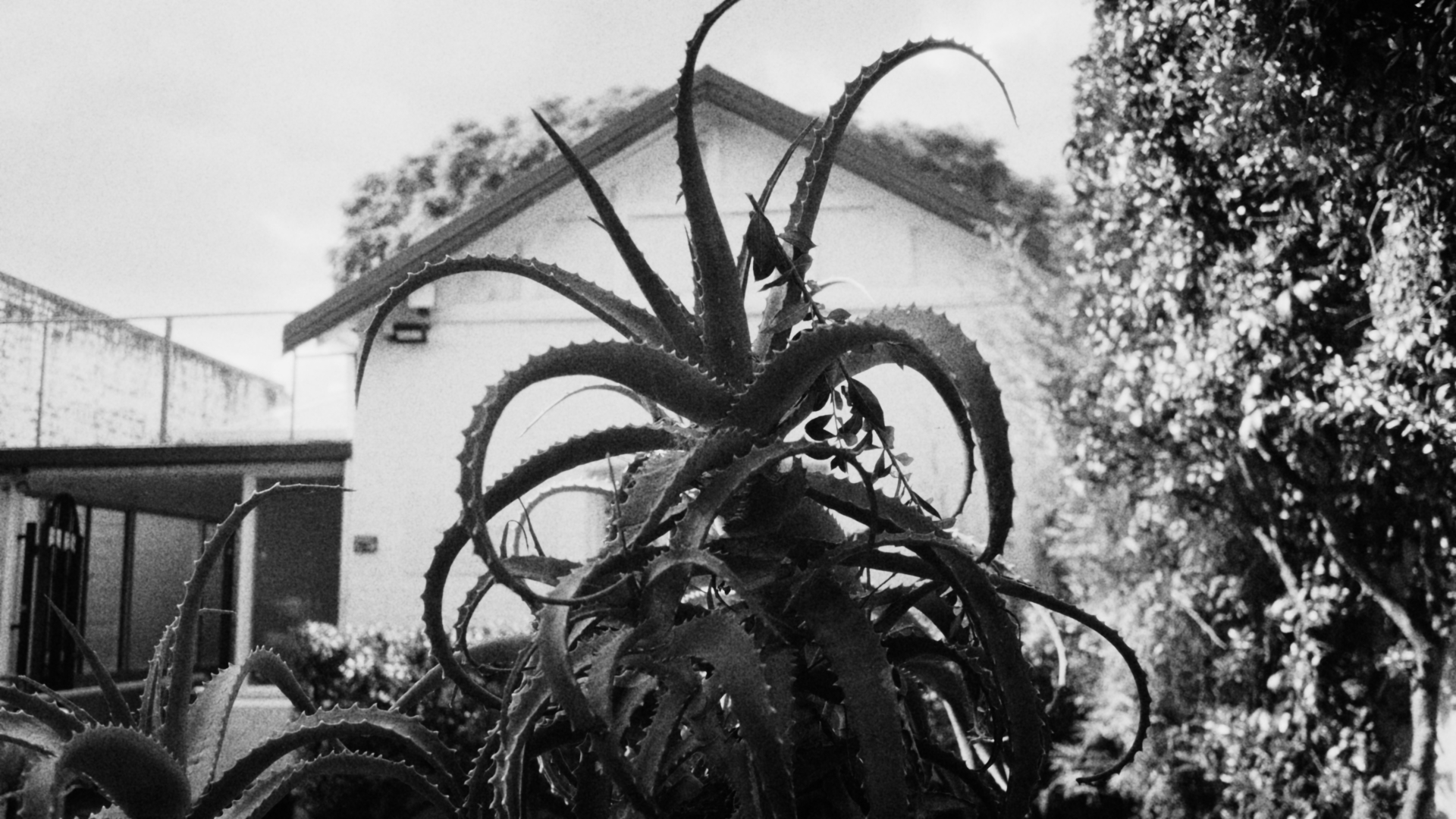
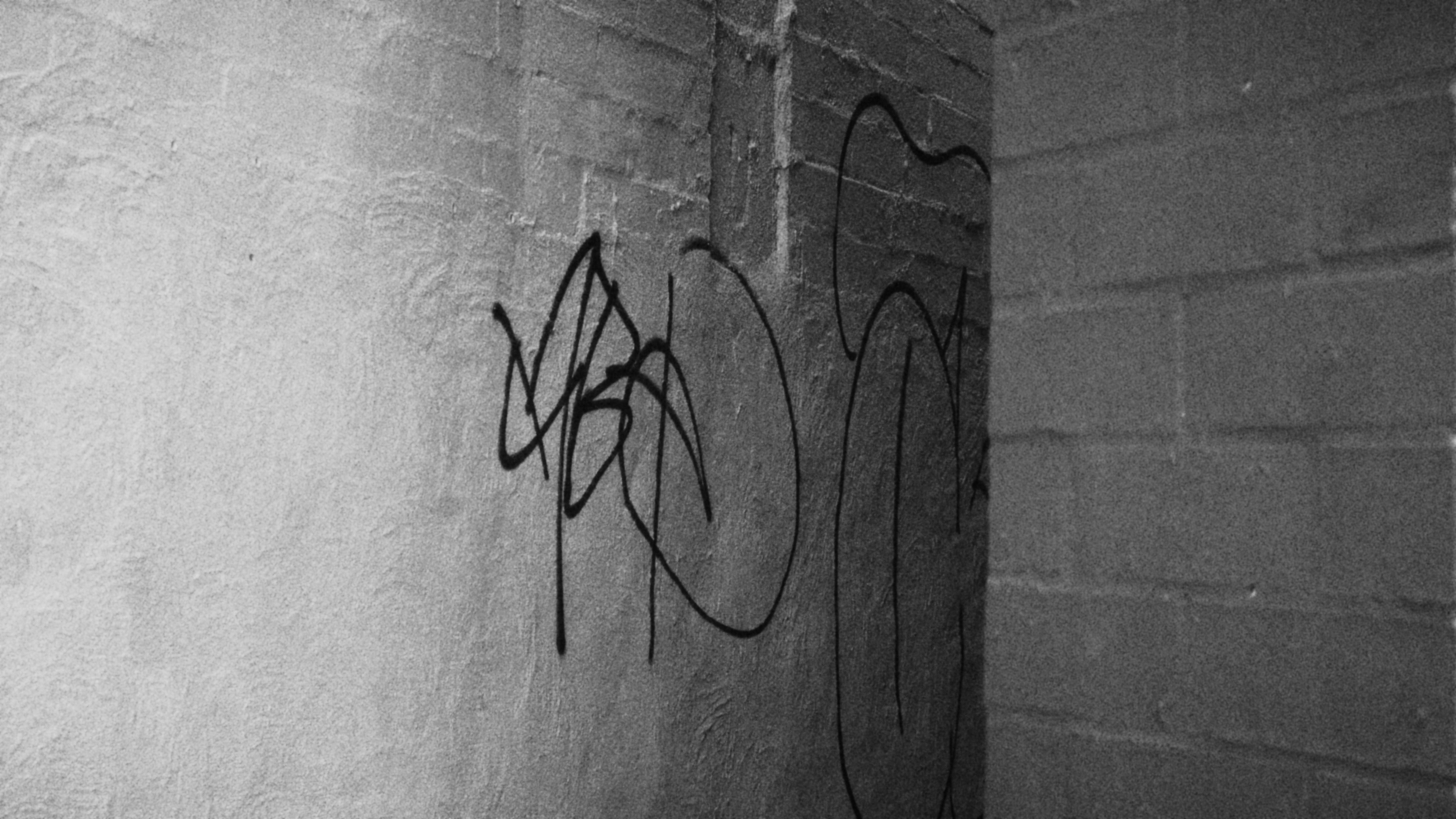
It's a good start! Are you targeting a specific film stock to emulate? It seems like you're aiming for negative film now since you're talking about wide DR. Positive film actually has a lot more limited DR, generally speaking. The color images, while nice, don't really "feel" like any film stocks that I know which seems a little more digital. The black and white images, for me, feel like something shot on a modern t-grain film (T-Max, in particular). I think that's a combination of the sharpness of the image, the contrast applied, and the very fine grain. I probably wouldn't think of it if not paying close attention, though!
-
ArashM reacted to a post in a topic:
Busy day... Canon EOS R6V, for your phone Portrait 7K RAW footage
-
eatstoomuchjam reacted to a post in a topic:
The GX85 "Super-16" project
-
mercer reacted to a post in a topic:
The GX85 "Super-16" project
-
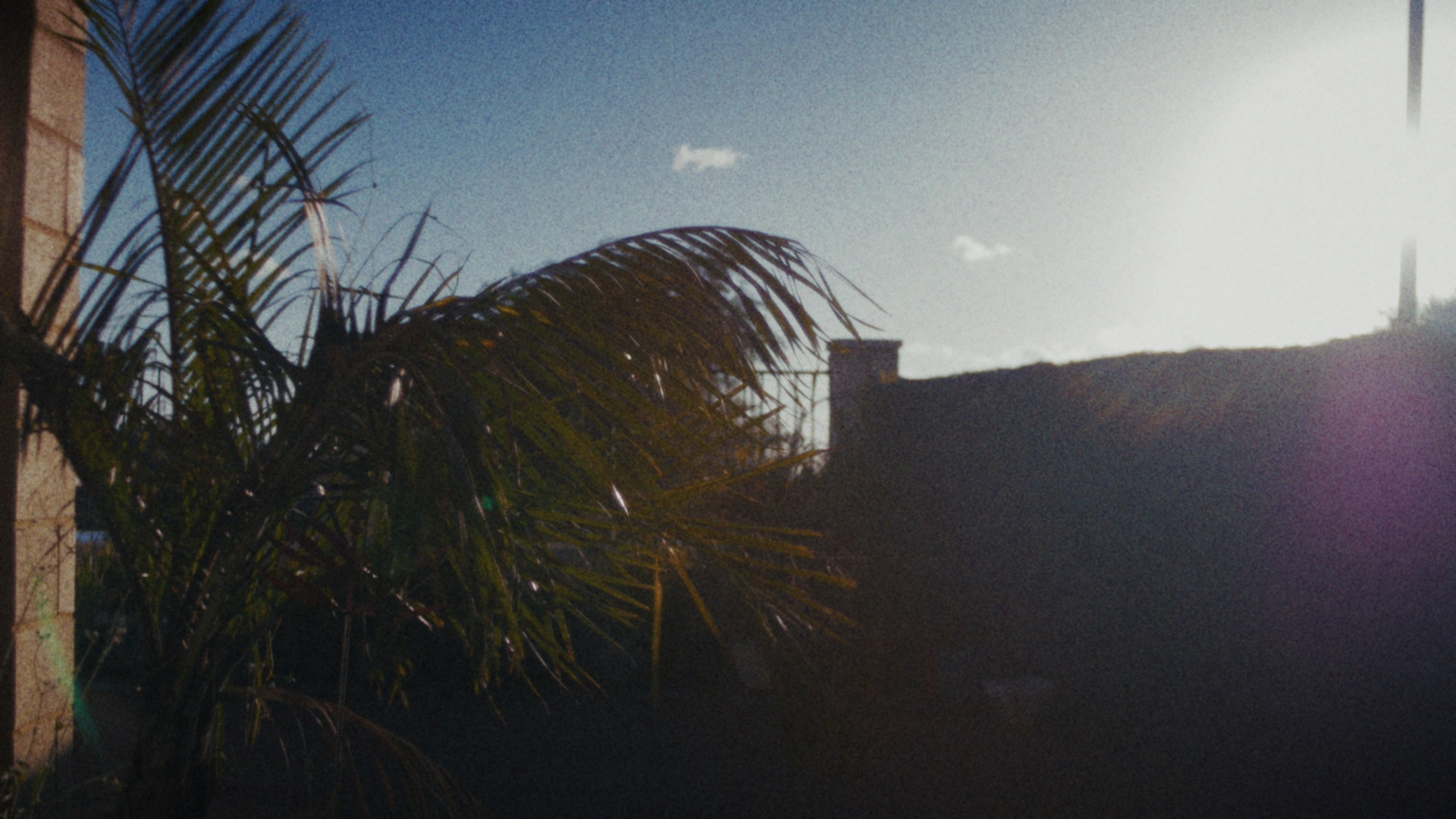
I like film and retro filmic looks, but shooting Super-16 (or even Super-8) is still an expensive PITA. After some testing of my equipment, I've realised that my GX85 has image quality equalling or surpassing a Super-16 film camera (with some categories surpassing a Super-35 film camera) so in my pursuit of a pocketable, portable, fun, simple, and fast setup that looks like film, this project is born. The criteria is to work out how to get great images from the tiny setup that are enough like film that most people would believe it if you said it was shot on film. My approach is simply to compare the two and find the biggest differences and then work on bringing them closer together, 80-20 rule and all that. The first point of comparison is already known, the crop factor is similar (2.2x vs 2.88x) so making sure I don't go too hard into shallow DOF then this should be comparable. Second consideration is camera movement, shake, and how they'll be used. S16 film cameras can be hand-held, but they've got some weight so are relatively steady in use. 8mm cameras were designed to be hand-held and are much lighter, so will move more. The GX85 is far smaller than either, but has IBIS (and OIS with some lenses) so that should make it feel larger, but I'll have to watch out for parallax, which will give away the cameras lack of heft. Third is the DR. Film has a huge DR and I wasn't sure how this would go - harsh clipping of highlights and blacks will be a dead giveaway. Without knowing anything about its rec709 profiles, I shot an exposure test where I took shots one stop apart. Film negatives have a lot of DR, but print film has far less, with stocks like Kodak 2383 only having about 5-6 stops in the linear range of their exposure (between about 10% luma and 90% luma, before the rolloffs kick in). Bringing in my test shots and matching the contrast within my standard colour pipeline (based around the Film Look Creator tool in Resolve) I realised the GX85 has enough DR to push its highlights well up into the highlight rolloff curve of the FLC, and same with the shadows, so this is fine too. DR, check! Fourth is resolution and texture. The images should be soft and noisy, but how much? After reviewing a number of sources, I realise that there are all kinds of factors, such as the speed of the negative, how it was exposed (0... or -1 and pushed in post, etc), but often the biggest factor in softness was the lenses used, and the biggest factor on the grain is the processing that the streaming service does when you upload it! In this sense, I have a lot of freedom in these aspects, but I'll have to do further tests on uploading to YT. I have seen videos that have really nice grain in 4K, so I know it can be done, but my previous tests showed the YT compression really changes things, so I'll have to do more tests. Then we're into testing with real images and just seeing what we see. My first test was some random shots in the garden, just to have a starting position. The feedback I got (including one friend who practically lives to talk about film!) was that it looked good but needed more saturation. My thoughts were that I exposed too high (I'd forgotten that the LCD is deceiving and the GX85 has a lot of shadow info) and as such the highlights in the first image were clipped in the file and still show in the graded image. After this test I happened to watch a YouTuber go through their grading process and they said they exposed by putting the image in the middle of the histogram, which made sense to me and I realised this is what I should do with the GX85. Second test was just a few images while out and about. It's the GX85 and 14mm F2.5 pancake lens. I'd previously forgotten this lens is both a 31mm and also a 62mm (with the 2x zoom) and so is much more flexible than I was remembering, so I made sure to include some 2x shots to see how useful that was with this level of image degradation. I also decided to push the images to get more of the kind of look I'm chasing. The 2x seems completely fine too, having quality far more than this level of softening will show. I also re-graded them in B&W, pushing the contrast much further. I may even want to go harder on these. Much more work to do, but I'm really liking the process so far. In these days of digital perfection, the attraction of film is in the colours and the texture. If you want the colours and not the texture, wanting to keep a much more modern level of sharpness and noise, emulating some of the properties of film is so ubiquitous that I think it's just called "colour grading". The phrase "film emulation" then is for the texture of film and deliberately wanting the imperfections and aesthetics of it. You don't have to go hard like I have with Super-16 film + Super-16 lenses levels of softening, but if you did this is easily possible too and FLC has 35mm presets which soften, but do so far more subtly than this. I'll continue to iterate on the colours and textures, but moving into moving images is probably next, with all the testing of the YT processing and compression that comes with that. But seriously, imagine telling someone in the 80s that you could fit an interchangeable lens camera capable of shooting feature-film level images in your pocket... Feedback welcome.
-

Busy day... Canon EOS R6V, for your phone Portrait 7K RAW footage
Ilkka Nissila replied to Andrew - EOSHD's topic in Cameras
I think it's inevitable that the original footage is not kept and only the edited and exported video is stored for the long term. If you want to be able to re-edit footage in the future then the intermediate storage format has to be selected to accommodate this. The 7K comes from use of a sensor that has sensible resolution for a broad variety of still photography applications and saving costs by re-using the same sensor in a bunch of cameras. A camera that is genuinely made for video and only video would likely be more expensive, and so video users have to deal with the large files if they want to shoot original files with the best quality. But one can presumably choose to shoot 4K or even 1080p and the problem is alleviated. It's a bit like with cars: top speed helps to sell them even if it can never be actually used. -
Other than the price, that really is my only criticism. Pull out tilt 100%!
-
eatstoomuchjam reacted to a post in a topic:
LUMIX L10 - announced
-
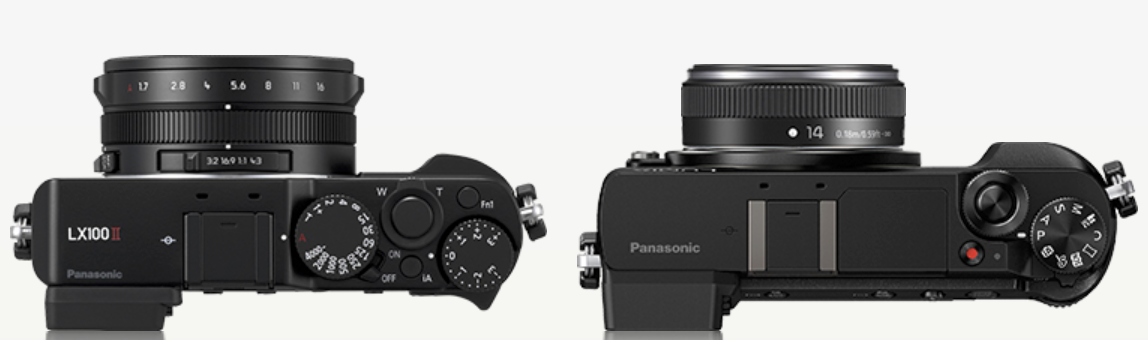
Typing that reply certainly did make me warm even more to the LX100 and L10, but considering I have the GX85 and 14mm F2.5 already (and are therefore a FREE option!) it's pretty hard to beat for a number of reasons.. The size with the 14/2.5 is similar, and it doesn't get larger when you turn it on: As I edit in 1080p and am softening the image in-post rather than sharpening it, the 14/2.5 on the GX85 can be a 31mm and a 62mm (with the 2x zoom function) which are both absolutely awesome focal lengths for shooting how I like to shoot. I can easily bring other lenses if I am shooting something worth putting some effort into shooting (ie, it's not just an EDC opportunity). I've shot an absolute ton of tests on the GX85 so I know it inside and out. Like most of us here, I both crave the simplicity of having a fixed-lens setup that would do most of what I want, but I crave the choice and freedom of the options that an interchangeable lens mount provides!
-
Emanuel reacted to a post in a topic:
This guy makes any camera shine.
-
Your right of course. I did forget to mention that some skill is involved I was being slightly facetious. I can see how its a win for oppo to send him a smartphone to "vlog" with. Less clear to me is how brandon li wins ? I guess you could call playing with a 8k smartphone a win. Theres only a link to take you to the oppo site. Am i over thinking it, if i presume theres some code in the link that tells oppo i have come from a brandon li youtube ? Ok i had a look at some of his other vids there are some affiliative links for gear and there's a camera course and gimbal course to purchase if that interests you. I guess his approach is slightly more refined / tasteful than the usual here's the links to everything i use youtube shrill.
- Last week
-

All music at soundimage.org is now free for commercial use
Eric Matyas replied to Eric Matyas's topic in Cameras
Need some custom music created special for your game or project? I'd love to help out! I've worked with around 100 game developers so far...mostly small indie game studios and solo developers. You can read about their experiences working with me here: https://soundimage.org/custom-work/ That said, my quest continues to make every single looping music track on my website available in Ogg format. This week's tracks are: "QUIRKY RUNNER" https://soundimage.org/wp-content/uploads/2026/05/Quirky-Runner_Looping.ogg "NEON RUNNER" https://soundimage.org/wp-content/uploads/2026/05/Neon-Runner_Looping.ogg You can freely download them here: https://soundimage.org/dance-techno/ So why do this? Because Ogg tracks loop a lot better in game engines. Plus they sound more rich and full than Mp3. (I deliver all client work in Ogg format.) WHAT ABOUT THE MUSIC PACKS? If you're wondering, all of the looping tracks in my music packs are already in Ogg format. These genres are: Fantasy Sci-Fi Action Funny Chiptunes Dark/Ominous Horror/Surreal Puzzle Music You can check out my packs here: https://soundimage.org/ogg-game-music-mega-pack/ https://soundimage.org/ogg-music-packs-2/ Eventually, I'd like to add genres like "techno" to the packs (once all the looping tracks in those genres are in Ogg format.) Other genres will be "Quiet," "Nature/Science," "Technology," and hopefully, "Epic/Battle." Anyhow, that's the rational behind the madness. 😉 Finally, I want to thank the kind content creators who help with the fundraising dimension of what I do. If you'd like to help out, you can contribute here: https://soundimage.org/donate/ As always, enjoy, please stay safe and keep creating! 🙂 -
Already looked a ton of reviews for this one, since is (almost) the camera I was waiting since 2014, when I got my OG LX100 - it was my first 4k camera. Still have it here, internal batery dead, but still functioning well. For years tried to get an MK II, but the used prices are insane (should drop now). This one solves a lot of problems of the LX100 I and II: - Finally it have a PDAF sensor on it, and with more resolution to boot (12mp on the OG, 17 mp in MK II, 20 mp in this one). - The sequential field EVF is gone, is a proper OLED now, the same 2,36mp panel that everyones uses. Never had the tearing issue with my LX100, past in the day it was on par of the others, but now you see the resolution difference. - Movable LCD. I would prefer a tilt screen instead of a flip, but in todays market, I undersatnd the decision. - More controls, more customization, LUT support (this is a MUST), switch for stills / video / S&Q, and now is a PASM model (In the LX100 you had to remember to set the shutter speed manually every time you wants to record a video). I was 100% sure to get one, and I saw the price. Ouch. But newer cameras are pricier each day. And after I saw some things: - The camera is much larger than the LX100 models - in fact, have almost the same size than a S9. Ok, they fitted a much larger battery, but...for m43, it could be much smaller. Battery aside, it could have the old size (even with some video lenght cap, like 30 mins - not the 15 min of the LX100)...and than I realized. - Panasonic now have the tendency to share body design between cameras (S5II and G9 II, for example). Then my prediction - this body will be shared with the S9 II, EVF and all. - About the lens - is exactly the same, but the PetaPIxel guys said that Panasonic told them that the dust problem was addressed. And the stills appear much sharper than the MK II, looks like there were som optimization. - No IBIS - Probably it would cause trouble the the "multi-aspect" of the sensor. The lens does not cover the whole sensor, and vignette would appear if the sensor moves (which does not occur with the lens OIS). Internal space for an IBIS they have for spare - the GX9 is much smaller and have a very good IBIS. They should keep the lens formula the same, just make it larger (to cover the whole sensor) but...profits. It is a very good camera, and I still want it badly. But is expensive, and for an EDC camera, for my use cases, an RX100 VII is a more versatile and smaller proposition (and costs the same new, much kess used). The X-E5 is almost a dream camera to me too, and I did not bought one, again for the price. And I shoot less and less, hard to justify it.
-
Yeah. That's why marketing is so important to the companies trying to sell 'em.
-
I'ma going to guess he's too good for that to happen unless he wants it to.
-
The secret sauce is skill. As someone that used to make my living doing travel videography decades ago, this Brandon guy has really honed the judgement it takes to get the shots. There's so much going on out there in the environment and he's able to omit it, control it, and/or shape it into something impressive. It's really quite a thing to do. He could make any camera in manufactured in the last 15 years look similar to this. In fact, he has. This guy is a cinematographer that really knows how to chase the light, compose a shot, and also create advantageous serendipity. Which might sound like a paradox, but it really isn't. But, yes, images like this sell cameras. Okay, buy the camera if you'd like and start the path to making an edit like this. You can't buy his boots-on-the-ground experience though. He's casual about it all during his "how-to" segment, but it really is the biggest factor here.
-

Sony a7r VI (Mark 6) - an a1 beater for $2000 less
mercer replied to Andrew - EOSHD's topic in Cameras
I'm still a weirdo because I just bought a Yashica ML 50mm 1.7 hoping it will give me 80% of the micro contrast Zeiss offers in their 1.7 50 for 80% less but the catch is I want to use it to shoot 1920x818 on my 5D3. So the idea of shooting 8K sounds so alien to me. Of course, I am liking the 5.7K on my GH6... go figure. -

Sony a7r VI (Mark 6) - an a1 beater for $2000 less
eatstoomuchjam replied to Andrew - EOSHD's topic in Cameras
This sort of question comes up often in a photo context on GFX forums and the most correct/accepted answer to it is "it doesn't matter." And any discussion of that sort of thing is going to quickly devolve into arguments about how bayer sensors work (hint: 4K from a bayer sensor isn't 4K of actual information and is actually closer to 1.5K-3.5K, depending on who you ask). But the short answer is "that depends on the lens, but some do for sure, some do near the center and not at the edges, and some definitely do not." -
Sounds like you should be on the lookout for a used LX100?
-
Sony a7r VI (Mark 6) - an a1 beater for $2000 less
mercer replied to Andrew - EOSHD's topic in Cameras
Do vintage lenses even resolve enough for 8K? -
Without mention I guess everyone is missing the overheating stuff... : X Hard to beat Apple's external thing. I think there are other Androids out there doing the same, no?