All Activity
- Past hour
-
I currently own an E-M1 iii and OM-1 (mk1). I'd just get a used OM-1 and the 12-40mm F2.8. It's just a great combo for handheld video. If you want even better stabilization, use the 12-100mm F4 instead as that supports Sync-IS (Oly/OM equivalent of Dual-IS), but it has the downside of extra size and weight. Having recently acquired a Pana S9 I still think Oly/OM has the best stabilization - it's almost uncannily good sometimes - but the S9 runs it pretty close most of the time. Main difference for me is that the S9 needs more decisions about which stabilization modes to use in a particular situation, whereas with the OM-1 + 12-40mm I usually enable sensor + e-stabilization (M-IS 1) to minimise corner-warping and set the stabilization level to +1 and let it work out the rest for itself. With the 12-100mm the Sync-IS means sensor-shift only stabilization (M-IS 2) is much more usable at the wide end and stabilization level 0 is usually enough (which is more flowing/less sticky).
-
 Ninpo33 reacted to a post in a topic:
2025 camera rankings new vs used
Ninpo33 reacted to a post in a topic:
2025 camera rankings new vs used
-
Ninpo33 reacted to a post in a topic:
2025 camera rankings new vs used
-
John Matthews reacted to a post in a topic:
2025 camera rankings new vs used
- Today
-

Do We Really Only Need Three Cameras? (In Theory)
Andrew - EOSHD replied to lalan45's topic in Cameras
Having owned (and sold) a lot of the high-end stuff I have given up a bit on the idea of an 'end-game' camera, because limitations breed creativity and part of the enjoyment of camera tech is experiencing 'camera culture', all the rich tapestry of ways to get an image and how different tools inspire different shooting styles, altering the creative vision. So when you lock yourself into 1, or even 3 capable models, you always yearn for something more weird. Well, I do anyway. Everyone should have an old beater camera for instance where carrying flashy experience gear makes you nervous. I always feel tense with an expensive camera, if an accident happens, or it gets nicked, it'd be a fucking disaster. Everyone should try an old CCD model, they do have a different look. I recommend original Canon 1D with Panasonic APS-H CCD, Minolta 5D or a Canon Powershot G10. And the reason you can't stick to just one format is there's so many nice and unique lenses for other sensor sizes. Actually that's where a Sigma Fp-L comes in handy with the crop modes and Cinema DNG 4K even at 2x crop for the Super 16mm look and C-mount lenses. I'm still in favour of small sensor options, like a Panasonic G9 II or Olympus OM-1... Full frame look is not always what you want. -
I think that shows that Lumix has several bargains on the second hand market and you can pick and choose according to your needs.
-
ac6000cw reacted to a post in a topic:
2025 camera rankings new vs used
-
ac6000cw reacted to a post in a topic:
Do We Really Only Need Three Cameras? (In Theory)
-
John Matthews reacted to a post in a topic:
2025 camera rankings new vs used
-
This logic rings true for so many cases. "With just a little bit more you get" will make you end up at 2k. In this case (S5 vs.S9), I think some people would pay more for the S5 over the S9 (and it's PDAF) to not have the limitations of continuous lighting only and no indoor shots at high SS of 1/100 (no banding in PAL regions)... never mind the weather-sealing, mic port, better IQ (in 4k, especially with RAW) and EVF. Doing it all again and a lower budget, I'd probably get the S5D + 18-40 for 799 euros (new with 5-year waranty). After, I'd get some awesome Konica lenses.
-
John Matthews reacted to a post in a topic:
2025 camera rankings new vs used
-
Thpriest reacted to a post in a topic:
2025 camera rankings new vs used
-
MrSMW reacted to a post in a topic:
2025 camera rankings new vs used
-
In my latest review of my gear, I started taking note of things I want to use but haven't found a use for. Certain things have an X-factor and in creative endeavours it's useful to listen to that voice. Equipment can be inspirational sometimes.
-
I suspect that most people will have different "categories" depending on what they're doing, but I absolutely like the thinking behind this. The more we can make sense of what we do and how we do it, the more clarity we can get and the faster we can get a kit that works and then focus on using it. As I only shoot personal projects, I don't need a work camera, so my main category is my run-n-gun travel camera, the GH7, which is used exclusively hand-held. For daytime use it's the GH7 with 14-140mm zoom, which has incredible stabilisation, and the zoom lens means I can capture almost anything I can see. It also has an integrated fan, great image quality, strong codecs, etc. For night use I can use the GH7 with 12-35mm F2.8 and get great neutral images. For funky night cinema I can pair it with fast primes like the Voigtlander 17.5mm F0.95 or Speedbooster with Takumar 50mm F1.4. The second camera is (of course) my phone, which I recently upgraded to the iPhone 17 Pro from the 12 Mini. The combination of Apple Log, internal Prores HQ, and the 0.5x / 1x / 2x / 4x / 8x cameras makes it incredible for travel. I'm waiting for a good vND solution to come out. Apart from the low-light, it's basically an all-in-one solution now. Some time ago smartphones replaced my waterproof camera category which was previously GoPro / Sony X3000 action cameras. I used to have a fourth "category" which was a backup camera and used for time-lapses, but now the iPhone is good enough in the unlikely event of something happening to the GH7 and I don't really shoot time-lapses anymore so I don't really need one, but I still have an "itch" for something else. Random thoughts: It could be something very retro, like something with poor video quality that was nostalgic in some way, and graded to look either digital or analog electronic or film My OG BMPCC and BMMCC and GF3 all come to mind for this. It could be something very stylised / attitude like being super fisheye or 360 or something It could be something very niche in how you'd use it, like it could be mounted on something for a unique perspective, or could be on a pole for strange perspectives.. or even something like an action camera that you wear on your wrist and take a 10s clip every 15 minutes, or pocketable camera that you record a clip with every so often. The whole point would be a tool that would make me use it differently to how I normally use / think about shooting, and therefore be a fun and creative addition.
-
Time to open a new business in Port Huron.
-
kye reacted to a post in a topic:
Do We Really Only Need Three Cameras? (In Theory)
-
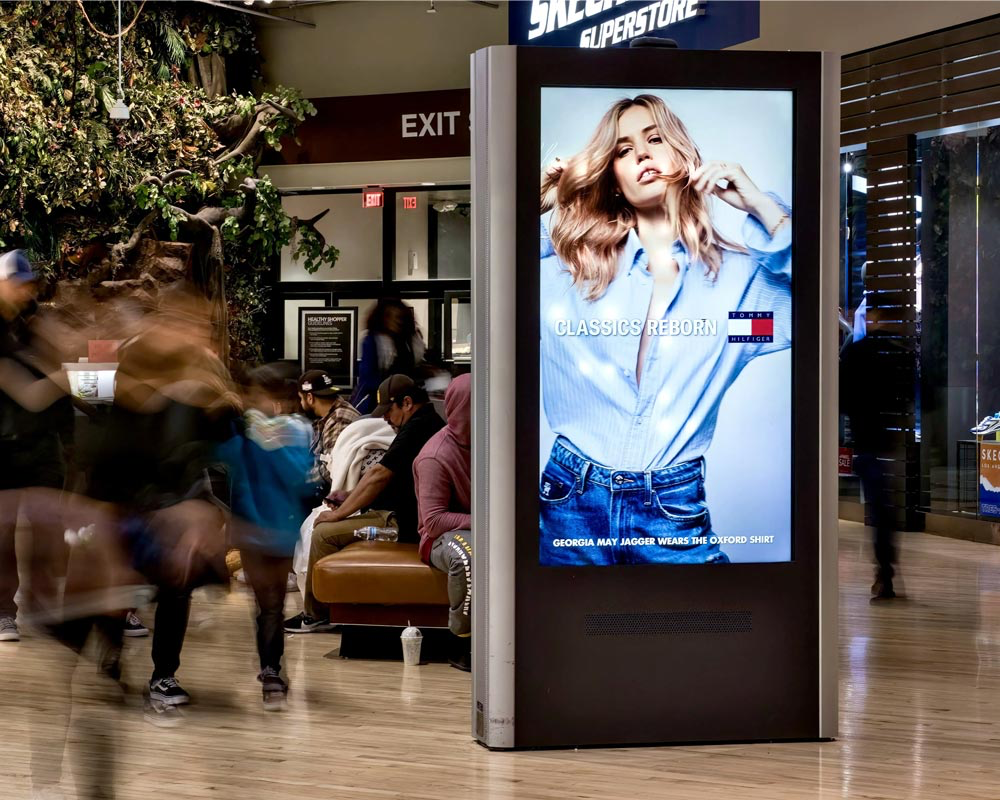
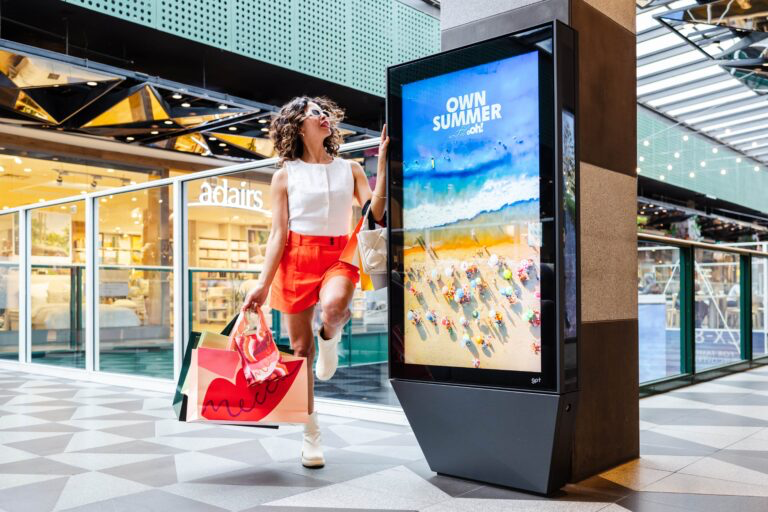
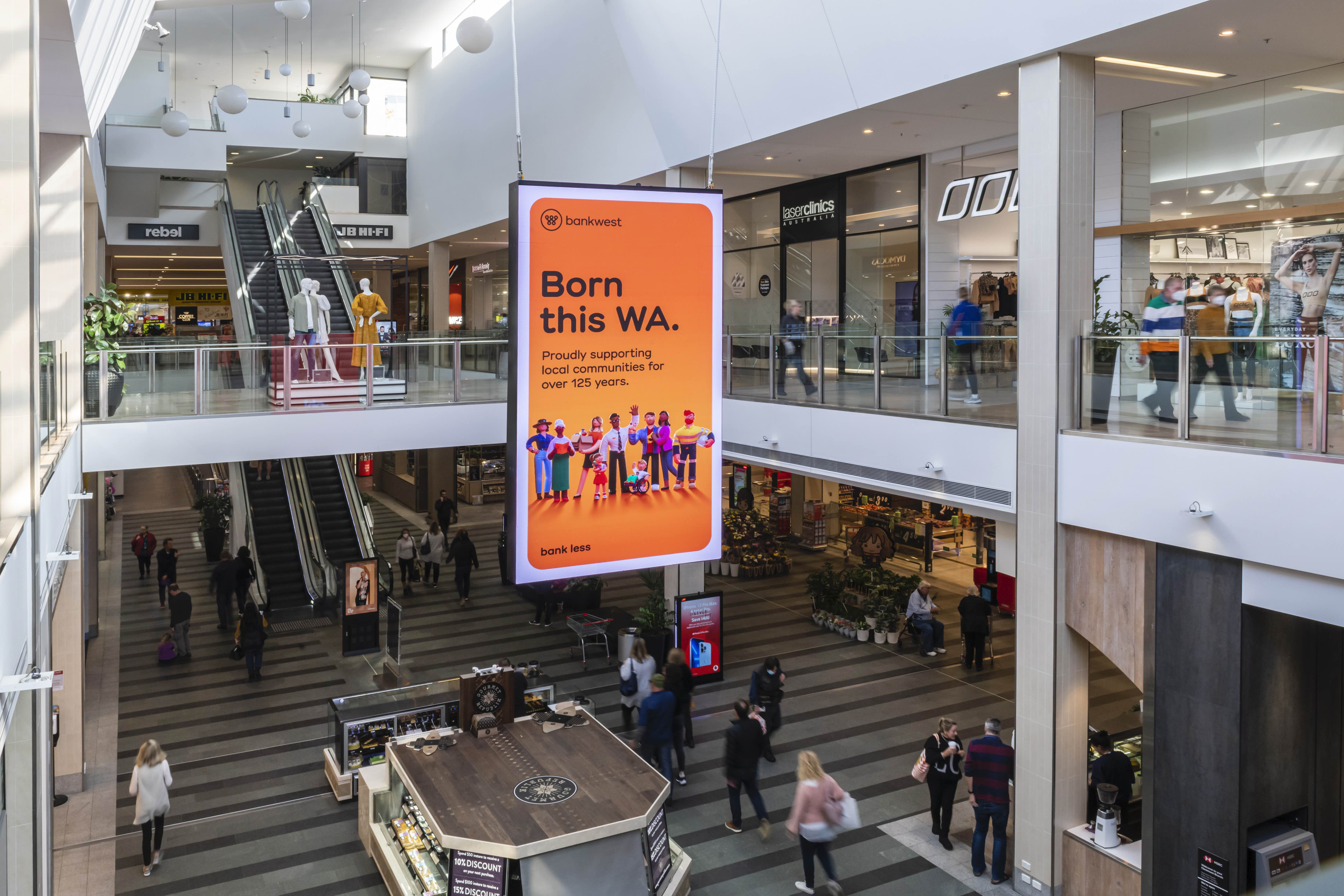
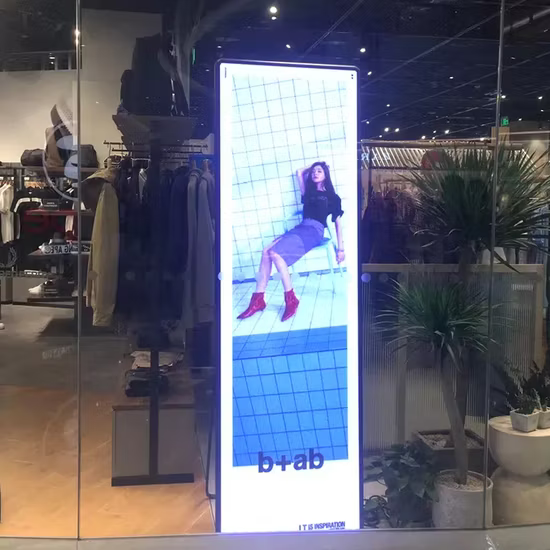
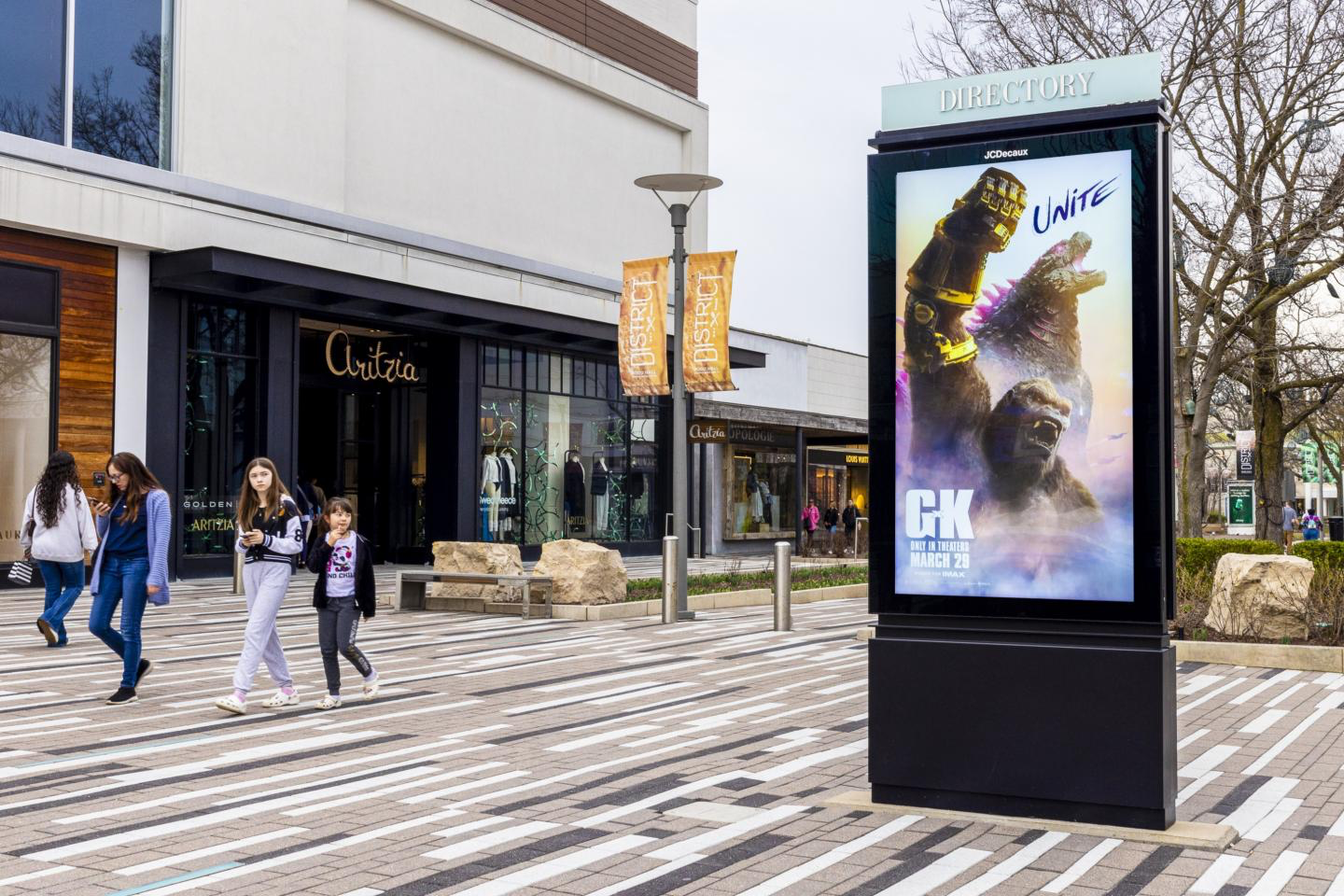
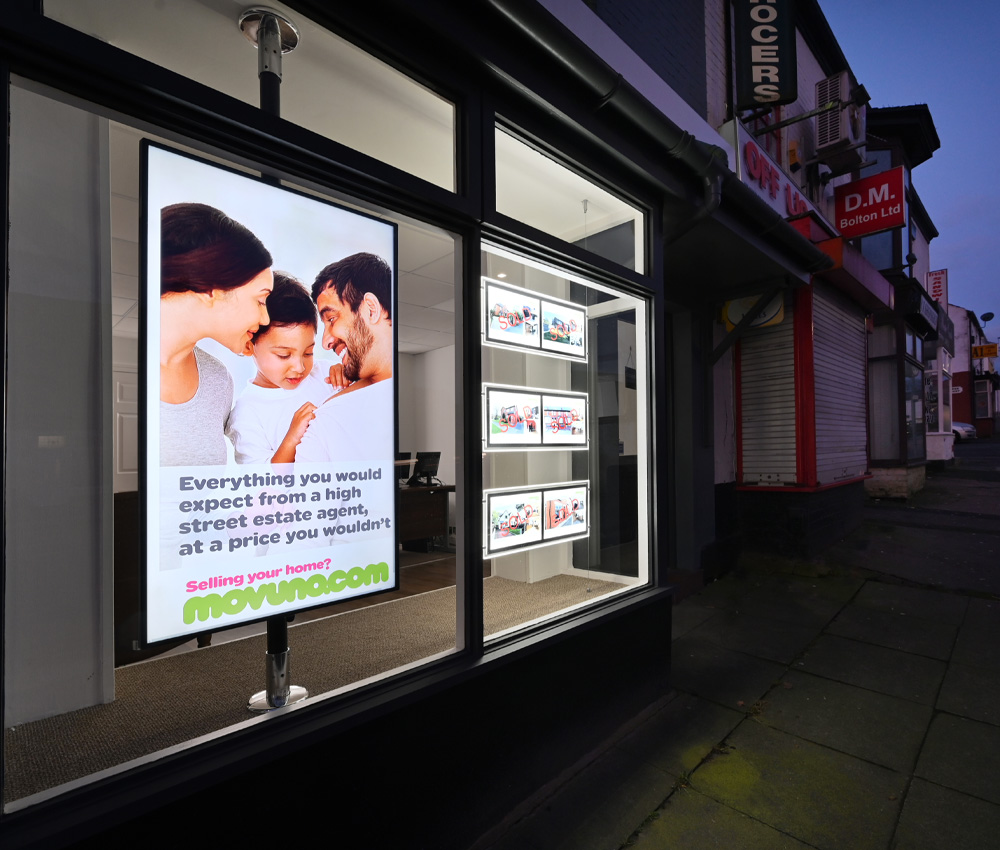
They're everywhere, and are often just normal TVs rotated 90 degrees In shopping malls Some are pretty big Some are pretty tall too, presumably for narrower spaces Outdoors Bus stops In shop windows etc.

-
I meant to mention that the cell phone was attached to the camera cage's coldshoe. Open gate is great for creating shorts in post, but for quicker turn around putting a cell phone on your camera and shooting clips that can be quickly posted is a great option.
-
I live very close to the border... just sayin'.
- Yesterday
-
I don't quite see it that way; if social medial platforms are viewed on a computer, the browser takes up all the display area available and fits the content using the whole window, this can be vertical or horizontal or square for that matter. Basically only when the social media is viewed on a mobile device do some apps and websites default to vertical viewing, but that's a limitation of the device basically, and the typical way people default to using it. Originally instagram photos were square, not vertical or horizontal. Some social media platforms assume that a video is shot vertically on a mobile phone, and for a time it wasn't even possible to shoot in horizontal oritentation and have the social media site or app display it correctly; it would always force it to the vertical format. This, however, is incompatible with the way most news media sites present videos, which are horizontal only, mimicking TV. When these news media sites then displayed social media videos or cell phone videos, they would not be able to technically display the video as a vertical, instead they generated blurred sides to the video to turn the vertical video into horizontal. This is all a bunch of nonsense really. Vertical videos make it difficult to show the context and environment in which something is happening. This is why cinema and TV are in landscape orientation: it's better for displaying the content. Photos have been always shot both vertically and horizontally (probably most still horizontally, for the same reason as video), as the continuity can be broken in stills and one can simply flip the camera quickly to vertical and shoot some (portrait) shots that way and return to the landscape orientation to show context; in video, one can not do such flipping without causing problems to the viewer. Books and magazines naturally lend to images in portrait orientation or in some cases, square; for displaying a landscape image in large size one would need to use a double page spread, which of course is commonly done, but it does create some issues if an important part of the image is in the mid section. What's more the verticals in (still) photography were traditionally not anything remotely like 9:16 but 4:5, 3:4, and 2:3. I think seriously social media apps and sites should consider making the vertical format something like 4:5 rather than 9:16 as the latter is just not very good. It's too narrow. Device fitting inside a pocket in an extreme limitation. Clearly, if the main reason vertical videos are requested by advertising clients is people looking at their mobile phones in tube or bus, or wherever, the quality loss from cropping from 16:9 is hardly going to be visible on those tiny displays. Sure, the angle of view is narrrower but it's always going to look awkward having such an extreme aspect ratio in a vertical image. Interesting to hear that there are now high-resolution displays which show video content in public. I can't remember for sure seeing such things myself, though it's possible that I have seen it but didn't pay attention to it. I would be very surprised if those displays are as elongated as 9:16 though. It just doesn't make any visual sense to use such an extreme aspect ratio for vertical content when there is a choice to stick to 4:5 or 2:3. And when those much more suitable aspect ratios are used for the vertical content, the cropping from landscape 16:9 is less extreme and easier to manage.
-
double post sorry!
-
When using 16:9 to create vertical videos, the loss of resolution is less of the issue (at least for me) and more the POV, especially as it pertains to action. You lose so much information cropping a 16:9 video into a 9:16 timeline. Open gate allows you to crop off less from the left and right, giving you more perspective. Here is an example, though it's not exactly a perfect one, since one shot is made from a cropped 16:9 frame and the other is from a cell phone that was filming in 9:16, since we were doing quick on site turnaround working with the college that hired us' social media team, but you'd get the same effect using open gate like we usually do. (Sorry this was just the easiest/most recent example I could make.) This is made from a 16:9 frame. Notice how the celebrating wrestler takes up the entire frame, so you can't see many of the attendees? Here is a shot straight from the vertical video. You'd get the same view if you were cropping an open gate image. The second image is preferable, especially when it comes to marketing ourselves to other colleges who might be interested in hiring us, as they can better see the reaction everything is getting from the students in attendance. Plus, it just offers a broader image that better illustrates the vibe and excitement of the audience.
-
Something interesting I’ve found, my most common deliverables are actually 2:35:1 and 9:16. If you want to deliver both horizontal and vertical and frame for 2:35:1, you end up with some solid headroom for vertical stuff. Decent alternative to open gate IF you are making 2:35:1 content. I get that 2:35:1 is def a personal preference and there’s a lot of work that has to be 16:9, but I’ve found that can work well. I get it though. Open gate is useful.
-
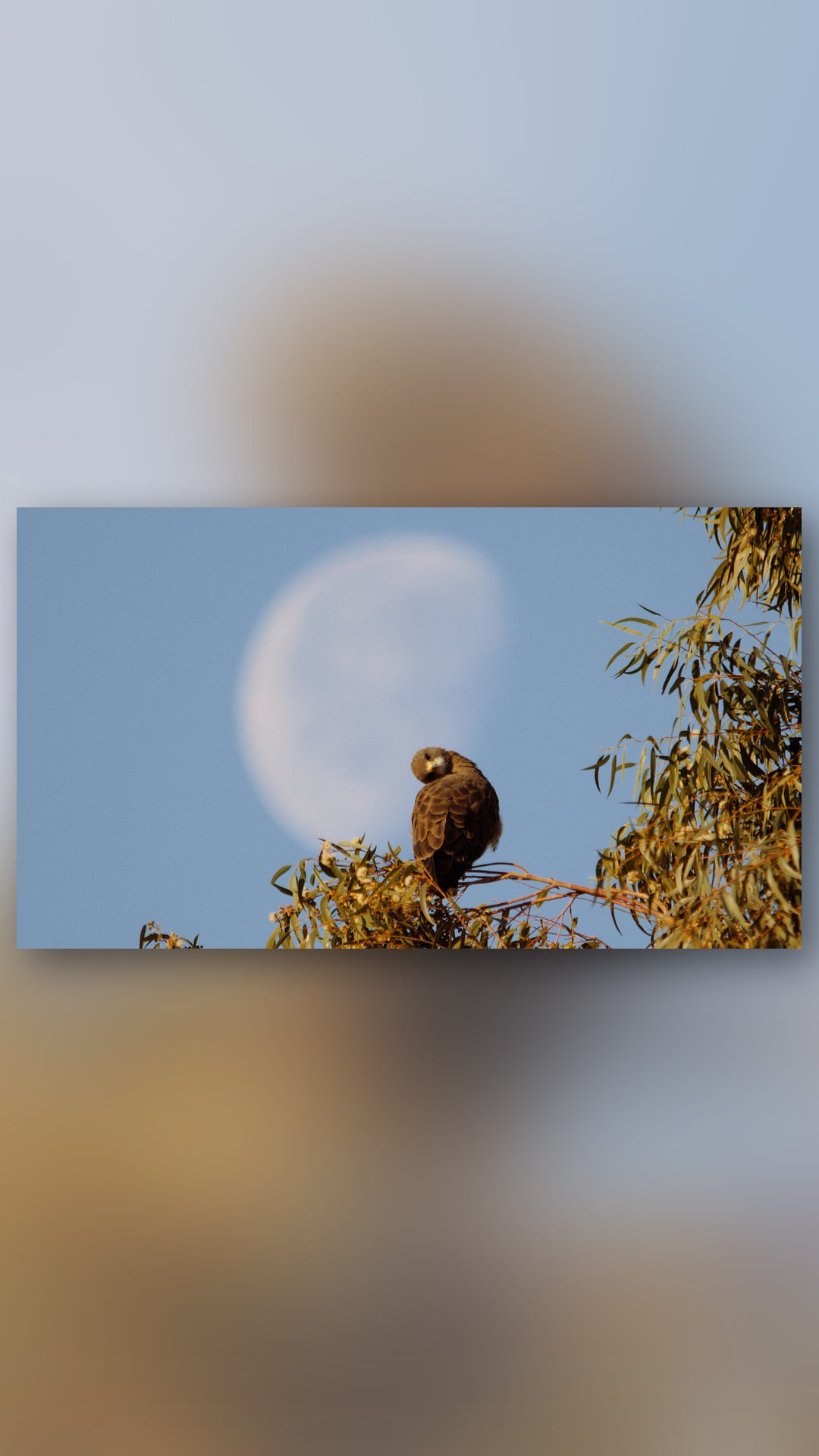
Dang. It even affects wildlife!
-
I’ve been thinking about camera needs lately, and I feel like, at the most basic level, everything can be broken down into three main cameras. First is the do-it-all, high-spec work camera. This is the one you use when clients ask for serious specs like 4K/120p or even 8K, or when you just want the best possible image quality. Cameras like the EOS R5 II, Nikon Z8, Sony a1, or Panasonic S1R II fit here. They’re expensive, but they can handle almost anything. Second is what I’d call an “art camera.” This is for personal use, travel, street photography, and just having fun. Ergonomics, size, and character matter more here, but it still needs to shoot good 4K video and work well in low light. Think Fuji X-Pro3, X100 VI, Sigma fp or fp-L, or even the Sony RX1R if video isn’t important. These are the cameras you actually want to carry around. Third is the high-end smartphone camera. Like it or not, this one is essential now and fills a lot of gaps. Of course, three cameras don’t really cover everything for professional work, and budget changes things a lot. You can get very capable work cameras for well under $3k, like the Fuji X-H2S. And if I added a fourth “serious” category, it would be medium format, like the Fuji GFX line or Hasselblad. But in reality… things get out of control fast. I somehow end up with way more “categories,” like high-spec all-rounders, art cameras, retro digicams, CCD cameras, Foveon cameras, IR-modded cameras, impulse buys, cameras I bought twice, cameras bought to flip, broken cameras I’m fixing, run-and-gun small sensor bodies, weird stuff like Mavicas with CD drives, and compact CCD cameras with flash for that Polaroid look. I’m sure I’m forgetting a few. What camera “category” am I missing?
-
It looks like even the eagle is wondering why you aren't holding the camera vertically.
-
 saharavibes059 joined the community
 -
I think the goal is to record once and have a frame that can be cropped to work with both landscape and portrait edits.
-
Well, I figured if the viewers online are so non-discriminating and it just needs to be vert-vid to be a reel on our group's page, I'll just do it like this and call it good. I'm lazy, I guess. Also, we ain't trying to maximize views, so no real PR stakes involved here.
-
It's a bit of a vanilla option when you can get a used S1 for same price which is same spec but a much more premium body, or pay a bit more and get an S9 with PDAF
-
You can crop whatever but it's much more difficult to shoot & frame vertical video 16:9 than in open gate. And nobody seems to want to turn the camera 90 degrees
-
The iPhone 17 Pro selfie camera has a square sensor, and when using the default camera app there's a button that swaps between it recording a 9:16 video and a 16:9 video. I don't know if you'd rate it as a "real" camera or not though!
-
I referenced a video previously from Cam Mackey, which explains it (with real examples and a bit of drama too of course). Based on the video and also from some chats I've had with a friend who runs his own studio specialising in commercial work, the main points are: If you're shooting on location for a brand, there are often lots of things in the background you want to blur out (other brand logos, construction, etc) and backing up or going to a wider lens means the background comes more into focus, which means you need a wider or faster lens to get the same background defocus, potentially meaning you have to sacrifice optical quality (which commercial clients don't like), hire/buy expensive lenses, and potentially have to deal with much heavier setups (bad if you're using them on a gimbal/rails/etc) Vertical deliverables will often need extra vertical space for logos and text to be added, so for commercial clients you need to deliver more height than you normally would include for horizontal video so the images aren't used in the same way In physical shops, you'll often see TVs mounted vertically showing ads, and you can walk right up to them, so if you're cropping into a 16:9 and then that client is viewing the end result on a vertically mounted 4K TV that is almost as tall as an adult, you want your images to have as much resolution / sharpness as you can get because the last thing you want is your client saying "why are our ads all fuzzy compared to our competitors? how much did we spend on this campaign?" You often don't have space to back up, especially considering that lots of corporate and brand content will be shot on location, and corporate especially is often shot in tiny conference rooms etc where you want as much space as possible to pull the subject away from the background for some separation (blur) and also to make lighting easier so there's less spill on the background 90% of clients are expecting both horizontal and vertical deliverables. The divide in this debate is between people shooting for themselves who don't deliver vertically, and people shooting for brands who have to. It's easy to think the only people shooting vertically are influencers but for professionals it's the brands driving the demand (or really it's the people sitting on the train holding their phones vertically and scrolling). If you do back up, your horizontal FOV is now going to include more at the very left/right edges of frame, so either you have to crop the landscape deliverables or you need to make sure the extra FOV is visually suitable for including in the frame.
-
Honest question, Do you really think people would notice if you center cropped your 4k or higher 16x9 videos to vertical for social media? Like the loss of resolution is that bad when viewed on instagram or facebook after compression? It can help a bit for framing in my experience but it feels like companies are marketing the social media angle as an easy feature that’s already built in and people are drinking the kool aid. My argument for open gate is really the benefits for anamorphic shooting. Cropping for instagram from a 4k 16x9 file has always been fine for me.
-
I'm a little surprised that the S5 or S5D didn't make a mention. Pick it up for about 550 euros new and get one of those nice Konica lenses- you're ready to go for under 600. Get BlackMagic recorder and you'll even get B-RAW.