All Activity
- Past hour
-
I was going to comment on the gate weave. For me, it's a little much. If you told me it was shot on 70's-era 16mm, I probably wouldn't second guess you after watching it. I think that in some shots, the blur/lack of detail might go a little too far - like the shot of all the trees with orange leaves seems a little too blurry to me and looks a little closer to super 8 than to 16mm. Otherwise, great job!
- Today
-
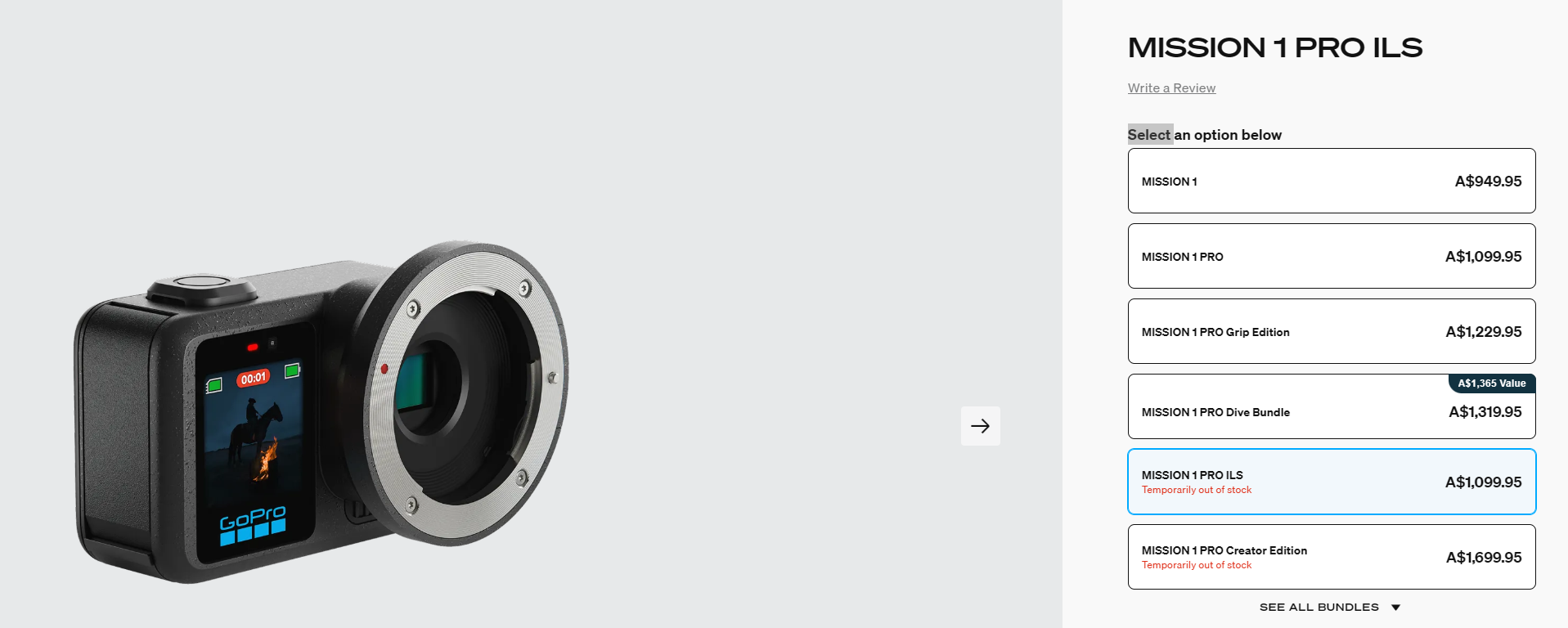
Thats probably good thinking 🙂 when i did a quick google check on the mission 1 and variants the older model from the major store outlets are selling for less than $500 trying to clear old stock no doubt. Which makes me think what price could they actually sell a camera for ? I did look into the backbone at the time, however the crop put me off as i remember it being like a 5 times crop ( i could be wrong about that) rather than the 2.7 crop from the mission1 compared to a crop of 2x from a normal mft mount. My oly 12mm would become like 32mm, my 24mm sirui would become almost 65mm which is certainly something to think about. The 17mm takumar i play with a bit would become 50mm. Not sure how to get a wide angle look on a mission 1 and a mft mount ? So far i think i have to find a lens around 6mm - not more than 9mm. Haven't seen any footage yet, but i suspect a speed booster should work either 0.64 or 0.70 to get you back close to a 2x crop or is my thinking flawed as i'm curious about that ? Of course this is all still theoretical as the mission1 ils is not yet available. What limitations are you expecting with a 1 inch sensor and passive mount, the lack of auto focus ?
-
It's not just the ILS model that is $700 - it's the Mission 1 Pro as well. Currently the Hero 13 normally sells for about $430 and they are often on sale for $350. The Insta360 Ace 2 and DJI Osmo Action 5 are in generally the same price range. At least for traditional action camera use cases, it's a relatively hard sell to say that Mission 1 Pro is worth almost twice the price. For the ILS, Back-Bone haven't exactly been lighting the world on fire with sales. I think that there will be a first wave of adopters who quickly dislike the limitations of a 1" sensor with a passive MFT mount. I'm excited for it, but not at $700. Maybe a year or so after it's released, the price will drop. It's a lot more interesting at the price of the current Hero 13.
-
 eatstoomuchjam reacted to a post in a topic:
New cinema camera...?
eatstoomuchjam reacted to a post in a topic:
New cinema camera...?
-
 Wurk Furniture changed their profile photo
 -
Wurk Furniture joined the community
-
 Canada Wide Marketplace changed their profile photo
 -
Canada Wide Marketplace joined the community
-
Your mileage may vary for your particular speed booster but if you look at the options for MFT on MetaBones versions they are transparent about which lenses may have restrictions with their products. For Nikon lenses, for example, there are limitations for their modern E range lenses (as distinct from their older lenses for their E Series cameras). This is a typical set of available options for the manual only lenses. Fungus optional. https://www.ebay.co.uk/b/bn_16098984 For completeness, here is a rated list of fast Nikon AF lenses. https://phillipreeve.net/blog/the-rated-list-of-the-fast-nikon-af-s-f-1-4-f-1-8-f-2-0-f-mount-primes/ The EF Art ones are excellent but are chunky fuckers.
-
It was better when you could buy stuff under $1000 and pay not additional taxes. Gerry Harvey complained to the government he was losing too many sales. Thats when the ten % gst got applied to everything and the government had a win and Gerry Harvey could suddenly afford a few more race horses as well. For awhile those overseas ebay buys were a bargain as the middleman got cut out out the deal. However i suspect the manufacturers or sellers have upped the base price regardless of middlemen or not and the savings aren't as spectacular as they once were. Ah ok, i read that as a reasonable (price) opposite of what you meant lol, although not sure what gopros have normally sold for over there. I think i paid $500-600 for the 9 when it came out. Confident i looked around for the best "local" deal. Playing devils advocate momentarily and to be honest i have no interest in the other models, a new chip, decent capacity battery it seems, and ability to mount mft lenses and that 1080 at 960fps even at 10 seconds is impressive, i think i would be happy to pay $700 even through its a jump over earlier gopros but it wont be $700 here, I'm expecting $1000-$1300 er i just googled mission 1 in aus. Seems like there here, except the ils gopro and its $1100 which might come as a bit of a shock to some of you 🙂

-
 kye reacted to a post in a topic:
Please recommend me some Manual Focus EF lenses!
kye reacted to a post in a topic:
Please recommend me some Manual Focus EF lenses!
-
Somewhat embarrassingly, I originally bought the EF-MFT SB to replace my M42-MFT SB, but when I put my Takumar 50mm F1.4 on an M42-EF adapter and that onto the EF-MFT SB, the rear element of the Takumar interfered with the EF SB glass when I tried to focus more than a few meters away (nowhere near infinity focus). I probably could have determined that before I bought it if I'd searched enough, which is the embarrassing part. I'm not really sure how to tell which M42 and C/Y options would have this problem too.. is there a way to know? What Nikon lenses would be F1.4 or faster? and are there issues with the SB? The native MFT lenses from TTartisan / 7artisans are good options, but aren't as fast as the two Voigtlander F0.95 lenses I have, and are also bettered by a F1.4 lens on a SB. I did shoot with the TTartisans 50mm F1.2 in Japan and it seemed pretty good, but at 100mm equivalent FOV it's on the long end for my hand-held stuff. The Zeiss ZE Planar 50/1.4 looks like a potential option, being cleaner than the Takumar+M42-SB combo. The Mikaton 50mm F0.95 would be a stop faster than the Zeiss, and would be cleaner than the Takumar too, but is more expensive. I should look at the Sigma F1.4 primes too, in case something there stands out, although they're competing with the Zeiss Planar, which I would imagine is tough competition? I already have a ton of options and combined with my very specific requirements I'm really pushing things to find any options I haven't thought of, but I didn't think it would be so difficult to find super-fast FF EF lenses!
-
Andrew - EOSHD reacted to a post in a topic:
The return of the Digital Bolex
-
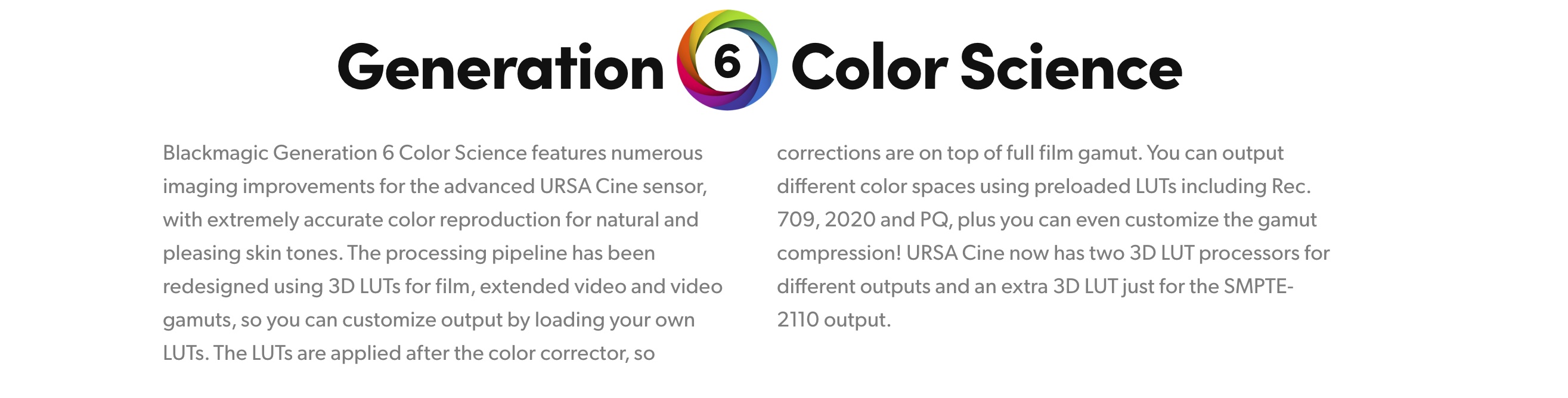
Black magic generation 6 color science is supposed to be on their latest high end cameras.Hopefully more will be revelled at Cine Gear Expo June 5 & 6.Generation 5 came out way back in July 2020 . Greg Clarke from Blackmagic says Gen 6 is for the top end RGB cameras and whilst the update should be available to some other cameras there will be a cut off due to processor limitations on older or less capable cameras.
-
kye reacted to a post in a topic:
The GX85 "Super-16" project
-
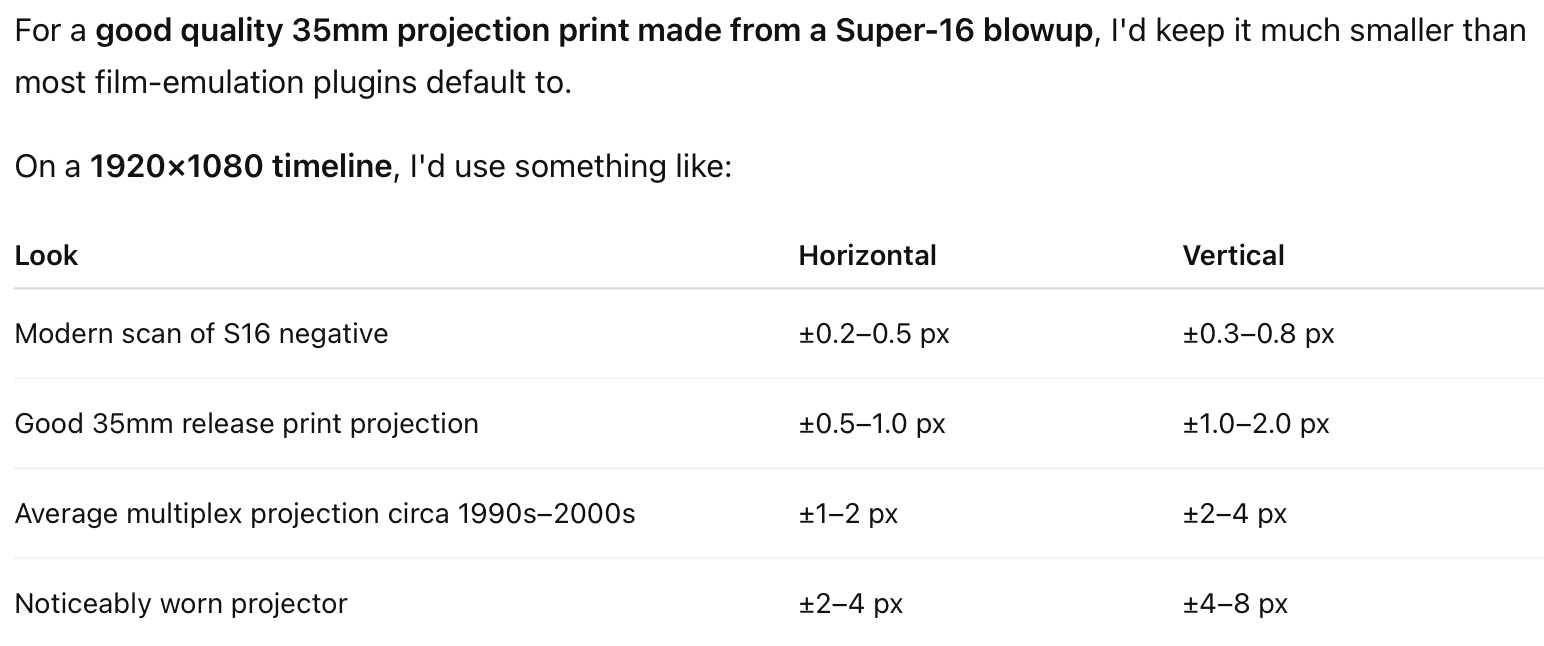
Thanks for the feedback! The gate weave was applied at the timeline level, so is the same settings throughout. It's funny how it appears differently on different shots through, maybe because the coffee equipment is motionless the gate weave stands out more? The original gate weave within the FLC looked like periodic horizontal movement, which surprised me as I would have thought that the film moving vertically at high speed and then being abruptly stopped for each frame would have resulted in more vertical positioning error than horizontal. Sadly it doesn't have any controls other than Amount and Rate. I ended up completely rebuilding it using the Camera Shake OFX plugin that has lots of controls. Sadly it seems based on a SIN function with a bit of randomness built in, so I had to play with the rate slider so it would interact chaotically with the frame-rate to appear relatively random. It does have separate amounts of vertical and horizontal (and also rotation, which I didn't use). I asked AI about the different characteristics and during a decent discussion it suggested: I got it to update the numbers with a 16mm projection print and projector, which made them slightly larger, but later on in the discussions it also suggested that having a small gate weave on each frame and occasionally have a larger registration slip of 3-5px, which it said was what people remember about the look. I don't really know how to do that in Resolve, so didn't include it. It also suggested that a worn projector might include some horizontal wandering and that film emulation plugins might emulate that as well, which might be what the FLC was doing. I ended up adjusting the vertical and horizontal so they were stronger than V4 but not so much that I hated it. Another thing it mentioned was on larger screens the amount will appear much more than smaller ones, and I'm editing in semi-cinema conditions, with a FOV of someone sitting in the middle of a normal theatre. If you're looking on a smaller device it might appear less. When I went to see Goodfellas at a theatre that was projecting from original print distributions, they played a bunch of old ads and a bunch of previews (IIRC a lot of these were 16mm) as well as the main feature on 35mm. The gate weave was really inconsistent, with some items having lots and others having none and being noteworthy for how absolutely rock solid they looked. Anyway, what else separates it from looking like real film? I suspect we're not there yet, and probably not even close...
-
As you aren’t bothered about the AF aspect then Nikon F mount lenses adapt easily to EF so you could open up that path. The issue is that with the f1.4 requirement you’re looking at fairly pricey options in both vintage and more modern versions. Similarly, M42 and C/Y to EF adapters open up other paths for you. To be honest though, in my view, the path of least resistance to get fast manual focus glass on to MFT cameras economically probably lies in native MFT lenses from 7Artisans and TTArtisans. More size appropriate for what you have in mind for them too.
-
To my eye this seems like the right amount. The shot of the coffee maker seems to have noticeable vertical gate weave that I don't see in the other shots and it was distracting. Are there adjustments for vertical separate than horizontal gate weave? If so then maybe only use horizontal. But other than that one shot it just seemed "natural" for the grainy look. By "natural" it's of course what I've come to associate with grainy film from a certain era. Later cameras were so stable that they didn't have any really.
-
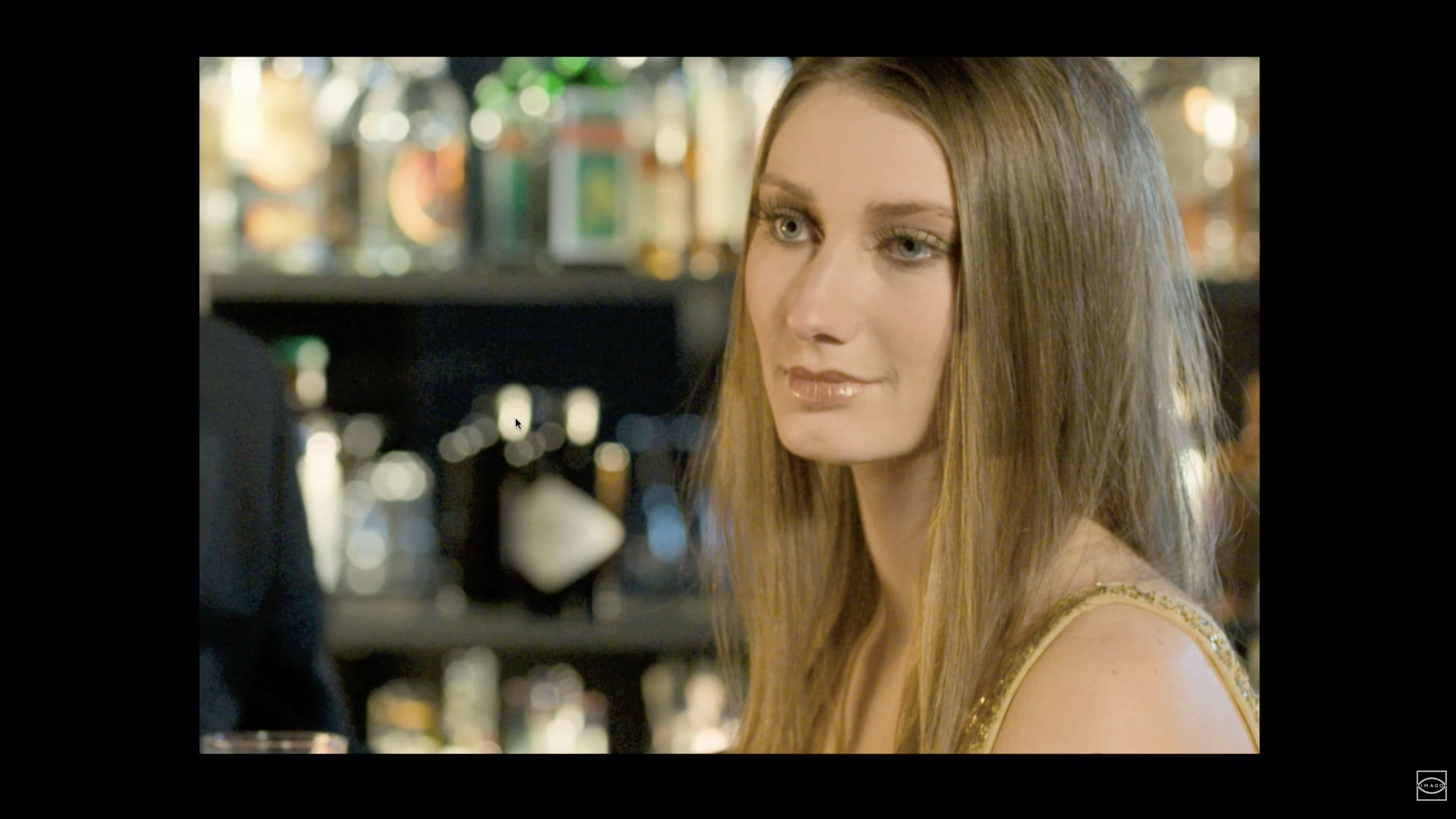
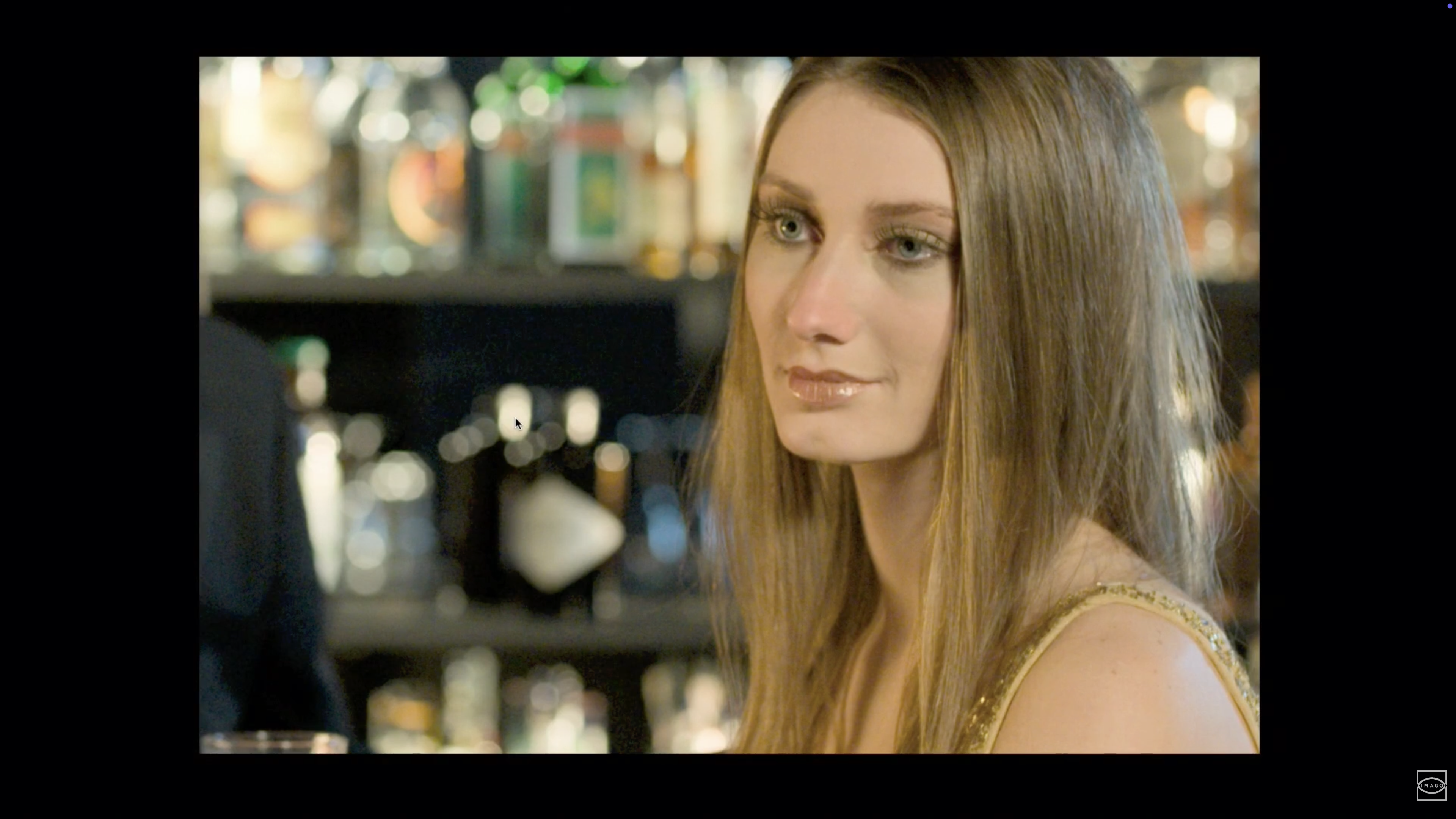
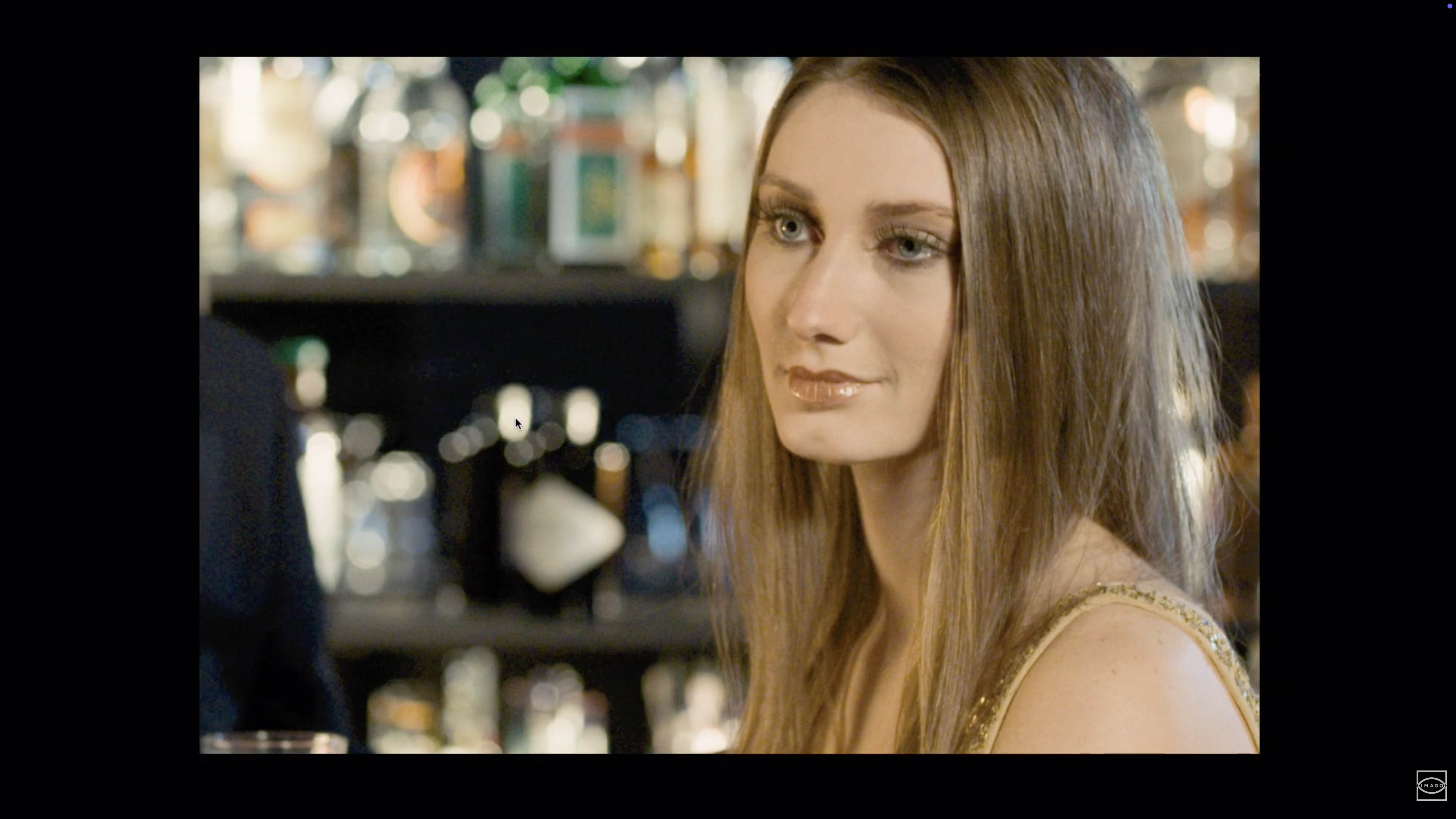
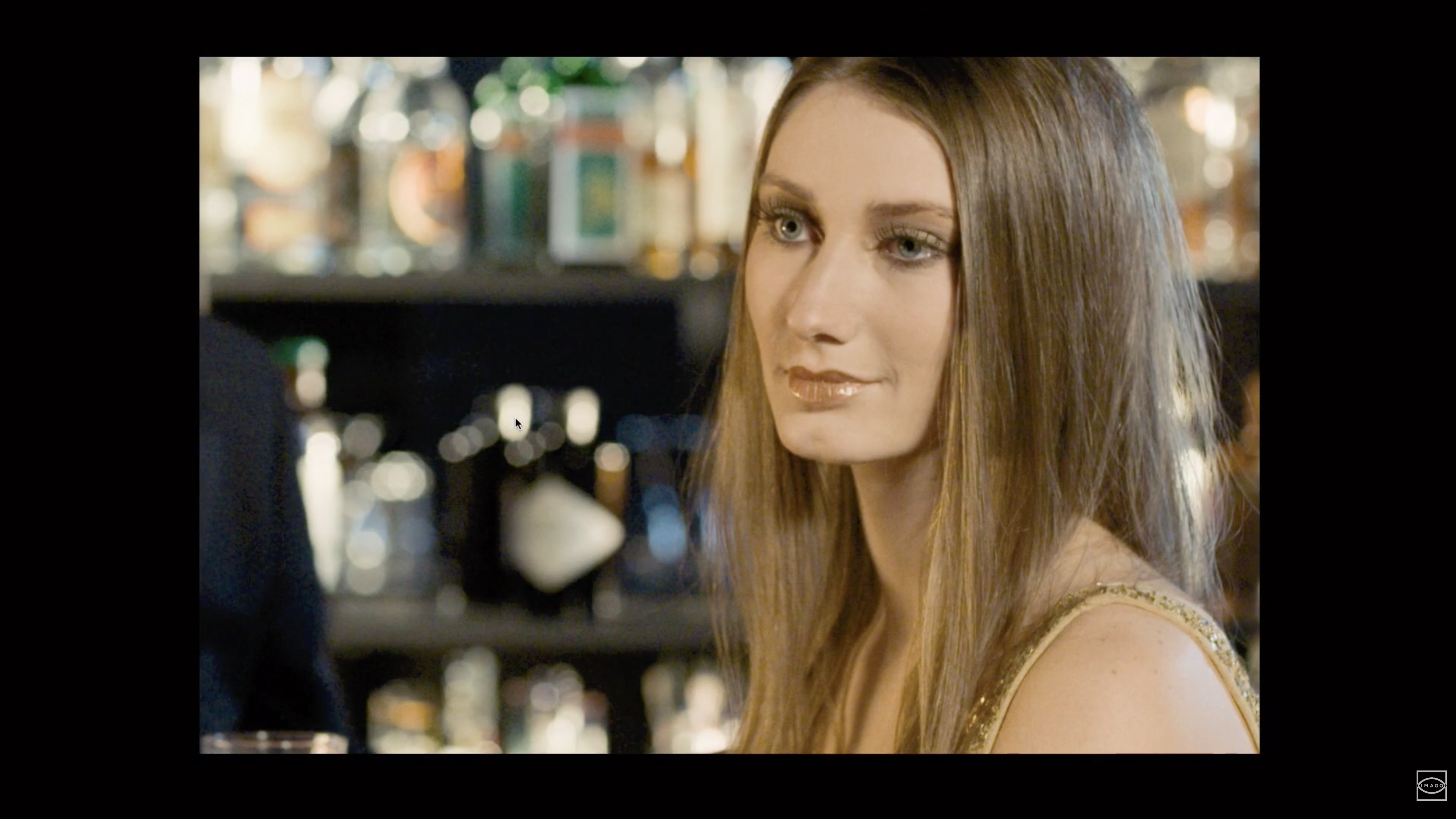
Gate Weave increased (and I rebuilt the gate weave engine using the Camera Shake OFX). I'm not sure I like the aesthetic, so might turn it down for my own projects. @Clark Nikolai @eatstoomuchjam @Framed_By_Dan would especially appreciate your assessments of how close this is and what might be any next steps. I feel like it's good enough for my (untrained) eye, but if there are any more specific things you can identify then I'd be keen to keep going and see how far we can go. I'm gradually disabling things in the FLC plugin and manually recreating them myself using other plugins or just manual methods.
-
kye reacted to a post in a topic:
The return of the Digital Bolex
-
maxJ4380 reacted to a post in a topic:
New cinema camera...?
-
Just FYI, if anyone on here is looking for one. This one is 5000 Euro. https://cinematography.com/index.php?/forums/topic/104495-for-sale-digital-bolex-d16/
-
mercer reacted to a post in a topic:
Please recommend me some Manual Focus EF lenses!
-
Soooooo...... no more EF manual focus lenses around I should know about?
-
kye reacted to a post in a topic:
Please recommend me some Manual Focus EF lenses!
-
kye reacted to a post in a topic:
Please recommend me some Manual Focus EF lenses!
-
Aussie Ash reacted to a post in a topic:
Is the EOS-M *THE* Digital Super-8 Camera?
- Yesterday
-
For years now, the EF 35-350 has been near the top of my "will I or won't I" pile. So far, still "won't I," but one of these days, i'm gonna get a wild hair to search and find a great deal..
-
There are actually good answers to the 10x question for each FF mount. Sigma 20-200mm is an answer for E mount and L mount. Sony has their own 24-240mm too. Nikon have a 10x near miss with their 24-200mm and an over the top 14.2x 28-400mm. Canon has their 24-240mm too and if you don’t mind mimicking trombone playing while zooming then their old 35-350mm EF is a great bargain. I actually have one of the latter and the range is great.
-
 Michaelburgy joined the community
 -

Is the EOS-M *THE* Digital Super-8 Camera?
Samantha_Hong replied to Matt James Smith ?'s topic in Cameras
It absolutely feels like a modern Super 8! Especially when you pair it with Magic Lantern to shoot raw video, slap on a vintage C-mount lens, and add some heavy grain in post. The workflow is quirky and slow, but that’s honestly half the charm - it forces you to shoot more intentionally, just like actual film. One random but massive headache with this setup is sorting out custom aspect ratios and cropping thumbnails or cover art for projects if you're trying to match that classic 4:3 or square retro look perfectly. If you don't want to mess around with heavy Photoshop templates just to resize a quick reference image or profile shot for a project, a simple online tool like Visaphoto works surprisingly well. It’s technically an automatic passport photo cropper, but it's great for instantly forcing any image into exact dimensions and pixel constraints with clean compression without having to open an editor. Definitely keep shooting with the M. For the price, nothing else gives you that organic, textured aesthetic quite like it. -
I think the niche aspect is actually a strength. The best documentaries often pull people into worlds they knew nothing about beforehand. From the comments alone it sounds like the film has strong characters and a genuine sense of place, which usually travels further than the subject matter itself. I'd definitely explore the festival route and maybe even a shorter cut for online release later on.
-
If that is the case, it’s a stupid tactic. If sales had begun within 7 days, I would have bought one. As things now stand, unlikely to any time soon, if at all. Now the dust has settled, I think I’ll wait it out a while and get my S9’s audio fixed. Then it’s a case of keep the fixed S9 until such time as an S9II comes up, preferably with the S1Rii sensor, but probably unlikely, or flip to a third S1Rii which would also make sense. But any impulse buy for an L10 has passed as it will have done for others. And as for the great unwashed, they won’t be sitting around waiting but will simply buy something actually available.
-
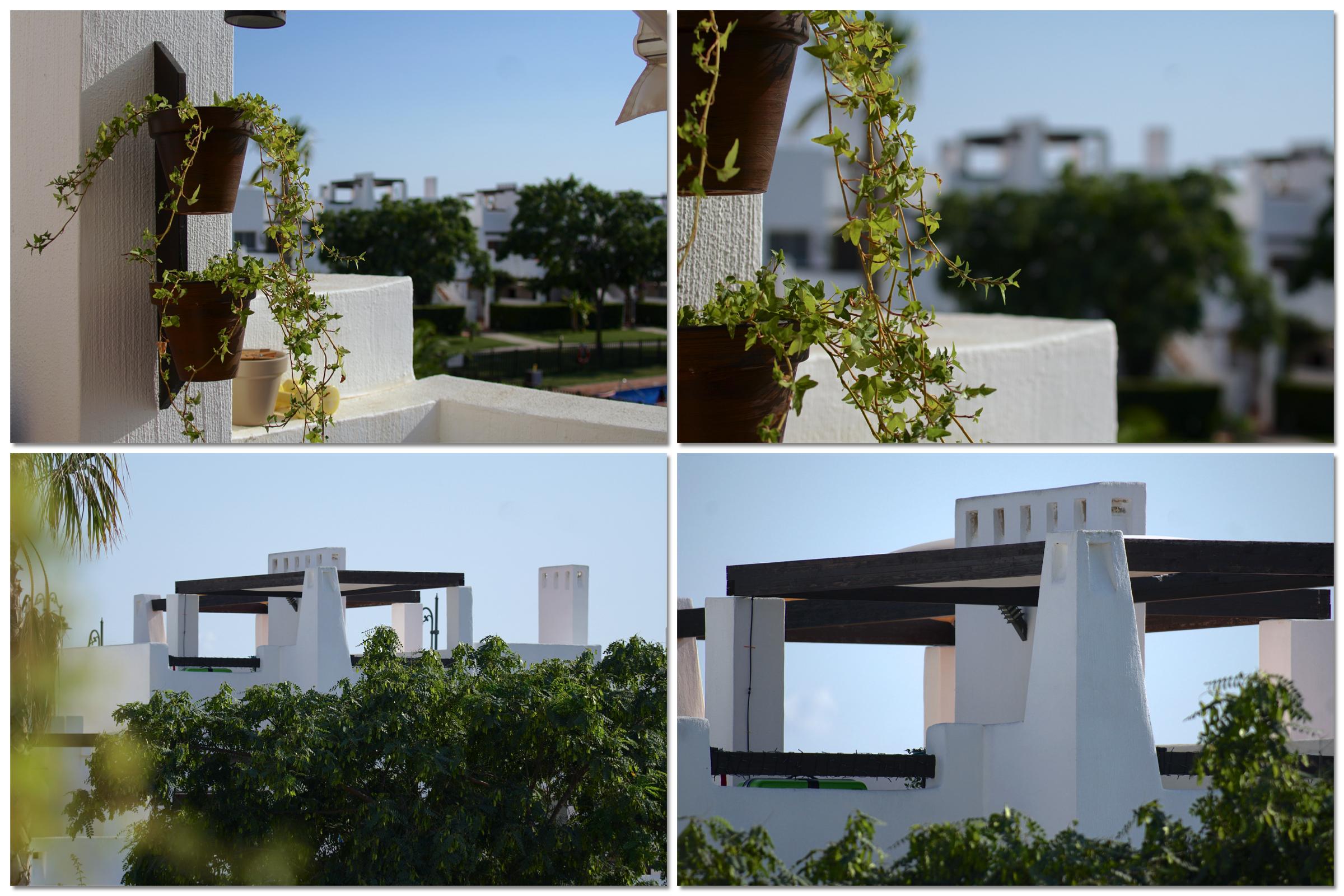
As a 47mm F2.2 it's pretty close to a 50mm, so a pretty good FOV if that's the look you like. I've just bought the Panasonic 25mm F1.7, which is 50mm F3.4 on the GH7, and it's my first 50mm FOV lens, so I'm keen to start taking that out and about and "learning" that focal length. It probably seems odd to most that I've never shot with that focal length, but it's never really suited the situations I've been shooting in. Big and heavy isn't desirable, especially as I have some pretty killer combinations in that range already. I've got the Voigtlander 17.5mm and 42.5mm F0.95 lenses, which are 35mm and 85mm F1.9 equivalents, and with the Sirui 1.25x adapter they're as wide as 28mm and 68mm F1.5. Problem is those combinations are each 1300g / 4.6oz (2100g / 74oz with GH7) which is usable for hand-held shooting but my arms are pretty much done after a few hours. Of course, I'm also pretty much done with being on my feet for that long too so the setup isn't the limiting factor. These setups also have the advantages and coolness factor of being anamorphic too, so there's that! I'm slightly tempted by some other much stronger anamorphic adapters too, but in playing with the Sirui I've learned that they're very dependent on the taking lens, and some lenses work and other lenses that seem very similar are an absolute train wreck, so it's basically a blind purchase and these things aren't that cheap. My current preferred Night Cinema combo is the Takumar 50mm F1.4 and M42-MFT speed booster, and I bought the EF-MFT speed booster to try and get a slightly cleaner image, but unfortunately the 50/1.4 -> M42-EF adapter -> EF-MFT speed booster stack doesn't work as the back element of the Takumar interferes with the EF SB glass. I figured that the EF SB would open up a whole new world, as EF used to be the default standard for about half the worlds camera users, plus EF and PL were the de facto standards for cinema. My recollection was that there were tonnes of interesting and super-fast third party EF lenses, but now I go looking there doesn't seem to be so many to be found. If budget was no-option then there are a lot of cinema lenses that are very interesting, even anamorphic ones, but budget is a consideration so unfortunately things like the USD1400 Blazar Cato 85mm T2.8 2x anamorphic lens will have to just remain a dream! Apart from this being like me asking "can you recommend a lawnmower?" and you suggesting "just sell your house and move to a NYC apartment", I actually don't think it's true. I've done a lot of "what if" scenarios for what I'm trying to achieve, and while it might have worked for you specifically, when I look at the lenses for a given system I find every system to be very lacking. Sure, you can get fast lenses at 28/35/50/85, but there are all kinds of other gaps that MFT just doesn't have. This is gradually changing, as manufacturers gradually fill out the various lens lineups, but my impression of the current landscape is that most FF systems have the fast primes and holy trinity zooms (28/35/50/85 and 16-35/24-70/70-200) but very limited and patchy coverage of small and light lenses and in-between focal-lengths, etc. Adapting vintage SLR lenses gives access to character lenses, but only FF ones, not really S35 cinema ones (unless you go to crop mode which is throwing away resolution and now you're half-way to MFT!), and not the S16 ones. You sort of get the standard focal lengths in modern and in vintage, but that's it. MFT has all the small and light and in-between focal-lengths, but the weakness is in the fast primes and fast zooms. MFT used to have all the advantages of mirrorless essentially being able to adapt any SLR lens, but as time goes on, more and more of the interesting lenses are designed for mirrorless APSC/FF cameras and therefore not usable (or only available in MFT mount so you don't get a SB advantage) or are EF cinema lenses and are huge/heavy/expensive because they compromised on size and cost to ensure they're sharp sharp sharp sharp sharp enough for modern use. As an example, I have a tracking sheet of all the lenses I own (not every one available) and it's FF equivalent. This table includes: 15mm 18mm 26mm 28mm 30mm 31mm 34mm 35mm 40mm 50mm 53mm 56mm 59mm 64mm 70mm 71mm 75mm 78mm 80mm 82mm 83mm 85mm etc. I don't even think it's complete! Most of those are different characters too, being a mix of different manufacturers, vintages, and combinations of being native / with a SB / with an anamorphic adapter / with SB and anamorphic adapter, etc. So yeah, if you happen to want a fast standard focal length, or a fast trinity zoom (that's enormous), then FF is great, but the rest is pretty lacking. The other reason I'm not moving to FF is that most of what I shoot is on a native 10x zoom, which FF doesn't really have a good answer for. The other other reason is that the work for me to sell all my MFT equipment and re-buy in FF would make it so that I should just work those hours at my day job and increase my budget, so selling things isn't really cost effective. The other other other reason is that the GX85 has all sorts of configurations that FF can't match, so I wouldn't be selling that anyway.
-
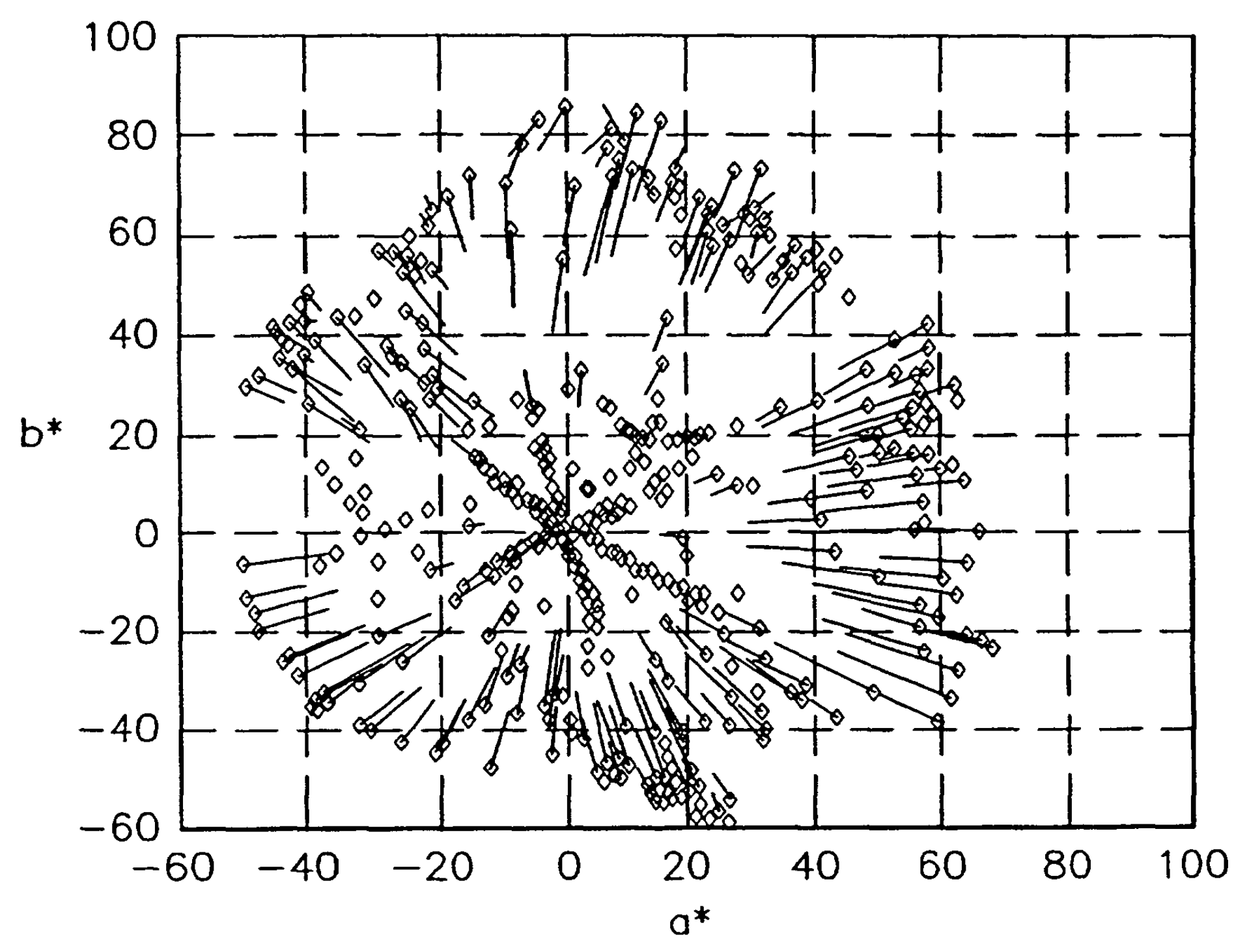
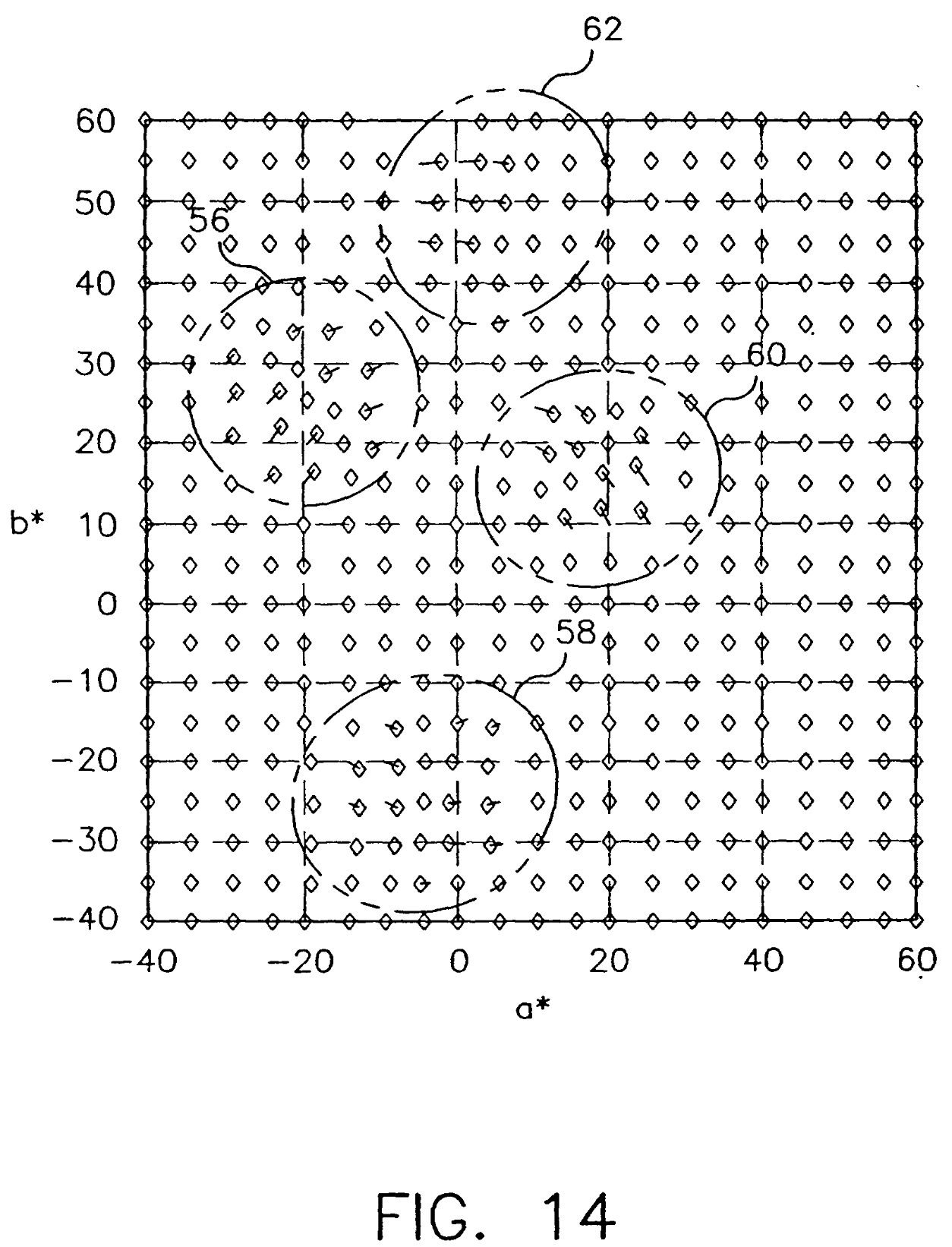
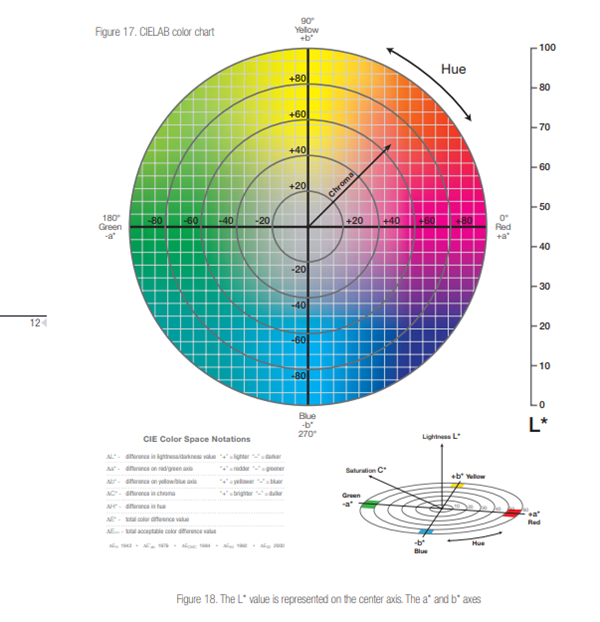
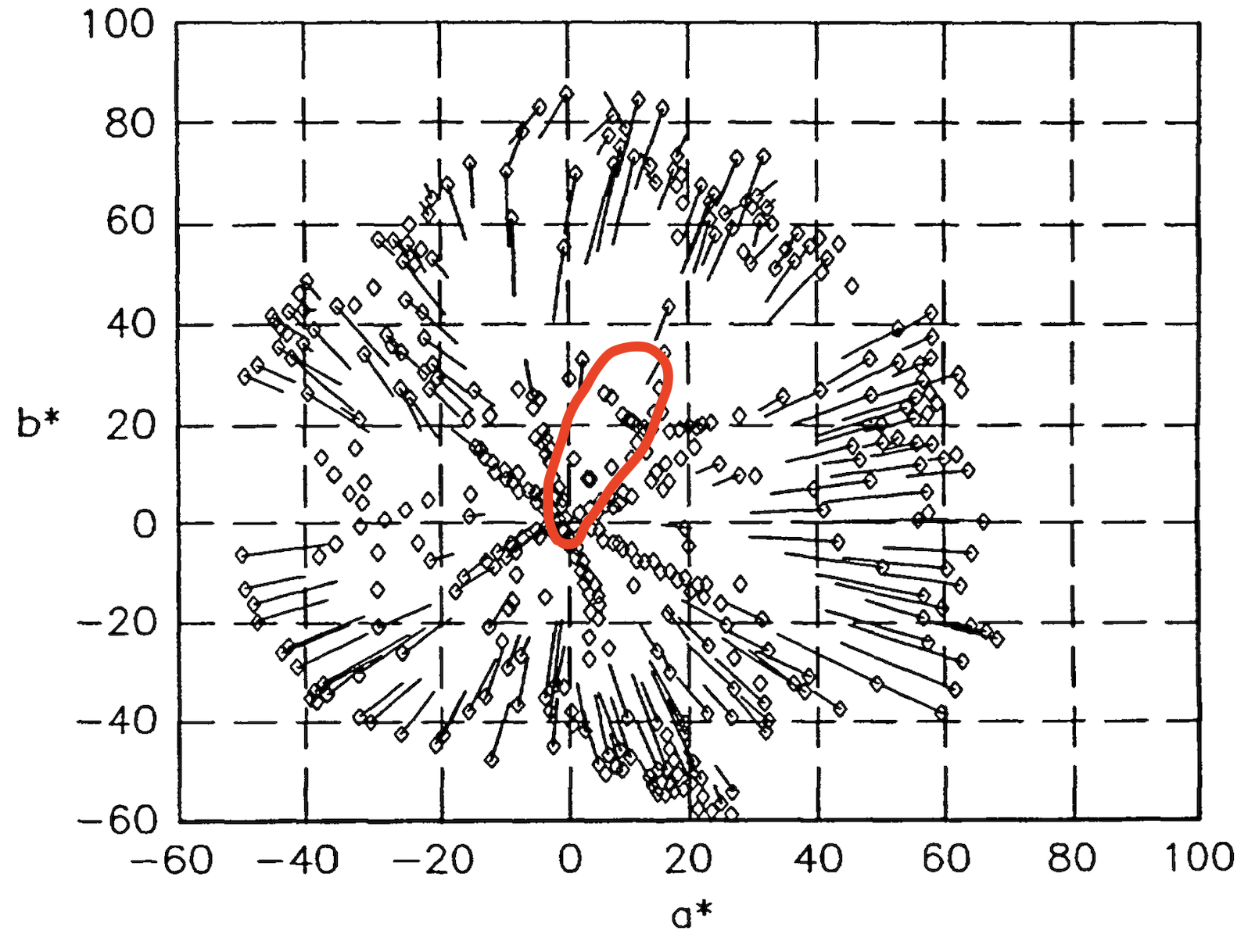
Great post and lots of good points. Research on preferences is possible and there are actually some great resources out there talking about what aberrations are preferable, and are likely what ARRI have included in their colour processing. You have probably come upon these before, but for those who haven't, some of the resources I've come across are.. Color image reproduction of scenes with preferential color mapping and scene-dependent tone scaling https://patentimages.storage.googleapis.com/41/0a/e5/0a78ae57552549/EP1158779A2.pdf It's a patent obviously, so it's very dry and technical, but it contains interesting phrases such as: "a visual color reproduction of a scene having preferred color reproduction" "It is well known in the art, that the best reproductions of original scenes do not constitute a 1:1 mapping of scene colorimetry." "Pre-ferred color reproduction is defined as a reproduction in which the colors depart from equality of appearance to those of the original, either absolutely or relative to white, in order to give a more pleasing result to the viewer." There are other patents from earlier (1995 and 1996) from the same authors, so you can see them developing their knowledge. Visible skin color distribution plays a role in the perception of age, attractiveness, and health in female faces LINK to PDF It's a research paper, so technical again, but contains: "Here, we show that facial skin color distribution significantly influences the perception of age and attractiveness of female faces, independent of facial form and skin surface topography." "The results presented suggest that visible skin color distribution plays an important role in subjective evaluation of female facial beauty." These can seem very theoretical, but they have direct application in colour grading and development of looks etc. This video below shows how adjustments in hue compression and tone manipulation can make skin tones far more pleasing. FilmLight and the work of Daniele Siragusano are really the most advanced that I've seen (published publicly anyway) so are incredible references. Video (linked to timestamp): If you can't be bothered watching, essentially he takes the following image: then alters it to be very unflattering by adding green under the eyes and increasing magenta on her nose and cheeks: but then applying a film look, the rendering of colour almost completely removes these unflattering alterations: The film look reduces the magenta/green in that area of skin tones, which is why the rendering is flattering. This is the film rendering of the image, but without the unflattering alterations: Obviously the image is nicer without the alterations, even with the film look applied, but the alterations are far less unflattering with the film look applied rather than just with the normal 709 style grade. This is a very simple example (compression of the magenta/green axis in the skin-tone area of the colour cube) and there are others too, such as the compression of the hue outright, to reduce the variation between yellow and red in the skin tone area. For example the ARRI Alexa 65 promo video shows a range of people and skin tones, including this older gentleman: Obviously this whole image is desaturated, but look at the variation in tone - there's a lot less than in real life, but it's in a way that is flattering, and it seems completely natural in the context of the video, where the whole video is quite muted: but compare that to the amount of skin tone variation that people actually have when they age, the lips and areas around the nose and eyes etc are far more red and contain far more yellow-red variation than the above image shows: There are all sort of other things - that's just two. Going back to the Kodak patent and seeing what the "preferred colour reproduction" is doing, we see it's doing all kinds of crazy stuff: This is a plot in L*a*b space, so is essentially the colour wheel (luma is the axis not plotted). The symbols are where the transformation puts the colours and the line points to where the colour used to be. So it's taking the more saturated colours and making them more saturated, but not doing this with the less saturated colours, however you'll note there are some exceptions in there. This is happening in a 3D space though, and some adjustments will be happening dependent on the luma values involved. HOWEVER, and I just realised this, because the Alexa outputs don't do luma-specific manipulations to hues, any such luma specific adjustments must be in the ARRI709 LUT, not in the camera. There's tonnes of stuff in here, for example, the paper shows this diagram - Figure 14: and the description of what it shows is: "Fig. 14 shows how the hue reproduction could be modified for a system including variability, so that the optimum system color reproduction is obtained including all the sources of processing variability. In this case, the memory colors skin 60, sky 58 and foliage 56 are consistently and smoothly moved towards a hue line, while yellow hues 62 are shifted towards orange." It doesn't talk about skin specifically, but the a*b* space is this: So the skin is in this area of the plot: Which doesn't seem to involve any hue compressions or alterations at all. I'm not sure why they omitted those. Anyway, fun stuff, but a very deep rabbit hole indeed.
- Last week
-
ARRI have been able to focus on colour science for cinema whereas Canon and Nikon moving from film to digital was primarily colour science for stills "the capture of a single frame".It is not the same .Nikon must have had many died in the wool stills photographer old farts on their board that only began to change about six years ago towards "cameras are multimedia capture devices." Fujifilm is different -making motion picture film was an important part of their business from 1934 to 2013. Red have been in the game since 2005 but without the history and back ground that ARRI had with cinema meant their colour science developed in a different way(with American influences !) . There is also feature films like Dune-2021 and The Batman -2022 that used digital to film to digital (DFD) to give the final result a more film like appearance.
-
Yes, you're exactly right. Musing about this is interesting to us, obviously! Here's my rambling take. The Japanese engineers have long been pursuing a different path of imaging evolution, as they've been in "electronics" mode for generations. Their culture kept them away from deep considerations of what film does vs. what digital does. The Japanese simply have a different sensibility about image IQ. This reality in of itself is a fascinating dive, going all the way back to traditional feudalism culture, WWII, national pride, and their "High Increasing Stage" era of the mid 20th century. Their imaging tendencies emerged out of their unique cultural context. In other words, once their engineering IQ evolution preferences were set, there was not much room for it go off on tangents. ARRI took a different road and put people on the development team that understood the physics and chemistry of film and wanted that look. ARRI engineering cuts and adds different spectrums for very good reasons. Thus, as you say when you mention plugins, emulation of film behavior is the thing, the whole additive vs. subtractive thing, for instance. ARRI does their adjustments in camera. So cinema follows ARRI to chase the IQ they know best, and ARRI becomes the cinema standard. The phrase "color science" is amusing to me. Because, yes, the engineering is science, but ARRI is in fact making their cameras behave with purposeful (and insightful) aberrations. They aren't going for accuracy, they're striving for colors that evoke a certain perception of emotion by being "pretty" which could be considered an artistic pursuit in their engineering craft. "ColorArt" doesn't have the same ring to it though. It's all pretty wild. I mean, I'm on forums where there are darkroom alchemists chasing esoteric processes to heighten certain color dyes in film, and minimize others by changing their development chemistry -- which is weird as heck and an extremely hard way to affect an image (save that when choosing the stock or when doing the enlargement print imo) but hobbyists aren't rational, they're just playing. There's a whole sub culture of analog photographers that deliberately buy decades old expired film just to see what happens with the dye degradation. All in all, there are an infinite number of ways to achieve color rendition. But, yeah, I'm with you. Give me a decent camera and I'll affect the image with a plugin and get it in the ball park. I'm not positioned financially or emotionally to be chasing the refined fringes of things. I enjoy mulling it over in places like this, but none of this sophisticated color science could be a part of my career. I'm not nearly talented enough to indulge it, nor smart enough for that.
-
Samyangs at f1.4 are not cheap plus they are big and heavy. As far as I remember you don't like big and heavy. Maybe older sigma lenses from HSM generation as Anaconda_ suggested. Sigma 24mm f1.8, 30mm f1.4, 50mm f1.4 HSM. They are all under 200 E/$. Not small though. If you want smaller and cheaper lenses then you have to accept they start at f1.8, f2 and f2.8. Then you have lots of option and not only with Canon. You can also adapt vintage lenses to EF adding second adapter. With speed booster they become f1.4 to f2 both quite usable in low light on m43 in my personal experience. I was in this place more than 5 years ago with BMPCC 4K. Went trough speed boosters, calculating focal lengths, spending lots of time researching and trying to build decent lens sets both vintage and modern. My frustration grew with time as I realized this won't be cheap nor ideal to my goals. Went FF and never looked back. My decision was driven specifically by lenses. I realized the hard way a well-known truth: We buy systems not cameras and lenses are more important than cameras. If I want to use vintage lenses, cheap lenses, have access to the largest pool of lenses - FF is the right choice. I may change one FF camera system with another, my vintage lens sets stay, lenses have the same focal length and character. Same is true for Canon EF lenses. A FF system is no longer more expensive than m43, especially when we include the lenses. Example Panasonic S5 vs Panasonic GX85 + speed booster. Paradoxically a FF system (body + lenses) may even come cheaper due to large pool of lenses than m43 + speed booster.
-
There are a lot of great camera options right now, but I think the lens ecosystem and overall usability matter just as much as the camera body itself. A camera that fits your workflow and encourages you to shoot more is usually the better choice than chasing specs alone.
-
I worded my response badly! I meant that the $700 US price tag was "already there" in terms of 'exorbitant, ridiculous, and "this is just an action camera - WTF"' which Kye had just said in anticipation of the AU pricing. I should have chosen phrasing that made it more clear that I wasn't simply repeating US pricing that is already known. 😅