All Activity
- Past hour
-
I'd add IBIS upgrades to Kye's list of improvements - as I normally shoot handheld, that's been my main reason to upgrade my M43 cameras over the years. I still own an original G9 (derived from the GH5), but the Oly E-M1 iii and OM-1 I bought more recently have better IBIS. Although I've been a faithful M43 user for about 15 years (starting with a Pana G3), due to the lack of a modern video-orientated small M43 camera I ventured into full-frame with an S9 recently (when the price dropped a lot). Now I've had enough time to get used to it, I have to say the video quality from it is noticeably better than the M43 cameras I own - it seems to have a 'richness' that is attractive. I usually put a Smallrig leather half-case and Sigma 18-50 F2.8 APS-C lens on it, and it's great as a run-and-gun camera (even though it's only using about half the sensor area in APS-C mode).
- Today
-
This is a real thing and a very good point. To give a personal and recent example, I was asked on Thursday of last week to jump in at the last minute to help finish someone's feature over the weekend. I'm not sure of the details for why their DP became unavailable. The filmmaker had a shot list for Saturday that was 15 pages long taking place in 7 different locations - and both I and the other guy they brought in had a hard out at 4 or 5 in the afternoon. Sunday's agenda was similar, but without either of us needing to leave. We didn't finish the list for either day. Likely, we'll be shooting again next Saturday. It was all outdoors in parks, usually a several hundred meters from our cars. None of our usual suspect gaffers were available/handy. We had basically 0 time to light things and the director wanted a bunch of wides and tracking shots (both tend to take longer to light). Controlling the light in any meaningful way was not a realistic option. These are exactly the situations when an extra stop of dynamic range is nice to have to keep the sky at least a bit blue, but yet also still have some detail in some of the harsh shadows. Real tough situation for the filmmaker - they definitely want to keep quality high and have they great ideas, but there are also budgetary and delivery date realities - the difference between a real indie film set and a reddit comments section. 😉 (Also, RIP colorist - there are like 5-6 different color profiles in play across all of the cameras that were used between the original DP and both of us last weekend, hopefully they only have to match 2 or 3 within any given scene) I'm not sure what ASA 50 has to do with needing extra light on a sunny day. Assuming ~24 fps, that'd give a proper exposure at approximately F/16 in bright sunlight (1/48 second for 180 shutter + sunny 16 rule indicating a 1/50 shutter speed = close enough) and you'd still need to use ND to open up the aperture beyond that. I suspect those lights are for filling in the faces/front of talent in a wide, given that the sun is actually at about a 60-90 degree angle from the lights (judging by shadows). From where the cameras are pointed, the subjects will be backlit.
-
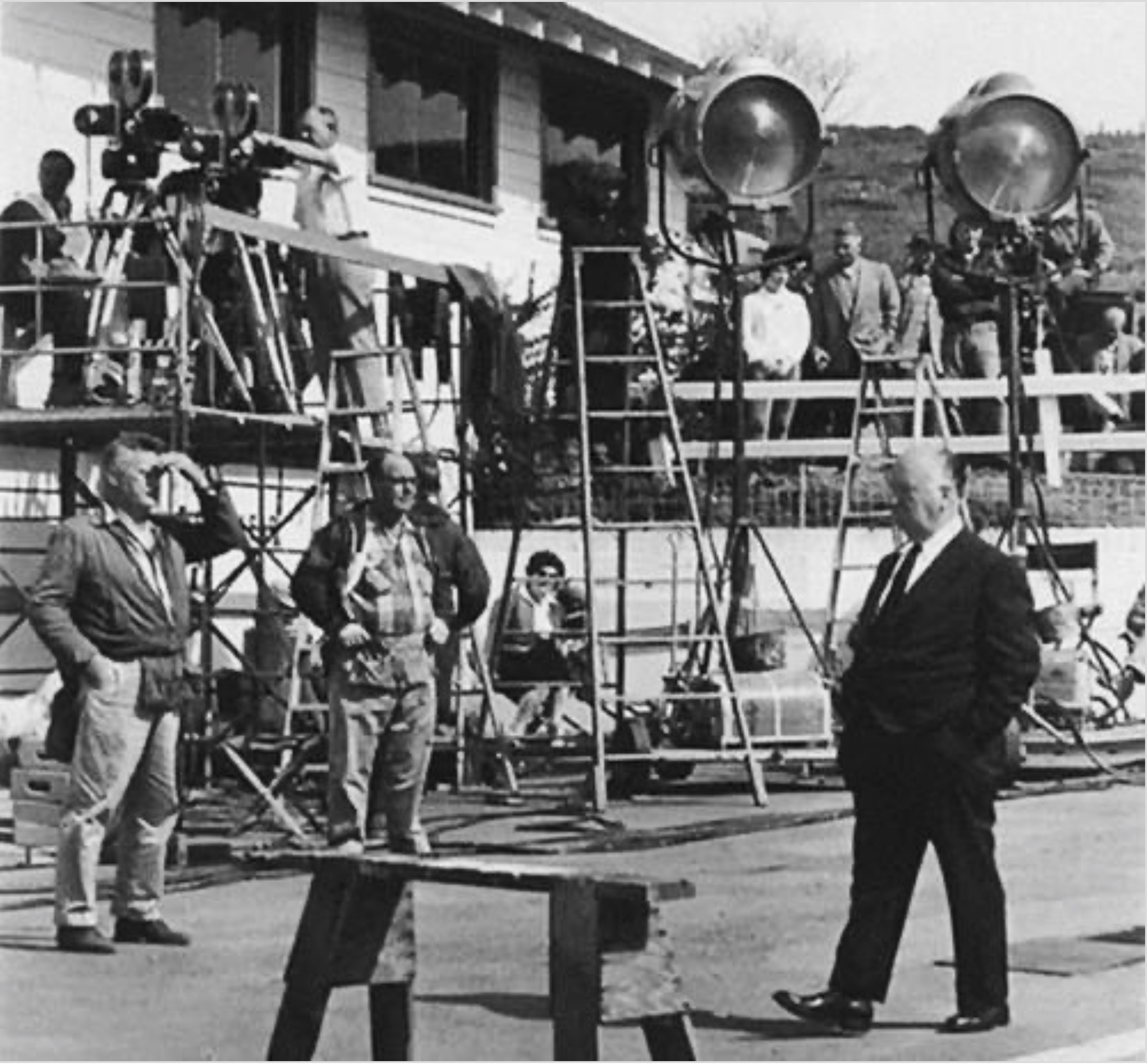
colour movie film in the 1960s was only ASA 50 so they used extra lighting out doors on sunny days !! This is on set Hitchcocks "The Birds " 1963 with two carbon arc lights in the back ground now Fijifilm make a colour film rated at 1600 ISO (5 more stops beyond 50 ISO) and full frame sensors are way beyond the limitations of 50 ISO so yes it is far easier now !

-
 EliseJen joined the community
 -
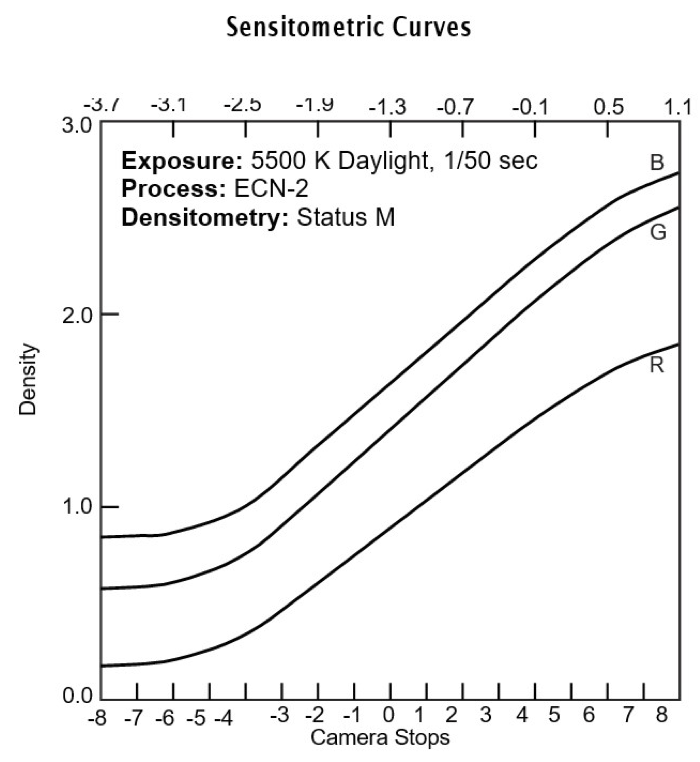
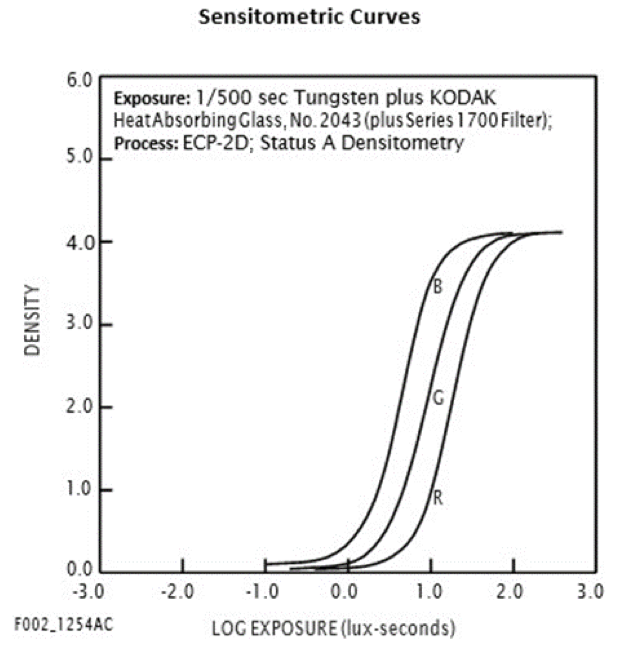
When it comes to things like the extra DR, I think about practicalities. Back in the day they had a certain amount of DR, so they filmed what they fit into that DR, modified scenes with too much DR where they could, simply didn't film other scenes with too much DR, or accepted sub-optimal results. They often had far more budget and leeway for lighting etc than you or I have. They also didn't tell some of the stories that you or I might want to tell. You and I are filming things they might or might not have filmed, we are doing so with far less resources than they would have had (*), and are doing so for an audience that is far far far more discerning than audiences used to be. (A note on resources.. Anyone who shot film automatically had a pretty large budget as just the line-items for negative film, development, and printing were absolutely huge compared to the entire project costs for what you and I are doing. As such, for them the cost to add a light here or modify something there was drastically less percentage of their production. I also suspect that back in the day the simple fact that someone was shooting on film gave them a sort-of legitimacy that would have meant they could get away with a more invasive shooting environment (adding lights etc) whereas now that level of legitimacy doesn't really come unless you're getting official permission.) I think of extra DR as being the thing that lets me bridge a gap between the worse conditions I shoot in, the lack of ability to control or modify the scenes I'm shooting, and the far greater expectations of myself and anyone else watching. Another note on DR, this is the curve from 250D: This has easily more stops than the GH5 has, potentially more than the GH7 has, and is likely to respond to high-DR scenes in a more pleasing way as well. Of course, the print stocks had far lower DR, like 2383 which only had 5-6 stops: But they were still capturing the greater range and depending on how fancy they wanted to get in the darkroom (or if they had a DI to play with) they could definitely print the 5-6 stops of DR they wanted from the negative (essentially adjusting exposure in post) or they could extend the DR by printing different areas of the image differently, using graduated filters and all kinds of other tricks. I sort-of feel like comparing film-making now to back in the day is a apples-vs-oranges kind of thing, so comparing the specs directly without acknowledging the situations were vastly different doesn't really make much sense. However, to return to your situation in the present, I look at several factors to assess if equipment is good enough: Does it allow you to shoot what you want to shoot? Does it provide the speed / efficiency / convenience you need to create the work in the budget / schedule limitations you have? Does it provide a pleasant-enough experience while using it? Does it create the quality of results you are looking for? If these things are all true, then why change?
- Yesterday
-

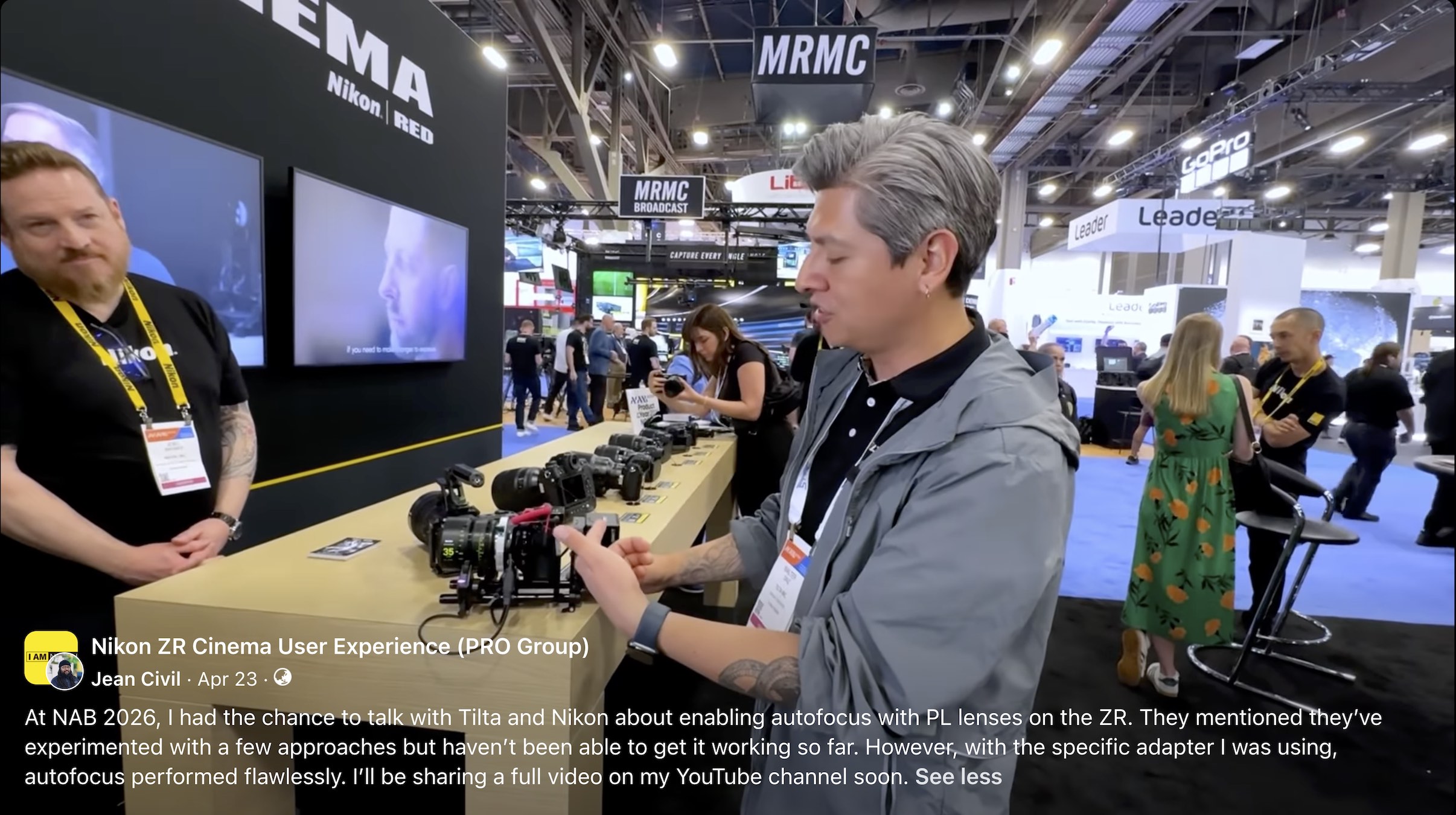
Tilta's new auto focus adapter uses follow focus gears to manual lenses
Aussie Ash replied to Aussie Ash's topic in Cameras
This guy (he is wearing a Tilta shirt) has what appears to be Viltrox E to Nikon Z auto focus with PL mount adapted onto that better still would be Nikon F to Sony E to Nikon Z
-
Yeah. Fair. And I'm actually to the point where I'm like, "Do I even want the extra DR"? The modern look of digital imaging seems almost too pristine to me anymore. So I guess my reticence is actually morphing into a stylistic choice; which is a place I never thought I'd be when using consumer gear, honestly. After all, we usually think "more is more" right? Maybe it's just me being a stick in the mud because of my age. However, when I watch old movies I'm always left thinking, "Well, I have more imaging power than they had. What am I really chasing with this modern camera in my bag?"
-
 Exner455 joined the community
 -
Not the GH5, but I am also at 'peak camera' with Lumix. If I ever made any changes in the future now...and none planned, it would not be based on need, - the gear I have just does what I need it to do. There's still a lens that does not exist for me and one day if it comes along, I'll pick it up, but otherwise, never really been that interested in the gear, despite waffling about it for over 2 decades. It was always a means to an end.
-
 PBR reacted to a post in a topic:
B&H Photo - largest seller of camera gear in USA exploits workers
PBR reacted to a post in a topic:
B&H Photo - largest seller of camera gear in USA exploits workers
-
Just a thought about that last statement.. if you're taking a practical approach to considering upgrades then I'd say it's the other way around.... ...you've matured TOO much for the market 😉
-
Looking at my notes when I was upgrading from the GH5 to GH7, the main benefits of the GH7 over the GH5 were: PDAF Real V-Log (not V-Log-L or light or whatever it was) (*) Prores and Prores RAW internal Improved DR (*) Improved latitude - due to having real V-Log as well as the improved DR (*) Improved low-light (*) and the cons were: Size / weight Cost (not only the body, but potentially the media and new batteries etc) Loss of modes between 1080p and UHD (3.3K 4:3 mode) The items with the (*) are the ones that motivated me to take the plunge. Obviously the size / weight / price also factored into things! My take on your situation is that if upgrading doesn't offer you tangible improvements that will be worth the (considerable) hassle of upgrading, why change? Modern cameras are improving all kinds of things that aren't needed / used in every situation (including many features that are actually incredibly niche), so if you happen to shoot in only situations where your existing kit is enough, then the upgrades are just cons/costs.
-
kye reacted to a post in a topic:
One Decade
-
kye reacted to a post in a topic:
Canon C80 coming soon
- Last week
-
Well, I've other gear for specific jobs. For instance I have a Fuji X-T5 that came along for a special birds-in-flight thing -- that fit a special lens, but it just sits on the shelf since that gig finished. The way the IBIS works in that camera bugs the hell out of me. Anyone want to buy a used X-T5? How about a fuji 150-600mm? Got a 2x extender as well.
-
 Poveranima joined the community
 -
 Aussie Ash reacted to a post in a topic:
One Decade
Aussie Ash reacted to a post in a topic:
One Decade
-
You probably deserve a medal fuzzy, for being satisfied with what you've got for ten years and not being seduced by camera "lust".
-
The GH5 has been my workhorse for almost a decade now. For whatever reason, the need to move on from it has never been necessary, so I've stuck with it. For instance, AF is not an issue. Manual focus is how lenses get used by me. Slow-mo is a thing to do less of, not more of, imo. A full 10 years on, what does a different camera offer; like really offer? An extra stop of exposure? An extra bit of DR? Looking at a GH7 the thought is, "MMM, pretty nice." But then what? A big difference in ... what ... gets captured? Maybe the market has matured TOO much for me?
-
You'd think so, but no! If you're using like an f/1.2 lens, you can have surprisingly big dust spots on your sensor and never be any the wiser. The more stopped down, the more they appear. From what I remember, and I might be wrong about this, it's bascally the same effect as using a large diffuse light source vs a small point source - put your hand next to a white card near the large diffuse source and you'll get a blurry, indistinct shadow. Do the same with a small point source and you'll get a well-defined crisp shadow. It's the same on a smaller scale with sensor dust.
-
I did think of that, but took it out of my reply because I was thinking that anything on the sensor would be in-focus regardless of what the lens was doing. Maybe I'm wrong though, not sure..
-
jbCinC_12 reacted to a post in a topic:
Full Frame Video shoot Out-Canon RIII v Sony A7V v Nikon ZR v Lumix S1 II
-
That, and also to set the aperture down to like f/16 or f/22 and shoot something - or even to put a pinhole lens on and shoot something. If you ever want to know how many pieces of dust have landed on your sensor, a pinhole lens is the quickest way to see them all. 🙂
-
First thing I'd do is fit a mild-telephoto lens, focus it wrong so it's all blurry and point the lens at something that is one colour - like the sky or a blank wall - and see if the mark appears on the footage. If it does then you have a problem, otherwise it won't show and you're fine. It may show up in the bokeh of out-of-focus areas too, but texture or patterns in bokeh is normally relatively benign and very common.
-
 Green Junk Fellas joined the community
 -
 Roll Me Upp joined the community
 -
 Mr Singh Pizza joined the community
 -
 JamesTub joined the community
 -
Anthony Mann & John Alton /Film Noir tribute runs 3 minutes
Aussie Ash replied to Aussie Ash's topic in Cameras
What is Noir ? (runs for 5 minutes) -
kye reacted to a post in a topic:
The Aesthetic Part 3 - Film as the new reference
-
Perhaps the risk you are hinting at is that making things technical will limit them creatively? This is a valid concern, and we know that people can't be analytical and also creative at the same time cognitively, so switching into analysis mode is opposed to creativity in that moment. However I think this is a challenge that we're all already facing and dealing with (in our own ways and to our own various levels of success). The approach I take is: Do the analysis and technical work between projects. This involves doing things like latitude testing, lens testing across apertures, testing codecs and colour spaces, testing colour grading approaches and techniques, comparing export codecs and settings, etc. Save the results of these tests in an easy-to-reference place (I save stills that are labelled clearly). Putting your creative / emotional / aesthetic hat on, assess the results of those tests aesthetically. How do they make you feel? Which ones do you like or dislike and why? When shooting on real projects, remember what you learned from your assessments and make sure the tech is setup right (camera set to 24p not 30p, right resolution / codec / colour profile, etc), and then forget about it and think and act creatively. Great artists know the technical aspects of their craft but are able to move beyond them once they're in place and act creatively. Roger Deakins isn't thinking about ARRI vs RED or thinking about lenses and which aperture to use when he's operating the camera, but he sure as hell has looked at these things and formed his conclusions and made these decisions. If you swapped lenses on him he'd sure notice and not be happy about it - he chose what he chose for good reason. That's how I think about it anyway. I've actually done some initial tests (drawing from my vast backlog of previous camera tests) and worked out the following: GH7 set to 1080p Prores HQ is about equivalent to 35mm film (This might actually be a little low - this was 1080p footage on a UHD timeline so it'll have been softened in the upscale.. however, what this means to me is that it's fine for my purposes and although not as sharp as C4K etc, it's sharper than I need it to be and so I can take the win with storage sizes and editing performance) My Voigtlander 17.5mm @ F0.95 is about 23mm, and my TTartisans 17mm @ F1.4 is about 18mm Not only does this confirm the TT is softer than the Voigt, but I actually think that for lots of my projects a 16mm equivalent image is perfectly fine, so just as I had hoped, the TT has now moved from "oh, that's soft - is it too soft? I don't know" to "it's better than 16mm so probably fine for grittier or dreamier aesthetics" These are both wins in my book! I suspect most people can just look at the images from a setup, see them and assess them on the spot, and then move on using that information. Unfortunately, that isn't me.
-
 The Flooring Mart joined the community
 -
"Zine Control "control Nikon ZR from iphone -Beta testing
Aussie Ash replied to Aussie Ash's topic in Cameras
supposed to work on the Z6III as well see "siegvaldes" in the comments -
Well, I appreciate the mental exercises you're putting yourself through. The questions are interesting. Still, at the end of the day everyone's process is a bit different. Since arts and crafts are subjective, quantifying how those two things merge is only useful up to a point, imo. And, of course, that point is usually wildly different for all of us doing this stuff. I'd ask, do you really wanna chase what that means? It might always be ephemeral as context changes; slipping out of reach. And shouldn't such meaning remain in the realm of intuition anyway? Then again, maybe not. At least not for everybody. Perhaps being in a space without firm answers isn't interesting to you? Maybe striving for technical contentment at the limits of understanding is the thing you enjoy. That's cool too. Engineering can be artful in it's own way as well. Either way, keep poking around.
-
PrinceOfBums reacted to a post in a topic:
Century Precision Optics DS-WS-13 SB for SALE!
-
Thanks to a maybe-too-good-to-be-true deal from MPB ($1500 or so off new), I guess I'll have a C80 soon? This puts me in officially "too many cameras" territory and I'm going to force myself to finally sell my E2-S6G for this. We'll also see whether what they describe as "dust on one of the ND filters" that won't impact image quality actually means. They originally said it was an unremovable mark on the sensor protection glass that wouldn't impact image quality - and they revised the description after I asked for a picture of the mark. There's a two-week return window, in case I feel differently after seeing the sensor. Of course, CPS membership should mean I'd get a 10% discount on a repair - so if the price would still be less than the substantial difference vs new, I could just do that. Anyway, any special requests from anybody for tests while I poke at it? Will this inspire me to buy Canon's 24-105/2.8? Could be a great pair for a super minimalist/fast day of shooting setup.
-
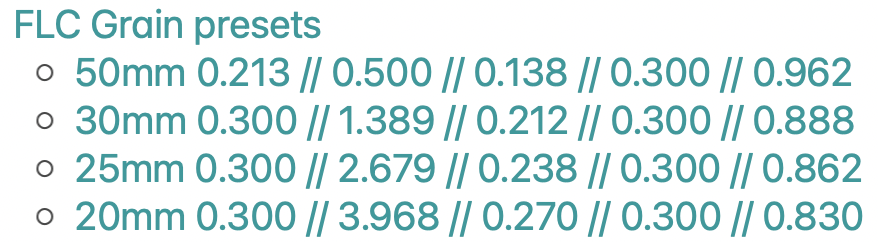
An additional barrier that my above approach helps me side-step is the disparity between technical resolutions and aesthetic preferences. What I mean by that is that when we talk about resolutions (4K / 1080p / 720p / 576i / 480p etc) there are a bunch of associations with these. No-one is linking these with aesthetic decisions - no-one says they're shooting for the "480p look"! Any discussion of these is typically in the "more is better" context, or at least in the "1080p vs 4K" realm. However, my image analysis indicates that there are quite a lot of images that are deliberately created with an aesthetic that aligns with 720p or lower! Therefore, if I tried to "map" aesthetic preferences to technical resolutions I would be fighting all these connotations I have from these technical resolutions. However, linking these things to film doesn't have nearly the same associations. People don't talk about 16mm as being "crap" whereas they sure do if you're talking about a 720p camera or timeline resolution. The other challenge I have with the "I like that" and "I don't like that" is that I don't really know what that means. If I can look at an image I like and work out it's equivalent to 20mm film (if such a size existed) and I worked out that a camera/lens combo was also around 20mm film equivalent, then I could "link" that camera/lens combo with that aesthetic, or even that reference. Alternatively, if I shot with my GH7 in Prores HQ (which is likely to be around 50mm film equivalent or more) and a lens that is in that ballpark, but I wanted that 20mm film equivalent look, then I'd know to just adjust the Film Look Creator to align to the 20mm film equivalent settings, and I'd have that look. Speaking of using the Film Look Creator to adjust to various sizes of film, it comes with presets for 8mm, 16mm, 35mm and 65mm, but I did some interpolation and came up with the following values for intermediary values, so it can be used for in-between things too. From the initial image analysis I've done so far, lots of stuff shot on desirable vintage cinema lenses is often in those in-between areas, so this isn't just about using the FLC grain panel to emulate film, it's really about using it to emulate the softness of the final image, which is a result of the combination of: - haze / smoke in the scene - filters (such as diffusion filters, haze filters, beauty filters, OLPF filters, etc) - lens sharpness at a given F-stop - sensor resolution in the readout mode it's in - image processing (such as NR, sharpening, etc) - compression - etc. If you're emulating lenses then the edges might also be softer than the middle, so that would be a separate thing, but you can get quite far using a combination of: - Lens correction in the Edit tab - Round power-window to adjust vignette - Round power-window in combination with Tilt-Shift Blur OFX to emulate edge softness
-
kye reacted to a post in a topic:
The Aesthetic Part 3 - Film as the new reference
-
Yes, they knew 100% what the heck they were doing, as well as the place and technique better suited for that place. As for the TikTok videos having huge impact? Yep. Are they art? No way. "Content" is not art. Never will be.
-
EduPortas reacted to a post in a topic:
Undone is done
-
EduPortas reacted to a post in a topic:
Undone is done
-
Good write up! I've run the gauntlet as well. My conclusion is that what you wrote above is the thing that'll get me through, so I accept it. And why not?