
kye
-
Posts
8,051 -
Joined
-
Last visited
Content Type
Profiles
Forums
Articles
Everything posted by kye
-
Thanks! But realistically, what matters in film-making is story. If pretty visuals were all that mattered then all the mindless and forgettable action films would be winning oscars and changing the world..
-
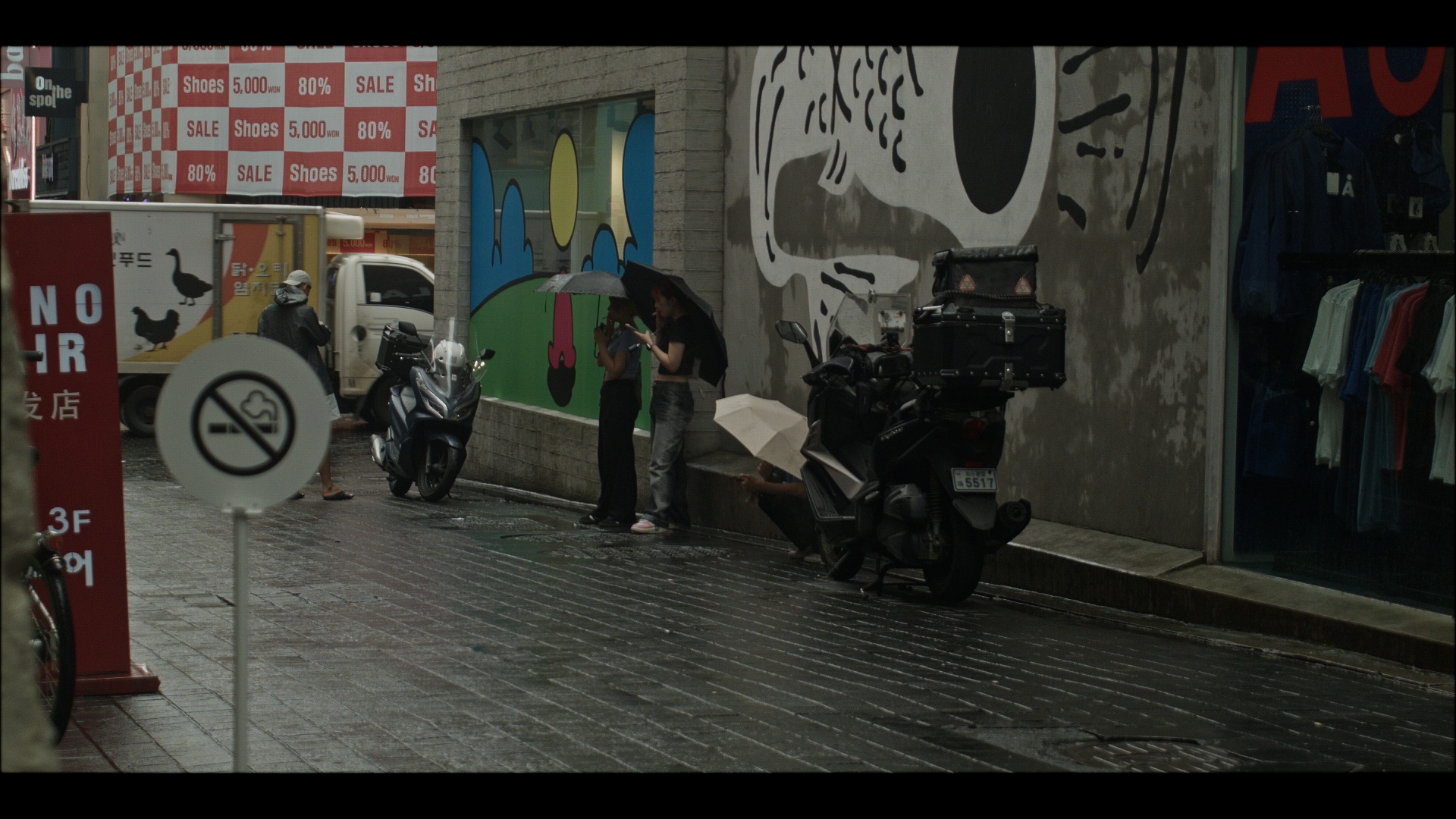
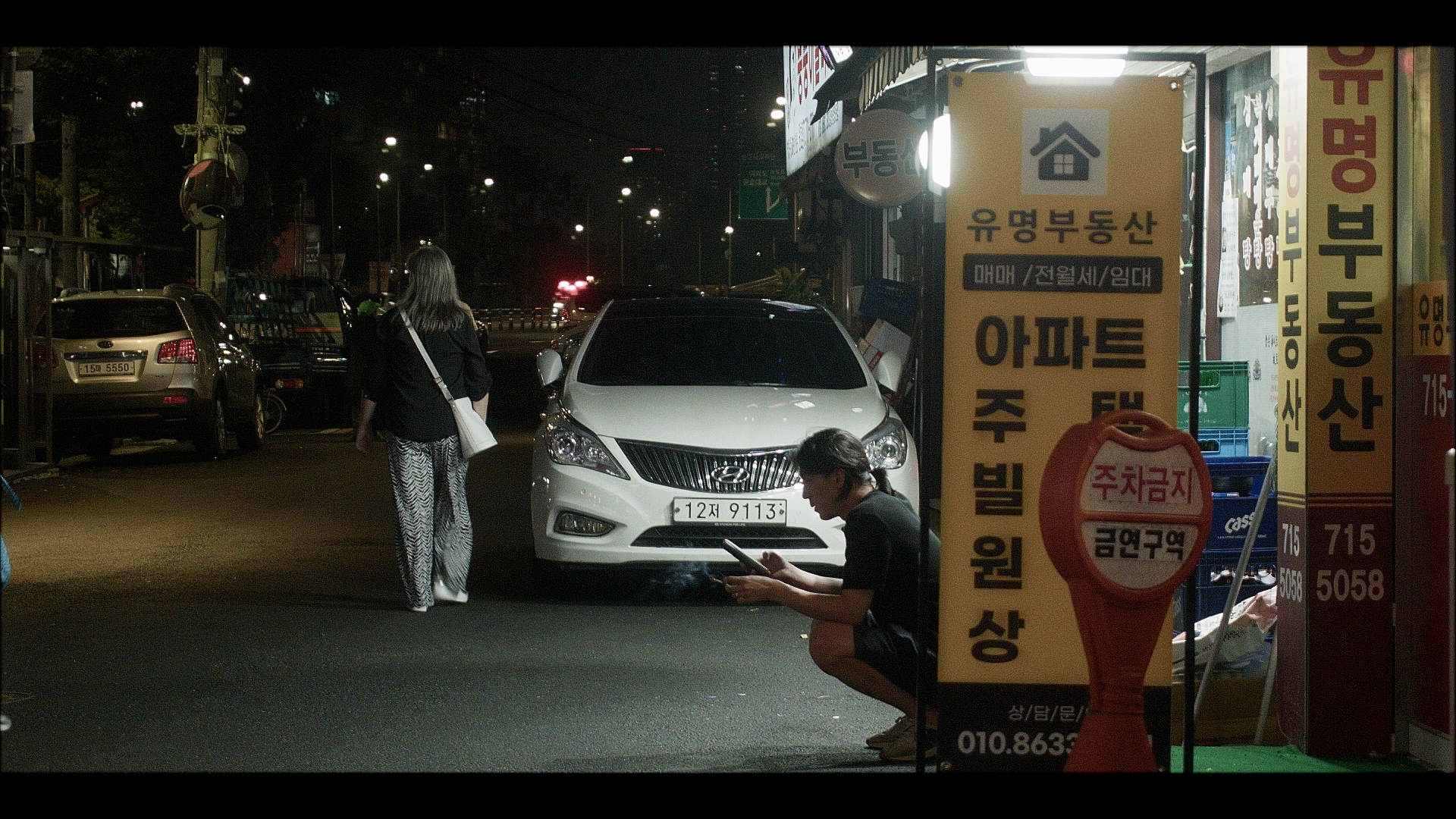
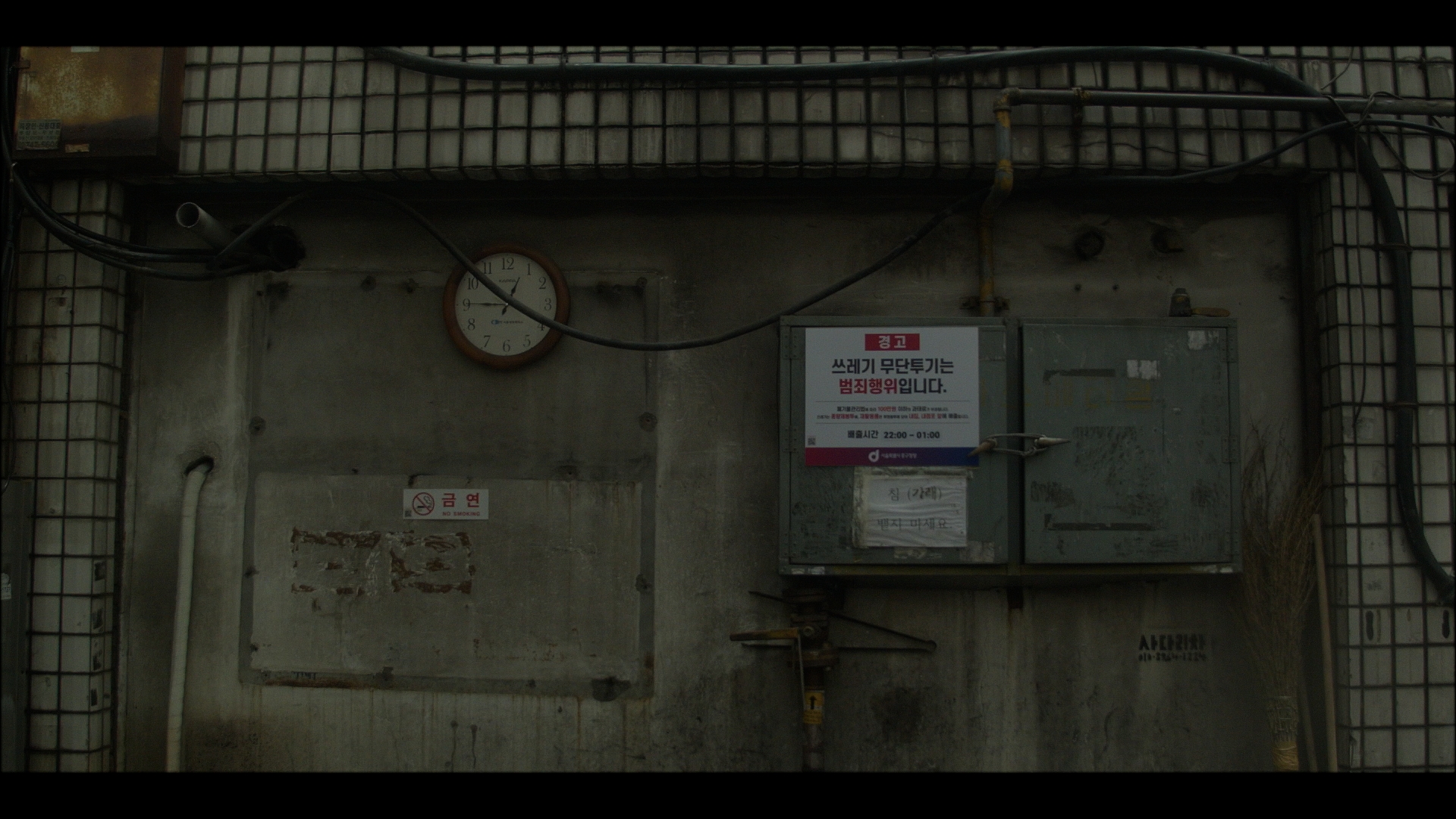
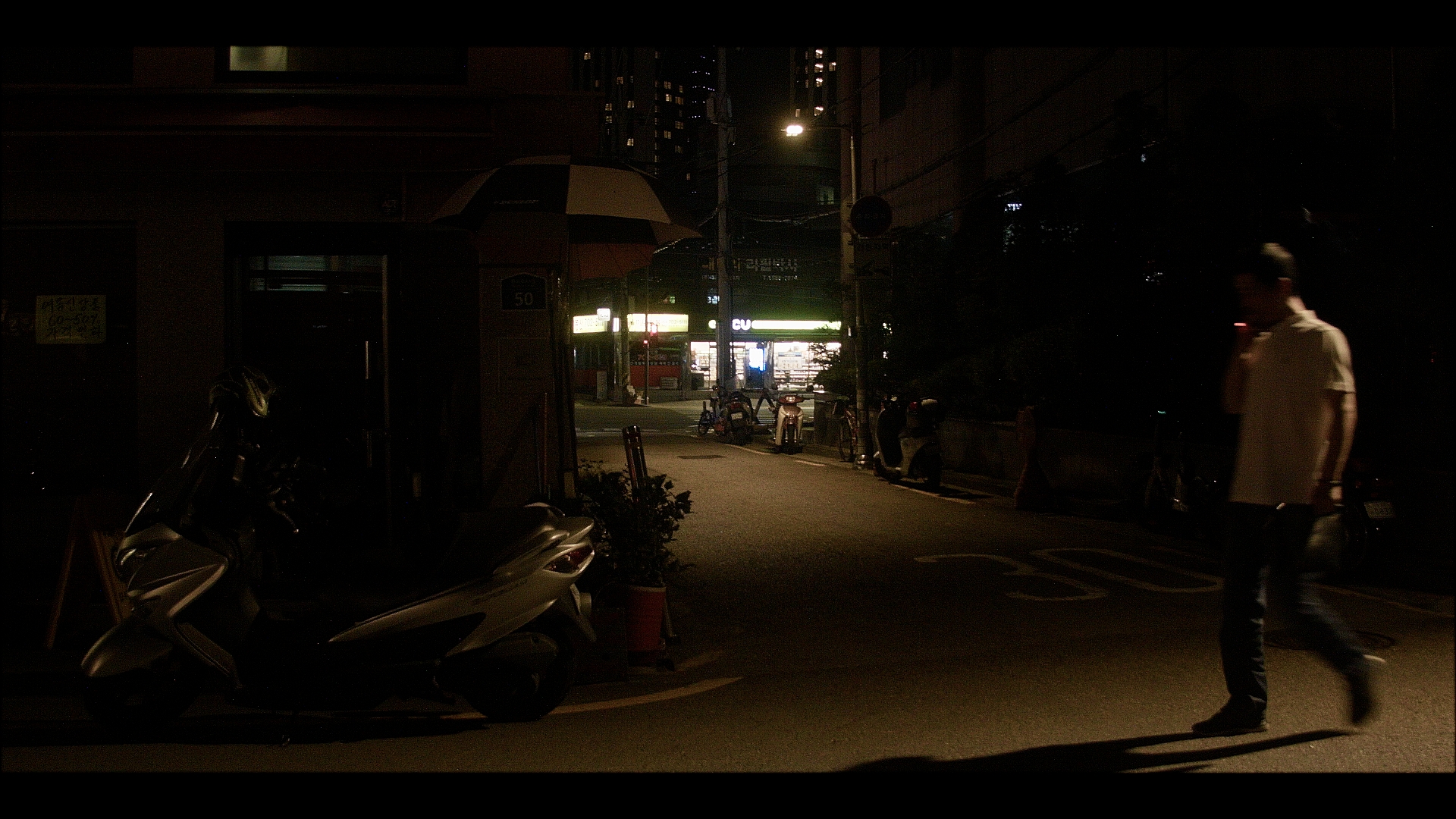
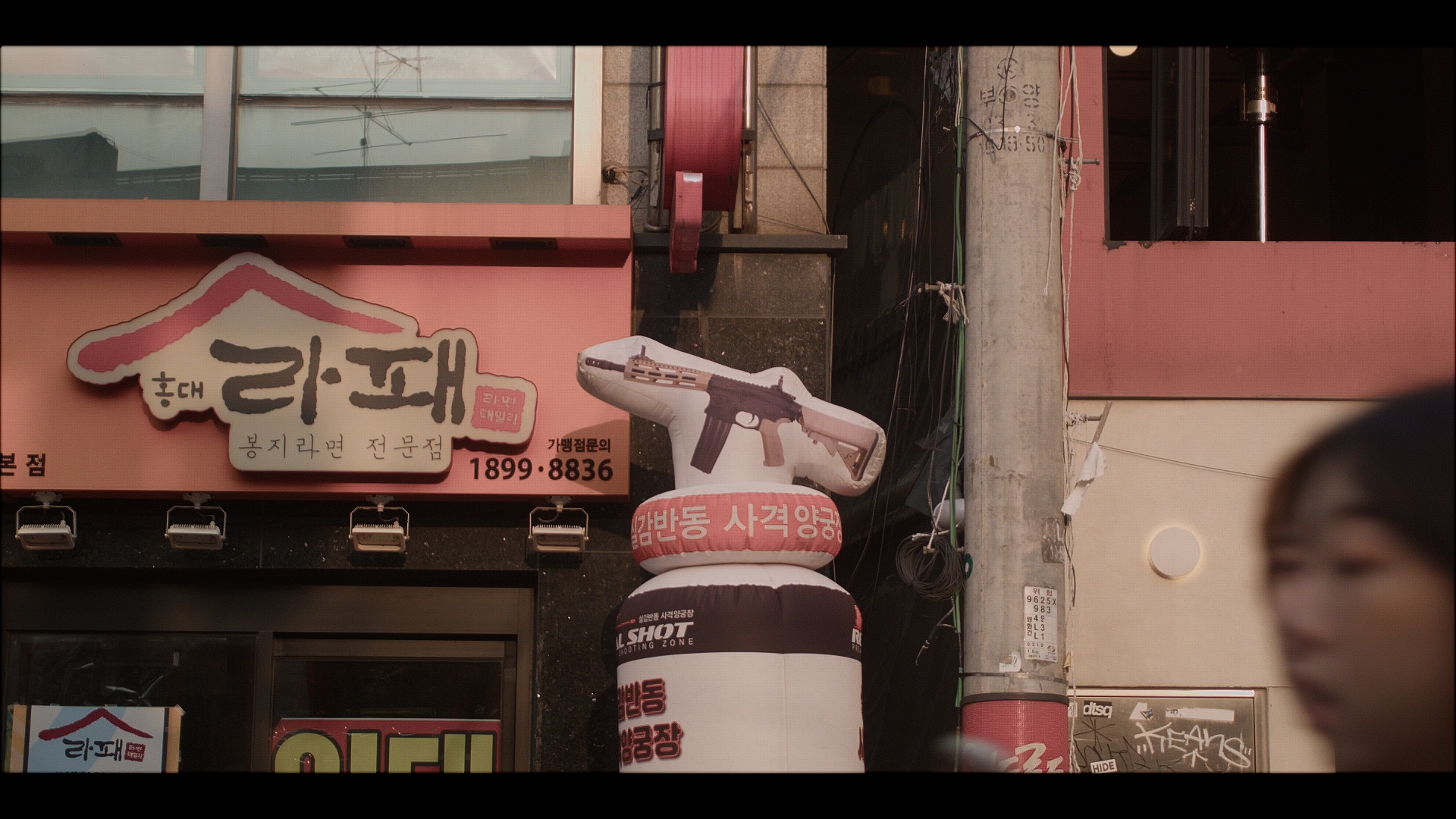
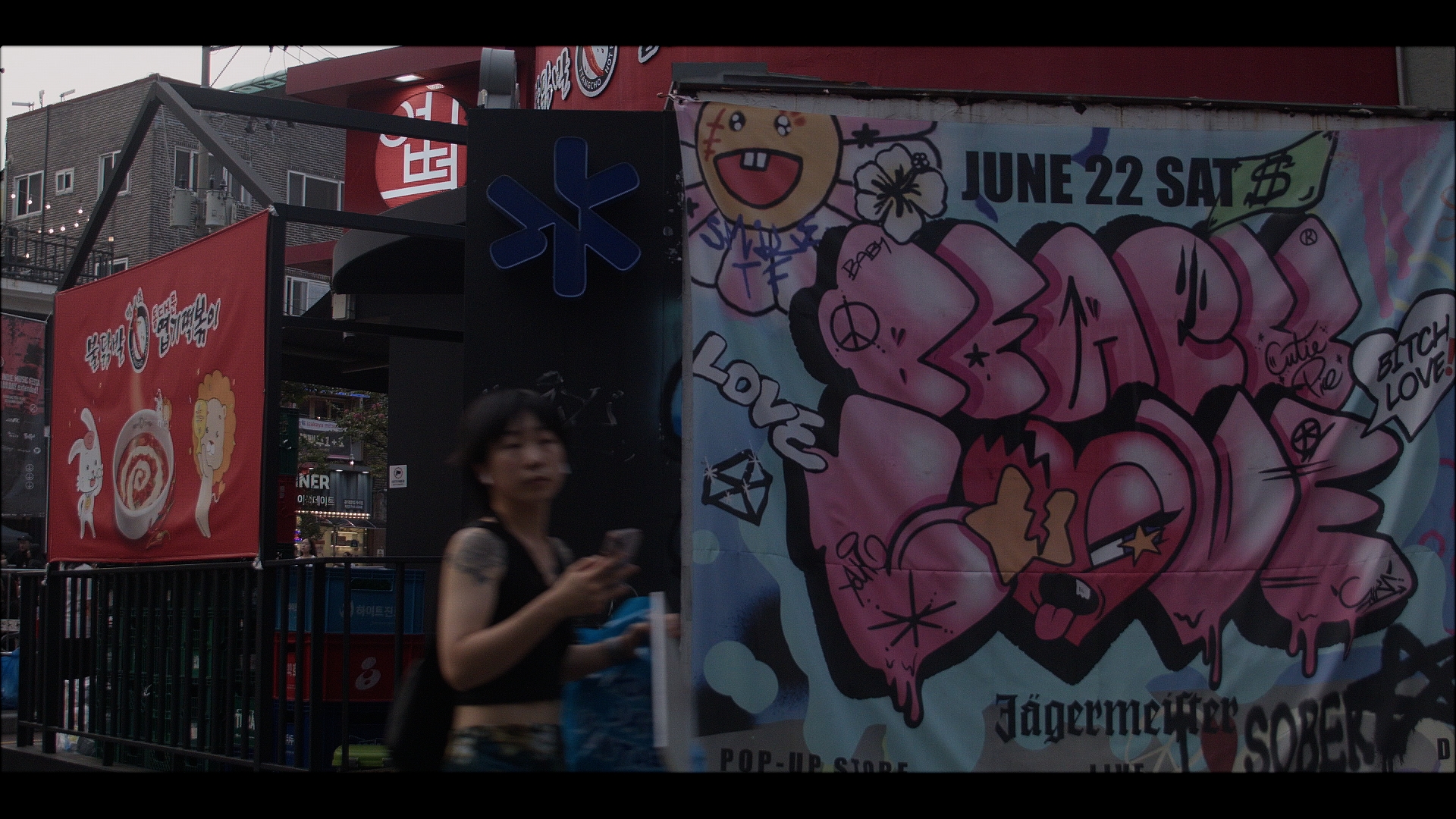
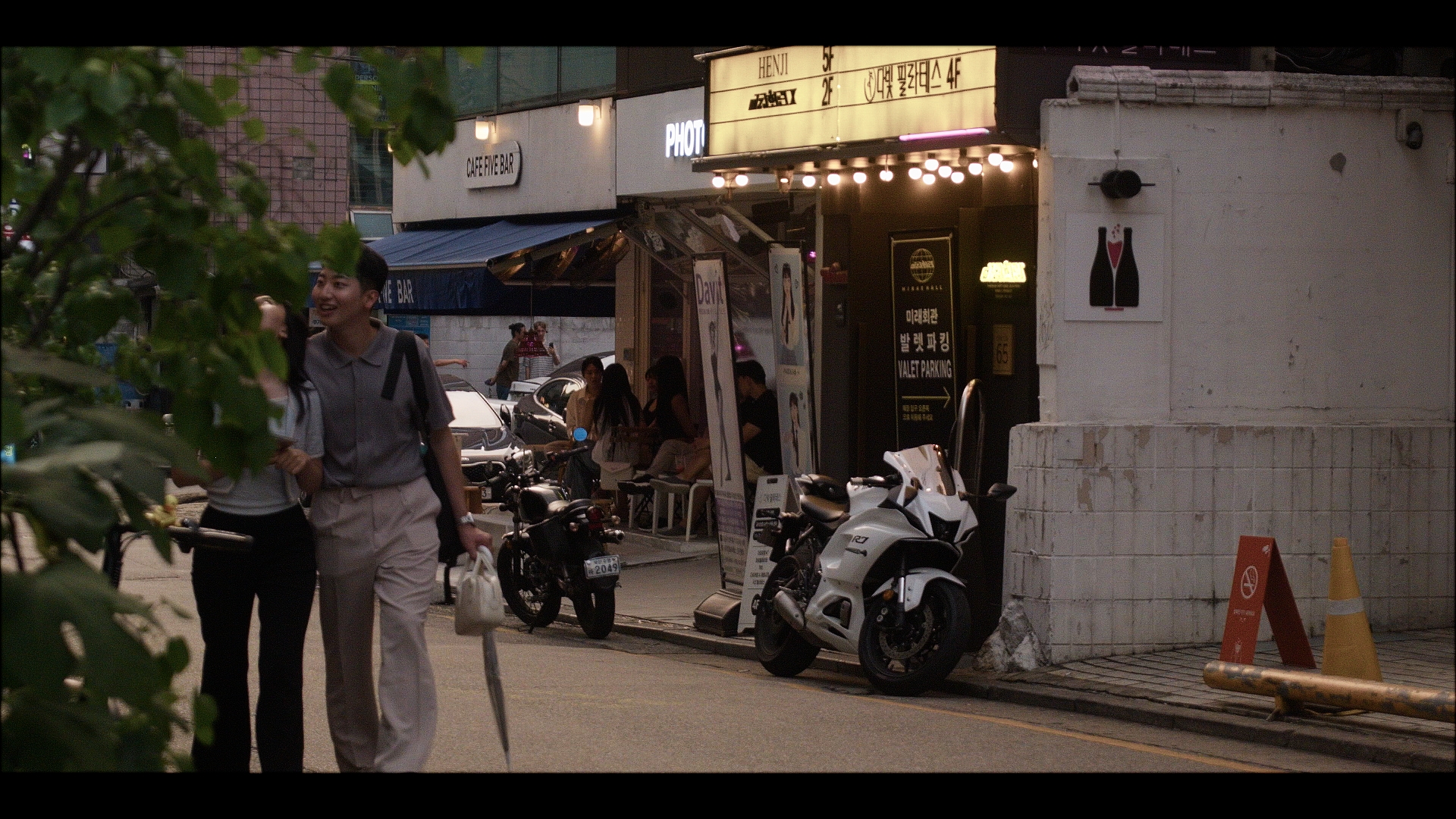
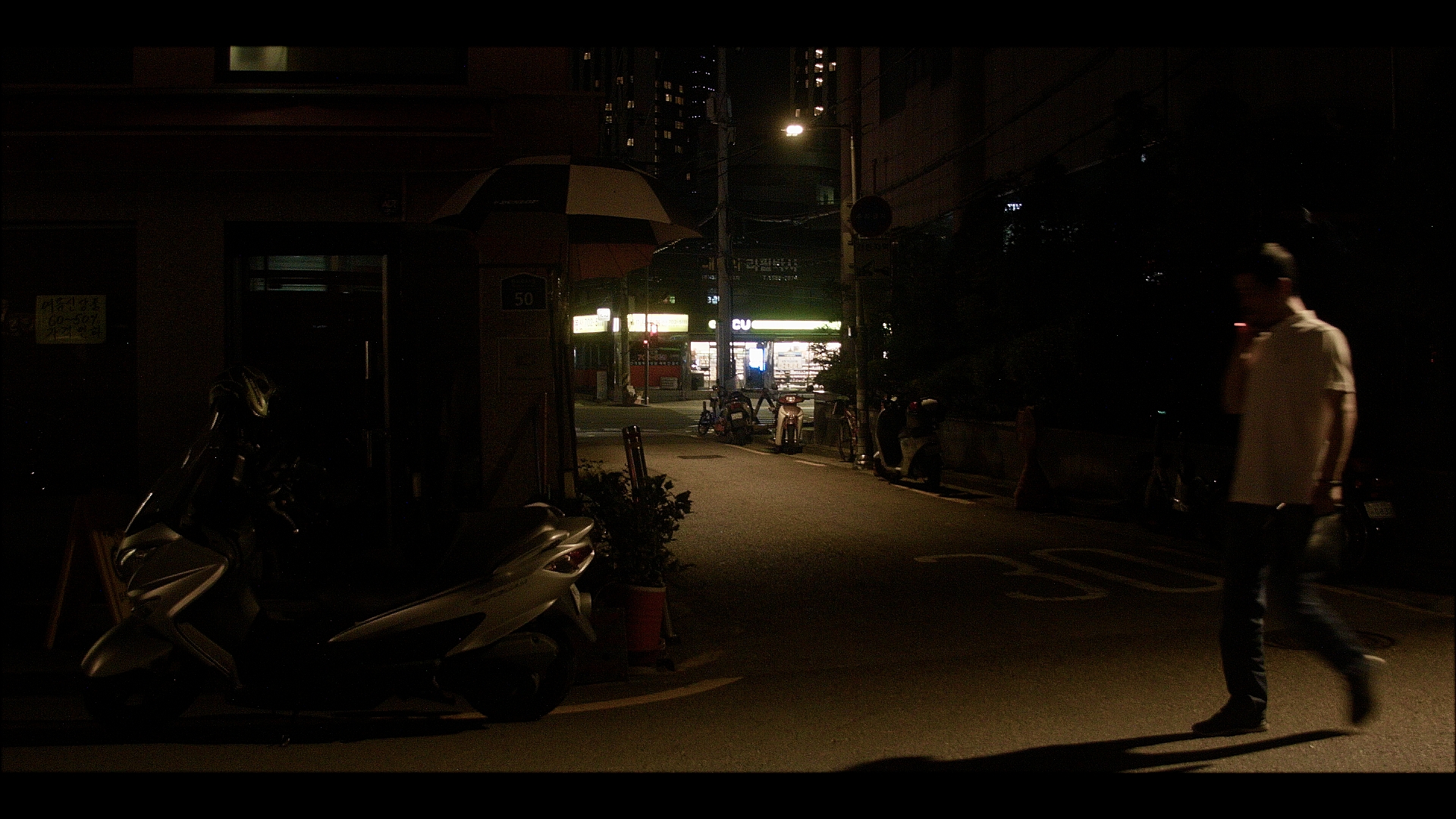
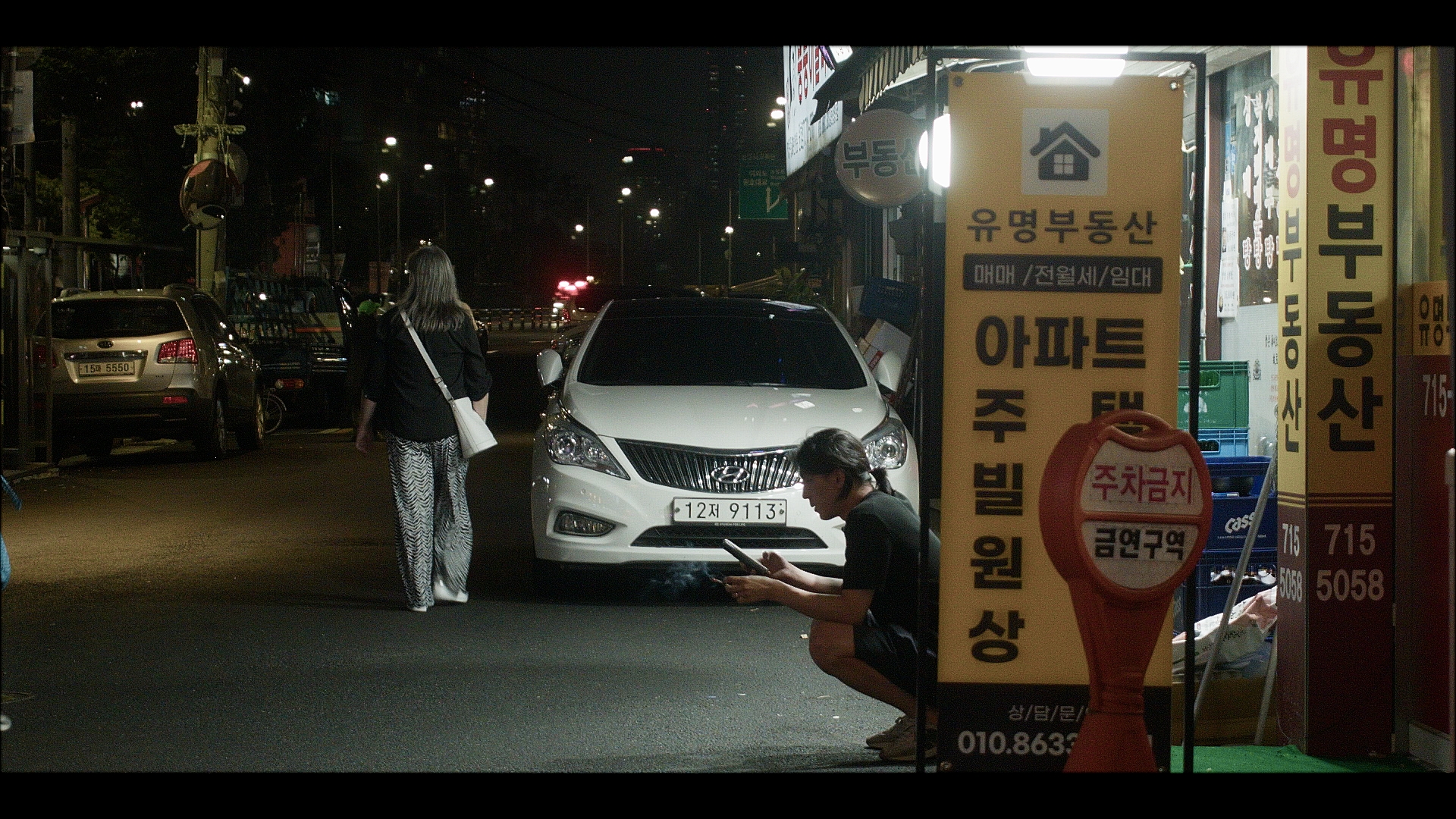
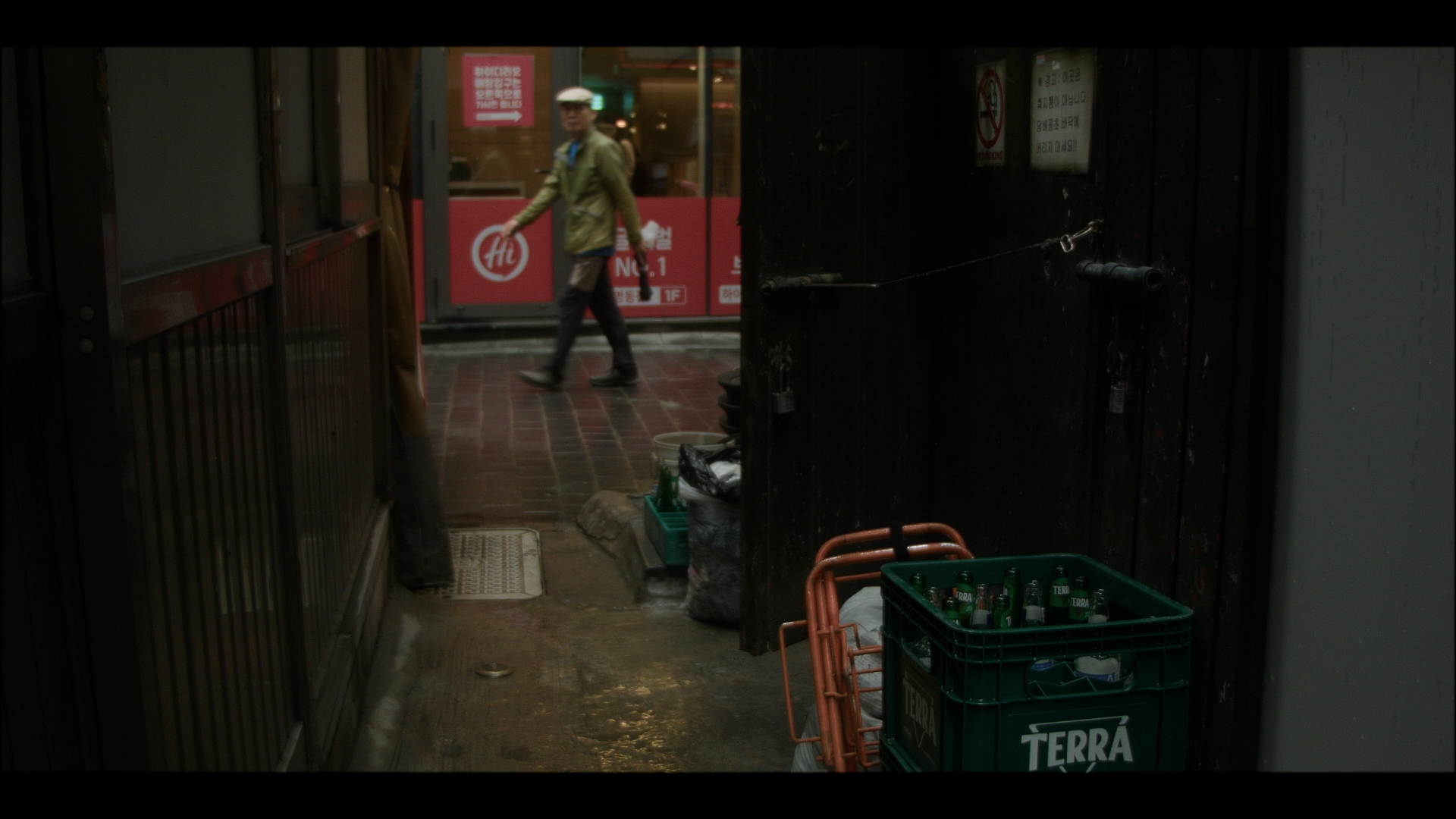
Thanks! 🙂 The not-looking trick is definitely a good one. With hand-held stuff if someone was close by when I hit stop, I'd look up but look past them. It's an old trick but it makes people think you were shooting something behind them rather than them. I'd also just avoid pointing a camera directly at someone and framing up, so if someone happened to be quite close to me I'd just wait until they'd passed and then frame up. I also carried the camera around pointing straight down, which was comfortable to do but also clearly shows you're not trying to secretly film people. I'll admit I did sneak the odd shot here or there. These two for example were me filming people in-particular: I was mostly attracted to these people because they were smoking, which can look really cool on video if the lighting is right. In exploring the backstreets and laneways I came upon a laneway with about two dozen people smoking in it. It was a pretty long lane so far away from the main streets around it. It also had a clock on the wall, which I took a shot of because I thought it was funny to have a clock on the outside of a building, but I think it must have been where workers go to smoke and the clock put there by management to remind them not to take too long.

-
That's all I can think of for the moment, and I'll take a long time for me to digest what I do with this info. One final observation was how hot the camera got. For the unfamiliar, the BMMCC has huge grills on each side for the integrated fan (and as one of the smallest cameras on the market it really shows there's no excuses) and for those who haven't experienced it - it pumps out hot air the whole time! I previously mentioned that the camera was exposed to sweaty conditions, which was absolutely true (I was drenched with sweat basically the whole time I was outside) but part of that was that the camera was this little hand-warmer blowing hotter than normal air on my hands. This really gave me an appreciation of how serious the challenge of camera thermal management is. I'd suggest that technology has likely gotten better since they made this camera, but the amount of data processing has also gone up, so perhaps that evens it out - I don't know. It made me appreciate that I didn't need to worry about other cameras that may well have overheated in these conditions. The heat this gives off, combined with the deep shadows and moody images from shooting in the rain, really made me think this would be a great camera to shoot with in winter. Not only would the images be moody and cinematic, but it would keep your hands warm!
-
Grenade #6: I worked out how to sharpen and process the footage. Prior to the BMMCC, I've previously only shot with cameras that sharpened (over sharpened) their footage. This is the GF3, 700D, XC10, GH5, and GX85. I got good at blurring the footage to get a nice level of sharpness (a level of sharpness that only the pros seem to be able to achieve - amateurs seem to want to slice everyones eyeballs - maybe it's self-loathing over not being skilled at using their NLE?) but I could never work out how to sharpen up RAW footage and footage from the OG BMMCC and BMPCC. In retrospect I really don't know why I couldn't do this, and it sort of seems silly now, but it was a barrier to my ability to do what I wanted with the footage. (It's not that I wanted to over-sharpen the footage, but in order to grade optimally you need to be able to go too far in order to choose the right amount of something.) Push push push.... More more more!! High-end smartphone look achieved!!
-
Grenade #5: OIS with a good implementation is mostly good enough. I'm used to IBIS and more recently Dual-IS (which is IBIS and OIS combined) and had previously shot with OIS-only and disregarded it because it doesn't stabilise roll. I'm also used to the 'tripod mode' on the GH5 which maintains a motionless frame with the IBIS like it's locked-off, which I missed on the GX85 which gives a bit of a floaty image. The BMMCC maintains a very steady frame with the OIS, but doesn't fight you if you want to move the frame, so it creates still compositions but also allows smooth movement. I can still tell from the footage when I was tired or low in blood-sugar or just generally struggling - it was over 30C / 86F and 70% humidity, so pretty demanding on the arms to hold a very small and lightweight camera perfectly still for hours and hours. To counter the roll motion, I took to using my left hand to 'cup' the camera and lens and put my thumb up onto the side of the monitor, which helped stabilise any roll motion / jitters. It didn't work perfectly, as in this orientation any rotation of my forearm translates to roll motion in the camera, but for the most part the jitters are small enough that using stabilisation in post can clean them up almost perfectly. There was still a bit of sudden-blur on the odd frame here or there where there was motion-blur while the shutter was open, but considering the subject matter is a large city with the grunge and grit as well as the glitz and glamour, it's aesthetically appropriate.
-
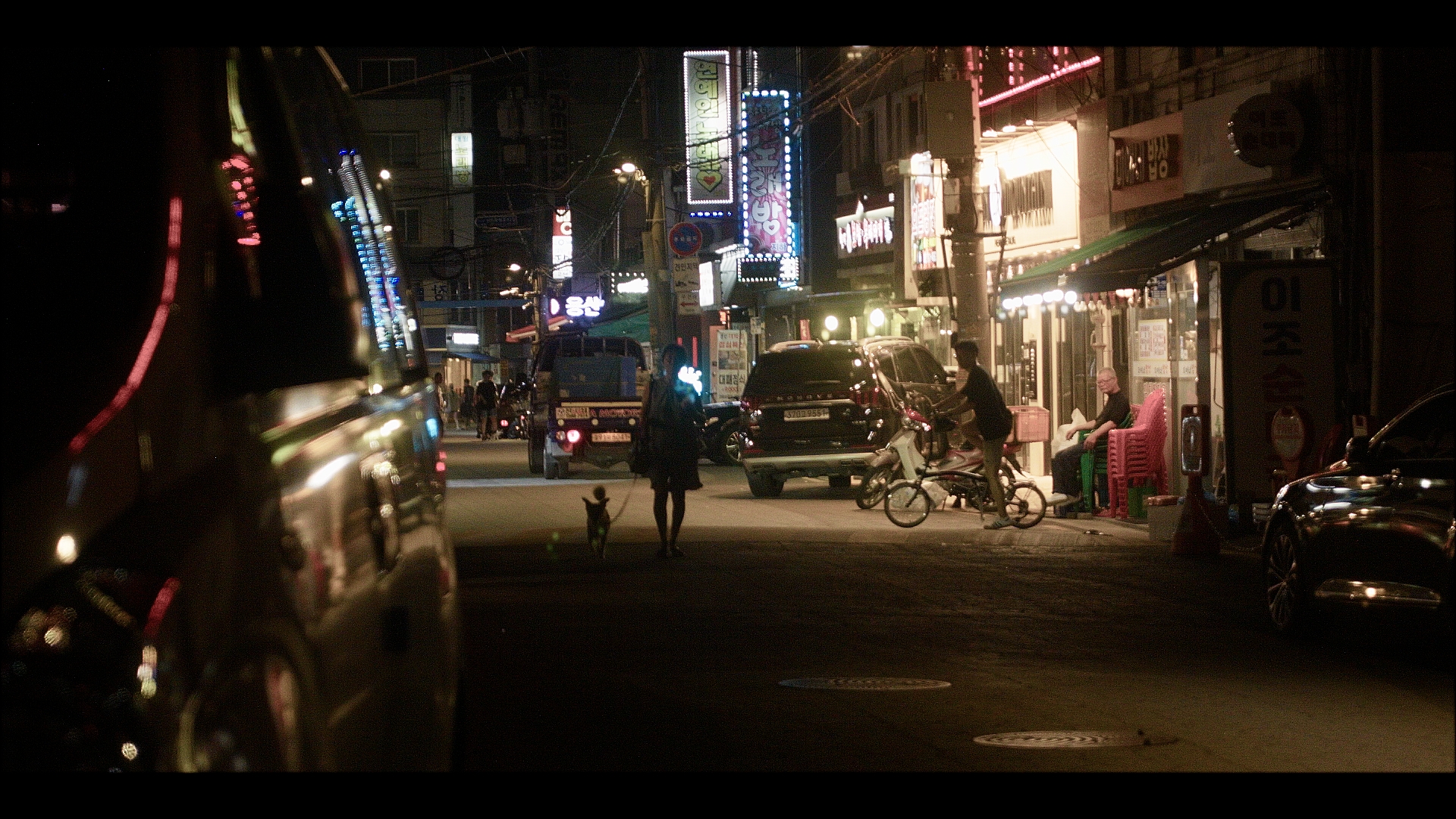
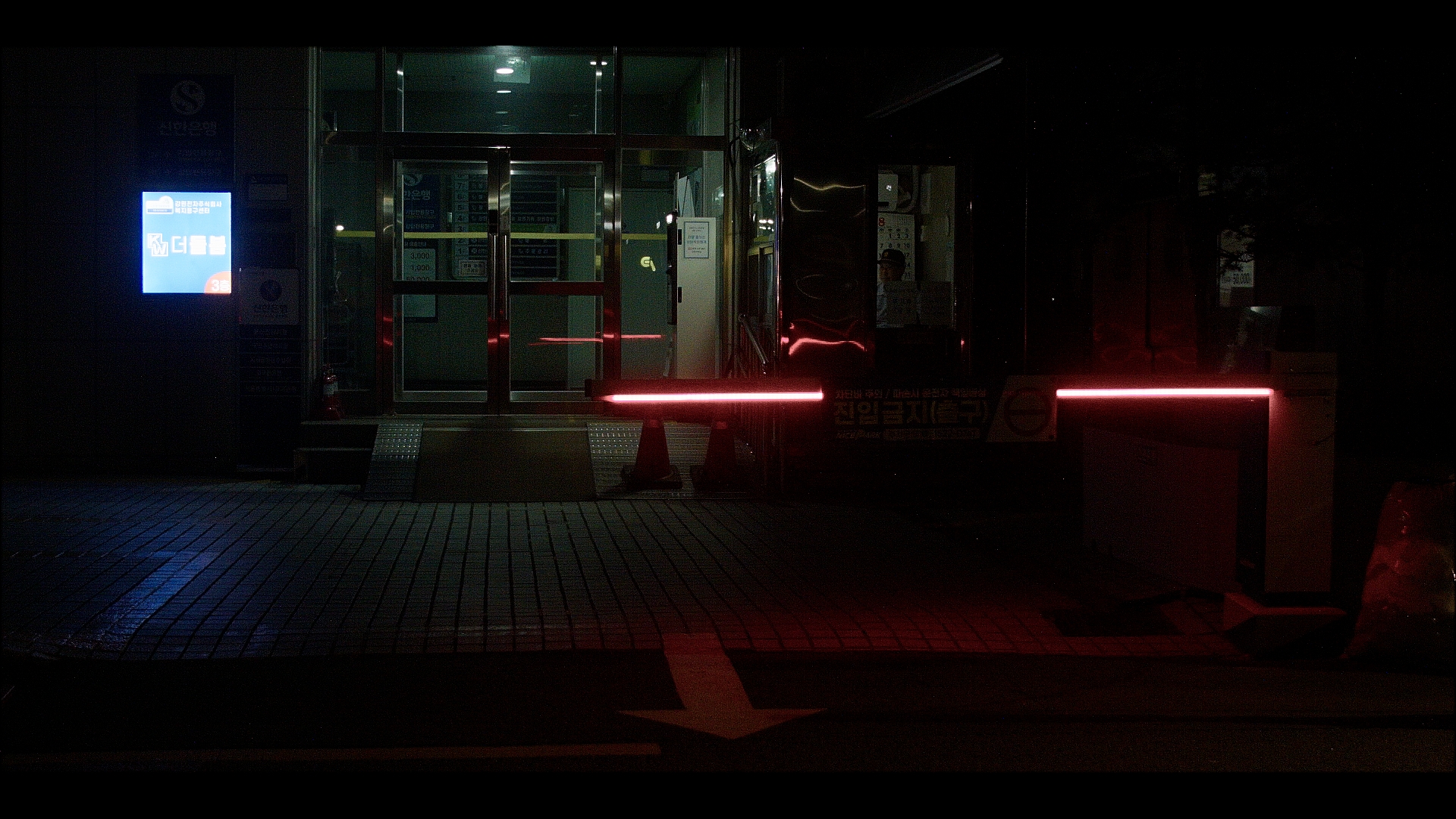
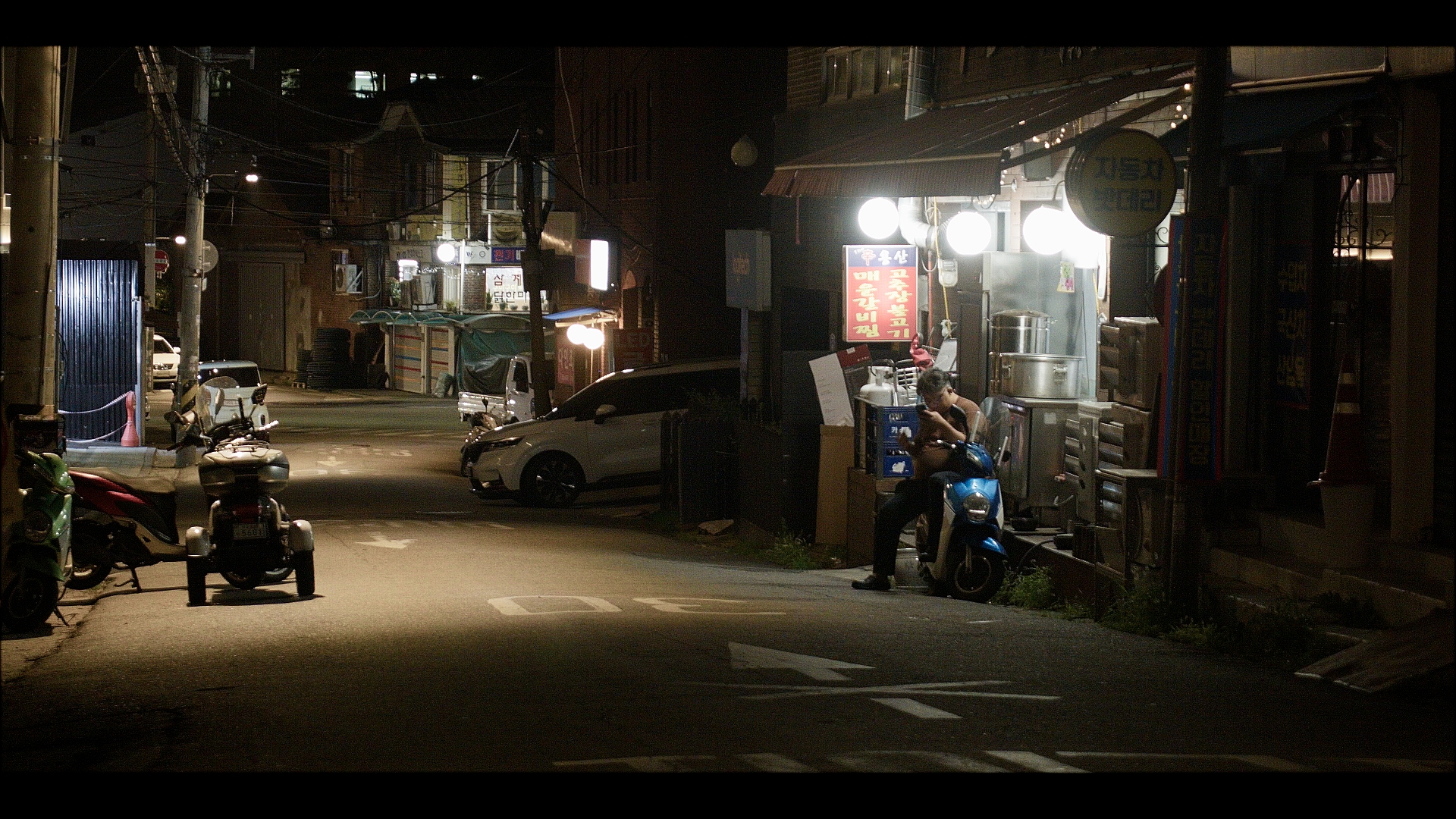
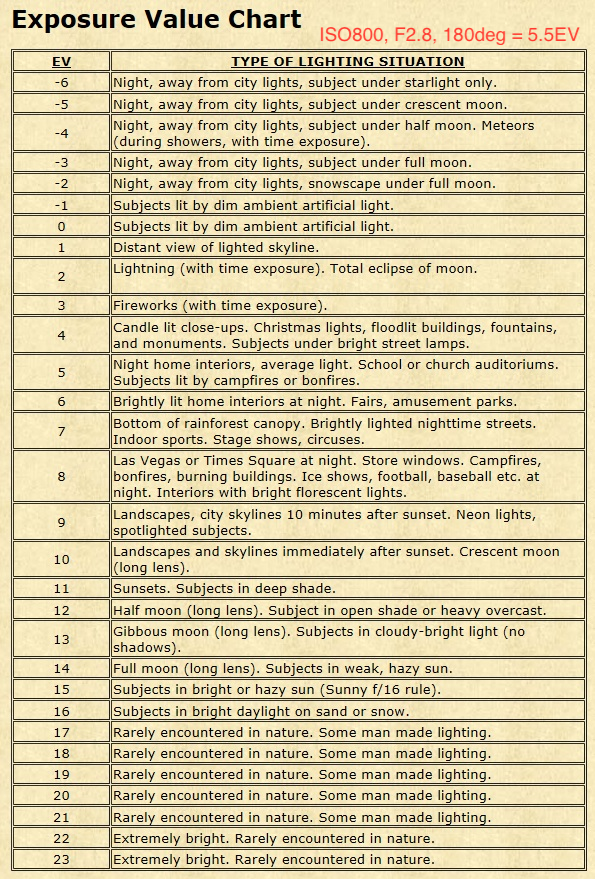
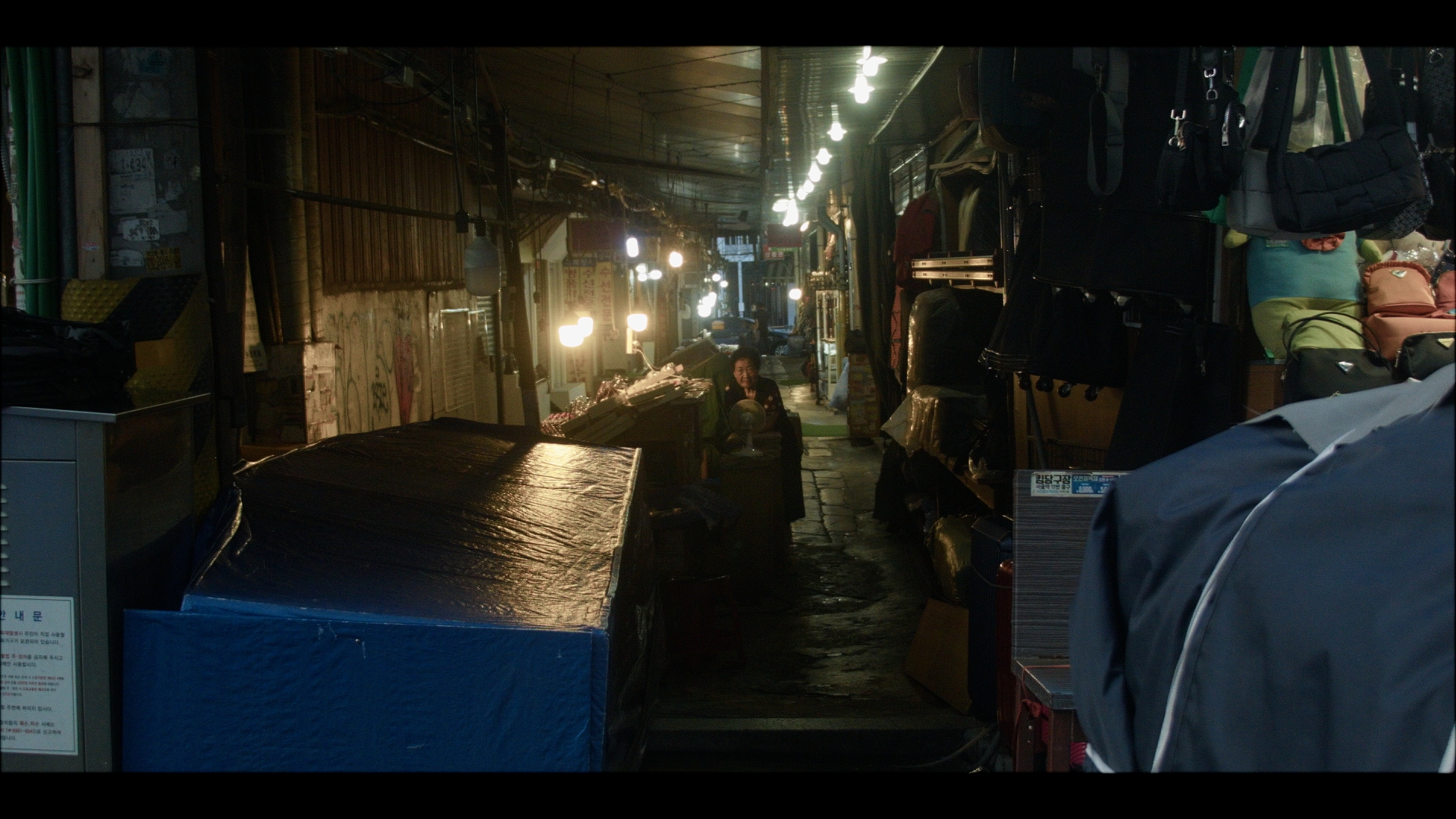
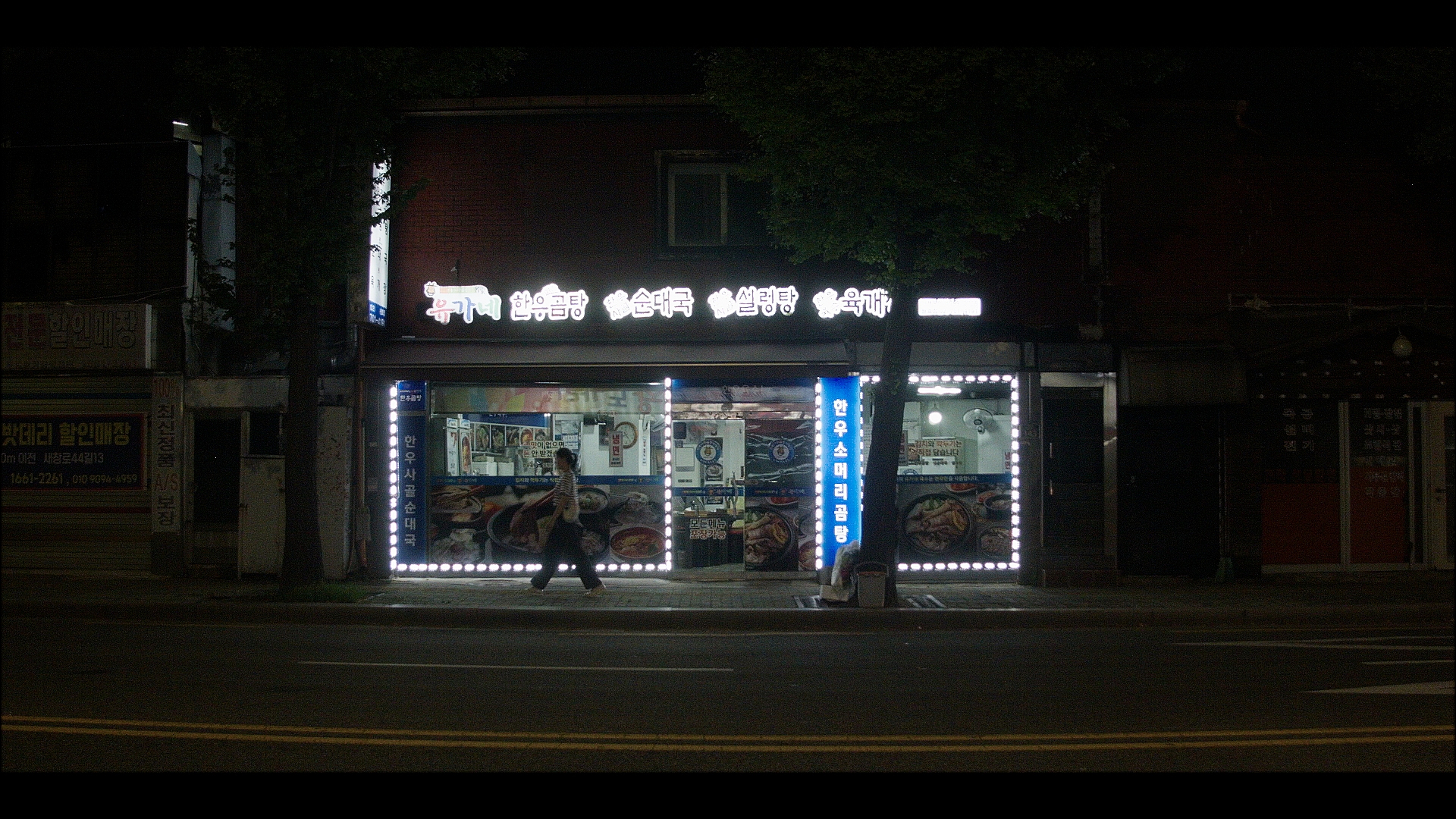
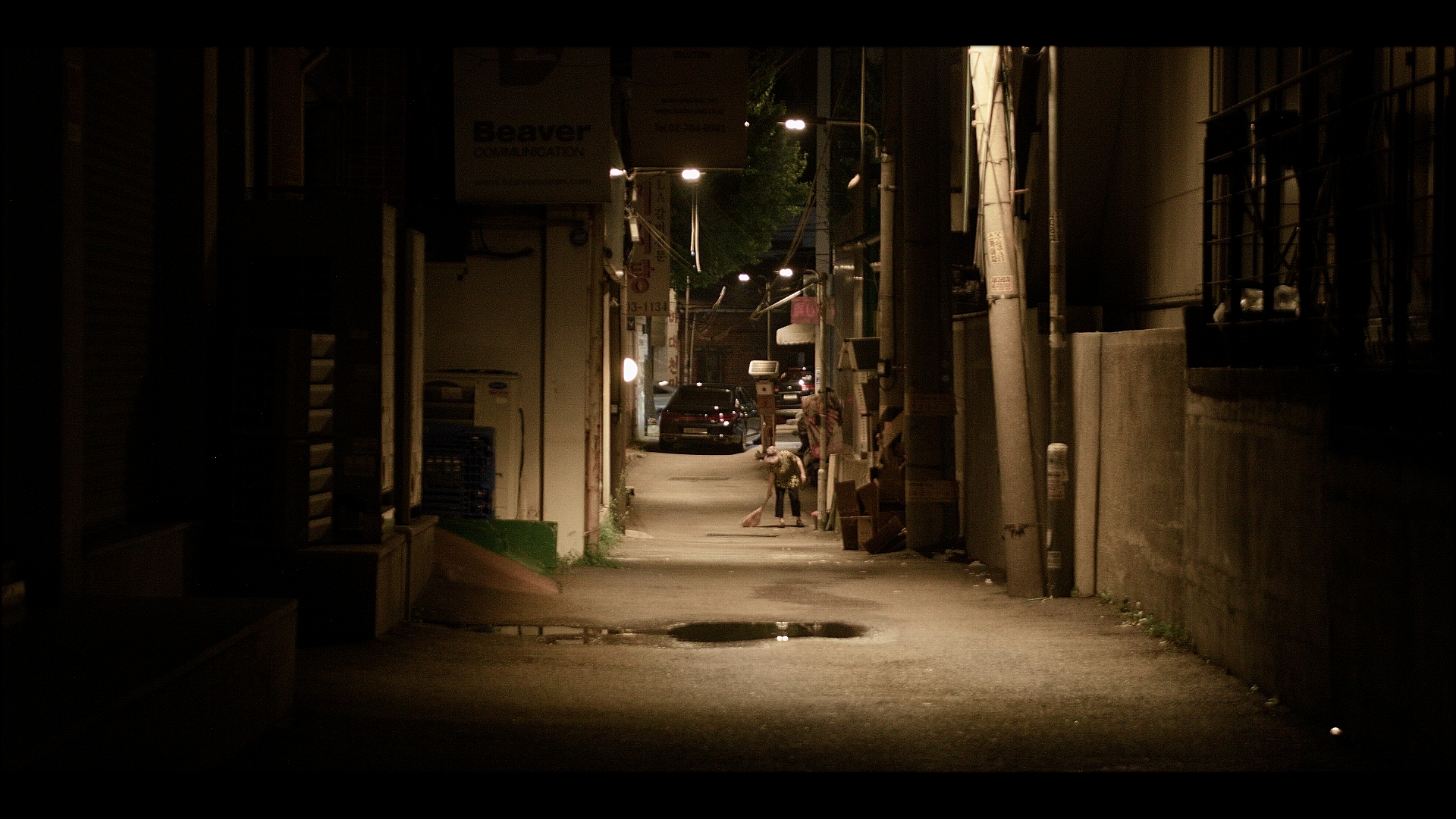
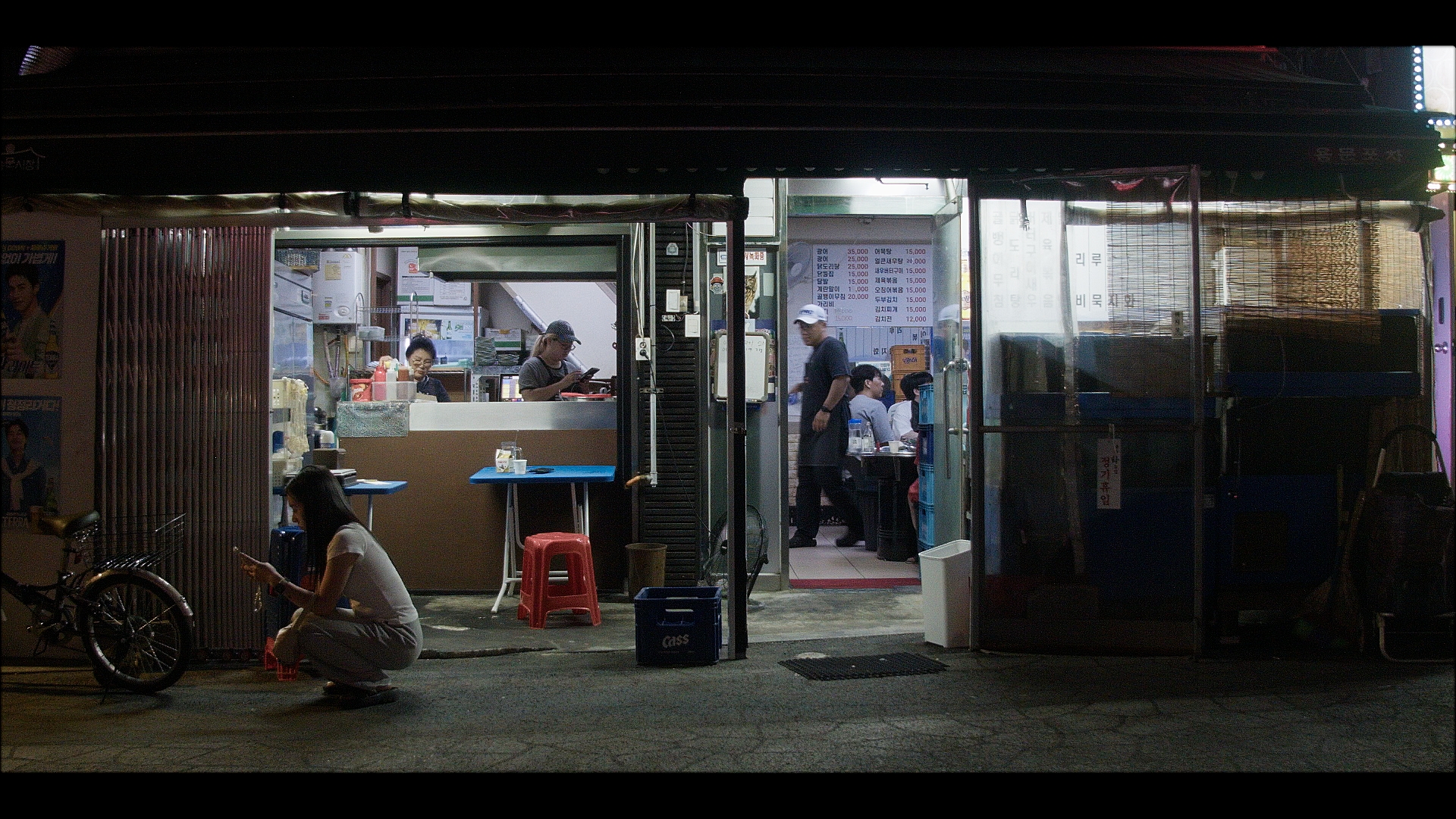
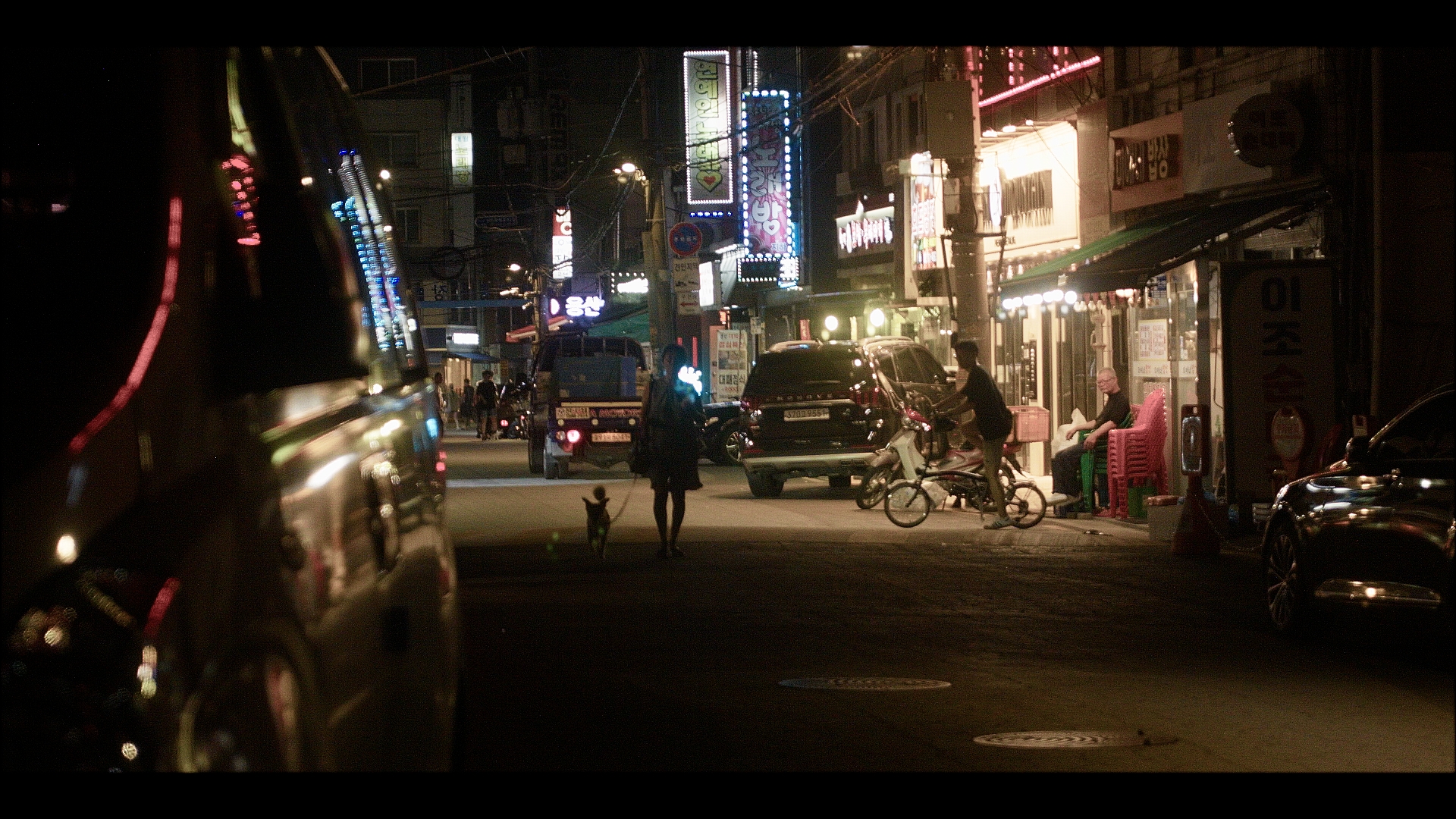
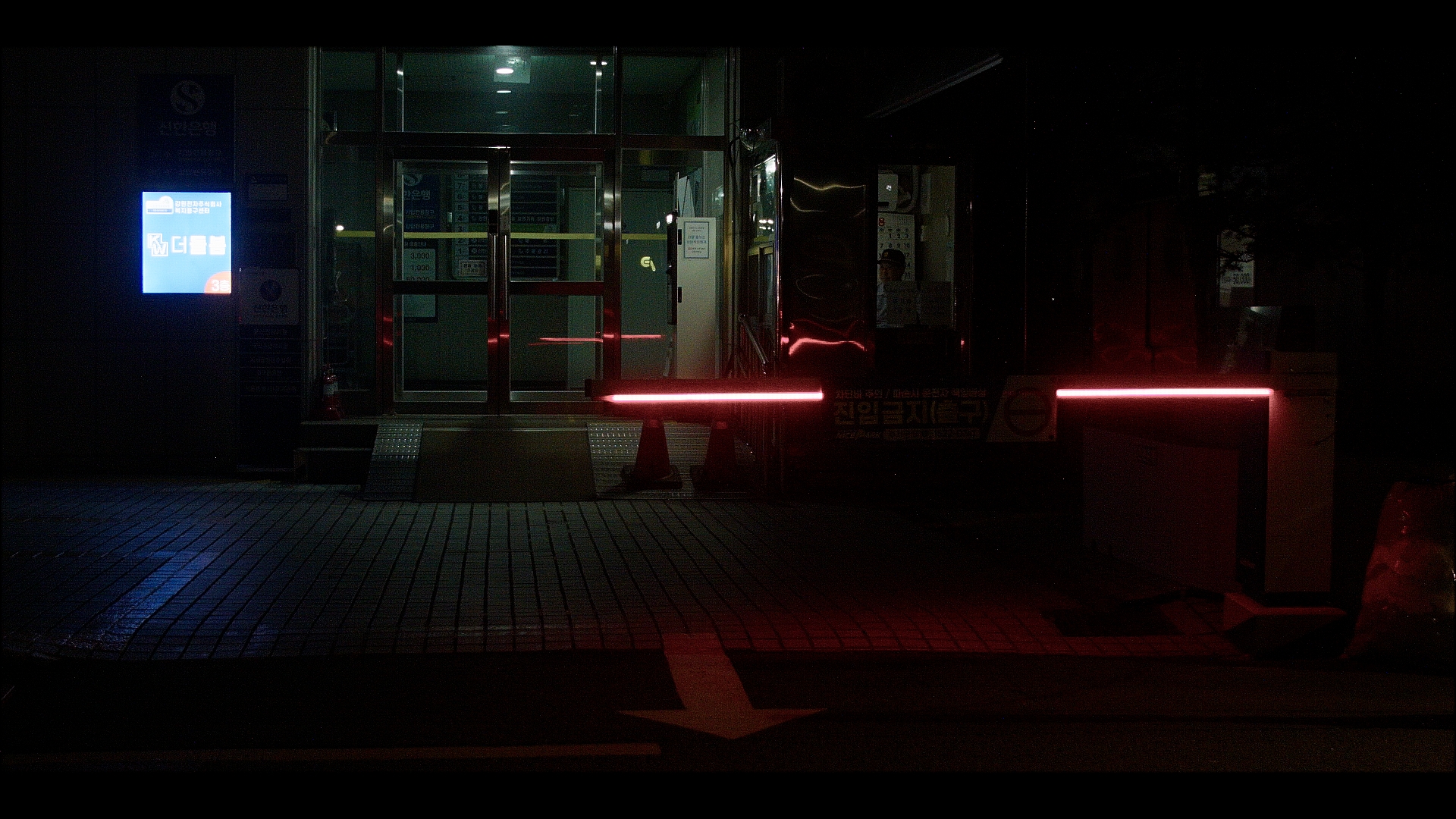
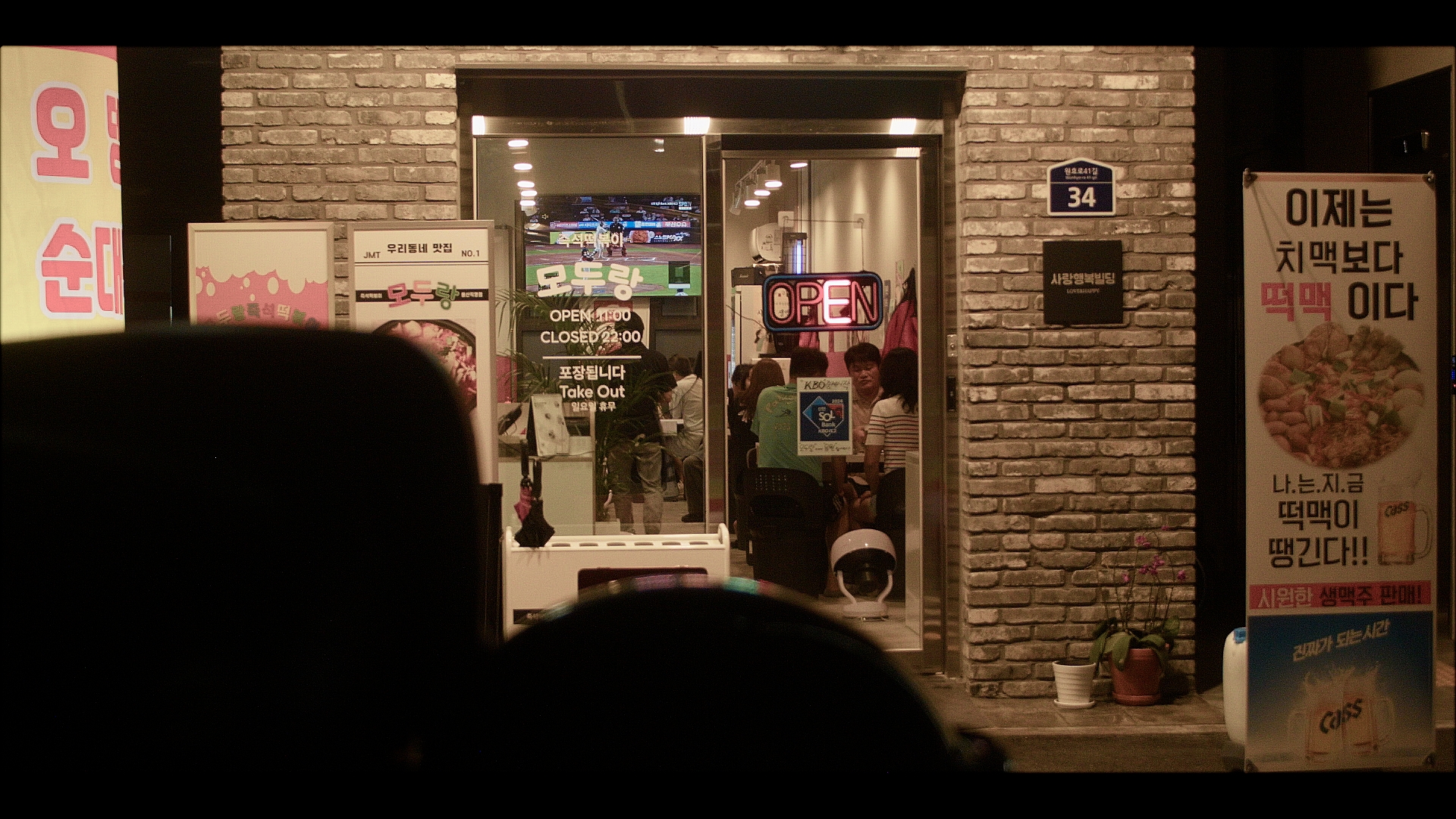
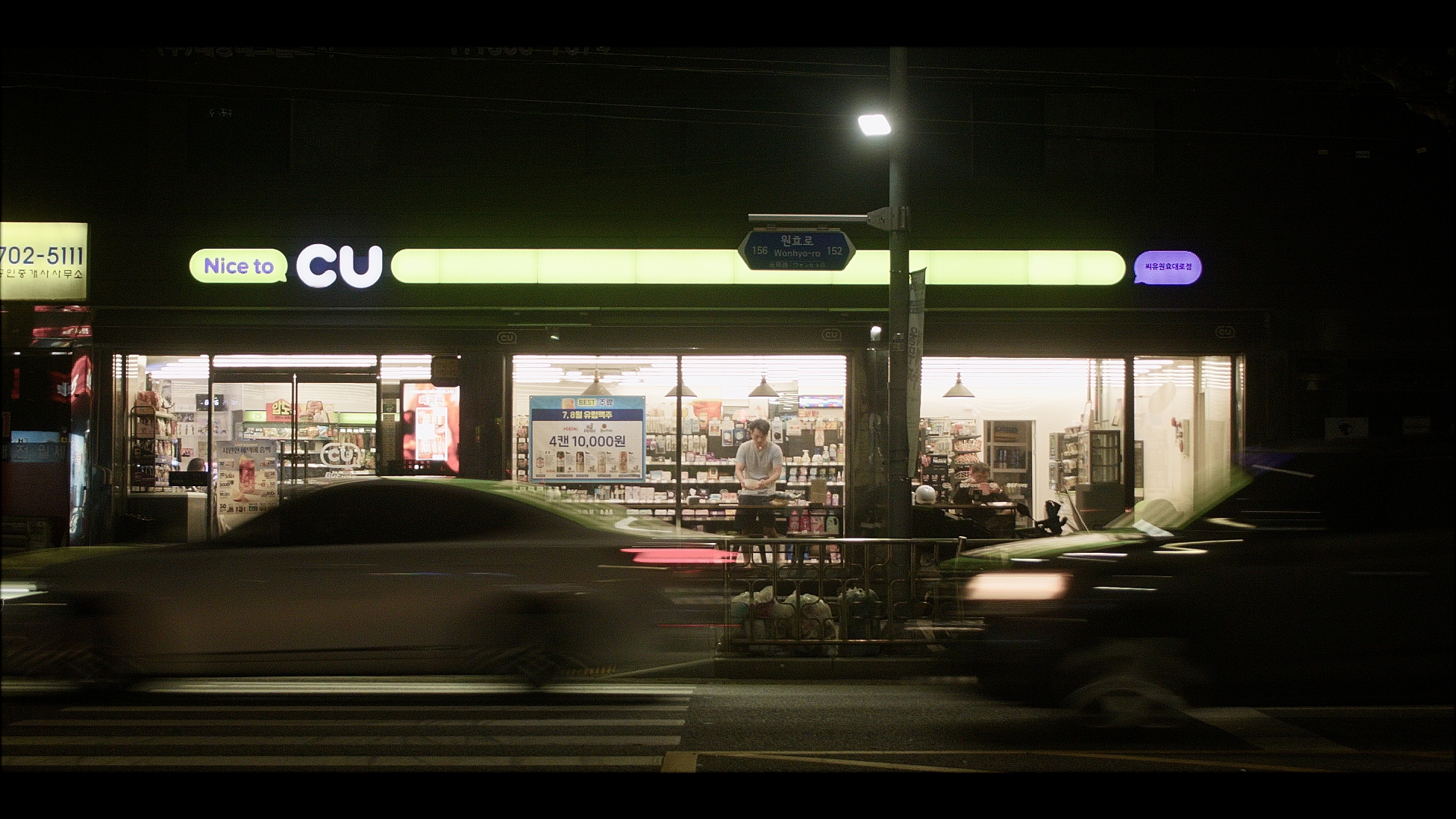
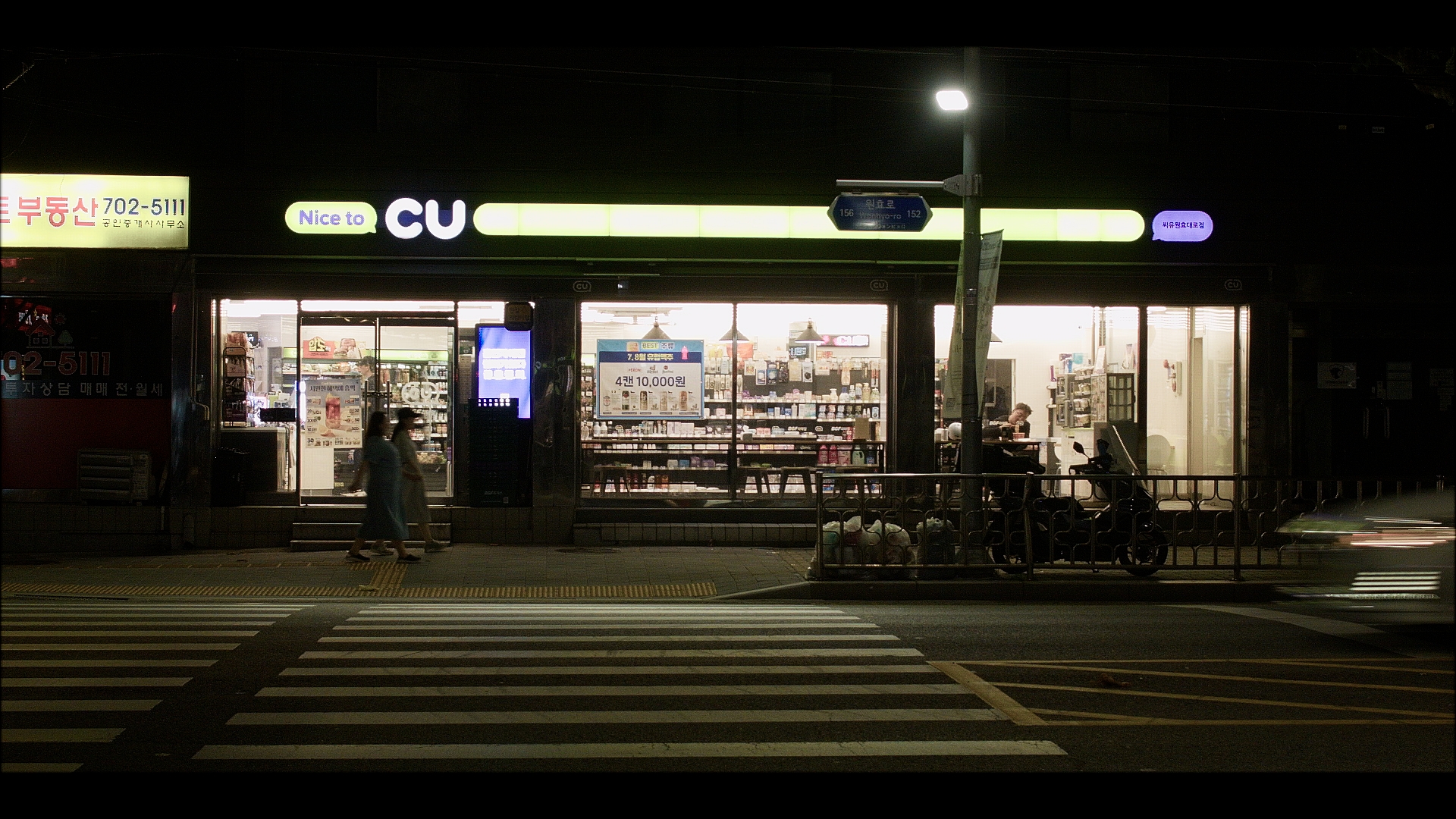
Grenade #4: Low light cameras and lenses aren't strictly needed. This was a surprise, but ISO 800 and an F2.8 lens is (almost) all you need, even for low-light situations. The BMMCC has an ISO 1600 mode, but I did a side-by-side and the 1600 shot was still noisier than the 800 shot even after it had been darkened by a stop in post to match exposure. The BMMCC is a pretty noisy camera though, and I did ETTR whenever I could. For the really low-light situations I ended up taking off the vND, which is still something like 1-stop when at its lightest setting, but even that wasn't needed for most situations. The secret to making this combo work is to actually have blacks in the frame. This seems to be something that only professionals do now, amateurs all have milky shadows for some unknown reason - perhaps they think they're emulating film when in fact film would crush your blacks faster than the YT comments section will crush your dreams. These are all shot at ISO 800, with me cheating an extra stop by going to a 360 shutter. After doing that cheat, I ended up dropping exposure significantly in post on most shots, so I probably didn't need to cheat that much: These are also shot at ISO 800, but might have been with the 50mm F1.2 prime I also took with me, and were tripod shots: (These last two shots also had a WB change in post to get the cool tones, but most of the other shots I've posted had no WB changes in post at all) I am contemplating an 85mm F1.4 prime to give extra reach for very low-light situations but it's a pretty speciality thing. I also took with me the 7.5mm F2, 17mm F1.4 and 50mm F1.2 primes. The reason I took these is specifically for very low-light situations like going to a look-out at night and wanting to capture the city lights cleanly and get a little bit of exposure on the things they're illuminating rather than simply getting a black frame with individual pixels lit up by the lights directly. Having a dual-ISO camera would really simplify this, because if the second native ISO was 2.5 or 3 stops above then the F2.8 lens would turn the T2.8 exposure into a T1.0 or T1.2 exposure which makes a big difference into reaching into the blackness. Here's a table of common scenarios, where ISO 800 at T2.8 and 1/50 shutter speed = exposure value of 5.5: As you can see, lots of night situations you'd find yourself in are brighter than the 5.5 with 6 and 7 being common night situations. The other thing to take into account is that 5.5EV is probably better than most of us can see at night with our eyes, so if it's too dark to film, you might not be inclined to be there in the first place (unless you enjoy walking down dark alleyways in foreign cities at night with expensive camera gear).
-
Grenade #3: Restricted zoom range and cropped monitoring give scale to compositions. This is a combo one. After decades of shooting travel and street, I compose on instinct and if I wanted to override that, I have to concentrate. Often while shooting my whole capacity is being used elsewhere, so I get what I compose on auto-pilot, but the gotcha for these is that I compose using the monitor, which is normally 16:9. If you later want to crop then subjects are too tall in the frame, so it doesn't work. Cameras often have completely rubbish crop lines for their display - some are barely visible - let alone strong enough to get my autopilot to use them for compositions. The BMMCC is different - the frame guides are 100% opacity black bars. This is perfect because that real estate can still be used to display settings, but isn't displaying misleading parts of the frame. So, this part encourages me to not make the subjects too big in the frame, but the 100mm limit of the 12-35mm lens goes even further - it makes far away subjects even smaller in the frame. What I find is that is that this can really give a sense of scale to the world - we tend to measure everything against the size of humans after all. I've seen people talk about how the greats of cinematography aren't afraid to make the humans small in the frame and how this is something less awesome people don't do - this combo helps! This point might be a little lost if you're reading this on your phone instead of on a 70" TV like you should be doing, and movement also helps because with most of these shots the composition is static so the buildings are motionless and the movement of the people really helps them to stand out in the frame.
-
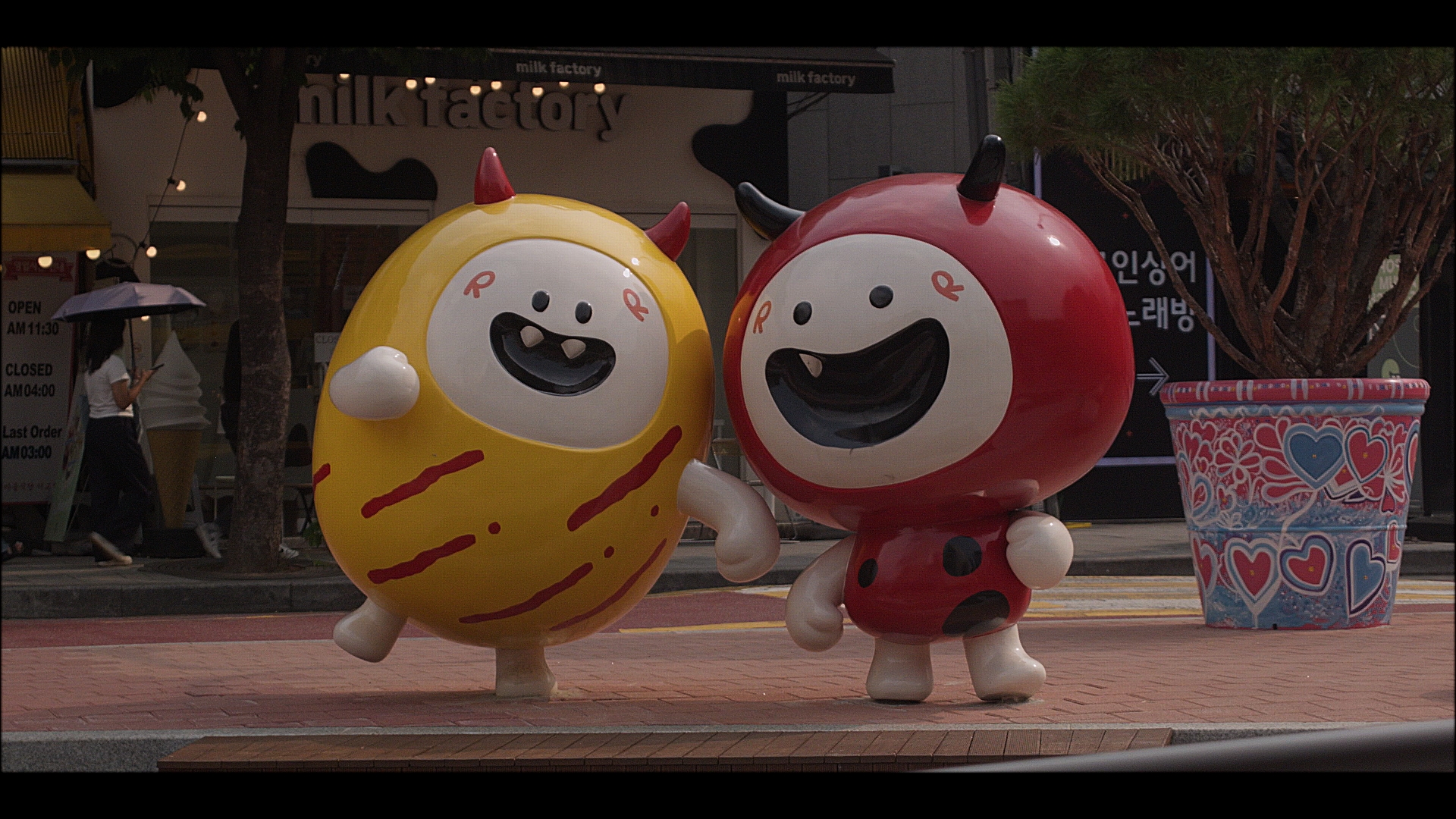
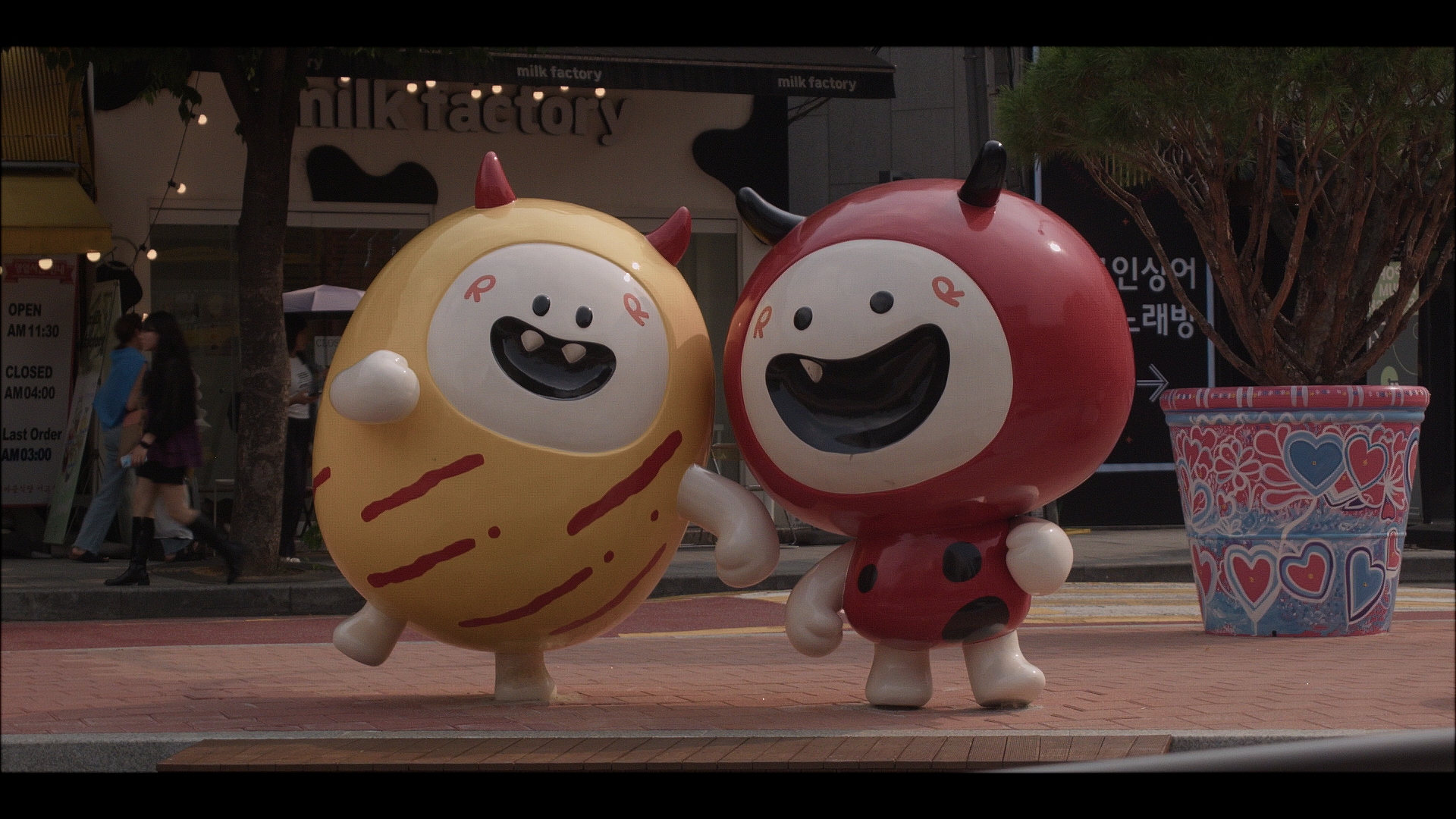
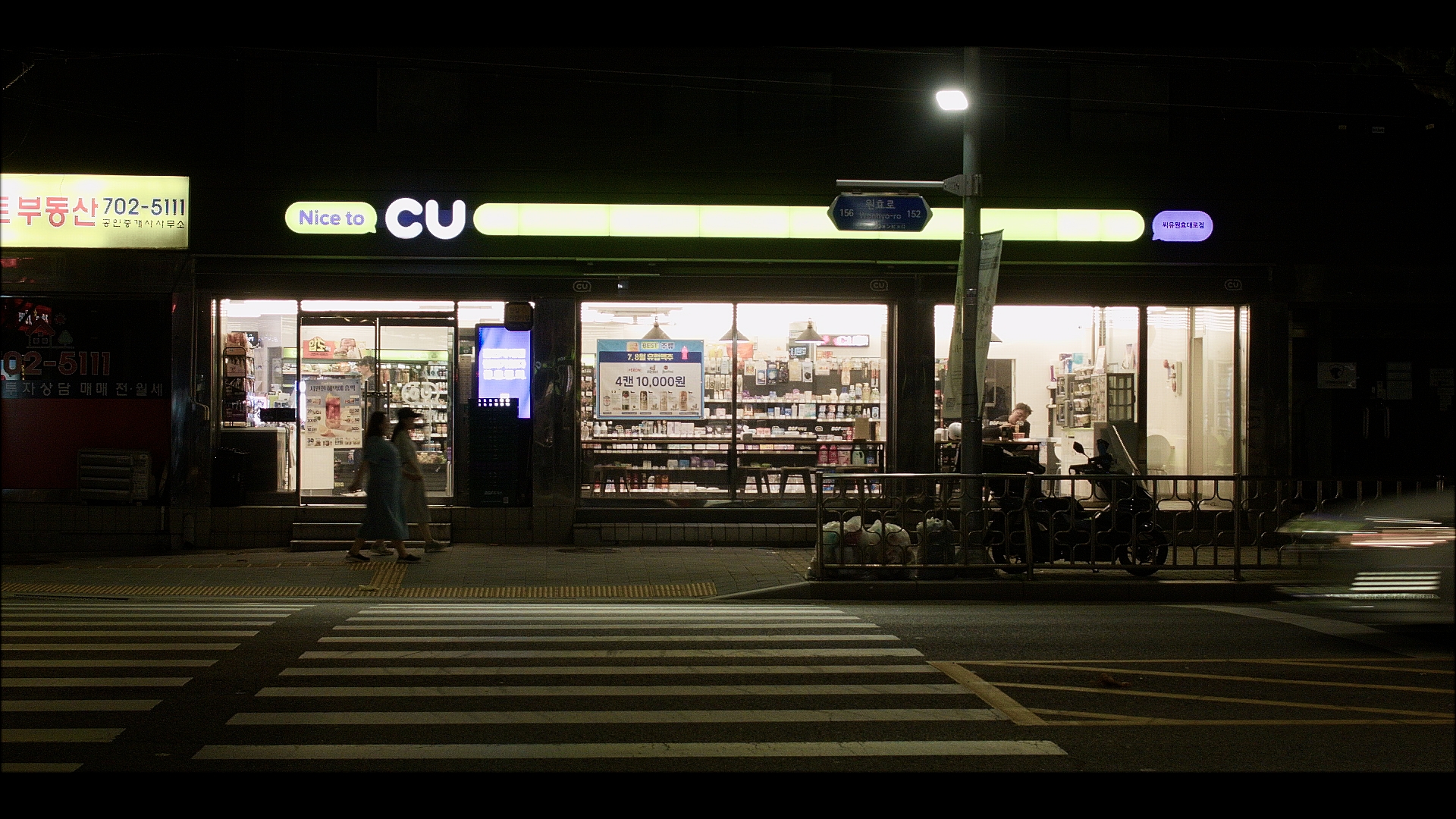
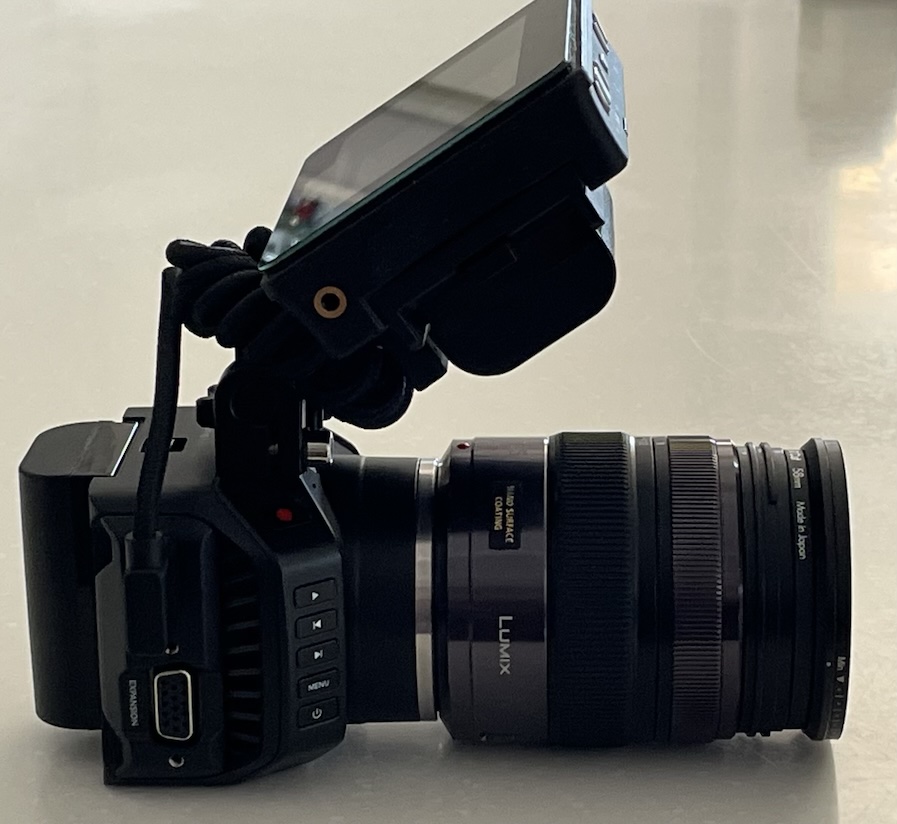
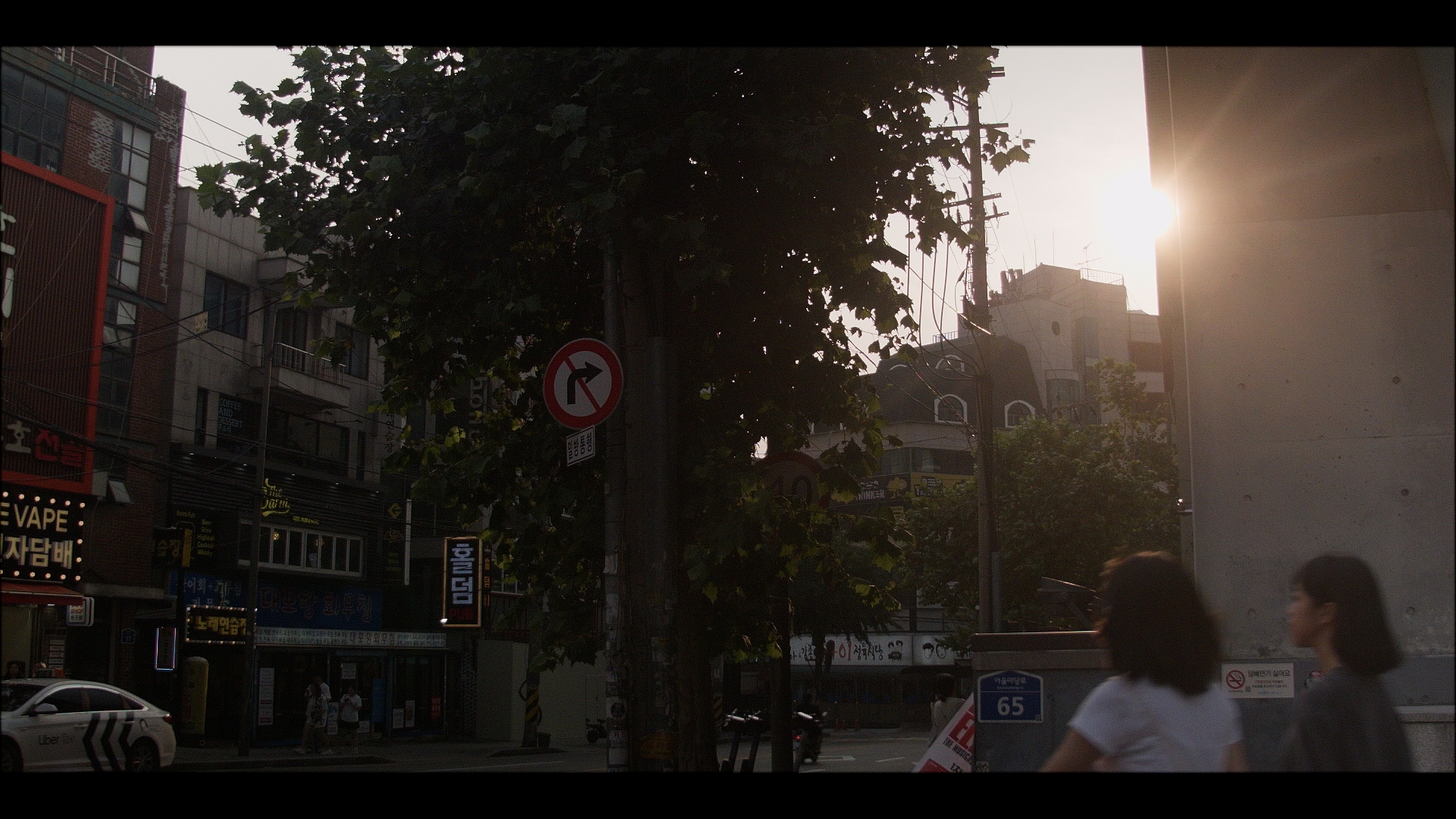
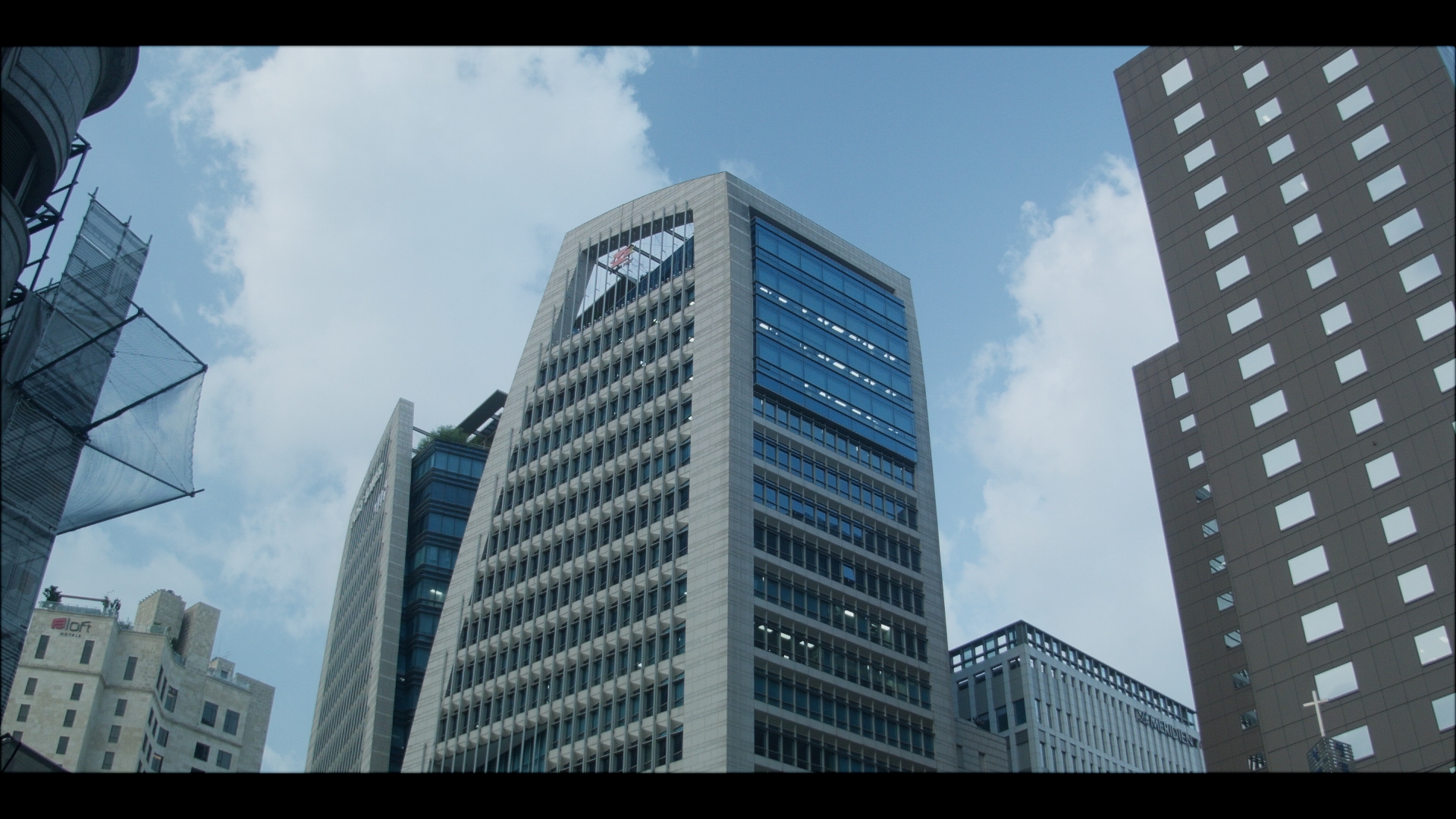
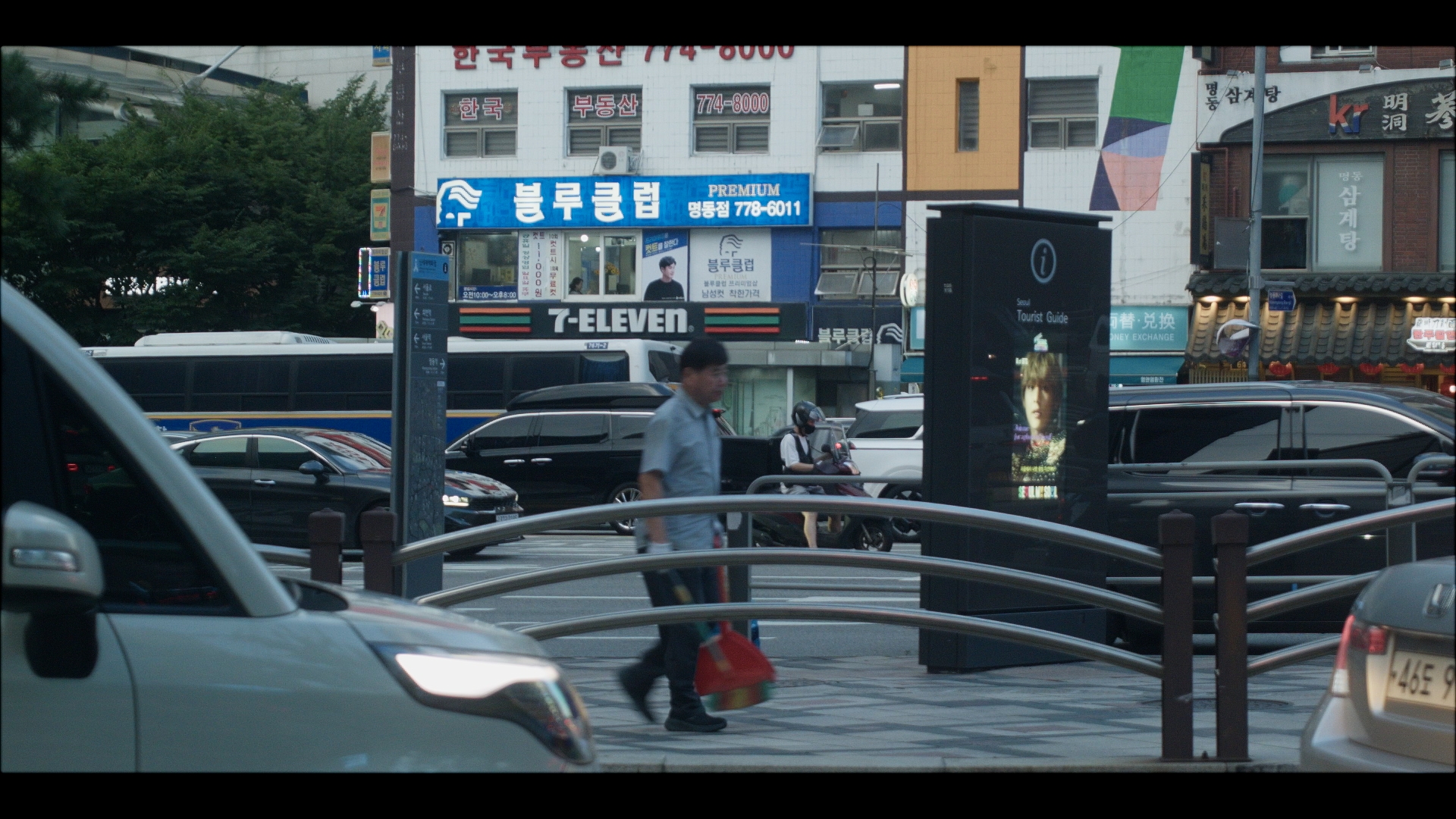
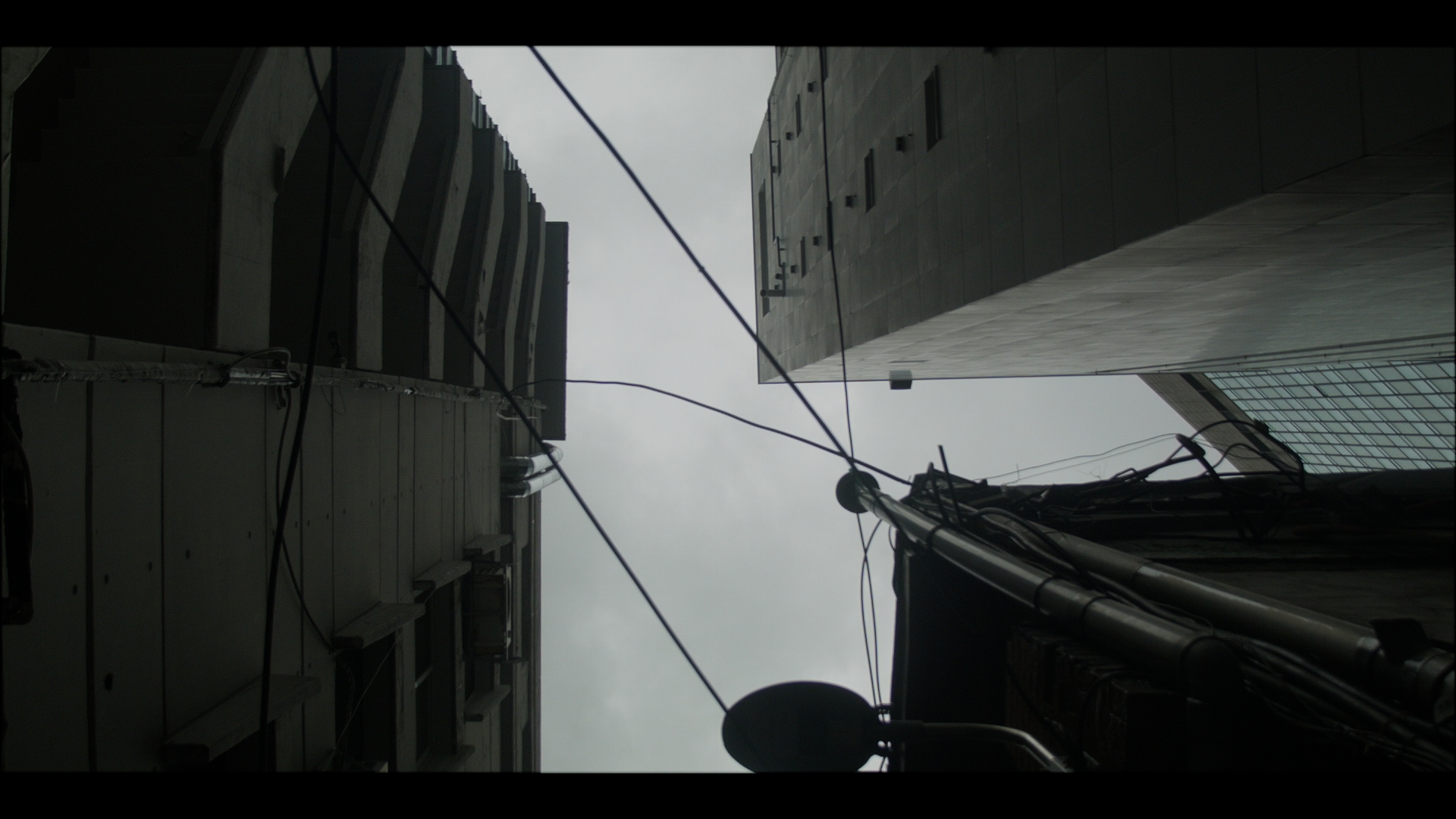
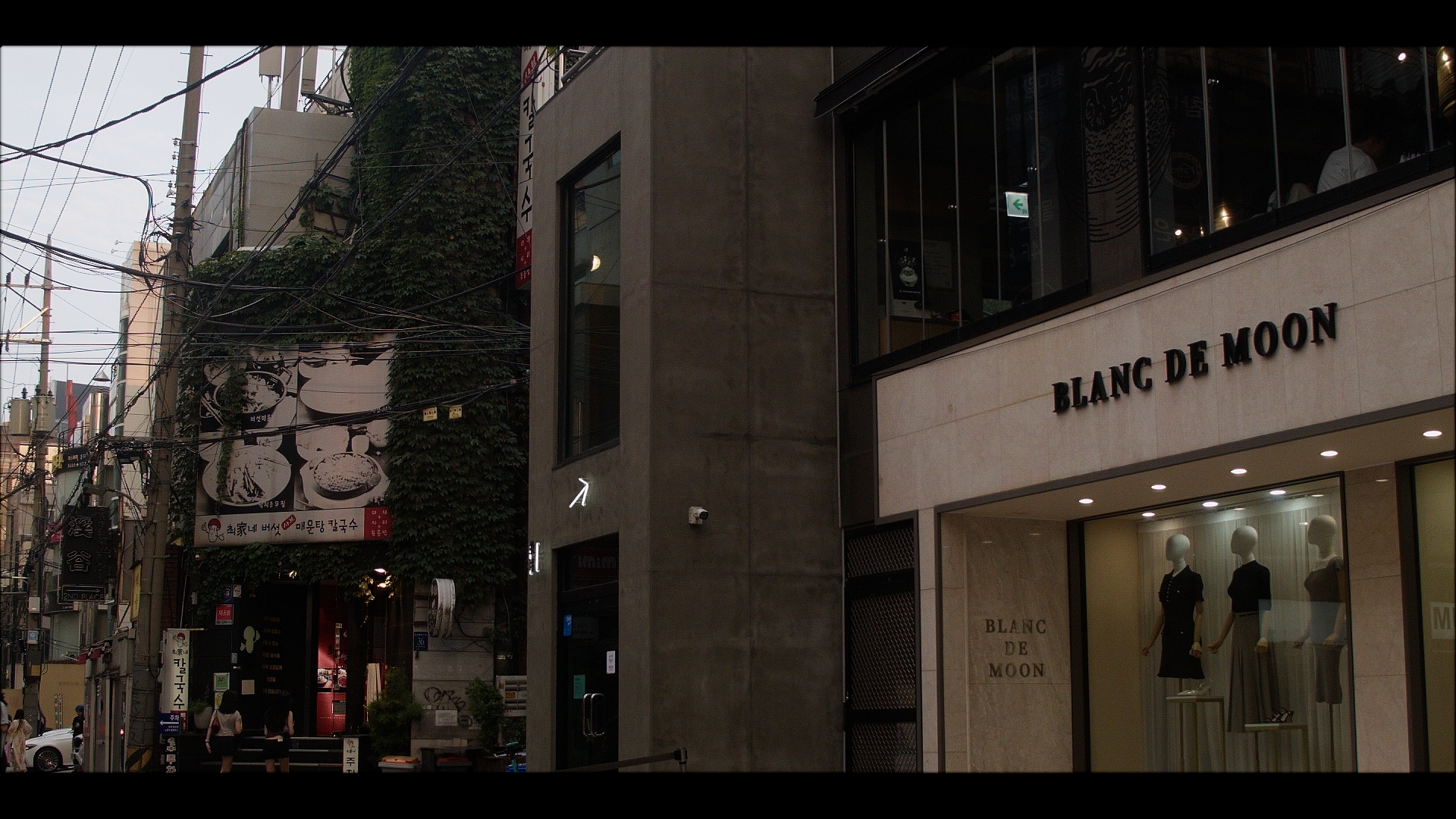
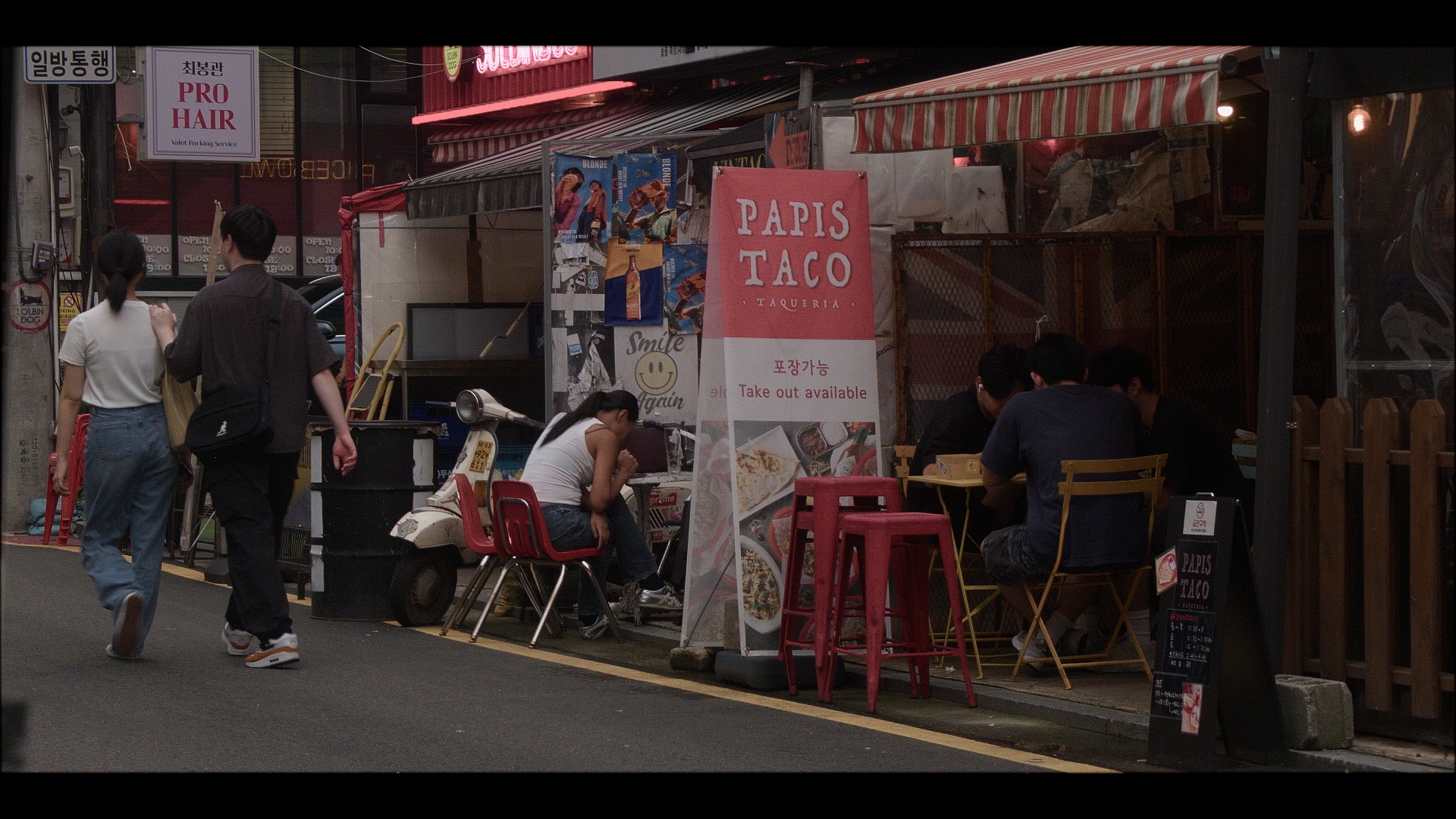
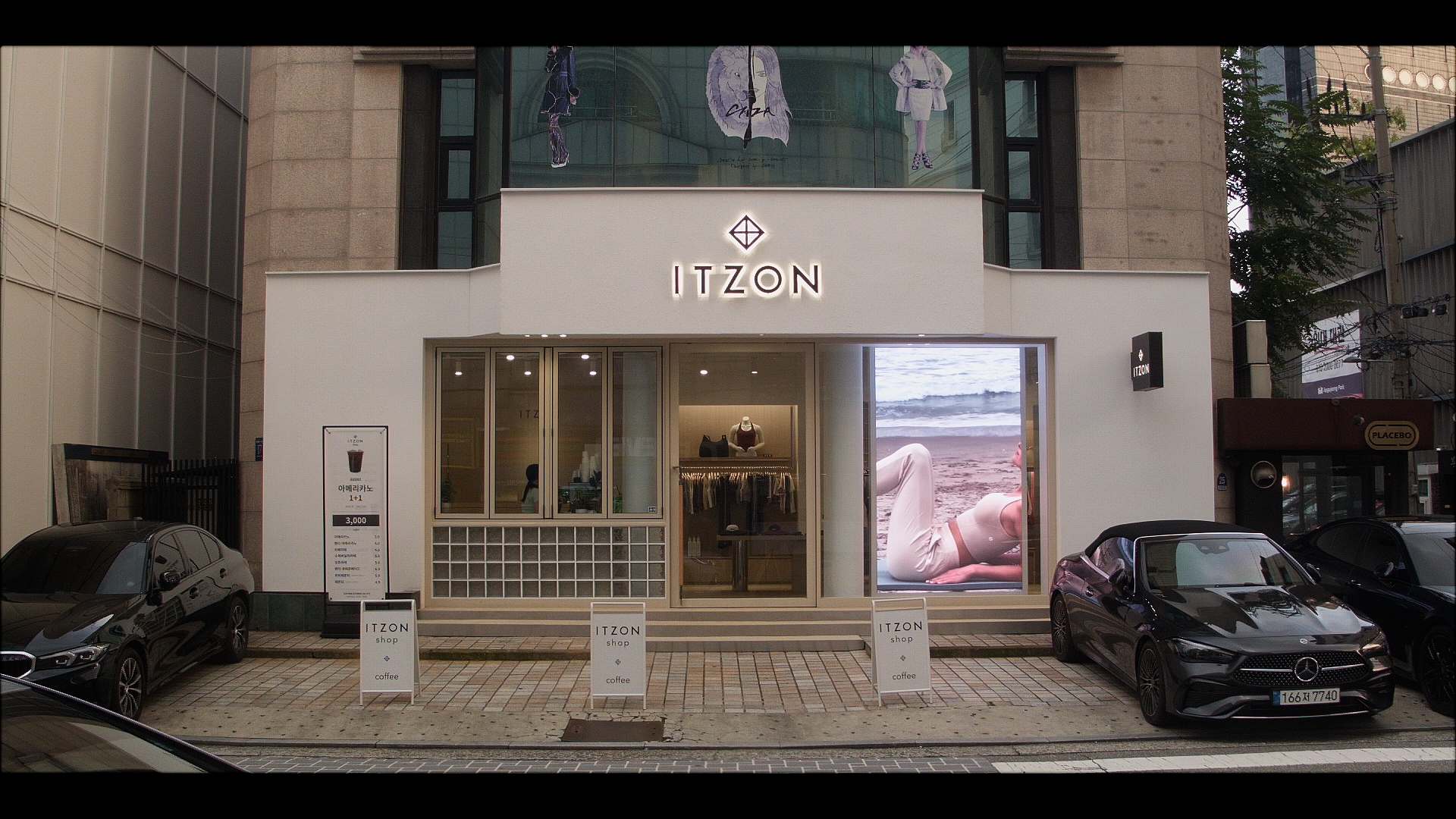
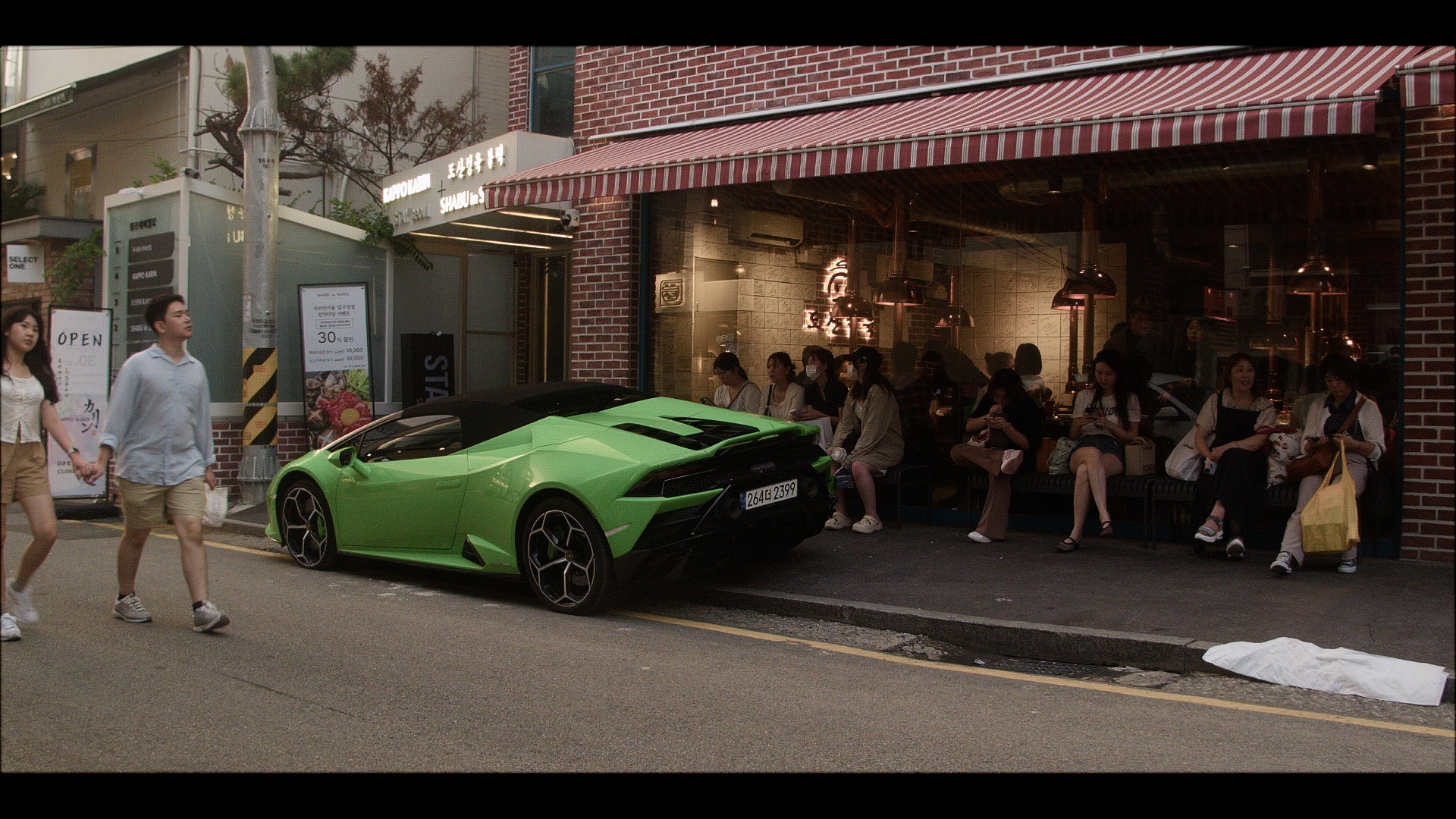
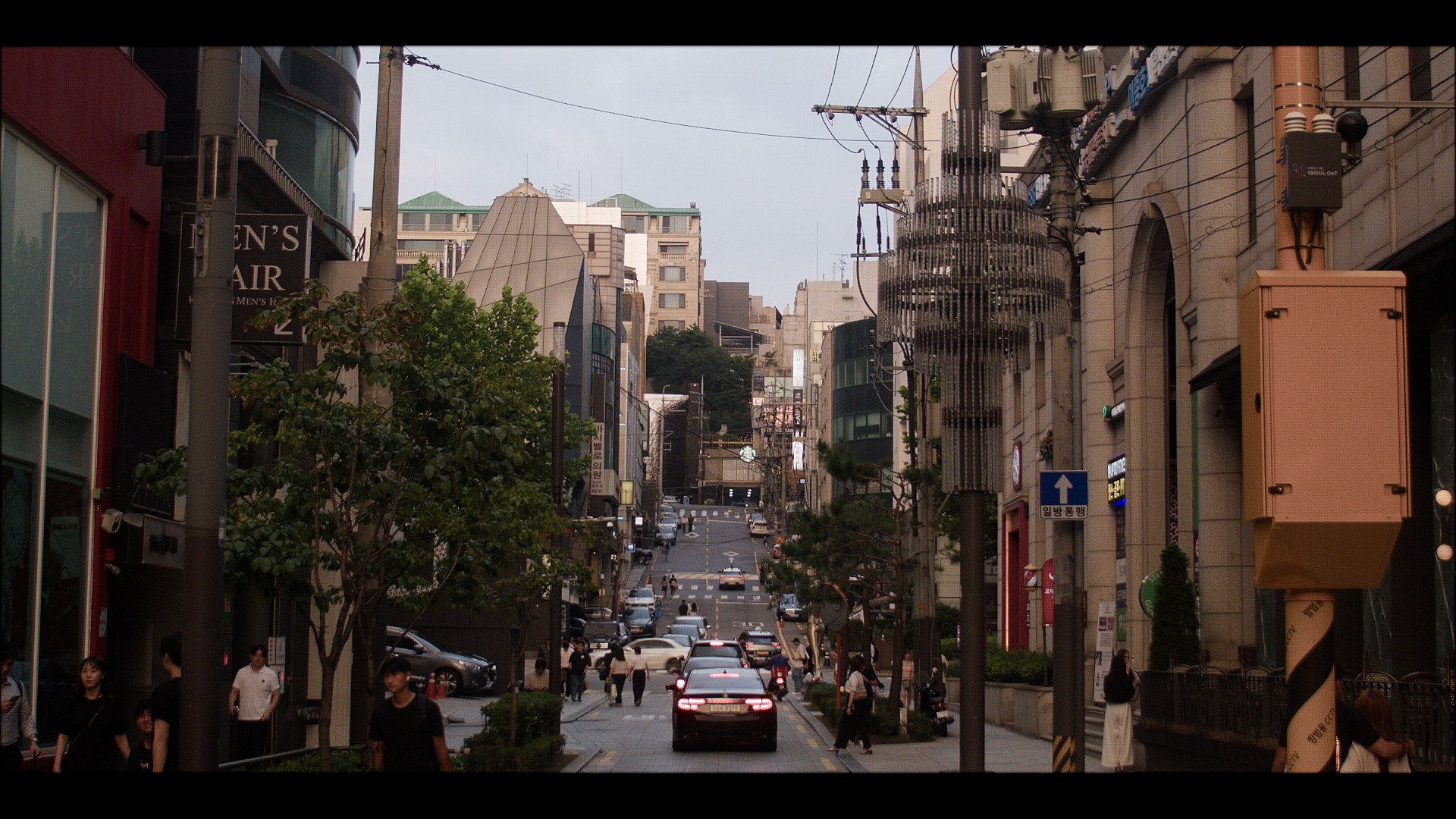
Not clickbait, despite sounding like it. I'd say that it threw a spanner in the works, but it was more like a hand-grenade. I went to South Korea on holiday, and despite having a mostly-sorted setup based on GX85, I took the BMMCC and ended up shooting almost the whole trip on it. The rig The rig consists of: OG BMMCC - the 1080p one from almost a decade ago 12-35mm F2.8 lens IR/UV cut filter cheap vND filter (tried to buy a new one there but retail shops didn't stock what I wanted) Ikan 3.5" monitor Smallrig monitor mount (tilts forwards) curly HDMI cable from amazon (really tidies the rig up) 3 x LP-E6 batteries (two are older Wasabi ones and one was genuine a Canon one I bought there) Peak Design arca-swiss (mounted on the bottom) random wrist strap (looped through the arca-swiss plate Sandisk 128Gb SD card This ended up being a killer setup. A few highlights of the rigs performance are... Professional equipment The BMMCC is a cinema camera with fans and designed to shoot in harsh environments. The 12-35 is a professional lens. No BS overheating snowflake influencer crap here. This gave me confidence to use it in (light) rain, heavy humidity and serious sweatiness, and basically to not baby it. Fixed aperture zoom lens When setting up for a shot the vND setting from the last shot is probably in the ballpark for this current shot, even when going straight from a one end of the zoom range to the other. Flexible zoom range The zoom range was from 30mm to about 100mm. Sometimes it wasn't quite as wide as I'd have liked, but it suited the environment as Seoul, with a population of around 10M people, is one of the worlds megacities and is seriously compact, so most compositions would simply contain too much stuff if they had a wider FOV. You always miss shots when travelling, but I felt like I didn't miss that many. OIS on a cinema camera, even at the wide end Not a lot of OIS options for 12mm lenses outside of zoom lenses. Light weight This is a full cinema camera rig with 12 items, and yet weighs about 850g / 1.9lb. My GH5 weighs 750g / 1.65lb with battery and SD card, BUT NO LENS. Dynamic range No choosing between the sky or shadows. When shooting uncontrolled situations like this you often see things in post that you didn't see while you were shooting, so the flexibility is super-useful. Ok, so that's all lovely and all, but what was so transformative about it? These are things you could probably work out from the specs... Grenade #1: Shooting slowly is (mostly) shooting honestly. It's a cinema camera, so it's slow as f to shoot with. Yes, I know that practice makes you faster, but my phone will expose and focus in the blink of an eye, so comparatively it's far slower. So, you see a composition and you stand in the right place. Then you adjust the monitor angle if not shooting from the hip (as I prefer). Then you adjust the ND to expose. Then you adjust the zoom for the composition. Then you adjust the focus. With this kind of setup you have to rely on peaking, so you adjust it back and forth to see how much peaking is the maximum, then zero in on that. Then you hit record. This means several things: You are immediately obvious when you stop and start fiddling with a camera in public. There's no hiding. People aren't stupid, especially these days. You cannot be this obvious without getting comfortable with it. If you don't learn to be comfortable then you'll mentally implode before getting any shots, forcing you to relax and just play that role. By the time that you actually hit record, most of the people who were staring at you will have gotten bored and gone back to what they were doing. They don't know you hit record, so the shot will contain people who aren't suddenly paying attention to you. This was a revelation for me because it forces a different way of shooting. When you have a fast camera, you can act like a street photographer. You watch the people, you see something about to happen, you quickly point the camera, and capture THE DECISIVE MOMENT. This means you are shooting specific people doing specific things. Good freaking luck doing that with a fully-manual cine camera. When you have a slow camera, you probably can't anticipate moments far enough in advance to be ready in time, so you think differently. You find a composition and shoot it, and anonymous people drift in and out of frame in ways you didn't specifically anticipate. Sure, you can frame up a background and then wait for people to walk through it, and you could even see someone interesting a few hundred meters away and be ready when they walk past, but it's still a good distance from seeing something 2s before it happens and grabbing it. This has a massive caveat though. It's not a good way to shoot people you know, unless you're directing them or they're basically stationary. The way I've come to understand the difference between cinema cameras and video cameras is that video cameras are designed to capture the world as it happens, and cinema cameras expect the world to bend around them. There's lots of overlap now with that line blurring, but the concept is still a useful one, and the cameras with the best image quality still tend to be very self-centred. Grendade #2: Fixed WB is awesome. I used to shoot auto-WB because I used to think that you wanted 'correct' WB. This mostly works, but leaves you with tiny WB 'errors' that change during the shot. I used to think that the alternative was a fixed WB that would either be correct (if you took a manual grey-card reading at every location or whenever the lighting changed) or you'd use a fixed WB and then have to change it in post. This is probably still true if you're doing something where the WB has to be 'correct', but the only situations I can think of where this would apply is for professional work. I shot the whole trip on 5600K. So, why wasn't this a 'problem' creating shots with 'wrong' WB? Well, shots with warm light sources look warm: Shots with cool light sources (like a blue sky) look cool: Shots taken on a 'grey old day' look grey: ... and light sources that aren't on the warm/cool line will show as being coloured but don't look wrong - they just sort of look like that's what they looked like: and sometimes can even look beautiful: More to come, too many images to attach!
-
Damn, I thought I replied to your post already. This was all Prores. I did some tests when I first got it and found grading the Prores in post was just as flexible as the RAW, but it was easier for me in some ways, so I decided not to complicate the trip by also switching to RAW as well. I also have a vague memory that the RAW files corrupt if the camera runs out of battery while recording, but the Prores didn't, which isn't the way around you'd expect but it's what I experienced, so this sort of eliminates that too.
-
Nope, normally it's worse. We didn't get a single Public Safety Alert talking about air quality... in two weeks! Maybe because it was rainy season and humid as hell. August gets about a third of their annual rainfall. Maybe the Chinese farmers aren't burning off this time of year, who knows.
-
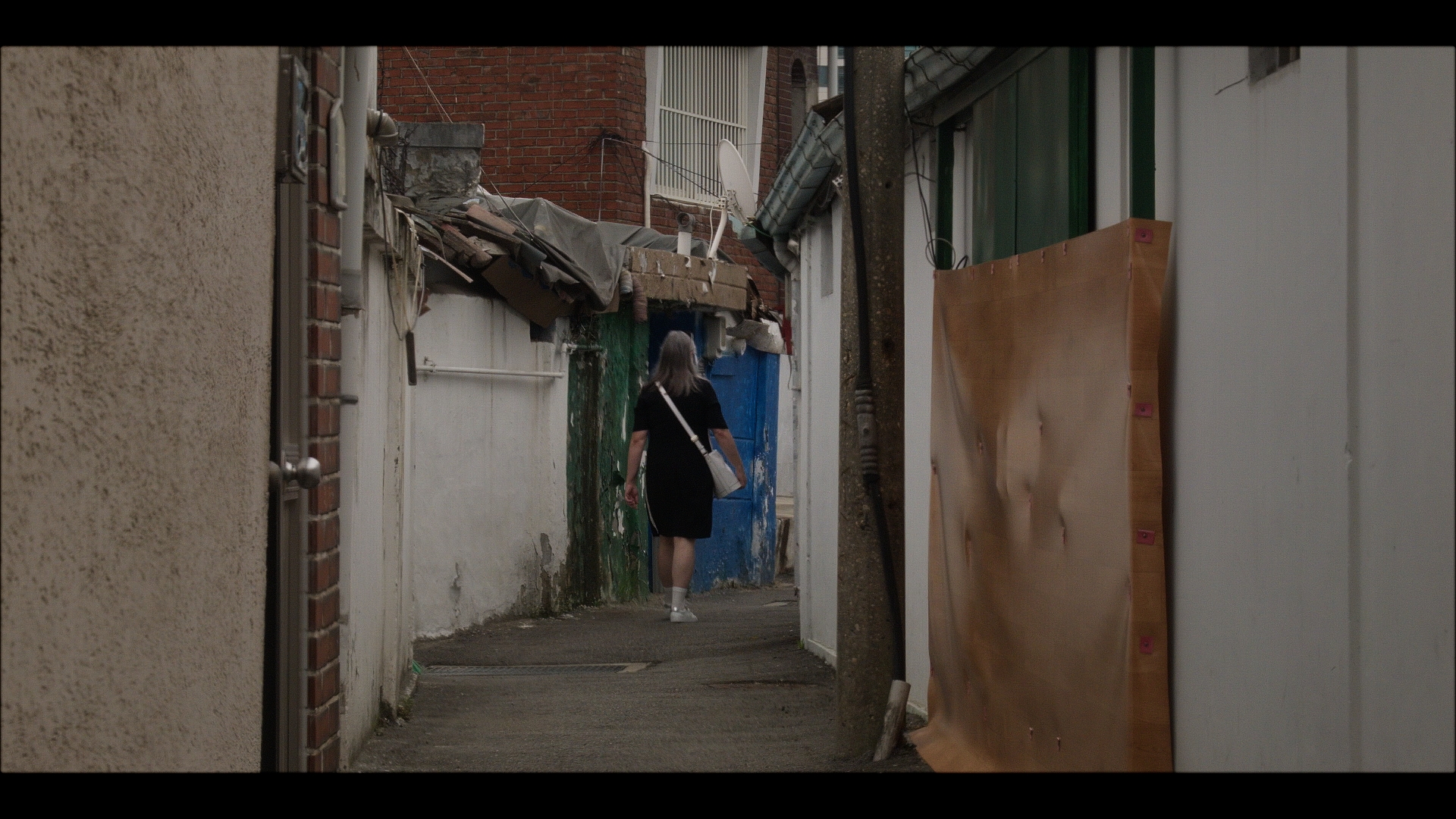
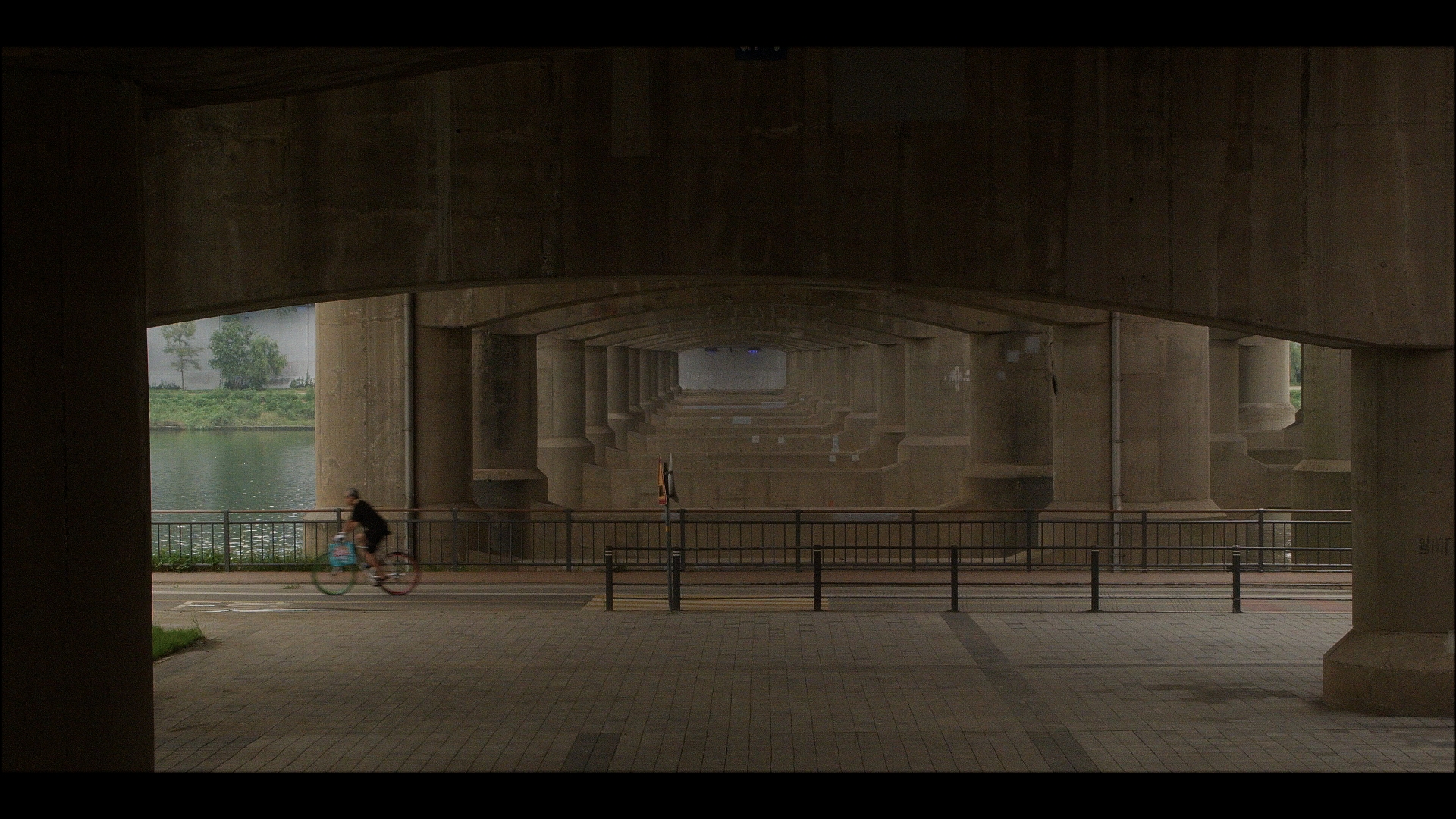
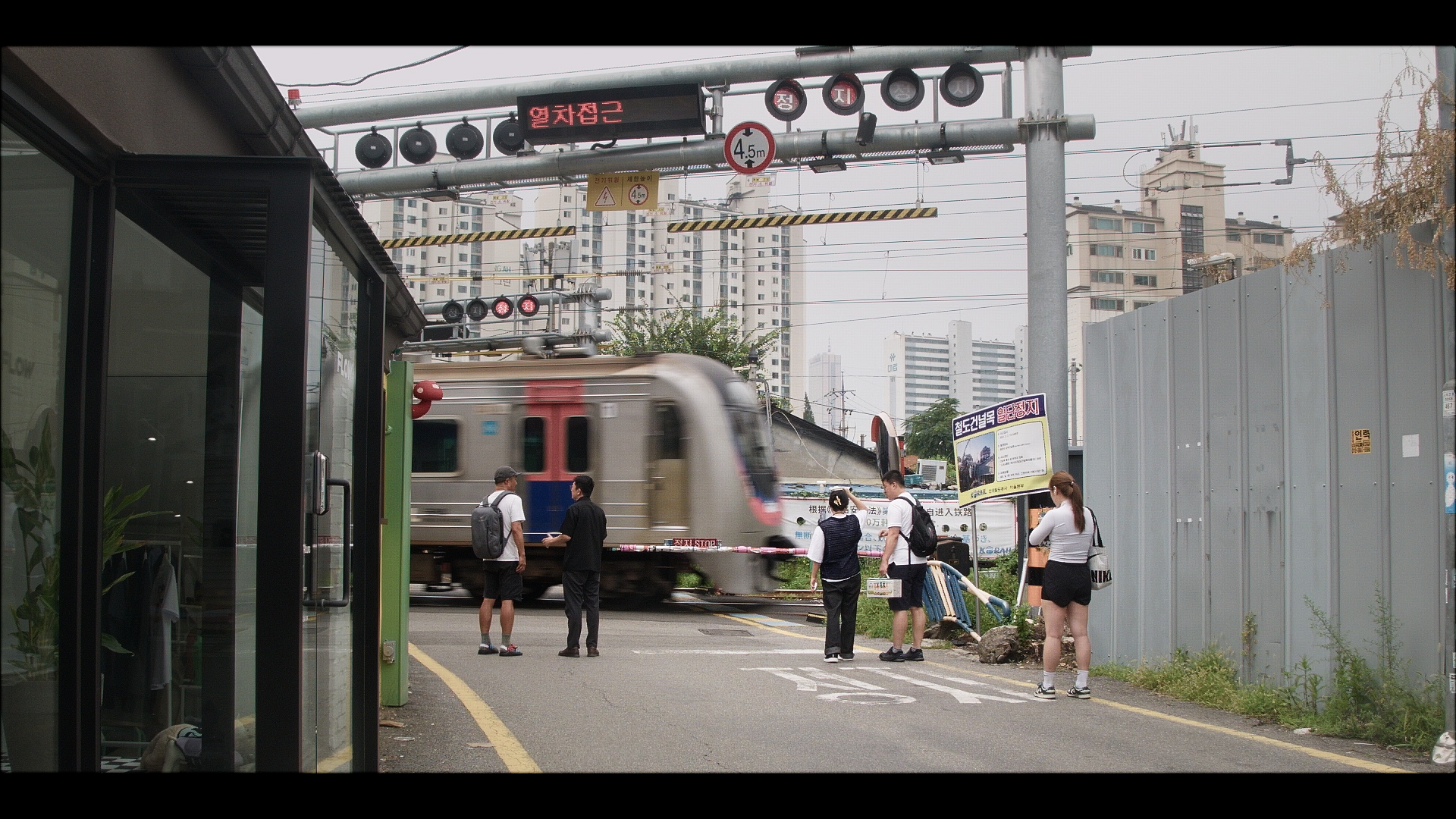
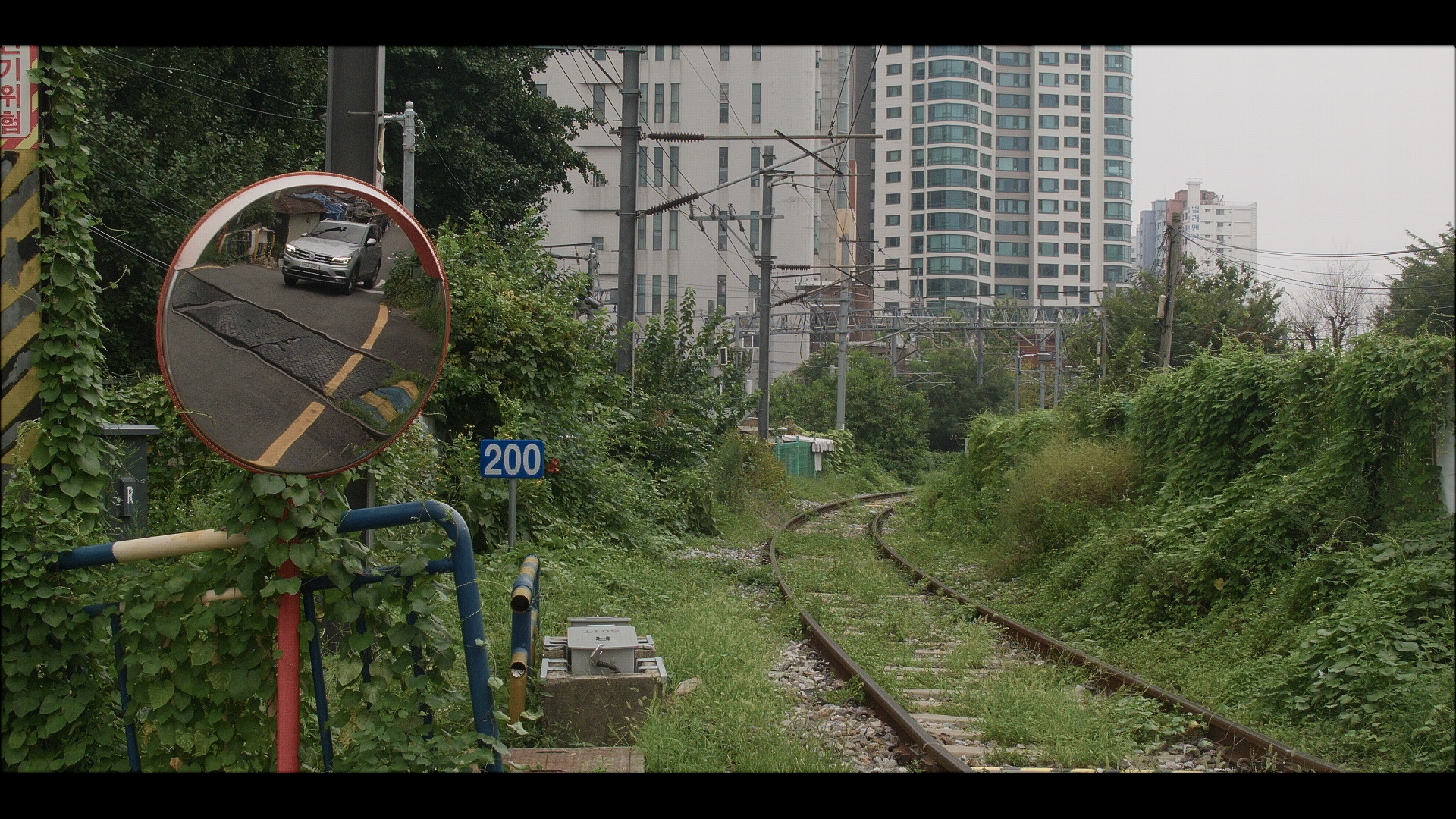
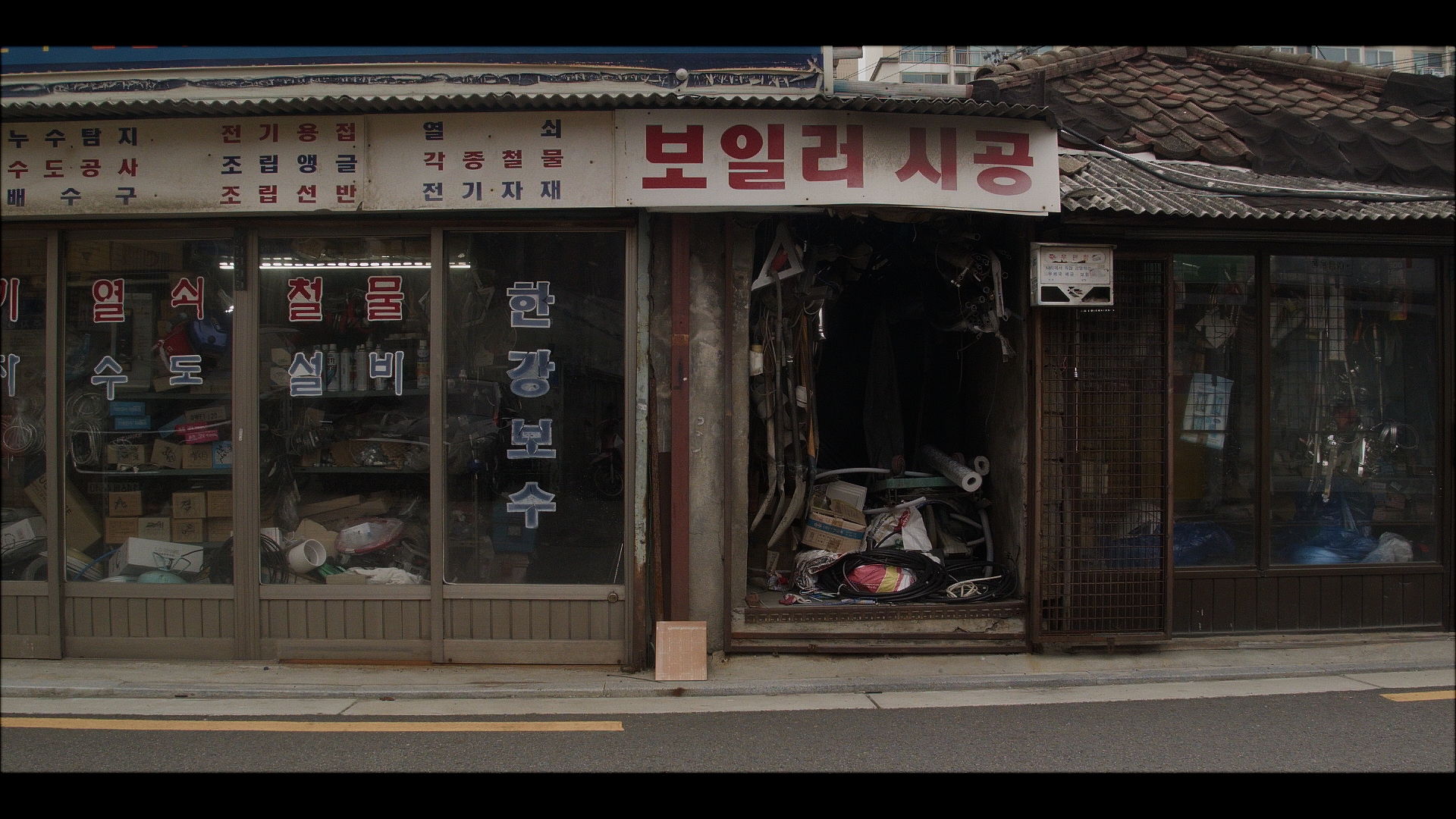
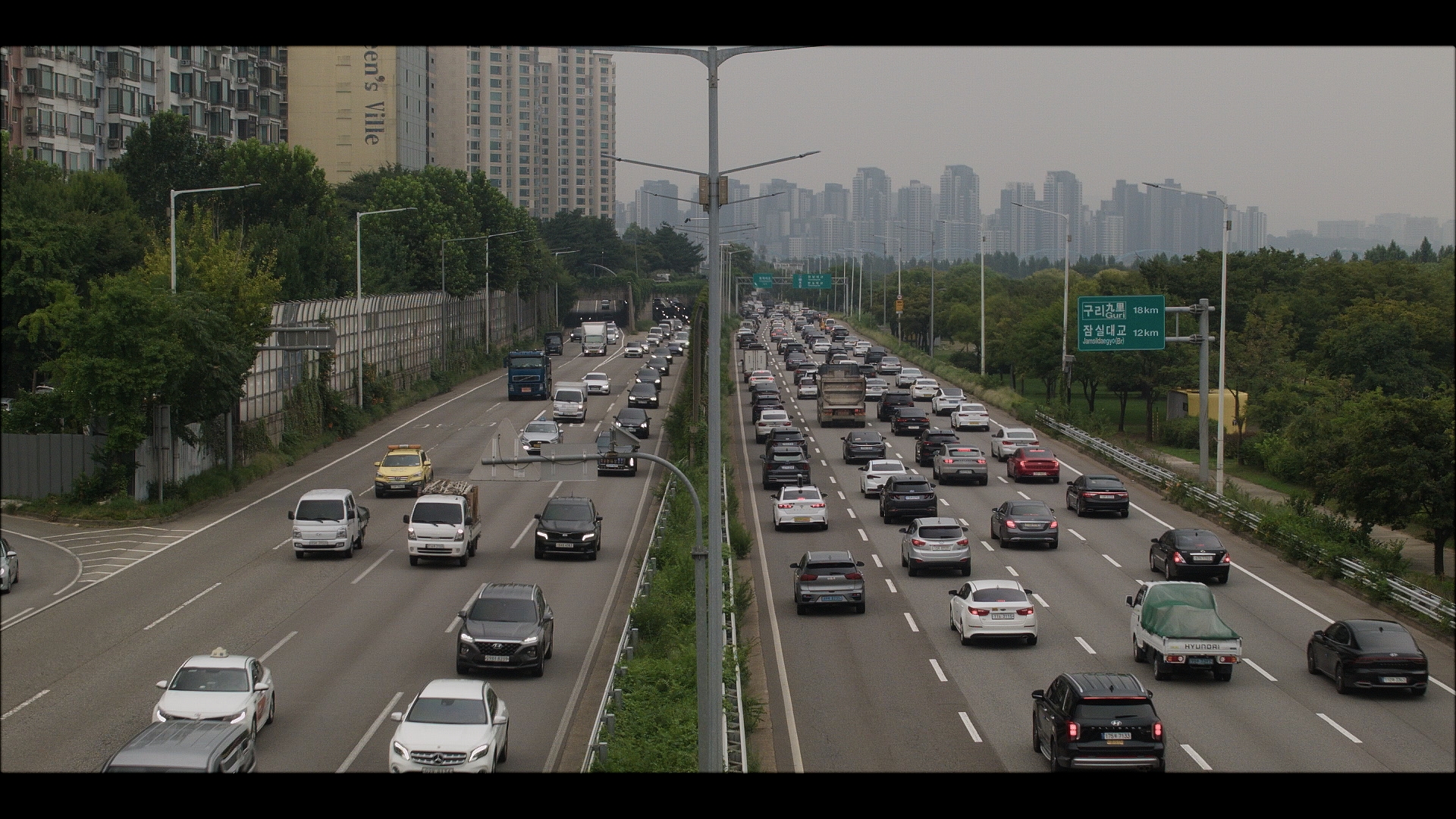
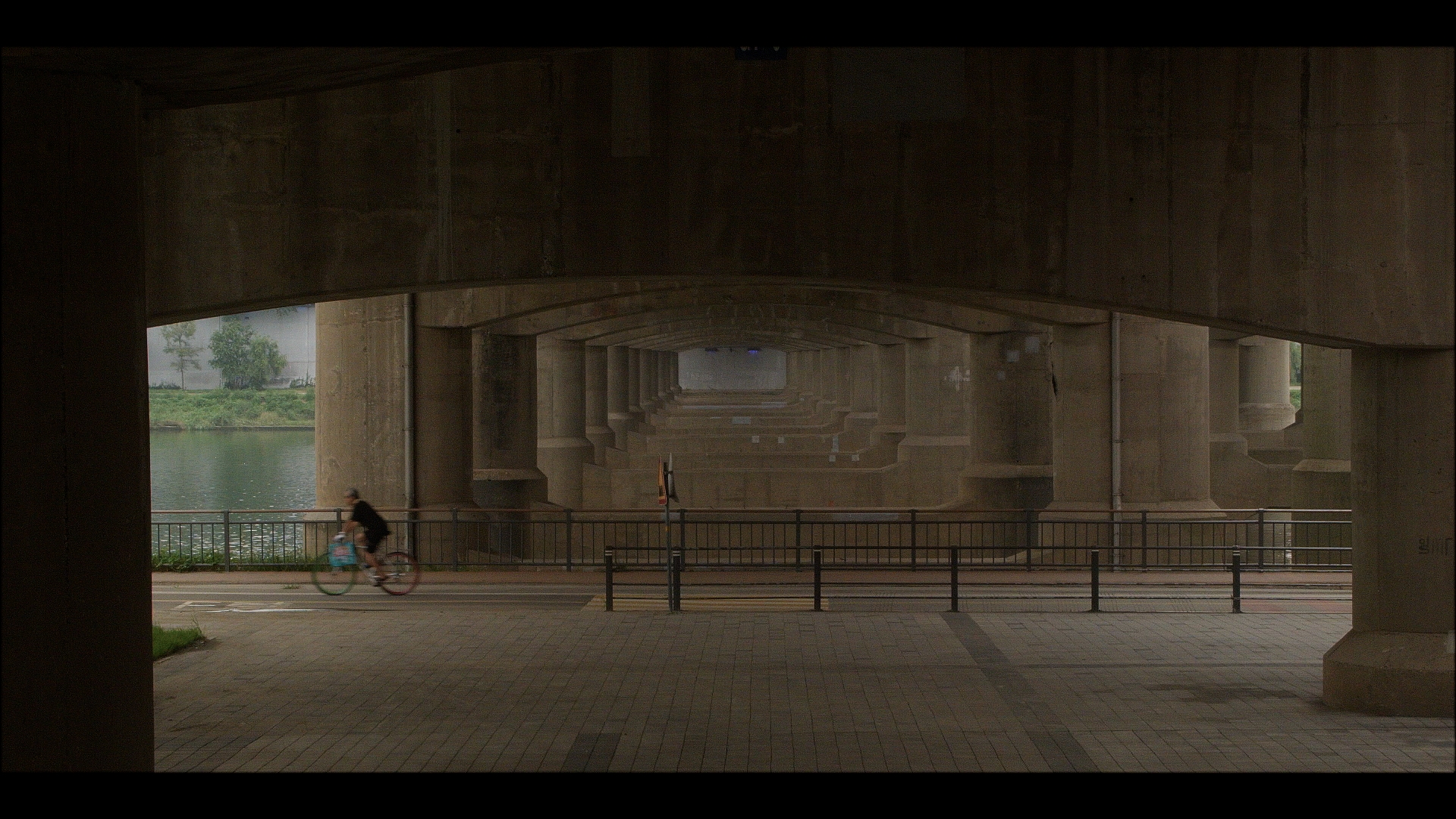
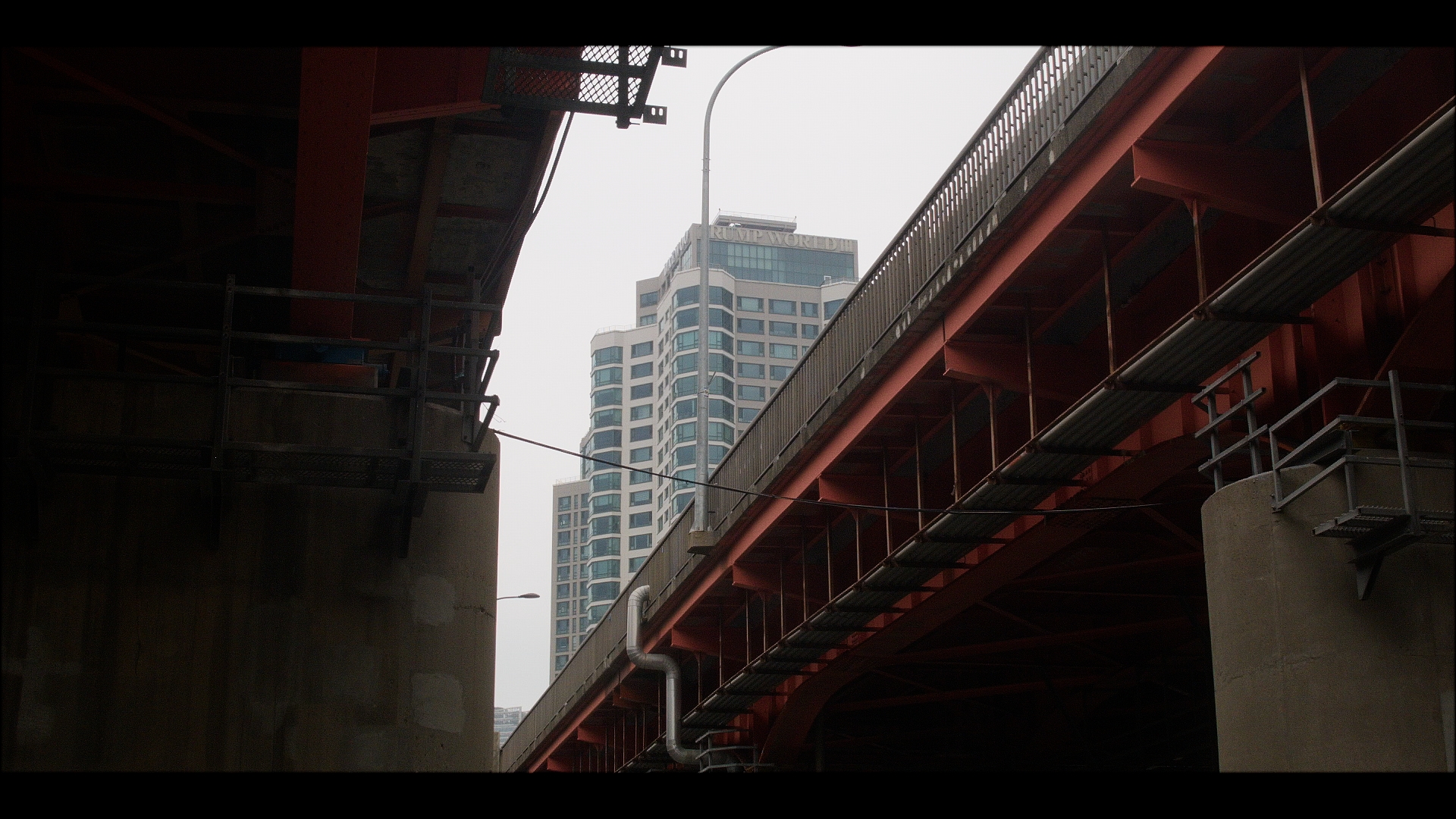
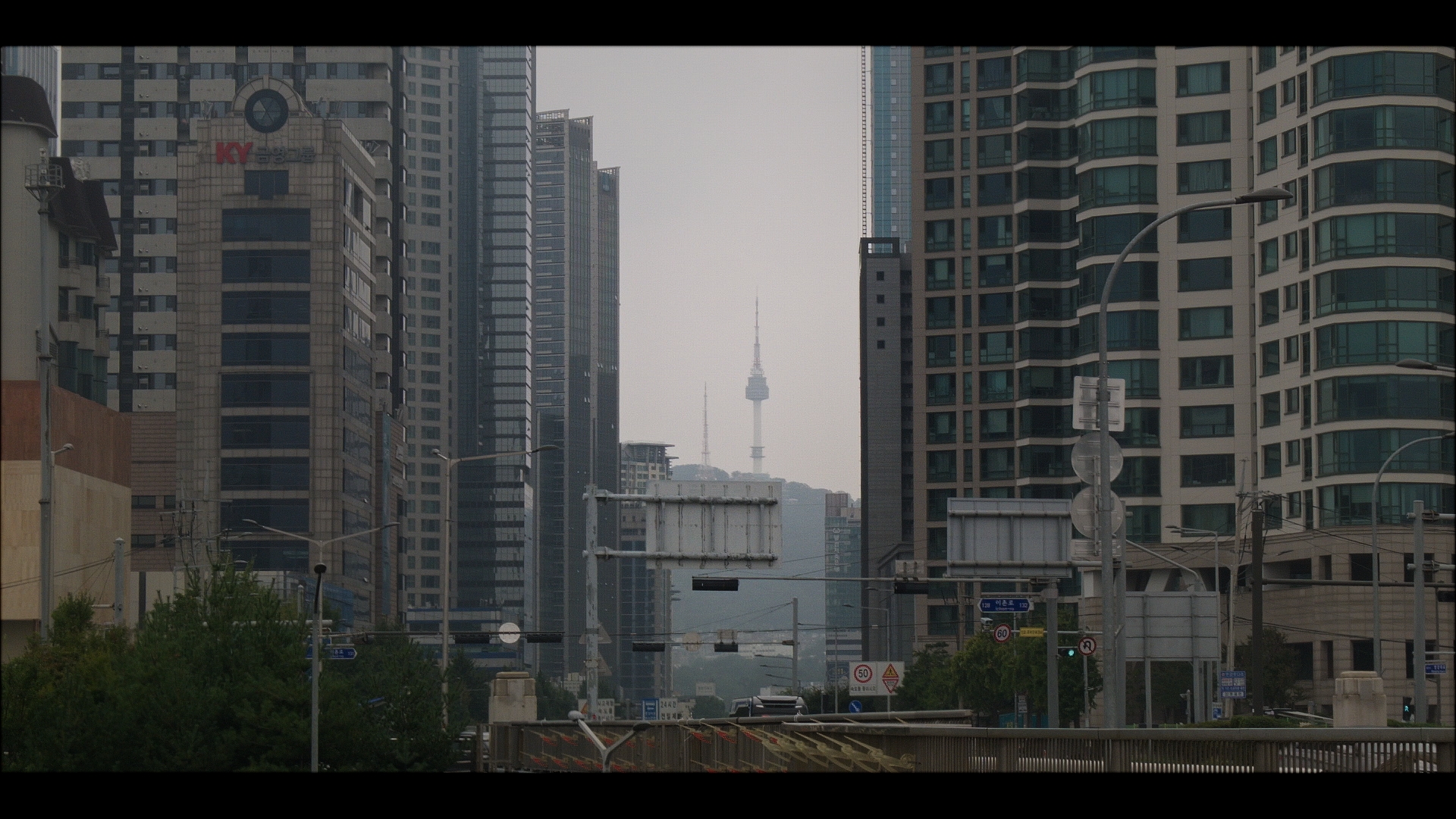
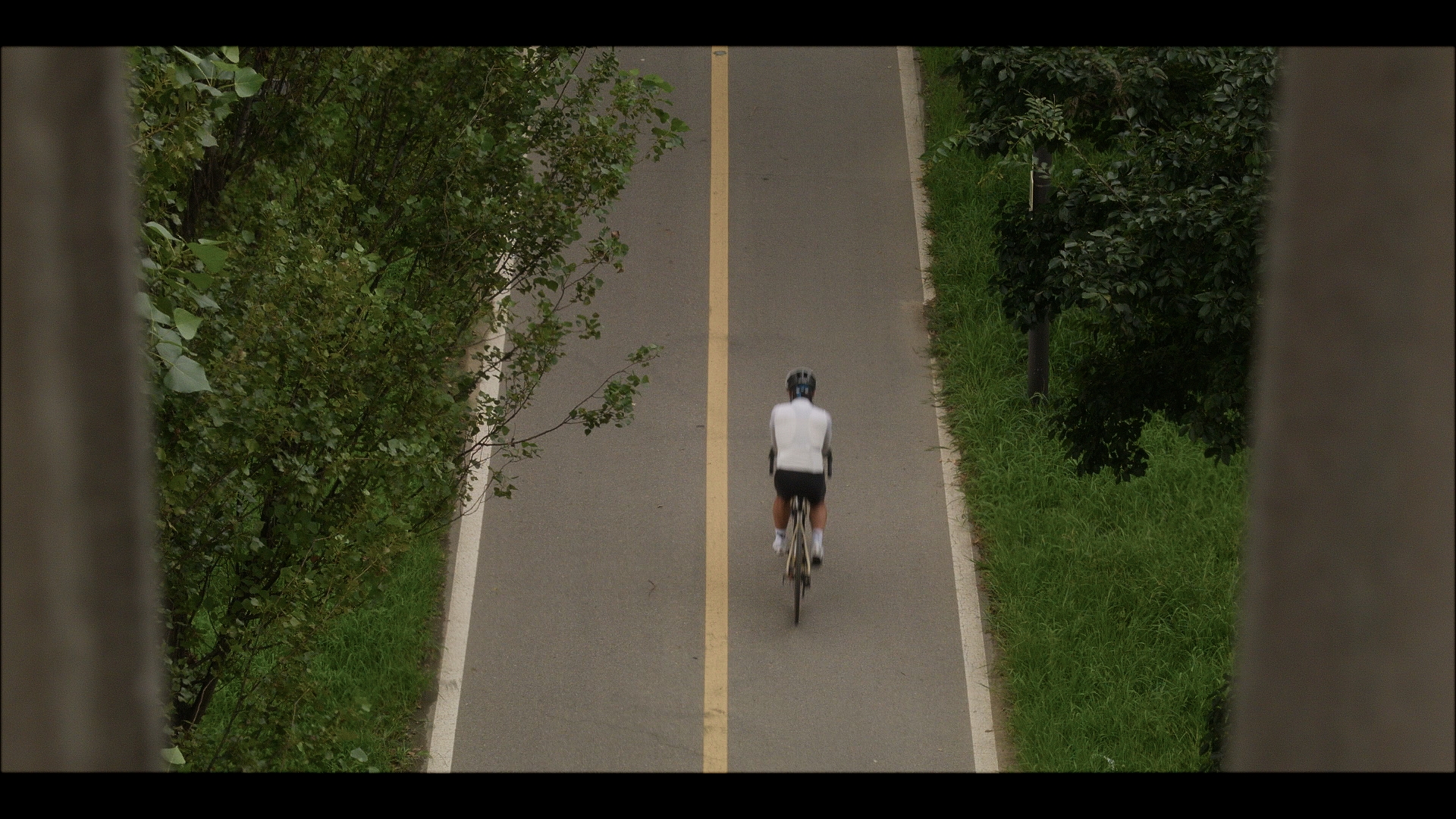
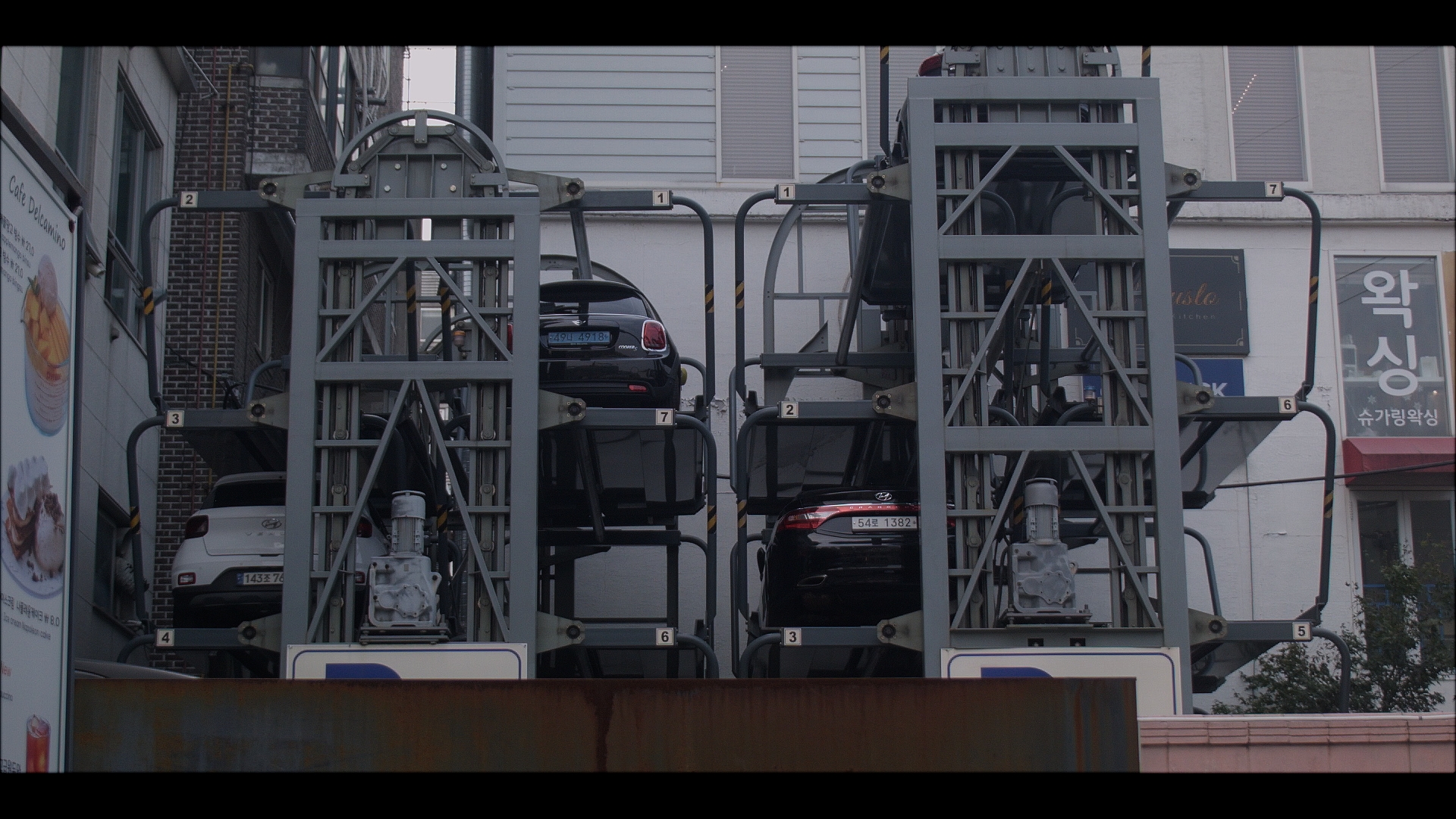
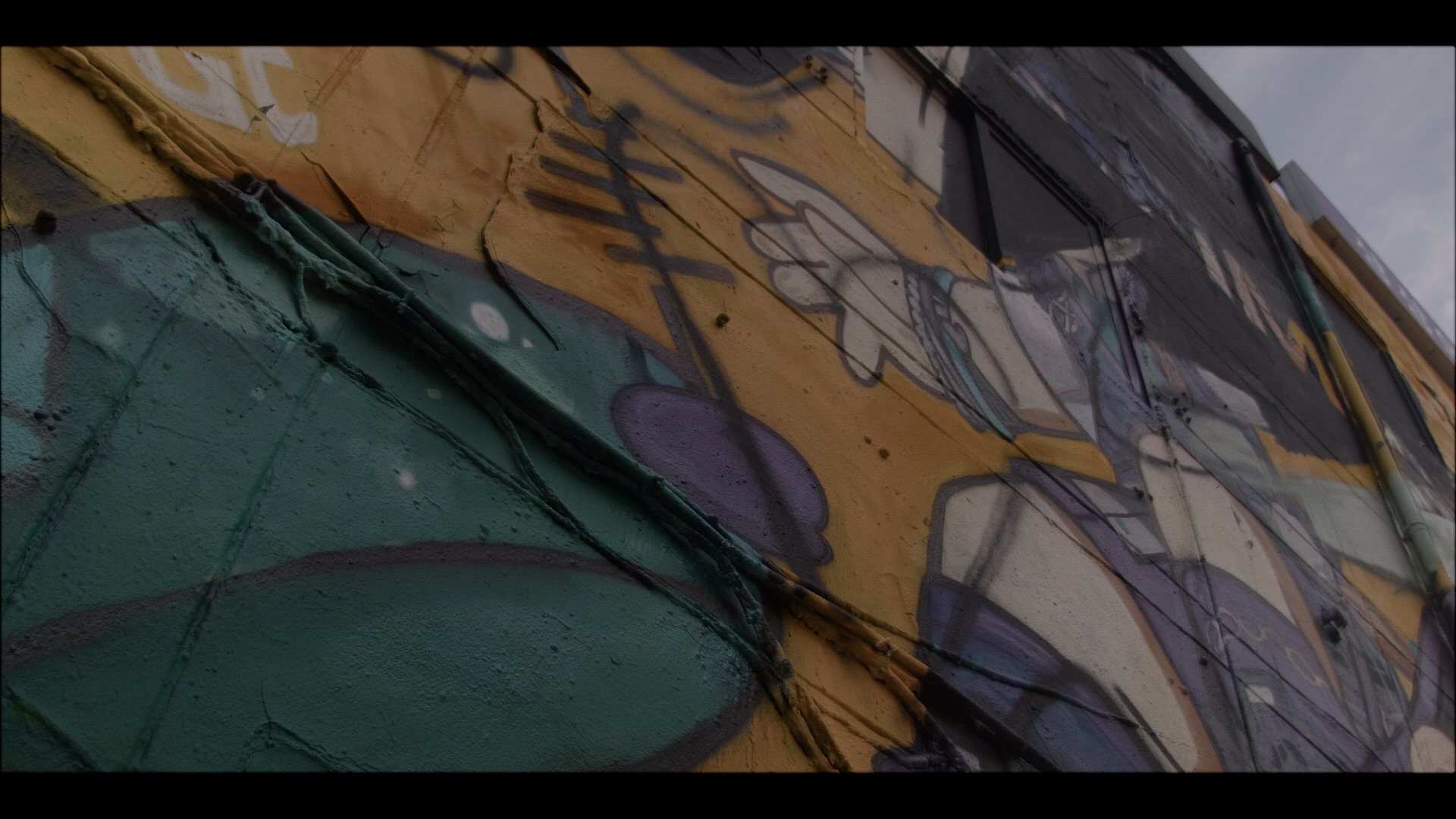
Last set of stills from Seoul. We took a walk through backstreets and alleyways down to the river, stumbling across a tiny neighbourhood railway crossing...
-
OG BMMCC + 12-35mm F2.8 lens + IR/UV filter + vND + monitor + wrist-strap and that's it. 🙂
-
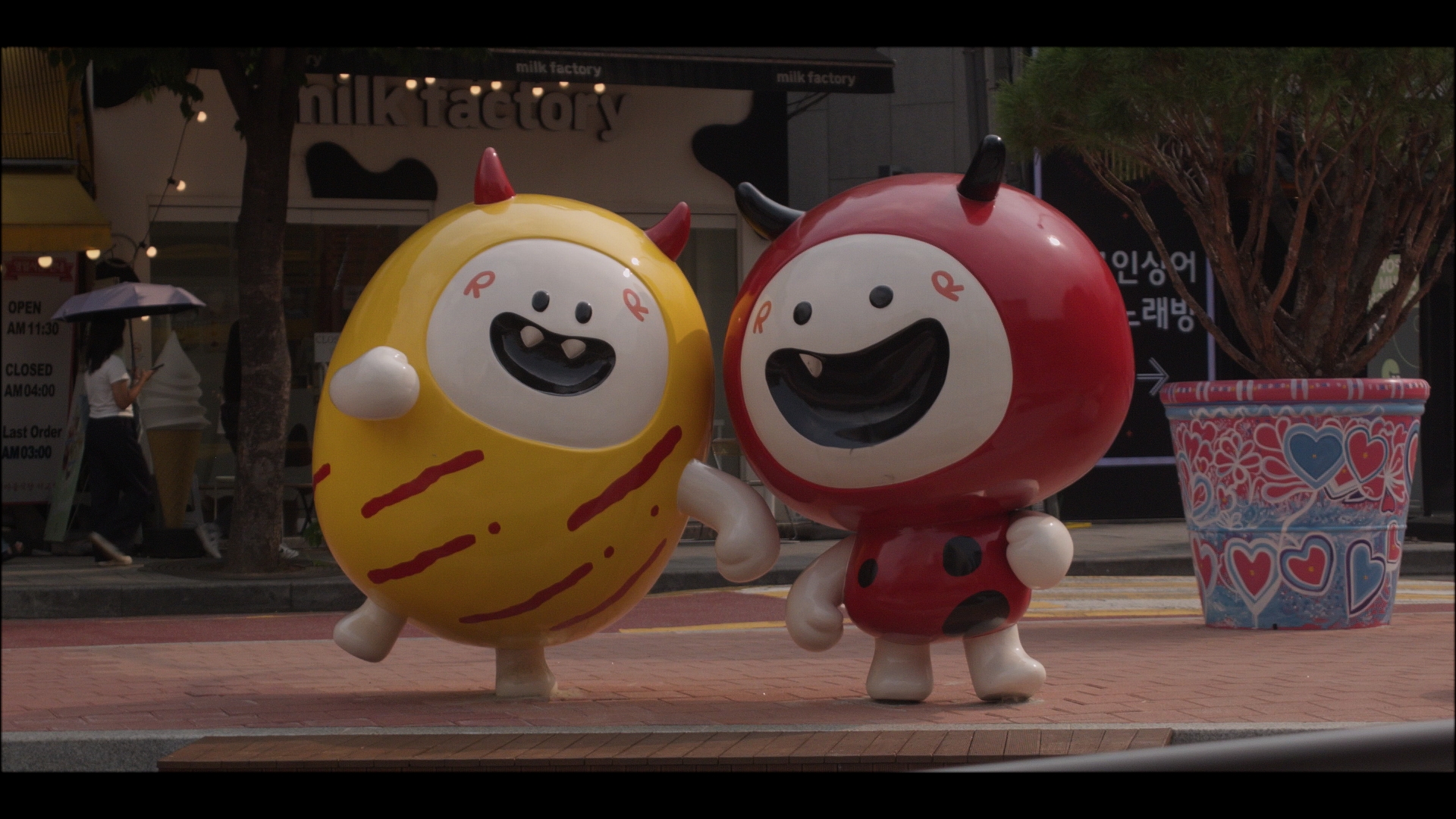
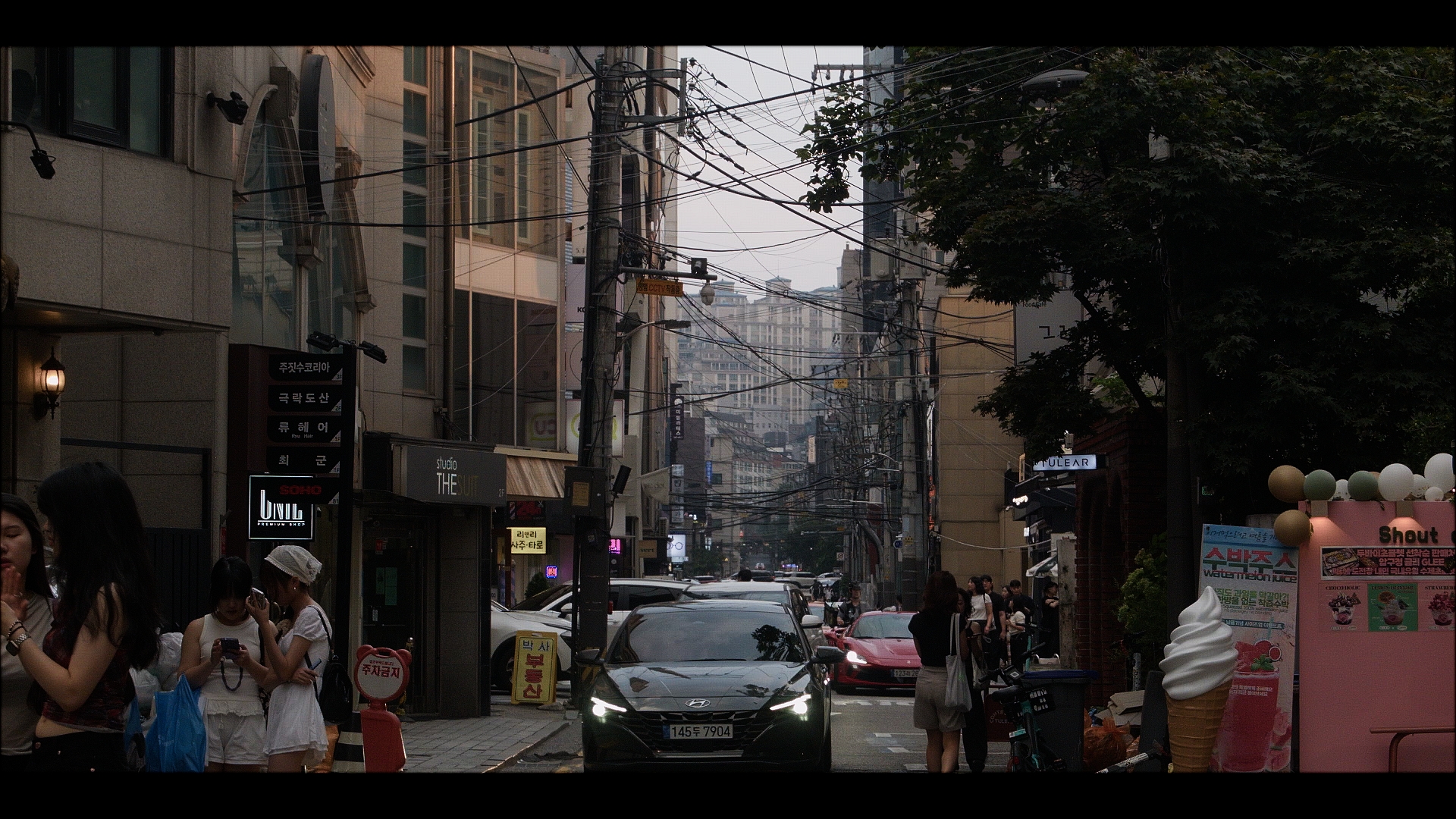
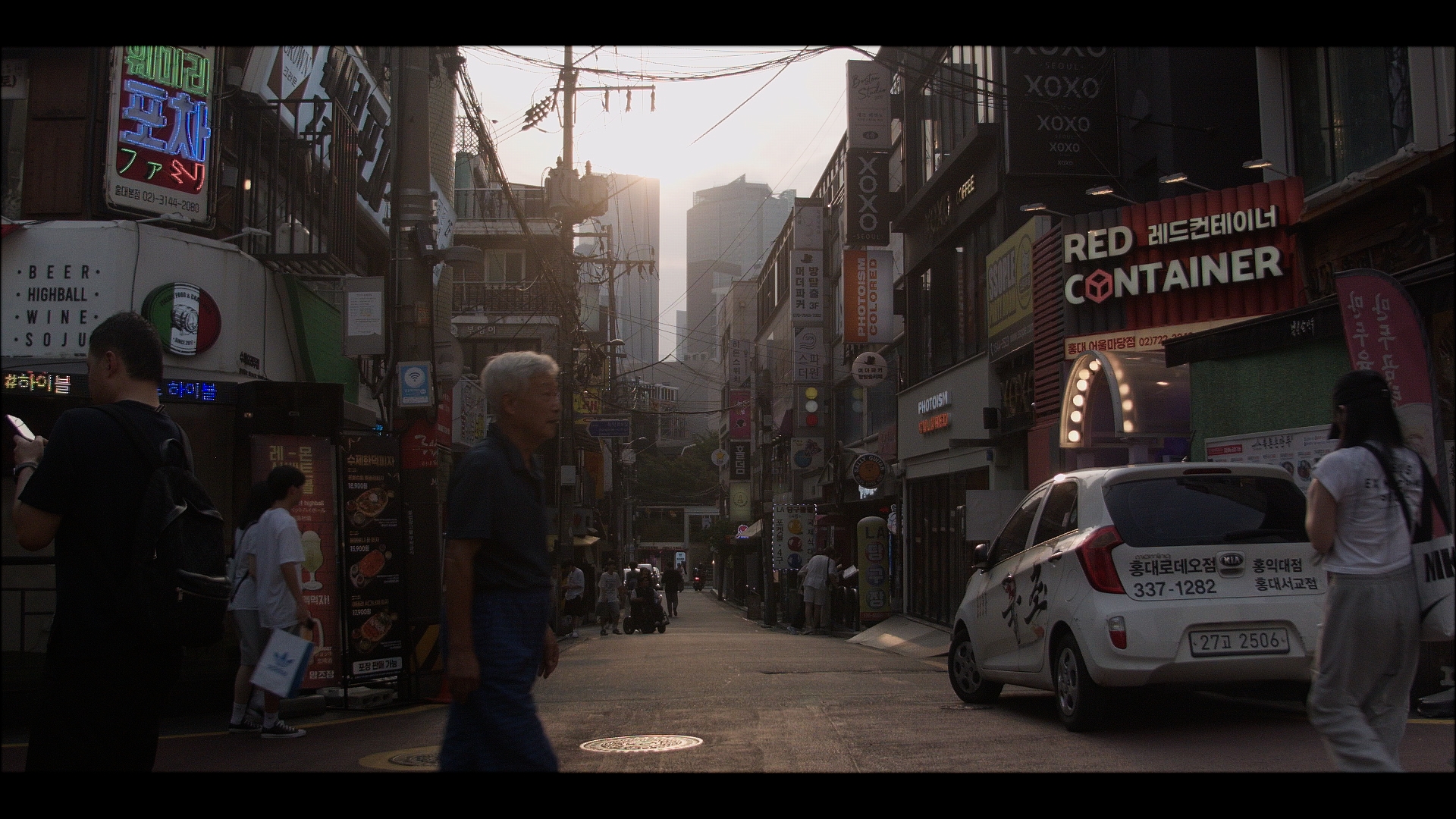
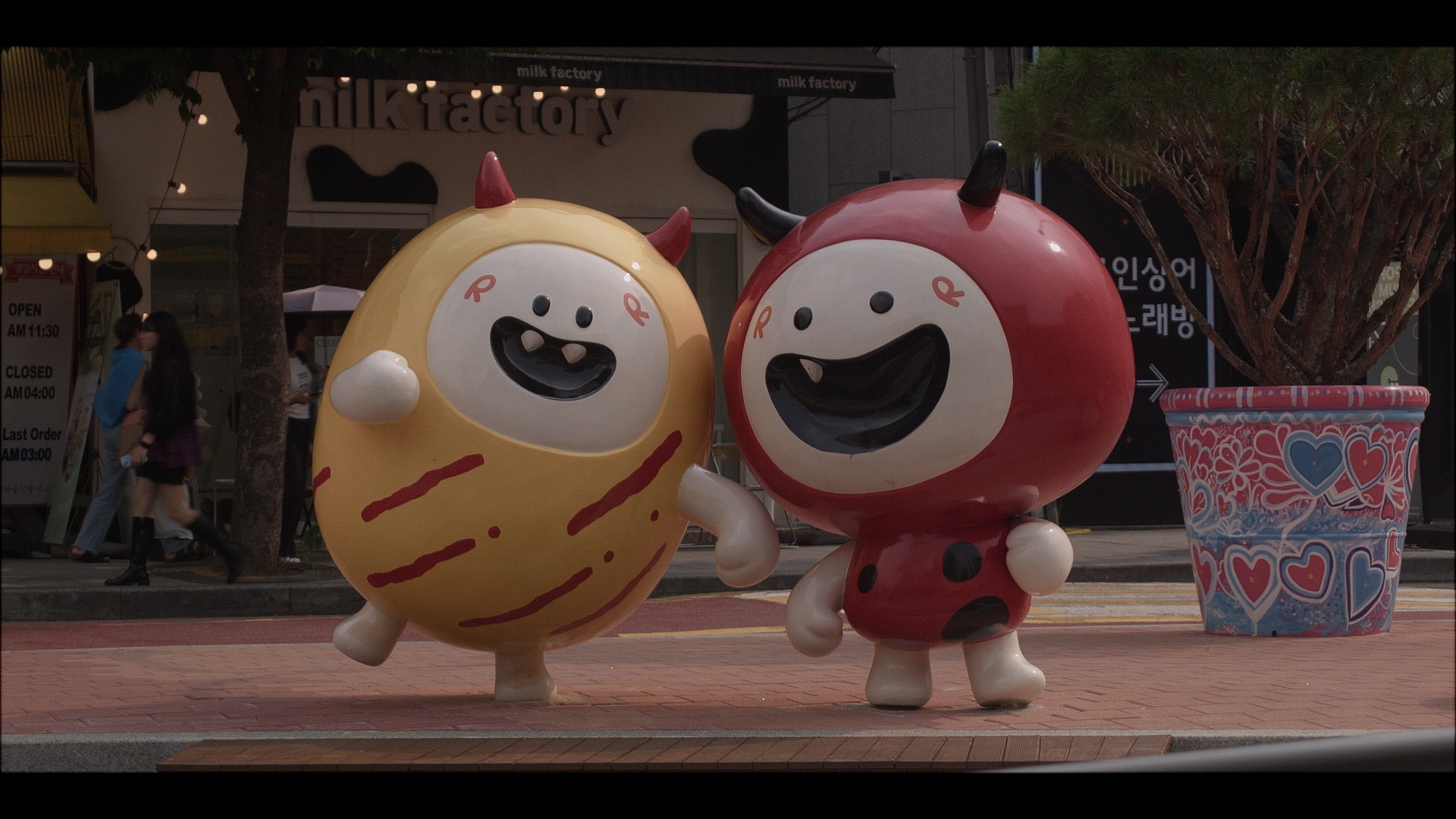
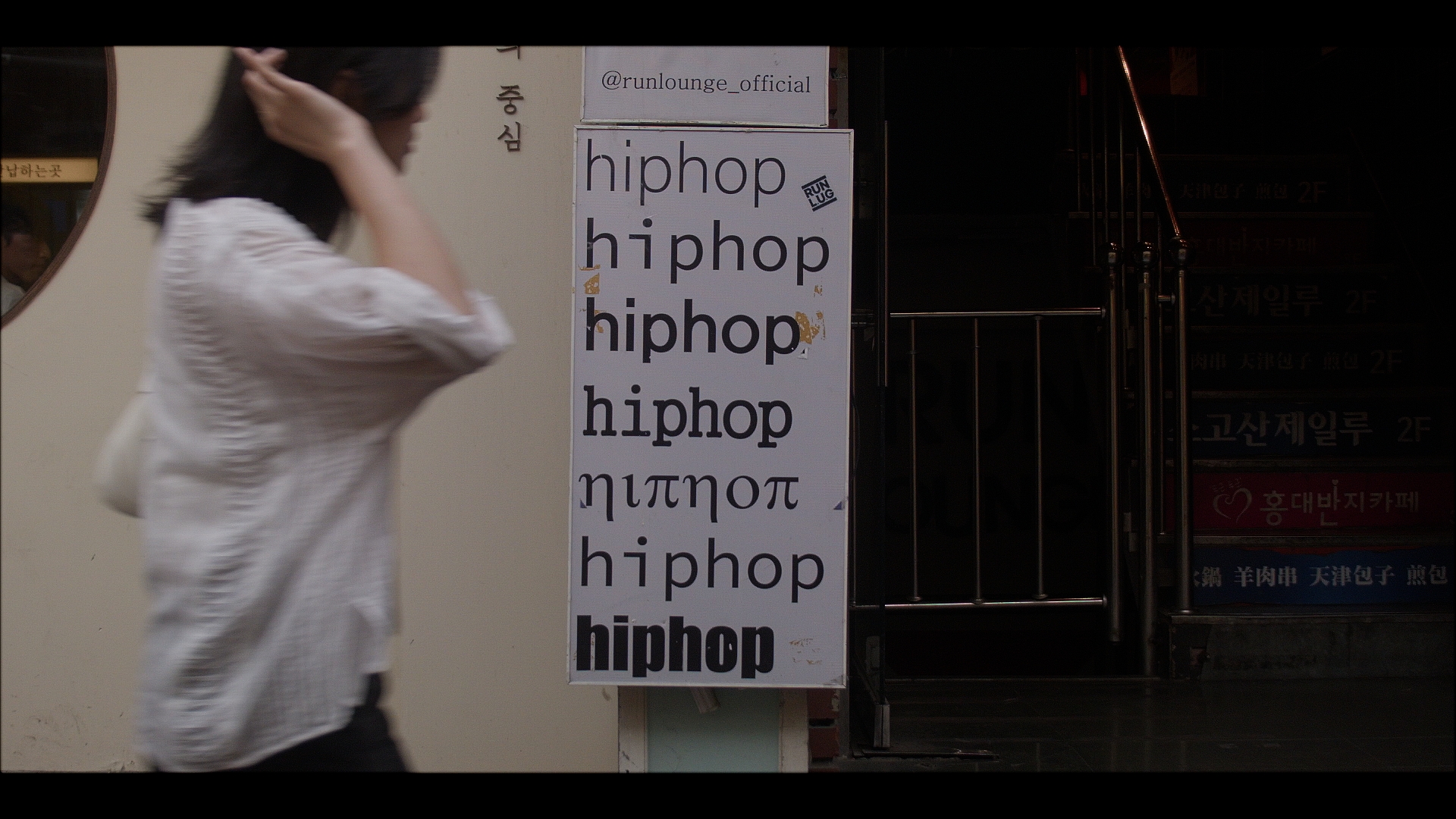
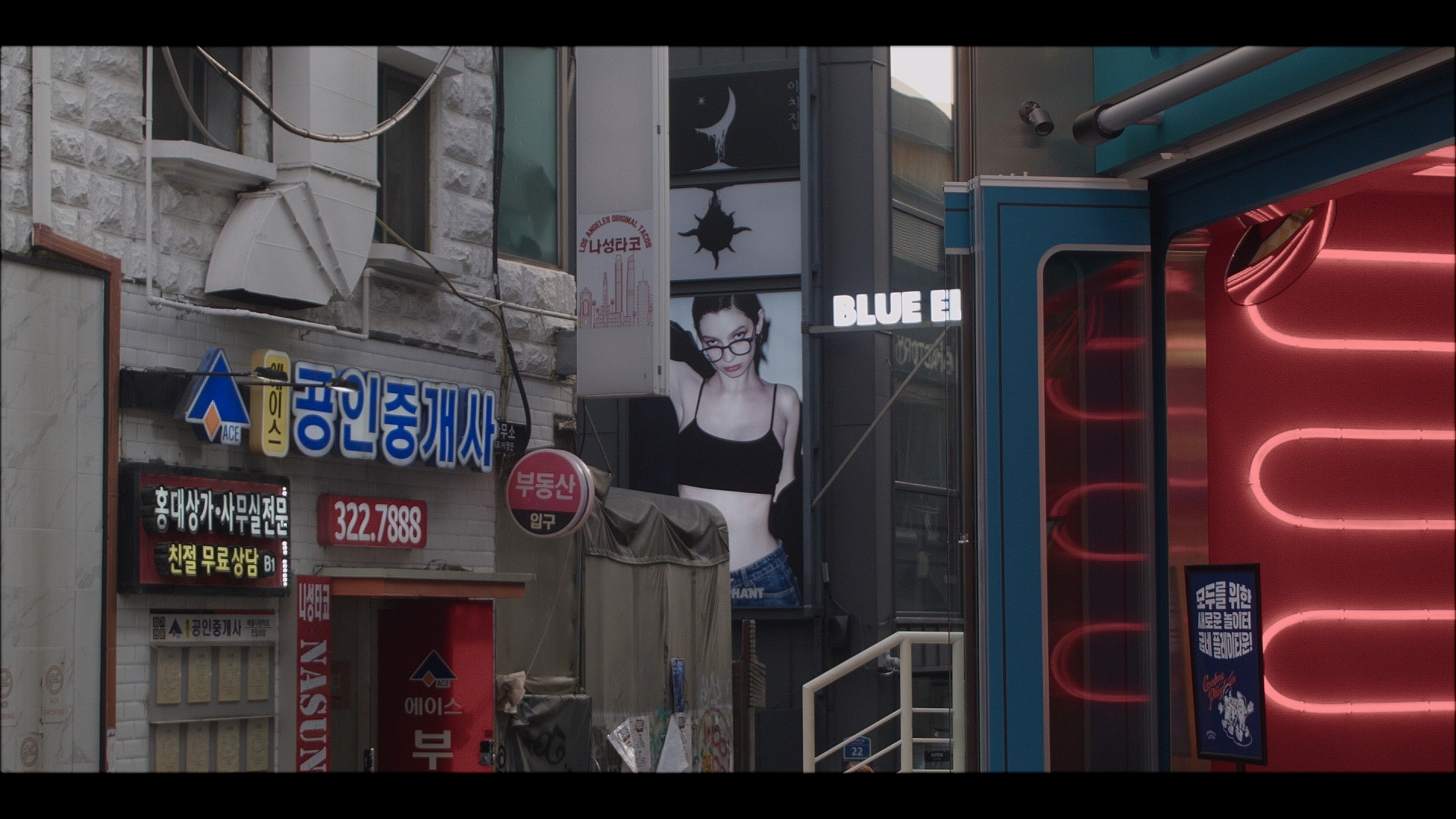
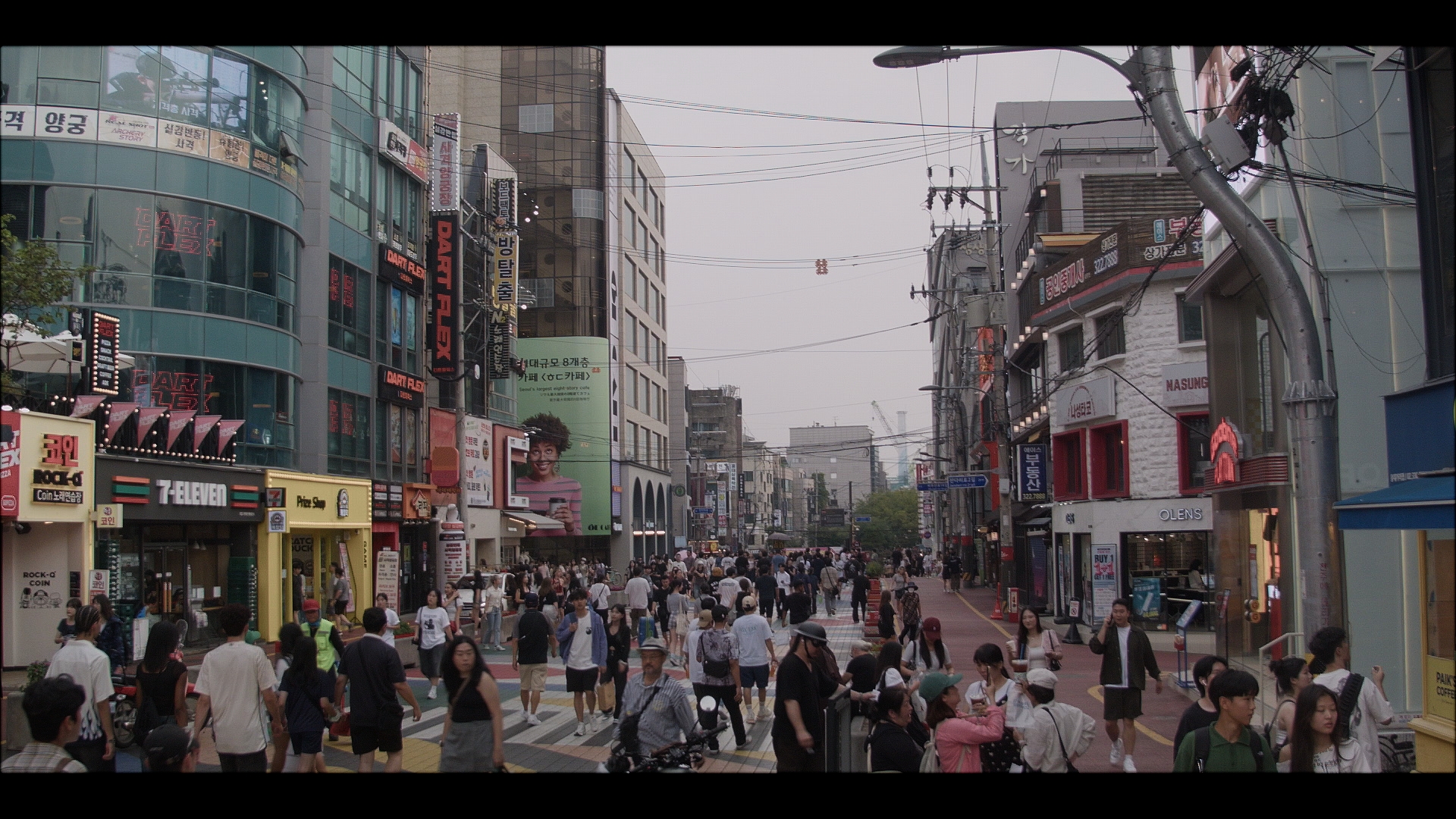
Hongdae. Choosing stills is different than choosing shots for an edit because the movement really makes things completely different, so I've ended up with much cleaner and more minimal stills. In reality, every street and alleyway in every direction looked like this virtually as far as the eye could see:
-
Yeah, you need an OLPF like @Sven said, my Tiffen 1/8 BPM filter didn't get rid of it. The people I see online get the Rawlight ones, but they're expensive and fog up over time and need replacing. I see it on an occasional shot here or there, but if it ruins the odd shot for me it's no big deal so I haven't bothered.
-
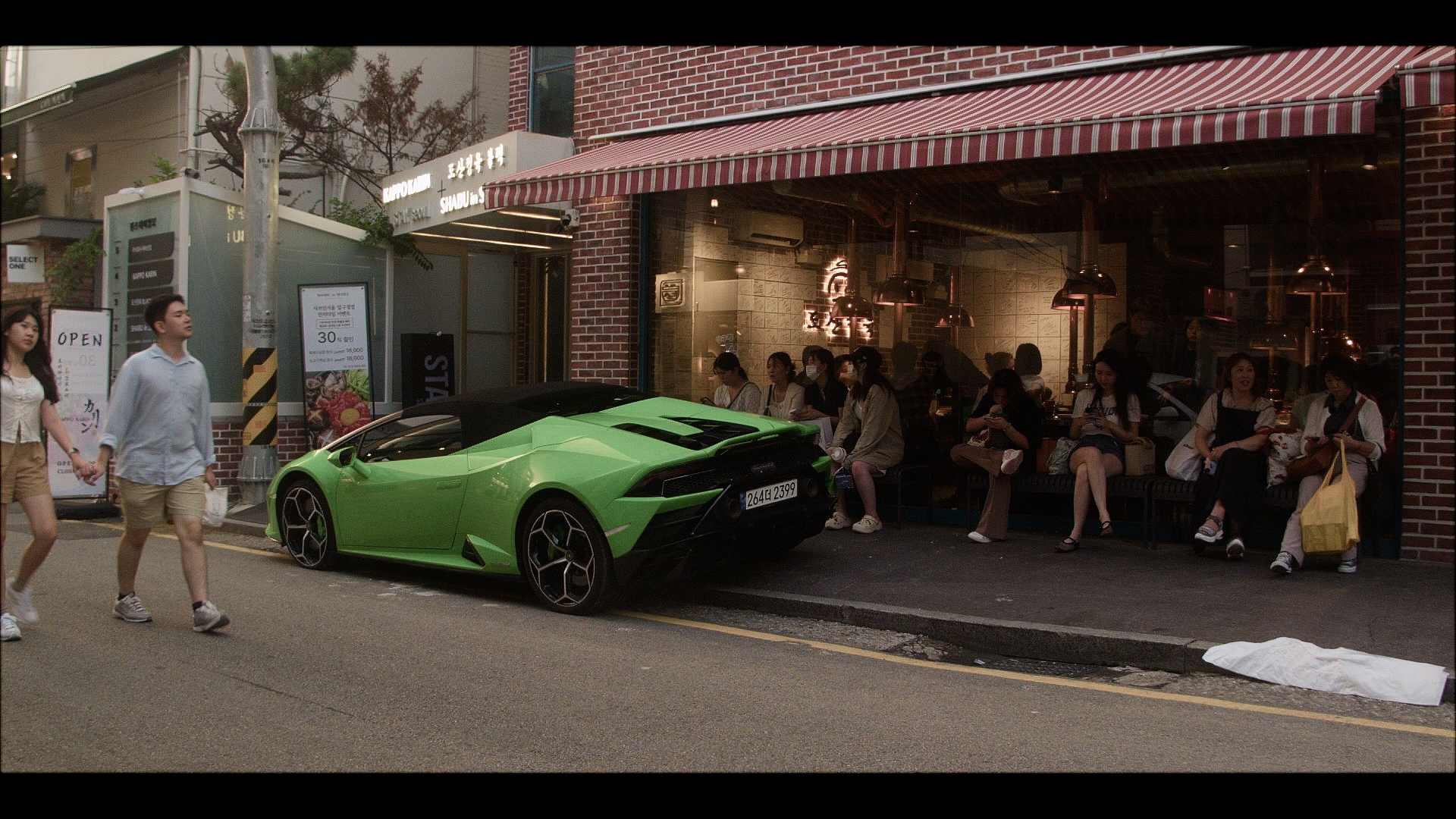
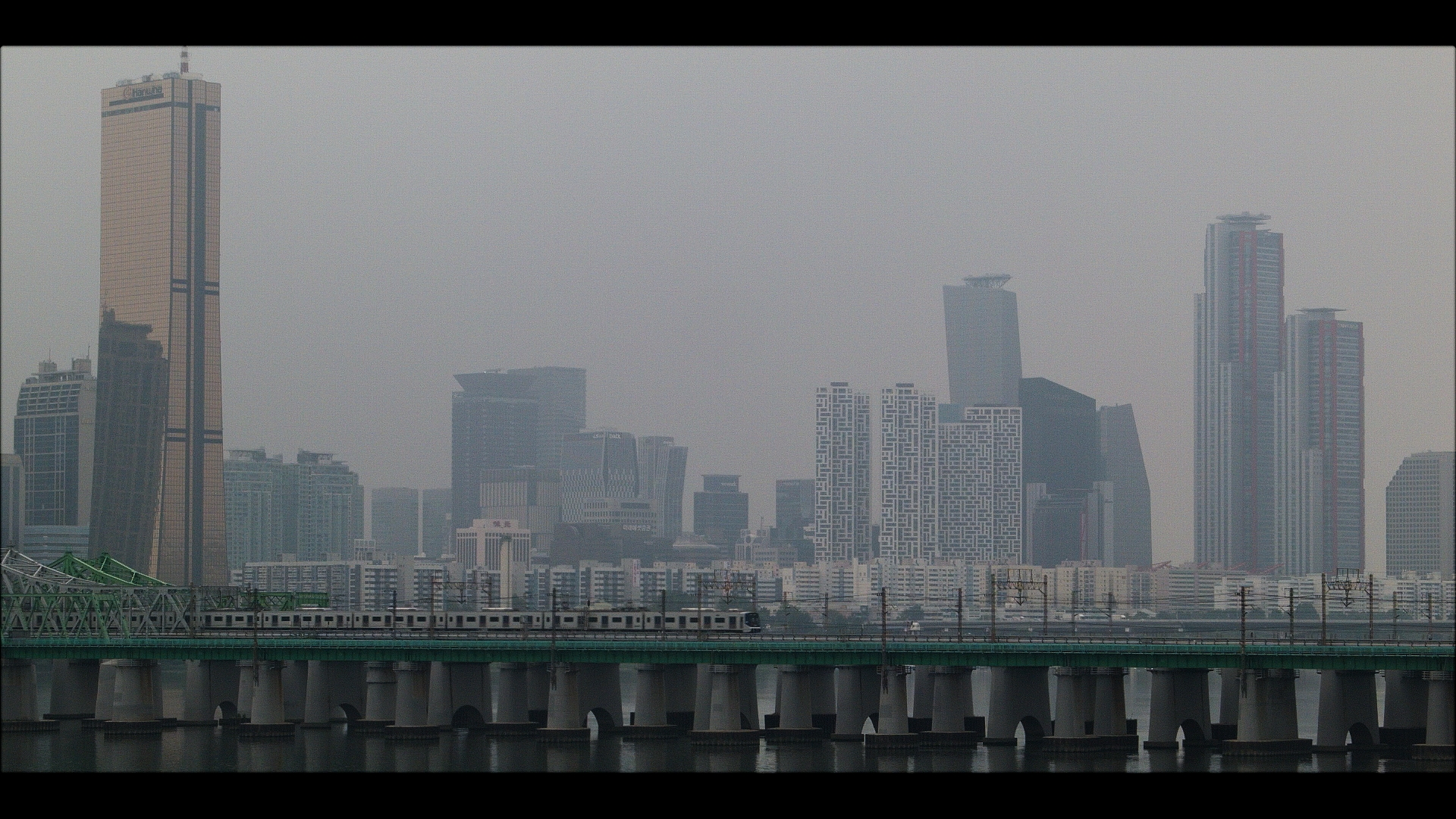
Gangnam. It's all glitz and glam and occasionally quite disorganised telephone pole wiring, but it's no backstreets of Yongsan, which I'd take any day of the week over this.
-

The camera of the future is NOT full frame with a prime lens
kye replied to Andrew - EOSHD's topic in Cameras
Talk is about lens emulation, but it demonstrates the capabilities of the new Resolve 19 to mask the foreground and background in order to process with blurs etc. Both the Magic Mask and Depth Map plugins are used, which I think are both AI. Not perfect, but getting better with each release, and if used sparingly on the right shots then I think they're already usable. -
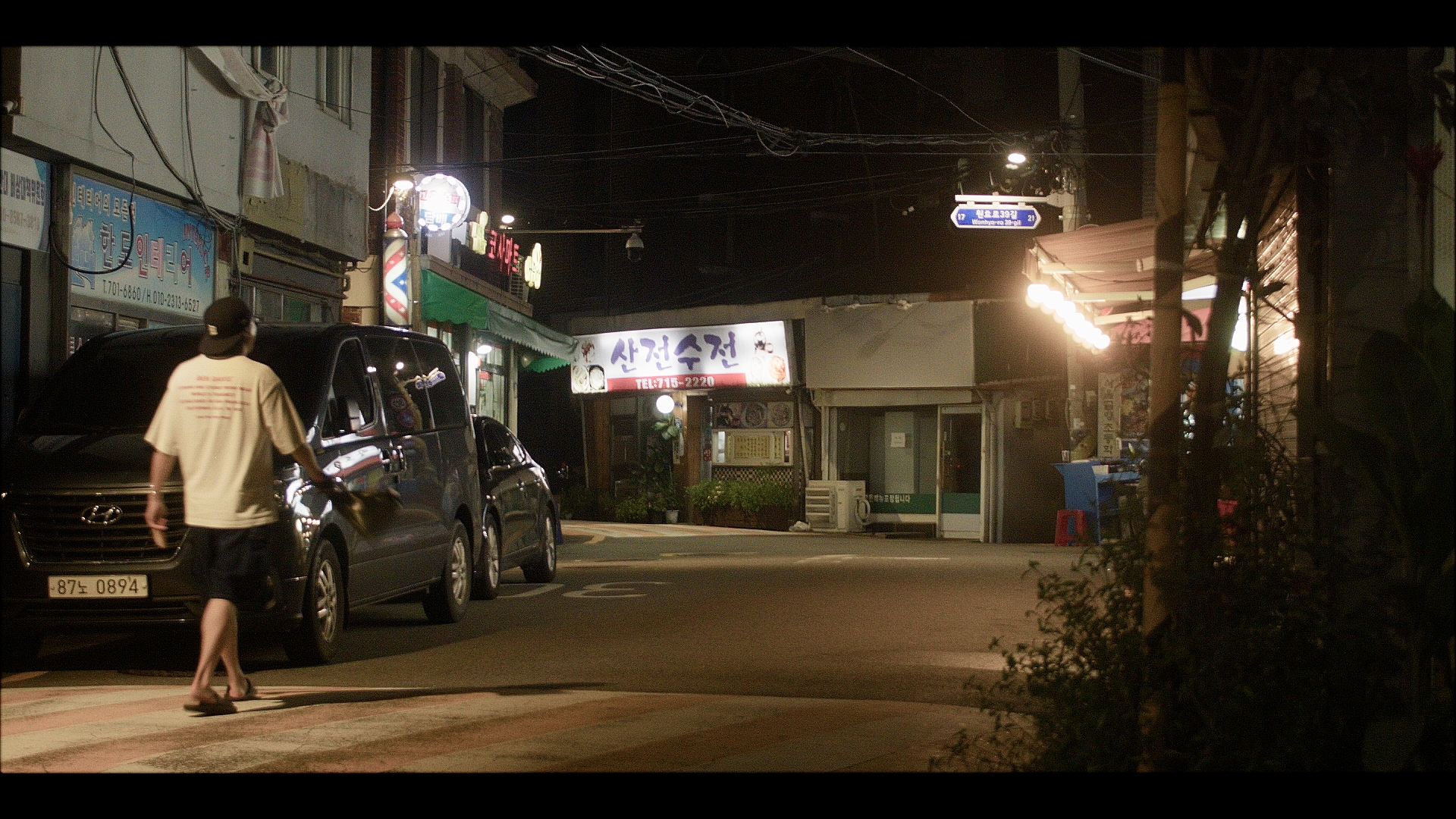
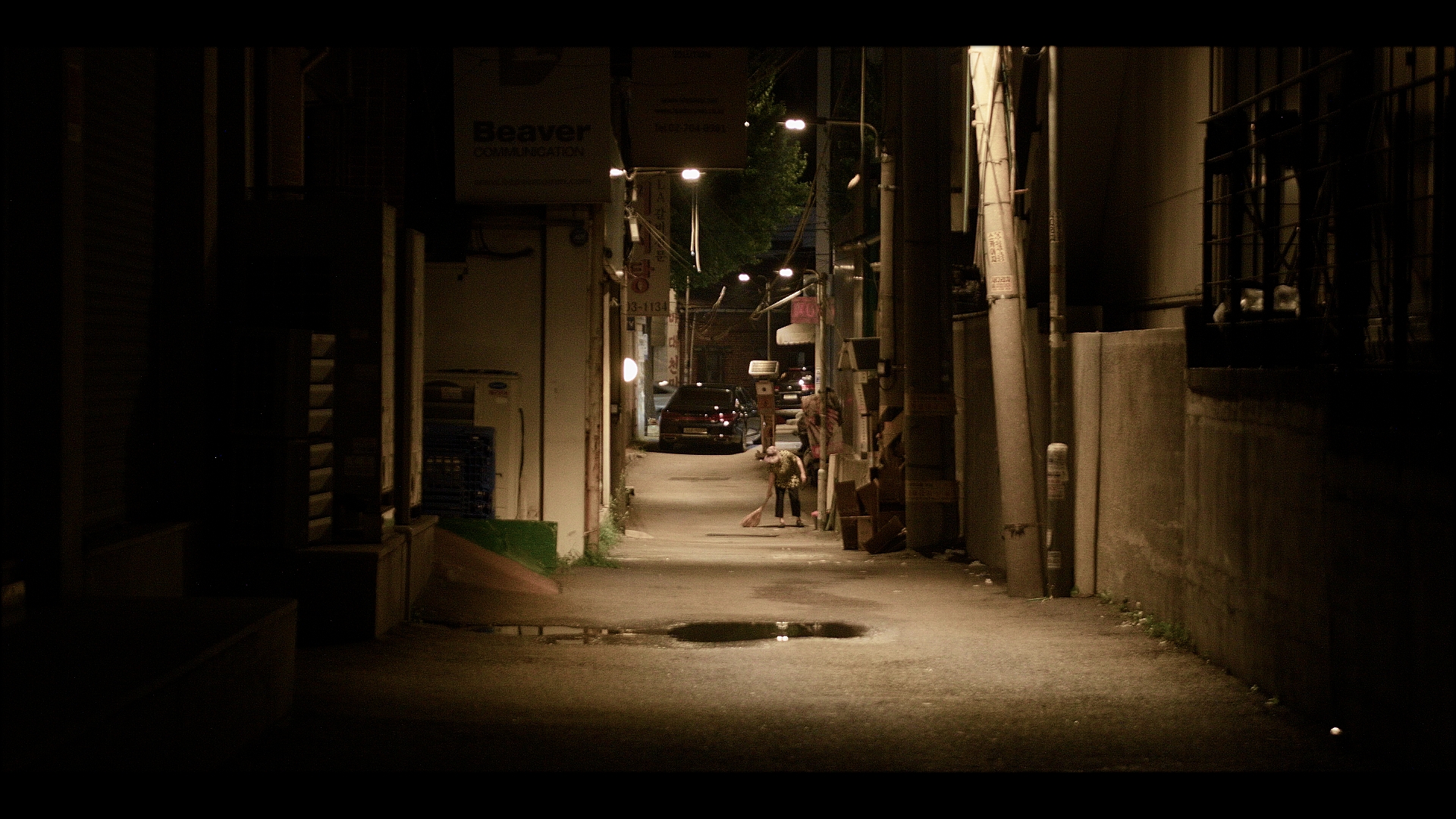
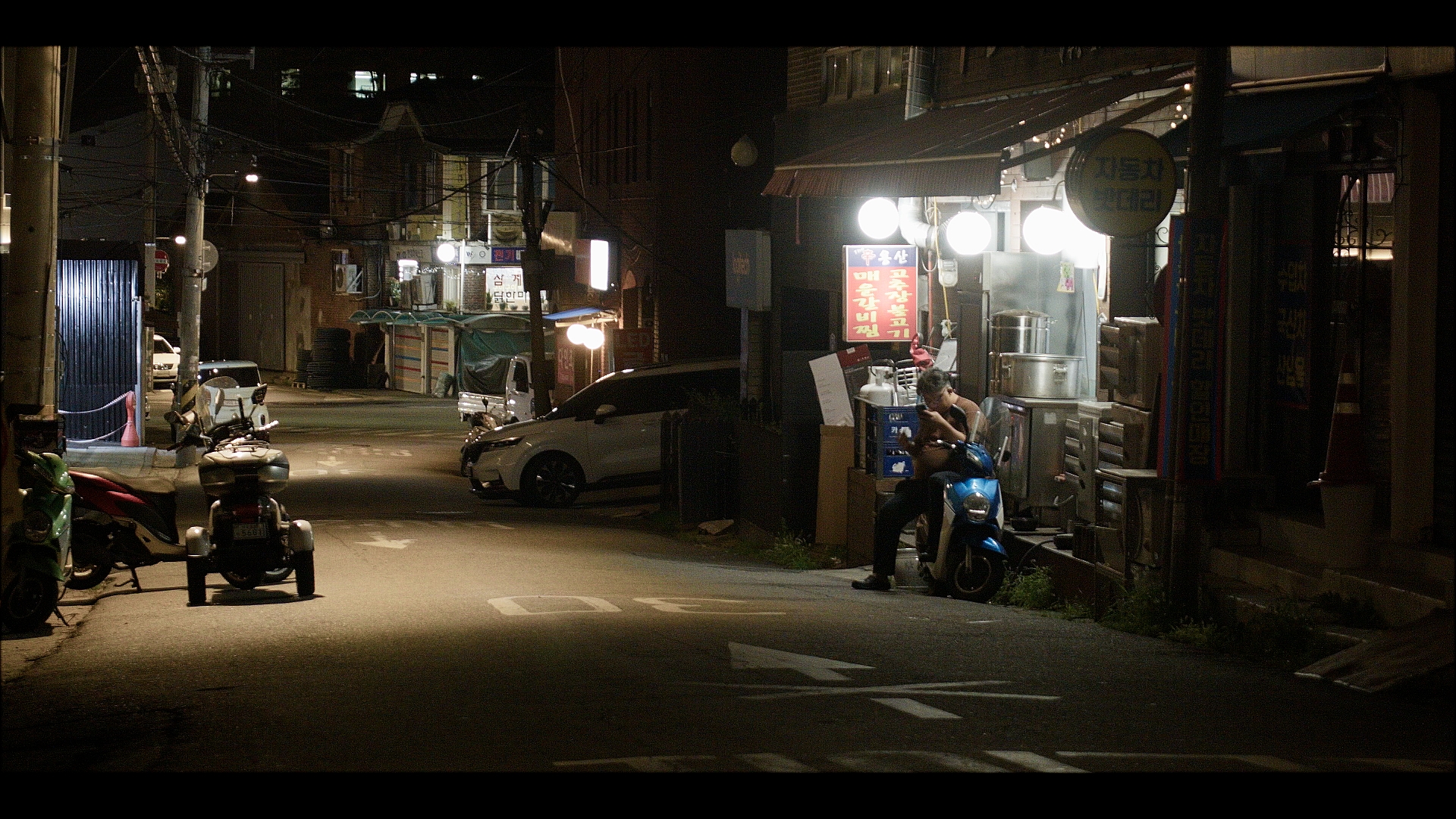
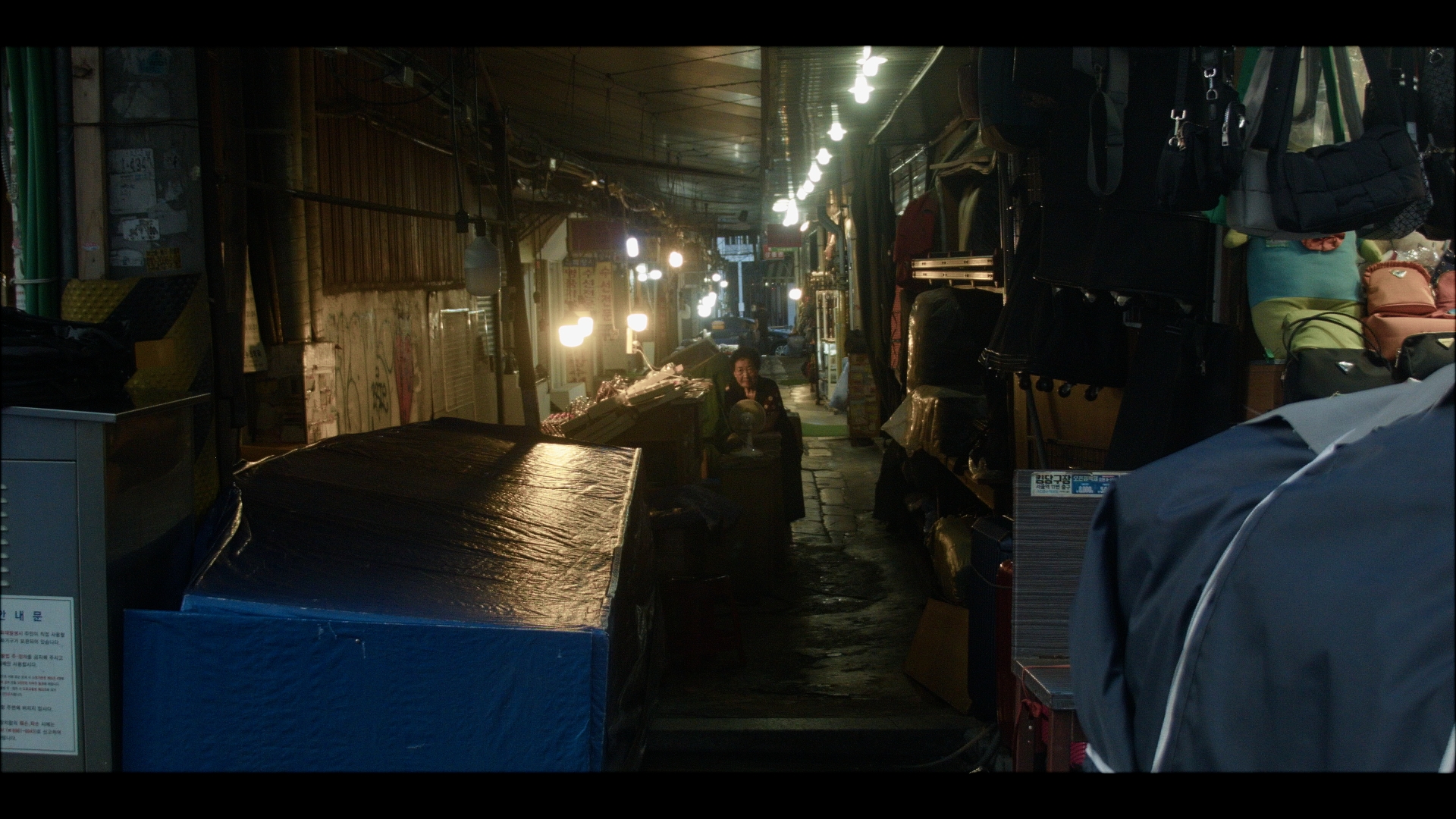
Hmm, ok. It hasn't happened that many times and seems to be fixed with a restart, so I guess I'll just carry on. The whole thing of shooting slowly because it's fully manual seems to align with the idea that you miss things happening, so if a shot here or there requires a bit of fiddling then it's not a big deal really. Speaking of carrying on, went for a walk in the backstreets of Yongsan last night. I had to cheat another stop by going to 360 shutter as some places were seriously dark, but in post I was able to raise up images by a stop, and if I put a bit of NR then I could go even further without issue. Of course, this requires grading the images properly - where blacks are actually black! I'm actually surprised how good the low-light is. This is only at F2.8 with a zoom and IS, and yet it's basically usable to replicate what you can see in real life, despite being S16 and almost a decade old. Images even less graded than previously: One thing I've noticed is that with the 12-35mm not being that long a zoom, and with my monitor set to show a 2.35:1 crop, I tend to compose with people smaller in the frame than with other cameras I've used. I don't know how well this is translating, as in theory this should make the 'world' larger by showing people smaller in comparison, but as I only have my laptop and not my normal monitor I'm not used to judging.
-
I definitely agree with @IronFilm that this is a larger question, about ecosystem and about your preferences. If you want something lightweight and small then the Laowa is hard to beat. If you think you might be changing over to larger sensor cameras, like the BM Studio Camera 4K G2, or even S35 options, and don't care about the weight so much then going with S35 lenses and a speed booster could be the better choice in the longterm.
-
I've had a few issues with the BMMCC while shooting. A few times I've had issues where the focus throw on the lens won't focus all the way to infinity, so I can't actually focus properly. This is with both the 12-35 and the 14-140. Resetting the camera seemed to fix it. Another issue I've had with both lenses is where I'll focus then hit record and it will instantly change the focus to something wrong. This focus-change has also happened when I've adjusted the aperture through the camera. I suspect perhaps dirty lens contacts? It's only happened a few times and otherwise the setup has been solid, but if anyone has any advice I'm happy to hear it.
-
I definitely agree that it's the logical conclusion. The rig doesn't change except for the addition of an SSD, which isn't too much of an imposition. I've been thinking, incredibly non-seriously, about what I might do if I am ok to have a relatively light rig. In theory I could have any camera, but it comes back to lenses of course. A zoom is a must, and OIS is a must if there's no IBIS, so an MFT and 12-35/2.8 combo still seems the most suitable. However, as usual, I'll force myself to work with what I have (which is incredible so no complaints) until I've proven that any purchases won't sit unused after the novelty wears off. Also, the newer BM cameras don't have the same look, so unless I'll still be able to replicate it, potentially with the Film Look Creator and other tools, it would be a sideways move at best. I've decided to focus on actually producing images so anything has to be in service of that.
-
I own both the SLR Magic 8mm F4 lens and also the Laowa 7.5mm F2 lens, and the Laowa is the superior lens by far in every way, except cost.
-
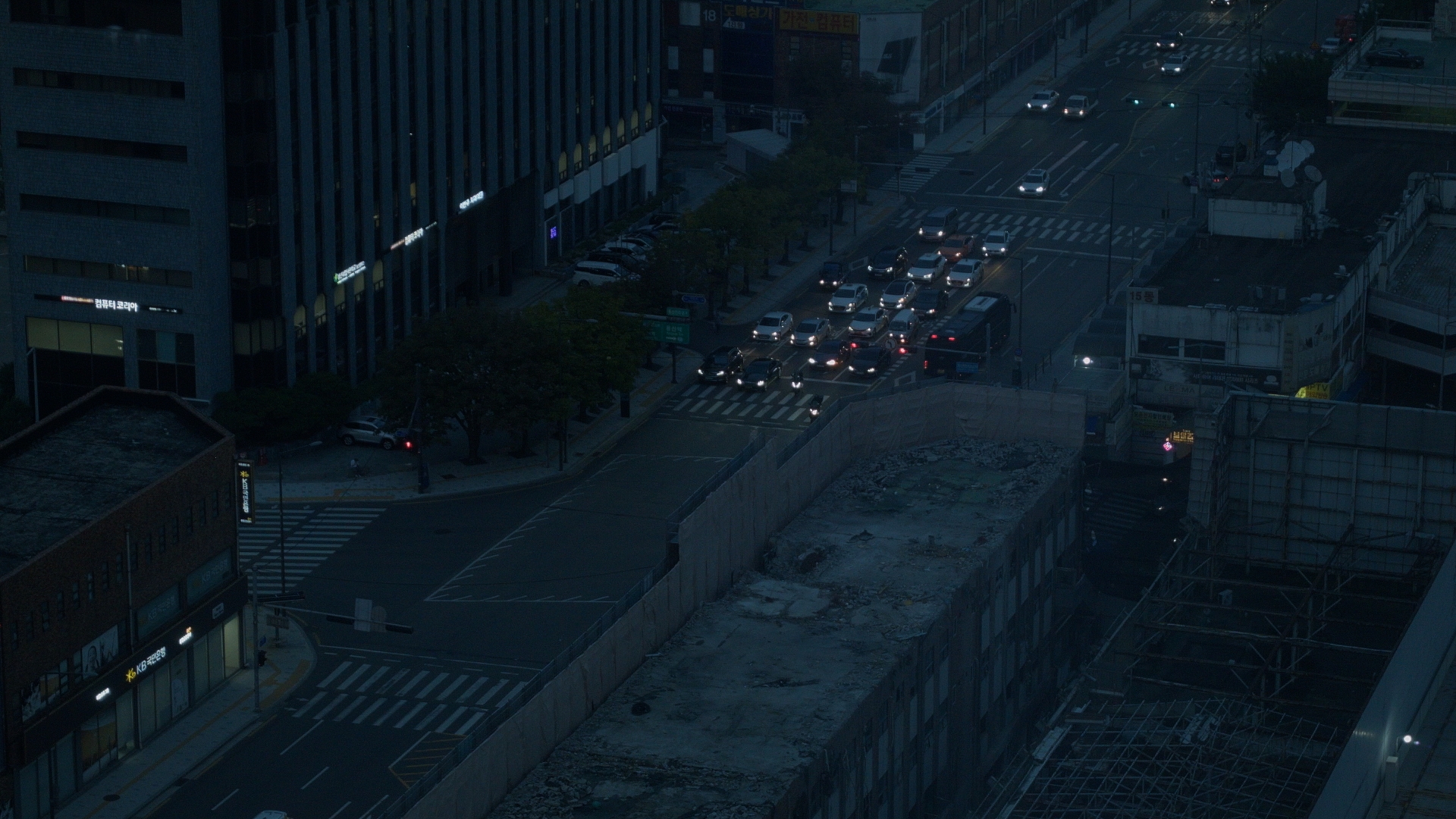
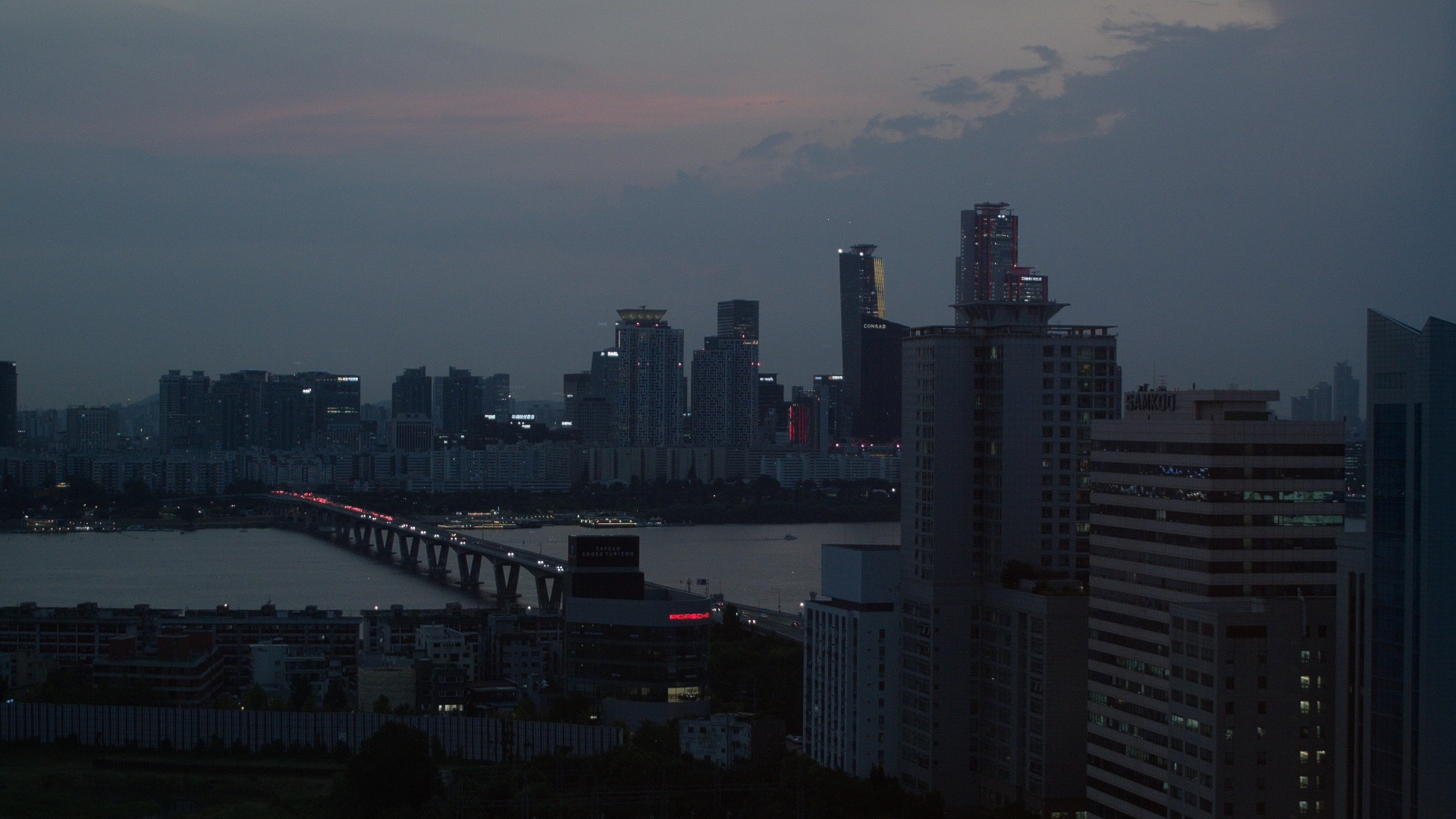
Yes, 12-35mm f2.8 for all stills shown on this trip so far. My wife and I got sick for a few days, probably covid which is rampant here, but are on the mend. During this time I've been shooting a lot out of the hotel window, which has a pretty awesome view. For this I've been using the GX85 + 14-140mm F3.5-5.6 and the BMMCC + 12-35mm F2.8 as well as the fast primes I brought for the dusk / blue-hour time when the lights come on, which are the 7.5mm F2, the 17mm F1.4 and 50mm F1.2. The extra crop factor on the BMMCC with the 50mm was welcome in focusing in a bit more on certain parts of the view. I'd really like a small, light, F1.4 or faster prime though. I've looked and it doesn't seem like there are any good options, except maybe the Rokinon/Samyang 85mm f1.4, but more research would be needed. I'll definitely keep shooting the view from the window as I will have enough for a decent sequence or even a whole film just from this vantage point - there is so much happening here! I've actually had an epiphany while being here and shooting with this camera, but that's a whole other thing and I'll share more when I'm back and have digested it a bit more, but spoiler alert, I think I'm now a convert to shooting fully manual with rigged cine cameras in public, and it has nothing to do with the image.
-
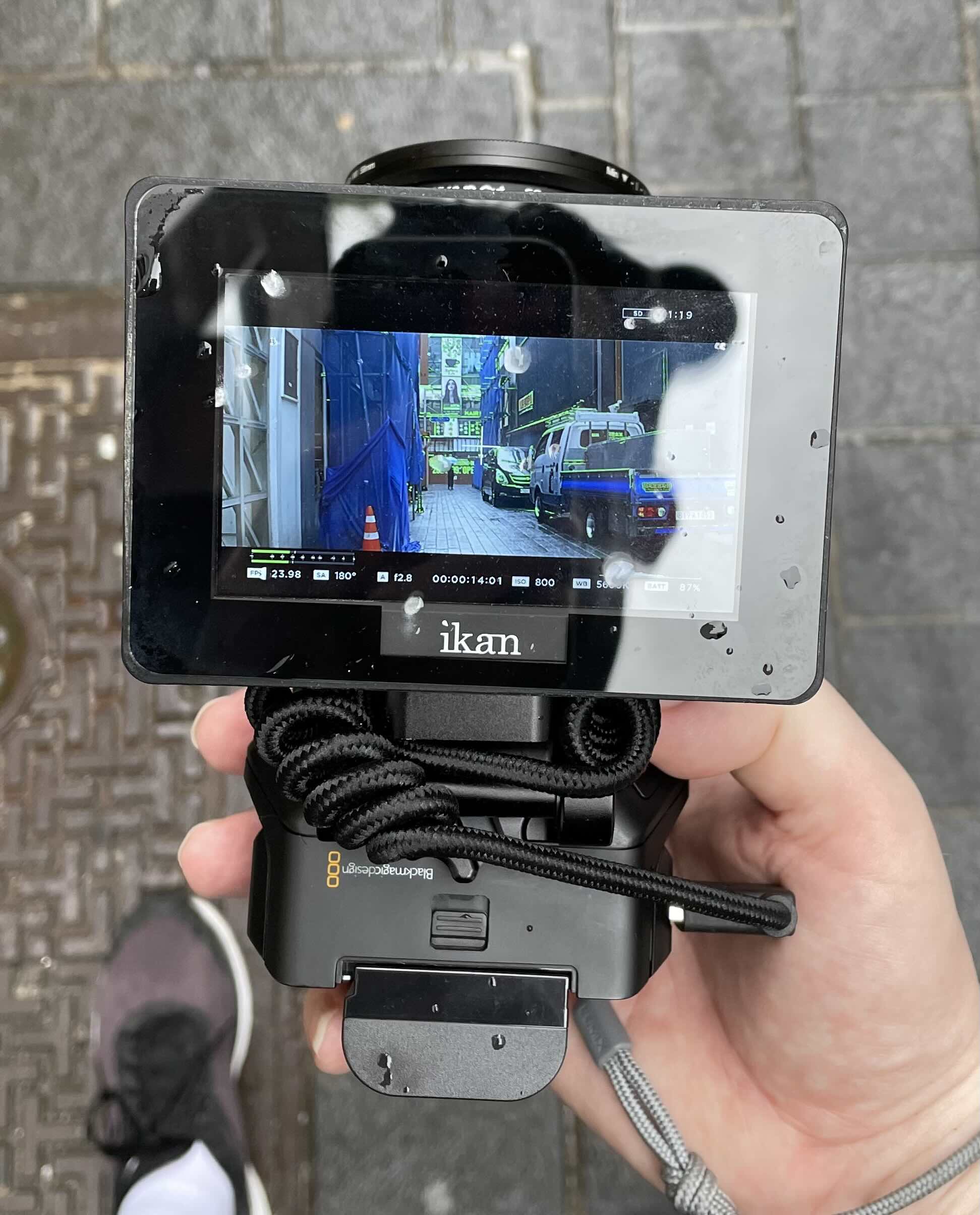
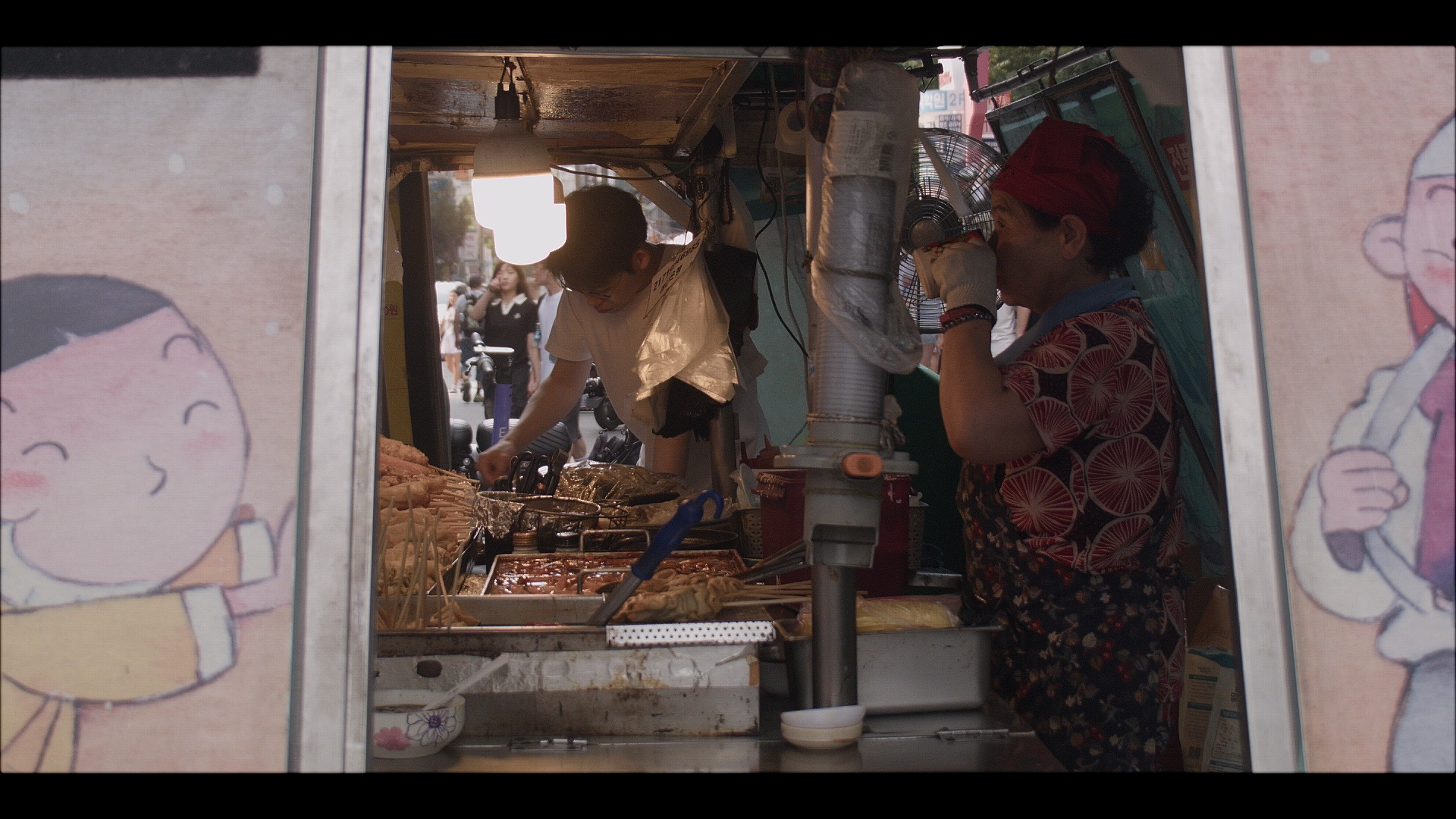
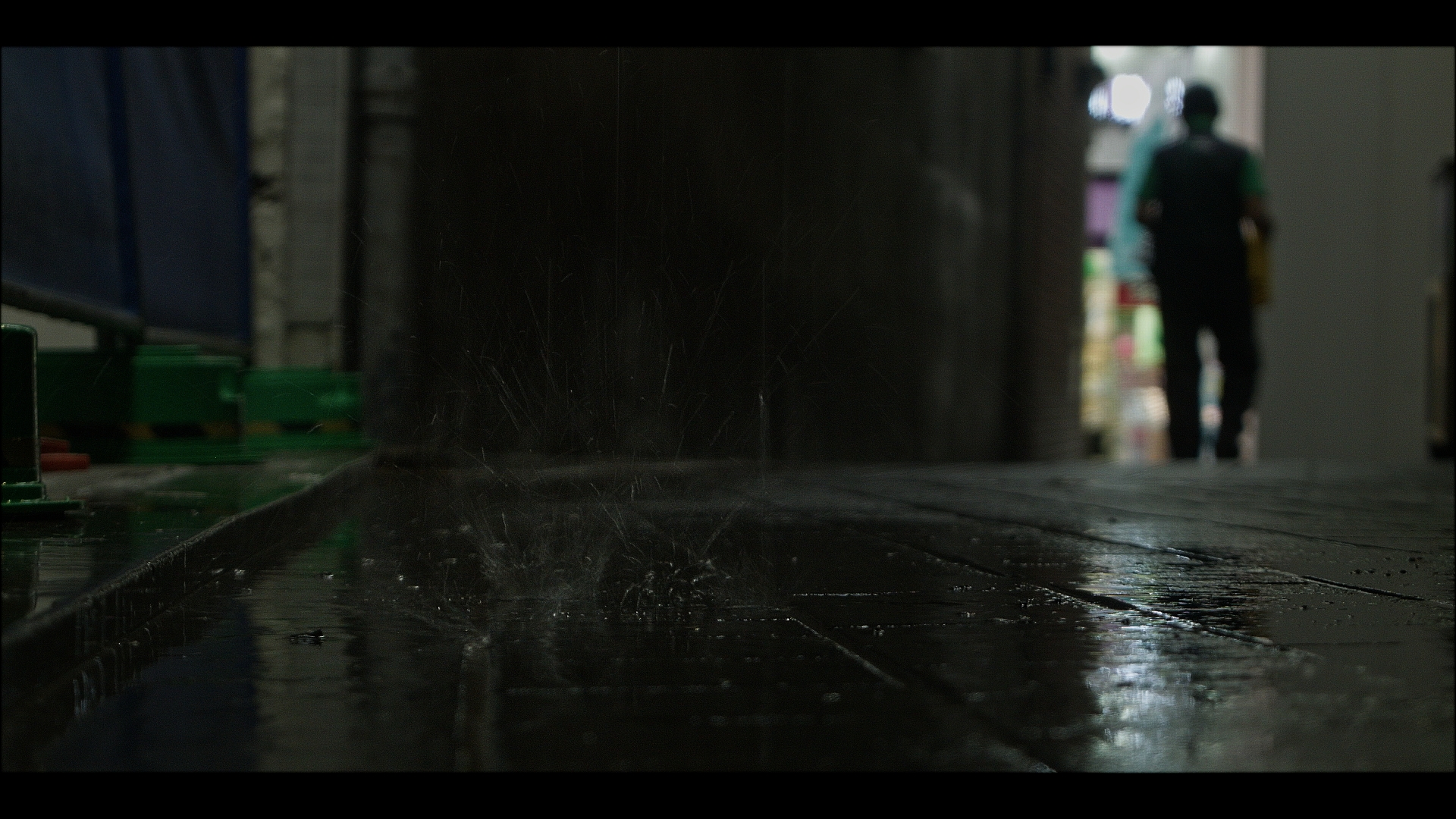
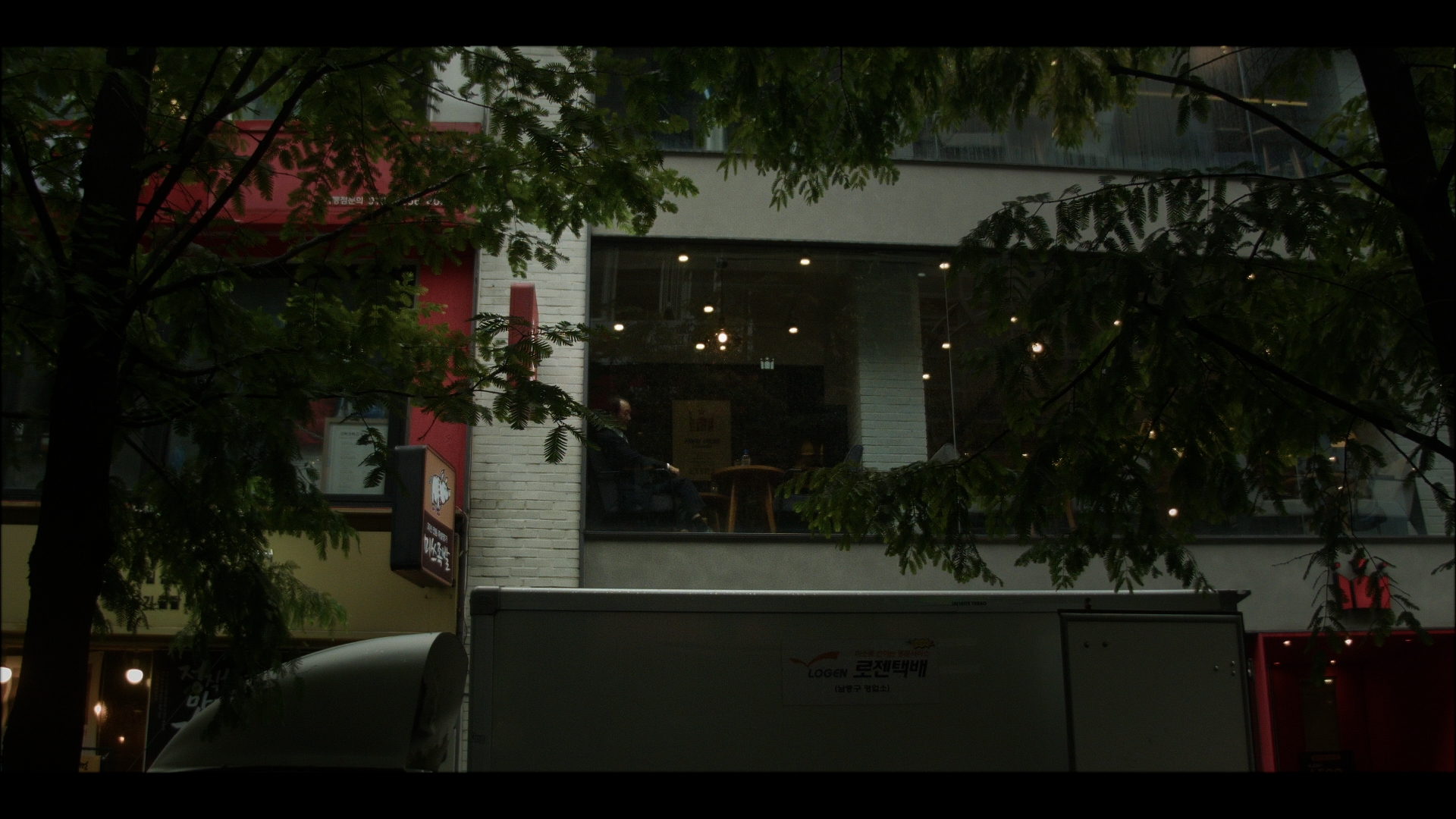
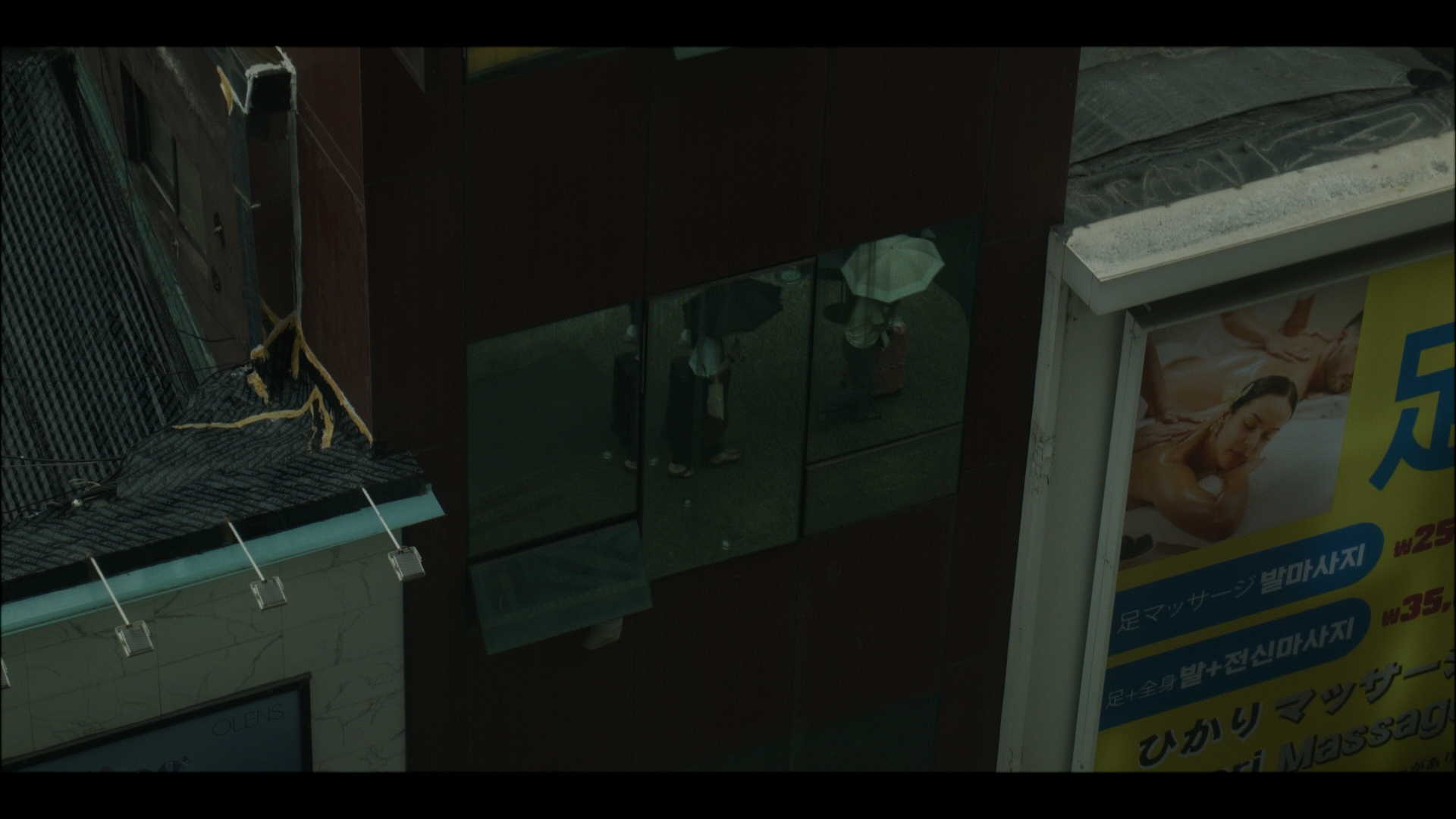
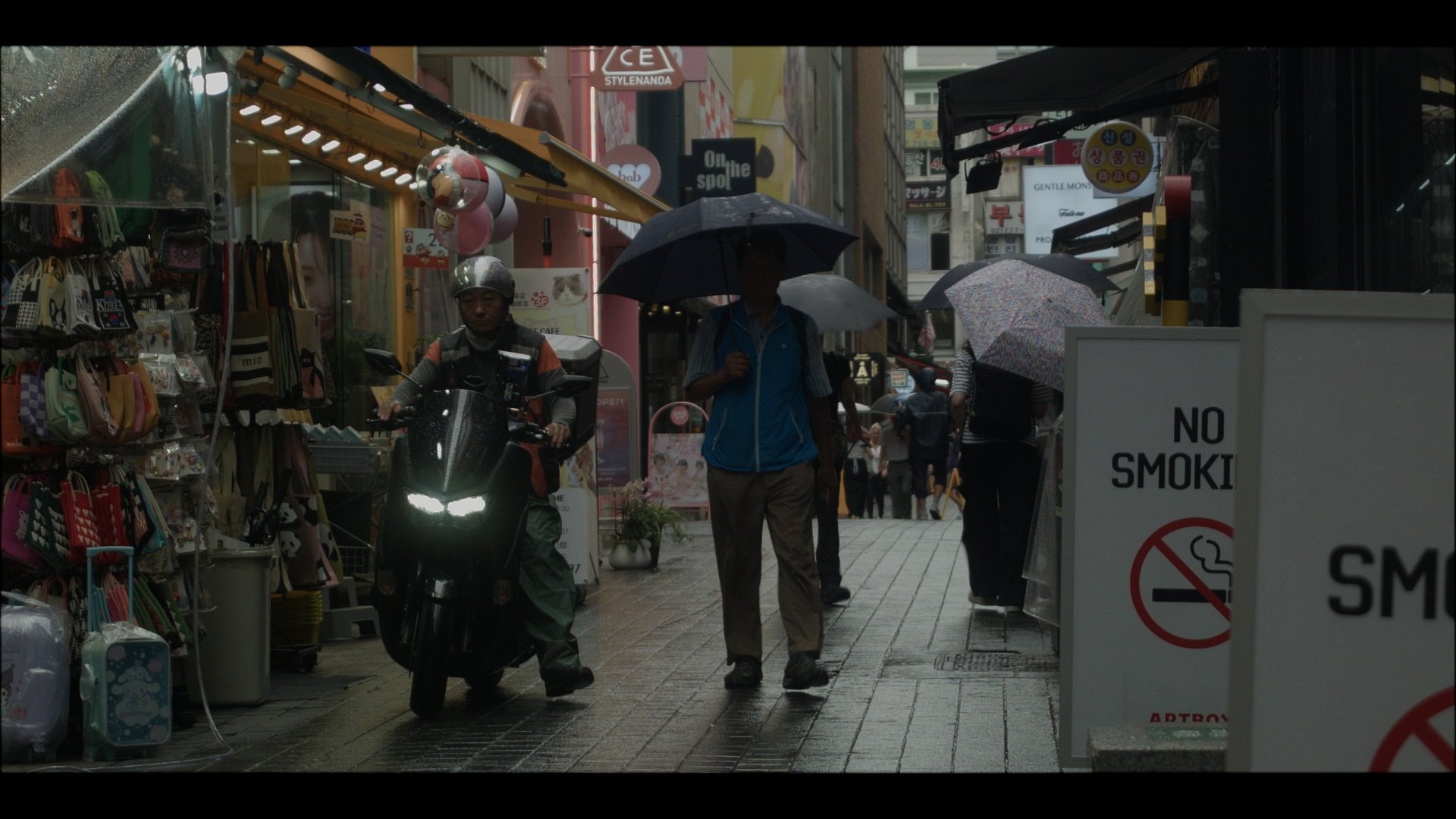
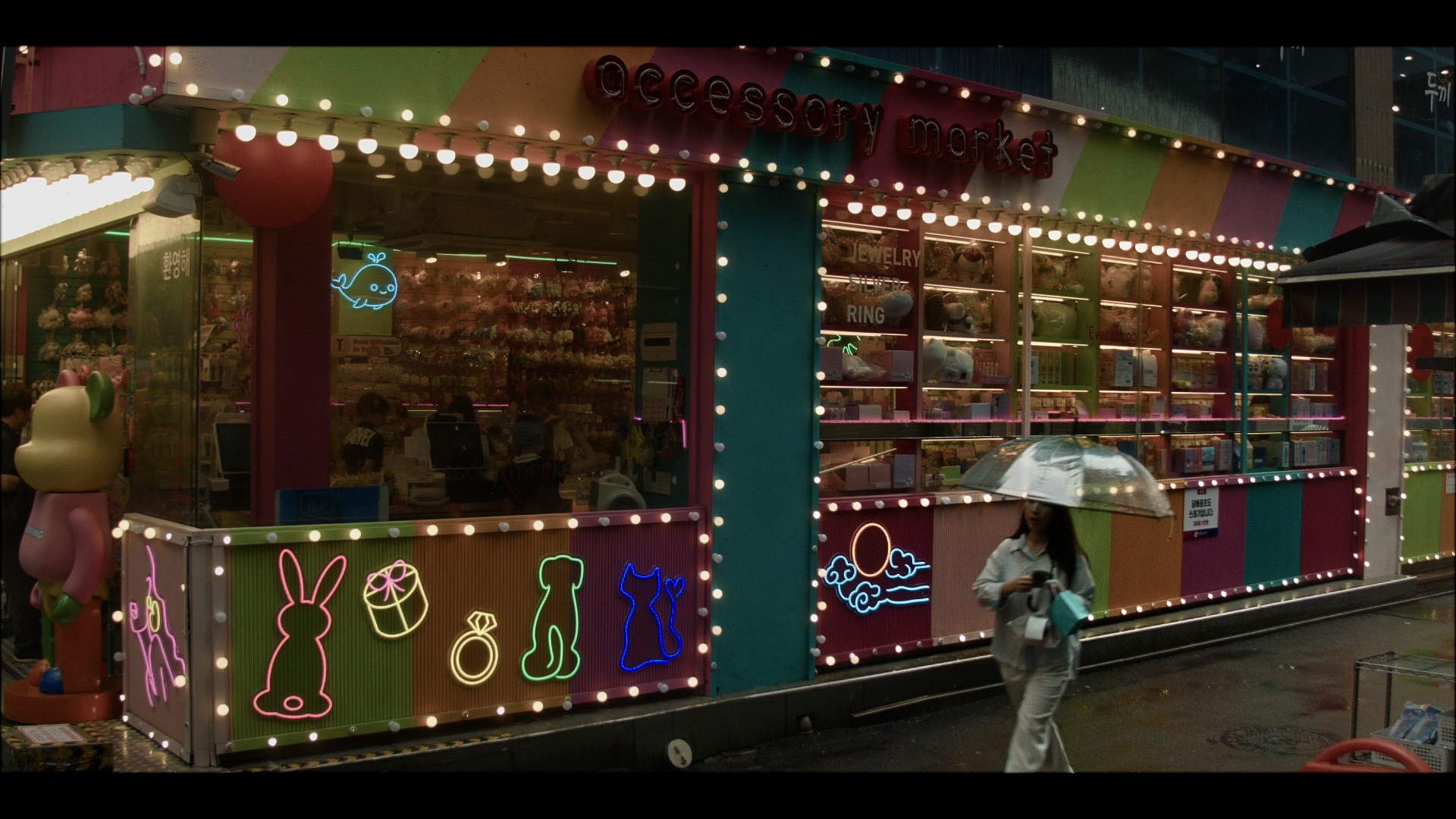
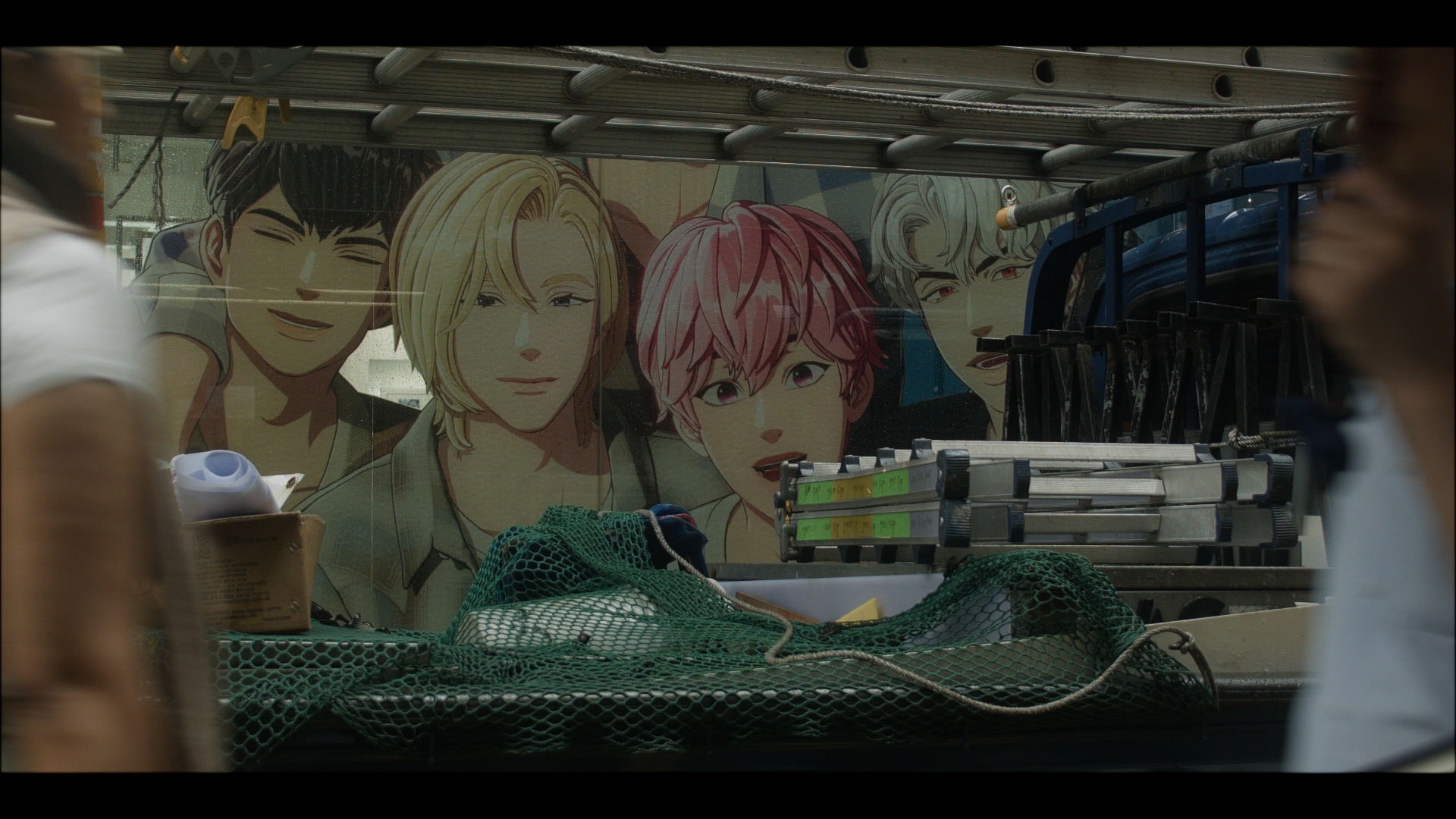
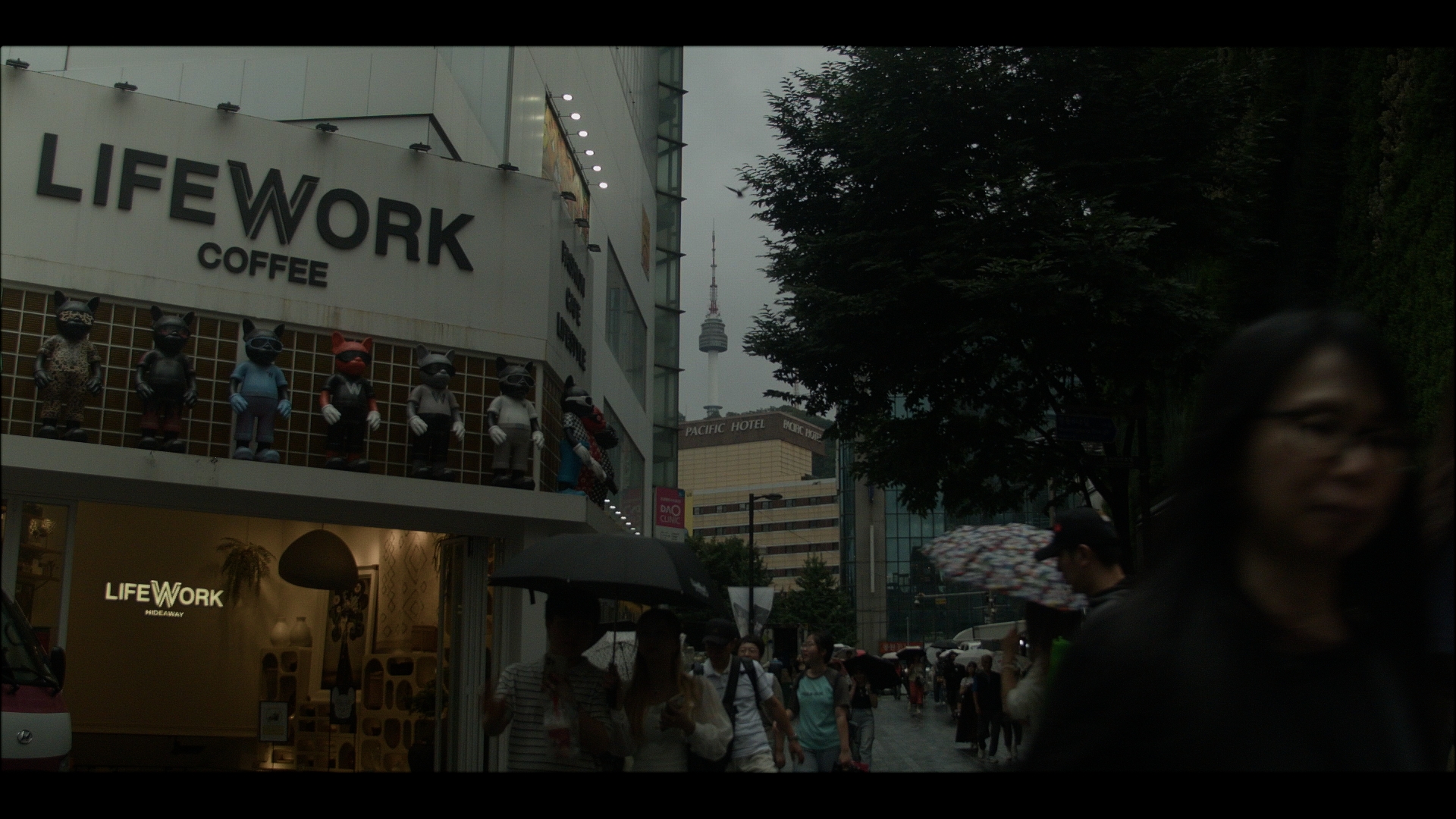
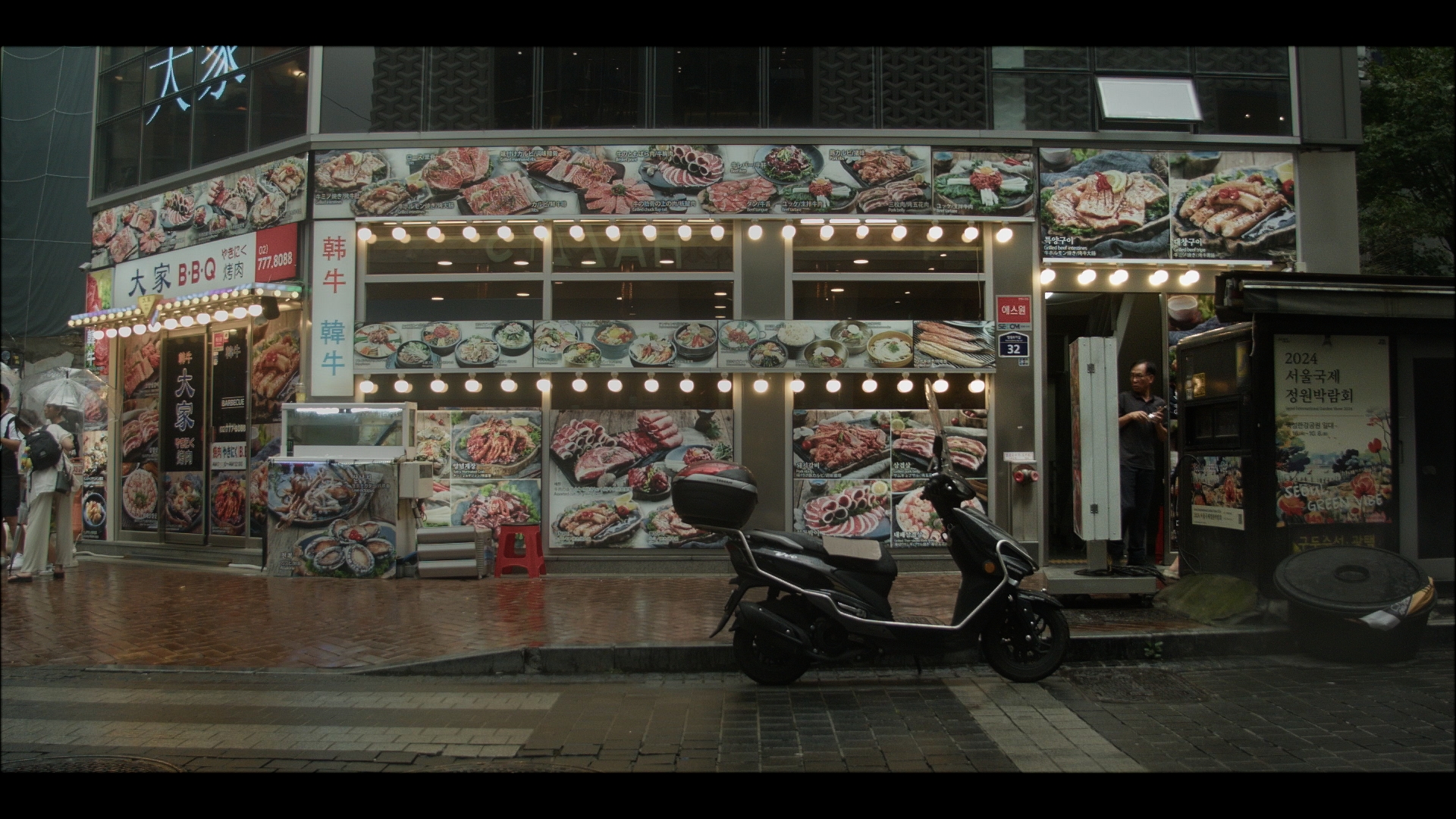
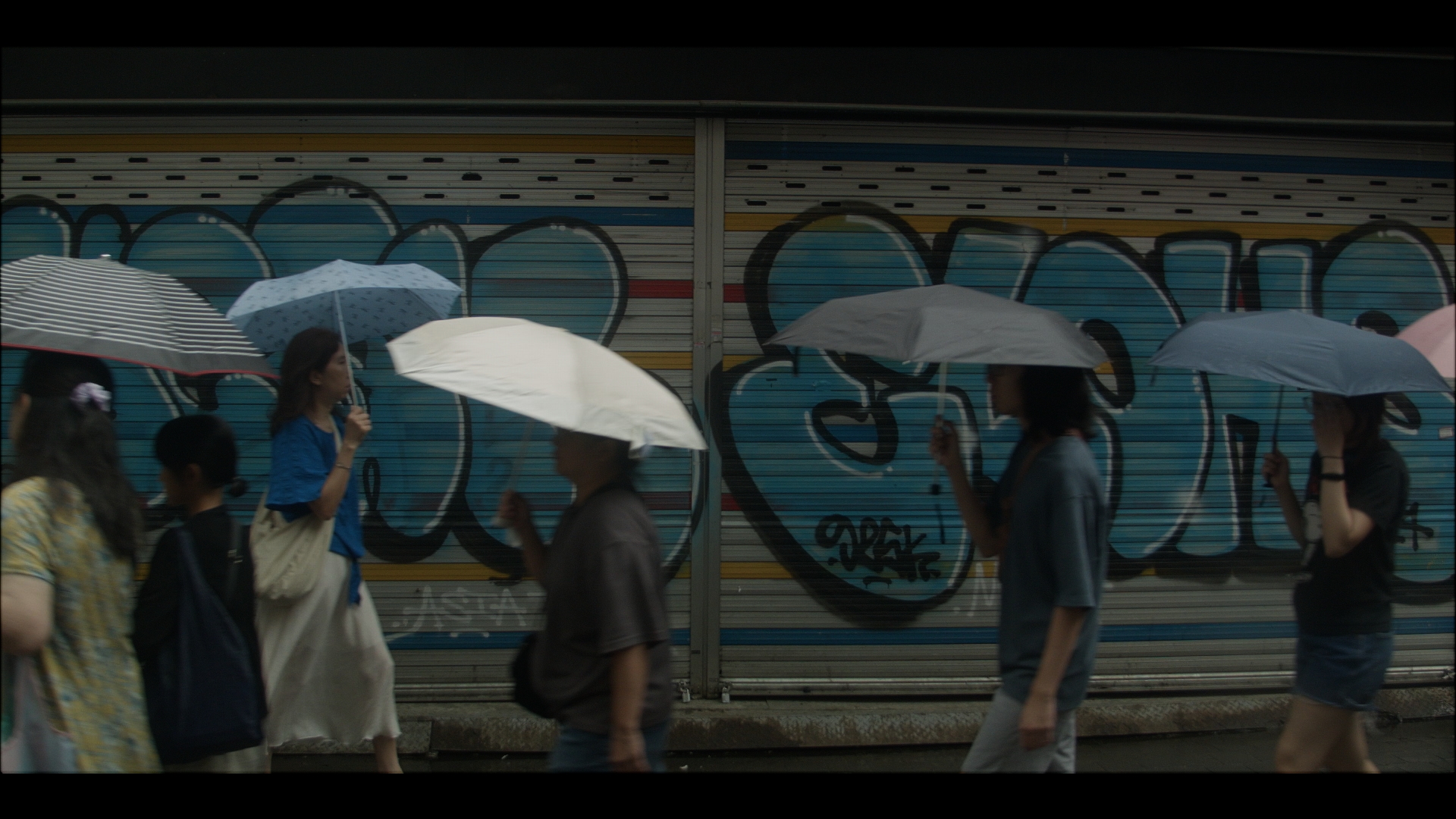
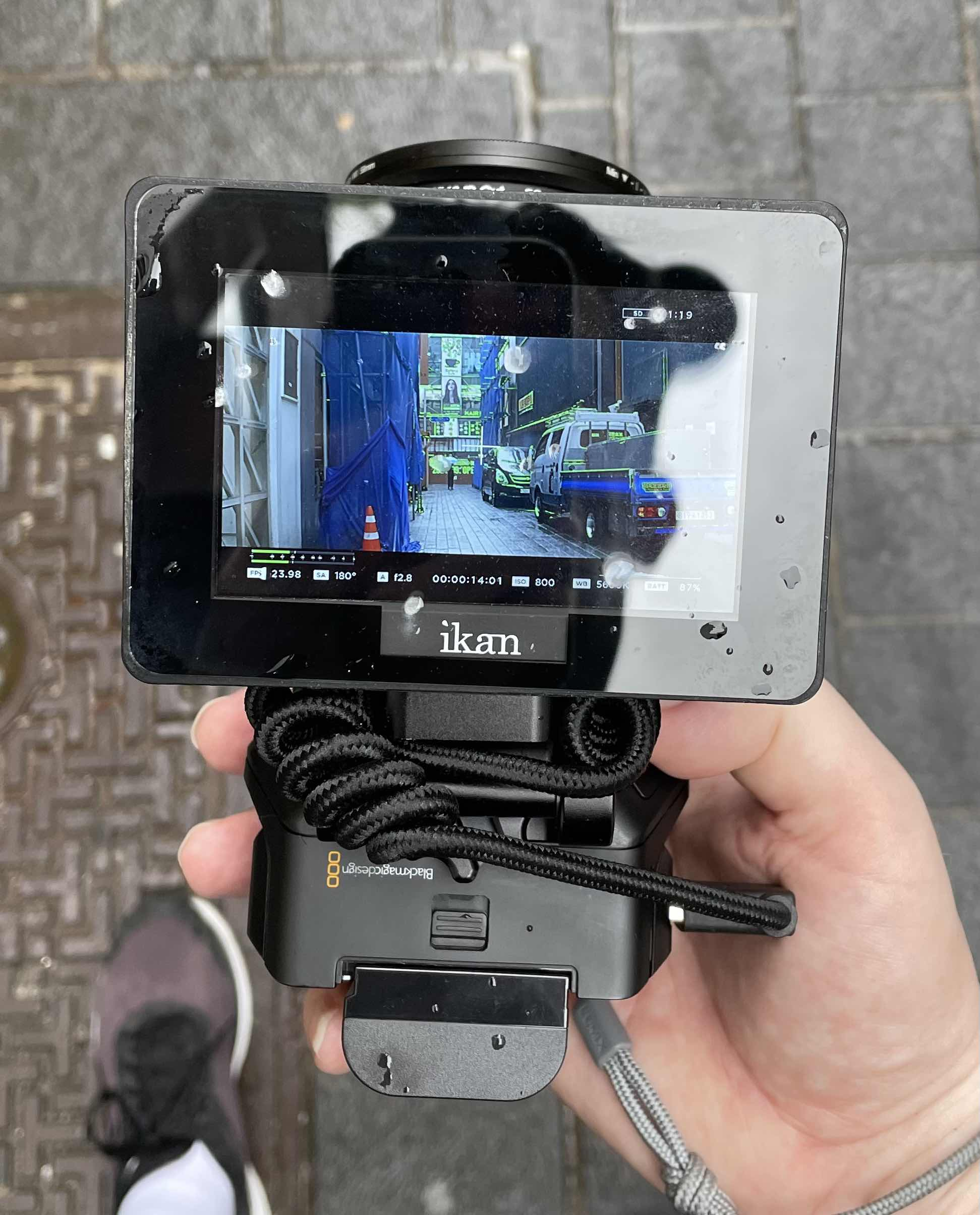
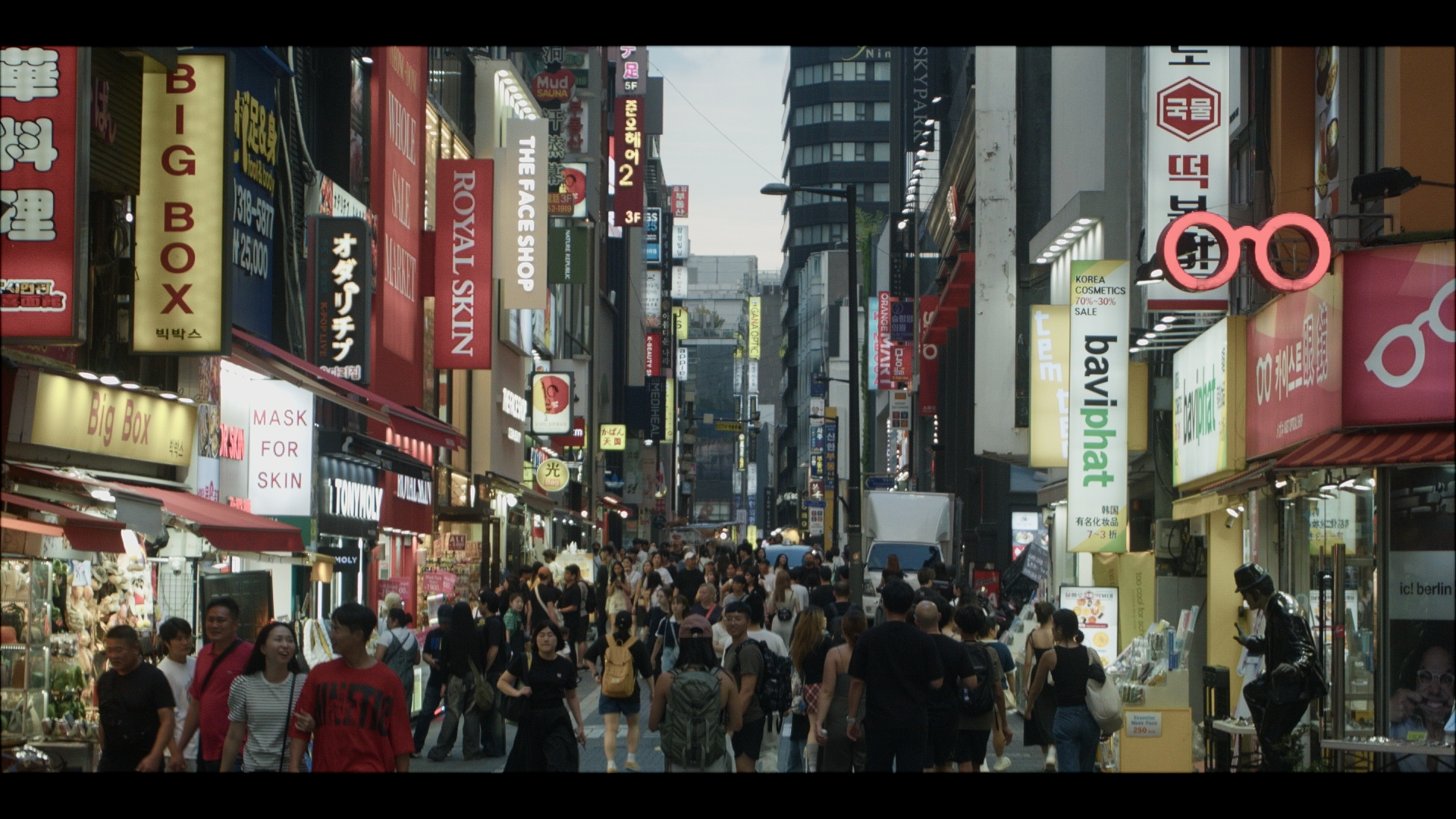
Shot with the BMMCC in Myeongdong for 2.5 hours in the (light) rain today. It's a trooper. Images barely graded as usual. and a POV pic of the setup. I might have gone a touch dark on the grade, but these were just taken from checking dailies to catch any tech or usage issues. I think I'm getting the hang of this.
-
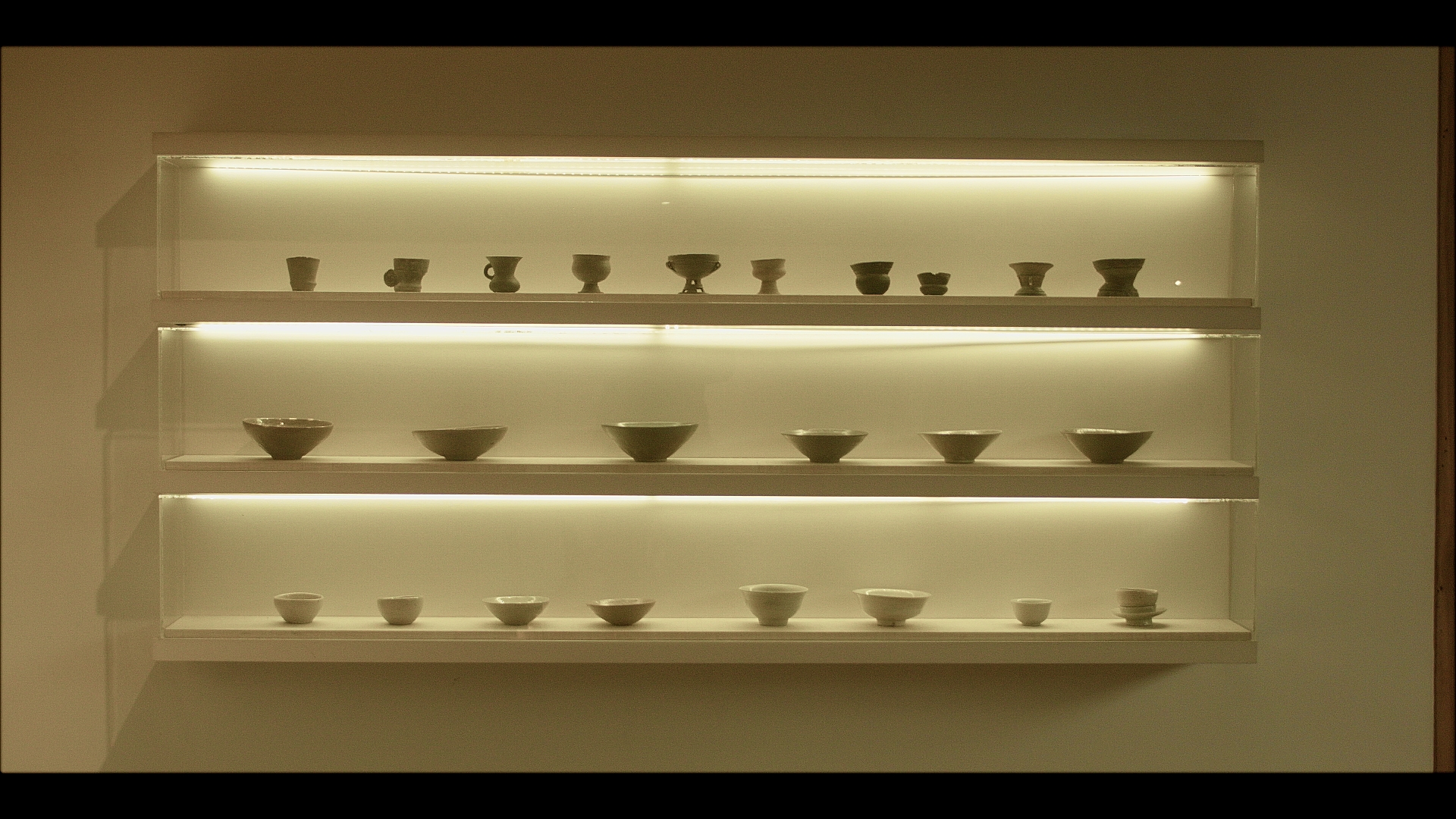
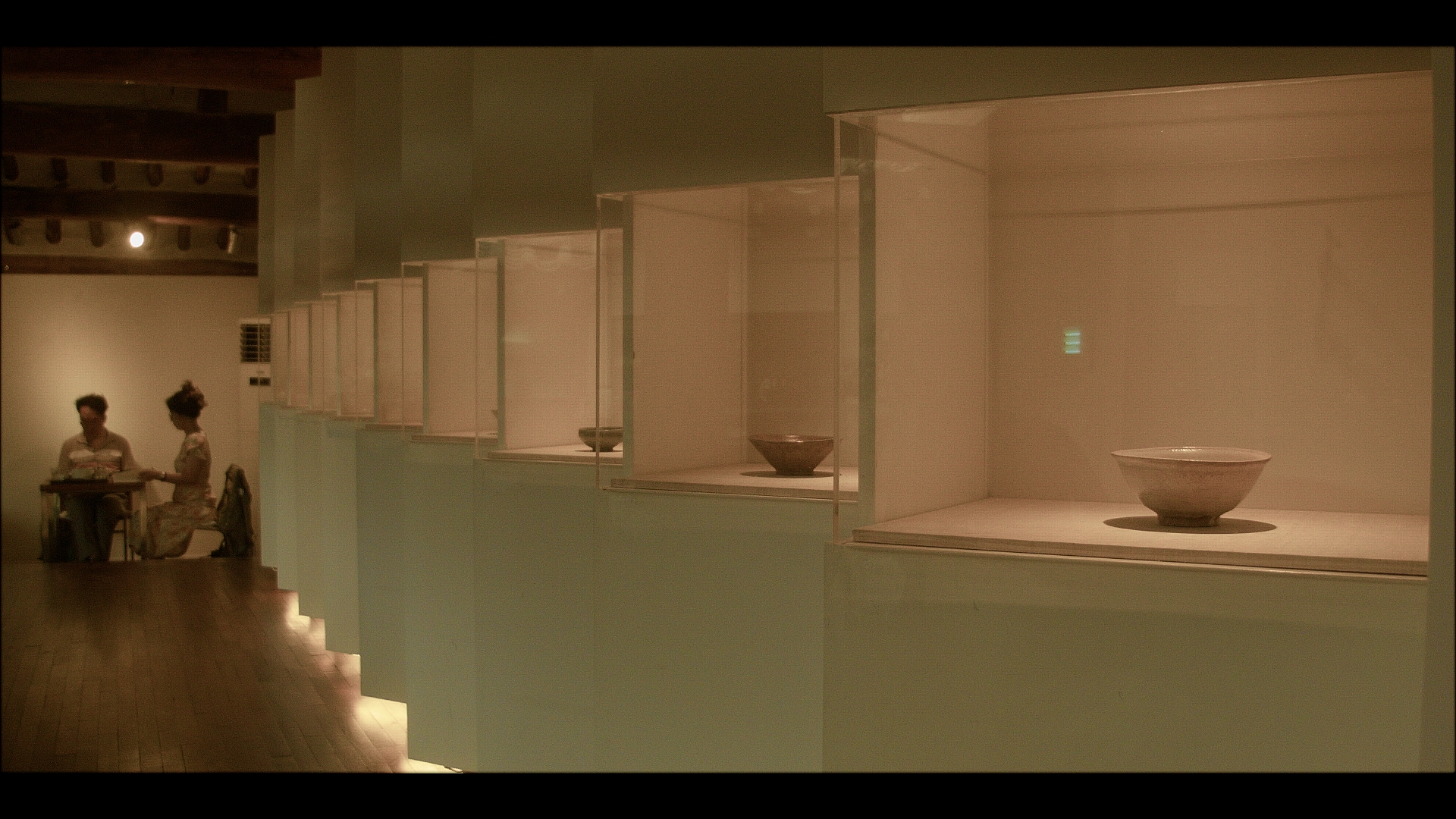
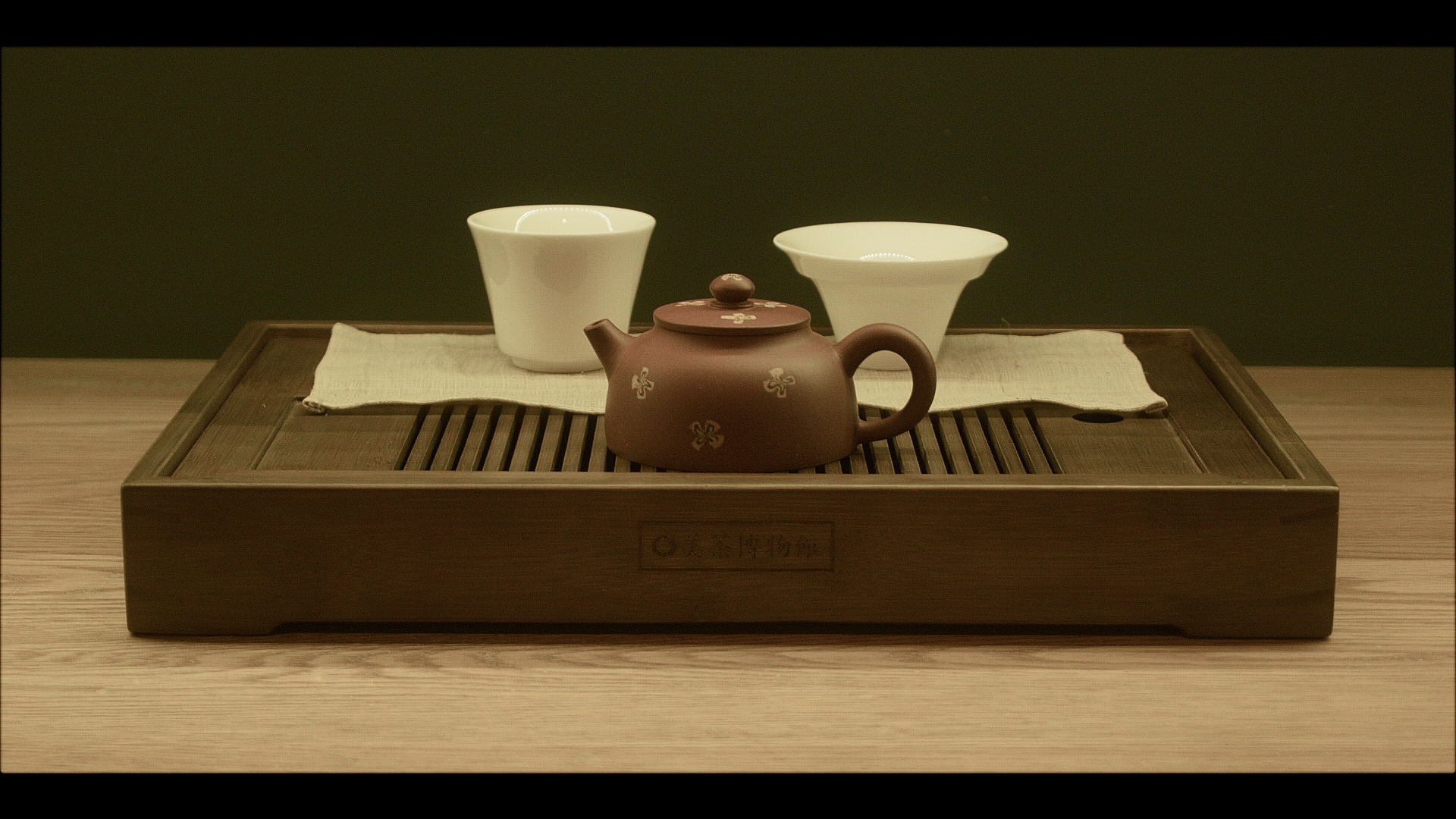
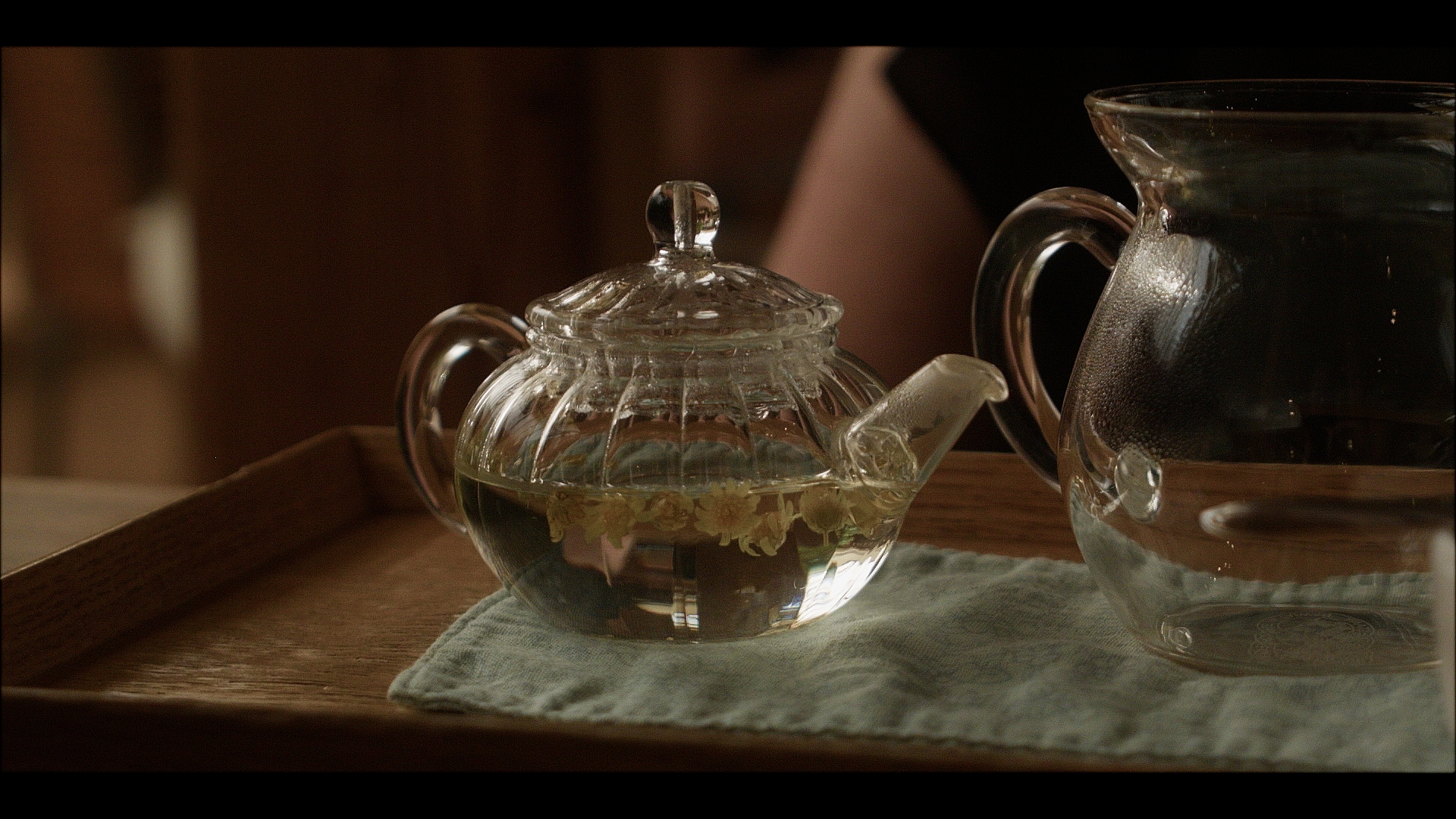
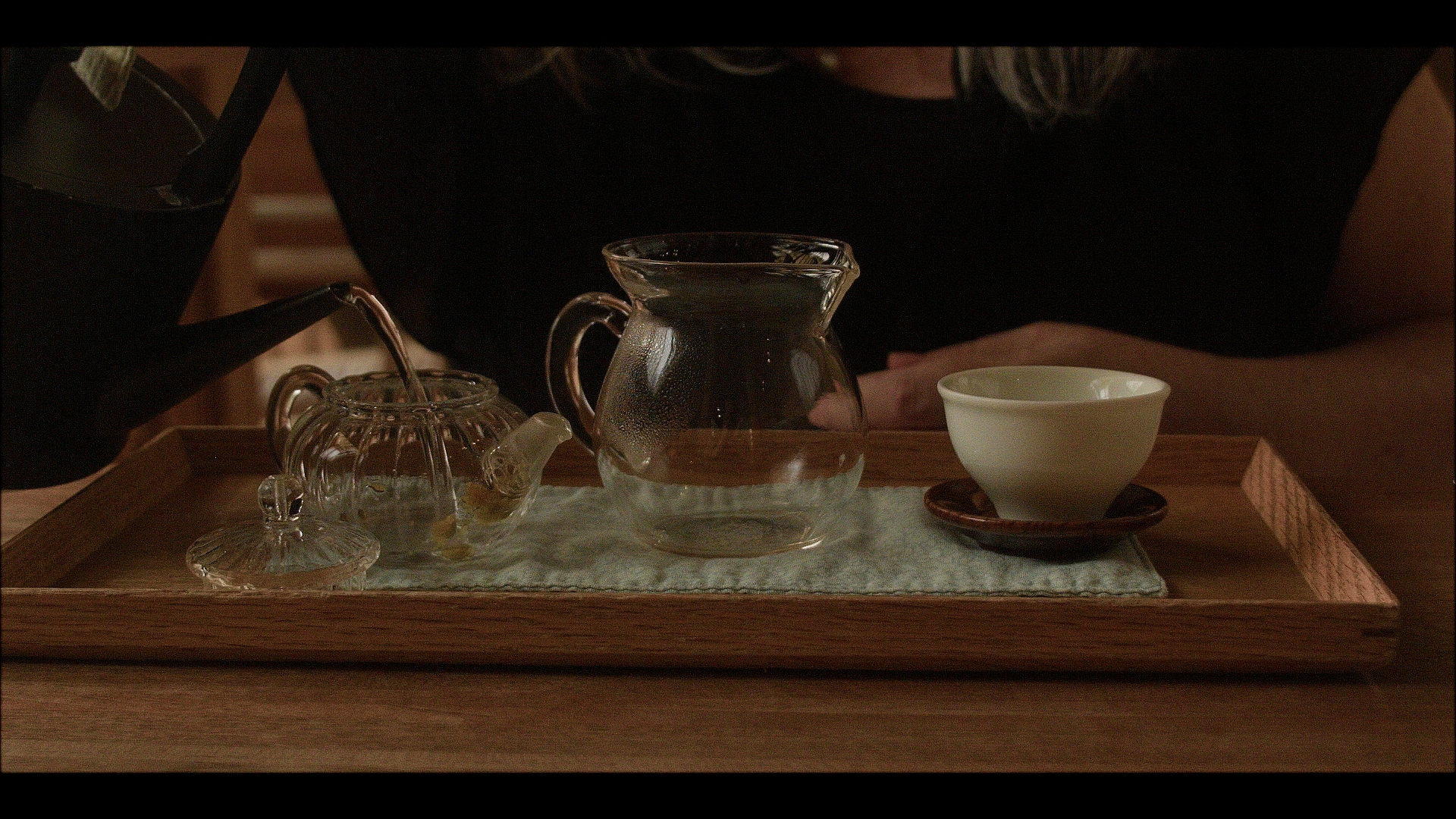
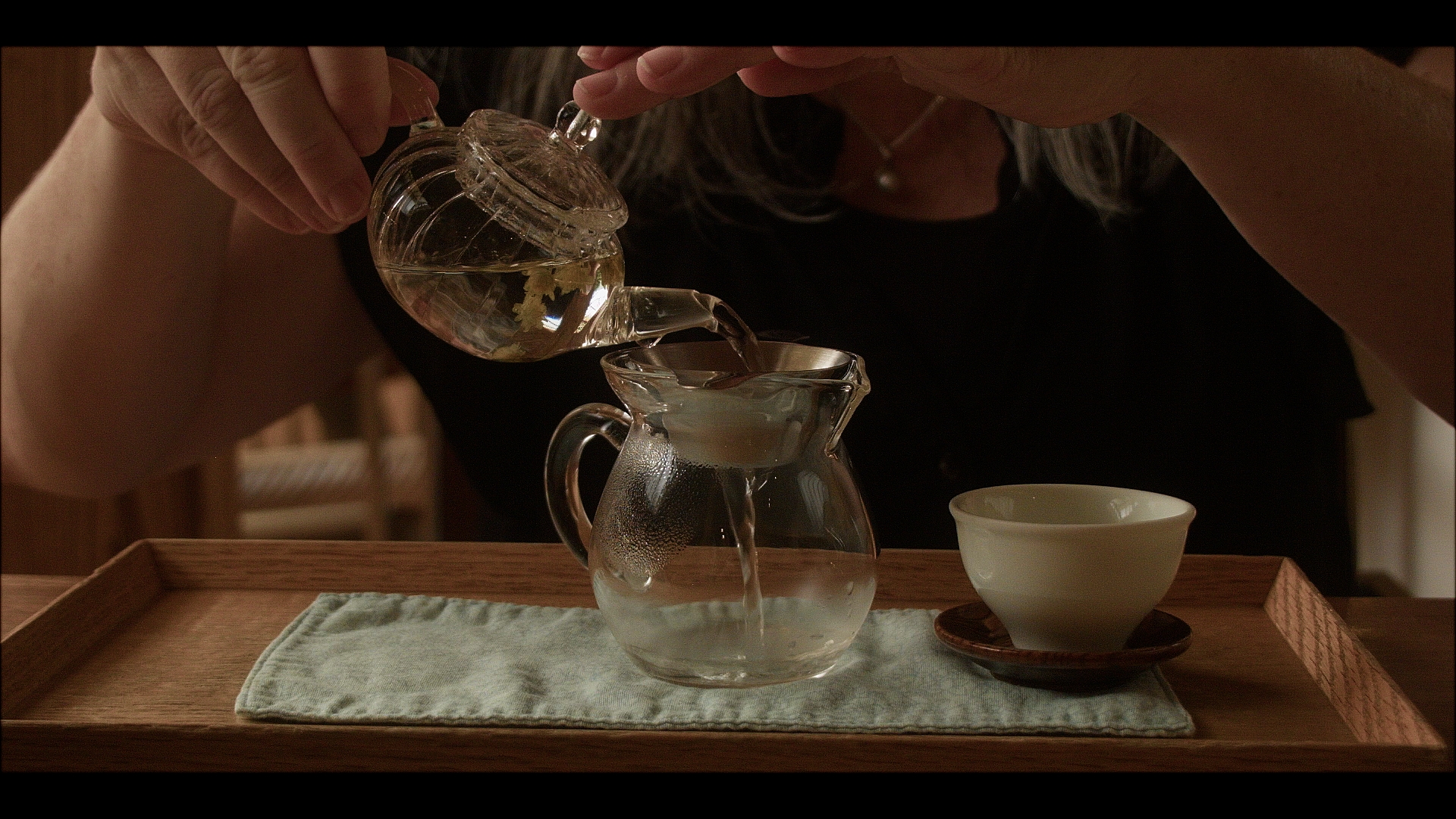
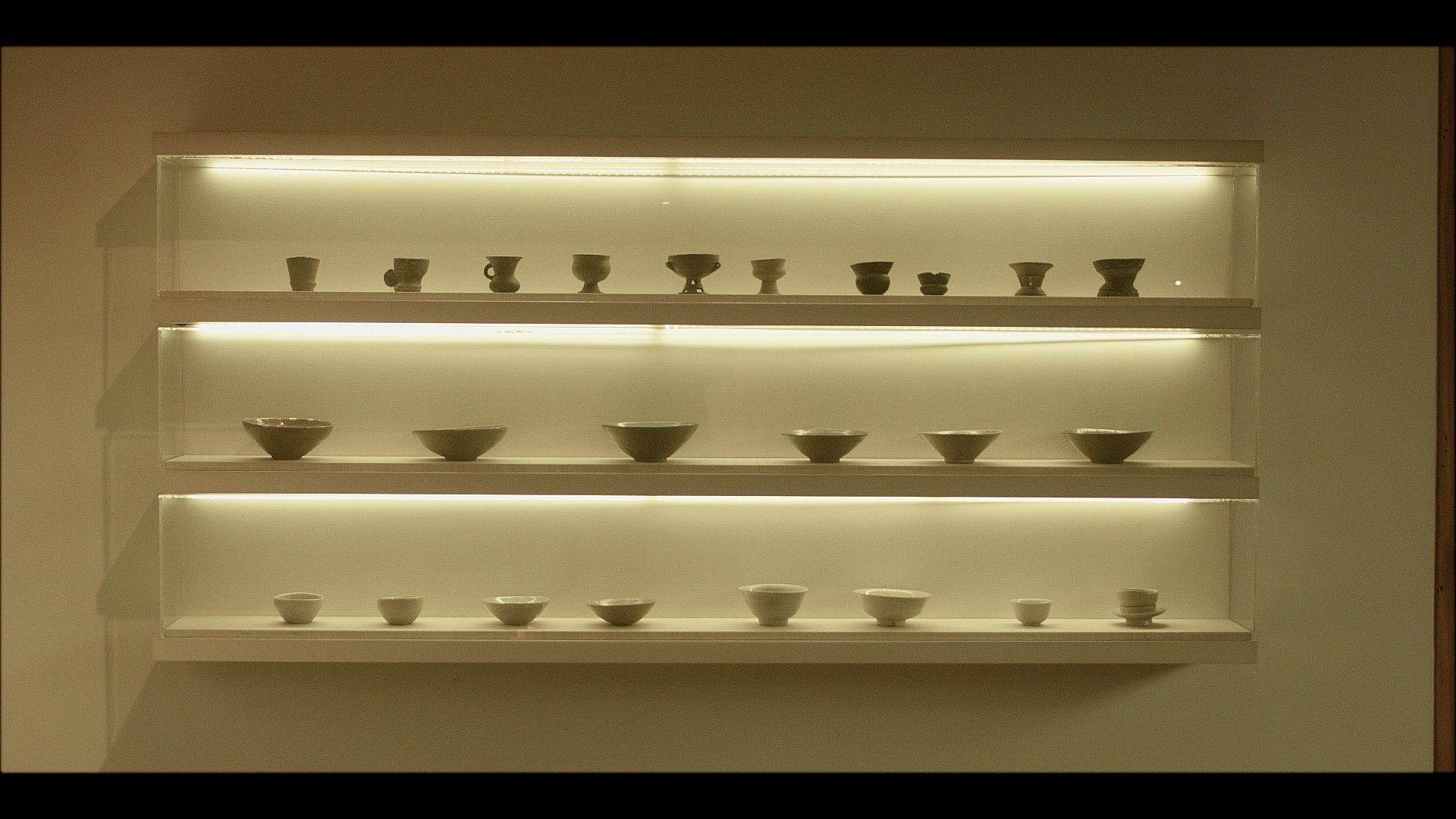
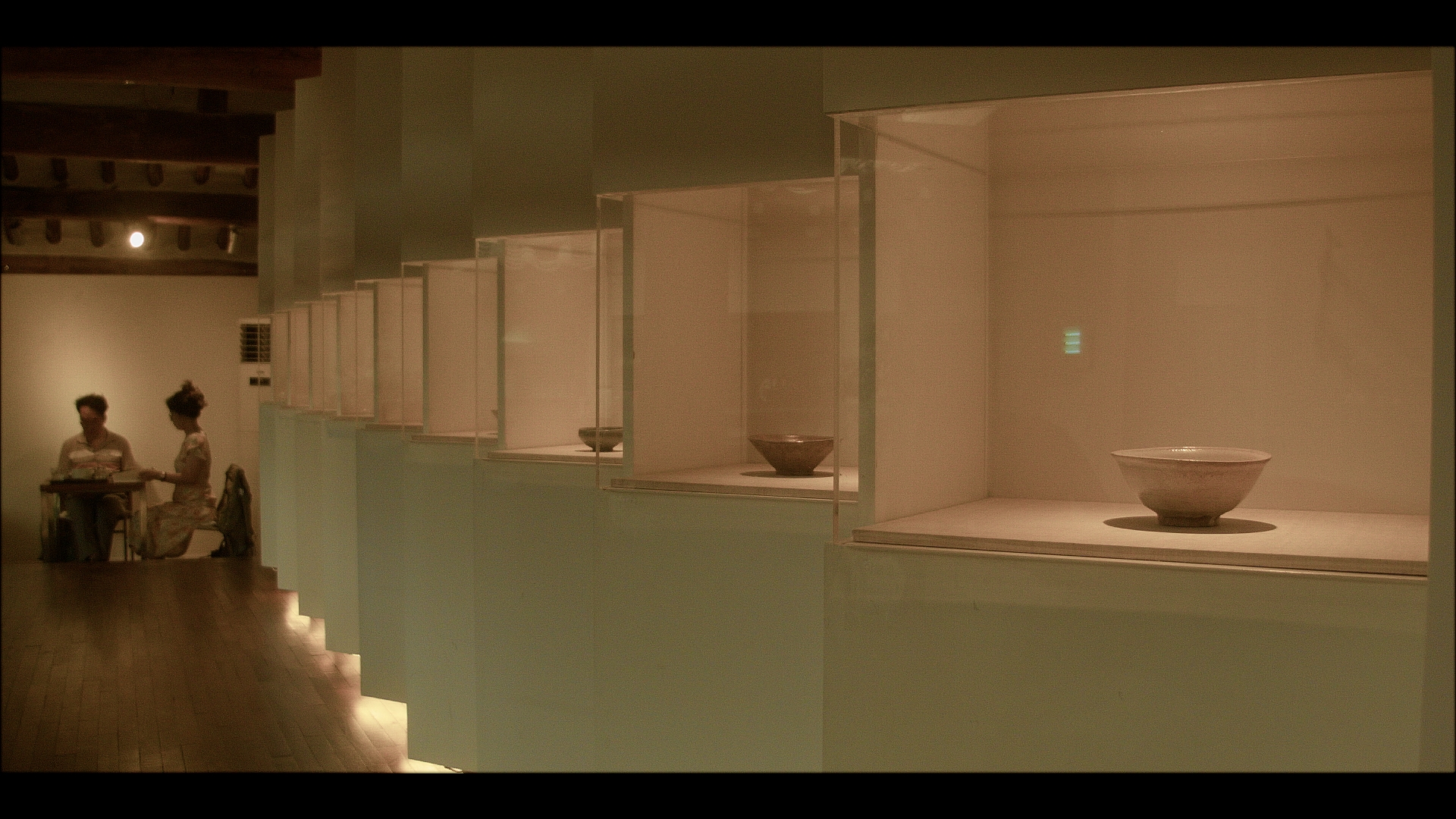
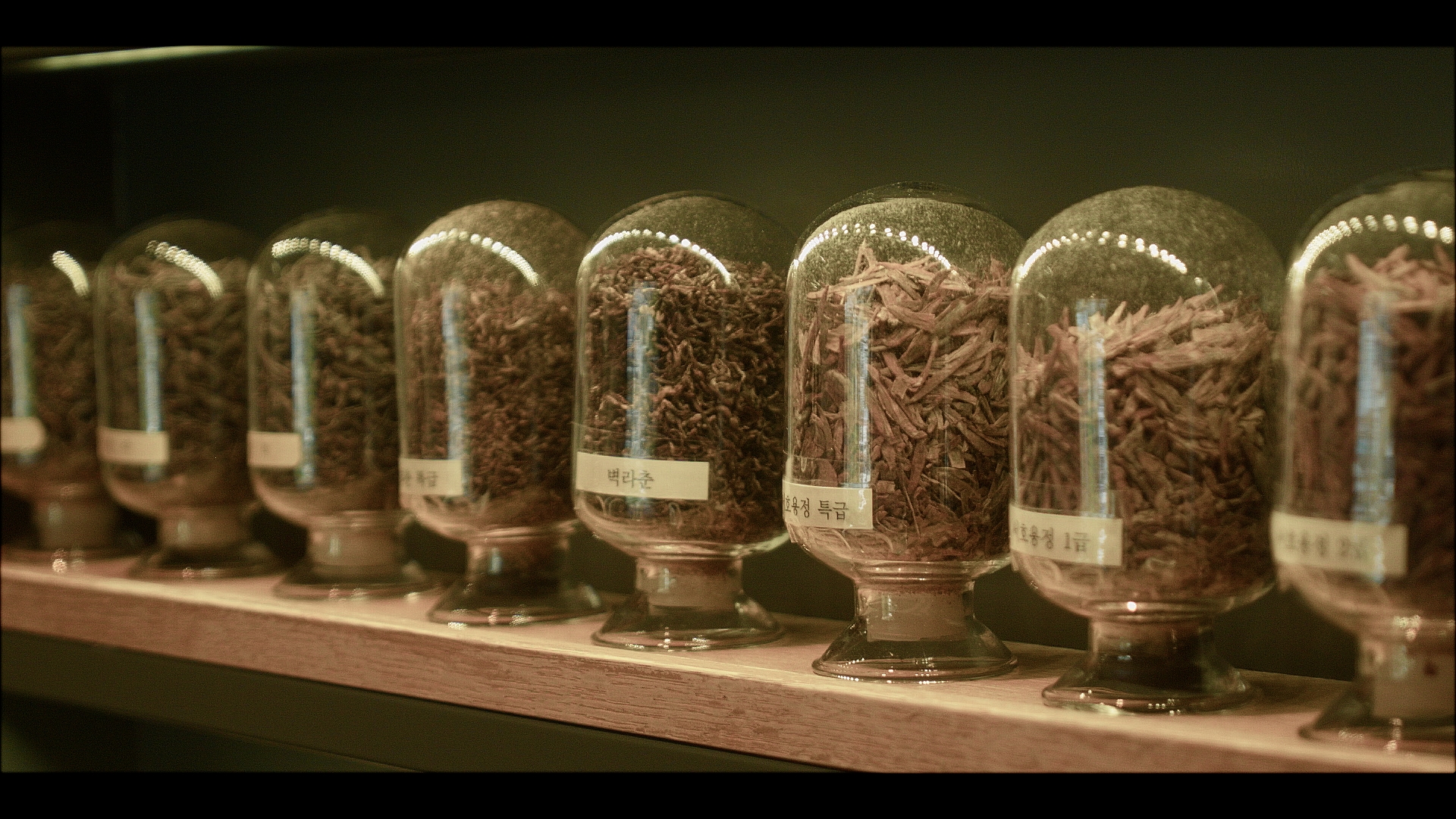
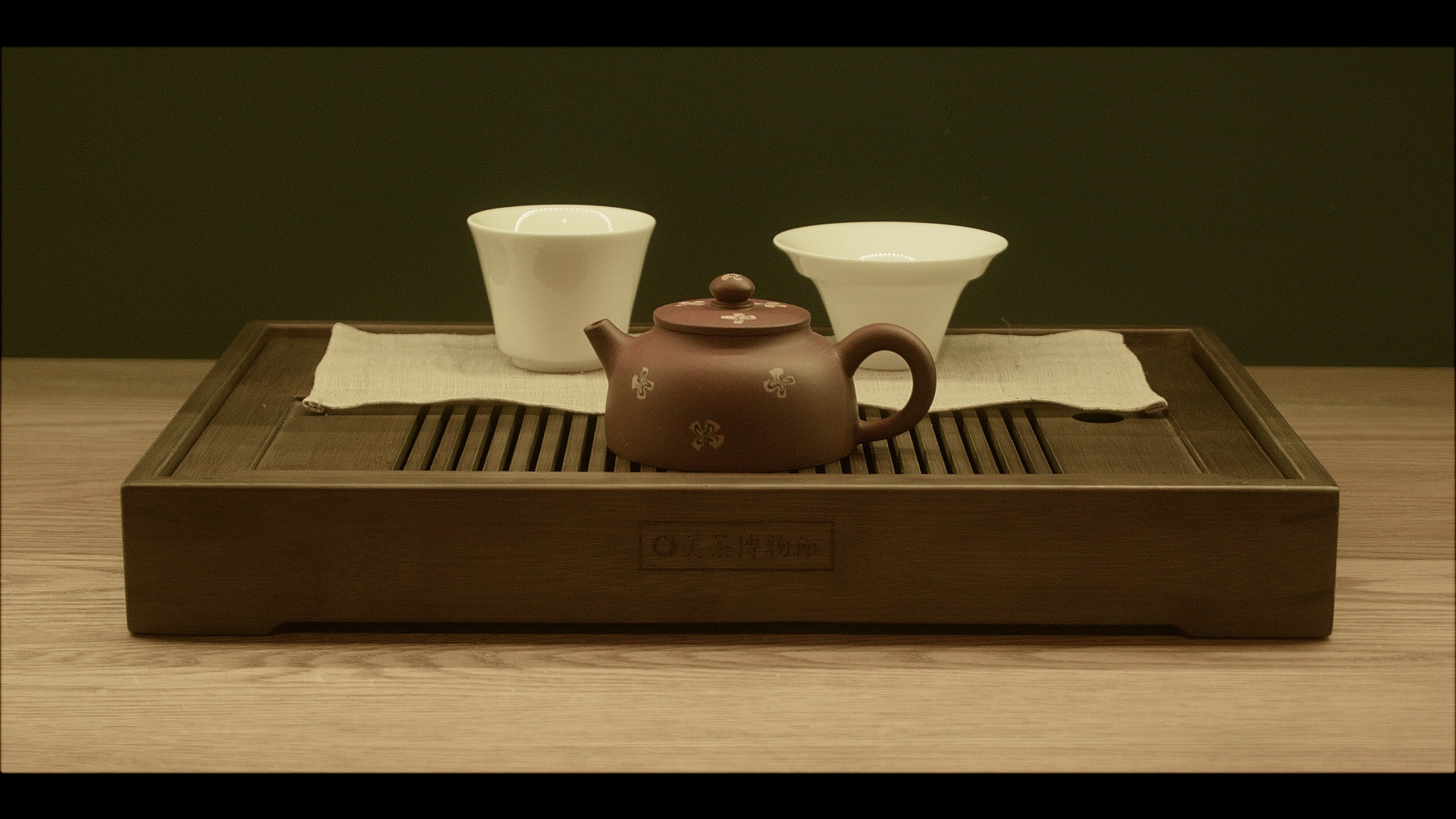
Went to tea cafe / tea museum. Very formal in a handmade sort of traditional way. Barely graded stills:
-
A few frames from yesterday.. Almost no grading done.