All Activity
- Past hour
-
Are you looking for a generic one that covers all phones? Most of the smaller ones that keep the phone vaguely phone-sized are pretty model-specific.
-
It does! Though from what I read when googling it, some Canons have been notorious for it in the past - they even had an upgrade for the C300 to install a better filter to prevent it. The camera looks really clean otherwise, though. It also included the power adapter which MPB said it didn't - I think they just didn't realize that the same power adapter works for both the battery charger and camera. I could call or I can just register it on the website and fill out the maintenance form. Also nice that I'd get 30% off. But it is really small - I'm not completely certain I'll even bother yet. I'm not usually shooting stopped down, it's only on the strongest ND filter, and it's also thankfully near the top of the sensor which means it's where the ground will be if I'm shooting (I'd be more likely to notice it against a blue sky or other patch of solid color vs in the details that tend to come with whatever is on teh ground). Of course, CPS also just recently gave me an estimate that my 85/1.2L that I sent in for cleaning/maintenance needed a new motor because the manual focus ring wasn't working and that it'd be a $700 repair. I asked them to just clean it and send it back because for that price, I could just buy another on the used market. Got it back and both autofocus and manual focus are working exactly as expected. I suspect the technician didn't realize it's focus-by-wire?
- Today
-
Beastgrip and SmallRig are good options since they support standard filters like NiSi and Urth. A 67mm setup usually helps avoid vignetting too.
-
Ah, I didn't realise it was behind a layer of glass... I'm assuming the ND moves in and out of position, so maybe it got it on there when it was out of position? I'm assuming that whole volume isn't completely sealed. It still begs the question of how the dust got into there, and how much dust it's been exposed to in its life... the probability the camera has only ever gotten one bit of dust in it, and that dust happened to get to that spot is pretty slim by my estimation! Can you call CPS to get an estimate for how much it would cost? Maybe that would help inform if it's a return or if you'll keep it and send it off for the service.
-
I should clarify - the dust is under the outside layer of protective glass in front of the sensor/ND assembly. It's on one of the internal ND filters. Without some disassembly, it can't be reached with a brush. I'm more hoping that one of the air intakes for the camera's fan has some path that goes there and that blasting in air from the rocket blower will dislodge it. 😄 I am somewhere between those people and fastidious. While on set, it's not usually a reasonable investment of time to move to a sheltered area to swap lenses. I don't walk around doing other things while the lens is off, but it often takes 15-60 seconds. Usually the rocket blower is plenty to handle any dust that sneaks in, no biggie. But the fact that it's under the external protective glass is why I can't figure out how someone got it in there. Worst case, I need to decide whether to send it to CPS for what should be a pretty easy fix for them - or I just sent it back to MPB within the returns window.
-
 157fullpo joined the community
 -
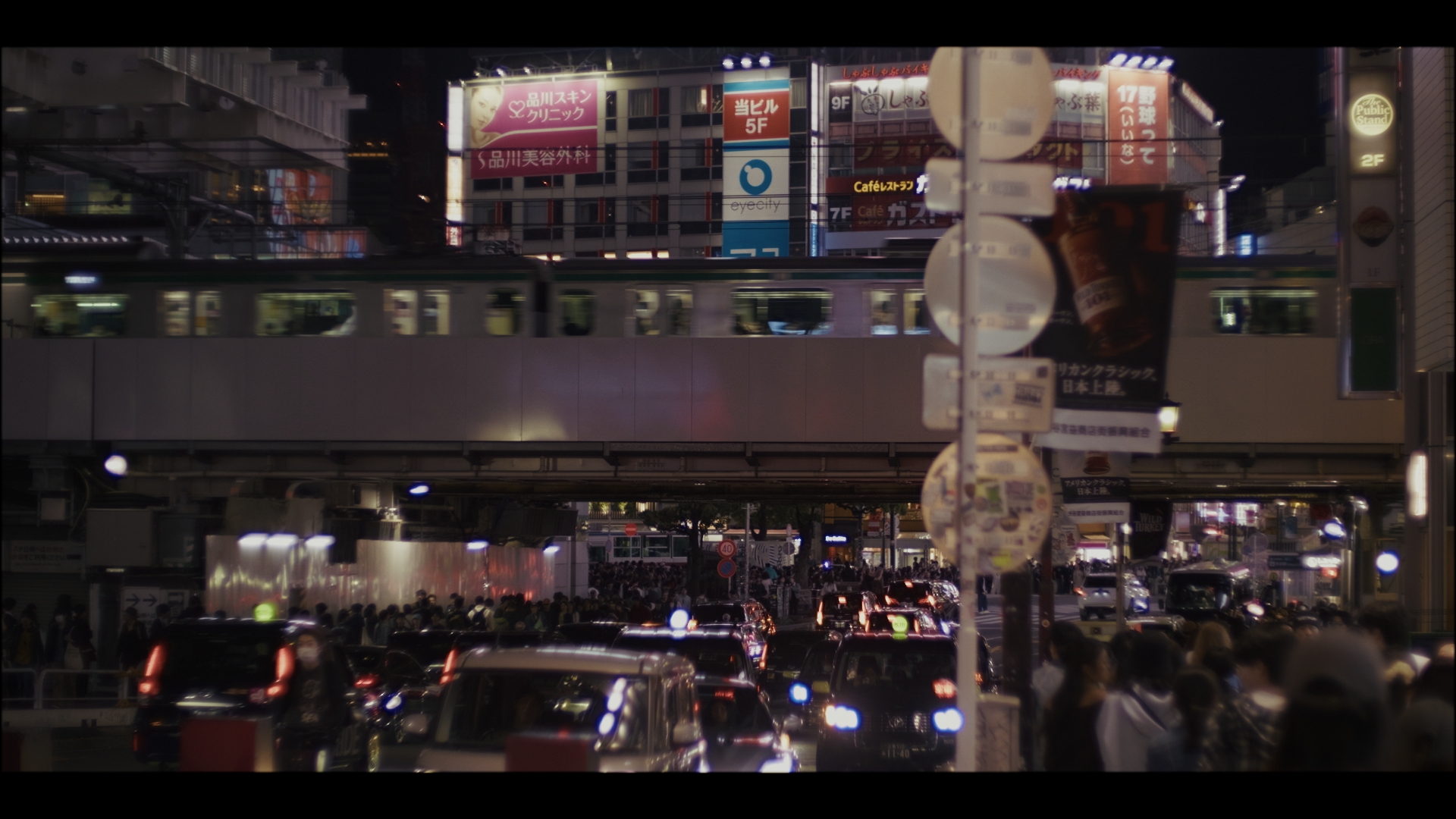
 Thanks! Partly I feel like I've moved past shooting the obvious stuff and started focusing on what I'm looking for, but also there's a bias in what frames I choose to post online too as wider more normal shots often look really cool when moving but as soon as you look at just one frame as a still image all the movement is gone and the depth collapses and the frame just looks like a chaotic mess. This happens even if you've been looking at it in motion and so your brain already has a 3D mental model of what it's looking at - you hit stop and it just collapses. This shot is a moderate example and looks like a very busy but confusing still image (taken right next to the Shibuya train station): When watching the video clip the train stands out most because it's moving quickly, the pedestrians on the bottom right are moving a lot and the ones in the distance and to the left are moving less but still moving, and the side of the rail bridge and buildings in the rear are completely still. Seeing these things your brain instantly builds a sense of depth, which combined with the rear of the signs then means you recognise the cars as being several lanes of traffic despite it being almost completely stationary, and so in only a fraction of a second the frame becomes about six clearly-defined areas, rather than the almost indiscernible chaos that the still frame is. The process of pulling nice looking frame grabs from my footage is a fascinating exercise in how different still images are from moving images. They really are a completely different thing, and I shoot for motion and chaos and layers, so in a way I'm posting my least interesting shots. I agree. I follow someone on YT shooting with the same Takumar 50mm F1.4 on FF and they shot a video of using it wide open in daylight and it just didn't look right. There are strong anatomical reasons for this as in lower light our pupils dilate giving our eyes a shallower DOF, we can often get flares etc from strong light sources (which will be on our periphery because we're probably not looking at them directly), and in very low light we even start relying on the rods in our eyes (which are far less detailed) instead of the cones which we usually use. I have a trip later on in the year where I will probably only be shooting during the day and won't have many/any chances to go off shooting at night, so I'm forcing myself to get excited about daytime images again, and in thinking about equipment I'm not sure that shooting with larger apertures / fast lenses makes visual sense so I might not even take any, instead just using my usual 14-140mm zoom lens.
-
 kye reacted to a post in a topic:
New travel film-making setup and pipeline - I feel like the tech has finally come of age
kye reacted to a post in a topic:
New travel film-making setup and pipeline - I feel like the tech has finally come of age
-
Nice. Good idea about giving it a solid clean out with rocket blower etc. Mine tends to leak air quite a bit from the one-way valve, but if you put a thumb over it then it turbo boosts the air to give a much more solid blast. It'd be good to know if there's dust all through it, and if you end up dislodging a bunch, at least you can include that in any cleaning service you arrange. I have also found that fan brushes for painting are really nice for dislodging the dust that is just attached enough to not move from air alone, but they tend to be gentle enough that they're not picking up dust and then pressing it onto the surface as you move it around. I don't know how far I'd go if something was on my sensor - I'm mostly blowing dust off my lenses or off the outside of the gear after a trip. Speaking of brushes, the makeup section in most shops will often have very soft brushes with a short handle that fit really well into the case/container you're keeping your lenses. In terms of how it got there, I've noticed a minority of people seem to be perfectly happy taking their time and doing other things while the camera has no lens or body-cap attached. Personally when I'm changing lenses I do it in a sheltered area, taking the rear lens cap off the next lens, then swapping the lenses as quickly as possible (while still being calm and controlled) and then putting the cap onto the previous lens. If I'm at home and feeling fastidious I blow the rear element of the next lens (and rear lens cap) before fitting it, then blow the rear of the previous one before putting the rear cap on, in an effort to not let dust hitchhike its way into the camera.
-
 kye reacted to a post in a topic:
Canon C80 coming soon
kye reacted to a post in a topic:
Canon C80 coming soon
-

Tilta's new auto focus adapter uses follow focus gears to manual lenses
Aussie Ash replied to Aussie Ash's topic in Cameras
Thanks for that I have changed "adapted" to converted. -
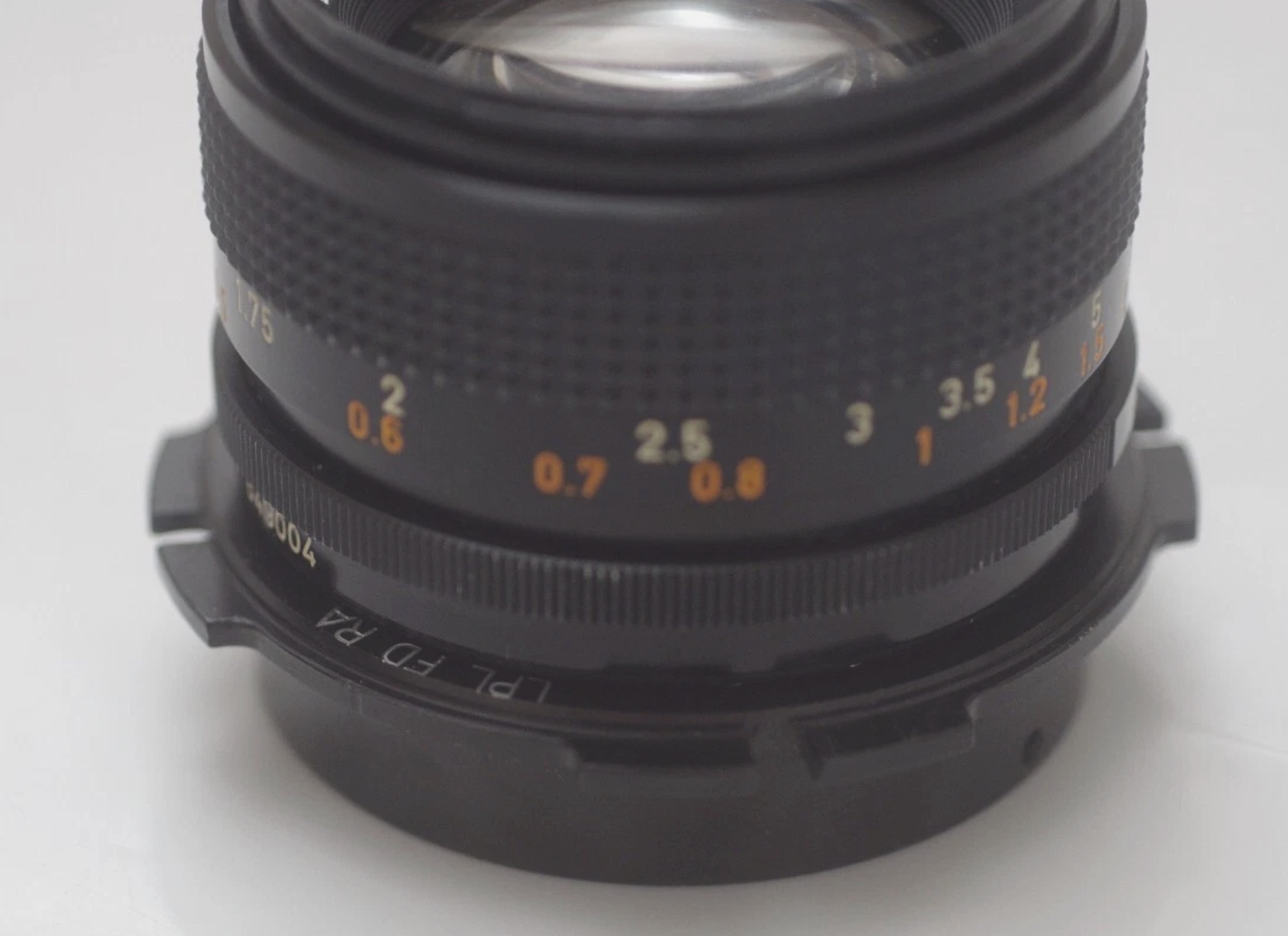
 That's a conversion kit, not an adapter. The FD 85mm f/1.2L, which I have, and maybe some other FD lenses, are non-trivial to convert. With the 85, you need to get a special adapter and remove the rear element. What's that have to do with the discussion?
 -
Tilta's new auto focus adapter uses follow focus gears to manual lenses
Aussie Ash replied to Aussie Ash's topic in Cameras
RareAdaptors.com do a Canon FD to LPL for about US $100 but it only works with lenses with a 60mm thread (and they don't list them !) removing the FD mount looks fairly easy I don't see what problem there is with that ? Canon FD sets are common amongst Red owners.
- Yesterday
-
Canon FD is a 42mm FFD and LPL is a 44mm FFD. A recessed adapter could do that, but I'm unaware of anybody making one. Do you have a link to somebody making an FD to LPL adapter (that isn't a full mount conversion)?
-
Tilta's new auto focus adapter uses follow focus gears to manual lenses
Aussie Ash replied to Aussie Ash's topic in Cameras
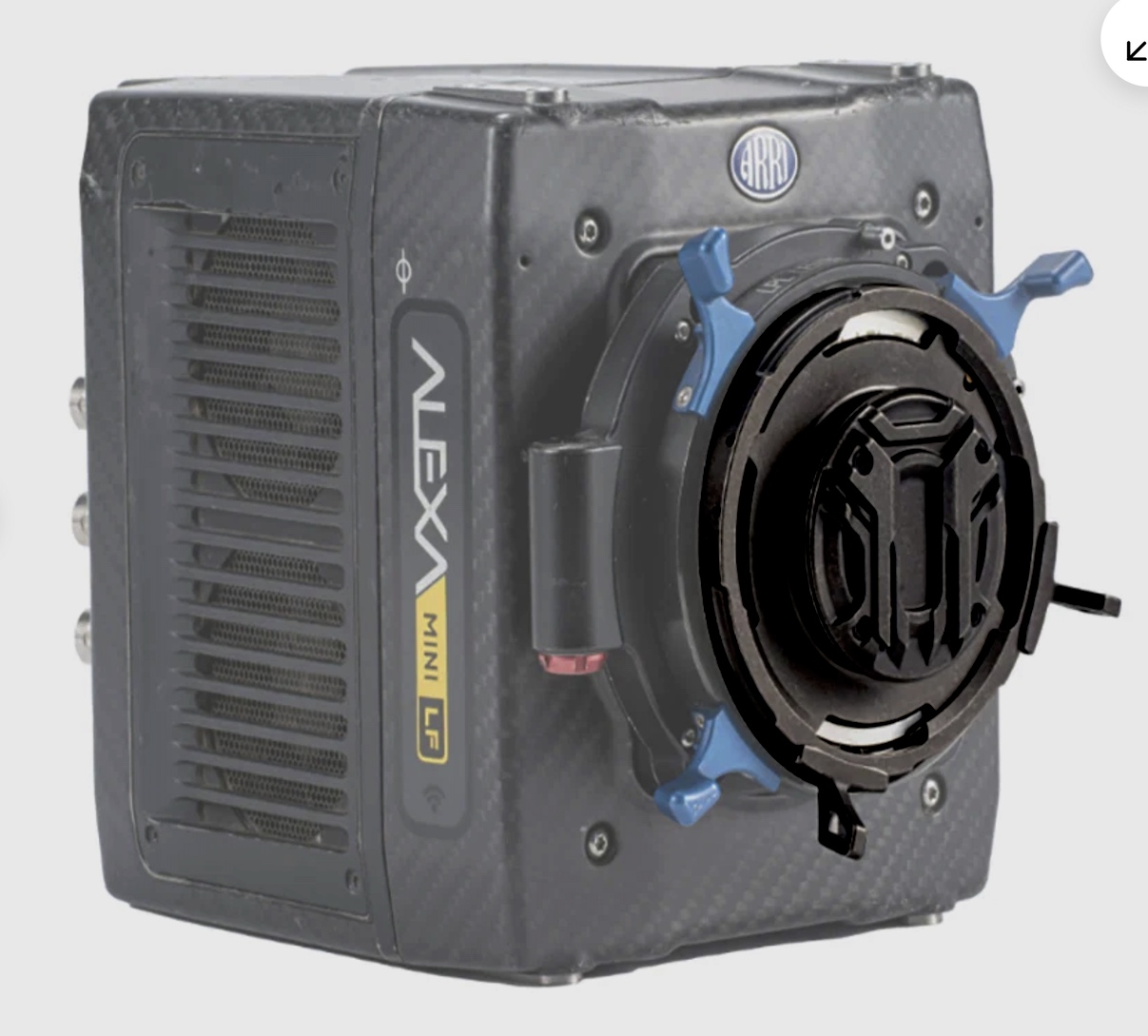
here is a LPL mount with a PL adaptor in it
-
 The Ramen Cult joined the community
 -
 spartanenhanced joined the community
 -
 brandvertiseagency joined the community
 -
Tilta's new auto focus adapter uses follow focus gears to manual lenses
Aussie Ash replied to Aussie Ash's topic in Cameras
Unfortunately PL mount is limiting because it was designed for super 35 .Many M42 lenses like Pentax won't fit and only some Soviet lenses fit as the maximum diameter of the rear part has to be less than 53 mm .the early helios 44-2 will fit but not the later 44-M ,44-M6 etc. Nikon F fits the larger LPL mount but not PL Canon FD can be converted to LPL but not PL Hopefully there is a LPL version coming as well. -
 Allwaystravel changed their profile photo
 -
Allwaystravel joined the community
-
 istoredubai joined the community
 -
The camera is here. As far as I can see, there is a single decent-sized piece of dust on one of the internal ND filters and that's it. I cannot see any other marks on the camera's sensor assembly. The speck is big enough that I could imagine it being a little bit visible on a big blue sky, but in a way that'd be not hard to clone out. I'm also going to have to experiment with shaking the camera a little bit and/or blasting a rocket blower into the vent holes/fans. It's hard to imagine how that little sucker got in there. Worst case, if I decided to send it to CPS, I have to assume it'd be a pretty cheap repair. Overall, I'll gladly trade that for the $1,500 price reduction vs new. 😅
-
https://www.youtube.com/watch?v=nuCJ6Ab4uVg
-
- Last week
-
kye reacted to a post in a topic:
One Decade
-
 The Web Design LLC joined the community
 -
eatstoomuchjam reacted to a post in a topic:
One Decade
-
eatstoomuchjam reacted to a post in a topic:
New travel film-making setup and pipeline - I feel like the tech has finally come of age
-
That's a key point. Or "Kye" point, if you will. My handheld shooting drifts and sways a bit, as I like that sort of kinetic visual energy. Not all IBIS handle this camera movement AND stabilization elegantly. Rapid shifts of the image that are unwanted can happen. Fuji is a disappointment in this regard and it makes shooting my style of video with my X-T5 pretty much useless. Meanwhile I can "dance" pretty good with LUMIX and Olympus.
-
 slickminibusandcoachhire joined the community
 -
 pakistantourntravel joined the community
 -
 techfix joined the community
 -
 These are really nice. I've been to Japan once but these don't remind me of it much. I was staying in a suburb and didn't go out at night much. It looks like I missed some great things. You know when it's night time like this, I don't even notice lens imperfections much. It just seems natural when under that kind of light.
 -
Clark Nikolai reacted to a post in a topic:
New travel film-making setup and pipeline - I feel like the tech has finally come of age
-
I don't want to side-track the thread by diving into IBIS but I find that mostly the specs of "stops of stabilisation" are meaningless, as the limiting factor is what it does when you reach the limits of the mechanism, not what stabilisation can do if you don't shake it that much. A much more meaningful factor in the performance of these mechanisms is the way it responds to movement, like the difference between the mode that stabilises by smoothing the shake and the one that emulates a tripod by eliminating it as much as possible. I also found the behaviour of the OG BMPCC and BMMCC to be excellent, being about 80% towards eliminating the movement but not quite being clinical about it, a very nice feeling response. Maybe I'm just using it in far more aggressive ways and therefore constantly pushing it to its limits. I really like the Dual IS where it combines the lens OIS with the IBIS too. I shoot everything up to 280mm equivalent handheld, and frequently shoot while tired, while hungry, while cold, while holding the camera in odd positions or at the very edge of my reach, etc, so this probably isn't something most people really test that much. I often look at shots I have taken and wonder why I didn't hold it a bit more still, or didn't pan a bit to the right, and then I remember I was shooting blind holding the camera out the window of a moving vehicle and framing in my head while paying attention to the posts flying past, or while walking down stairs into a cave while holding the camera in one hand and the handrail in the other trying not to hit my head. The Crop Zoom function is nice, if a bit limiting (it won't go past 1:1 so if you're shooting 4K you can't get much crop, whereas the GH5 and GX85 2x and 4x crop didn't care and gave you the extra reach regardless, with the ETC 1:1 mode giving you a 1:1 if you wanted it).
-
Aussie Ash reacted to a post in a topic:
New travel film-making setup and pipeline - I feel like the tech has finally come of age
-
 theinfinitygroup changed their profile photo
 -
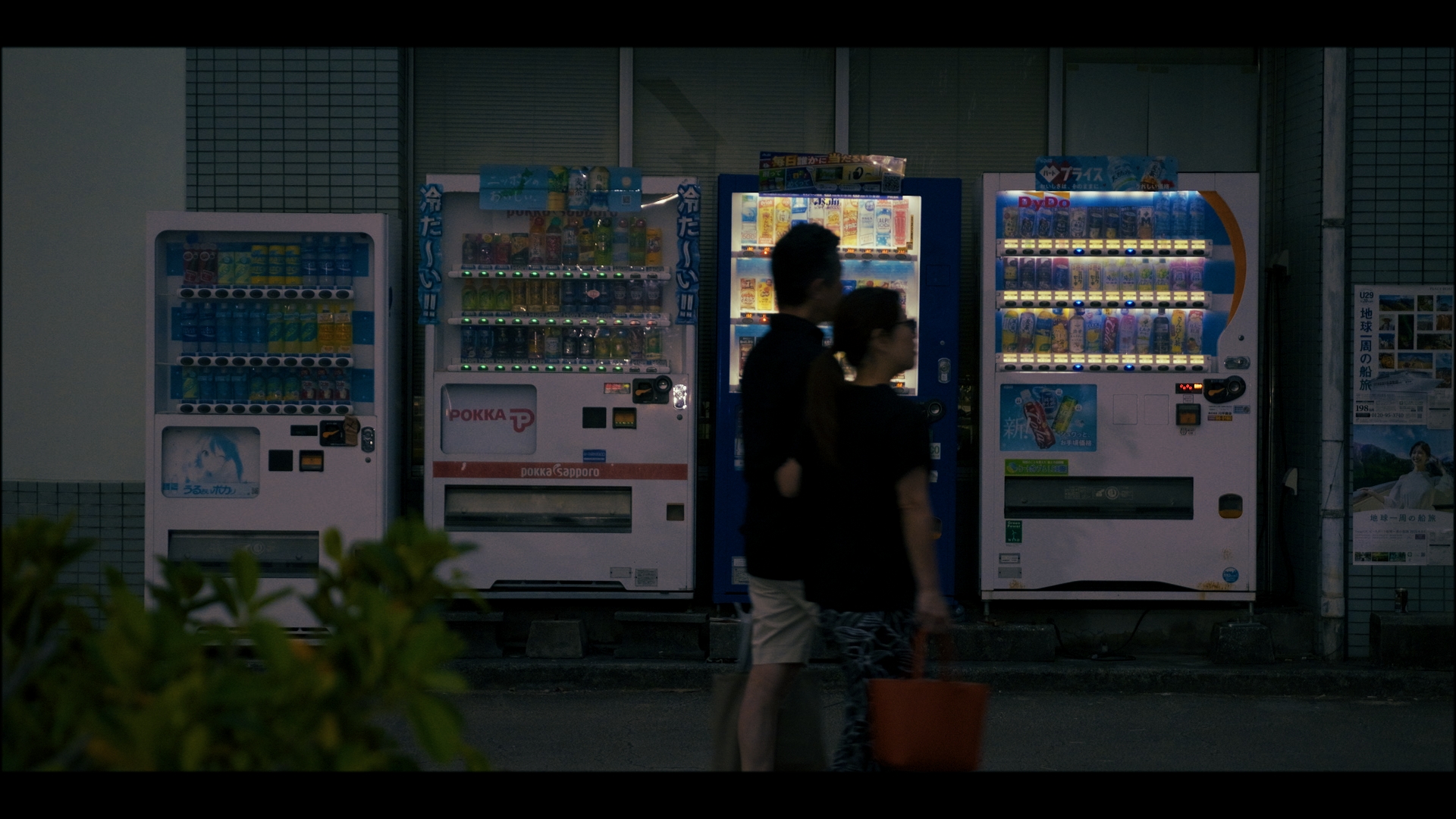
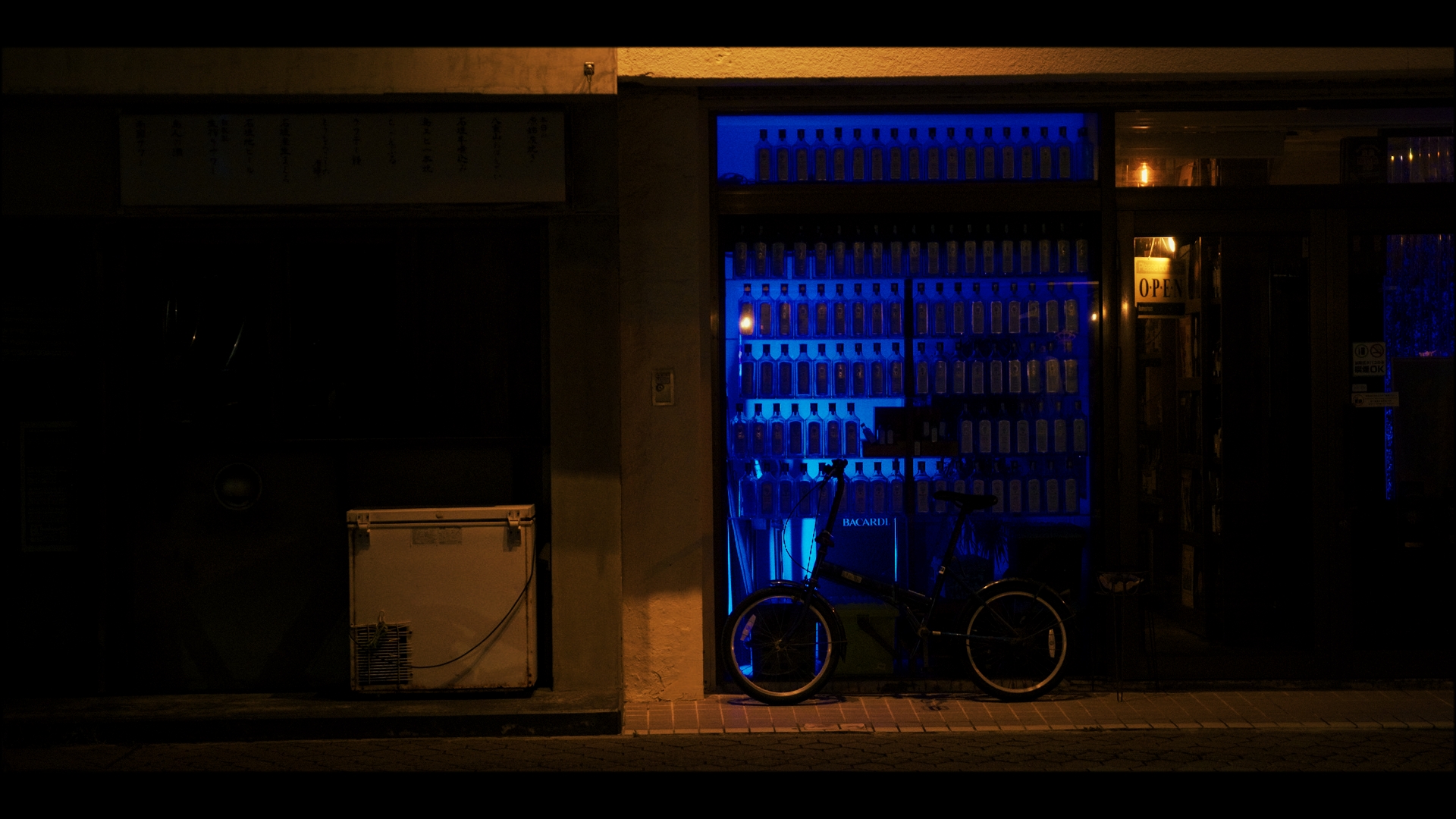
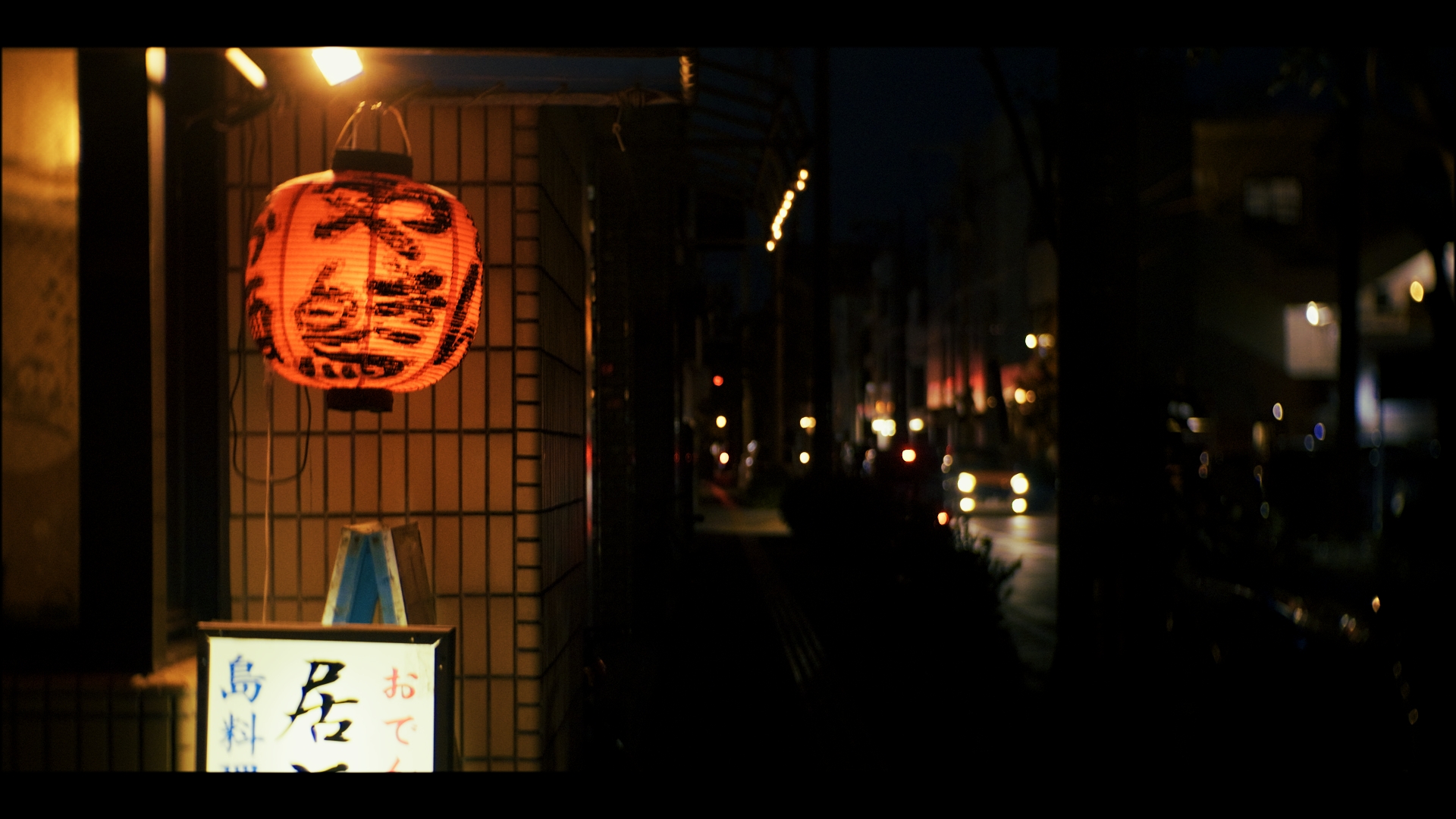
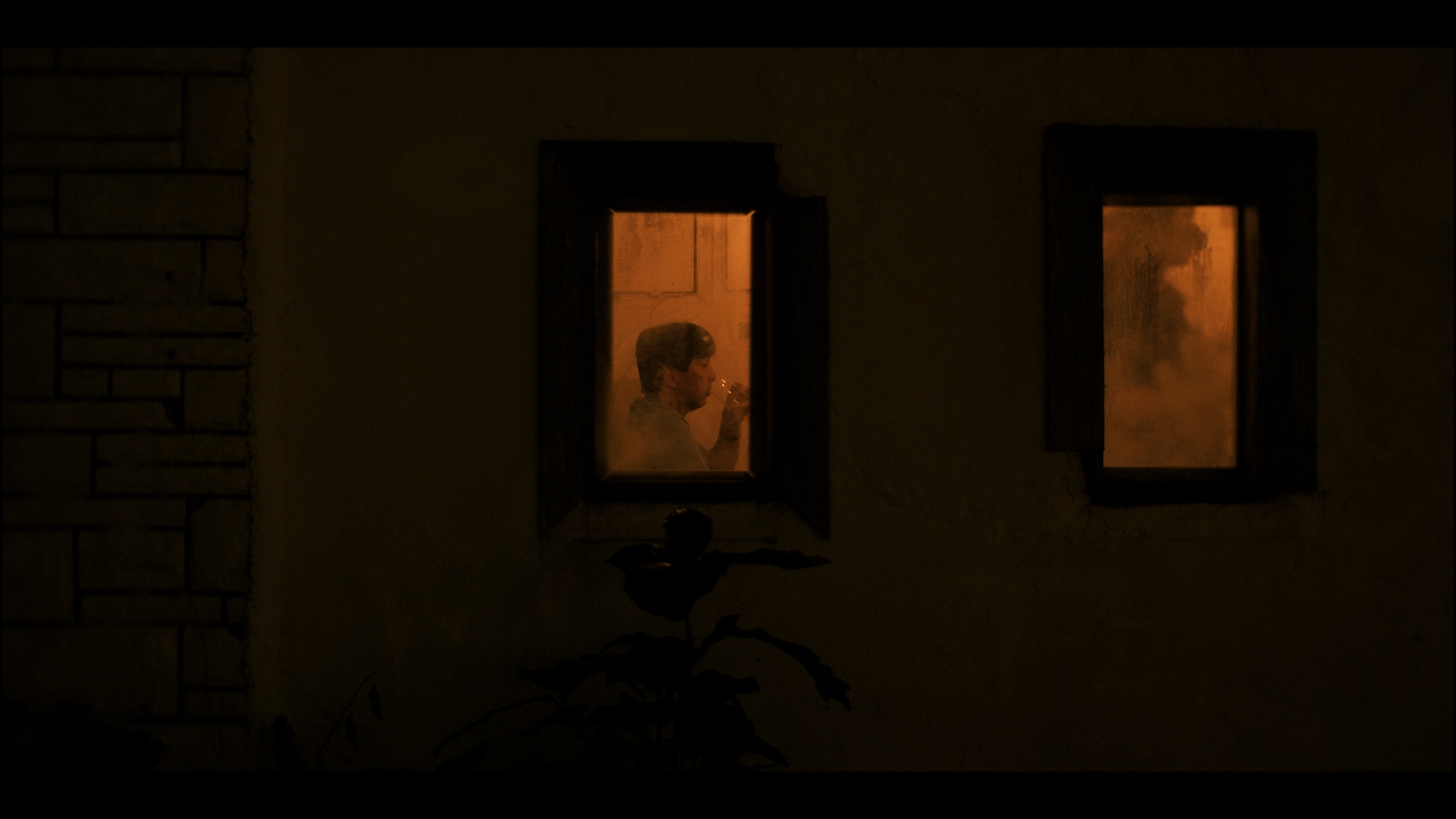
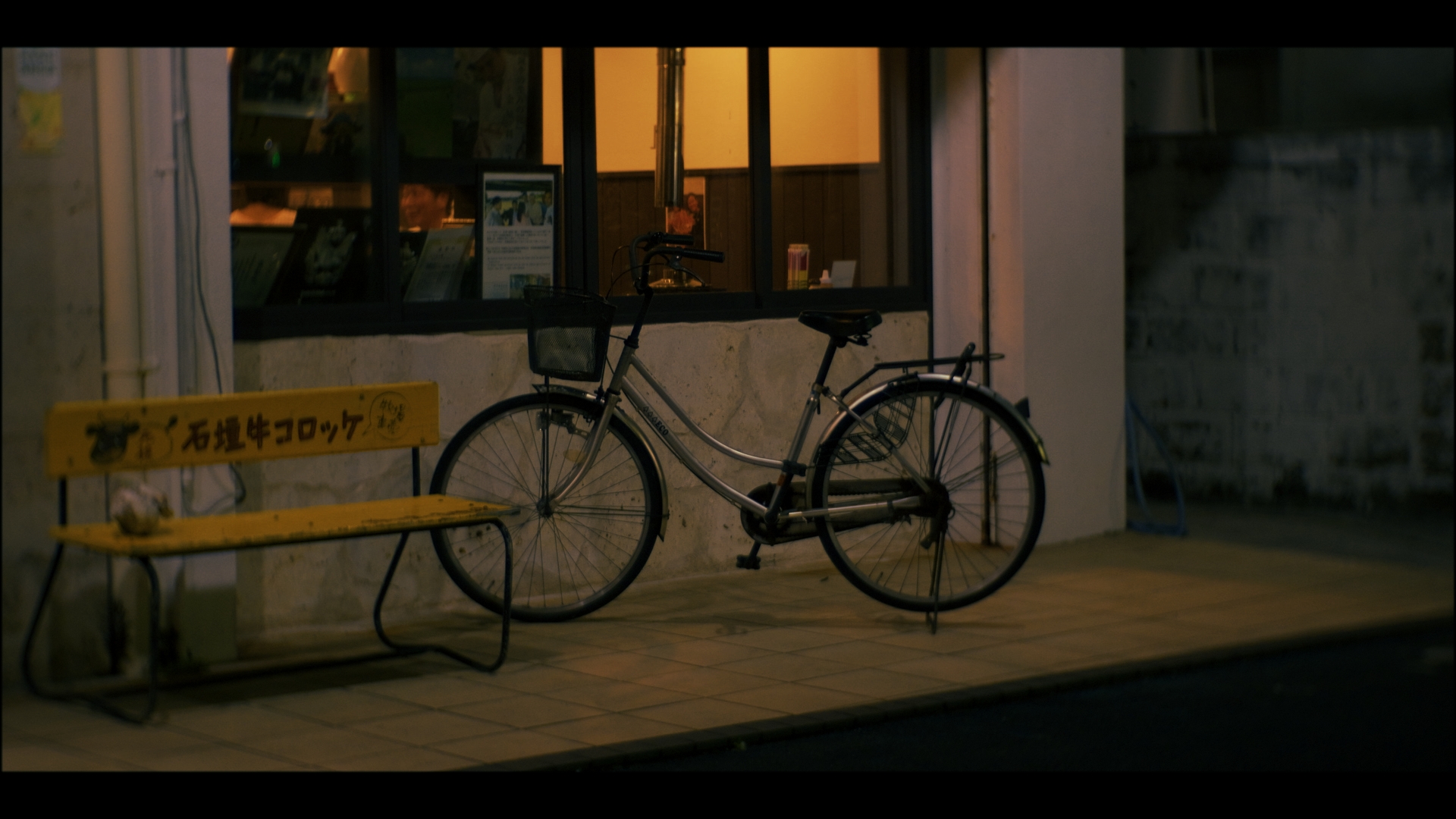
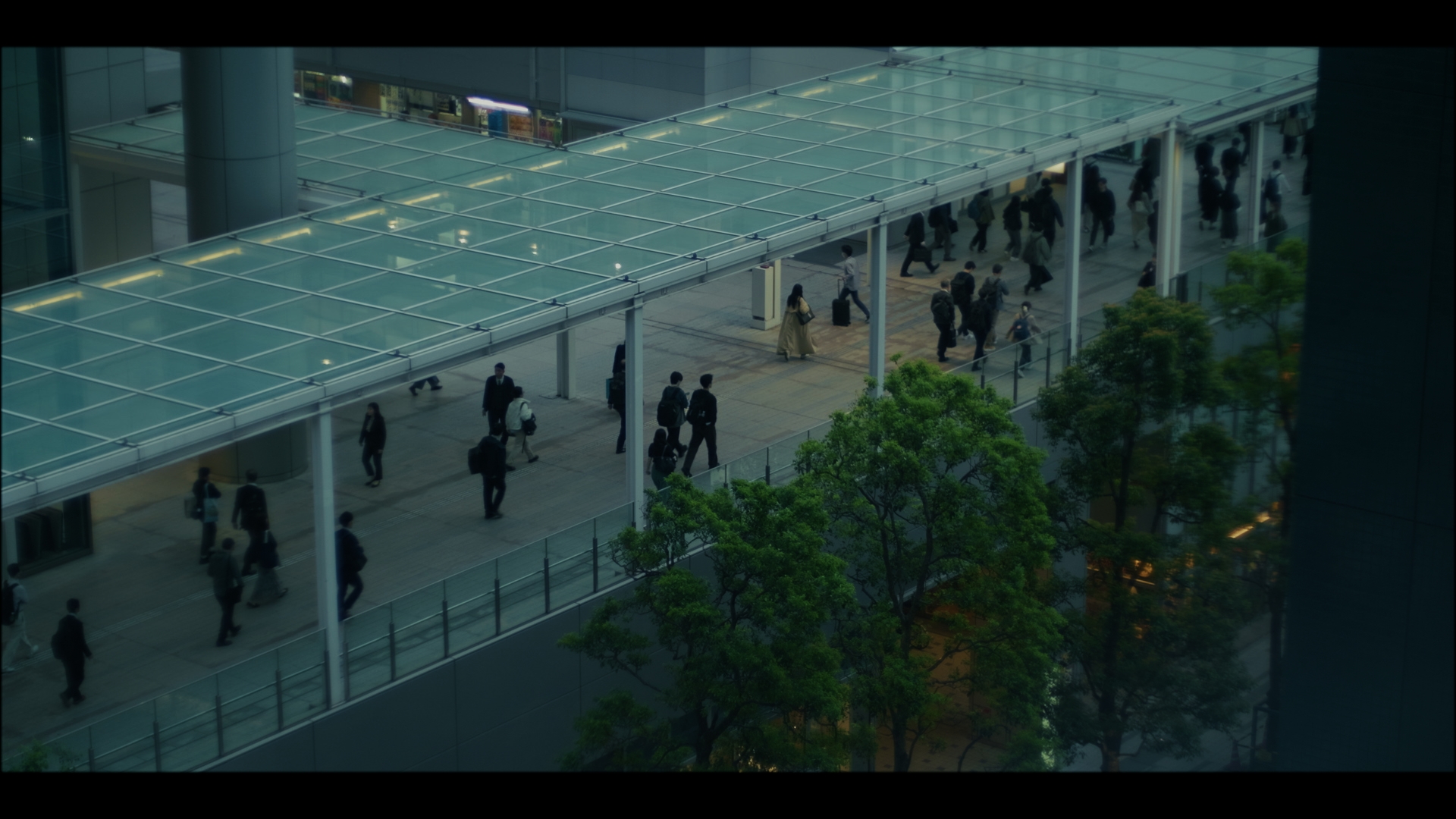
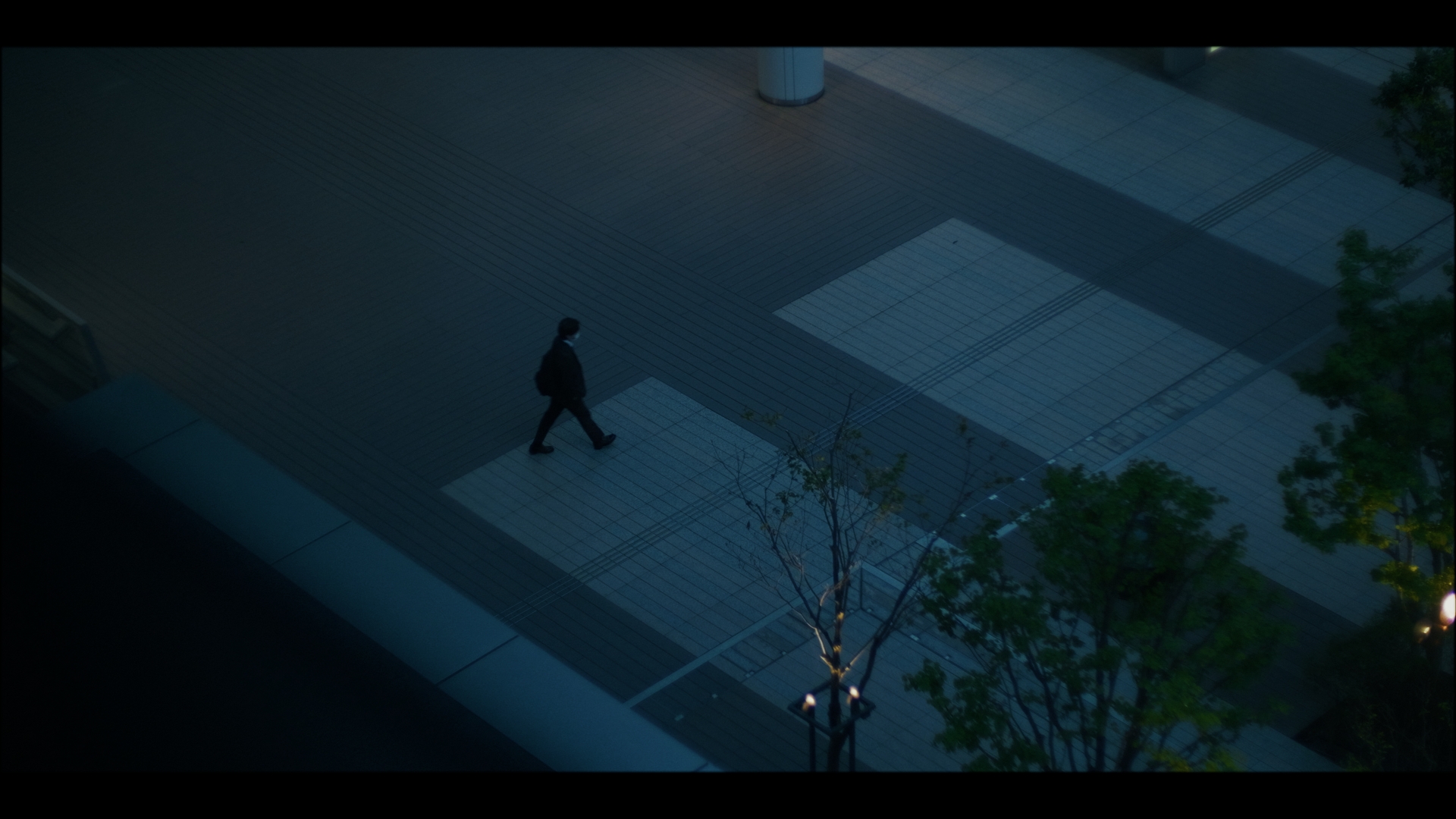
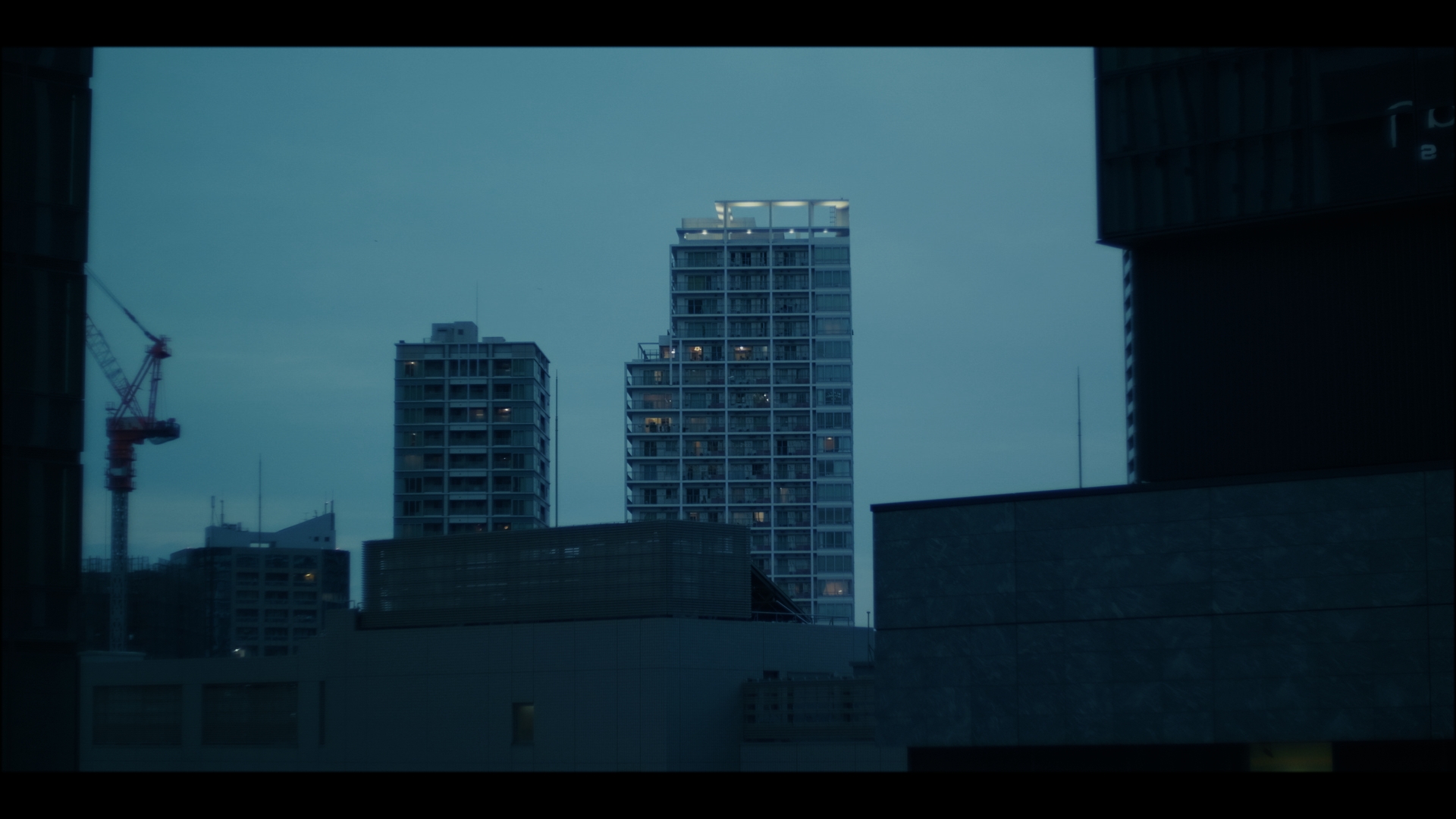
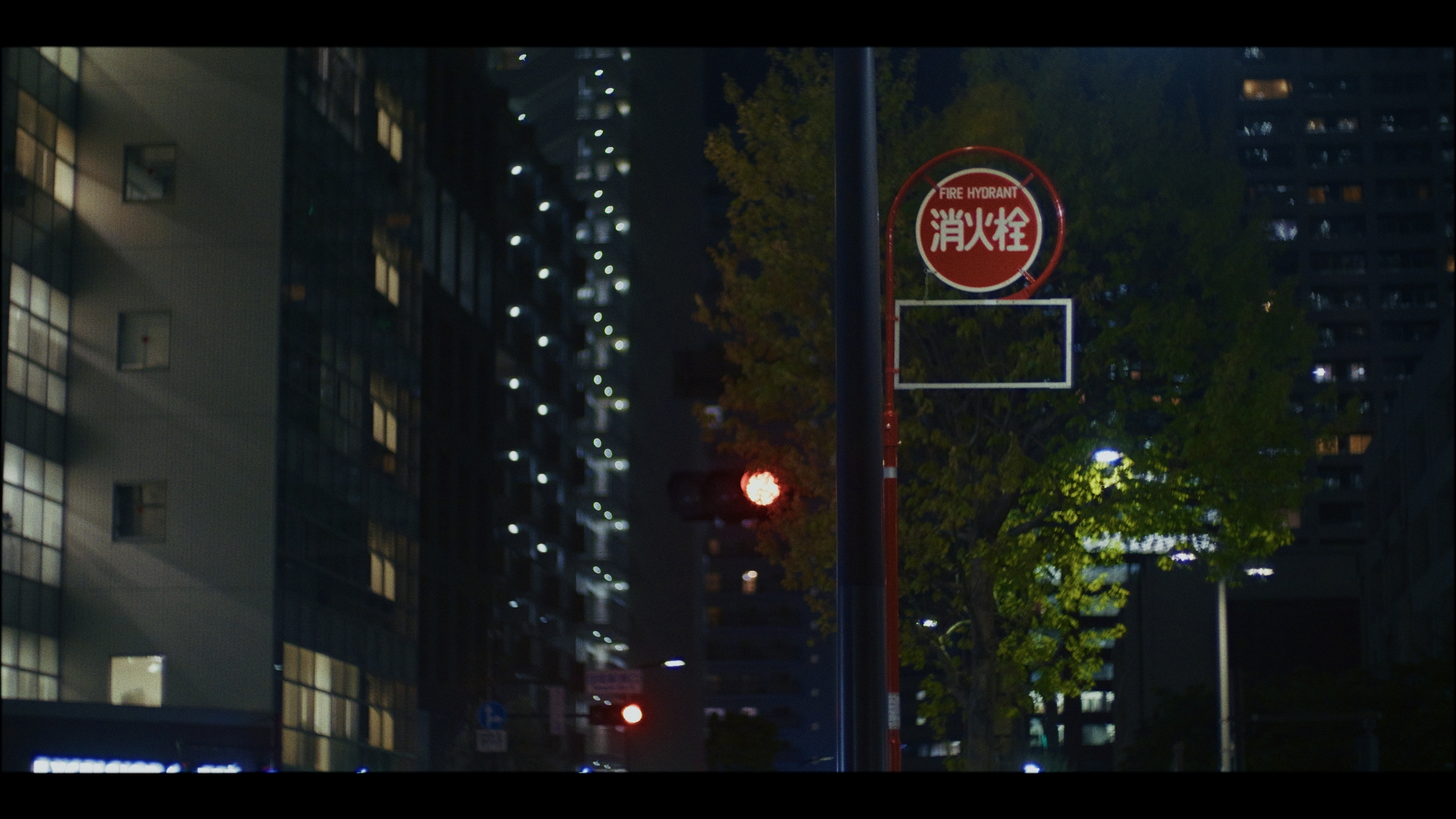
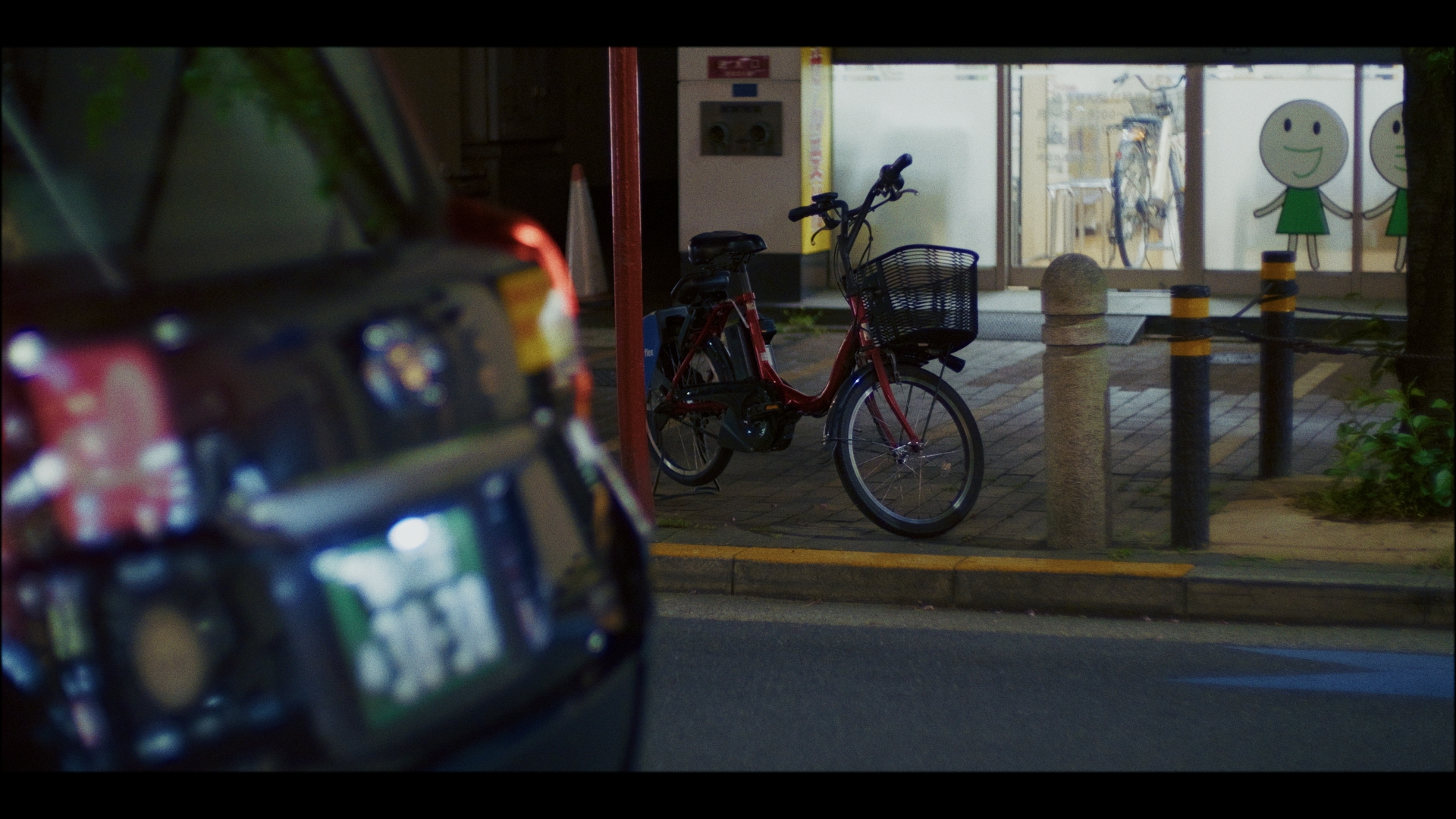
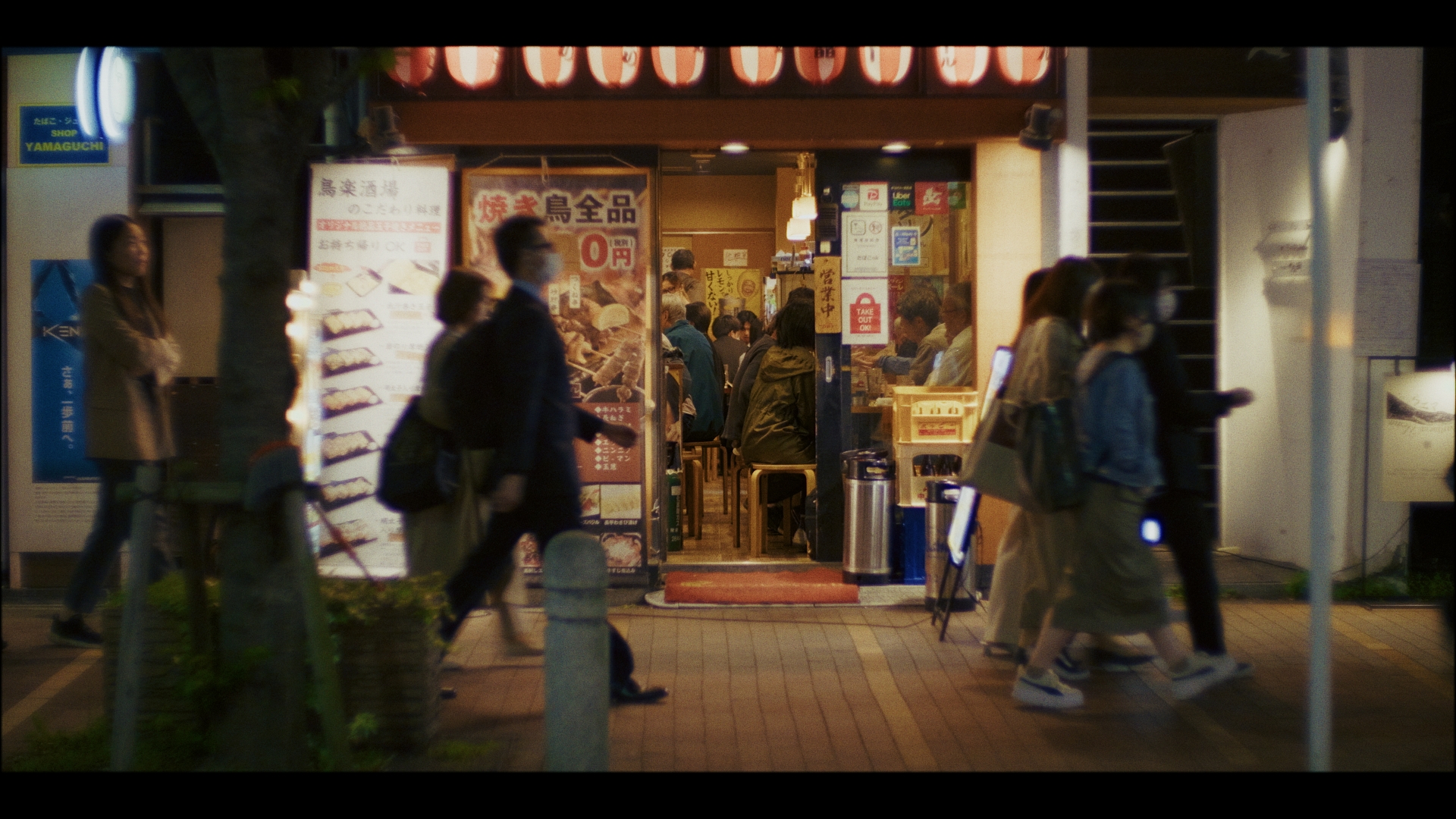
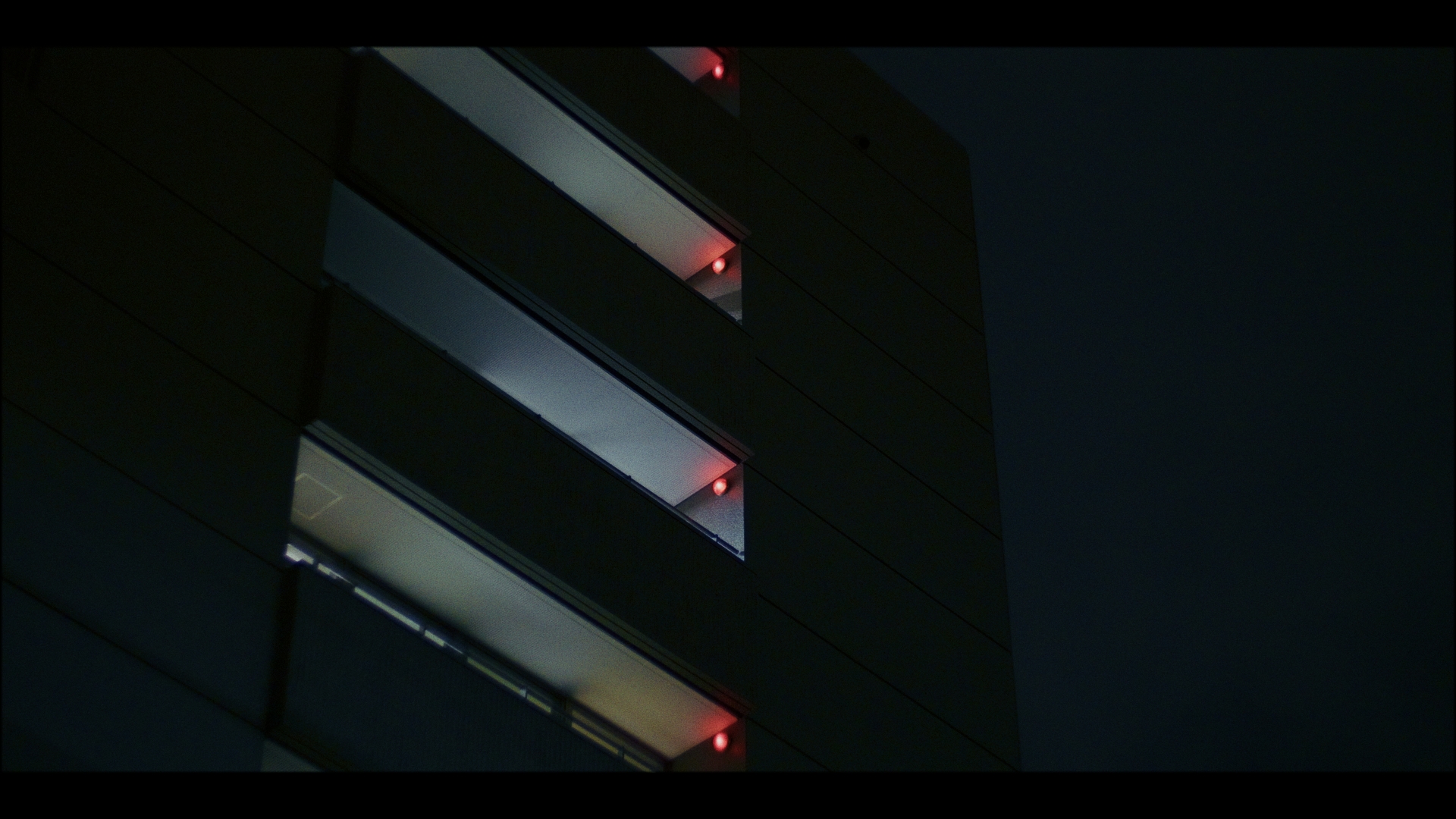
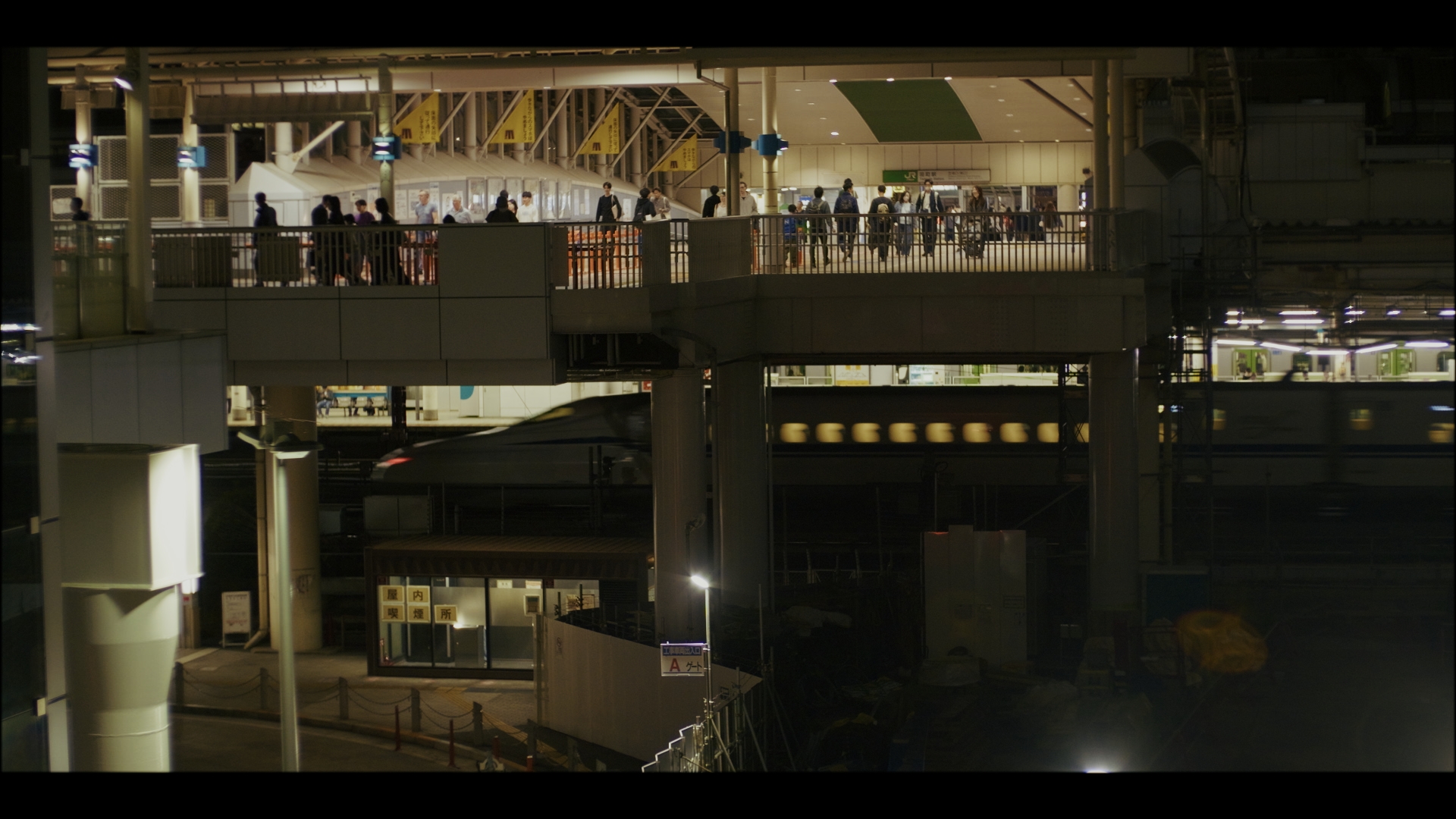
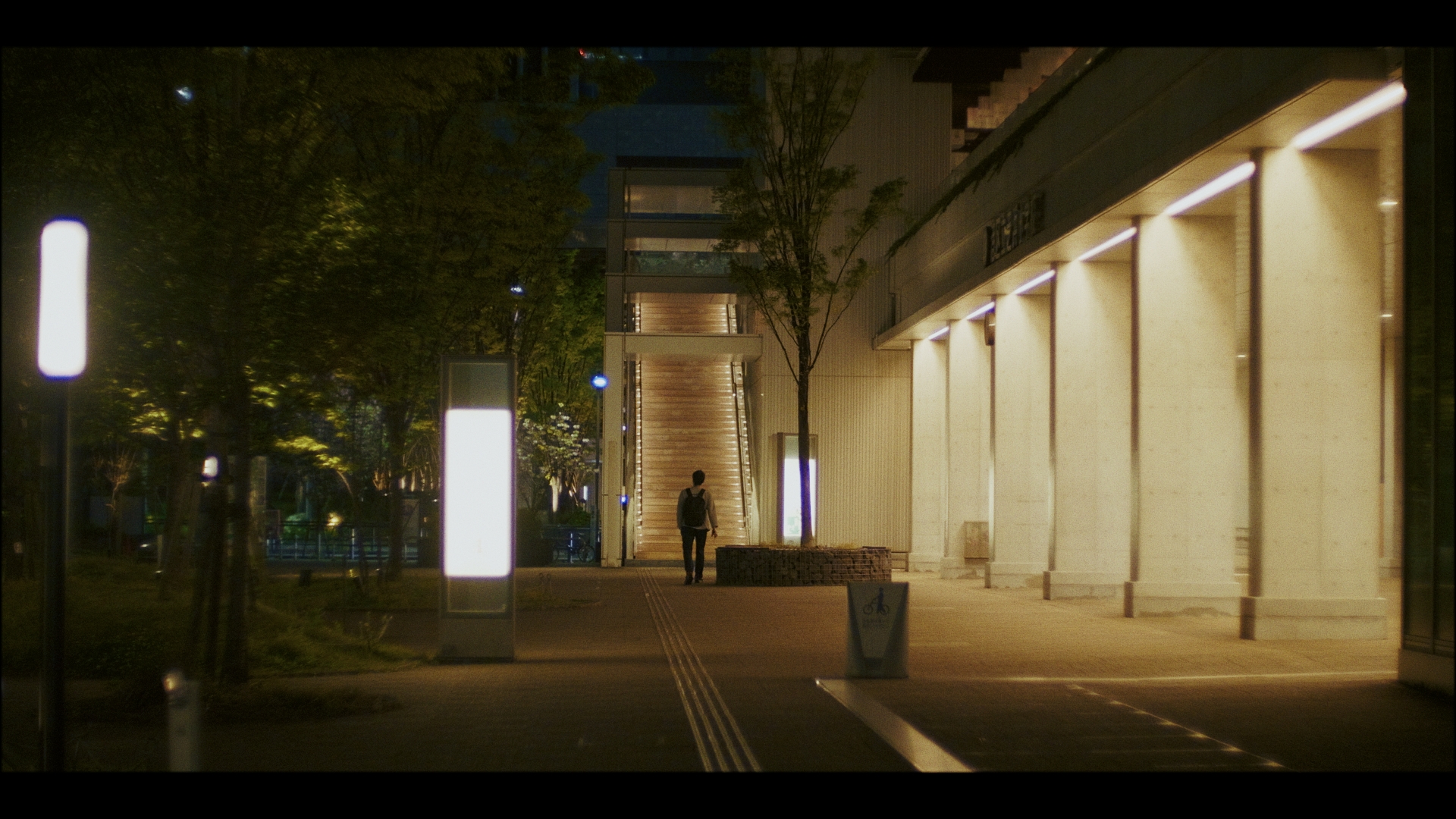
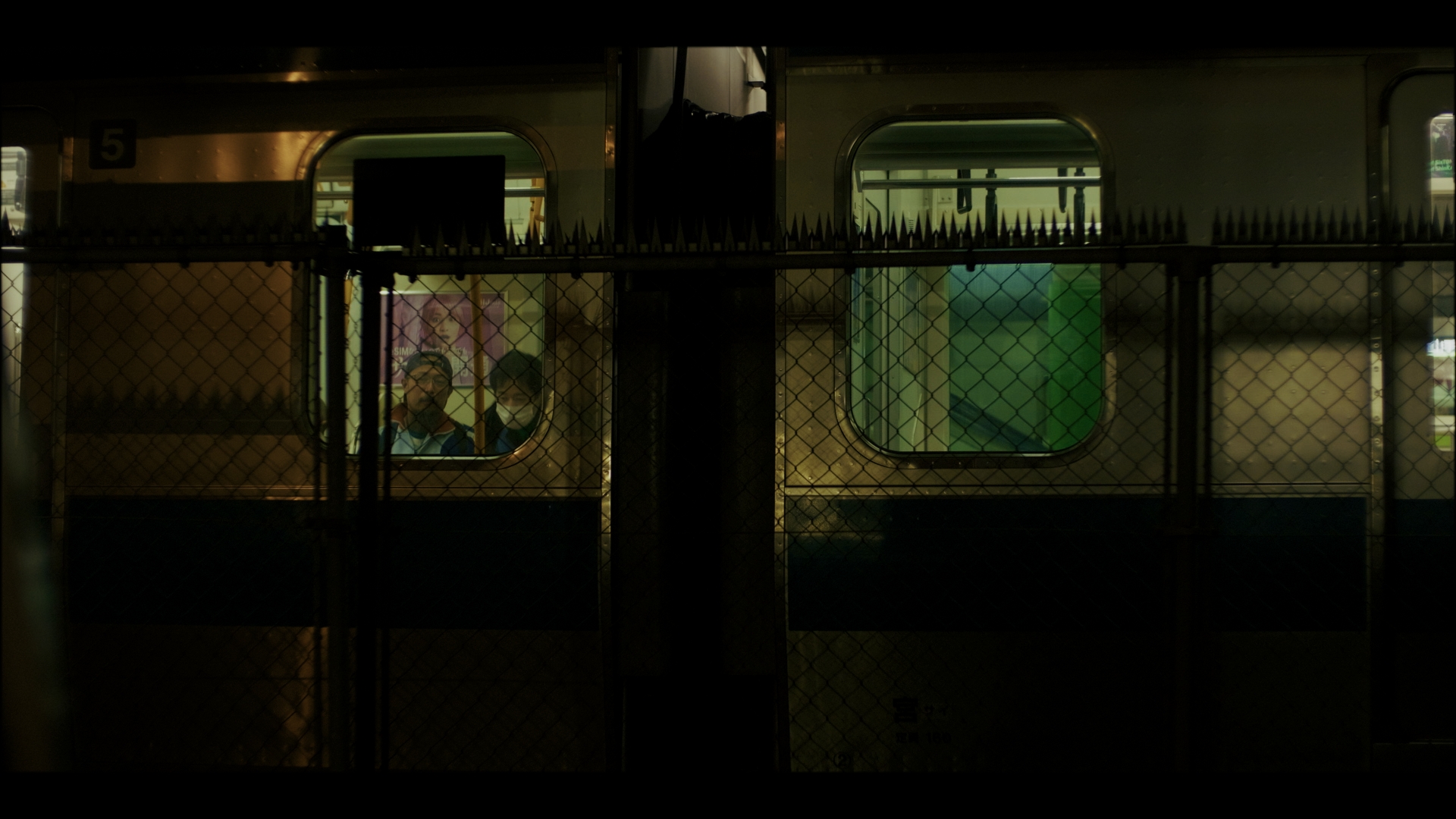
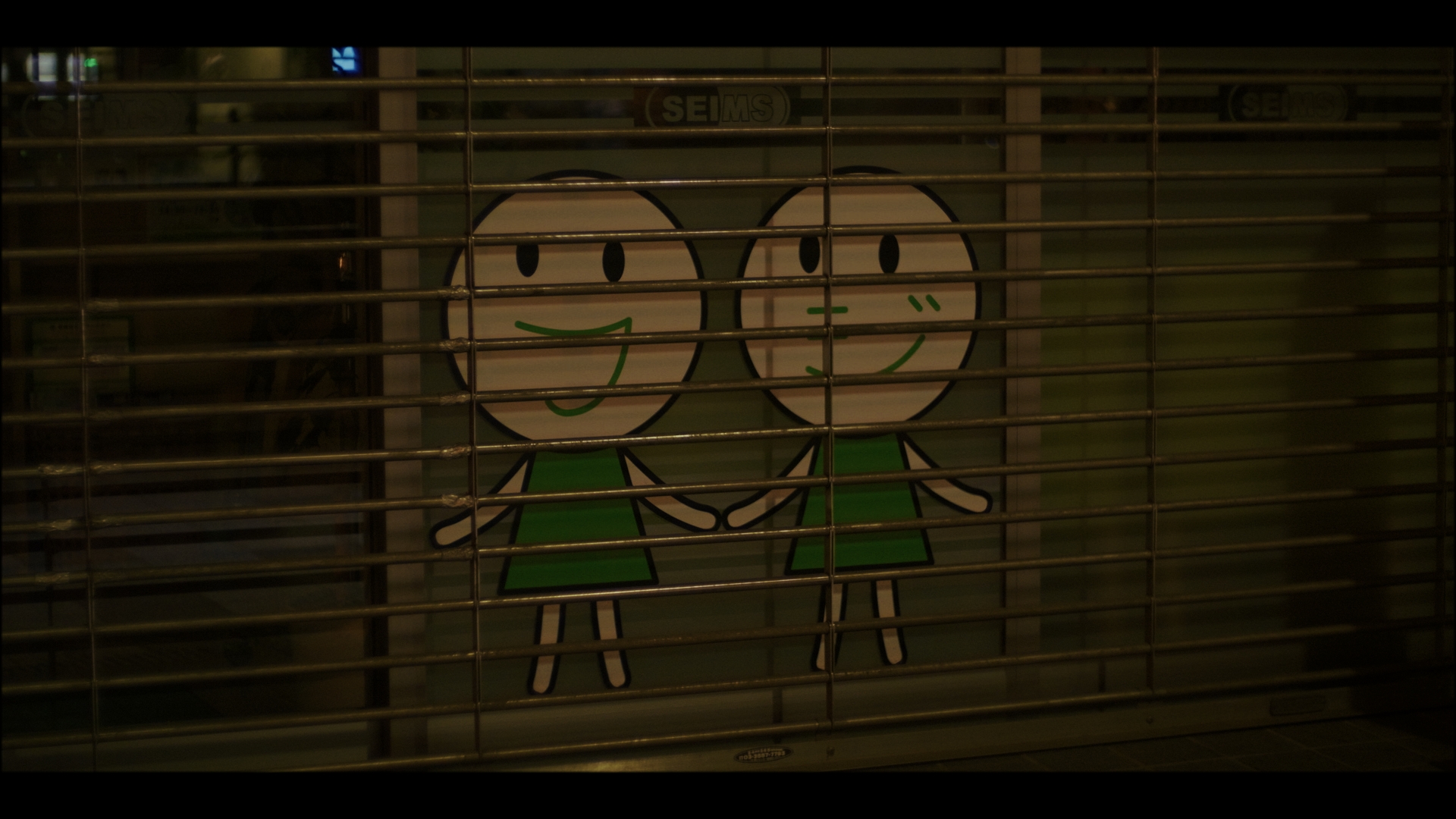
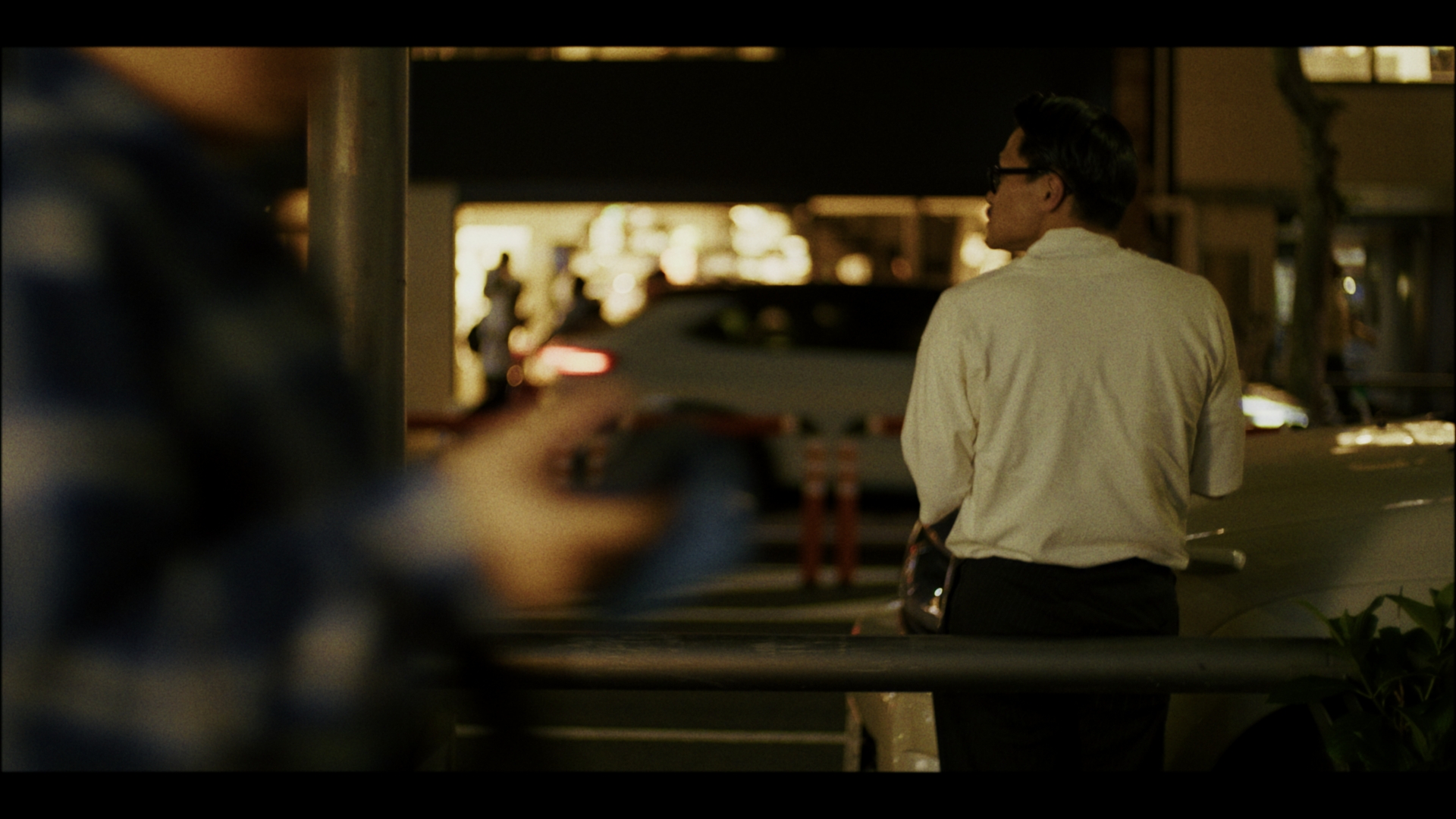
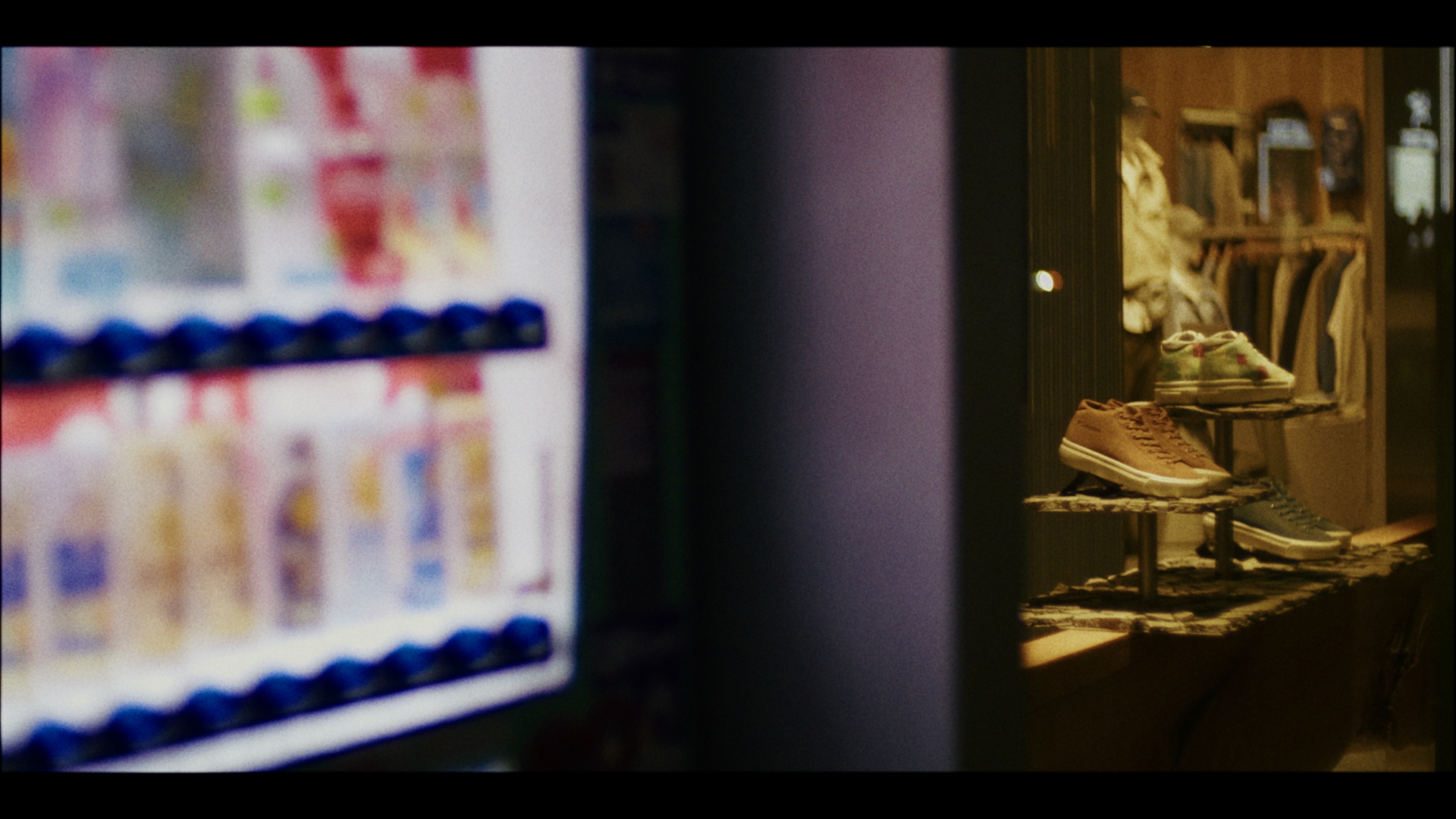
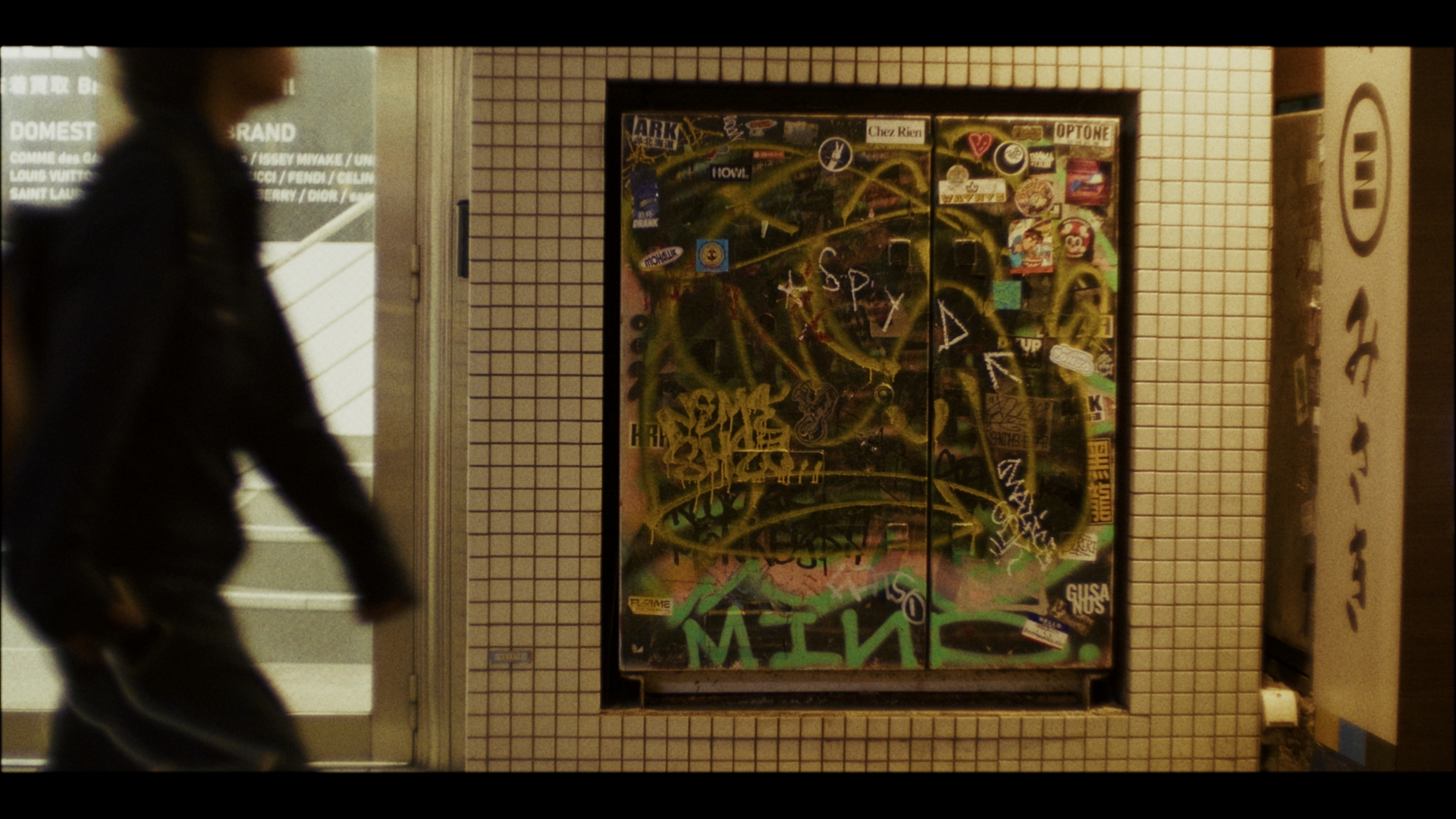
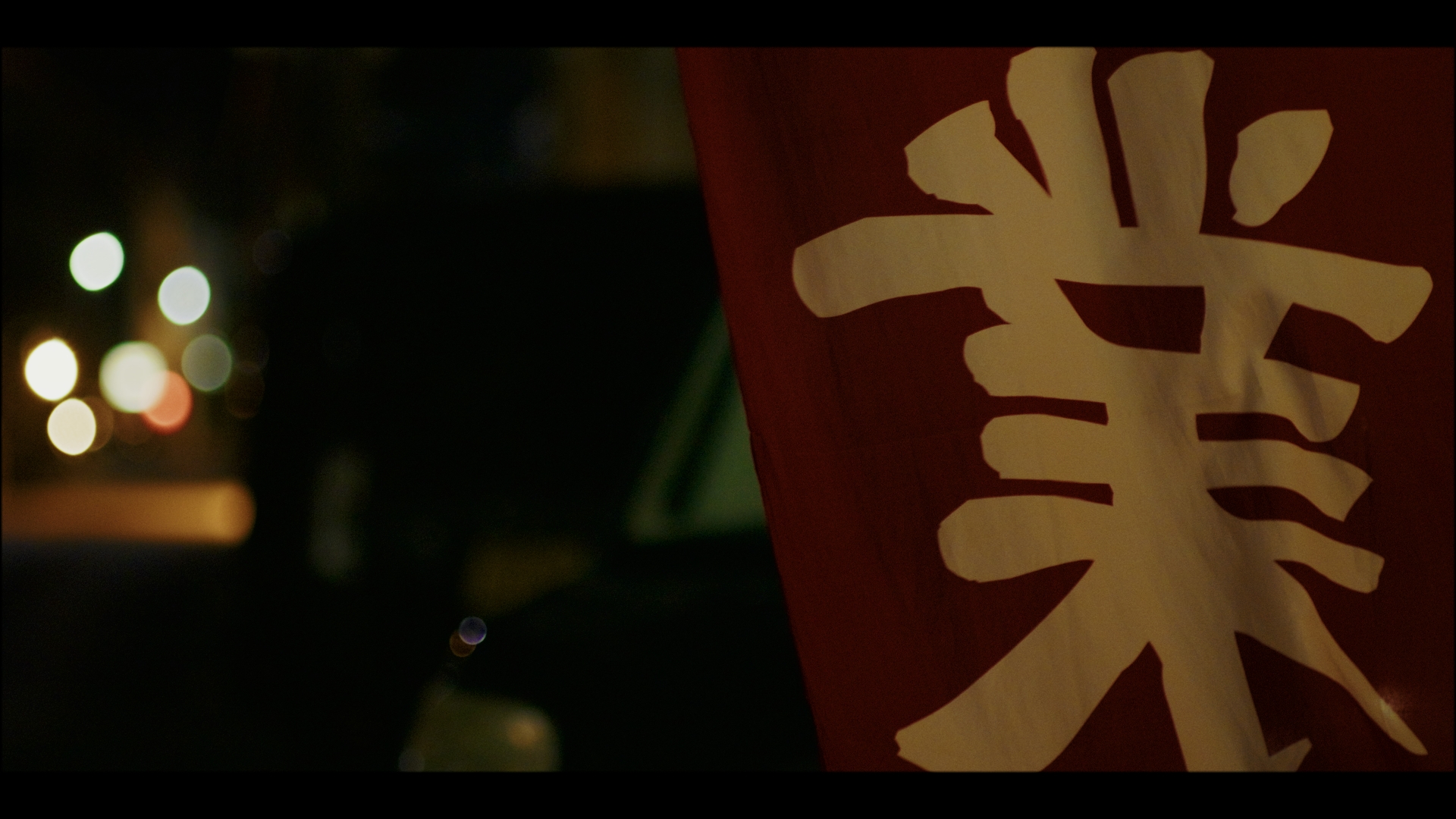
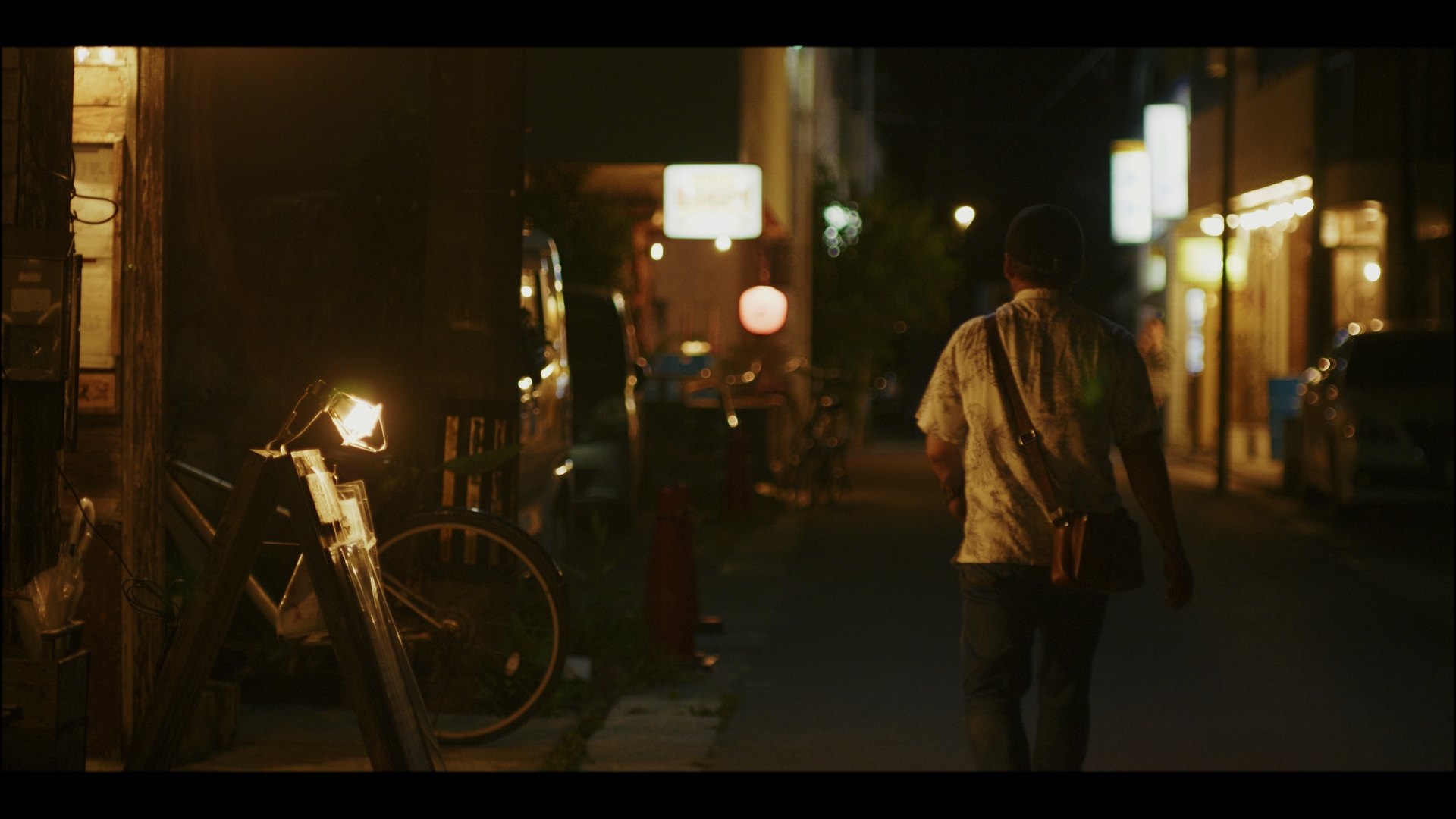
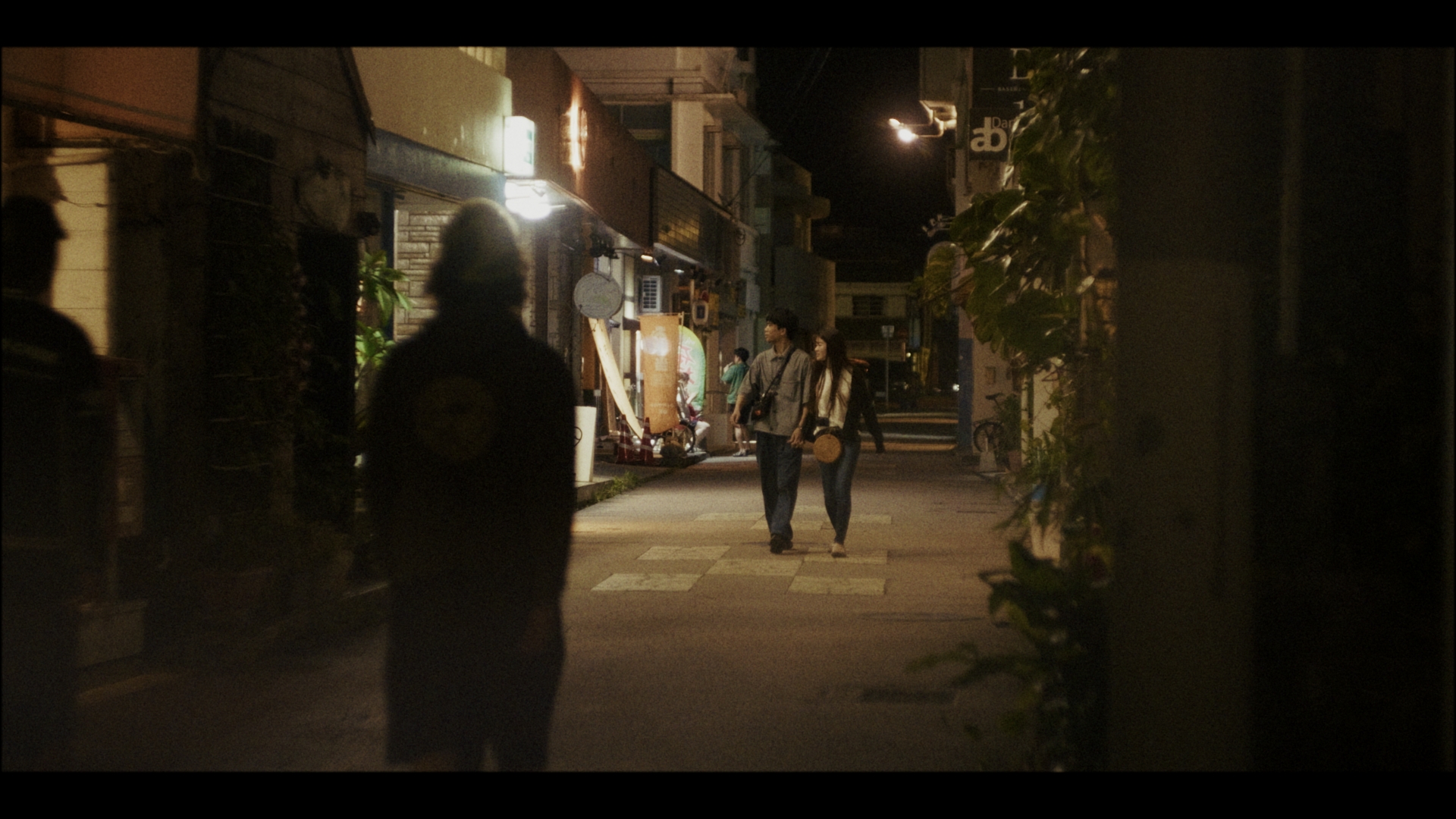
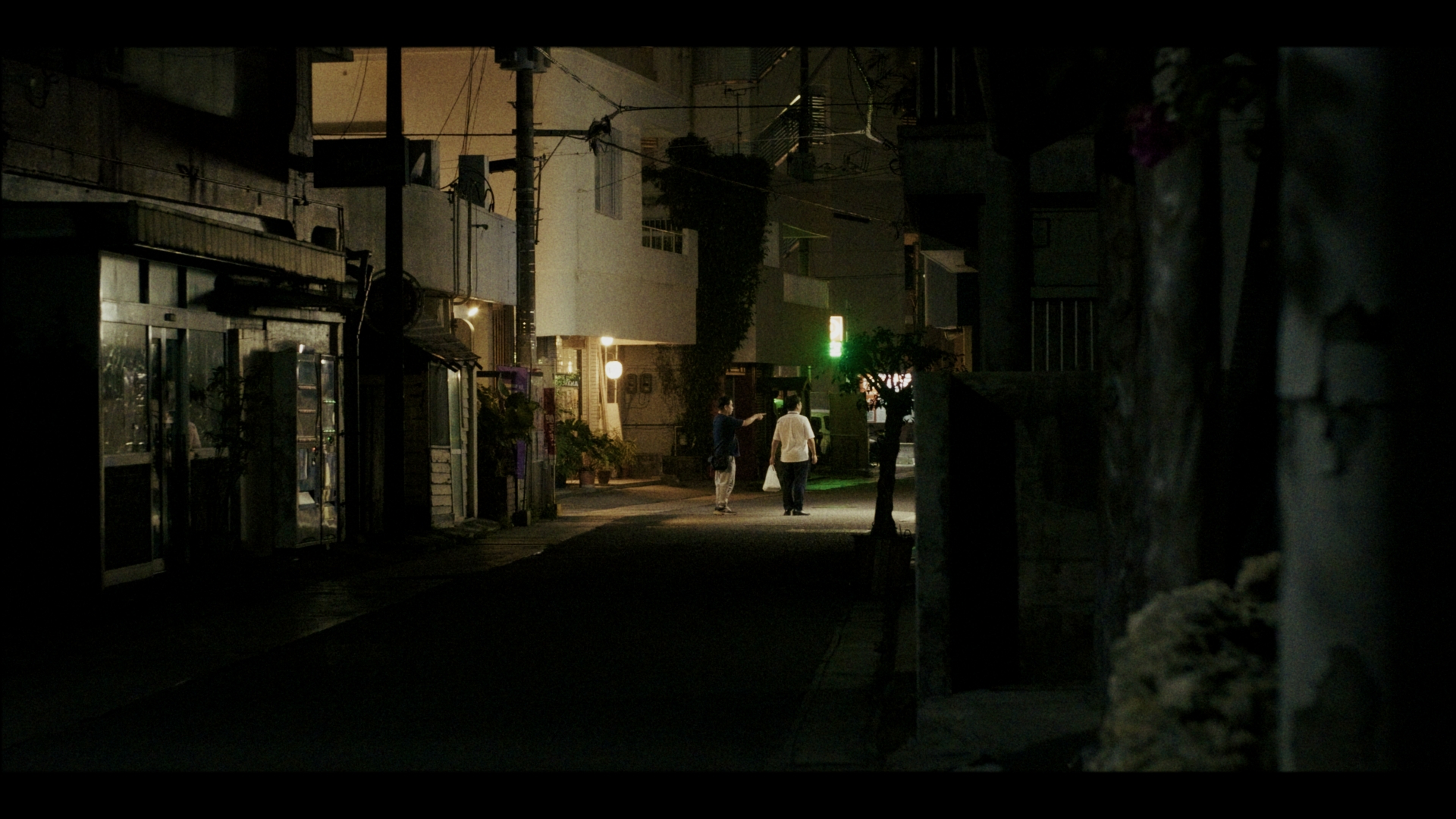
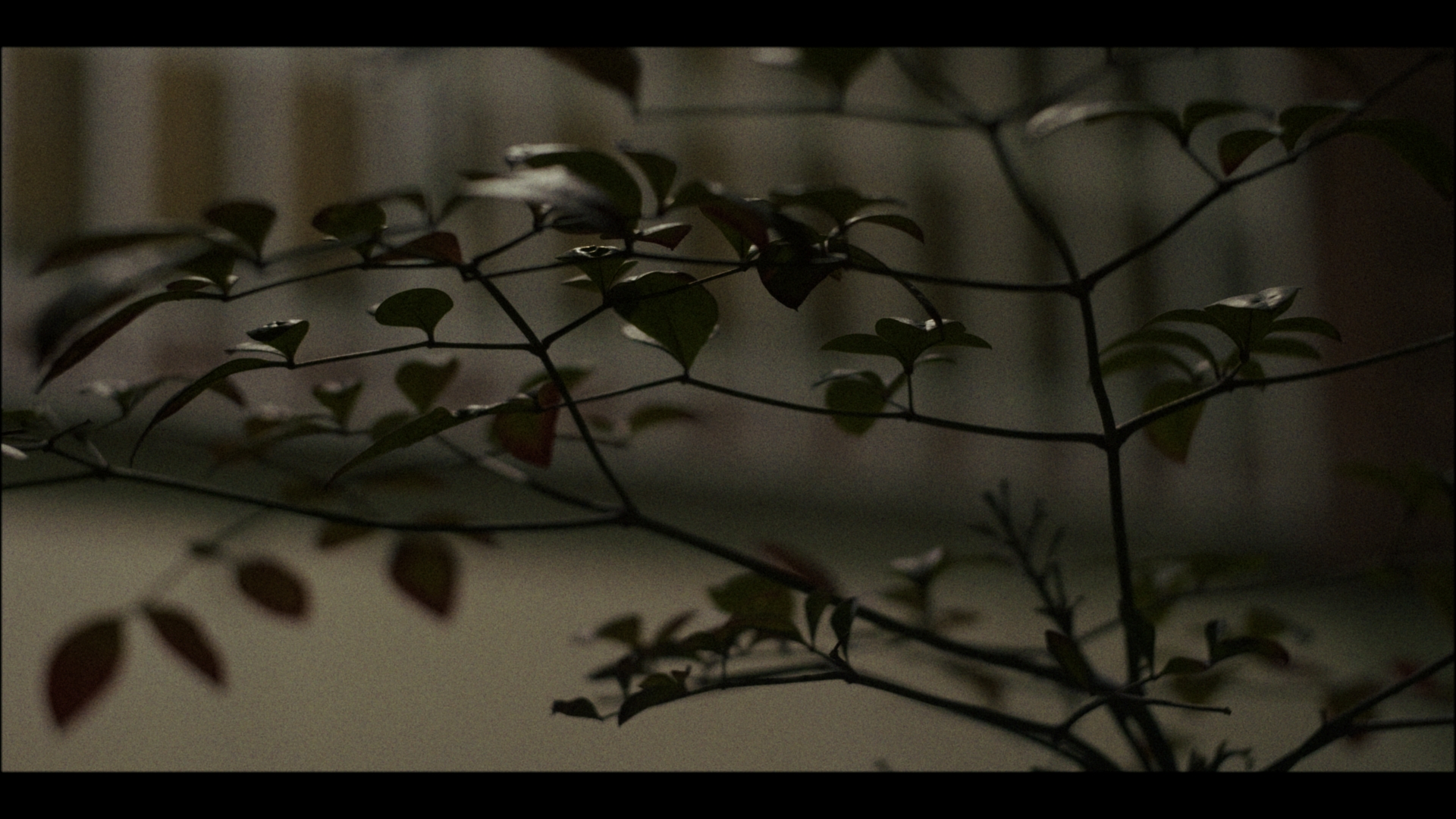
Back from a visit to Japan. We spent most of the time in a small town but went to Tokyo for a weekend, so I shot a lot in Tokyo and used the rest of the time to test a range of lenses I took just for that purpose. I tested the 12-35mm F2.8 for Night Cinema and it worked great and I loved the images, but as it got darker I kept cranking up the ISO and in the end it just didn't have the levels for the truly dark backstreets. I also tested the tiny 35mm F1.6 c-mount CCTV lens I got off ebay some time ago. It produced some really nice images in the right scenarios, but the plane of focus was so incredibly distorted that any scene with stuff off-centre in the frame would look really strange. It had more level than the 12-35mm but still fell short of my better options. My themes for the place emerged very quickly.... vending machines, bicycles, and lanterns. Anyone who has been to Japan will be surprised by this exactly zero percent. At this point we went to Tokyo and I treated it like a Night Cinema interval event, basically shooting as much as I could. I shot a whole sequence from the hotel window as the sun set using the Takumar 50mm F1.4 and SB, my go-to setup. I did a number of walks around the local area with the same setup. Each time I went out I liked using the setup more, and each time I reviewed the files I liked the images I got from it more as well. After China I was feeling like it was a bit too vintage / low-fi but I've really warmed to it since. I found myself a bit at odds with Japanese culture, especially in regards to the fervent dislike of badly-behaved foreigners and the locals dislike for being filmed in public (despite the fact no-one will tell you they don't like it), so I mostly filmed the place and not the people, or at least I didn't tend to film individual people, instead including them small in the frame, or en-mass, or out of focus. I think that lent itself to the cultural experience as well. The city, and to many extents the culture, dwarfs the individual, placing the focus on the group. As a tourist I can only glimpse the culture from afar, so taking the perspective of the outsider in the compositions is very much representative of the experience. My "big" outing was a walk from Shibuya to Harajuku on our last night there. As these places are known for youth and fashion and culture (and the counter-culture that fashion normally draws from) I concentrated on the grittier side of these areas. I also leaned into the layers and the overall chaos of the place, taking advantage of the Takumars ability to focus on a small slice of the chaos, both through the 70mm FOV and also the shallow DOF. Back in the small town I did more "test" walks with the TTartisans 50mm F1.2 (100mm F2.4 equivalent), the Helios 44M + SB combo (82mm F2.8 equivalent) and Takumar + SB combo for comparison (71mm F2.0). As the small town was much less dense I found the extra reach of the TTartisans to be useful, and the DOF was shallow enough to be useful at distance, and the image was much cleaner across the frame compared to the Tak. The Helios 44M was a different beast. I felt like I was fighting with it basically the whole time and came back from the shoot thinking it was a bust and I'd wasted an outing. The FOV often seemed wrong, it lacked the aperture to get enough light to the sensor and I was pushing the ISO a lot, the DOF was also deeper and so I found myself having to get closer to objects to get the separation I wanted, which then meant I was too close and the parallax motion from my hand-held movement was really distracting. The focus on my copy is very stiff and it is a very low gear so to go from distance to closer focus had the ergonomics of opening a jar where something sticky had gotten into the threads. Still, I got back from the shoot and lots of the images looked really nice, which I think is to do with the extra diffusion this has. It was also better behaved on the edges of the frame compared to the Tak too. One thing that isn't obvious from the frame grabs is the ghosting from the strong light-sources in frame, and because I shoot hand-held and have IBIS active, they move in unnatural ways. At first I thought they were coming from my vND but if anything they got worse on both the TTartisans and Helios after I took it off. I think due to this I'll have to lean into the imperfections in the grade and edit and go lo-fi, which is why I've applied a film emulation softening equivalent to 20mm film to the Helios footage. I also shot a lot with the iPhone 17 while there, normally during the day for non-cinema purposes, but that's a different topic for another time.
-
There's been a general improvement in sensor-shift stabilization performance (e.g. for stills from around 6.5 stops on the G9 to 8 stops on the G9 ii), plus a 'high' setting has been added to the E-stabilization options since the GH5 & G9 came out. Another useful addition is variable Crop Zoom for both stills and video (and 'high' E-stabilization adds an extra 1.25x crop which can be useful for a bit of extra reach).
-
kye reacted to a post in a topic:
One Decade
-
ac6000cw reacted to a post in a topic:
One Decade
-
eatstoomuchjam reacted to a post in a topic:
One Decade
-
No doubt. I have a 5DMII that I think still delivers in this regard as well. What I have is good enough for me, so I've decide, "Eh, I'll stay where I'm at." (for now) 😉
-
TBH I never really noticed any improvement in the IBIS between the GH5 and GH7, although I didn't really use them that closely together so maybe I missed it. The IBIS (and Dual IS with compatible lenses) on all the MFT cameras I have is pretty incredible actually, GX85, GH5 and GH7.
-
I'd add IBIS upgrades to Kye's list of improvements - as I normally shoot handheld, that's been my main reason to upgrade my M43 cameras over the years. I still own an original G9 (derived from the GH5), but the Oly E-M1 iii and OM-1 I bought more recently have better IBIS. Although I've been a faithful M43 user for about 15 years (starting with a Pana G3), due to the lack of a modern video-orientated small M43 camera I ventured into full-frame with an S9 recently (when the price dropped a lot). Now I've had enough time to get used to it, I have to say the video quality from it is noticeably better than the M43 cameras I own - it seems to have a 'richness' that is attractive. I usually put a Smallrig leather half-case and Sigma 18-50 F2.8 APS-C lens on it, and it's great as a run-and-gun camera (even though it's only using about half the sensor area in APS-C mode).
-
This is a real thing and a very good point. To give a personal and recent example, I was asked on Thursday of last week to jump in at the last minute to help finish someone's feature over the weekend. I'm not sure of the details for why their DP became unavailable. The filmmaker had a shot list for Saturday that was 15 pages long taking place in 7 different locations - and both I and the other guy they brought in had a hard out at 4 or 5 in the afternoon. Sunday's agenda was similar, but without either of us needing to leave. We didn't finish the list for either day. Likely, we'll be shooting again next Saturday. It was all outdoors in parks, usually a several hundred meters from our cars. None of our usual suspect gaffers were available/handy. We had basically 0 time to light things and the director wanted a bunch of wides and tracking shots (both tend to take longer to light). Controlling the light in any meaningful way was not a realistic option. These are exactly the situations when an extra stop of dynamic range is nice to have to keep the sky at least a bit blue, but yet also still have some detail in some of the harsh shadows. Real tough situation for the filmmaker - they definitely want to keep quality high and have they great ideas, but there are also budgetary and delivery date realities - the difference between a real indie film set and a reddit comments section. 😉 (Also, RIP colorist - there are like 5-6 different color profiles in play across all of the cameras that were used between the original DP and both of us last weekend, hopefully they only have to match 2 or 3 within any given scene) I'm not sure what ASA 50 has to do with needing extra light on a sunny day. Assuming ~24 fps, that'd give a proper exposure at approximately F/16 in bright sunlight (1/48 second for 180 shutter + sunny 16 rule indicating a 1/50 shutter speed = close enough) and you'd still need to use ND to open up the aperture beyond that. I suspect those lights are for filling in the faces/front of talent in a wide, given that the sun is actually at about a 60-90 degree angle from the lights (judging by shadows). From where the cameras are pointed, the subjects will be backlit.