Leaderboard
Popular Content
Showing content with the highest reputation on 11/10/2025 in Posts
-

Repairing mirrorless cameras - the truth about each brand's build quality
Ty Harper reacted to Andrew - EOSHD for a topic
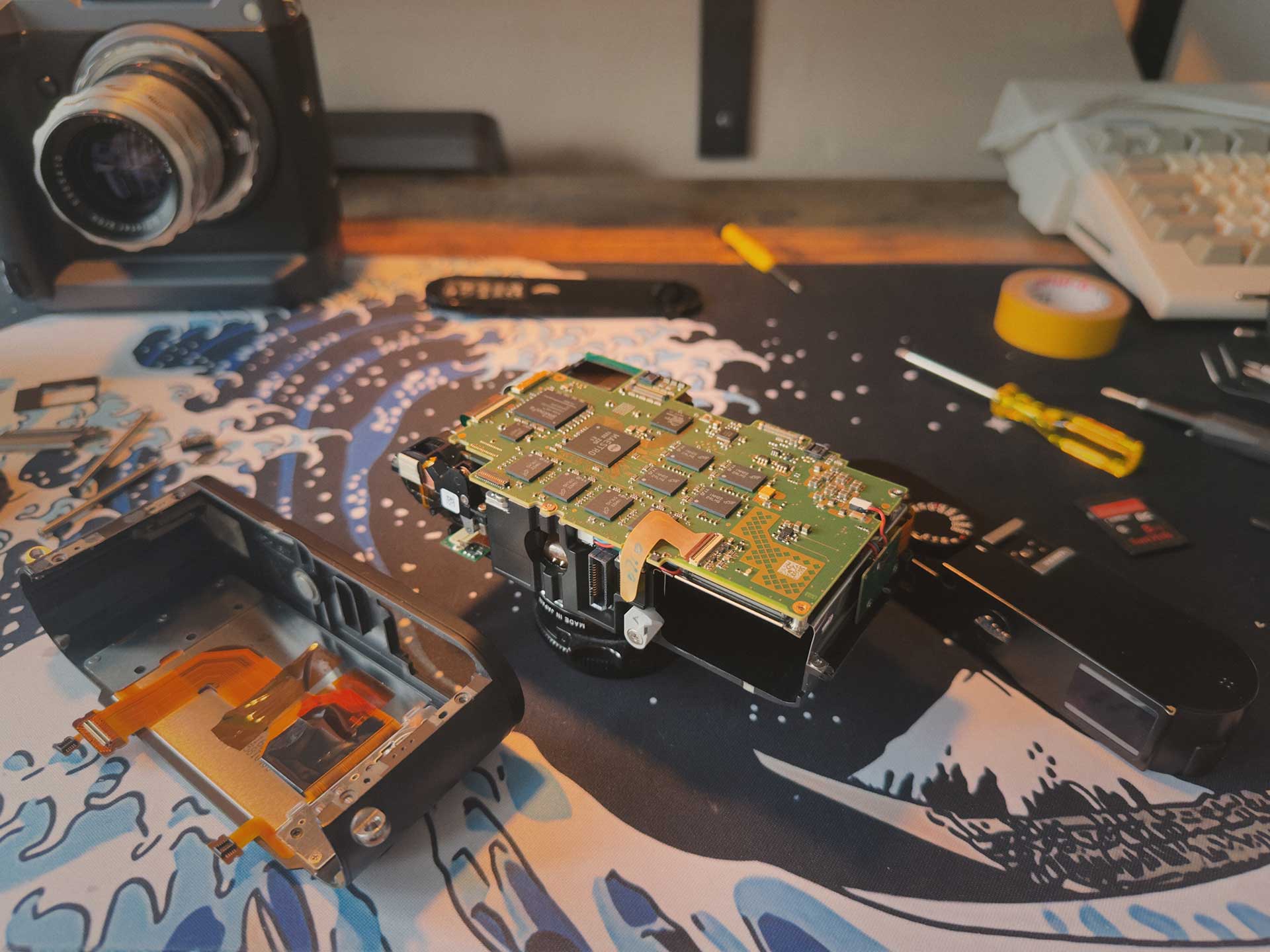
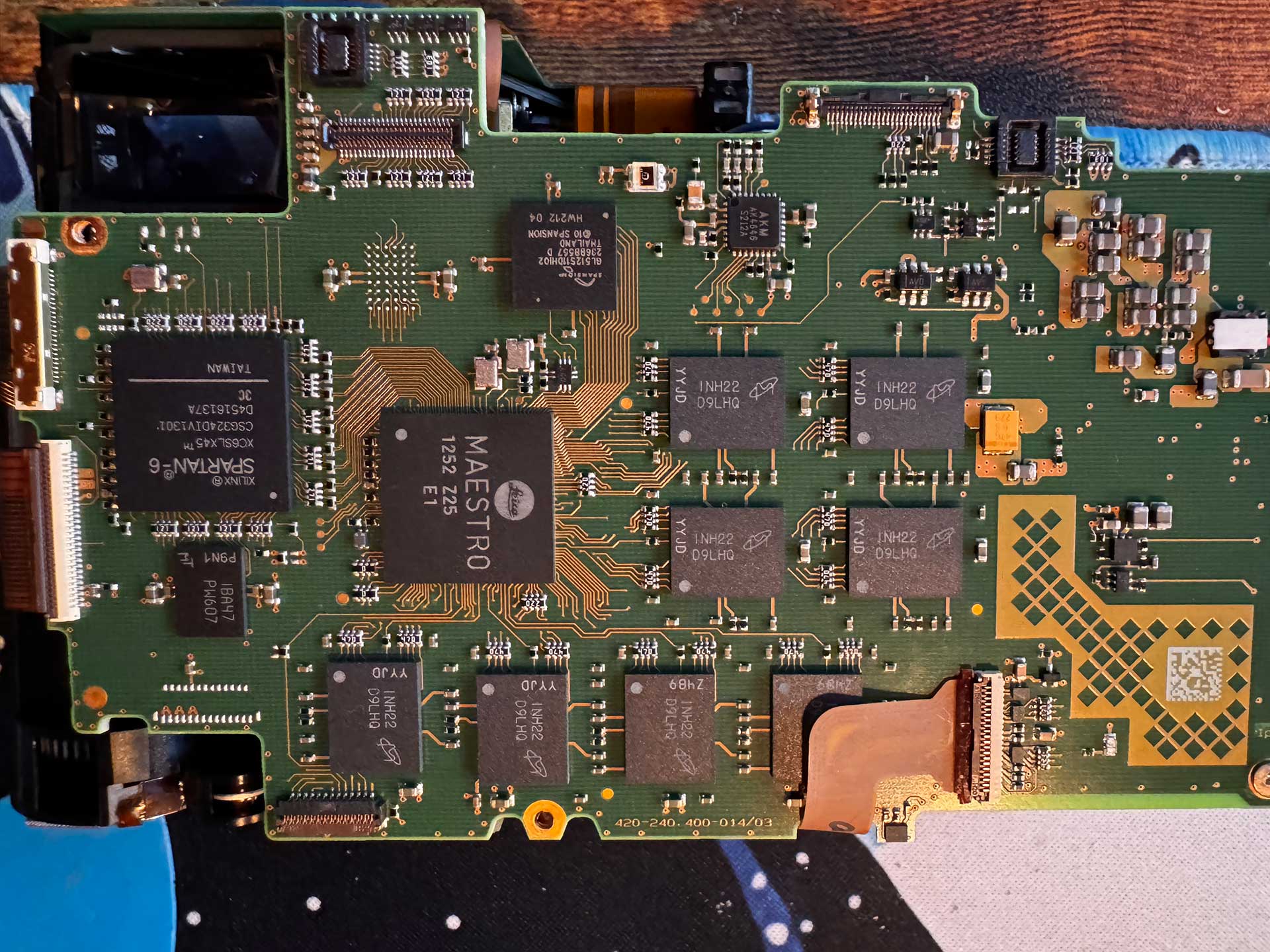
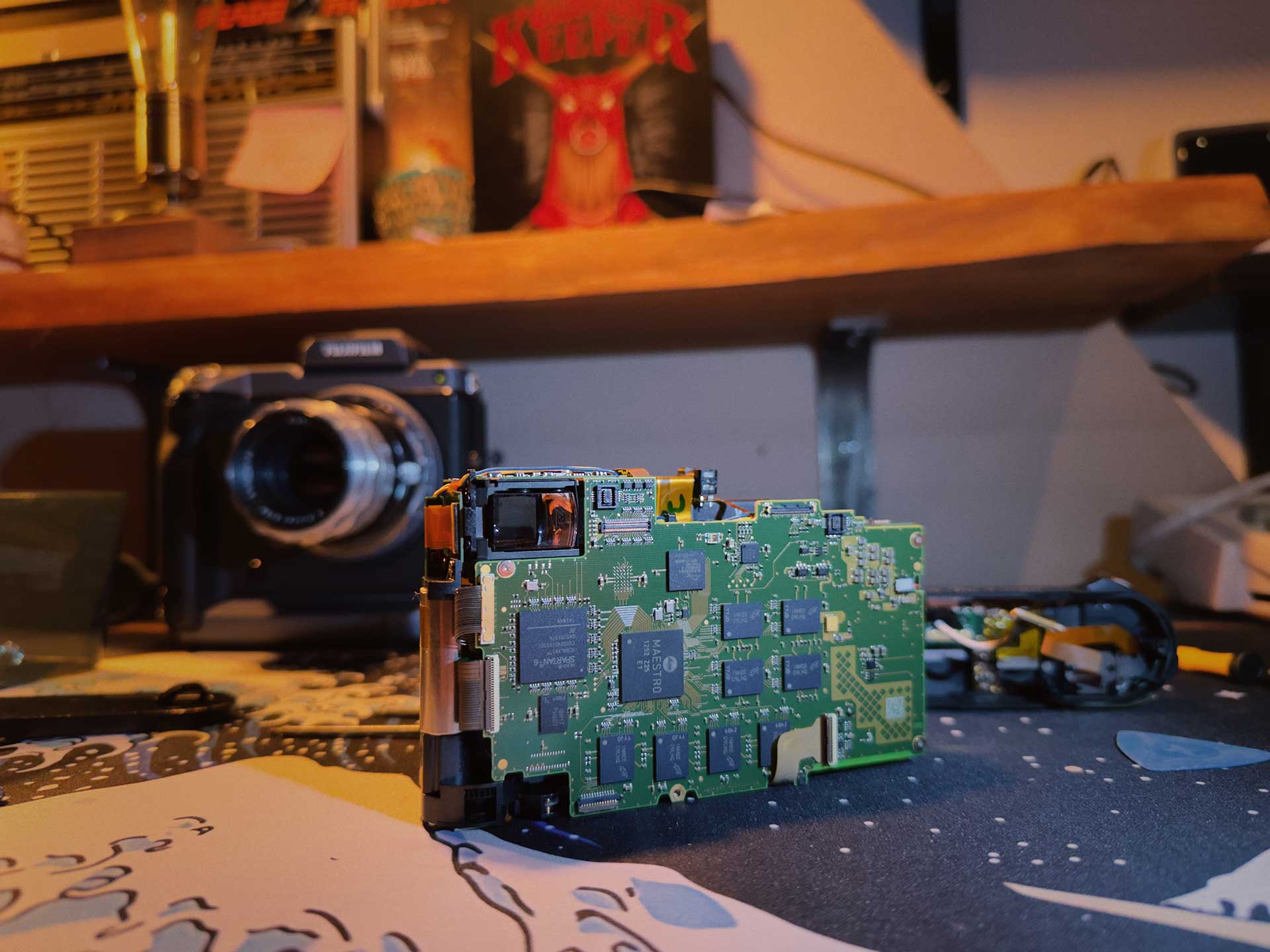
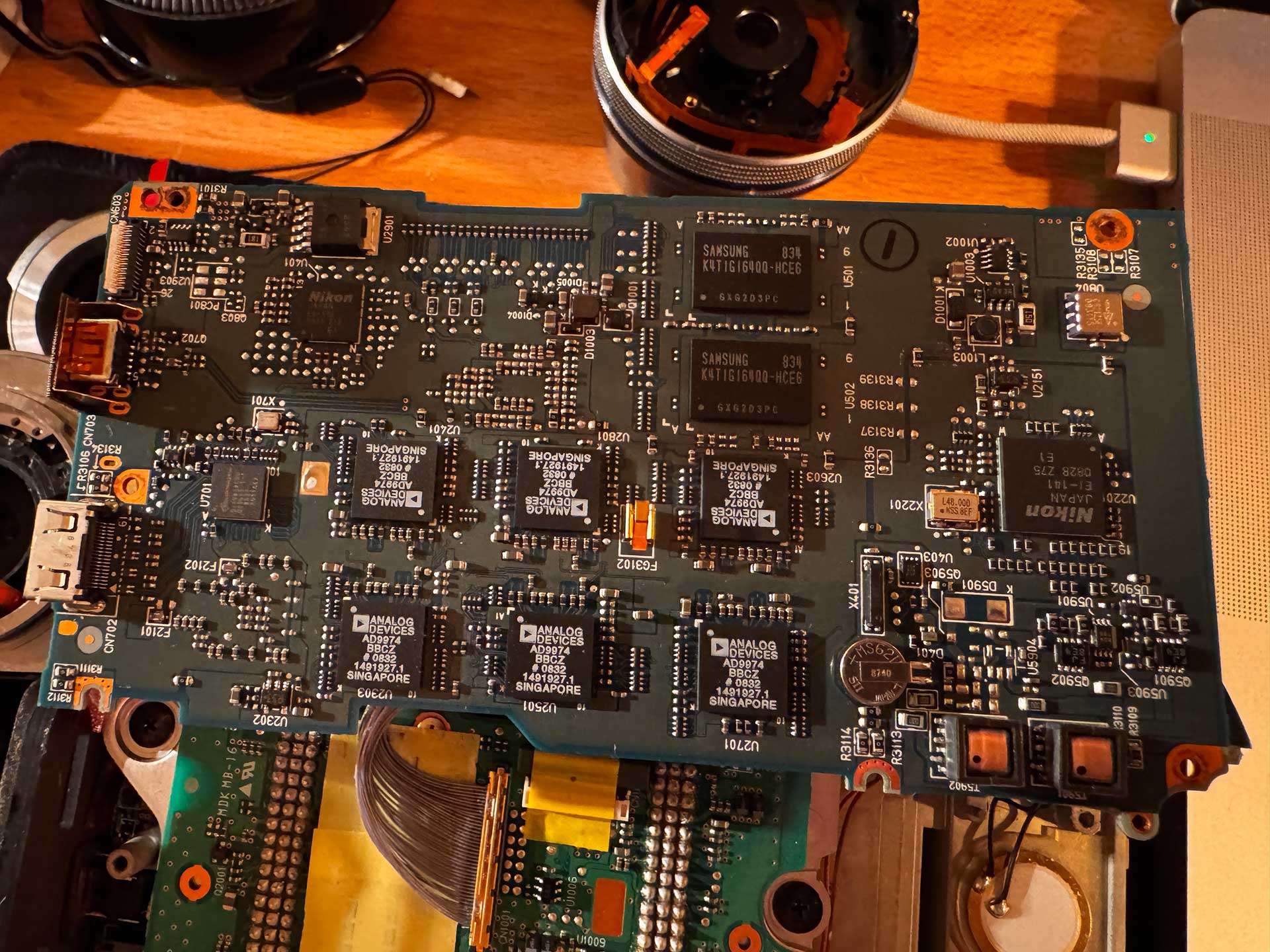
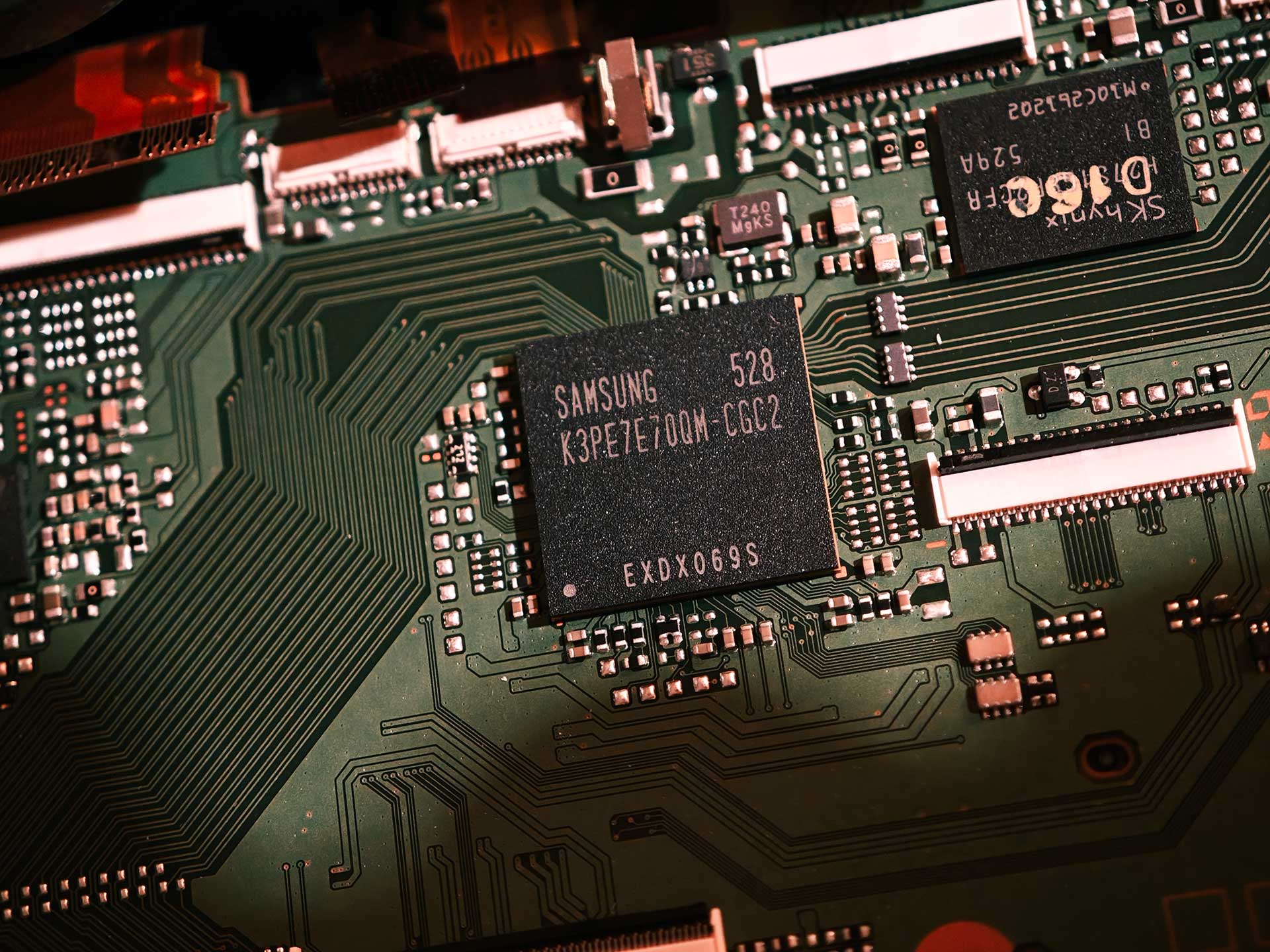
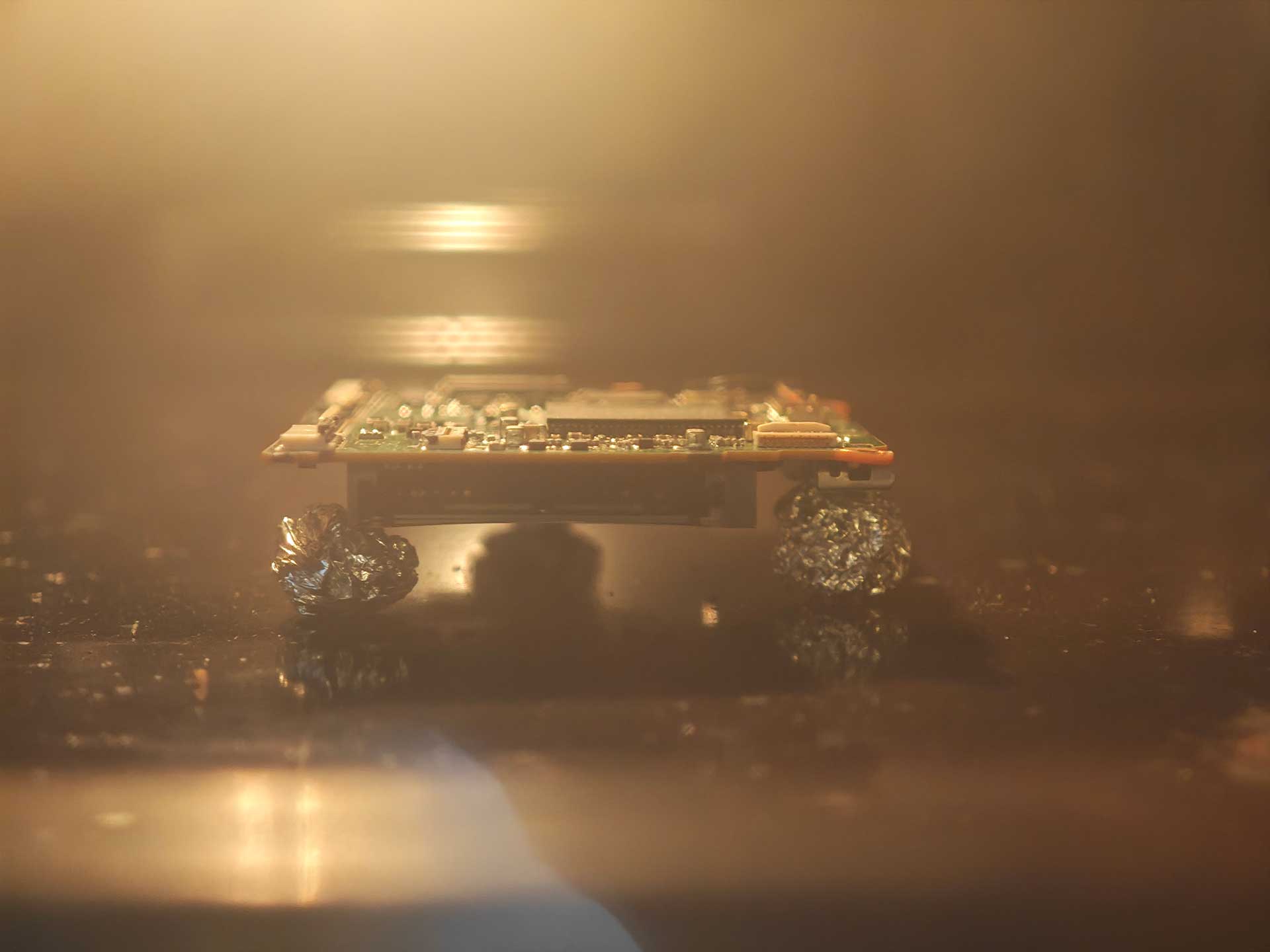
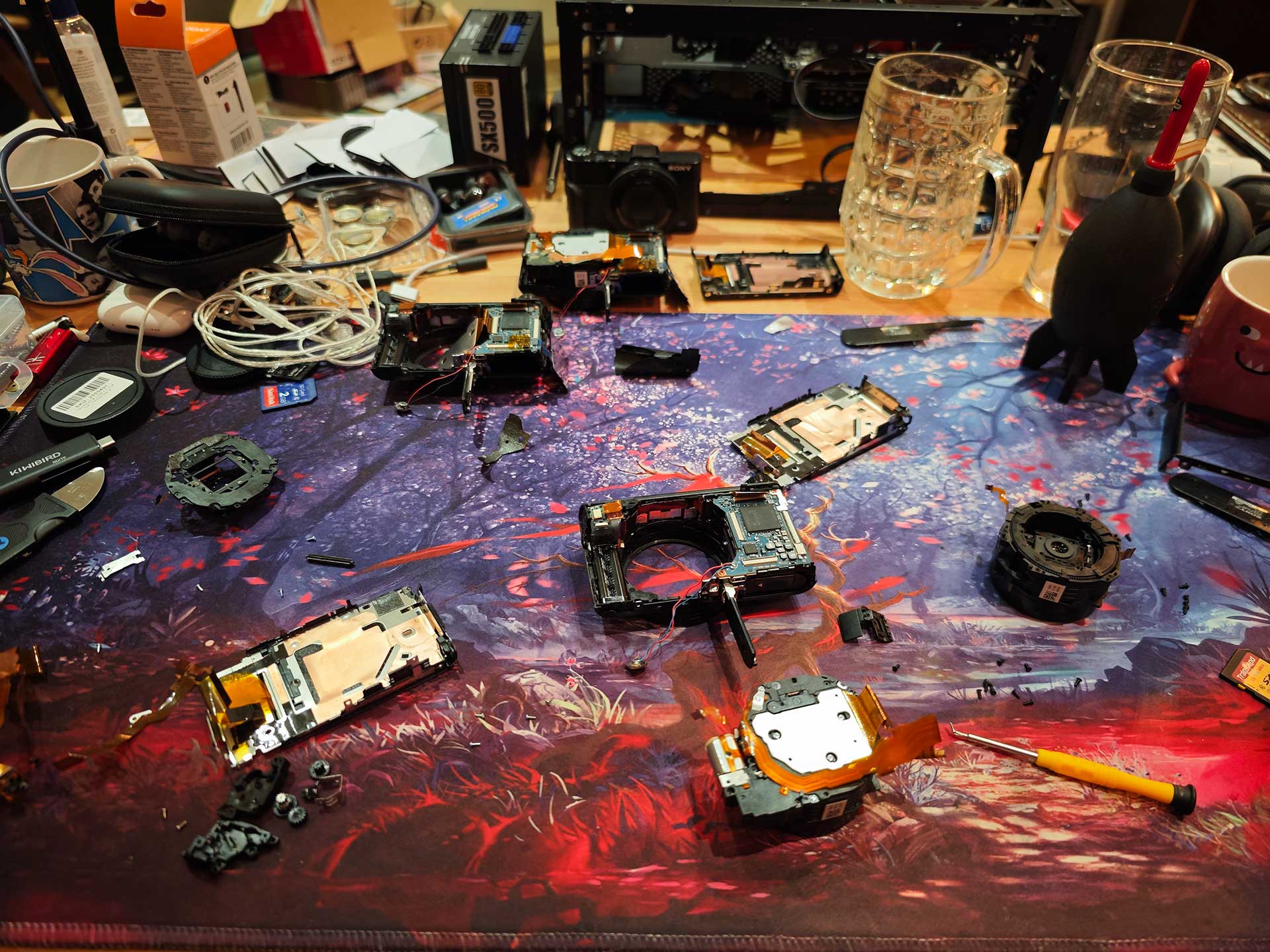
Leica M Typ 240... 2012, this was before Panasonic got more involved with making Leica's stuff. I'll give this a 10/10. The whole motherboard slides out really easily. I baked it in the oven to bring it back to life from completely dead. The solder needed a reflow apparently. 200 degrees C at 7 minutes did the trick. Custom chips all over the place. Utterly beautiful mechanically and in terms of the quality of connectors, cables, lots of metal parts and brilliantly designed internals. Next up another older camera, Nikon D700. Very impressive motherboard with separate analogue to digital converters. Probably why the colour science still has the edge on the newer sensor designs with their inline on-chip A/D. Nikon own branded chips. By contrast in the newer Leica Q... It's actually a Samsung. And the lens relies on a LOT of digital correction, so it's certainly not in same league as a Leica M when it comes to the quality of parts or optics. End result in terms of the images is very nice though. We'll call it the Samsung Q. Onto Fuji now and I have fixed an X-Pro3 and the old X-Pro1. The original had a lot of Fujifilm's own CPUs inside. It's very well made but has a lot of traditionally soldered wires on the mainboard, old-school style. This continues with some of the newer models too. X-Pro3 was an easy fix, a ribbon cable (FPC) had come loose where the sensor plugs into the mainboard. Some tape over the socket had shrunk in the heat and pulled it ajar. Pictured above is the X-Pro1 circuitboard, it's more proprietary whereas X-Pro3 looks a bit more generic on the inside. Here is an oven bake of a Panasonic LX15 mainboard... The components can withstand very high-heat and usually cold solder joints are responsible for a wide range of issues. Unfortunately in this case I made a mistake with the stop watch and the card slot fell off 🙂 Here is a sensor with hot mirror... the IR cut filter glows pink in this shot. If you remove it you get an IR capable camera and can also shoot normally if you add the IR cut filter to the front of the lens instead. I think this sensor is from my Lumix LX100 II or could be Sony RX100, I forget 🙂 Now onto Sony and their smaller cameras are too tightly packed. FPC cables develop cracking over time as some of the metal is folded and bent too tightly to fit the smaller bodies. This is an RX100 and it's very common to see these fail on the cable that connects the lens. A relatively easy fix actually and replacement FPCs are $5 on Aliexpress. But I don't rate Sony's quality as highly as Fuji or Panasonic so far. Onto Canon and I have had a very bad experience so far with their modern cameras. The DSLRs were much better made (i.e. 5D Mark III which was easy to tear down and remove the OLPF back in the day!) They use extremely fragile FPC connection sockets and the ribbon cables themselves are brittle and cheap. Sometimes a few bends and they tear. Doesn't make for a stress free repair that's for sure. In contrast to Panasonic, with the lovely GX80 it's in a different league and take a bit of extra abuse by an amateur repairer. I've done a lot more than what I have time to post today but probably will do a deeper look at stuff for YouTube or the blog. I rate as follows the brands then... 1. Leica (the extra cost is noticeable on the inside) 2. Panasonic (they know how to sensibly build a camera and logically lay out stuff, and they don't scrimp on component quality) 3. Fujifilm (high repairability score and robust, sensible designs) 4. Nikon (high repairability but many of the newer cameras not up to high-standards they set during DSLR era) 5. Sony (they try to pack in too much) 6. Canon (really quite terrible, cheap cost cut components, and badly laid out) Stay tuned for more. I do this just for fun, and really enjoy it. Plus now I have a oven baked Leica 240 to play with 🙂 1 point
 -

In pursuit of maximum cinema
Andrew - EOSHD reacted to kye for a topic
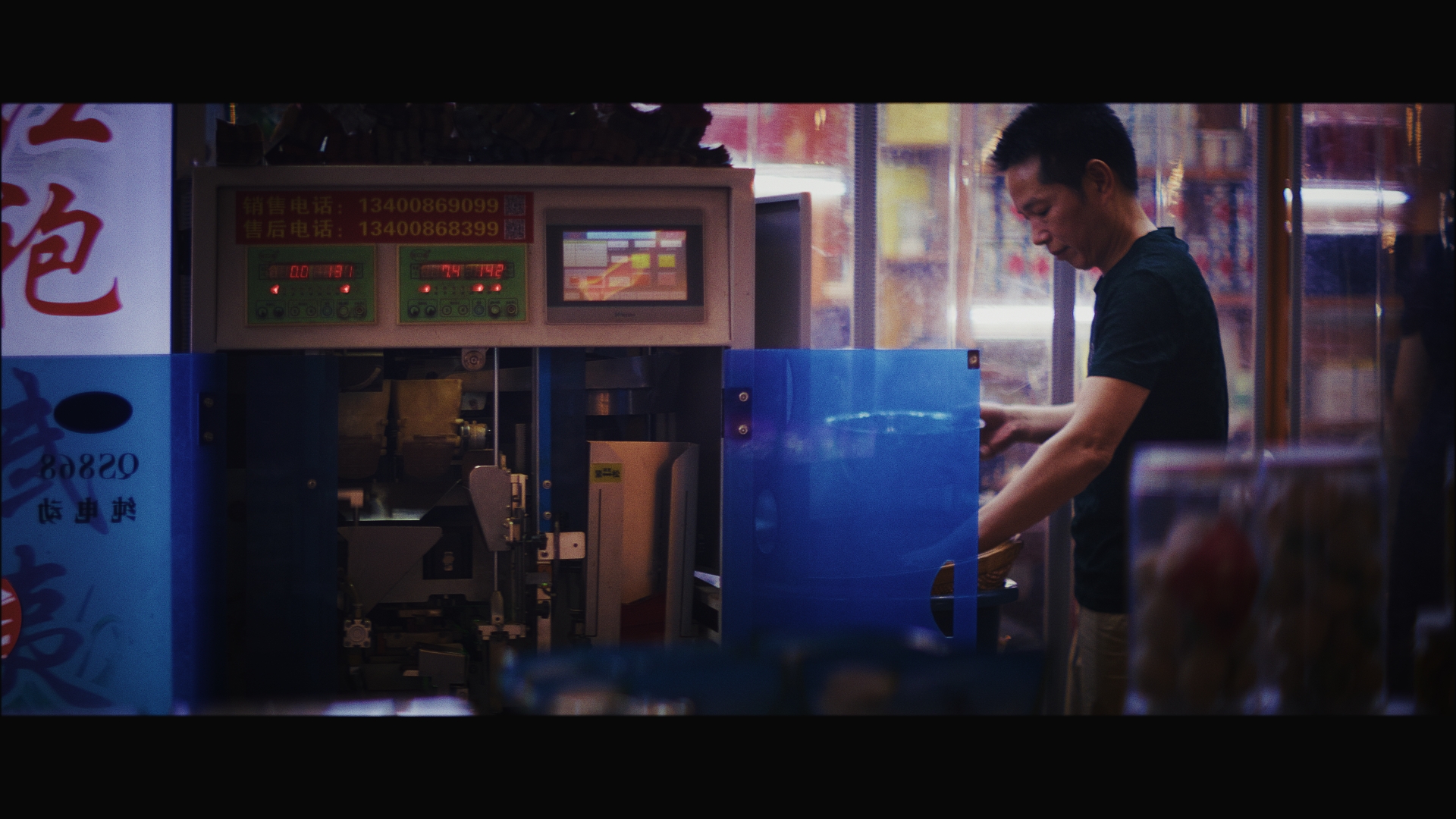
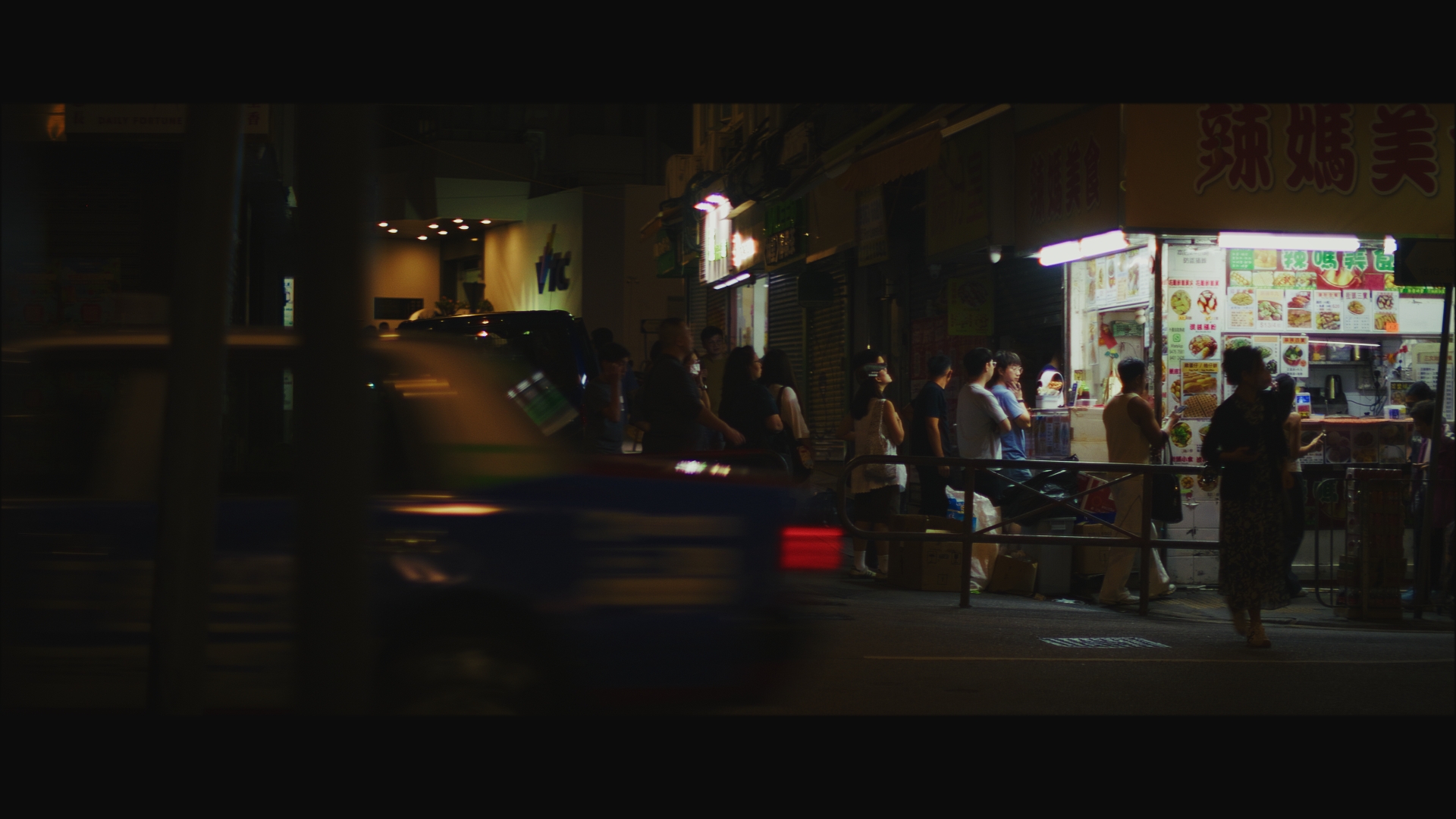
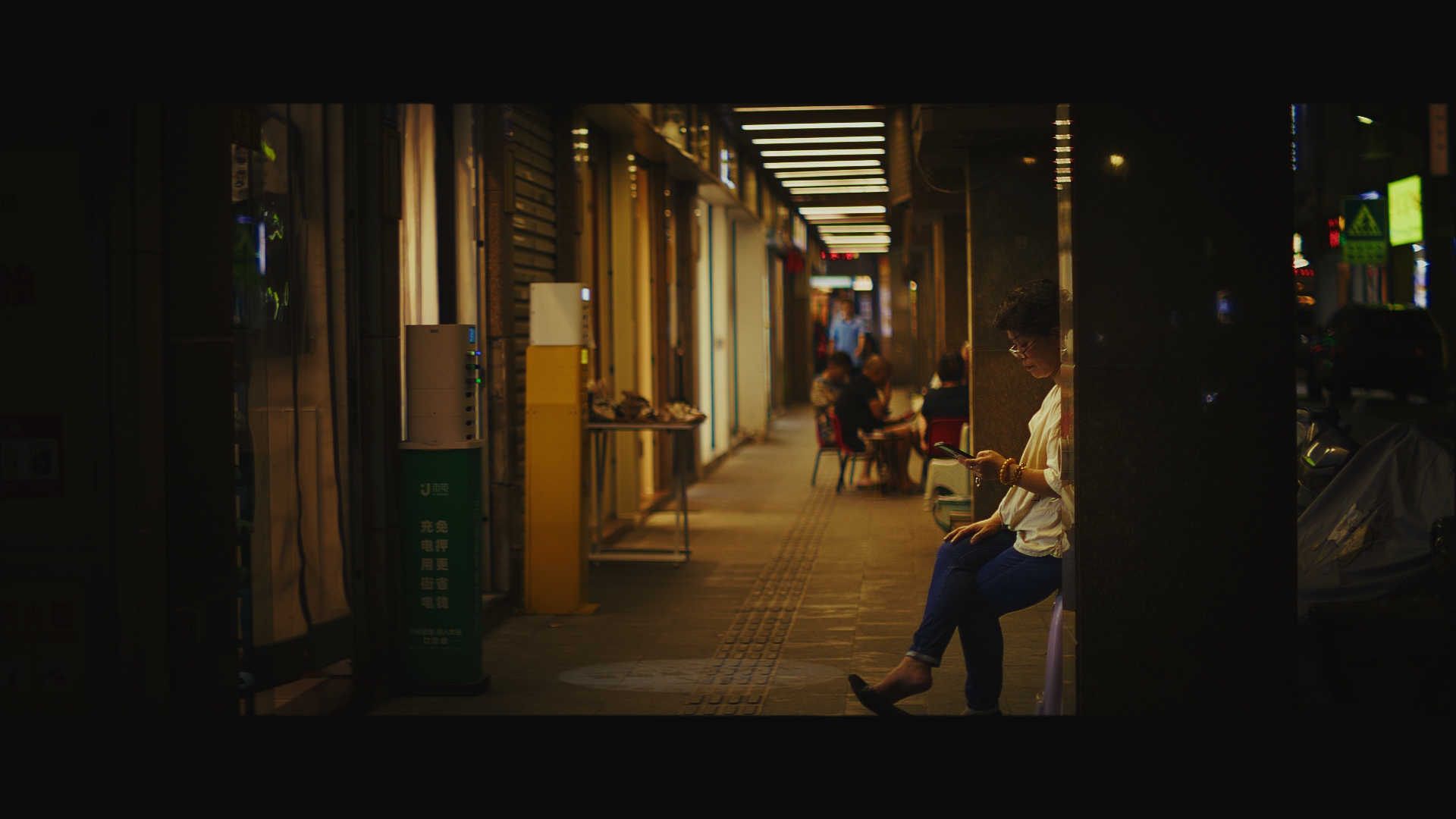
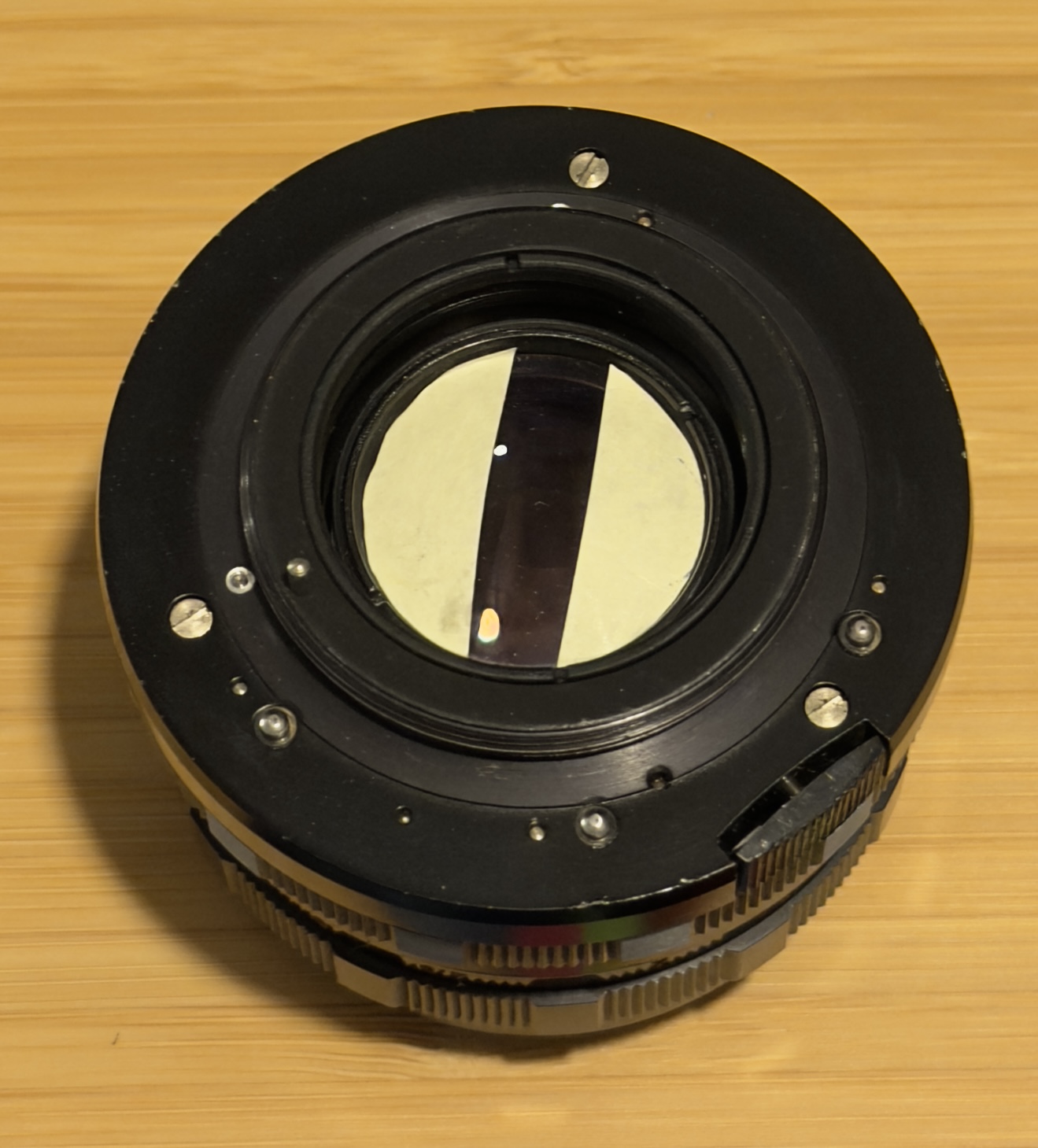
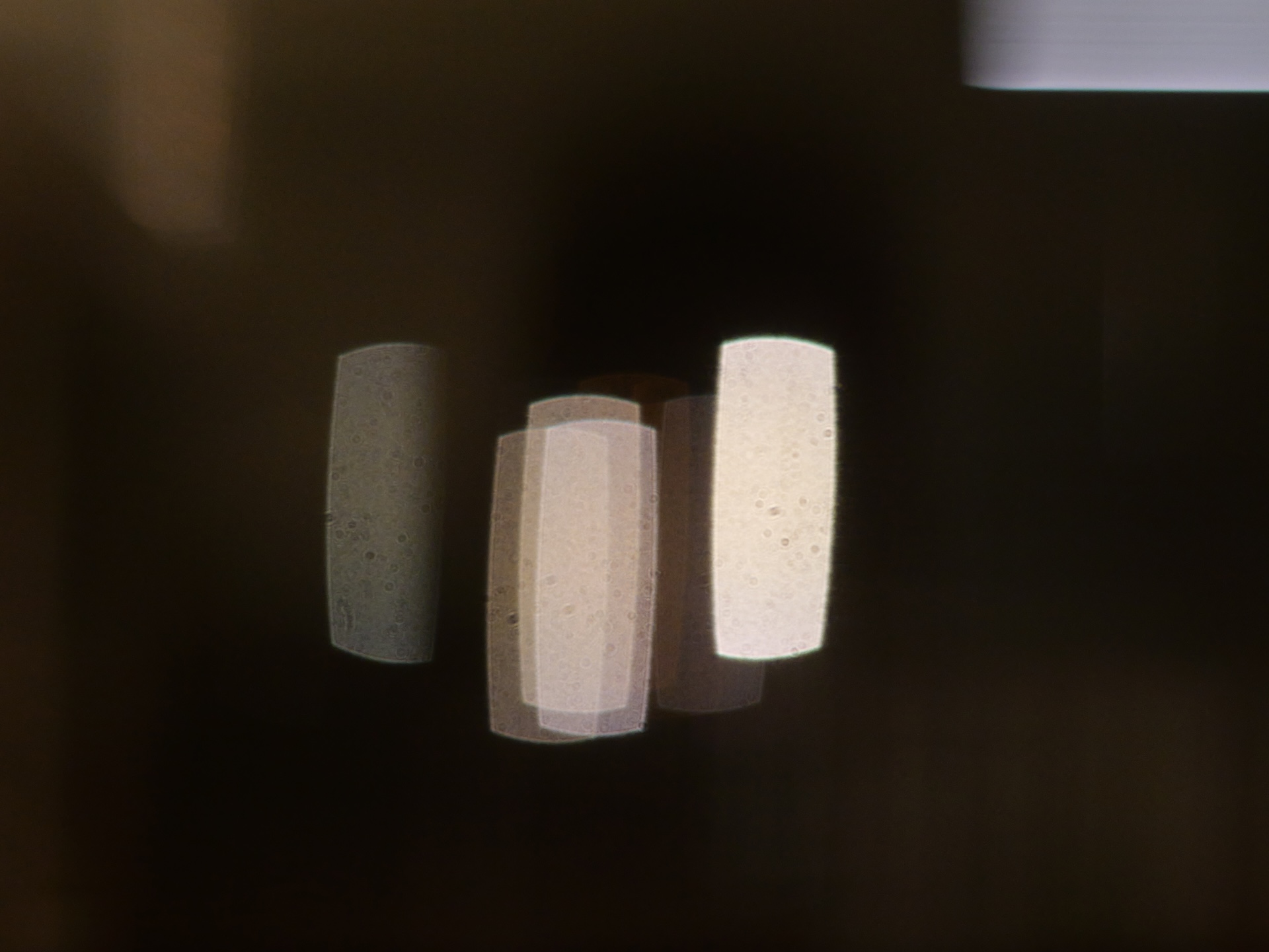
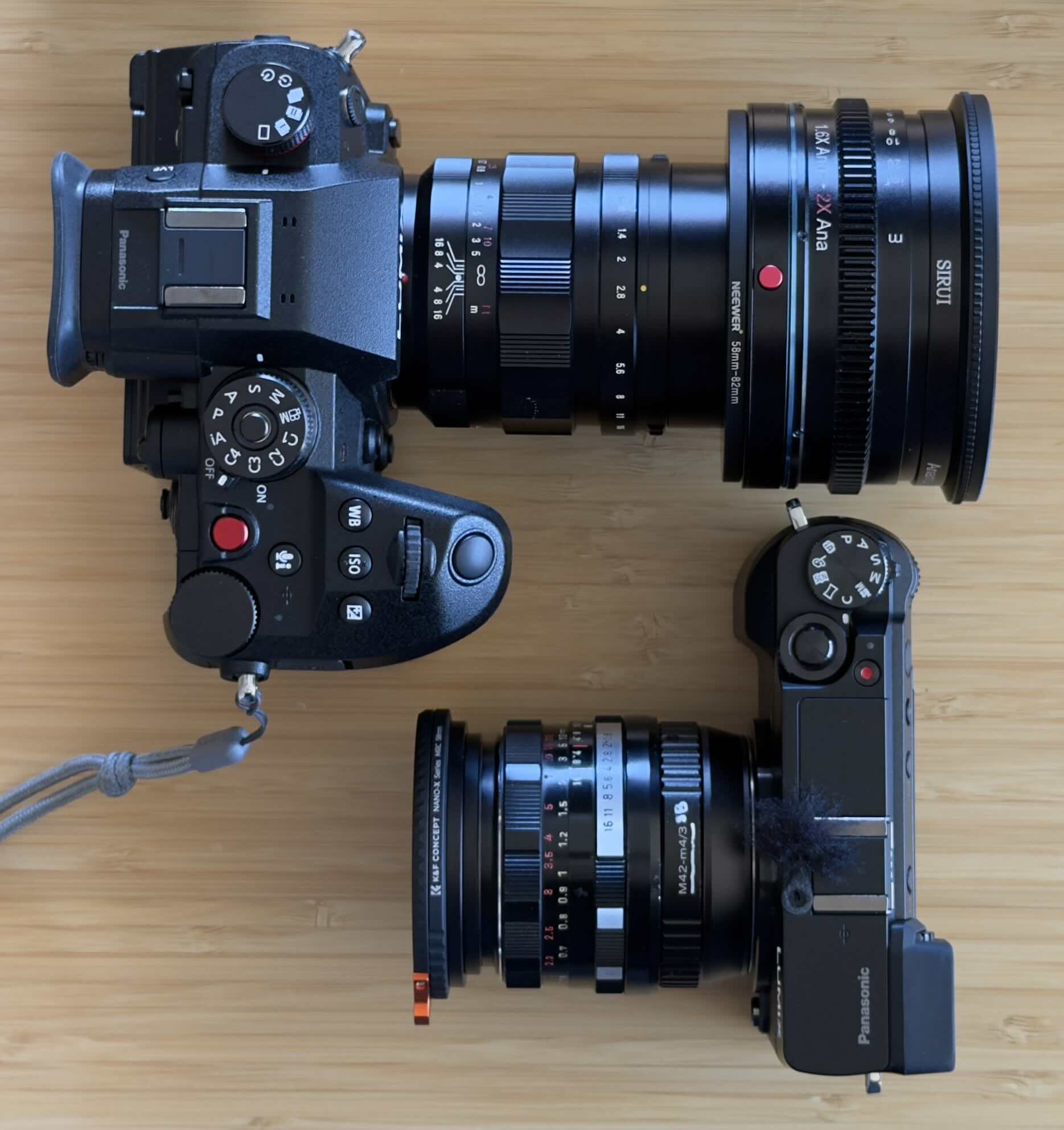
On my last trip I shot with the GH7 >> Voigtlander 42.5mm F0.95 >> Sirui 1.25x anamorphic adapter, and was really taken with the images, which remind me of 90s/00s cinema. But the setup was big, heavy, and didn't have as much shallow DOF as I wanted as I was shooting a lot of compositions at a distance without having many/any things in the foreground. Optically it's equivalent to a 68mm F1.5 on FF. A good horizontal FOV, although it's a 'between' amount and I would go wider and crop rather than going tighter. Physically it's large and heavy, weighing 2.1kg 4.6lb and with the 82mm front gave me very little stealth factor, further justifying shooting street with such a long focal length. Despite me shooting in busier areas and stopping when I first come upon a composition, people clocked me very frequently. In terms of the brief, I think that I want: - similar horizontal FOV (H-FOV) - shallower DOF - similar softness (the Voigts are nicely soft wide open, taking off the digital edge beautifully) - funkier bokeh, preferably stretched consistently vertically rather than swirly / cats-eye - smaller / lighter - not thousands of dollars I'm pondering how to get there, I've figured a few potential pathways... Vintage speedbooster - GH7 >> Speedbooster >> ~50mm F1.4 I already own a M42-MFT speed booster, which combined with a ~50mm F1.4 lens would give a 71mm F2.0 FOV. This is slightly deeper DOF but is only a AUD200 or so, and when combined with an oval insert, can give great bokeh. This is a proof-of-concept shot with a M42-MFT speed booster and a 50mm F1.8 lens with a couple of bits of paper stuck to the rear lens element: This is definitely a vintage / funky approach, but isn't so fast. This leads us to the elephant in the room, which is that while MFT is excellent at a great many things, very shallow DOF isn't really one of them. We are using a 0.71x speed booster already but need to decrease the crop-factor further. Vintage speedbooster + wide-angle adapter - GH7 >> Speedbooster >> ~50mm F1.4 >> Wide-angle adapter If we add a 0.7x wide-angle adapter (WAA), we end up with a crop factor of 0.995, which is essentially FF. This seems promising as TTartisan noticed that everyone-and-their-dog wanted a longer telephoto lens to go with their M42 Helios, and gifted us an M42 75mm F1.5 swirly bokeh master. Combined with the SB + WAA that gives us a 75mm F1.5 which is a bit longer than I'd want, but is interesting. BUT, and it's a big but (I cannot lie) Spherical wide-angle adapters seem to be universally rubbish. I bought two ultra-cheap WAA and they were rubbish (when shot with a fast lens wide-open anyway) which is to be expected, but recently I snapped up a Kodak Schneider Kreuznach Xenar 0.7x 55mm adapter, which should be a fine example of the breed, and it was also pretty rubbish. Certainly, more 'vintage' than I am looking for. Subsequent research lead me to conclude that people stopped making these adapters once the mirrorless revolution happened and people stopped using fixed-lens camcorders. I'd be happy to be proven wrong..... However, there is one type of wide-angle adapter that is available with modern optical standards, and that's the anamorphic ones, which leads us to... More anamorphic - Blazar Nero 1.5x anamorphic adapter This is probably my ideal anamorphic adapter in many ways (but one) as it's smaller and lighter than the Sirui, isn't quite as sharp (I don't mind) and has more squeeze to-boot. If I use it on my 42.5mm Voigtlander lens it widens the HFOV compared to the Sirui (not ideal) and also doesn't change the DOF. If we combine its 0.667x HFOV boosting with my 0.71x speed booster we get a crop factor of 0.95 - wider than FF! So, combined with that 75mm F1.5 TTartisan lens, that's a 71mm F1.4 equivalent. Compared to the 68mm F1.5 we started with that's only a slight improvement in DOF, and only a slight improvement in size and weight, but we've paid the better part of AUD2000 to do it. ...and for that kind of money, we can just buy a FF camera. Go Full Frame - but what to buy?? Remembering our original goal, the option that stood out to me was the Lumix S9. It's small, has a flippy screen, and is within consideration at around AUD1500 used. The OG S5 is similarly priced and I hear it has some good mojo. There might be others too. Ideally, I'd go with a smaller body, as if I'm paying this much for a new system, starting with a GH7-sized body seems counter-productive. The S9 is very similarly sized to my GX85 and here's a comparison of sizes... [GH7 + Voigt 42.5/0.95 + Sirui] vs [GX85 + SB + 50mm F1.8]: The weights are similar - those setups are 2110g vs 800g - more than 2.5x the weight. In terms of lens options, this is a world I am unfamiliar with, but considering we've just blown most of our budget on the body (and spare batteries etc) lenses can't cost too much. Considering I am inclined towards cheap/funky/vintage MF lenses, I figure the options include things like: Vintage 50mm F1.4 lenses (like a Takumar) on a dumb adapter The swirly 75mm F1.5 TTartisans on a dumb adapter The 7artisans 75mm F1.4 in L-mount These aren't shallower DOF at all! FF is a lie! (I kid.. well sort-of anyway) Even if I spring for more expensive options like a 50mm F0.95 that still has deeper DOF due to the shorter focal length, and it doesn't look like F0.95 lenses for FF are affordable for anything other than 50mm. If I start adding serious weight again with things like a Sirui 150mm T2.9 1.6x and then attach my 1.25x to it, I'd end up with a 150mm T2.9 2x anamorphic lens, which has a HFOV of 75mm T1.45, but the combo weighs almost as much as my GH7 rig does in total! No wonder the replacement series from Sirui were made from carbon fibre! Perhaps the only real jump in shallower DOF is to combine FF with an F1.4 prime and an anamorphic adapter, like FF + MF 85/1.4 + Sirui 1.25x adapter which would give an HFOV of 68mm F1.1, which is definitely faster. If this was the S9 then it would be smaller and lighter, but is still 75% of the weight and most of the size of my GH7 rig. But I suspect there are better more 'inventive' options. I want cheaper and lighter and I'm willing to 'pay' for it in image quality (actually I'd PREFER less sharp glass with more funk) so there have got to be other paths too. One I can see is to continue the speed-boosting pathway with a L-mount speed booster like 0.71 EF-L / FD-L / PL-L / NIK-L and then pair it with a ~100mm FF lens that might have a greater than FF image circle and not only get a shallower DOF but also get to see some funk at the edges (or even the actual edge of the circle which might be really cool). Unfortunately vintage 100mm F1.4 lenses don't seem to be common or cheap. My current leanings are to accept defeat and just go with the [GH7 >> M42-MFT SB >> oval cutout >> vintage 50mm F1.4 Takumar] option, which gives a 71mm F2.0 FOV, and only costs a couple of hundred dollars.
1 point