All Activity
- Past hour
-
Not only the Leica :- )
-
 Emanuel reacted to a post in a topic:
The GX85 "Super-16" project
Emanuel reacted to a post in a topic:
The GX85 "Super-16" project
-
 Emanuel reacted to a post in a topic:
The Aesthetic Part 3 - Film as the new reference
Emanuel reacted to a post in a topic:
The Aesthetic Part 3 - Film as the new reference
-
There are so many variables when it comes to how you're viewing the film images. Negative film has wide dynamic range and soft highlight rolloff. Positive film has much more limited dynamic range and pretty hard highlight rolloff. Faster film tends to be grainier. Filmmakers with a big budget would be choosing their film stock for aesthetic/style reasons. Imagine shooting Taxi Driver on the same technicolor low-grain film stocks that were used for The Sound of Music. Bright saturated colors would have been terrible for Taxi Driver. Scorcese chose less gritty films than some others might, but Travis Bickle lives in a relatively desaturated/dark world and that's for the best. Filmmakers with low budgets were likely to choose the cheapest film stock they could and some even used the leftovers that weren't exposed from the productions of others. Or in the case of John Waters, whatever film he could steal. Next, as you said, for these classic films, you aren't necessarily looking at scans from the master negatives. You might be looking at scans of the release prints. They didn't always save the masters. It could even be a second or third-generation print. Then to add to that, the way the film gets transferred matters. Did they scan the original negatives or a print? How was it scanned? Was the film being scanned perfectly flat? What compression was used on the scanned image? Was it scanned or telecine? If telecine, which projector lens was used during the telecine process? As far as the lenses, razor sharp lenses have been available for a long time, including in the 50's, and including wide angles. Lots of vintage wide angles are a little softer in the corners, but they can be very crisp in the center... but fashion applied in many eras of film, just as it applies now. For some of the softer images, especially close-ups, they might have been using a net filter, made more complicated by the net filter potentially being mounted behind the lens instead of in front. https://www.provideocoalition.com/the-secret-life-of-behind-the-lens-nets/ I'm sure I'm forgetting more things too. Like almost anything going through an analog to digital process, there are about a bazillion variables to consider along the way.
-
 douglaswilson456678 joined the community
 -
Great posts, sticky this! Your contribution here @kye is priceless and a fine example for everyone, myself included : ) It's always a pleasure to read your thoughts! :- ) Keep going… I’m linking to it elsewhere, BTW ; -) Food for my trainee students. : D
- Today
-
Emanuel reacted to a post in a topic:
The Aesthetic Part 3 - Film as the new reference
-
Emanuel reacted to a post in a topic:
The Aesthetic Part 3 - Film as the new reference
-
Famously, the greases that Leica used in their old lenses would evaporate and deposit on lens elements over time. It can be cleaned, but the danger of evaporation/depositing is real!
-
eatstoomuchjam reacted to a post in a topic:
Please recommend me some Manual Focus EF lenses!
-
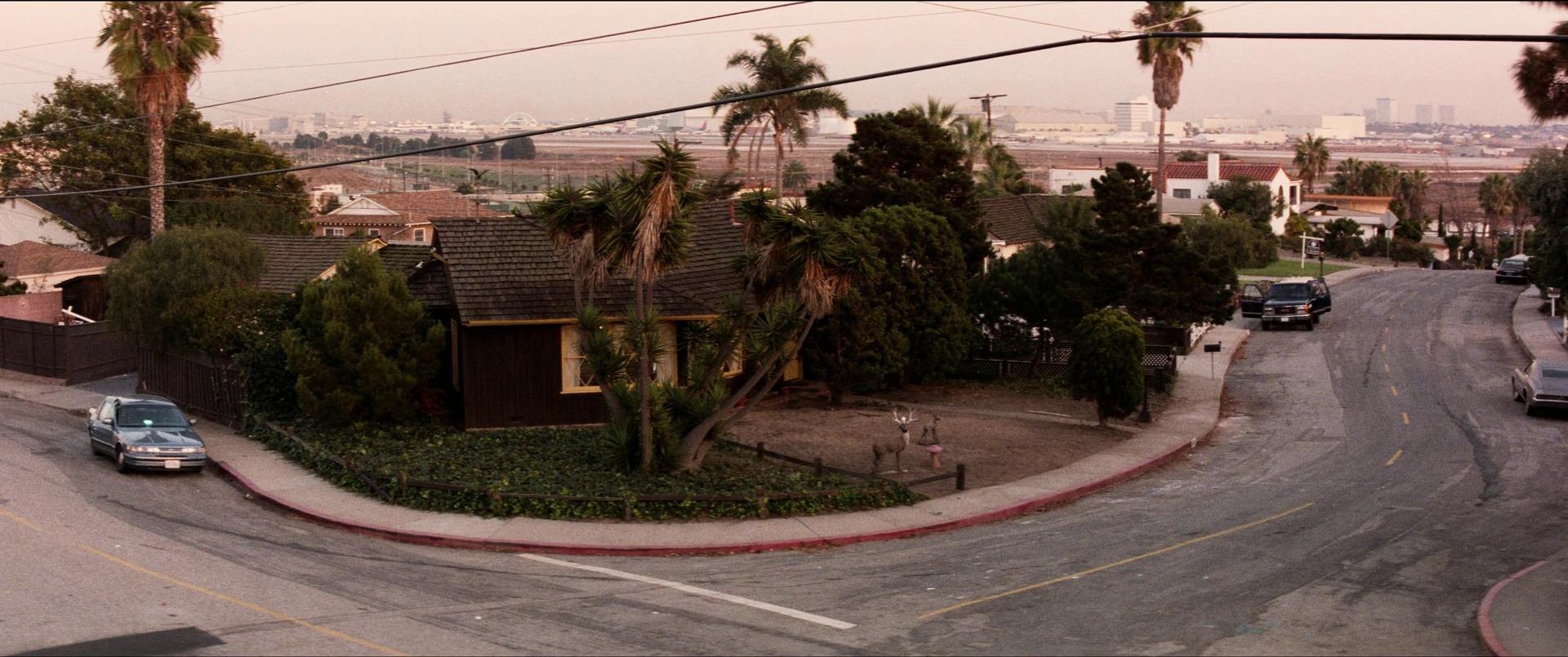
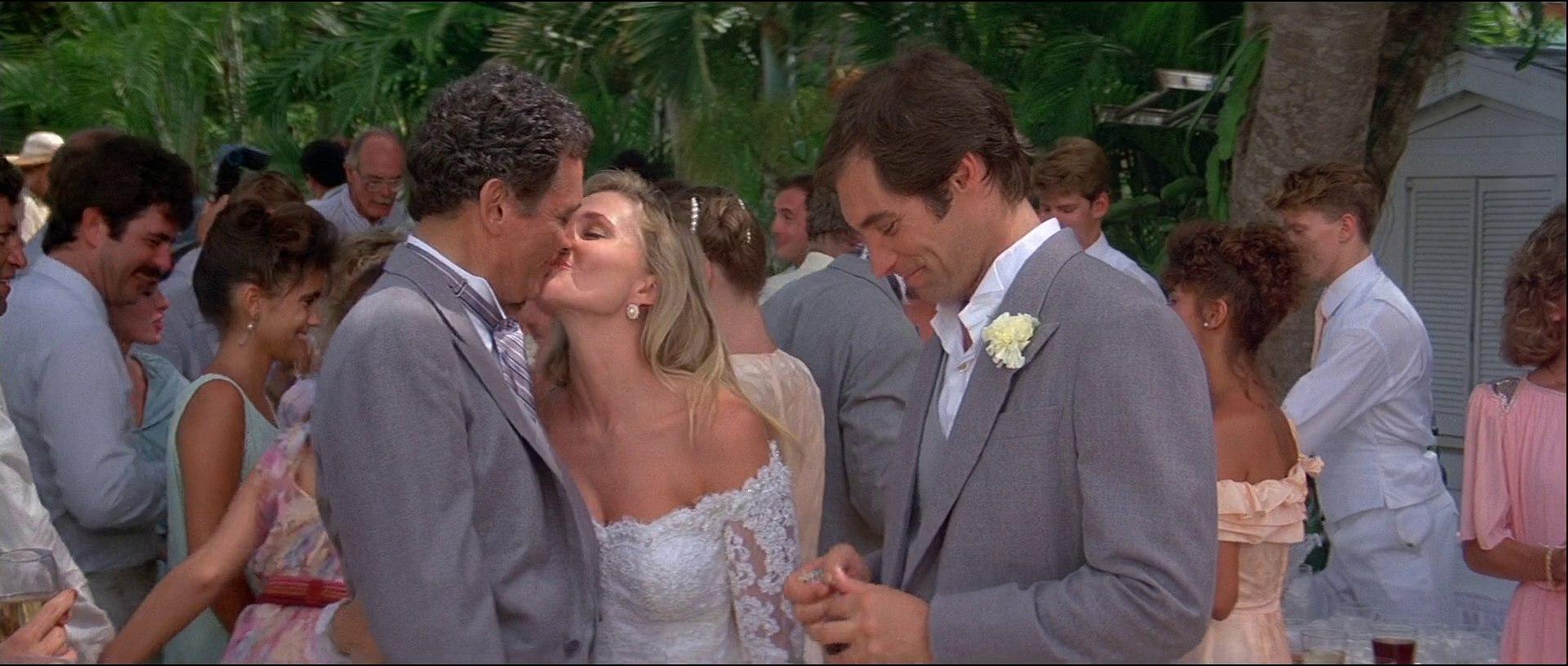
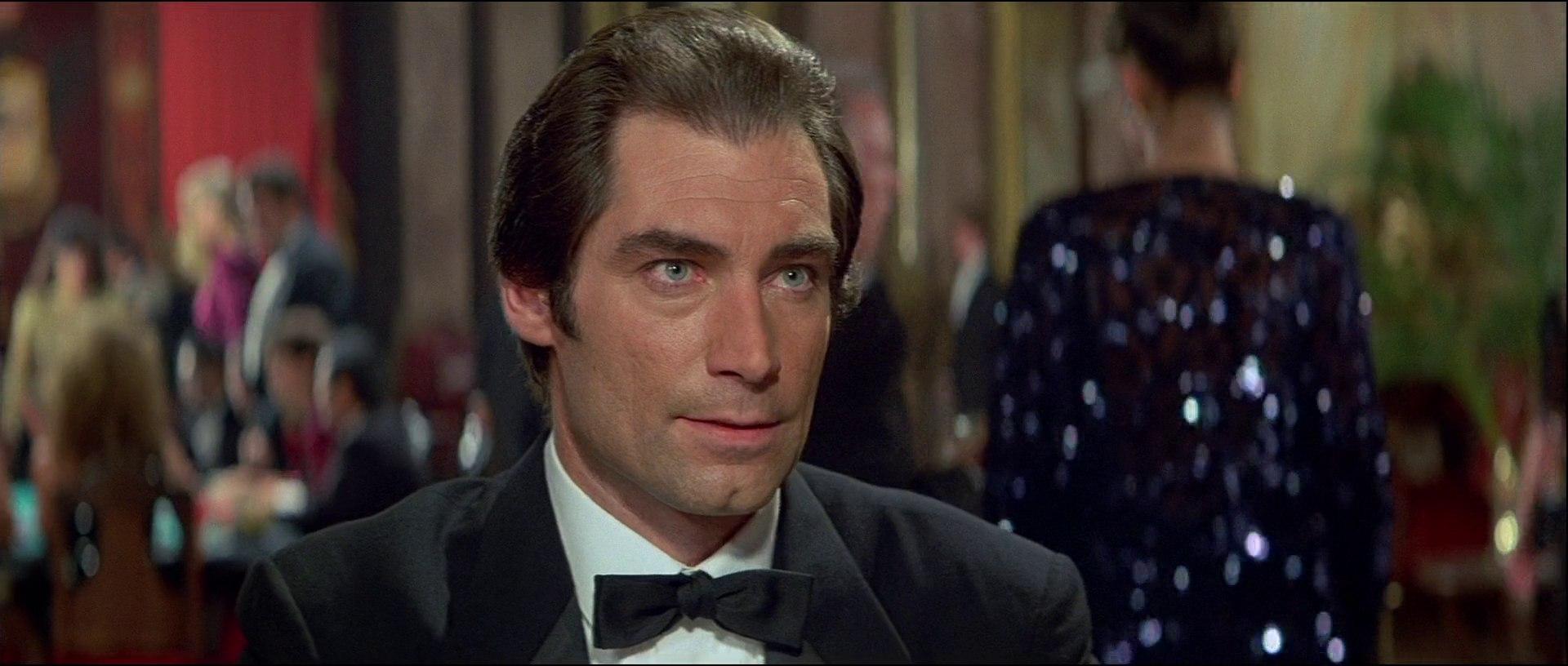
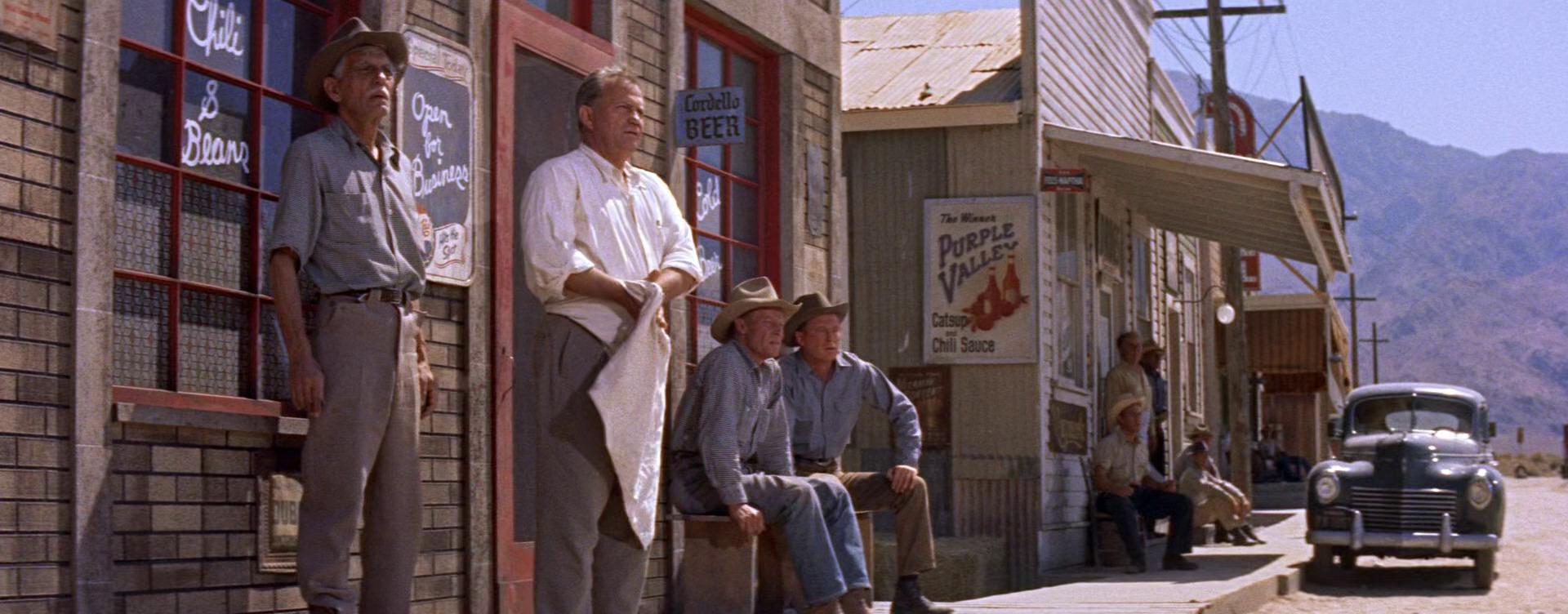
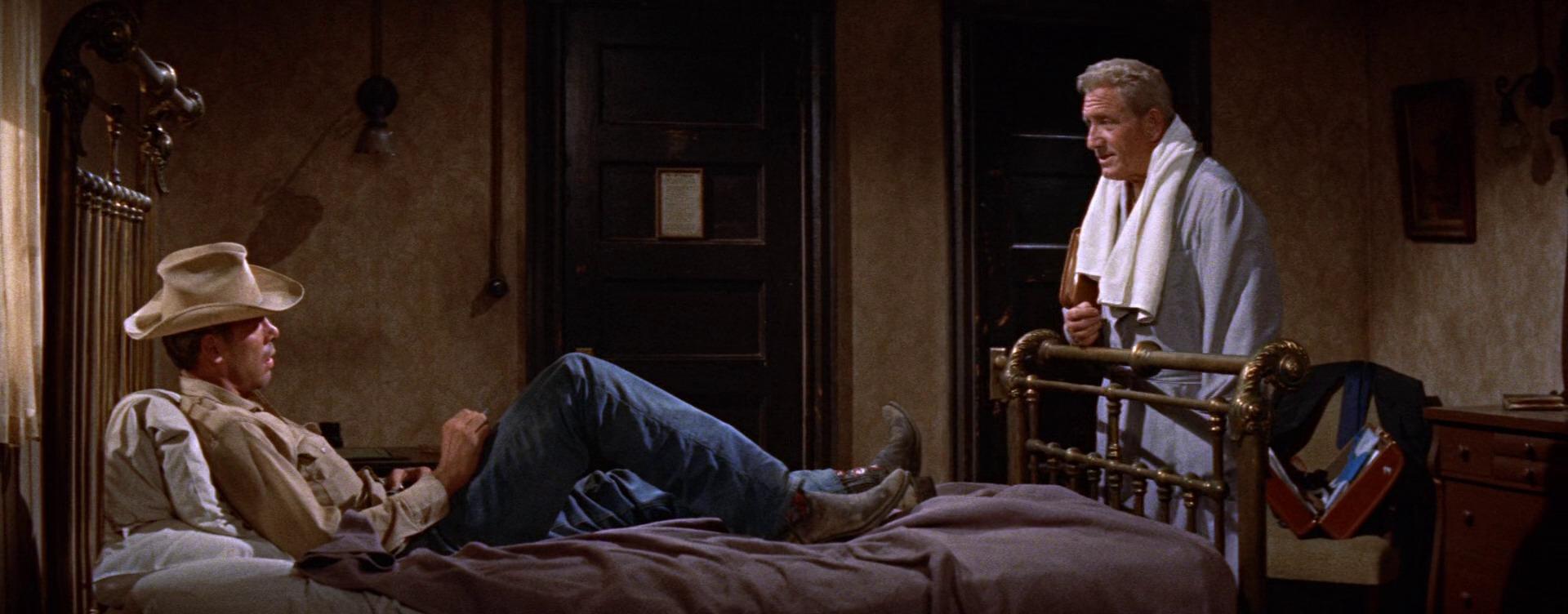
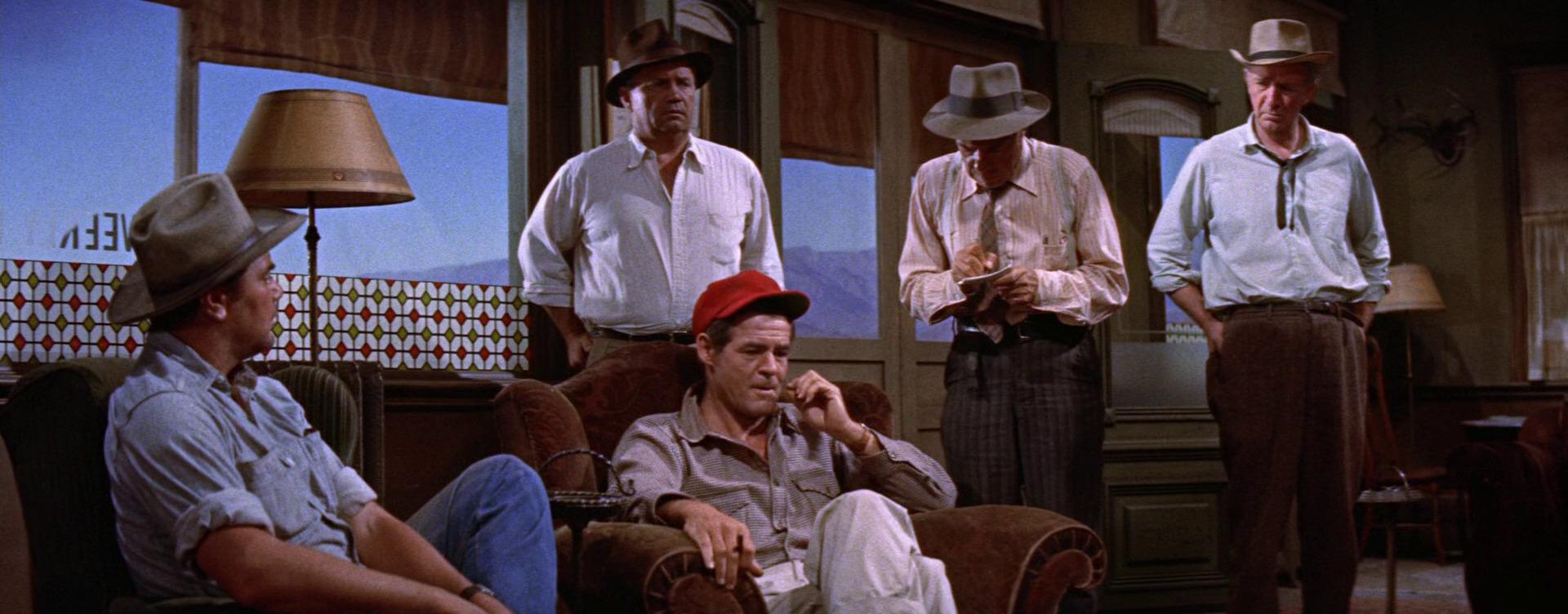
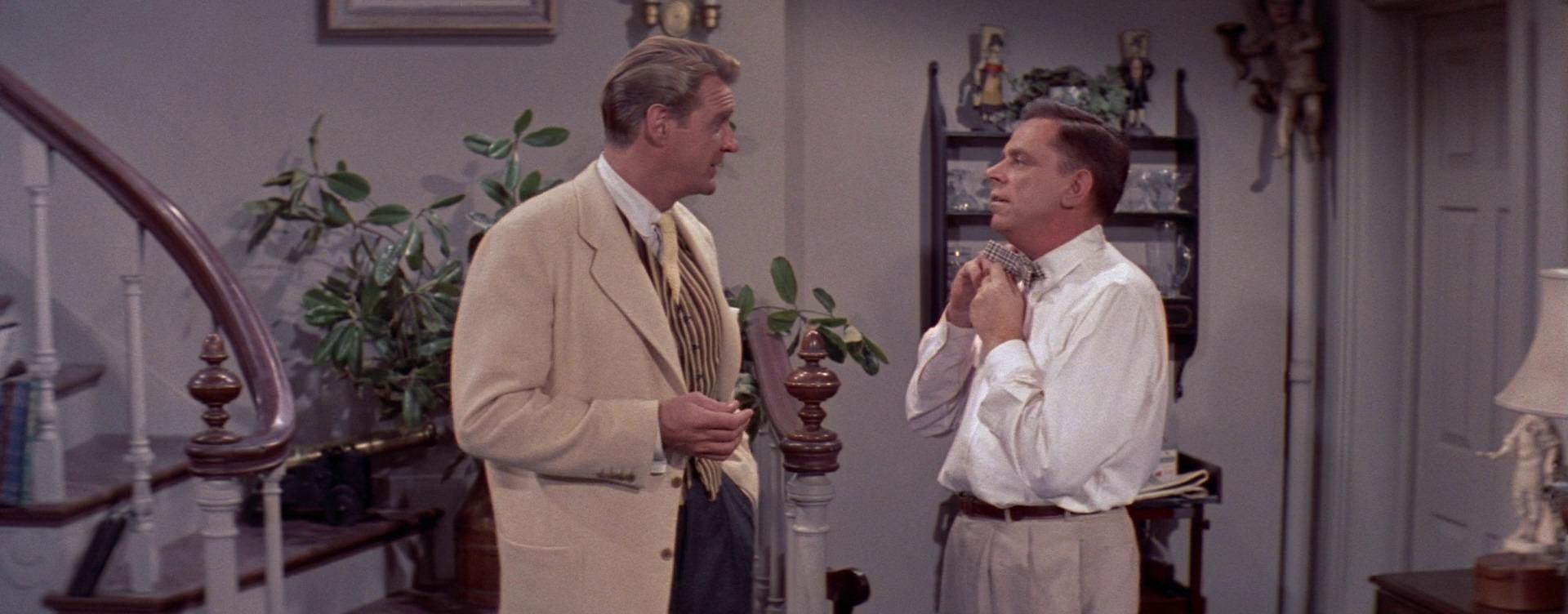
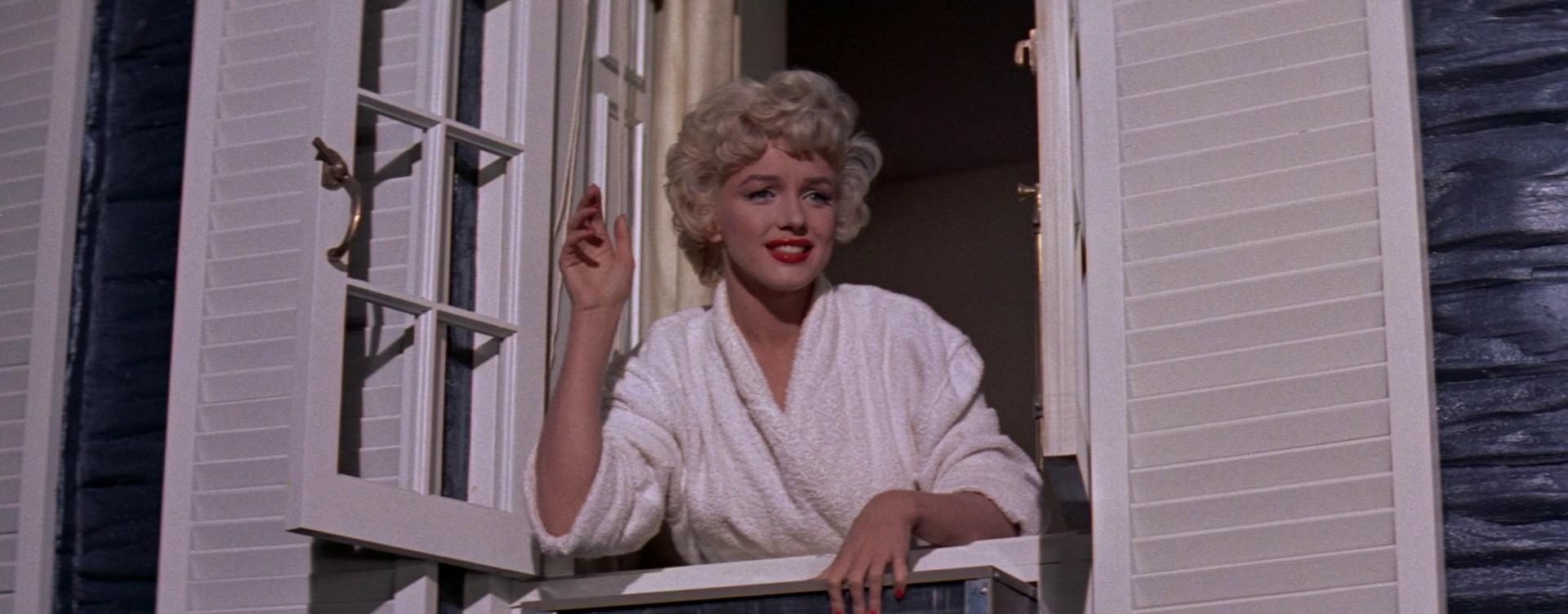
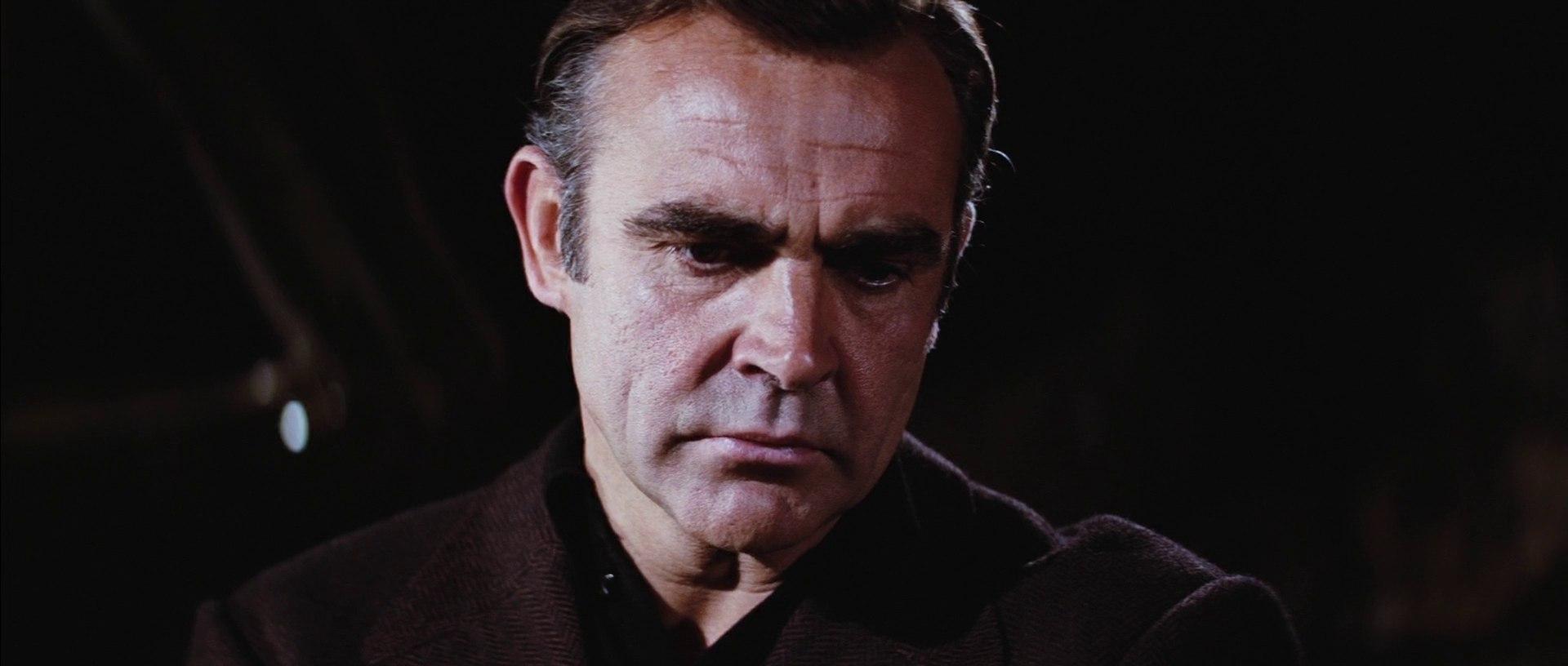
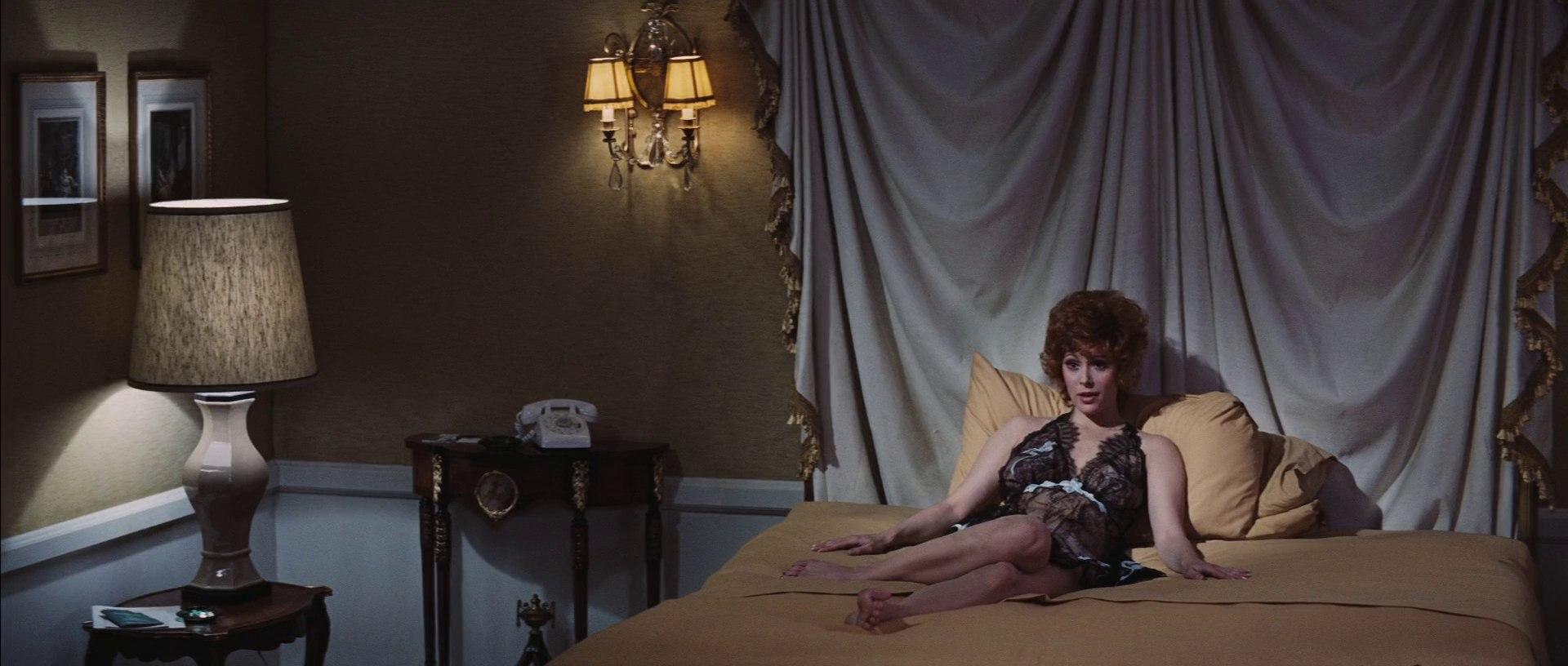
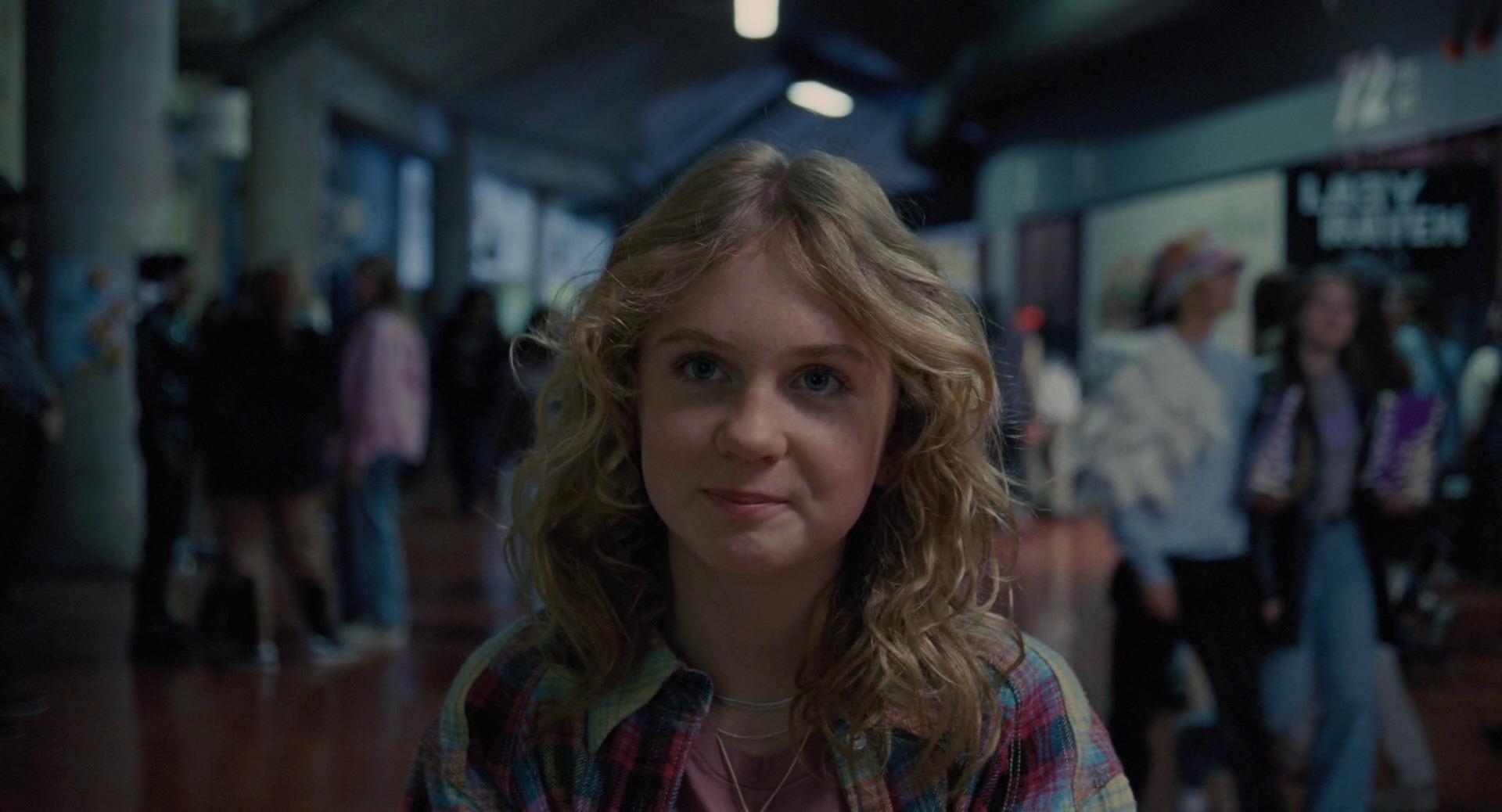
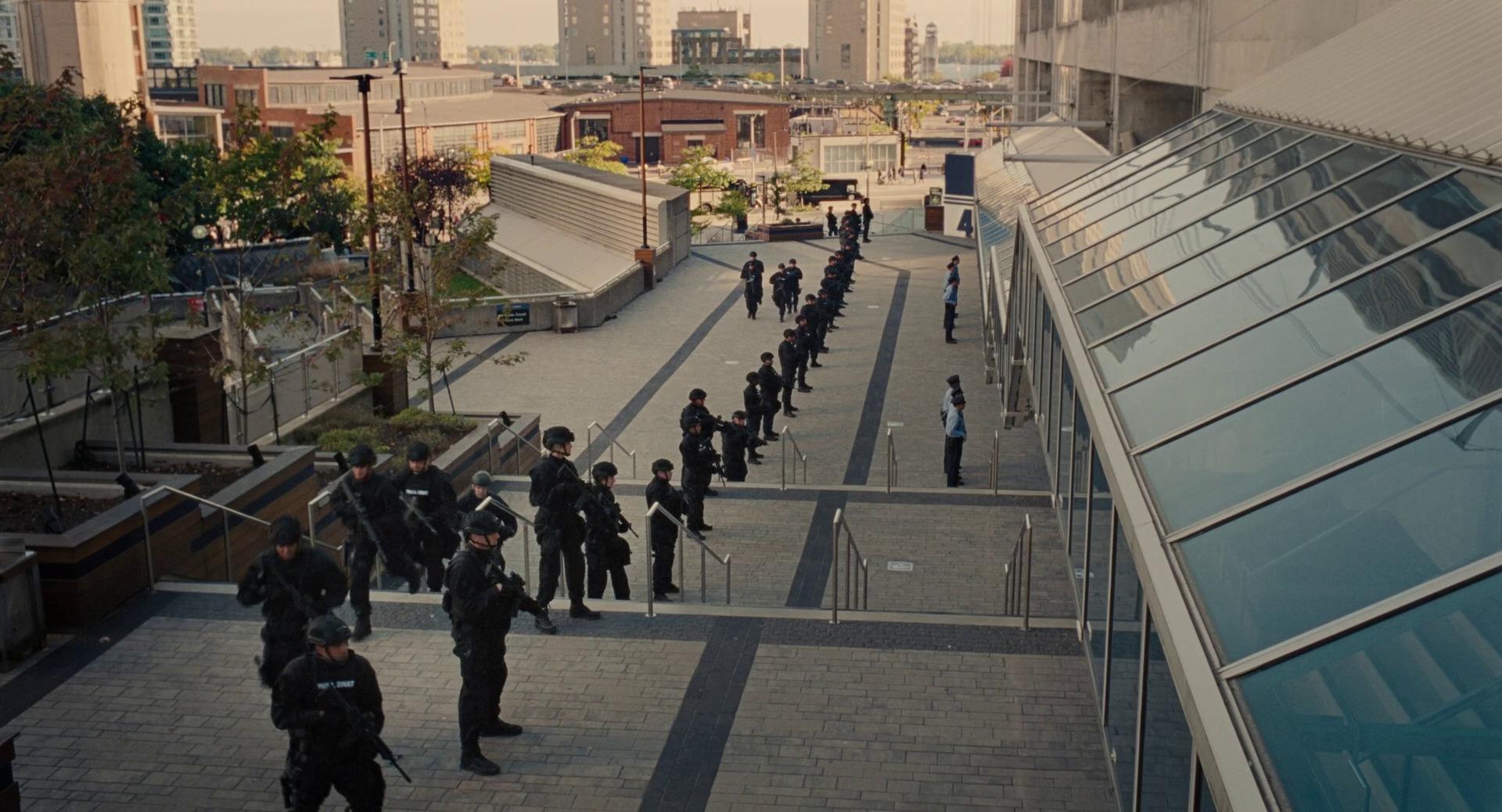
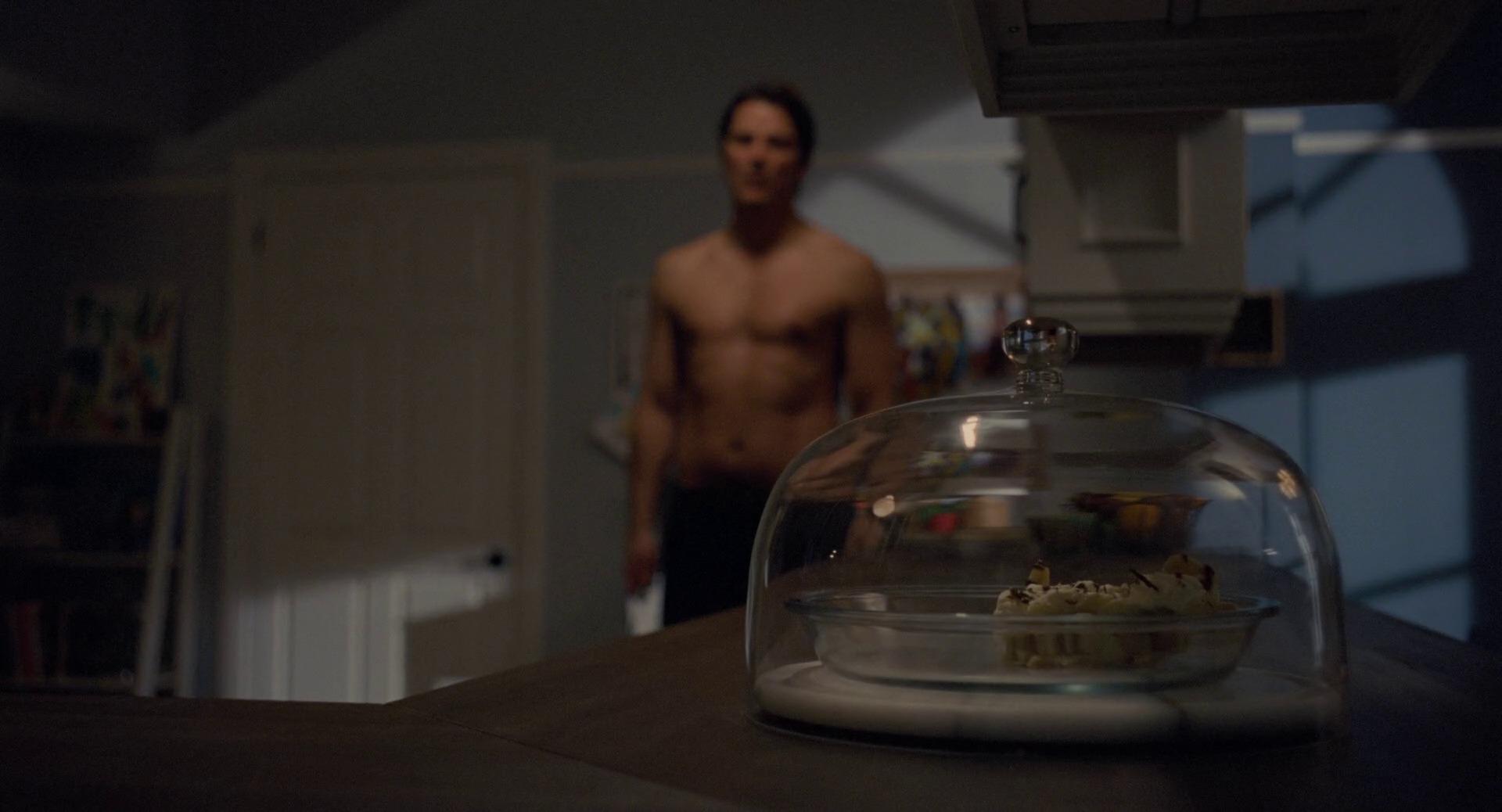
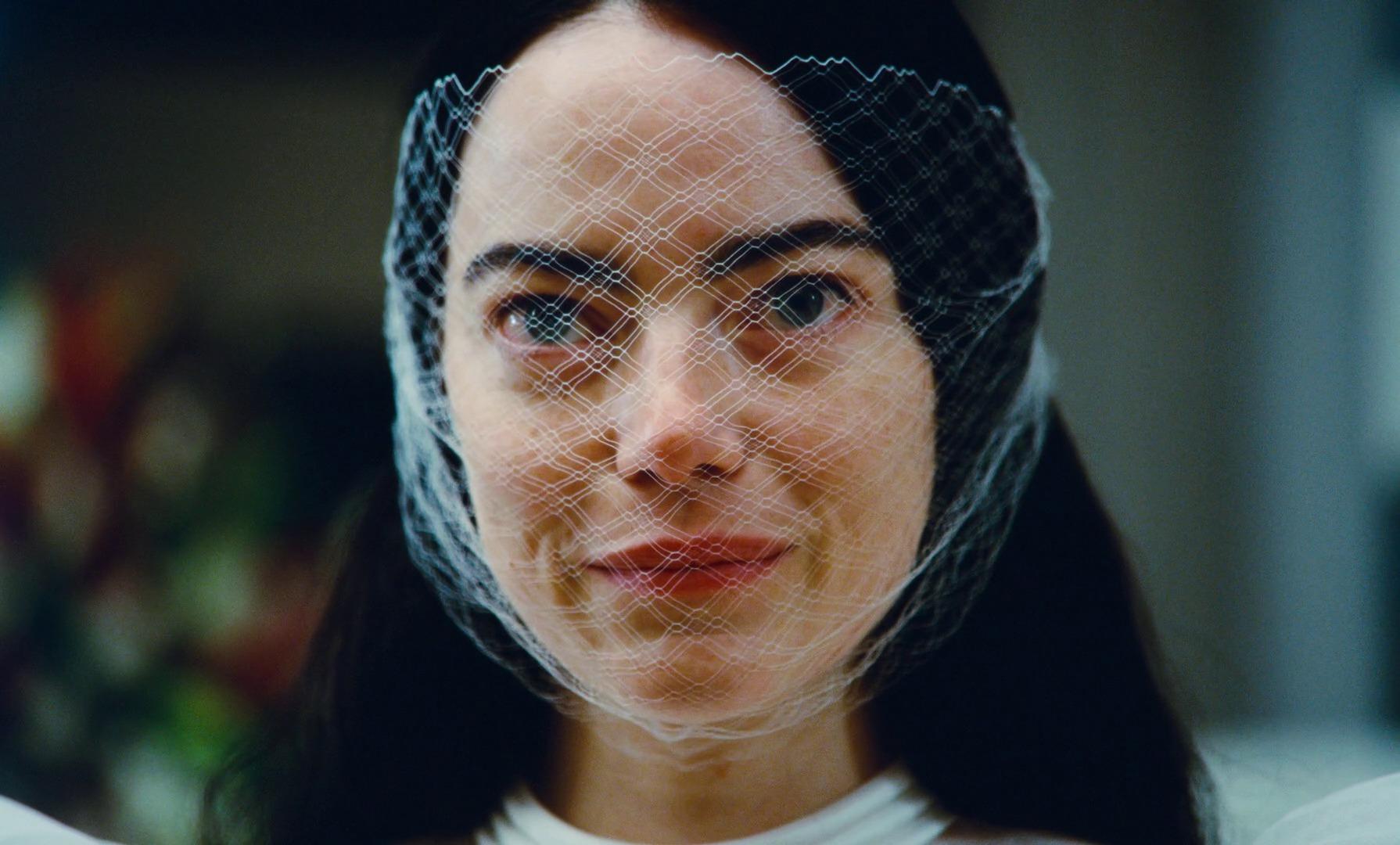
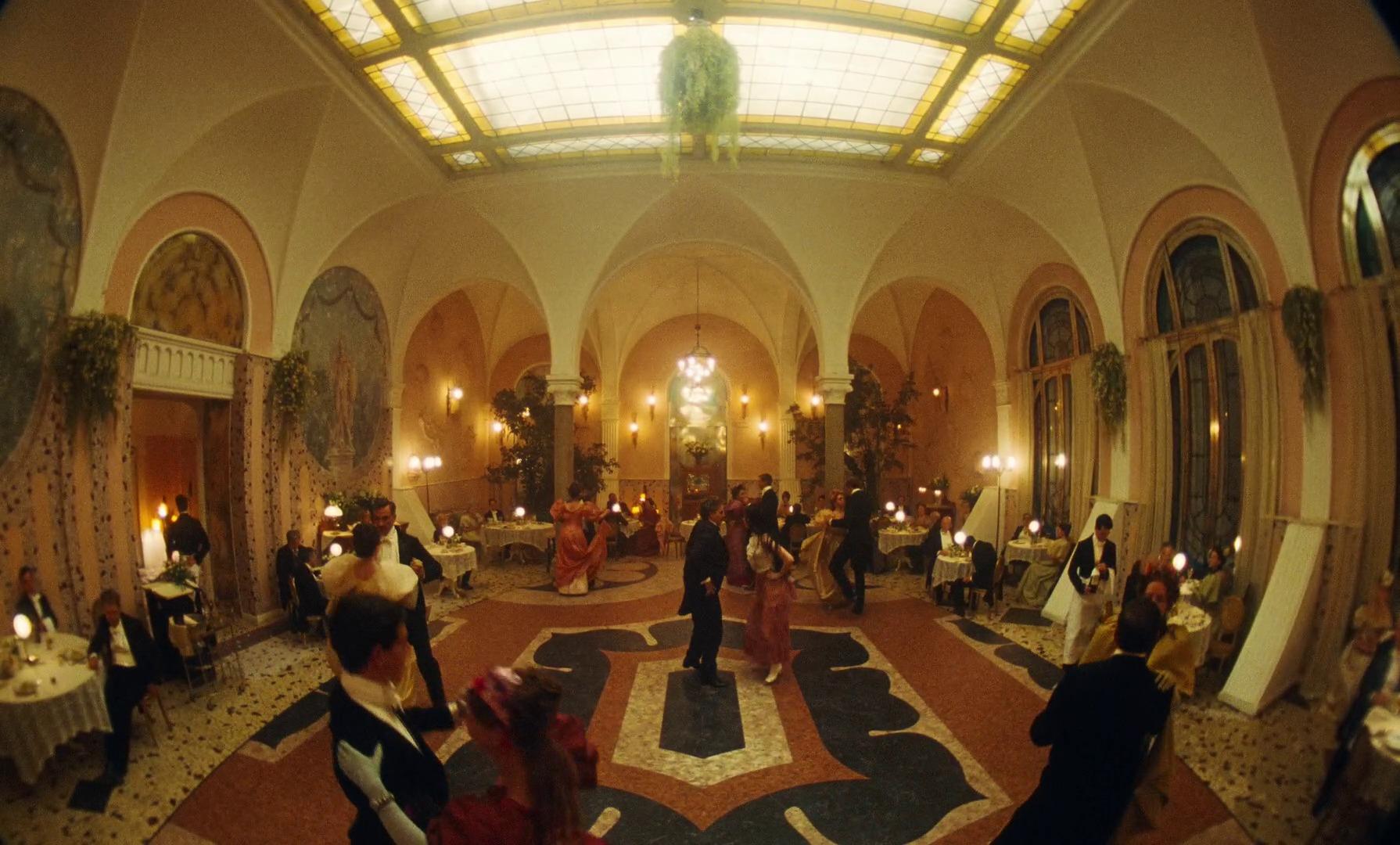
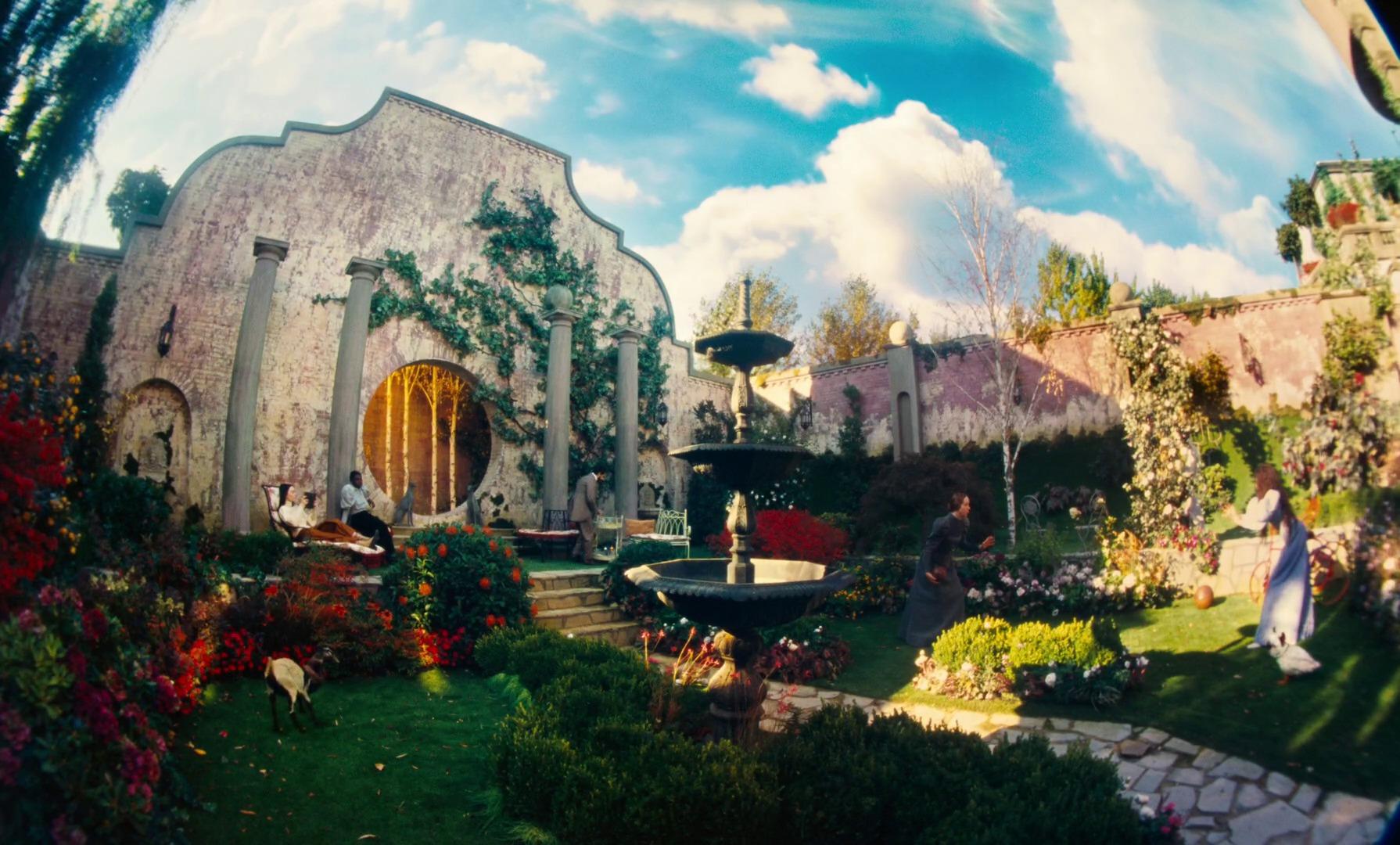
Now I have mostly progressed my GX85 Super-16mm "conversion" I am turning back to a more generalised look at film and The Aesthetic as it pertains to cinema. My next step is to convert my S16 emulation into a 35mm emulation, which shouldn't be that hard as it's the same stuff but just using more of it, so turning down the grain and backing off the softening and size of halation and bloom etc. In order to get my bearings I've collected a bunch of frame grabs from cinema over the decades, and some fascinating things have emerged. Observation One: Film doesn't look like it's gotten cleaner and sharper This is what people say, but when scrolling through the references, you can find things like this from 1952's Bend of the River: and then things like this from 1994s Speed: Obviously you need to be smart about things, so both these shots are likely to be locked off, focus wouldn't be missed, lit naturally and exposed properly, etc. There are lots of shots from Speed that are soft, but it's an action movie so lots of them are probably motion blurred or the action was impacting how well that frame was focused etc. Luckily, License to Kill from 1989 will get us back to safe ground with some nice sharp images: But how are these images possible all the way back then? One thing that comes to mind is that when consulting Kodaks excellent Chronology of Film page, you see that the negative stocks started off as very low sensitivity and increased over time, so it's like comparing the high-ISO of todays cameras to the native ISOs of past cameras. Observation Two: Images look like they've gotten less worse The further back you go, the more you find shots that should be sharp but just aren't. The example above from 1952 was a real outlier, as most of the images from that time looked more like these from 1955s A Bad Day at Black Rock: I suspect the quality of the lenses. All the above looked like wider shots, so maybe that lens wasn't so good (wider lenses are harder to make). Maybe it wasn't at its sharpest F-stop. A lot of the sharpest images across the frame grabs I looked at were close-ups, and I suspect back then a 50mm at it's sharpest aperture and focus distance was a lot better than a wider lens at whatever F-stop and focus distance was required for the scene. Check out these grabs from 1955's The Seven Year Itch: Monroe was at her height of popularity so there's no way she's getting the beat-up lenses from the rental company or a camera team that doesn't know what they're doing. I can't think of any reason these two particular images would be softer than the technology at the time would have allowed. By 1971 things seemed to have gotten a lot more consistent with Diamonds Are Forever: Then if we fast forward to the last few years, we get films like 2024s Trap, which looks quite sharp and even approaching a digital look: but still has films over-emphasis of high-contrast edges: and it's a similar case with 2023's Poor Things which can look quite sharp: but on wides it still has that film look: and it's only when the lenses get crazy that the edges start looking more vintage again: Anyway, lots of food for thought, but it's almost like the sweet spot of film has remained relatively similar in performance but has gotten drastically wider as you can now get images that are that sharp and clean in much less light and across a vastly wider range of lens focal lengths and apertures. Another variable is that prior to digital projection, the final image had to go through many more layers of film than it has to now. Back in the day the image pipeline was something like: negative → interpositive → internegative → release print, rather than just negative -> scan, and it's not like our projection lenses haven't gotten better now too! Let me know if you can think of any more variables that I didn't mention, but it's like we're looking at lenses get better and film be useful in more situations, rather than it get "better".

-
It actually feels like it's in a softer set of threads, so it's not like metal on metal where it grips and then slides easily, this just requires a certain level of force to get it to move and once moving it requires the same force to keep it moving. I would absolutely never ever put something like WD-40 into an optical assembly! Not only would it potentially dissolve or melt any plastic it comes into contact with, but solvents can 'wick' into things and spread across surfaces (especially bad if those surfaces are on the inside and you can't get at them to clean them), and solvents will evaporate and likely fill every void or space with fumes, which can potentially condense on the surfaces of the lenses and dissolve the coatings etc. I've glued things together before with PVA glue, which is water based, and after the glue had dried (ie, the water in it evaporated) it had condensation all over the sensor and lens etc. I set it on a windowsill in the sun to dry for a few days and it cleared up fine, but I think that was mostly because it was water and that didn't interact in any way with the lens or sensor elements.
-
Speaking of the dials registering the wrong way, I've mostly noticed that on dials when you rotate them quite slowly, so it seems like trying different speeds might be the best strategy. It's also good to get a decent light source and look over the surface of it by looking at the reflections as you rotate it. I'd be looking for any evidence it's been dropped etc, especially on anything that's meant to move like the buttons or dials etc, but also on the corners. I dropped my GF3 on one of its corners and as it's a metal chassis it just got a little flat spot and wrinkle, but you can feel it if you pay attention.
-
I was going to suggest one of those friction clothes, mum has a few in the kitchen drawer for hard to open jam jars. If that didn't work, one drop of wd-40 on the threading left to sit over night, only one drop mind you as you dont want to find out that wd-40 might be also good at delaminating glass elements
-
maxJ4380 reacted to a post in a topic:
Please recommend me some Manual Focus EF lenses!
-
Ty Harper reacted to a post in a topic:
Sigma Fp review and interview / Cinema DNG RAW
- Yesterday
-
The faster the lens being boosted, the more likely you'll have some speed booster artifacts. Even with Metabones, I don't think I'd go past 1.2. If you really wanted to go that way, and it's off-topic for this thread, but I'd suggest looking at the Voigtlander 29/0.8 which, IIRC, is native for M43.
-
eatstoomuchjam reacted to a post in a topic:
Please recommend me some Manual Focus EF lenses!
-
eatstoomuchjam reacted to a post in a topic:
The GX85 "Super-16" project
-
Wow - that's one hell of a sun star! You could use that to gain both power and respect on the entry-level stills photography sites.. they'd fall on their knees before you!! After going through the exercise of seeing what EF glass was out there I didn't see a lot of options that tempted me, so I suspect that I'll just end up leaving it attached to the Zeiss 50/1.4 and that will be that. If the image from the Zeiss is half as good as the lens' physical construction then it would be worth buying the Viltrox just to use with the Zeiss lens alone! Someone else pointed out that the Viltrox is probably only capable of F1.2 at maximum, so that would mean the Mikaton 50mm F0.95 lens is out of the running, and it was the only other thing I was really tempted by.
-
kye reacted to a post in a topic:
Please recommend me some Manual Focus EF lenses!
-
I'd use a little known plugin called Tilt Shift Blur (TSB), which comes with Resolve but is very special in a critical aspect. Normally if you have a node and give it a key then the node calculates things as normal and then uses the key as a transparency effect, so if you used a large Gaussian Blur and gave it a key then you'd get a huge blur mixed with the sharp image at the level of transparency the key dictated. However, with the TSB, the key defines the size of the blur, so you can vary the size of the blur that way. For this purpose I'd give it a luma key of the image and adjust the contrast and amount to control the relative amount of blur between the lighter and darker parts of the image. The TSB is what I use to soften the edges of the frame in my lens emulation nodes, which allows there to be no blur in the centre and it gradually transition to having a larger and larger blurring towards the edges. The fact that the key input acts as a transparency control really doesn't make much sense when applying most OFX plugins and I'm surprised they haven't made more of them smart like the TSB one where it uses the key as an input to control one or more of the OFX parameters.
-
Probably anything you do from now on is just for fun. What ways would you implement this? If it was me it would be a two or three layers, each with a lumakey for a brightness range, then different grain size on each one.
-
A quick headsup with the Viltrox adapter. Years ago, I hacked a Canon 10-18mm to make it fit, which it did. However, one day, I took it out my bag and was getting some really crazy lens flares. Turned out, the back lens element was touching the glass in the adapter when at around 12mm. In my bag, it cracked the glass in the Viltrox, and I learned there's a pretty good reason the combo didn't work without being hacked. So if you get any EFs lenses, be careful - or you'll end up with a one of a kind, megaflare adapter (I've used it a few times since because of the 'creative flaring', so it's not all bad) This photo is from the moment I noticed something was wrong. Luckily, it was on my GX85 at the time, which I was using for behind the scenes stills. So nothing was lost or ruined in a 'professional' sense.
-

Sigma Fp review and interview / Cinema DNG RAW
Anaconda_ replied to Andrew - EOSHD's topic in Cameras
Defintely check out and test the rotating thumbdial on the back. It's not specific to the FP, but I've bought second hand cameras where those things became glitchy and register as spinning one way when you spin it the other. Or flip flop between left and right if you rotate it too fast. It's probably not going to be an issue, but is the only thing I'd double check on top of what you said already. Maybe also look for damage on the pin connectors used for the EVF by the ports. -
Thanks! The colour part of the emulation (which has the rolloff in it) is just a preset in the Resolve Film Look Creator (IIRC the Fujifilm one, but if not that one then it'll be the Kodak one). Other parts of the emulation I've had to go DIY and disable those parts of the FLC, but no-one has said anything bad about the colour profile so that seems to be good. Thanks! I was just thinking about where it's at and next steps and I realised that there are a few things I hadn't done yet, but feedback suggests that it's fine how it is, so that's amusing. One of the things I had noted was that apparently the size of the grains is different in the shadows vs highlights, so I was thinking about different ways to implement that, but maybe I just won't bother!
-
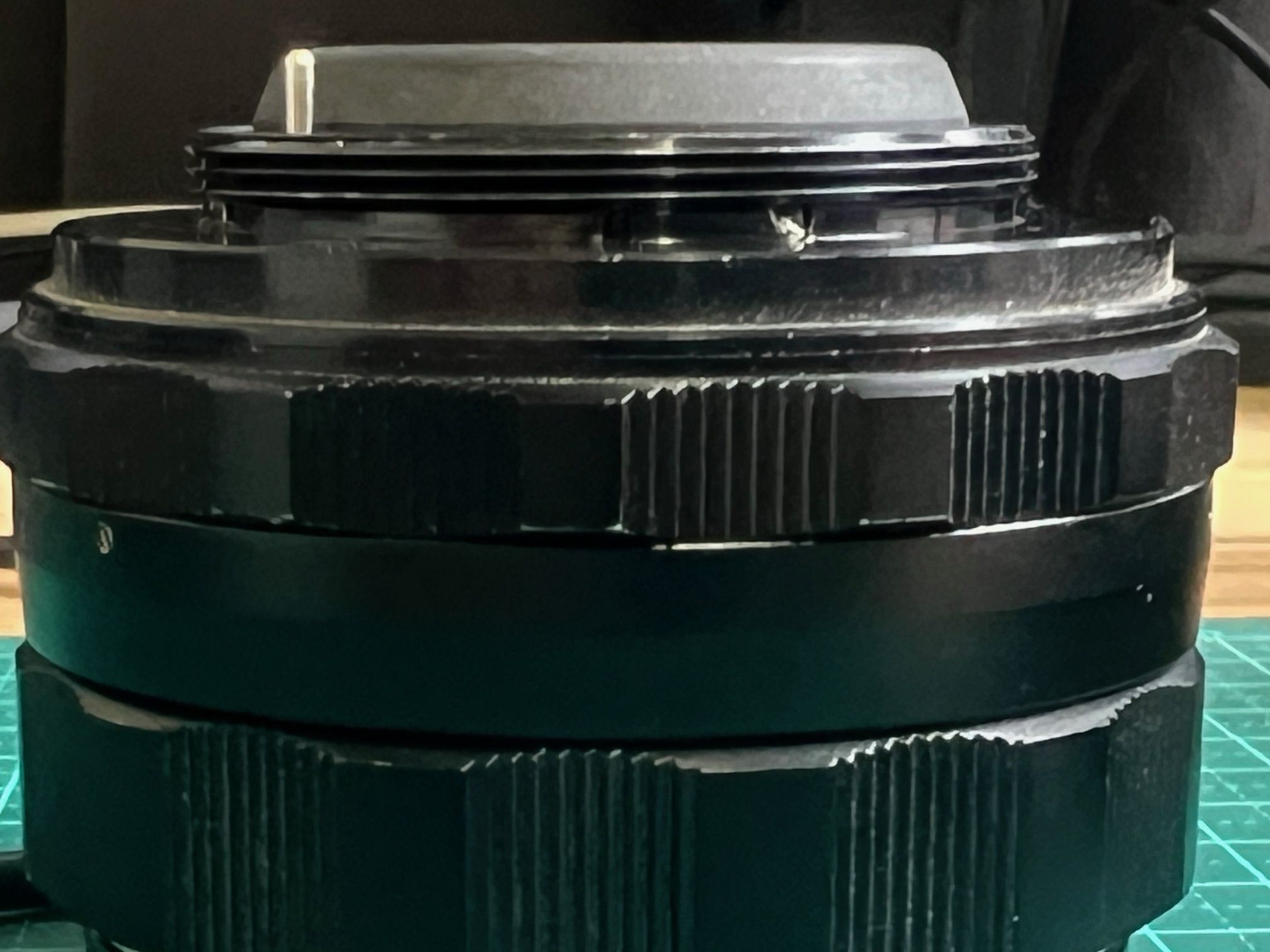
Got it! It was just quite stiff, and the technique is to take a microfibre cloth and to grip the element from both sides pressing in on the glass elements themselves to turn it. Foolishly I wasn't using the full surface of the glass! I swear I could feel the surface of the glass bend slightly to get enough traction to get the lens to move, but it seems to have worked, and I now have slightly past infinity focus. I can adjust it to dial it in but I'm curious to see if that's enough clearance for the Takumar and M42-EF adapter, so will try that tomorrow and see how I go. Damn the Zeiss is a highly engineered object though!
-
I watched the same video, but he rotates his with his fingers and I put little dents in the ends of my fingers trying and failing to get it to move. Also of note is he seems to have the EF-M2 and I have the EF-M2II (the second version of the EF-M2).
-
A very quick search found this
-
After mixing up 2 wheel barrow loads of cement, my back doesn't think very much of me.. thought i'd do some math instead. My digital calipers have decided to throw in the towel, bit like my back... tried different batteries no change. Was getting different readings, but consistent readings, so i took some measurements with the idea of helping kye out. Measuring from the back of the m42 lens to the furthest the lenses can protrude backwards on focusing gives me these measurements, er we have to minus 23.60 as thats what the calipers have decided is zero 🙄 17mm smc fisheye 30.80 - 23.60 - 7.2 35mm 3.5 super tak 31.80 23.60 - 8.2 35mm 2 super tak 31.70 23.60 - 8.1 50mm 1.4 super tak 32.00 23.60 - 8.4 85mm 1.9 super tak 0.3 so close to being flush 100mm smc macro flush to flange no change in length So it seems like the 50mm can protrude the furthest from what i have measured. With an ef adapter on the 50mm tukumar i get a distance of 7.4 Which makes sense as the thickness of the adapter looks to be 1mm. Which also has the effect of moving the lens away from the glass of the speed booster i would think. I am wondering at this point about your M42-EF adapter ? everything else works fine on it ? I have had 2 bad experiences with cheap adapters curious if yours is cheap ? I'd be tempted to reexamine your adapter. 50mm at full extension. Thats 8.4 mm from lens protrusion to the back of the lens. Anything on youtube as to altering the viltrox ? maybe a lens clamp seen them used on pulling lenses apart.
-
The plot thickens.... My Zeiss ZE 50/1.4 arrived and (apart from being an incredible chunk of glass and metal) it won't focus to infinity on the Viltrox EF-M2II. The Zeiss is properly seated on the Viltrox, the Viltrox is properly seated on the camera, and it's talking to the camera fine. I'm blaming the Viltrox because both the Zeiss and M42 Takumar both have the same issue, plus, the Zeiss has a hard-stop for infinity so it will be well calibrated and I'd trust their engineering over Viltrox any day! The advice online is that the optical element inside the Viltrox can be rotated to fix the issue, which makes perfect sense, only mine doesn't rotate, and I gave it a good go (with just my fingers) but it wouldn't budge. Do I just need to (carefully) attack it with tools? Any advice?
-
In my opinion, you've made it there!
-
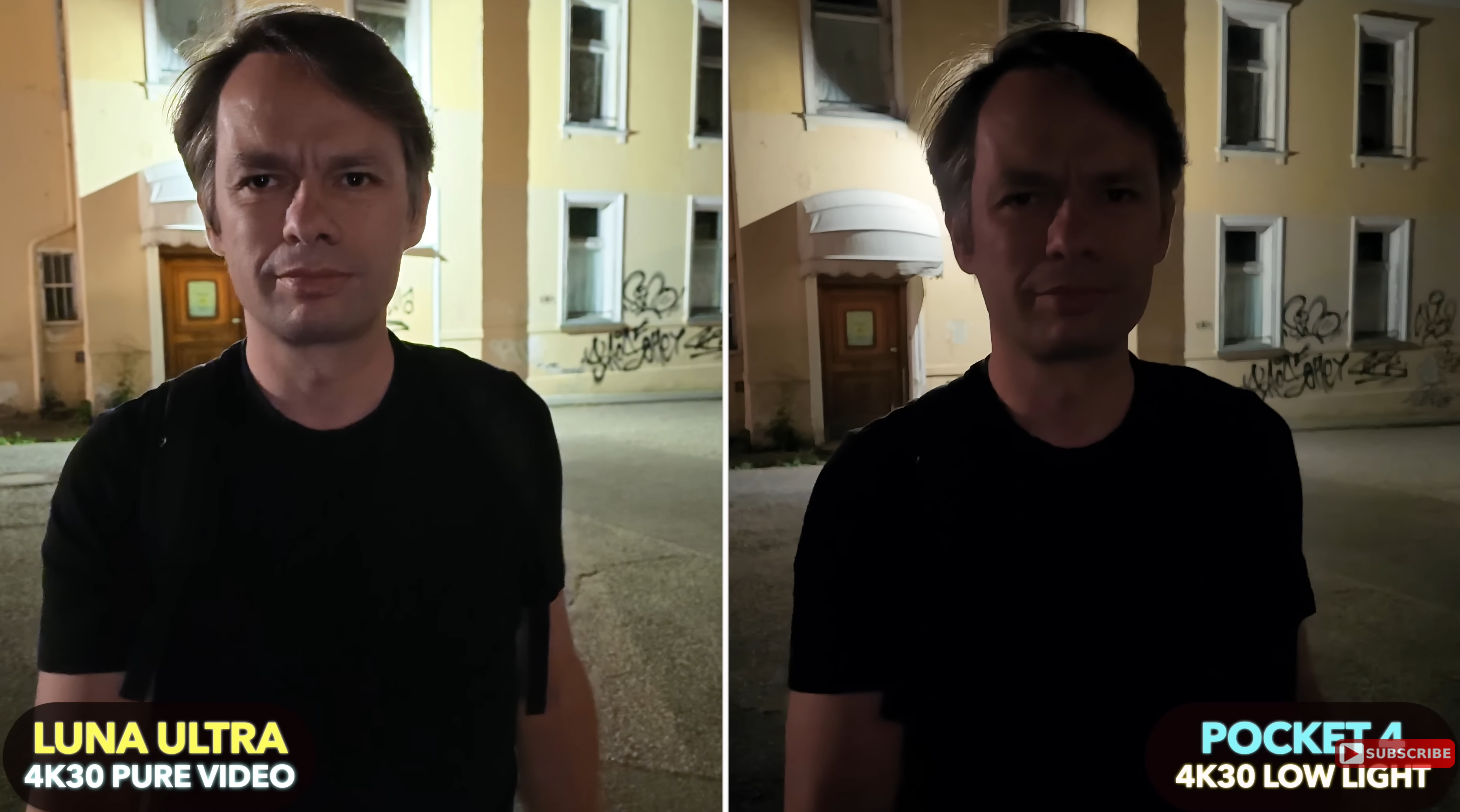
 Breaking news. The product is so obvious no-brainer, DJI has decided to declare a legal war against their most serious threat: https://petapixel.com/2026/06/11/dji-is-suing-insta360-for-violating-multiple-osmo-pocket-patents/ The apocalyptic precedent is Kodak v. Polaroid, where Kodak was effectively pushed out of instant photography, but that was a much deeper, ecosystem-level disaster, not just another Tuesday in consumer electronics litigation. DJI has itself been through patent warfare with Autel over drones. And Insta360 recently faced GoPro in a camera-related dispute that did not exactly erase its current lineup from existence. Apple and Samsung spent years throwing patent grenades at each other before settling.
-
When not the Leica MP or the new Insta360 Luna Ultra, they use one of those Blazar anamorphic AF lenses on the camera operated by the person accompanying him and here's a good sample:
- Last week
-
Impressive if nothing else ; ) And here’s another feature that is, undeniably, not only pure fun: ...but just useful enough to say the least : X
-
Hard to compete with the Chinese, humm? Looks like (real) life follows politics.