
jzagaja
-
Posts
34 -
Joined
-
Last visited
Content Type
Profiles
Forums
Articles
Everything posted by jzagaja
-
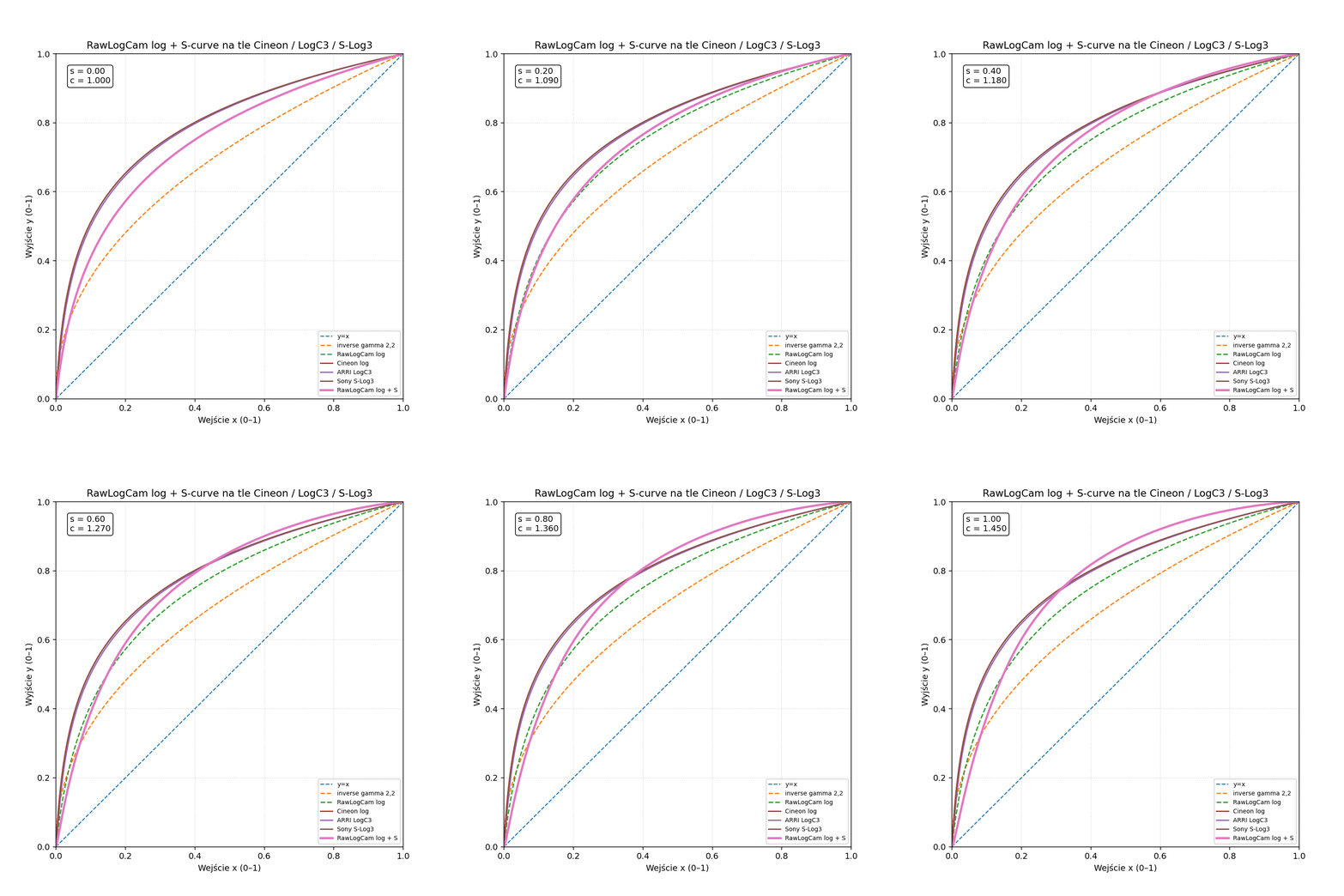
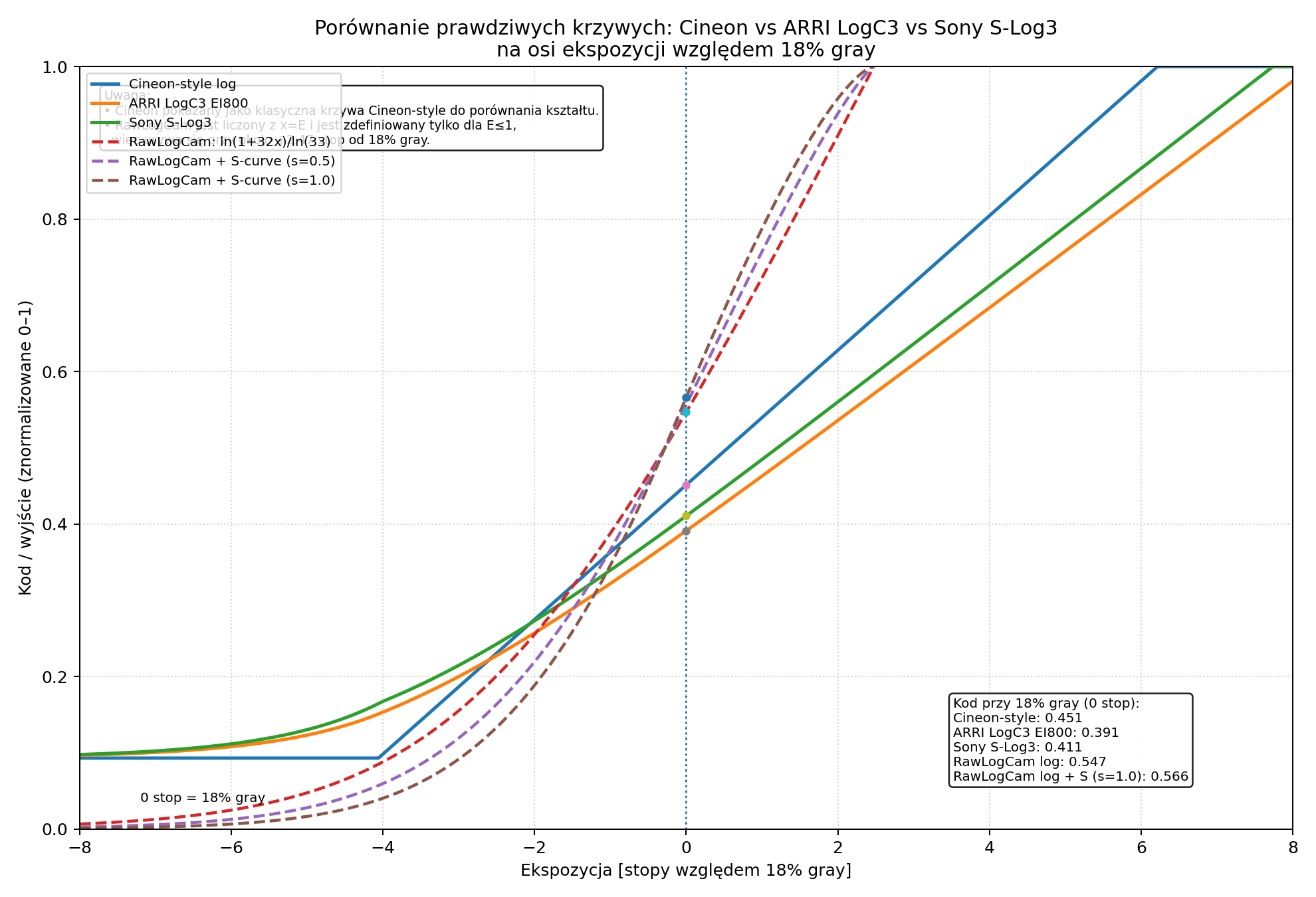
I would have published the demo already, but I’m currently having a problem with GUI rotation between portrait and landscape modes — it used to work, and then suddenly stopped. RAW/RAWC does a nice job of compressing the full usable dynamic range of the smartphone sensor.I'm still making little adjustments

-
Honestly, publishing an app on the Play Store is a nightmare for me.
-
Raw Log Camera Demo – looking for closed testers (Android) The first signed demo bundle is ready for closed testing on Google Play. I am looking for Android users who can test the app and report bugs or usability issues. Current focus: • RAW and RAWC recording • IT8 calibration and color profiles • Astro mode • Motorola Edge 50 Pro and other Android devices Google requires at least 12 testers to remain opted in for 14 days before Open testing becomes available for this new developer account. If you would like to help, please join the tester group: https://groups.google.com/g/rawlogcam-closed-testers After joining, please reply with the Google account email used for Play Store testing. I will share the Play opt-in link and test instructions with the group. Demo recording is limited to 20 seconds. Feedback about drops, exported H.265 playback, GPU preview, RAWC stability and IT8 behavior is especially welcome.
-
I’m waiting for Google Play Store verification — they require an ID check before I can publish the demo version for beta testers.
-
Quick update: I tested the Motorola Edge 50 Pro hardware encoders and could not find a working HEVC 4K60p path for the full RAW-derived frame size. c2.qti.hevc.encoder accepts configurations like 2160×2880 @ 60 fps and 2880×2160 @ 60 fps, but fails after the first frame with UNKNOWN_ERROR. Rotation does not help. The same size works at 30 fps, and 1080p60 works, so this looks like a real Qualcomm encoder limit/driver issue, not an AAC or RAW/DNG problem. So the current plan is: RAW/RAWC master: full resolution, 60 fps H.265 quality proxy: full resolution, 30 fps H.265/H.264 smooth proxy: lower resolution, 60 fps if supported PC export: final 4K60p from RAW/RAWC/DNG A more interesting idea is to use the extra RAW60 frames for HDR30: alternating short/long exposures, then merging pairs of frames into a 30 fps HDR output.
-
Quick update on RAW → H.265 export: The RAW side can stay full resolution and 60 fps, but I hit a Qualcomm encoder issue on the proxy/export side. The `c2.qti.hevc.encoder` accepts `2160×2880 / 60 fps`, but after the first frame it returns `UNKNOWN_ERROR`, followed by Android’s misleading “Released state” message. So it does not look like an AAC or RAW/DNG problem — more likely a hardware encoder limit/bug with that portrait HEVC configuration. I’m testing possible workarounds, especially encoding the same frame as `2880×2160 / 60 fps` landscape, but the safe fallback is to keep RAW at 60 fps and export H.265 as smooth 30 fps by taking every second frame.
-
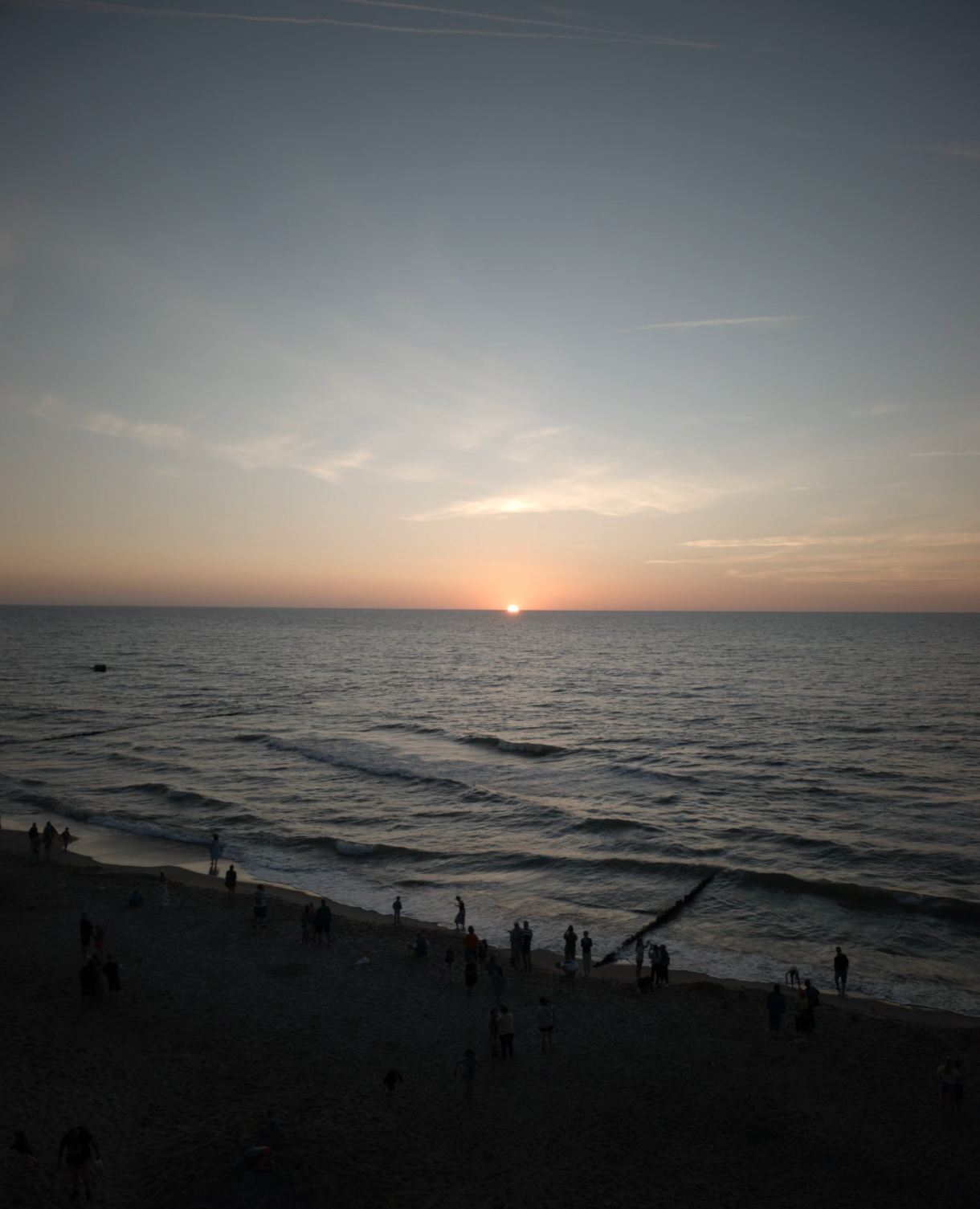
RawLogCam RAW frame + IT8 TRC vs Motorola native video app. RAW is very life like on HDR screen.
-
Agfa Copex Rapid + Rodinal 1:100
-
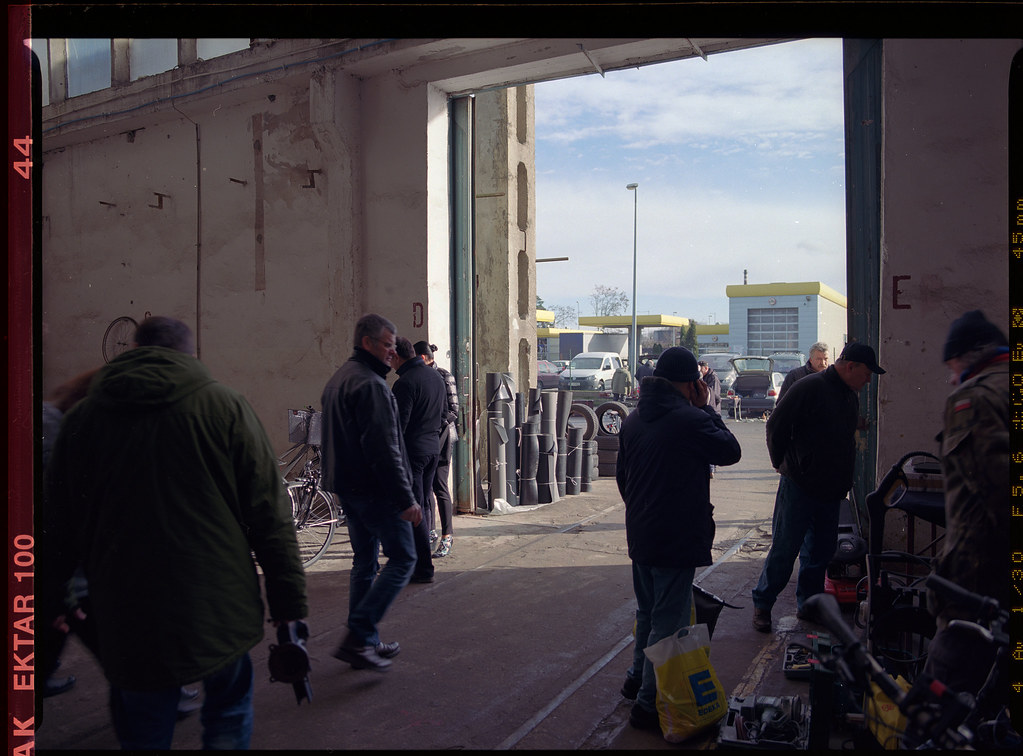
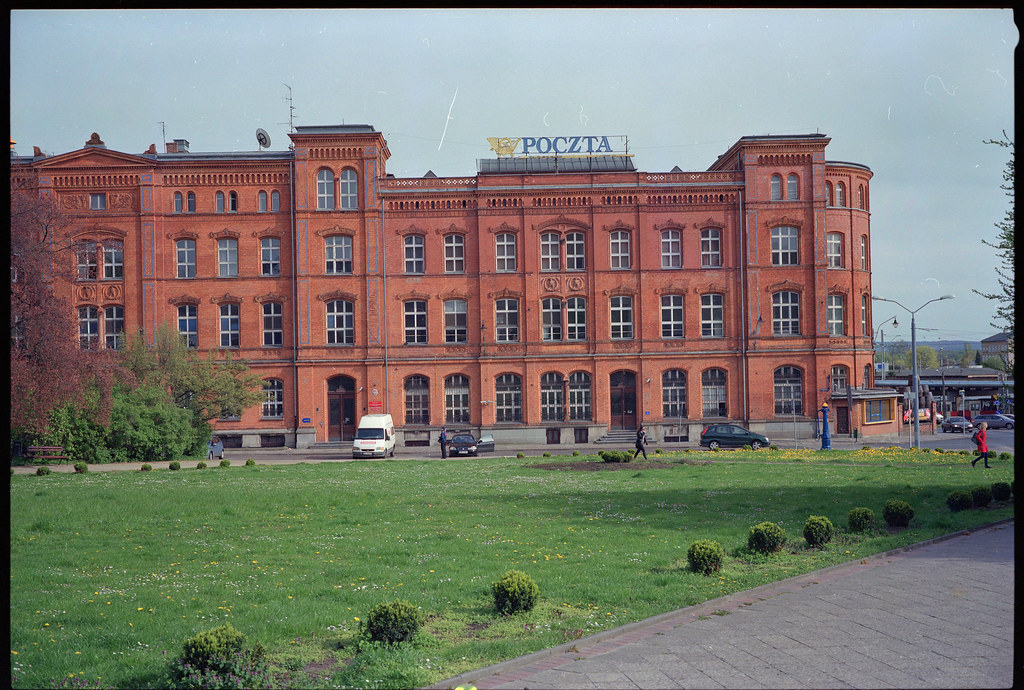
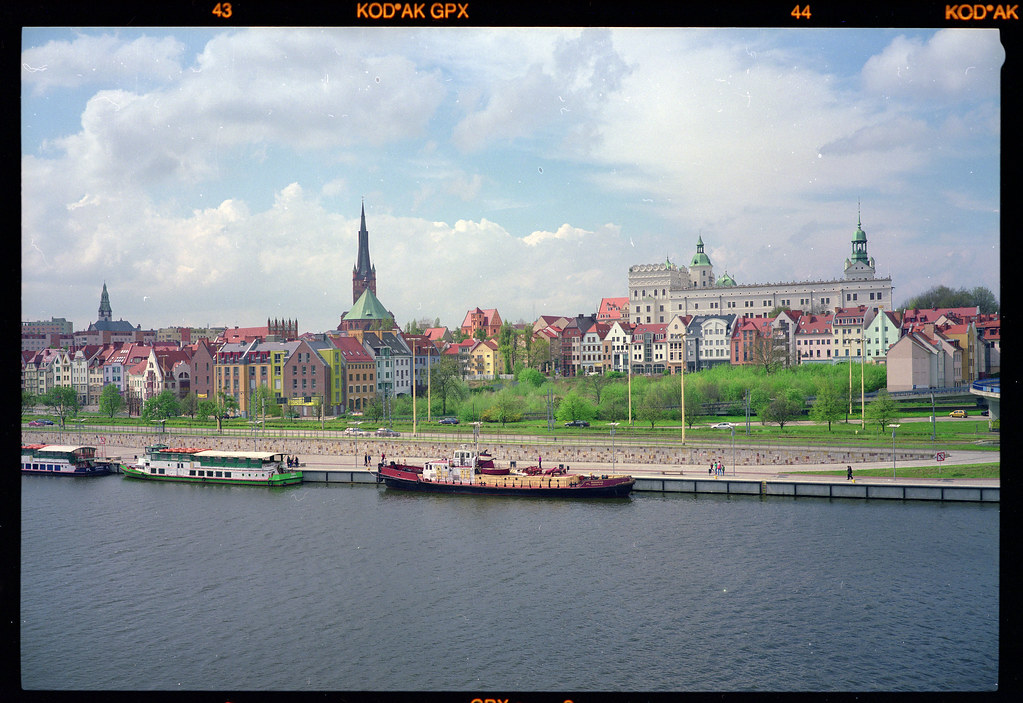
Few more samples from negative stock: Ektar, Digibase, GPX.
-
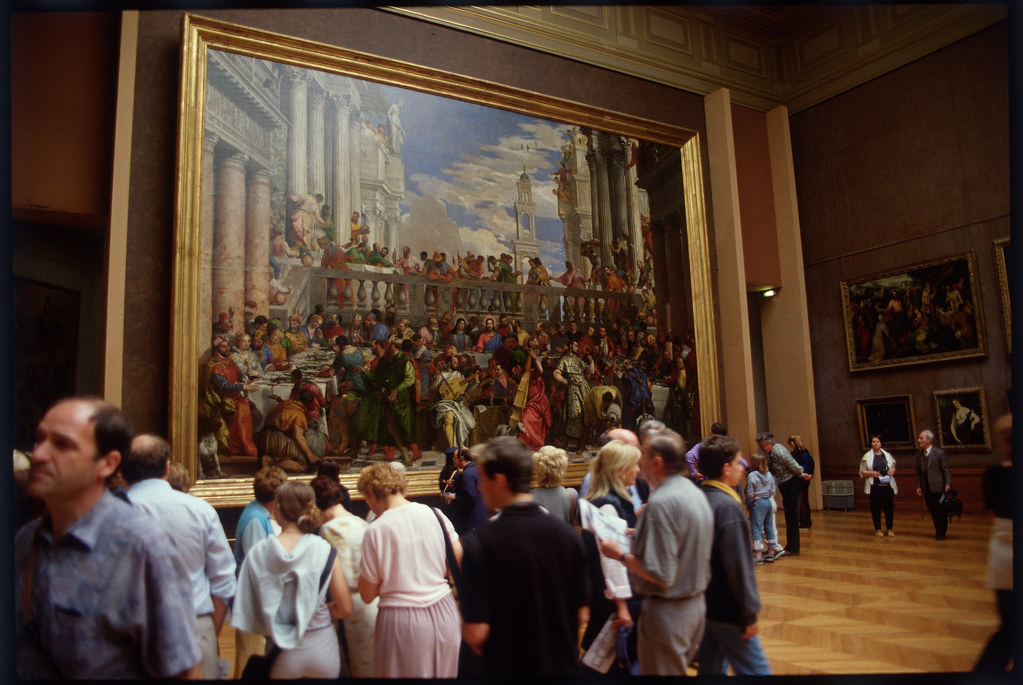
Here is example of Kodak 100VS, May 2000, drum scan, Louvre Museum. I would like get this effect on digital - highlights rolloff.
-
can you link Digilog video samples?
-
On iPhone I’d see the practical route as DNG/ProRAW or RAW burst → custom linear/Metal pipeline → H.265/HEVC, with a much flatter, less processed look than the stock camera. Not ProRes RAW. The limitation is that iOS does not expose continuous Bayer RAW video in the same way Android Camera2 can expose RAW streams, so an iPhone version would likely be AVFoundation + Metal: RAW/DNG stills or bursts, plus a controlled HEVC mode with custom tone, colour, highlight rolloff and IT8/LUT calibration. I don’t have an iPhone to test on right now, so I can’t promise it yet. But the idea is definitely interesting. First I want to finish and publish the Android version and see if people find it useful. If the feedback is positive, I’ll try to look into an iPhone version — probably DNG/ProRAW or RAW burst into a custom Metal colour pipeline and then H.265/HEVC, rather than ProRes RAW. For me the goal is to do as much as possible directly on the phone — capture, colour, calibration, encoding, maybe even basic editing/export, Davinci style. On the PC I’d rather have a voice-driven movie editor, where you can just say what you want to cut, move, translate, subtitle, shorten or colour-match, instead of digging through endless panels. I’m also working on PocketCAD for Android and a customised WearOS/Android smartwatch project, so it’s all part of the same direction: practical tools on small devices, with more voice control and less dependence on big desktop workflows.
-
2K compressed RAW is no problem on the Motorola Edge 50 Pro, but at the moment I’m not sure how to make 4K work reliably. RAW has a nicer rendering than the GPU pipeline, especially in the highlights. I’ve implemented 3×3 color matrices, TRCs, and 1D IT8-based correction for both GPU and RAW/RAWC modes. I think I’ll drop the H.265 mode that goes through the ISP and only keep GPU H.264 for social media compatibility.
-
In the longer term, I am also watching small LOFIC sensors, because for this kind of digital Normal 8mm camera the real limitation may be highlight latitude rather than resolution. A compact 1/2.8" or 1/3" RAW sensor with better single-exposure highlight handling could be very interesting. Another related experiment would be using spectral filters, possibly with a monochrome sensor, to approximate the response of color negative film layers — so the “film look” would start partly at the capture stage, not only later as a LUT in post.
-
Thanks Clark, this is extremely useful. La Faux Bolex is exactly the kind of reference I was hoping to find. I had not looked seriously enough at the machine-vision / GigE route before. The idea of using an existing industrial camera with a proper C-mount is very appealing, especially if it avoids the nightmare of designing the sensor mount, power rails and MIPI/libcamera side from scratch. Your warning about lens-to-sensor distance is probably the most important part. I was tempted by the “bare phone sensor” experiment because damaged phones are now very cheap here in Poland — for example a Motorola Edge 50 Pro with a broken corner can be found for around 100$ — and the phone already gives you screen, battery, storage and potentially RAW video recording. But I agree that mechanically it could become a nightmare: flange distance, dust, IR filter, sensor cover glass, alignment and destroying the camera module. So maybe the phone route is only worth trying as a cheap destructive proof-of-concept to see whether the Pan-Cinor / Normal 8mm look is interesting enough digitally, not as the final camera architecture. The C-mount machine-vision route sounds more “correct” for a real build: industrial camera with known sensor position factory C-mount alignment DNG / raw frame recording Raspberry Pi / Compute Module control then adapt D-mount lenses mechanically My only concern is the D-mount to C-mount adapter. Since D-mount has a shorter flange distance than C-mount, the adapter needs to recess the D-mount lens enough to reach infinity. Have you tested whether the Fotodiox D-to-C adapter actually gives infinity focus with D-mount lenses, or is it more of a macro-only solution? For my project the ideal sensor size would be close to the Normal 8mm gate, around 4.5 × 3.3 mm or slightly larger. That is why I was looking at sensors like AR0234 or IMX900. But your point makes sense: a slightly larger industrial C-mount camera that already works may be much more practical than a theoretically perfect bare MIPI module with no adapter board and no driver. The pistol-grip form factor is also very close to what I have in mind — more like a digital Regular 8mm camera than a normal modern video camera. Thanks again. I’ll study La Faux Bolex more carefully.
-
Hi everyone, I’m wondering if anyone here has tried to build a small digital RAW camera specifically around Normal 8mm / Regular 8mm cine lenses, especially D-mount zooms like the SOM Berthiot Pan-Cinor 8–40mm. The idea is not to make another action camera or phone rig, but something closer to a tiny indie digital 8mm camera: small sensor matched to the Normal 8mm image circle D-mount flange distance RAW10 / RAW12 capture global shutter if possible simple HDMI preview recording to SSD film-like color pipeline: linear matrix, log curve, gentle highlight roll-off maybe later: piezo micro-shift or a controlled “organic” sensor/optical movement to reduce the fixed digital feel I have been looking at sensors/modules such as Sony IMX900 and AR0234. The IMX900 seems more realistic as a ready Raspberry Pi 5 camera kit, but the AR0234 is very attractive because it is cheap, global shutter, 1920×1200, RAW10, and available in color and monochrome versions. The problem is the usual one: MIPI carrier board, Raspberry Pi compatibility, V4L2/libcamera driver, power rails, initialization registers, etc. The goal would be around 1080p or 2K rather than fake “4K”, because these old Normal 8mm lenses have their own character and don’t need a huge modern sensor. I’m more interested in a compact RAW camera with a real vintage 8mm optical look than in maximum resolution. Has anyone here tried something similar? I would be especially interested in: D-mount digital camera experiments Normal 8mm lens coverage on modern sensors Raspberry Pi / Jetson / RK3588 MIPI RAW capture AR0234 or IMX900 RAW workflows custom small camera bodies monochrome sensor + RGB filter experiments piezo sensor shift / film gate weave simulation I’m currently trying to understand whether it makes more sense to use a ready IMX900 Raspberry Pi kit, or to go deeper with a cheaper AR0234 OEM module and somehow solve the carrier board / driver problem. Any experience, links, warnings, or crazy ideas welcome.
-
Right now I’m working on a GPU-accelerated H.265 mode, with the goal of getting video that is as close to RAW as possible while maintaining stable IT8-based color calibration. In RAW mode I’m currently limited to around 22 fps (Motorola Edge 50 Pro). To push beyond that, I’ll probably need to rewrite a significant part of the capture and processing pipeline in C++/NDK and reduce the amount of work done on the Kotlin side. Over the next few days I’m planning to register as a Google Play developer and try to publish an early version of RawLogCam on the Play Store. I’m also considering releasing it first as a closed or open beta. If anyone here has an Android phone with decent Camera2/RAW support and is interested in testing it, I’d definitely appreciate feedback — especially on dropped frames, sustained recording, external SSD recording, RAW compatibility, and color calibration across different sensors. If you have a better idea than going directly through the Play Store for the first public builds, I’m open to suggestions.
-
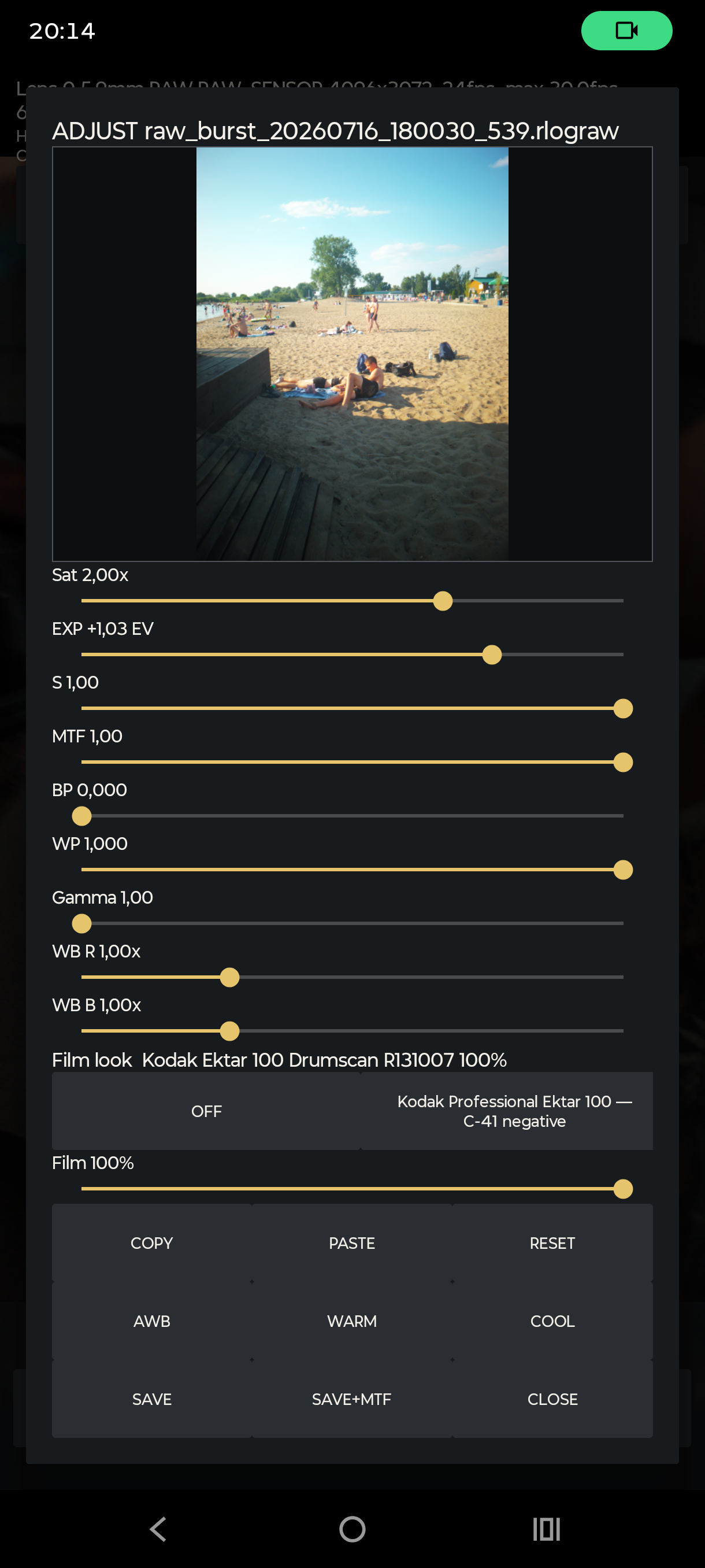
I like Ektar 100 simulation implemented.
-
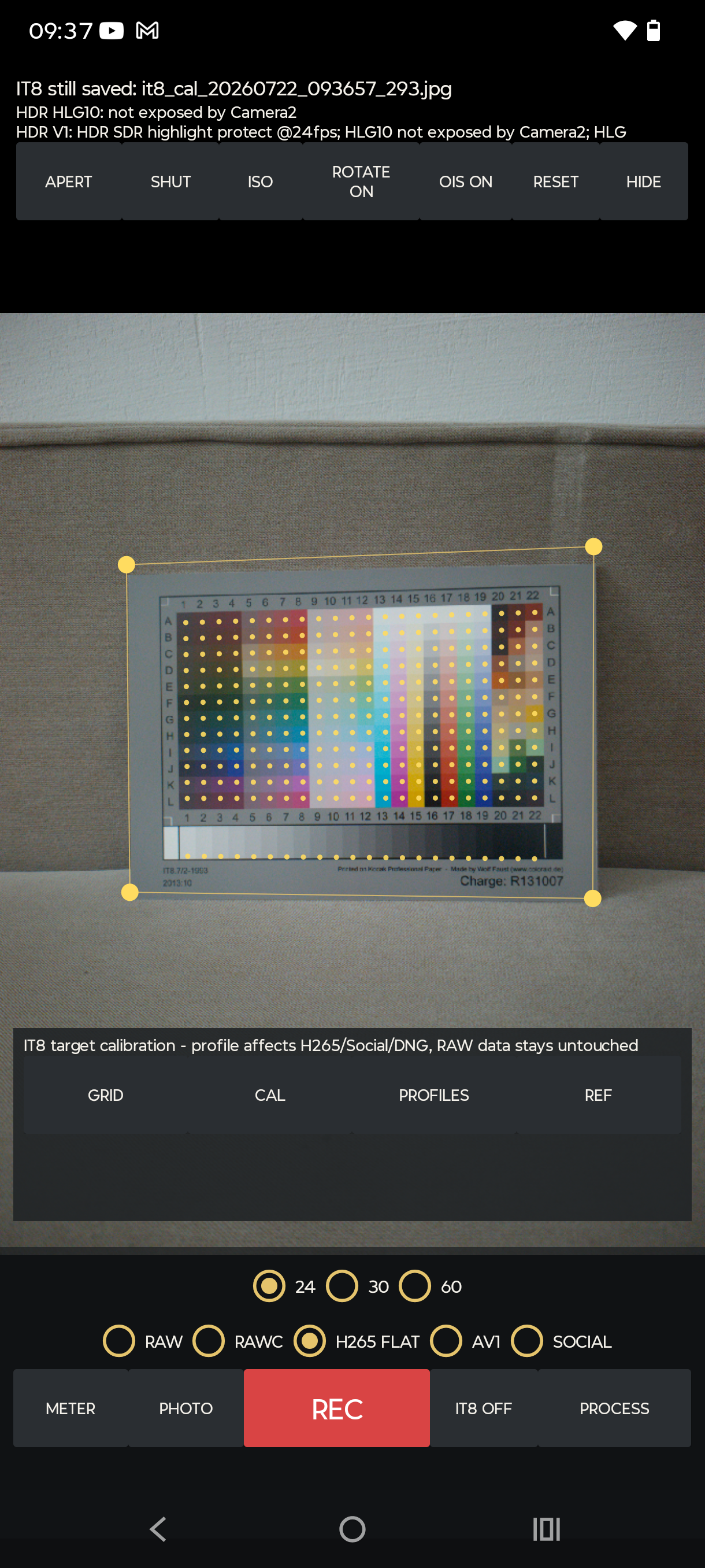
Correcting a bit IT8 grid. Color checker video V2 target is expensive not sure if implement.
-
I used Ektar drumscan: To create simulation profile:
-
Here are a few samples after IT8 color calibration: https://drive.google.com/drive/folders/1EqZM7ZMvsTiZBEeMZ6E6lWjT5Hbzwnrc I’m still working on the in-phone RAW processing algorithms.
-
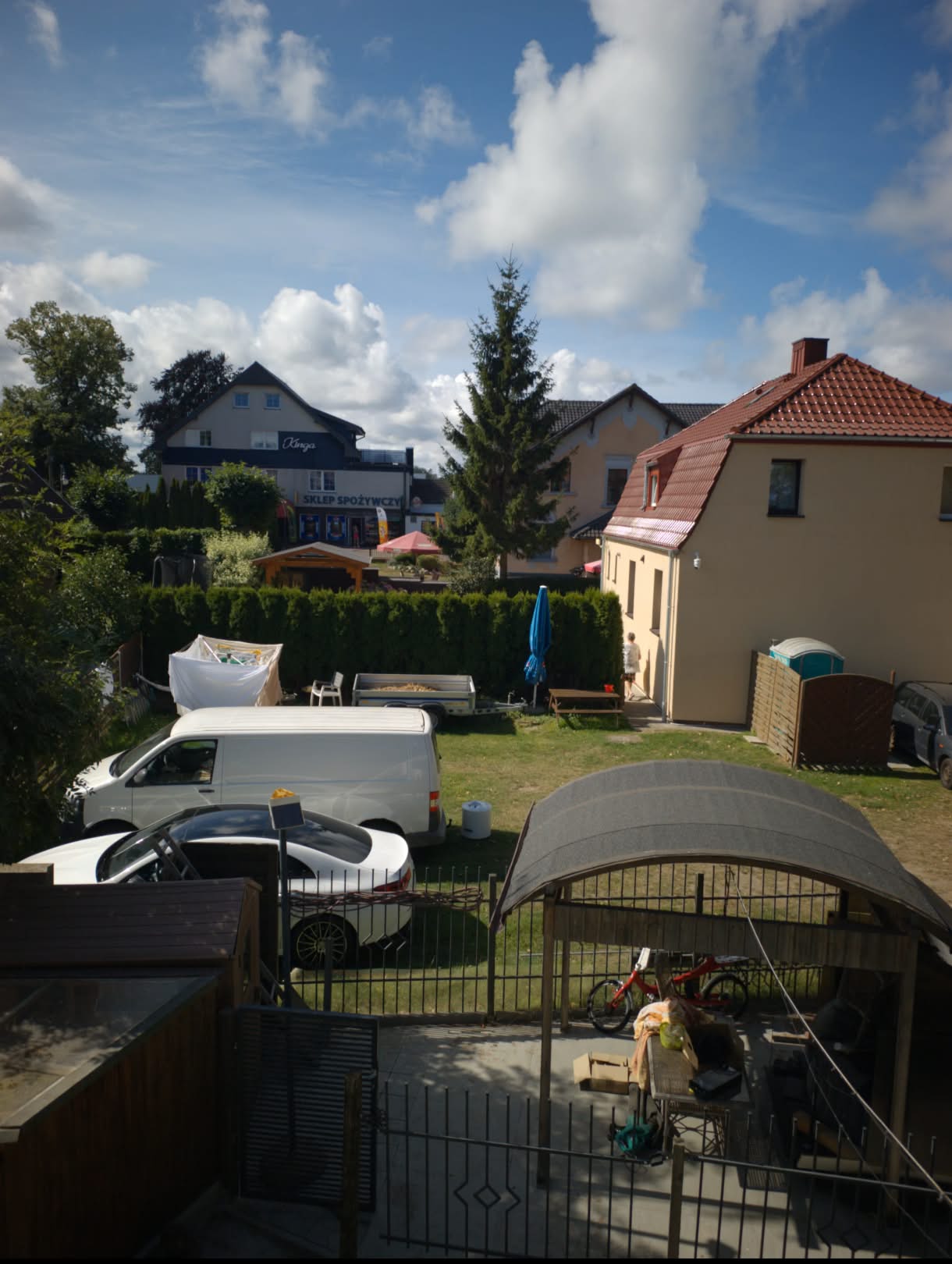
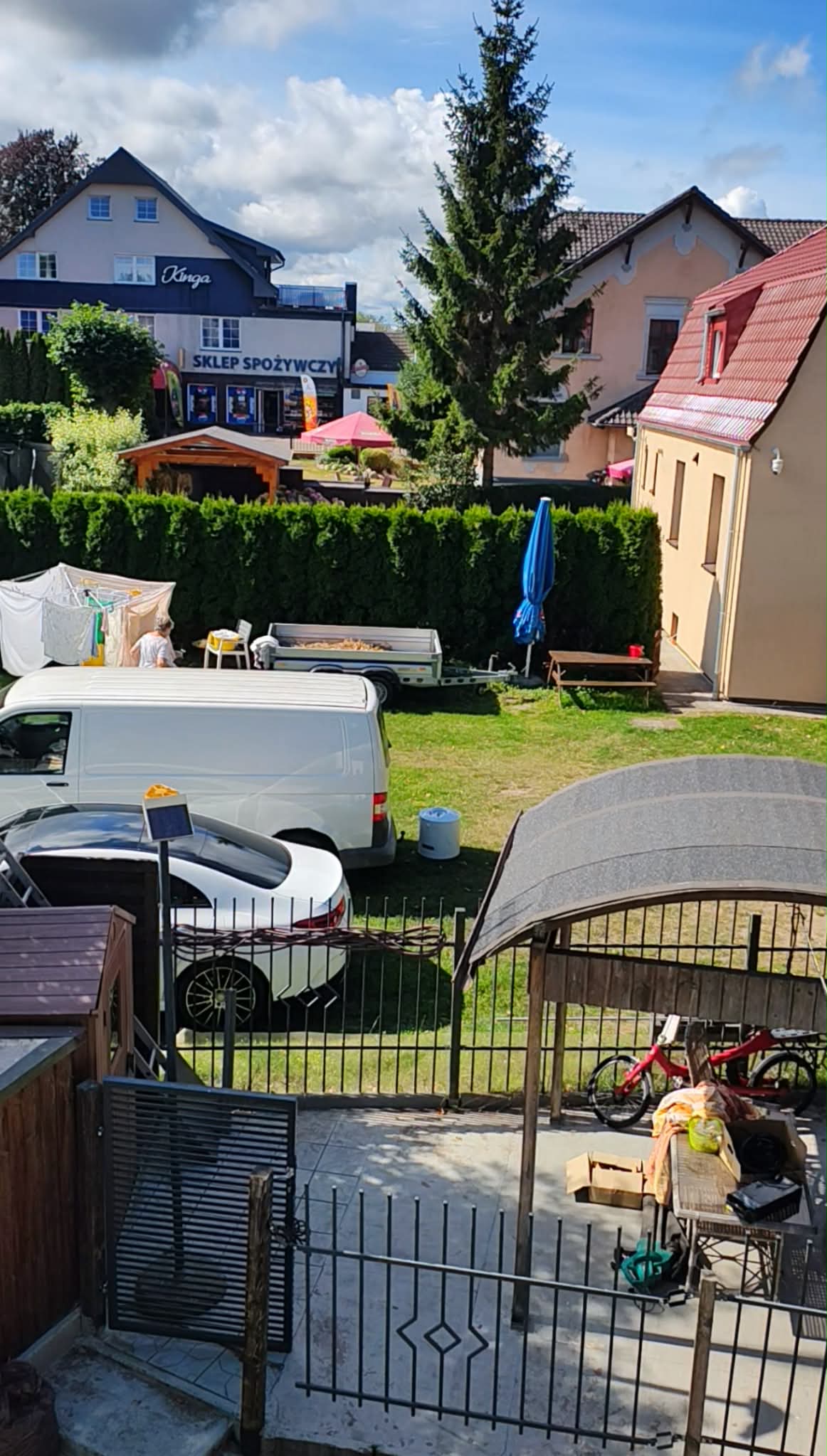
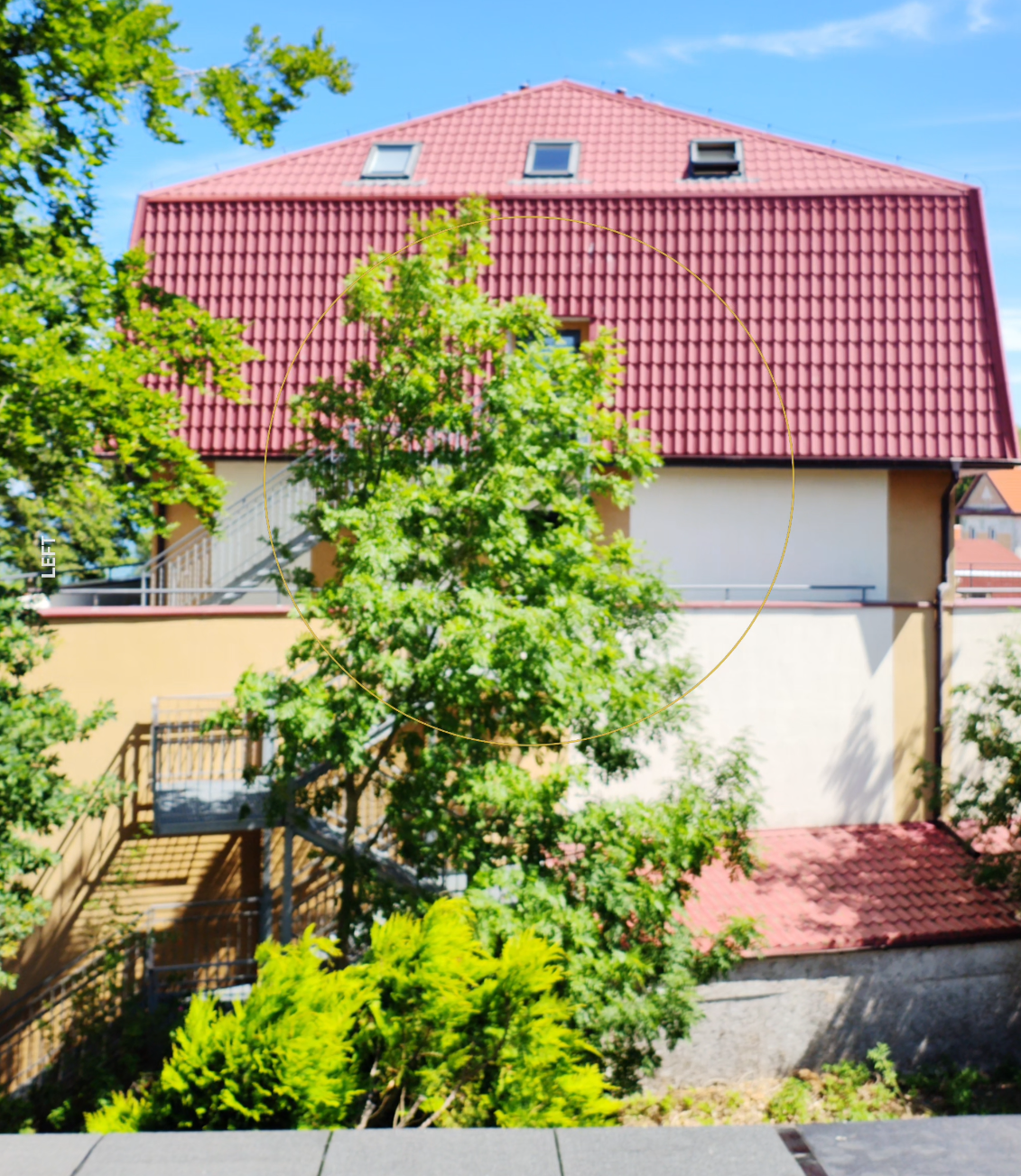
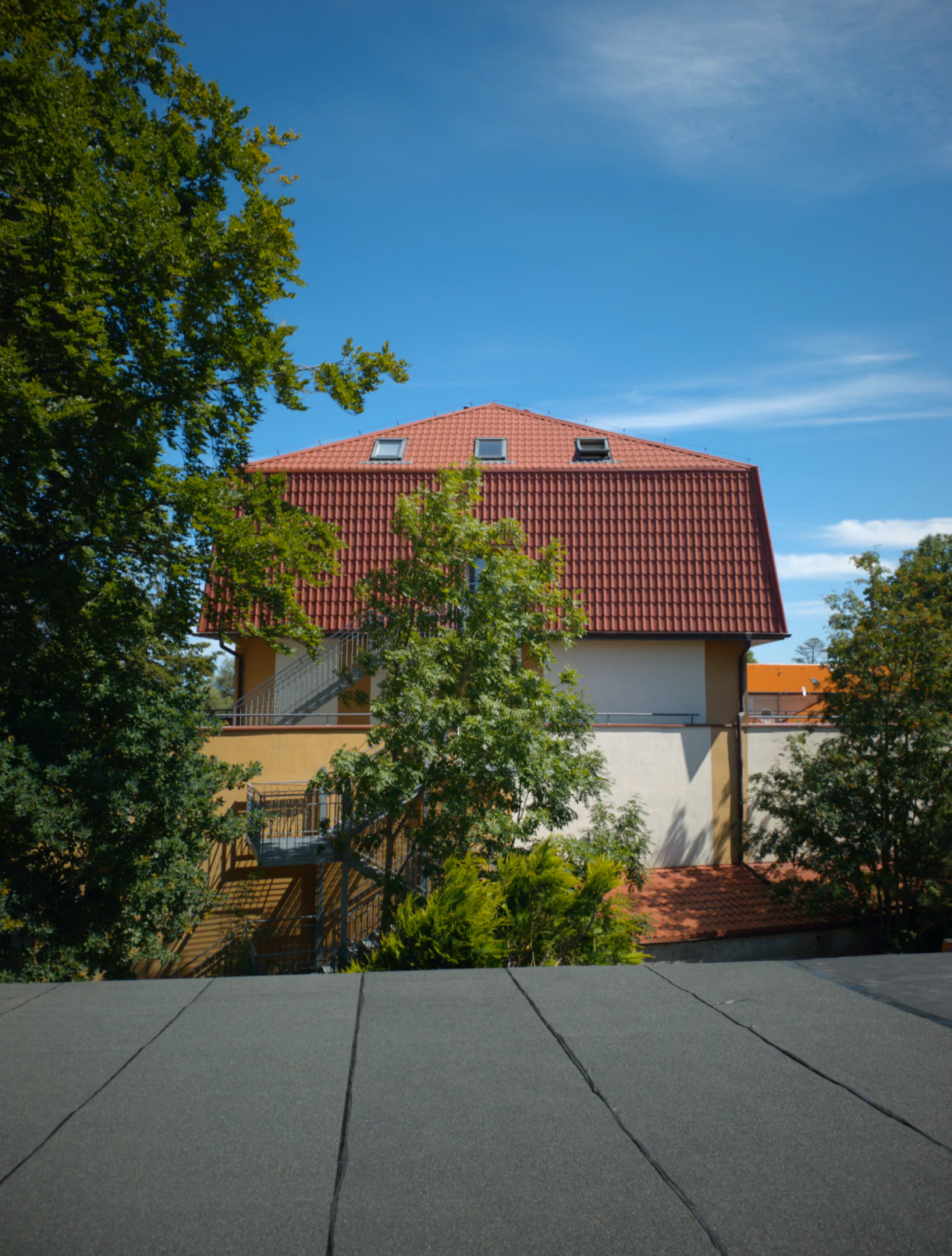
I’m developing a video recorder that can capture both uncompressed and compressed RAW, while also recording a flat H.265 stream with minimal ISP processing. The application can process RAW data and encode the result to H.265. It adjusts the saturation vectors in the linear domain to preserve accurate color relationships and supports color targets for calculating a 3×3 color correction matrix and TRCs. It also includes USM and MTF-based filtering in a mildly nonlinear domain, allowing either sharpening or attenuation of high spatial frequencies. I’m also planning to add film simulations after calibrating the camera using manufacturers’ spectral sensitivity curves. I’m open to suggestions regarding additional features worth implementing. At the moment, my main problem is dropped frames during compressed RAW recording. Below is an example from a Motorola Edge 50 Pro: the brighter image is produced by the phone’s ISP, while the other image is processed from RAW. ISP: RAW: RAW:
-
Fuji GFX 100 loses to Huawei P40 Pro Plus smartphone for dynamic range
jzagaja replied to Andrew - EOSHD's topic in Cameras
Huawei denied Filmic Pro support (log output) in P40pro? -
Fuji GFX 100 loses to Huawei P40 Pro Plus smartphone for dynamic range
jzagaja replied to Andrew - EOSHD's topic in Cameras
Can you post or link wide dynamic range movie capture from P40pro? -
Raspberry Pi Releases an Interchangeable-lens Camera Module
jzagaja replied to androidlad's topic in Cameras
What I would like to see is XY film scanner using video mode to improve resolution and dynamic range. It's only about making proper code - mechanics and optic is easy.